
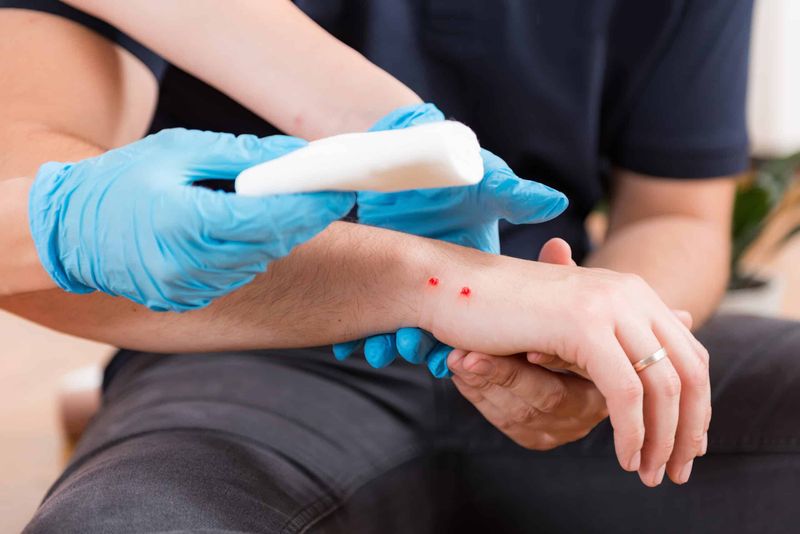
If a black widow bites you while you move patio furniture, wash the area with soap and water, hold a cloth-wrapped cold pack on it, and call North Carolina Poison Control at 1-800-222-1222. Call 911 right away for trouble breathing or any other symptom that seems life-threatening.
Most bites do not turn into emergencies, but a calm plan helps you act fast. Here is what to do, what to watch for, and how to keep it from happening again.
Stored furniture can shelter spiders
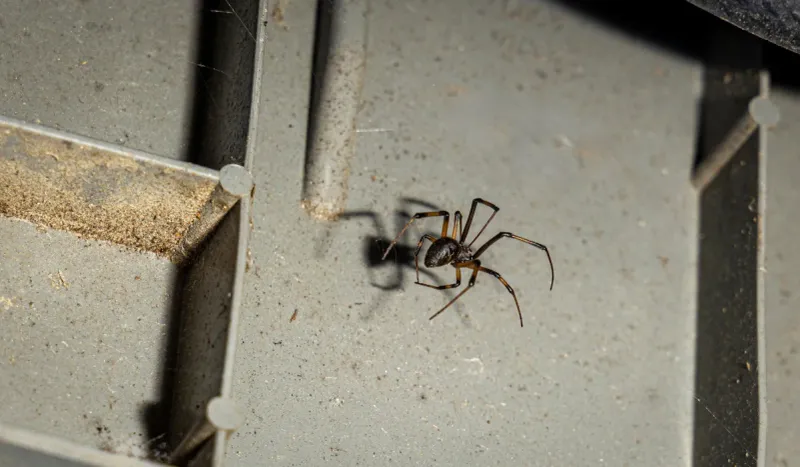
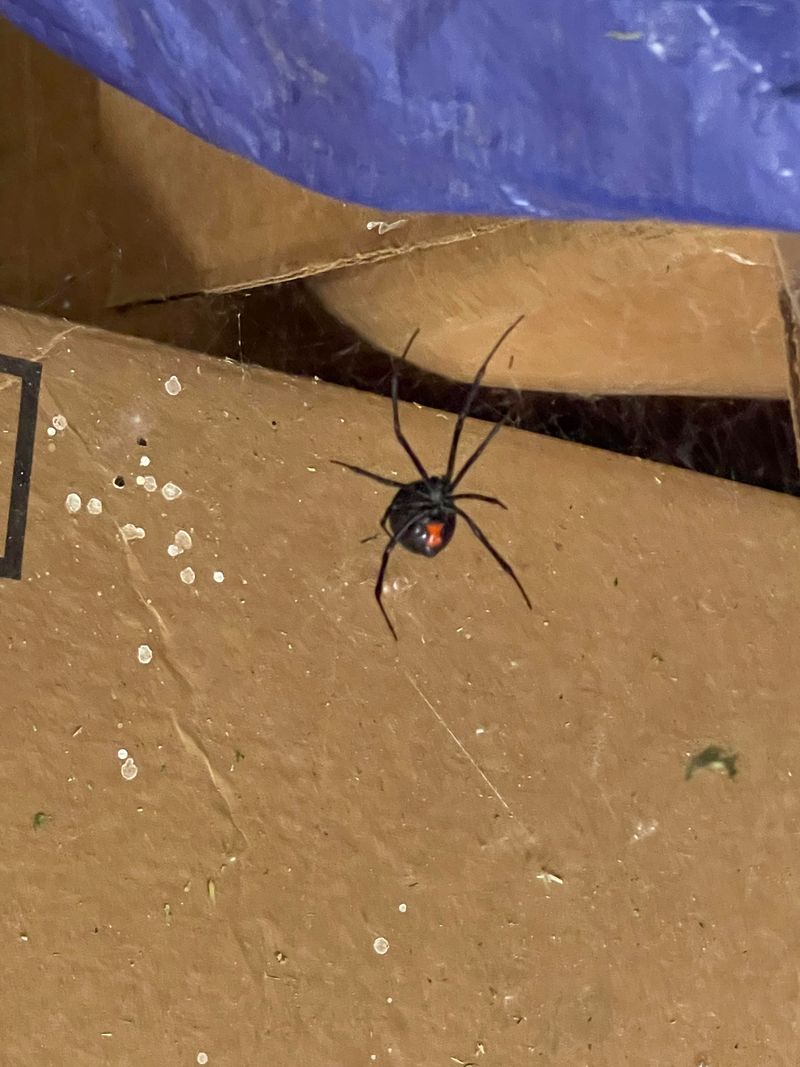
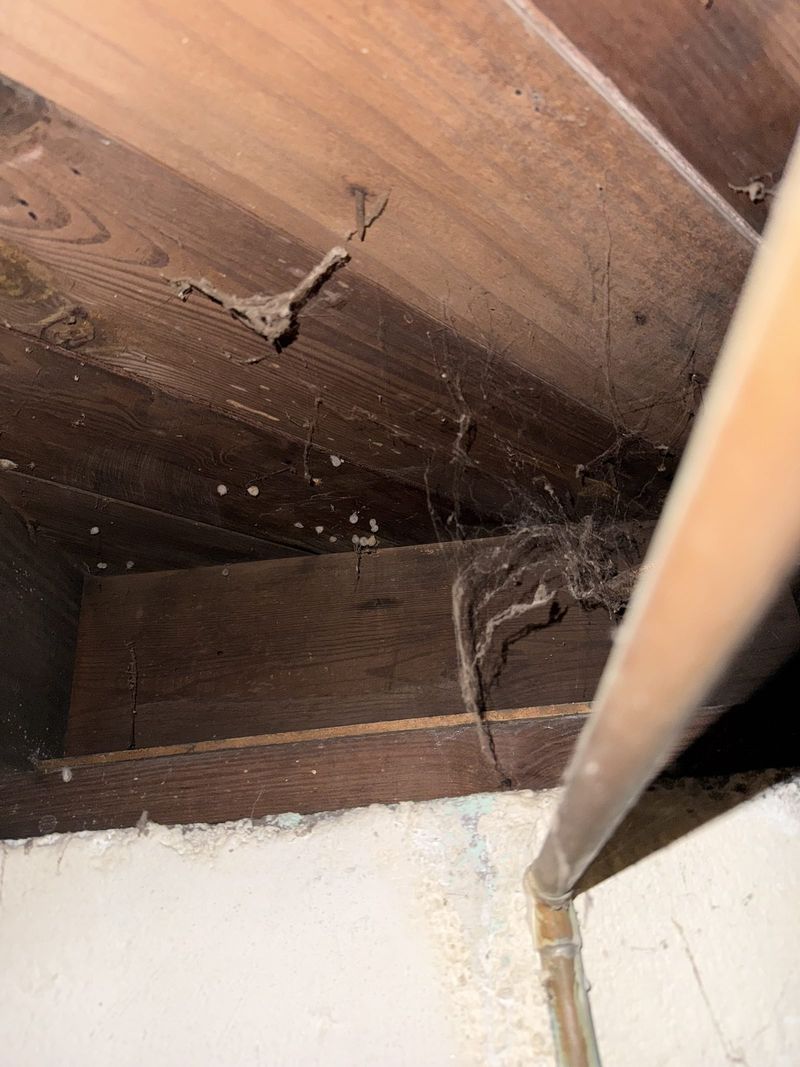
Black widows live in North Carolina, and NC State notes that southern black widows favor low, enclosed places while northern black widows may build higher. Garages, sheds, woodpiles, sheltered areas, and porch furniture are all documented hiding places.
That makes a stack of chairs that sat quietly for months worth a careful look before you grab it.
These spiders generally avoid people. Poison Control explains in its black widow guidance that a bite usually happens when a spider is threatened, trapped, or disturbed.
A hand pressed against a web or squeezed against a surface can do exactly that.
Nobody can say that cushions or chair legs are special nesting spots. The point is simpler: dark, protected, undisturbed corners appeal to spiders, and stored furniture often fits that description.
NC State Extension also advises caution with items left alone for a long time.
Late fall has not been shown to be a high-risk time for bites in North Carolina. MedlinePlus actually says black widows are most plentiful in summer.
So the season is not the clue; how long something has sat untouched is.
Wash the area and apply a wrapped cold pack
Try to stay calm and move away from the furniture. Panic raises your heart rate, and you want to think clearly about the next few steps.
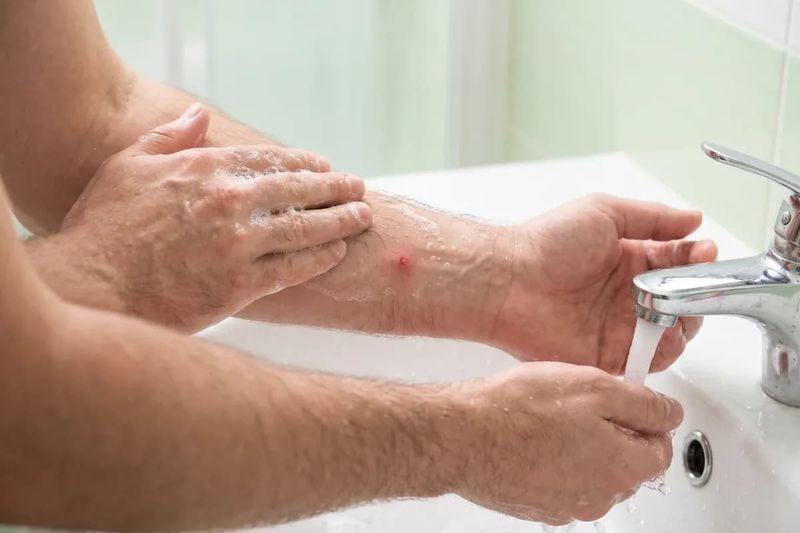
Wash the bite area gently with soap and water. Then wrap a cold pack in a thin cloth and place it on the spot so the ice never touches bare skin.
CDC guidance on venomous spiders supports this kind of simple care.
If the bite is on an arm or leg, raise that limb if you can do so comfortably. Elevation can help with swelling and discomfort.
Sit or lie down while you do it.
Do not try to pull out venom in any way. No cutting, no sucking, and no squeezing the area.
CDC and NIOSH specifically say not to attempt venom removal.
Once the area is clean and cooled, you are ready for the next step, which is getting advice. The North Carolina Poison Control page on black widows lays out the same basic approach and points to the helpline.
Call North Carolina Poison Control for guidance

After first aid, call 1-800-222-1222. This is the national Poison Control number, and it connects North Carolina callers to specialists, as described on the NC Poison Control black widow page.
The call is free and help is available around the clock.
The person on the line can ask about your symptoms, your age, your health, and where the bite happened. Then they can tell you whether home care is reasonable or whether you should be seen in person.
That advice fits your situation instead of a one-size-fits-all rule.
You do not need to be sure it was a black widow. Many people never see the spider that bit them, and a call is still worthwhile.
Describe what you saw, what you felt, and what you were doing.
Keep one limit in mind. Poison Control is not a substitute for emergency services.
If someone has trouble breathing or any symptom that looks immediately life-threatening, call 911 first and do not wait on hold for anyone else.
Pain and cramps may spread beyond the bite site
Some people feel a pinprick or sharp local pain at first. According to MedlinePlus, pain can then spread from the bite, and muscle cramps may follow.
Sweating, nausea, vomiting, and higher blood pressure are also possible.
Poison Control describes a similar pattern. Cramping in the belly, back, or chest area can show up, sometimes within hours.
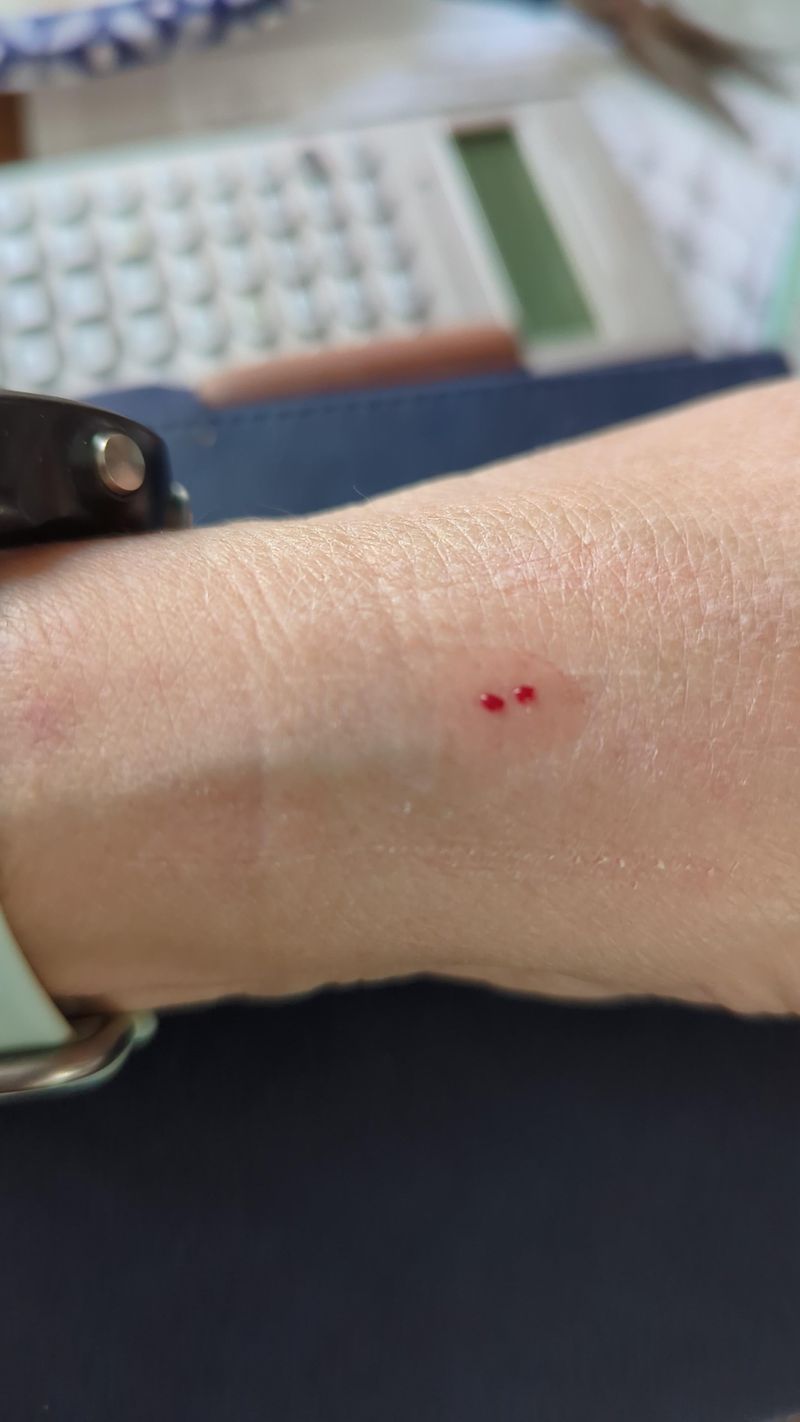
Marks on the skin are not a reliable test. A bite may leave a small mark or no obvious mark at all, and either one cannot confirm or rule out a bite.
Two neat puncture holes are not something to count on.
Some people do not realize right away that they were bitten. NC State Extension says in its spider guide that a bite may be relatively mild.
Not every bite brings severe symptoms.
If you felt something odd while handling furniture, keep track of changes over the next several hours. Note when pain started, where it moves, and whether cramps are getting stronger.
Those details help the Poison Control specialist advise you.
Get emergency help for severe or worsening symptoms
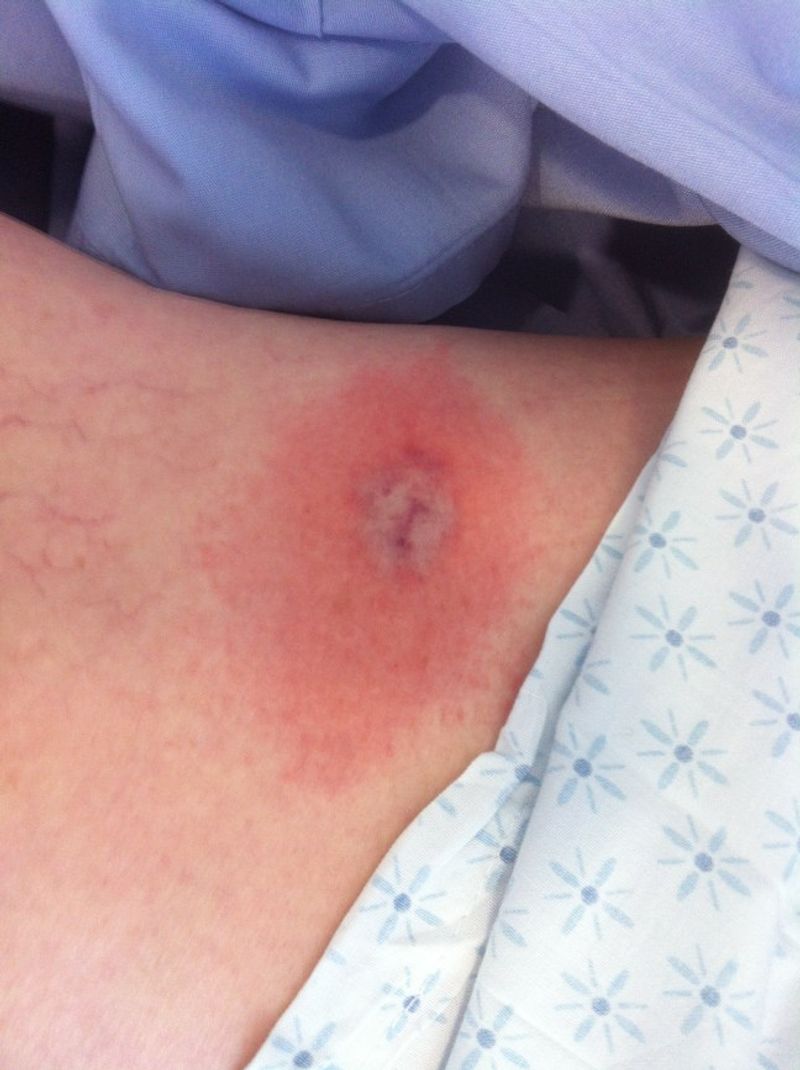
Some situations call for an emergency visit. Go if you have severe muscle pain or cramps, weakness, significant nausea or vomiting, or pain that oral medication does not control.
The NC Poison Control guidance lists these as reasons to seek medical care. Symptoms that keep getting worse belong on that list too.
Call 911 for trouble breathing or any other immediately life-threatening symptom. Do not drive yourself if you feel faint or weak.
Poison Control should not delay that call.
Milder symptoms are different. Local soreness or mild discomfort may mean you only need advice from Poison Control, not an automatic trip to the emergency room.
For context, Poison Control reviewed more than 15,000 black widow exposures reported to poison centers. It found no deaths, and about 10 percent of people were admitted to a hospital.
That shows severe outcomes are uncommon, but it does not guarantee how any single bite will go.
If you do reach a hospital, antivenom may come up. It is a hospital treatment generally reserved for symptoms that other treatment does not control.
It is not available at every hospital and can cause serious allergic reactions, so doctors weigh it carefully. It is never a home remedy, and CDC and NIOSH point workers toward medical care when symptoms are serious.
Some people should seek medical attention promptly
General symptom-based advice does not fit everyone. A child, a pregnant person, or someone in poor health may be affected differently.
For these groups, NC State recommends immediate medical attention after a black widow bite.
That means no waiting to see whether severe symptoms develop. If a young child says something stung or bit them near the furniture, or a pregnant family member is bitten, get medical care right away.
Doing first aid on the way is fine as long as it does not slow you down.
The same goes for adults with serious health conditions. If you are unsure whether someone fits this group, a call to Poison Control at 1-800-222-1222 can help sort that out.
If anyone has trouble breathing, call 911.
Small children cannot always explain what happened. Look for sudden crying, a limp, clutching a limb, or a refusal to use a hand, especially after play near a garage or shed.
Avoid risky remedies and inspect stored items
Skip the old home remedies. Do not cut or suck a bite, apply a tourniquet, or try to remove venom.
CDC and NIOSH specifically say not to attempt venom removal.
Do not handle a spider to identify it. A photo taken from a safe distance may help, since identification can be difficult.
NC State notes that young and male widows may not look like the familiar adult female.
Tetanus is another question for a health professional. CDC guidance ties booster timing to the wound type and your vaccination history, so there is no single interval for every suspected spider bite.
Next time you tackle storage chores, wear gloves. Shake out cushions and covers, look over chair frames with a flashlight, and never reach blindly into dark corners or behind stacked items.
A broom handle can help you move things first.
If a bite happens anyway, wash, cool with a wrapped cold pack, and call 1-800-222-1222. A few slow, careful minutes with the furniture usually beat a long evening of worry.