
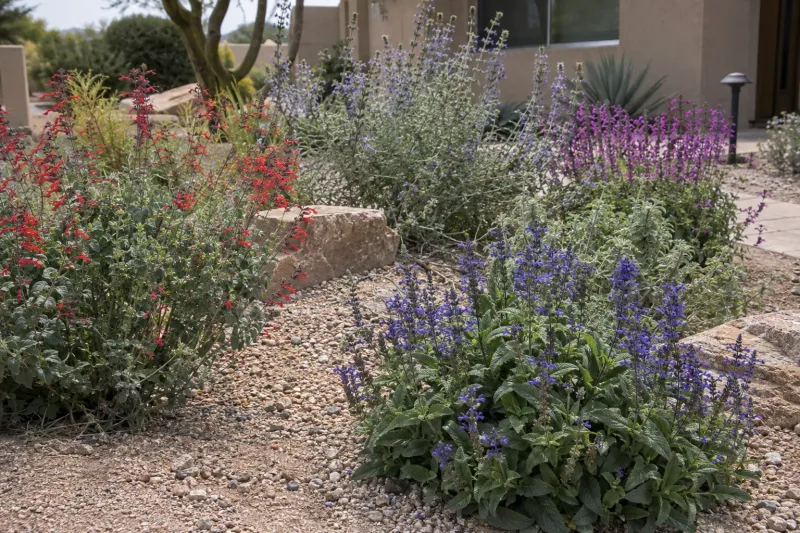
Snipping a few stems from your lantana or autumn sage before a hard freeze can give you new plants without a trip to the nursery. A cutting is just a piece of a plant that can grow roots and become its own plant.
Some cuttings take, and some do not, so think of this as a fun, low-cost experiment. Here is how to decide whether it makes sense for the plants in your yard.
Identify the plant before you take a cutting
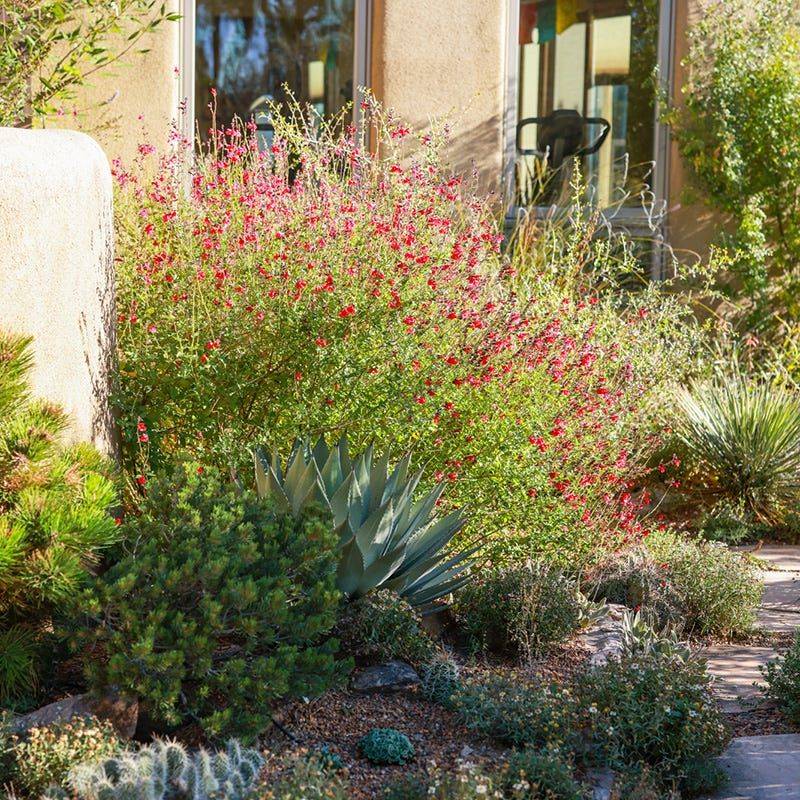
Not every lantana or salvia in a Texas yard is the same plant, and that matters before you reach for the pruners. Texas native lantana (Lantana urticoides) is a different plant from the ornamental lantanas and hybrids sold at garden centers, and UT Austin’s Biodiversity Center notes that these plants are often confused and cultivated varieties can be hard to tell apart.
Winter survival also differs between native, hybrid, and more tropical forms.
That difference changes the plan. Native Texas lantana may come back from its roots after a freeze, and an Ask Extension answer on frost-bitten lantana points out that some non-native or hybrid types may not.
So a frozen, brown lantana is not automatically a lost cause, and not every lantana needs a backup cutting. If you are unsure what you have, look at a plant tag, a receipt, or photos from the nursery, and think about how it did in past winters.
Salvias need the same care. The wider salvia family covers many plants with different habits and hardiness.
The guidance in this article applies to autumn sage (Salvia greggii), which Texas Tech lists as a Texas native propagated by stem cuttings. Other ornamental salvias may need different timing, so do not assume the same method fits every one.
A quick test helps. If your plant has small woody shrubs with red, pink, or coral flowers and tiny leaves, it is likely autumn sage.
If it is a lantana that has survived several Texas winters, it may not need rescuing at all.
Autumn timing suits one plant better than the other
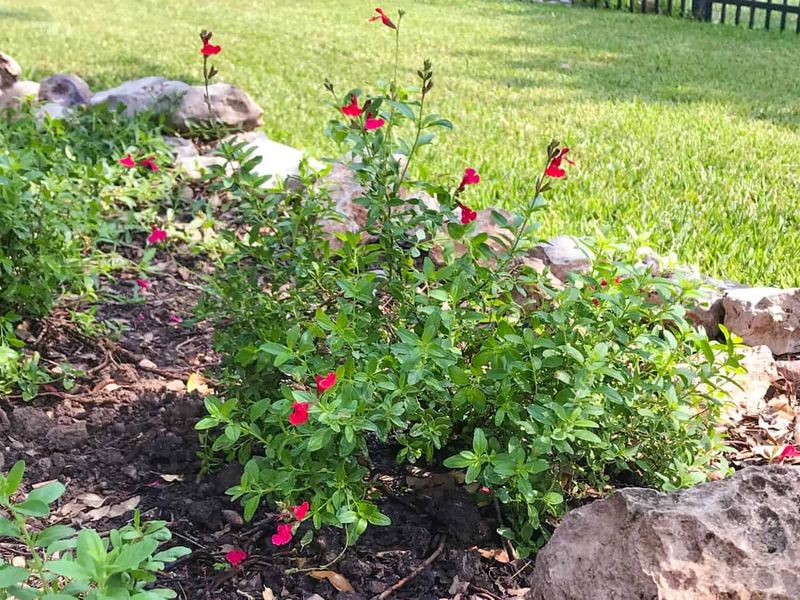
Late November is not a shared deadline for both plants. For autumn sage, the Royal Horticultural Society recommends semi-ripe cuttings in late summer or autumn, and it specifies bottom heat.
A Plant Select propagation protocol adds that cuttings can be taken whenever the plant is actively growing.
Lantana points to earlier windows. Texas A&M AgriLife guidance for Texas lantana says cuttings of several inches taken in late summer root well in moist, well-drained soil, and rooting hormone is suggested.
For trailing lantana, a Texas A&M Superstar write-up favors spring or early summer.
None of these sources names late November as the best time for lantana, and none promises that either plant will root. So if your lantana is still putting out fresh green growth, a cutting is a reasonable gamble.
If it has already been hit by cold, the better plan may be waiting for spring.
Autumn sage is the stronger candidate right now, especially if it is still growing and you can offer some warmth at the base of the cutting.
Take healthy cuttings that match the plant
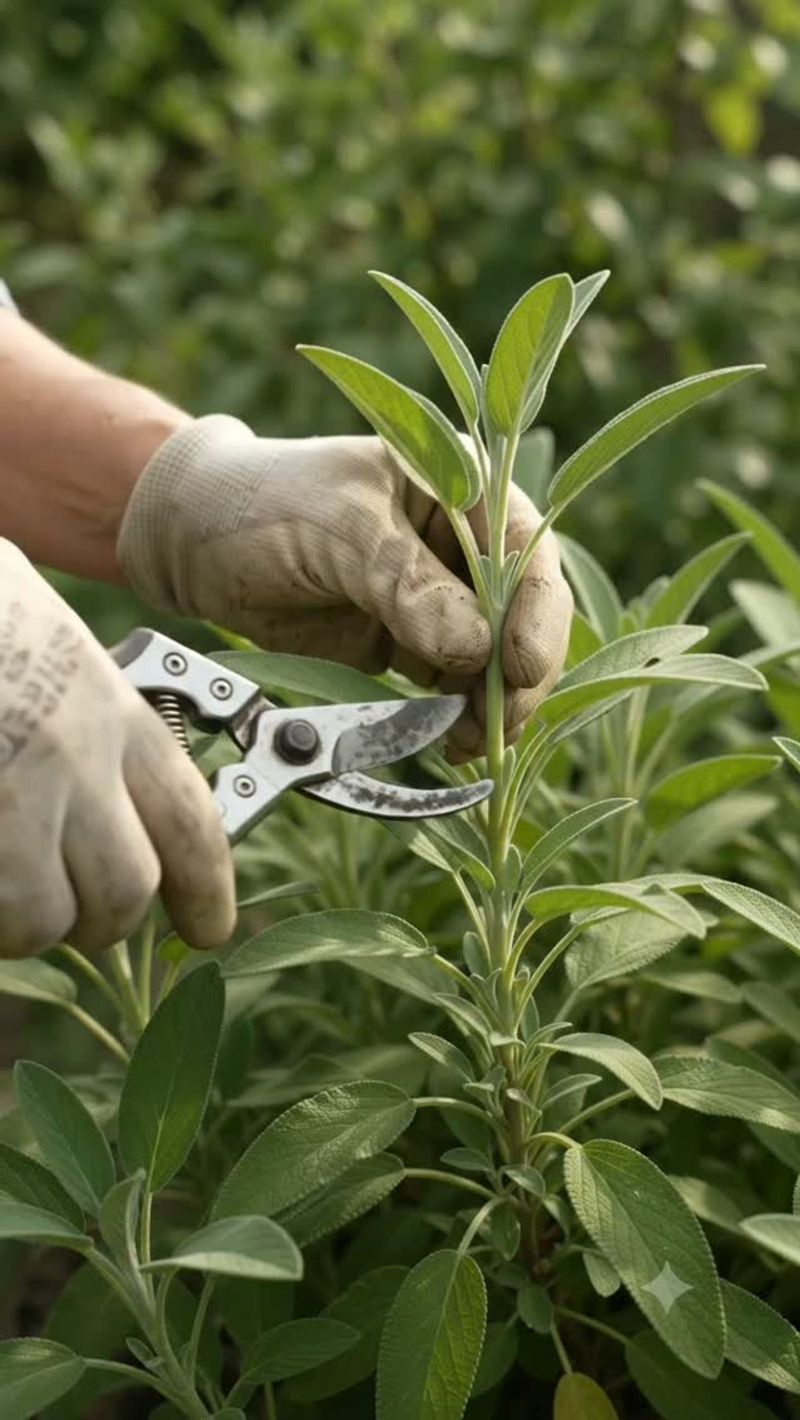
Start with stems that look strong. Healthy, actively growing material gives you the best shot, and weak, woody, or diseased stems are not worth the effort.
Skip anything chewed up by insects or blackened by frost.
For autumn sage, the Plant Select protocol describes removing flower stalks and taking two-inch tip or internodal cuttings. Tip cuttings include the growing end of a stem.
Internodal cuttings are cut between leaf joints. Pull off flowers and buds so the cutting puts its energy into roots instead.
Lantana is a different story, and the two recipes should not be blended. For Texas lantana, Texas A&M AgriLife describes cuttings of several inches in late summer, with rooting hormone suggested.
For trailing lantana, Texas A&M advises six-to-eight-inch cuttings in spring or early summer, leaving two or three leaves, in moist but not soggy, well-drained medium with indirect light. Do not assume that exact method fits every lantana species or cultivar.
Plant identity and what growth is actually available decide which advice applies. If your lantana has only tired, frosted stems, it may be smarter to skip it and let the roots do the work.
If your autumn sage has fresh green tips, snip a handful rather than one, since some will likely fail.
Set up a warm, bright place for rooting
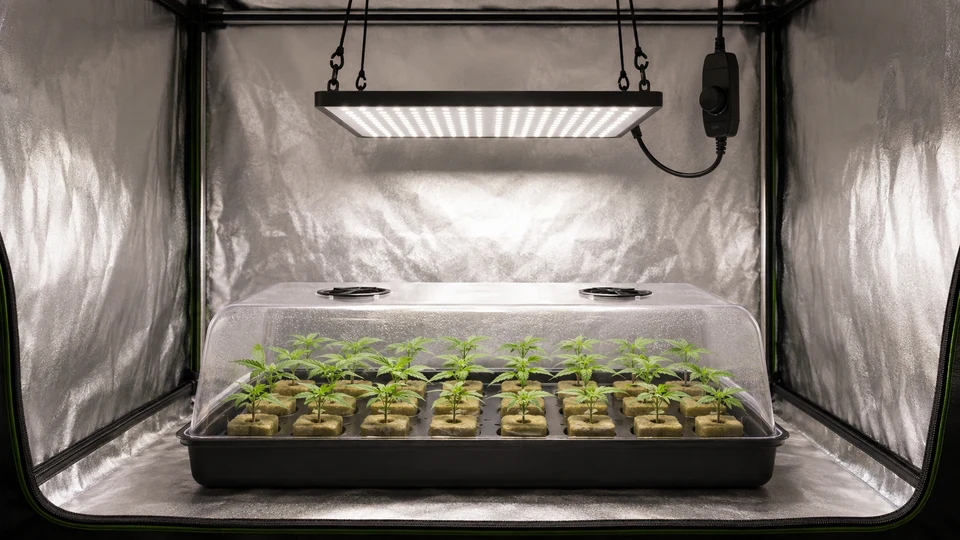
A few basics apply to most stem cuttings. They come from Illinois Extension’s cutting guidance, which is general advice and not a species-specific guarantee for lantana or salvia.
Treat it as a solid starting point.
Use clean tools and a disease-free rooting medium, such as fresh mix rather than soil scooped from the yard. Cuttings typically have two to six nodes, with extra leaves and any flowers removed.
Keep the medium moist but not soggy, since a waterlogged pot can rot the stem before roots form.
Give the cuttings bright, indirect light. Direct sun through glass can scorch them.
To raise humidity, you can cover the pot with a clear dome or bag, but ventilate it so air moves and mold does not set in. The same guidance recommends a warm rooting medium, around 75 to 80 degrees Fahrenheit.
That warmth is where a plain windowsill often falls short. Glass can be chilly on a November night, and a sill can swing between hot afternoons and cold mornings.
A seedling heat mat under the pot is one way to supply steady warmth, and it fits the bottom heat the RHS mentions for autumn sage. A windowsill alone does not guarantee success, so check the pot with your fingers and a thermometer.
A rooted cutting may still need more time
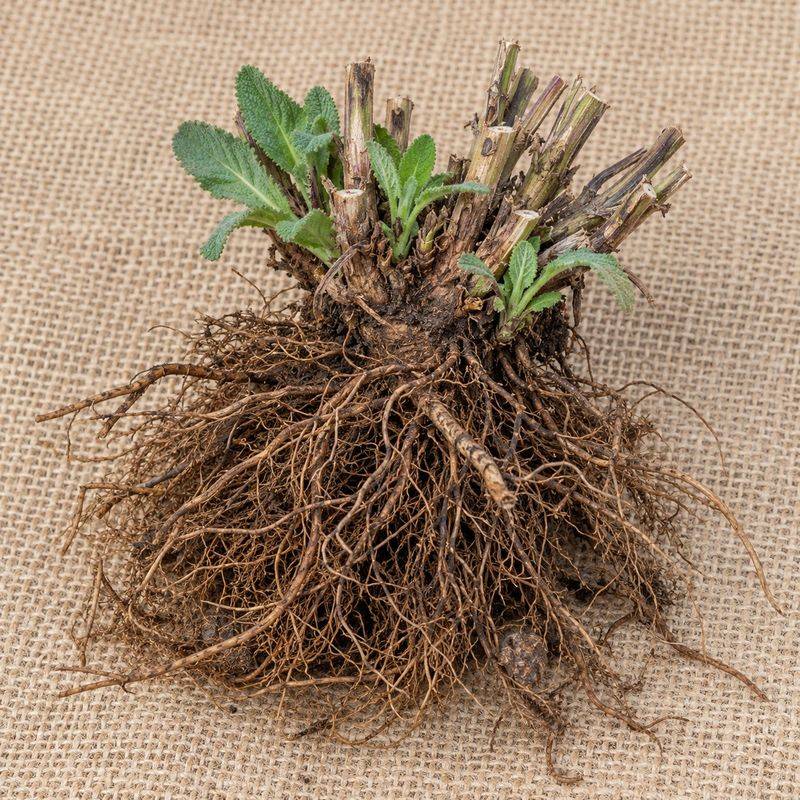
Rooting depends on the plant, whether it was actively growing, and the conditions you provide. The Plant Select protocol supports taking autumn sage cuttings, but none of the reviewed guidance promises that a late-November cutting will be ready to transplant by spring.
Some may root and some may not.
Signs to watch for include new leaf growth at the tip and resistance when you give the cutting a very gentle tug. A rooted cutting may still be small and tender.
If spring arrives and the roots look thin, give it more time in its pot before moving it outdoors, and wait until the weather settles.
One real benefit is that a cutting copies its parent. According to Illinois Extension’s propagation guidance, vegetative cuttings generally reproduce the parent plant’s traits.
That makes them handy when you want another plant just like the one with the color or shape you love, instead of seedlings that can vary.
Plan for a few failures, and treat each one as information about your setup rather than a verdict on your skills.
Handle lantana with care
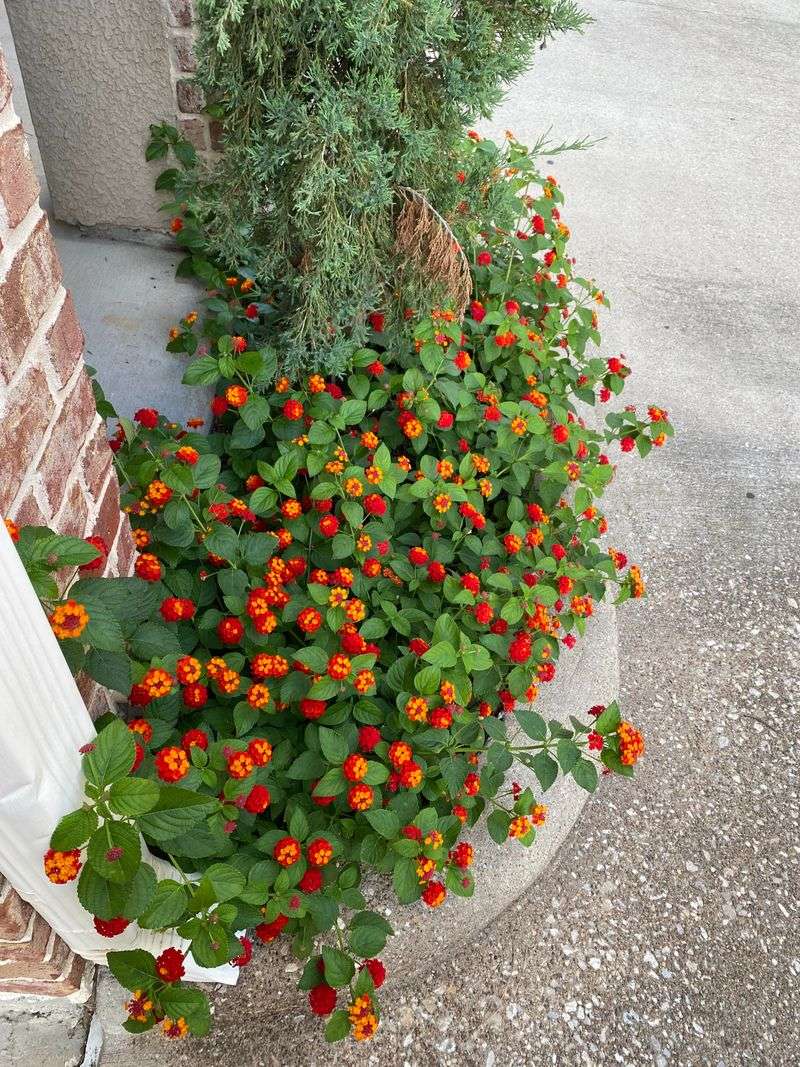
Lantana deserves a quick safety note. UT Austin’s Biodiversity Center says Texas lantana foliage may irritate skin and that partially ripe berries are toxic.
Wear gloves and long sleeves when taking cuttings, and wash your hands afterward.
The warning about toxins in all parts applies to Lantana camara, which Texas A&M AgriLife describes that way. Do not treat lantana berries as food, no matter how they look.
Keep trimmings, berries, and cutting pots away from children and pets. Bag up the clippings and toss them somewhere they cannot be reached rather than leaving them on the ground.
Decide whether a small trial makes sense
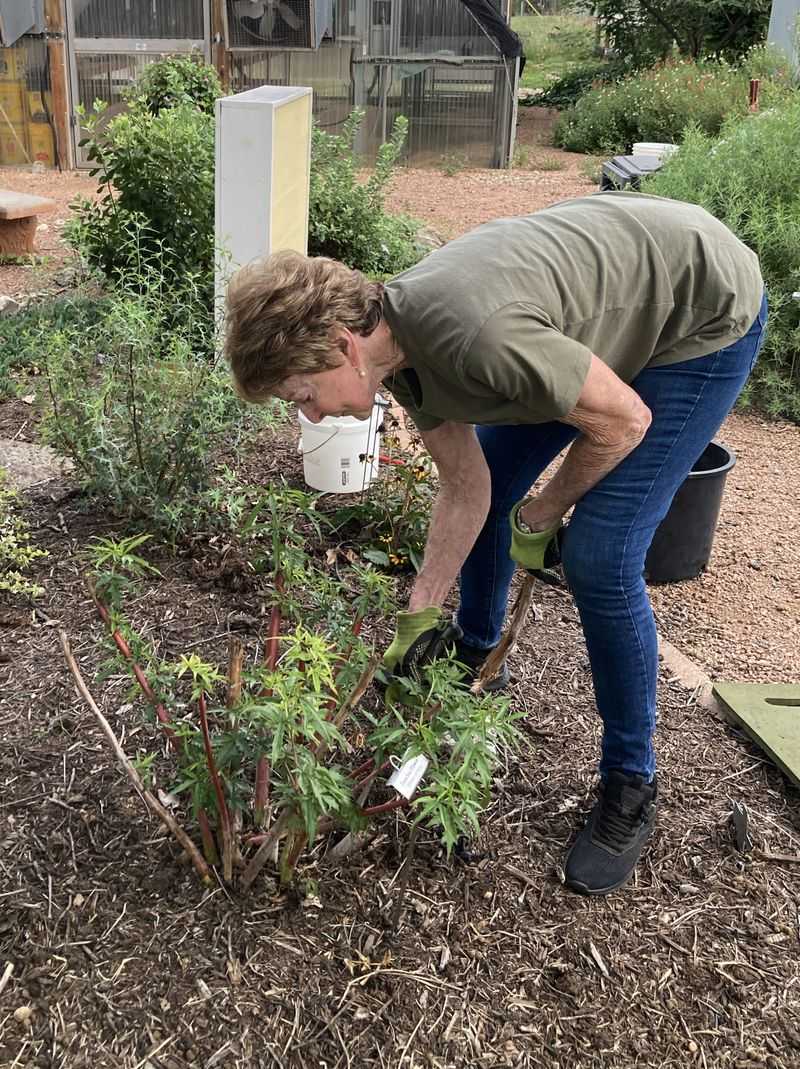
Start by identifying the plant, take only healthy material, and try it if you can offer warmth, light, and steady moisture. Autumn cuttings have clearer backing for autumn sage, where the RHS supports them, than for lantana, where Texas A&M AgriLife points to late summer.
Whether new spring plants appear is open. A few snips cost almost nothing, and a frost-proof pot of cuttings is a small bet worth placing.