

Putting fertilizer on your lawn in December is mostly a waste of money for many North Carolina yards. Dormant grass cannot use it, and frozen ground sends it washing away.
The real answer depends on what kind of grass you have, and a few quick clues can tell you. Here is what your lawn actually needs to get through winter.
Start by identifying your grass
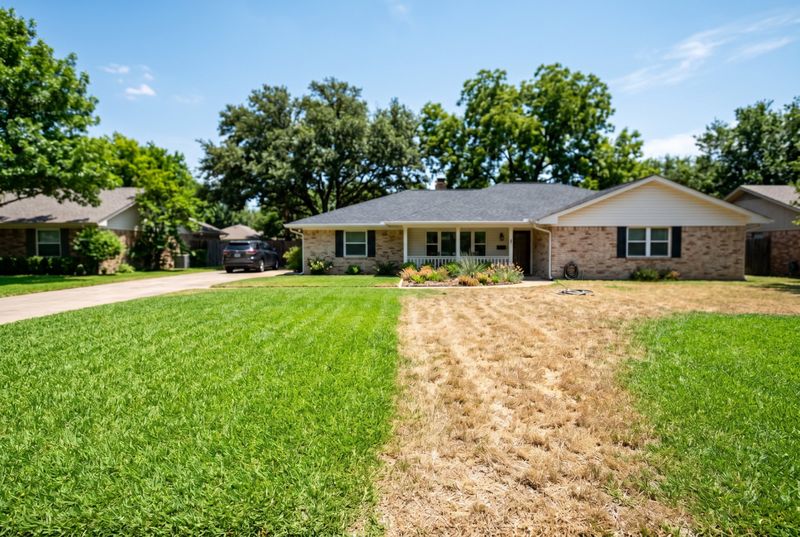
Before you buy a single bag of fertilizer, figure out what is growing under your boots. Tall fescue is a cool-season grass, so it stays green through most North Carolina winters.
Common warm-season lawns, including centipedegrass, bermudagrass, zoysiagrass, and St. Augustinegrass, typically turn brown and go dormant after the first heavy frost, as described in NC State’s Carolina Lawns guide.
That one difference changes your December plan. A green lawn in the middle of winter is probably fescue.
A tan, straw-colored lawn that looked fine in July is probably a warm-season grass sleeping until spring.
Some quick clues can help if you are unsure. Fescue grows in clumps and has wide, coarse blades, while bermudagrass and zoysia spread along the ground with runners and feel dense and carpet-like.
Centipedegrass tends to have light green, flat blades and creeping stems. Ask a neighbor with the same sun exposure what they grow, or bring a plug of turf to your county Cooperative Extension office for a free ID.
Do not assume every lawn in the state is dormant in December. Mountain, Piedmont, and coastal yards all differ, and regional schedules can vary.
Once you know your grass, the next sections show where each type stands on fertilizer, so you can skip the guesswork and keep your money in your wallet.
Tall fescue follows a different fertilizer calendar
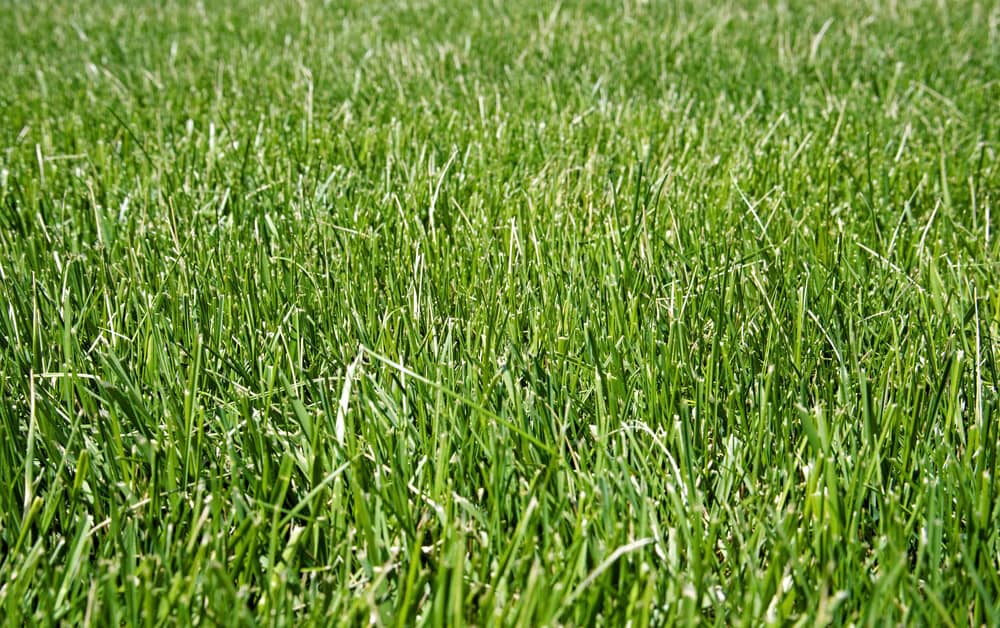
Fescue owners often hear that December feeding is always wrong, but the real picture is a bit more specific. NC State’s tall fescue maintenance calendar puts fall applications in September and November, then schedules the next routine application in February.
December simply falls outside that routine timing.
For an established fescue lawn, the calendar’s rate is 1 pound of nitrogen per 1,000 square feet for each of those applications. That means mid-September, November, and then February.
If you missed November, the calendar does not ask you to make it up in December. You wait for February and pick the schedule back up there.
Notice what this does and does not say. It does not prove that every December application will be wasted or harmful on fescue, since the grass is still alive and able to use some nutrients.
It just means the calendar has no routine December step, so there is little reason to spend money on one.
Timing can also shift with where you live and how your lawn looks. The mountains, the Piedmont, and the coast do not share identical weather, and NC State’s broader lawn guidance stresses grass-specific, region-aware care.
Treat the calendar as a solid baseline rather than a rule for every yard in the state.
Keep winter nitrogen off dormant warm-season grass
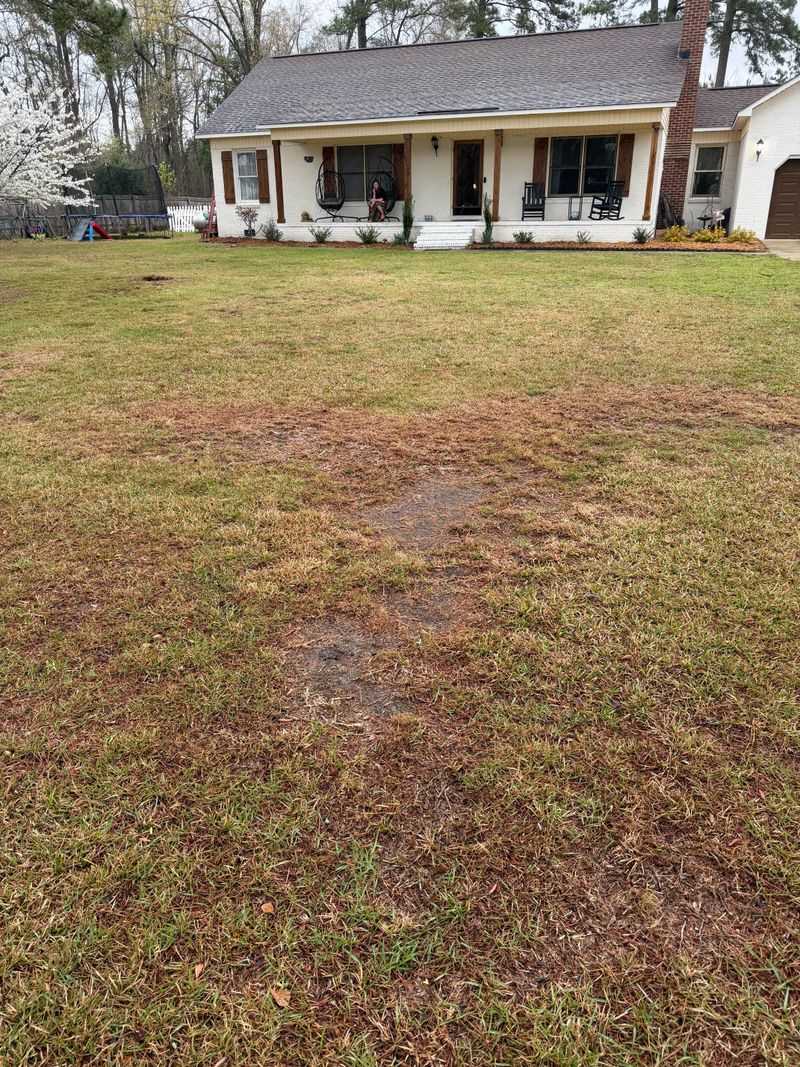
A brown lawn is not a hungry lawn. Warm-season grasses are asleep after frost, so late-fall and winter nitrogen has nowhere to go.
NC State advises against it, partly because it can raise the risk of winter injury, as covered in its Carolina Lawns guide.
Frozen or dormant turf cannot take up nutrients well. According to NC State’s lawn and environment guidance, fertilizer put down in those conditions is more likely to wash or blow away.
That means wasted money for you and extra nutrients heading toward storm drains and streams.
Centipedegrass makes a clear example. NC State’s centipedegrass calendar says not to fertilize from December through February.
You may spot a potassium recommendation on that calendar for late in the season. It is timed four to six weeks before the expected first frost, which is well before December, and it is potassium rather than nitrogen.
Do not read it as permission to spread nitrogen in the dead of winter.
If your yard is bermudagrass, zoysia, or St. Augustine, the same caution applies. Hold the nitrogen until the grass greens up in spring and follow the calendar for your specific grass.
Winter weeds do not prove fertilizer caused them
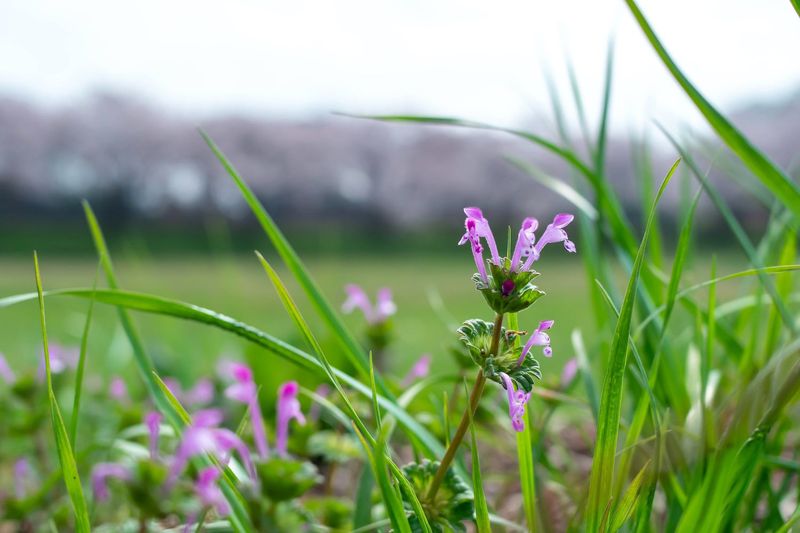
Plenty of folks blame a bag of fertilizer when henbit shows up purple in March. The timeline tells a different story.
NC State’s henbit page explains that winter annuals like henbit germinate in fall or winter, long before most people think about spring weeds.
So a December application does not automatically cause next spring’s weeds. The seeds were already in the soil and ready to sprout on their own schedule.
What matters more is the space you give them.
Thin turf is the soft spot. Bare patches and weak grass leave room for seedlings to take hold, while dense, vigorous turf makes it harder for them to move in.
NC State recommends fertilizing appropriately to encourage that kind of turf.
That does not make fertilizer a weed killer. It is one way to support a thick lawn, and it needs the right timing for your grass.
Herbicide choices are a separate decision, and they depend on your grass type, whether you have new seed, and the directions on the product label.
If you see weeds in a thin spot, ask what left the gap in the first place. Shade, compaction, or missed fall care is often a better clue than the fertilizer calendar.
Use winter for cleanup and soil-test planning
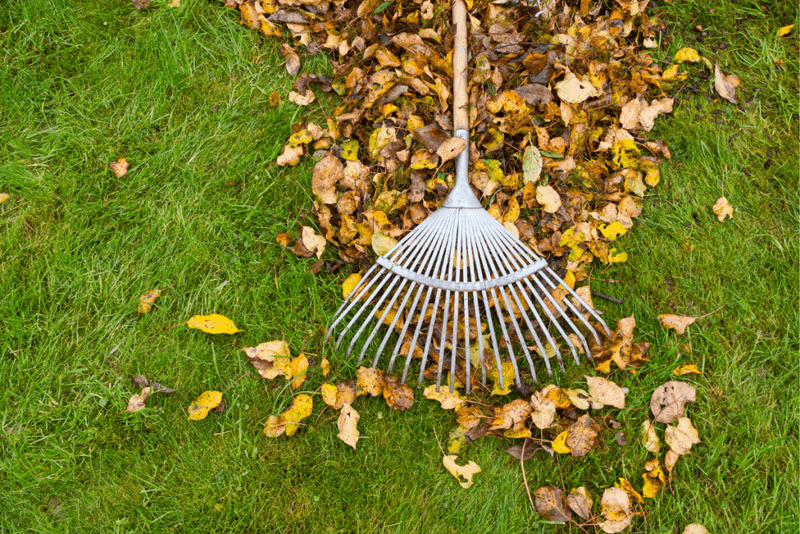
Winter gives you plenty to do without opening a fertilizer bag. For fescue, NC State’s tall fescue calendar suggests mowing at about 3 inches and clearing leaves and debris.
Piles of wet leaves smother grass and keep light from reaching the blades.
Next, plan around a soil test. Results tell you what your lawn needs for lime, phosphorus, and potassium rather than leaving it to a guess.
The NCDA&CS soil testing FAQ says lawns are best sampled in late summer, and winter turnaround can take several weeks. If you test now, expect to wait before you get answers.
Soil test fees also change with the season, so check the NCDA&CS website for current rules before mailing a box. Collect samples from several spots across the lawn and mix them for a more accurate picture.
Lime is where winter really can help. NC State’s Carolina Lawns guide says winter can be a suitable time to apply lime when a soil test recommends it.
Use the amount the test calls for, not a hunch.
Lime fixes soil acidity, not hunger. It is not a stand-in for nitrogen fertilizer, so do not expect it to green up a lawn on its own.
Newly seeded lawns need their own timing
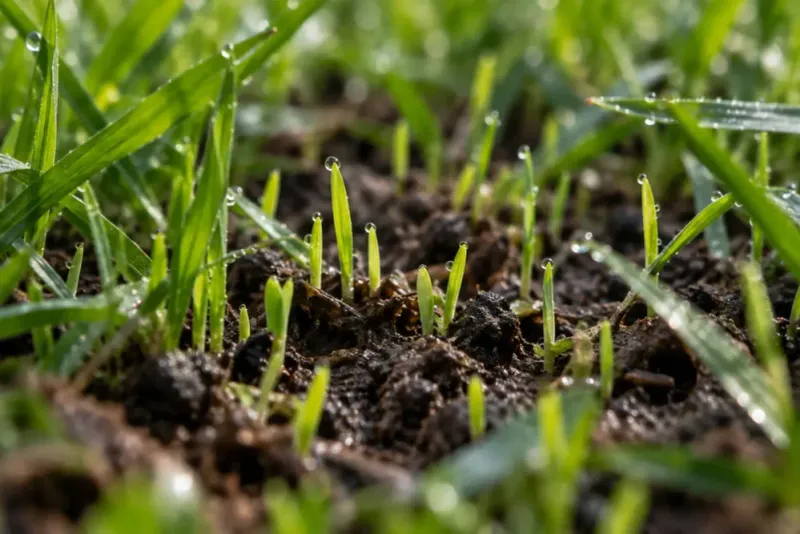
Everything above is about established lawns. If you seeded or renovated recently, you are in a different category, and a blanket December rule can steer you wrong.
Young seedlings have their own needs, and the timing depends on when the seed went down.
NC State’s establishment guidance includes fertilizing new seedlings about six to eight weeks after emergence. That clock starts when the grass comes up, not when you spread the seed.
A lawn seeded in October will be on a different schedule than one seeded in late November.
Look up the plan for your specific grass and your seeding date. Fescue and warm-season grasses are established at different times of year, so their early feeding plans are not interchangeable.
Follow product label directions for any starter fertilizer or herbicide, since new seed can be sensitive to certain products.
If you are still unsure, call your county Cooperative Extension office. They know local conditions and can help you match a schedule to your yard.
When all else fails, go back to the first step. Name your grass, check its calendar, and the December question usually answers itself.