
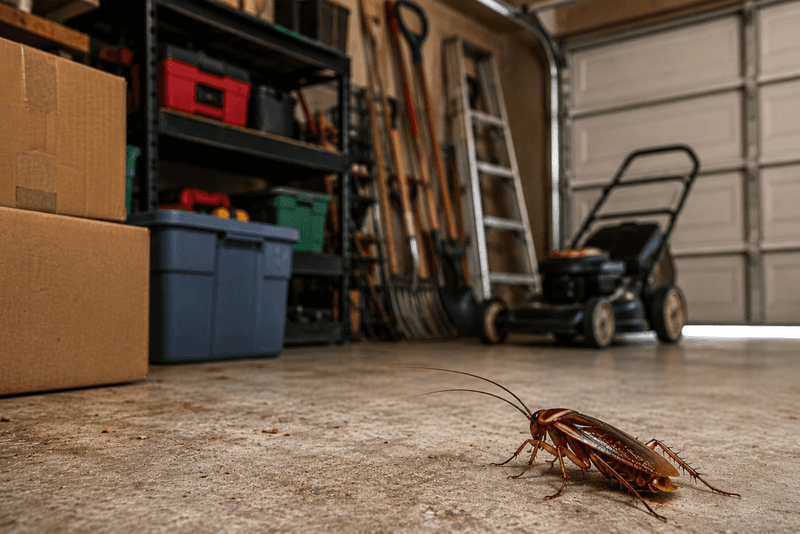
A big brown roach crossing the kitchen floor can spoil a cozy Florida evening fast. Palmetto bugs, a common nickname for several large cockroaches, may enter homes for shelter, water, or food when outdoor conditions change.
Cooler winter nights do not send every roach indoors, but small gaps and everyday habits can make your house an easy stop. Here are eight things worth checking before your next unwanted visitor appears.
1. Worn Door Sweeps and Loose Window Screens
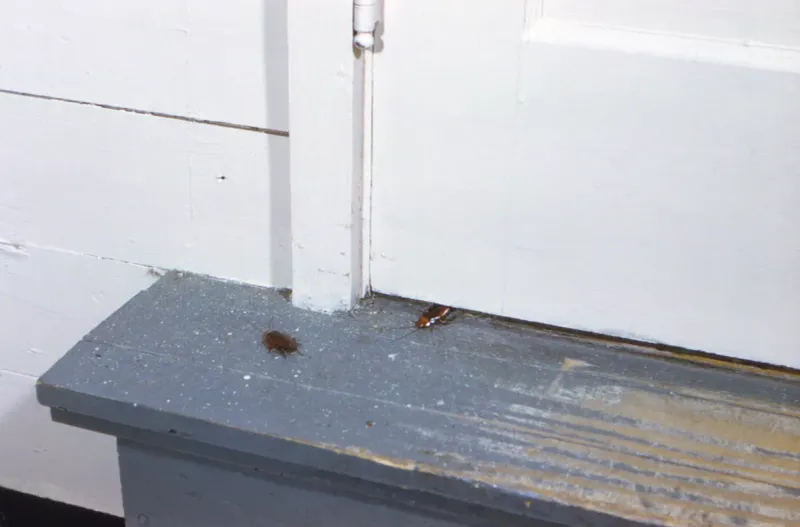
A thin line of light under the back door can reveal a much bigger problem than a chilly draft. Large cockroaches can flatten their bodies to squeeze through surprisingly narrow spaces, making worn door sweeps an easy entry point.
Start with doors that open onto patios, garages, and screened lanais. Florida homes often have several outdoor access points, and a rarely used side door may have cracked weatherstripping that nobody notices until a bug wanders through.
Close each exterior door during daylight and look along the bottom and sides. Replace damaged sweeps, tighten loose thresholds, and repair torn screens, including the small openings around screen frames.
Pay attention to the door between an attached garage and the house, too. A snug seal there helps keep garage visitors from moving into living spaces, even if the larger garage door does not seal perfectly.
On pleasant winter afternoons, resist propping an unscreened door open. Fresh air is welcome, but an open doorway removes every barrier you just worked to improve.
2. Small Leaks and Damp Hiding Places
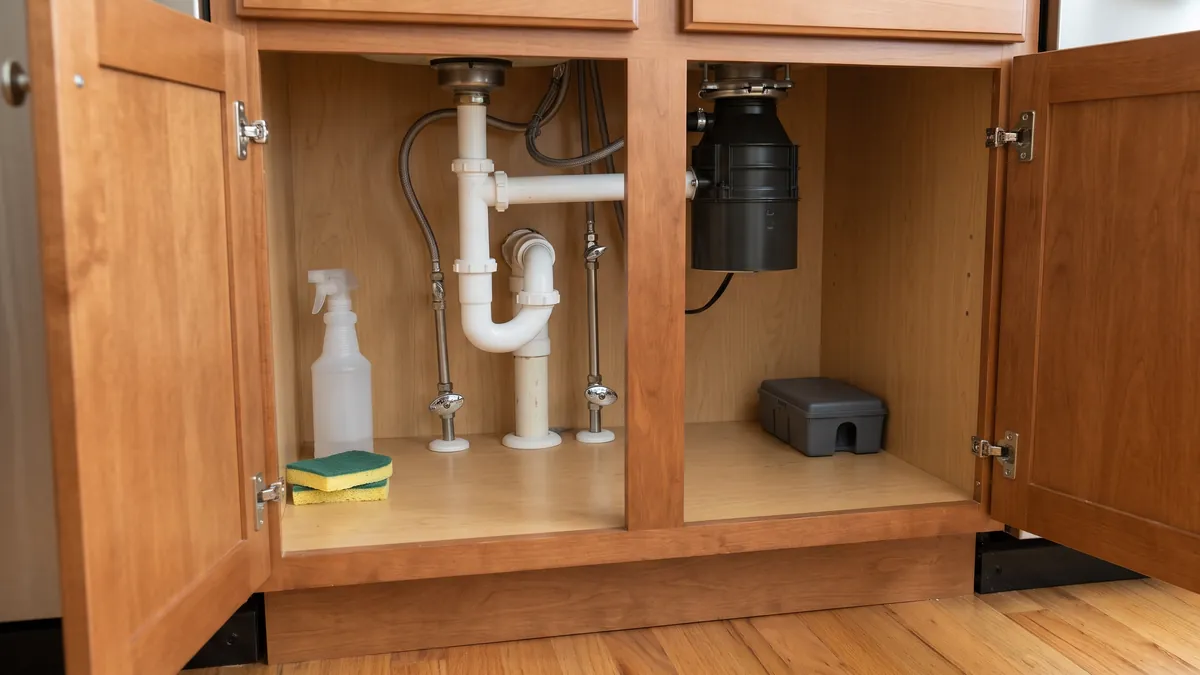
That slow drip beneath the bathroom sink may be doing more for roaches than a crumb on the counter. Reliable moisture helps them survive, and a dark cabinet gives them cover while they find it.
Check around supply lines, toilet bases, water heaters, and washing machine hookups. Run a dry paper towel along pipes and cabinet floors to spot small leaks that are easy to miss with a quick glance.
Florida winter weather can still be humid, especially in South Florida, so cooler temperatures do not guarantee dry indoor spaces. A musty utility room or damp crawl space deserves attention even when the air outside feels comfortable.
Repair leaks rather than leaving a bowl underneath them for weeks. Dry wet materials promptly, improve ventilation where needed, and use a humidity meter to see whether enclosed spaces stay unusually damp.
If moisture keeps returning, have the plumbing or building issue checked. Removing the water source makes the space less useful to cockroaches and helps protect the cabinet, flooring, and walls at the same time.
3. Pet Food and Overnight Kitchen Leftovers
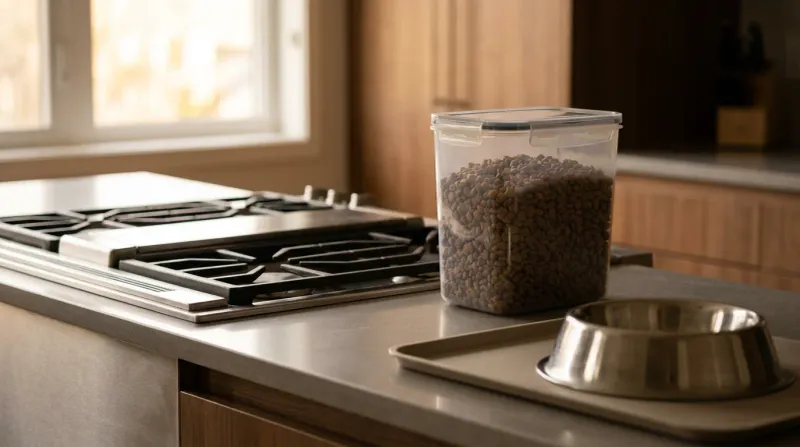
Dinner is not over for a cockroach just because everyone else has gone to bed. Kibble under the refrigerator, grease beside the stove, and crumbs around the toaster can keep the nighttime buffet open.
Pet feeding spots deserve special attention because food often rolls beneath mats and nearby furniture. Store dry food in a tightly closed container, wash bowls regularly, and pick up uneaten meals when your pet’s feeding routine allows.
Keep pets’ health needs first, including access to drinking water. If your animal needs food available overnight, focus on cleaning the surrounding floor and using pest monitors nearby where paws and noses cannot reach them.
In the kitchen, wipe greasy surfaces and sweep beneath the table before bed. Check the space beside appliances occasionally, since a spotless countertop does little about months of crumbs tucked underneath.
Roaches can eat many materials, so cleaning alone will not seal them out. Still, removing easy meals gives a wandering visitor fewer reasons to settle in, especially when combined with repairs that block entry.
4. Mulch and Leaf Litter Against the House
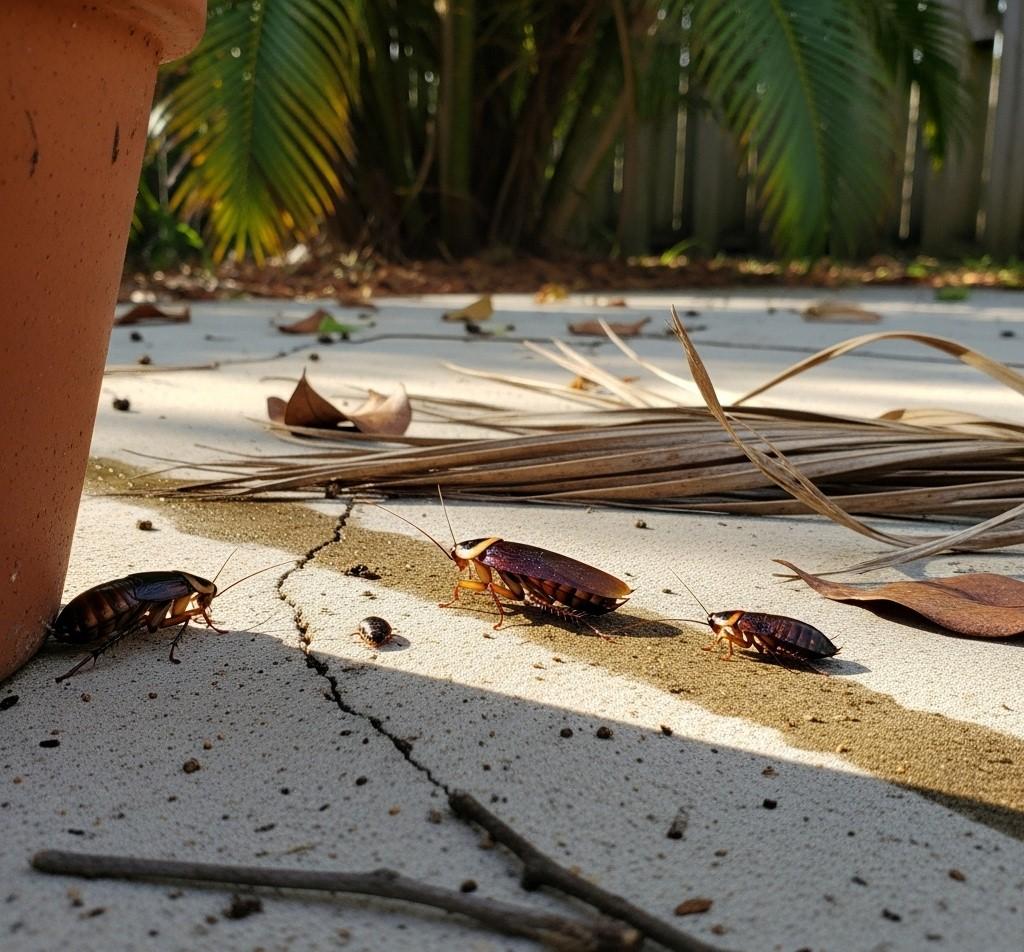
Right outside the wall, a damp pile of leaves can function like a sheltered neighborhood for outdoor cockroaches. Thick mulch, fallen palm debris, and decaying wood offer cover close to the openings they may eventually explore.
Several large roaches called palmetto bugs normally live outdoors. Finding one inside does not automatically mean a breeding colony is living in your kitchen, but heavy shelter beside the foundation can increase the chances of encounters.
Rake leaves away from door thresholds and remove rotting boards or fallen fronds near the house. Keep mulch from touching siding, covering weep holes, or piling against the foundation.
You do not need to strip your Florida yard bare. Maintain an inspection strip along the wall where practical, and place habitat features and compost farther from entrances rather than directly beside them.
Check irrigation while you work. A sprinkler that repeatedly soaks the same shaded bed keeps that shelter damp, even during a stretch of cool, sunny weather when the rest of the yard looks dry.
5. Unsealed Openings Around Pipes and Cables
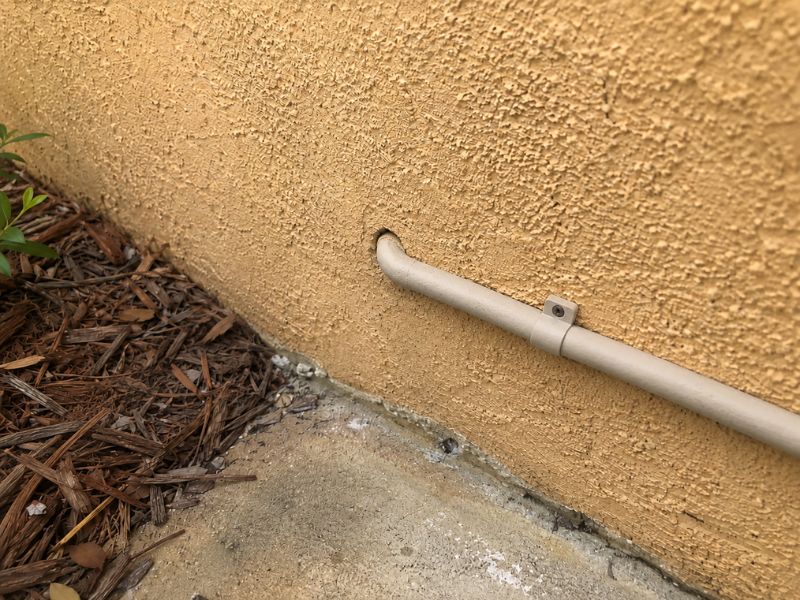
Follow the plumbing instead of the front walkway, and another set of entrances comes into view. The space around a pipe, cable, or utility line can connect outdoor shelter with a wall void, cabinet, or laundry room.
Look beneath sinks where pipes pass through the wall, then inspect accessible exterior penetrations. Openings behind appliances are easy to overlook because they sit out of sight for most of the year.
Use a sealant or patching material suited to the surface and opening. Larger gaps may need backing material or a proper repair rather than a thick smear of caulk that soon pulls loose.
Keep required ventilation, drainage openings, and weep holes functional. Do not block appliance exhausts or seal around hot equipment without checking the manufacturer’s requirements; a qualified professional can handle uncertain spots safely.
In condos and attached homes, some routes may run through shared utility spaces. Report repeated sightings to building management so repairs can address the source instead of leaving each resident to chase an occasional roach.
6. Cardboard and Clutter in the Garage
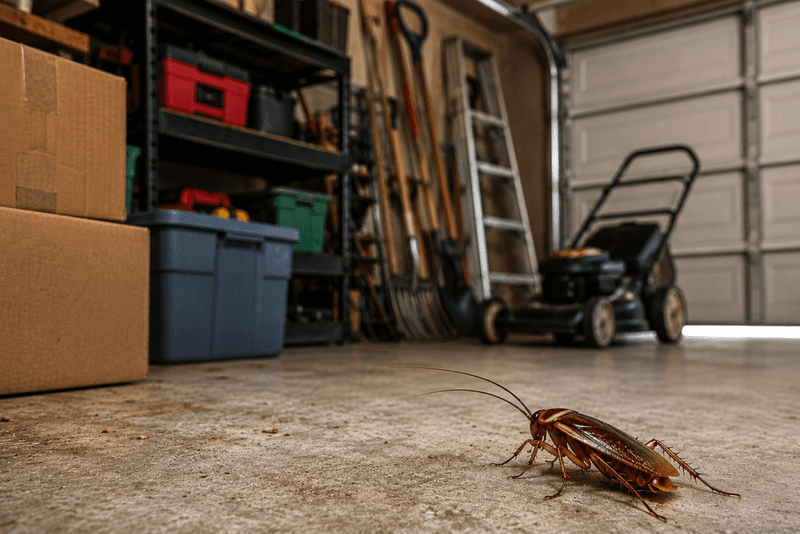
Holiday decorations come down, the boxes go back, and a quiet hiding place grows along the garage wall. Stacked cardboard offers narrow spaces where roaches can stay out of sight, especially when the bottom boxes become damp.
The trouble is not that every shipping box carries pests. It is that undisturbed storage creates shelter and makes it harder to notice droppings, shed skins, or repeated activity before the problem spreads.
Break down unneeded cartons and move keepsakes into sturdy containers with close-fitting lids. Put storage on shelves where possible so you can inspect the floor and clean along the wall.
Before bringing decorations, sports gear, or stored cushions indoors, check folds, corners, and container bottoms. Outdoor pots moved inside during a cold snap also deserve a careful look, including beneath their saucers.
A few labeled sticky monitors along protected garage edges can help reveal where roaches travel. Keep them away from children and pets, and use the results to guide cleanup and entry repairs rather than guessing where the visitors began.
7. Rarely Used Drains With Dry Traps
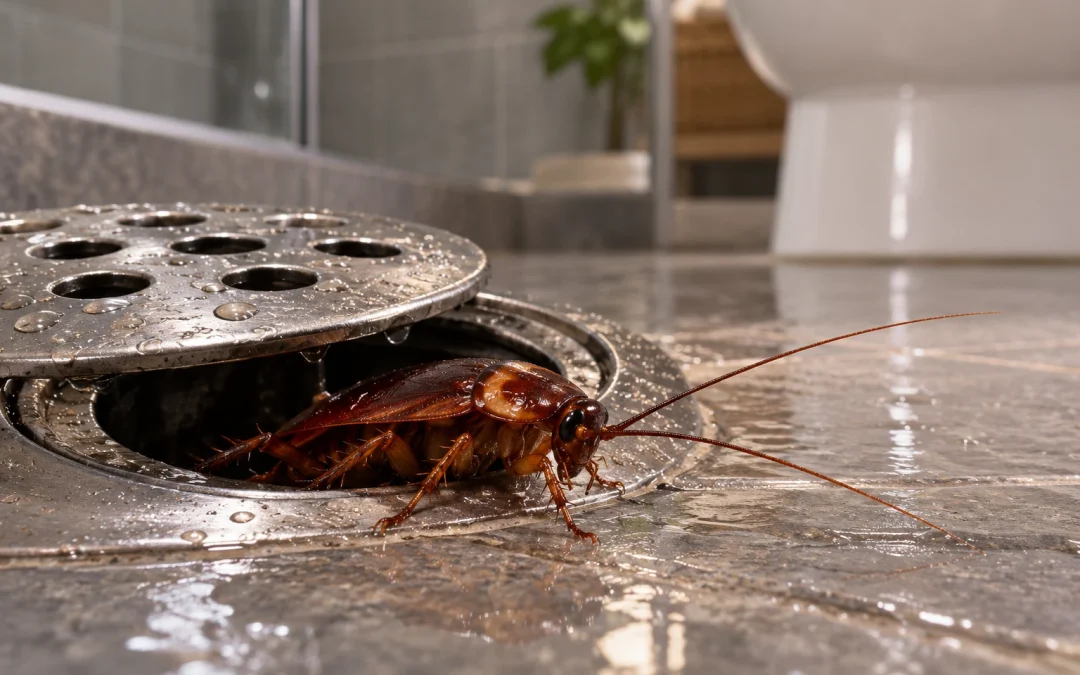
An unused guest shower can lose a hidden part of its pest barrier without looking any different. Plumbing traps hold water that blocks sewer gases and can help prevent insects from traveling through drain lines.
When a fixture sits unused long enough, that water may evaporate. The result can be an open route from connected plumbing, although a roach spotted near a drain may also have reached the room another way.
Run water in seldom-used sinks, tubs, and showers as part of your regular home check. For floor drains, follow the building’s maintenance guidance, especially if you are unsure whether the drain has a working trap or trap primer.
Clean drain strainers and remove accessible buildup using methods appropriate for your plumbing. Pouring pesticides or mixing household chemicals into drains is not a safe substitute for finding the actual entry point.
A persistent sewer smell, recurring dry trap, or repeated insect activity calls for a plumber or pest professional. Seasonal Florida homes need particular care because fixtures may sit untouched for months before winter visitors arrive.
8. Trash and Recycling Left Near Entryways
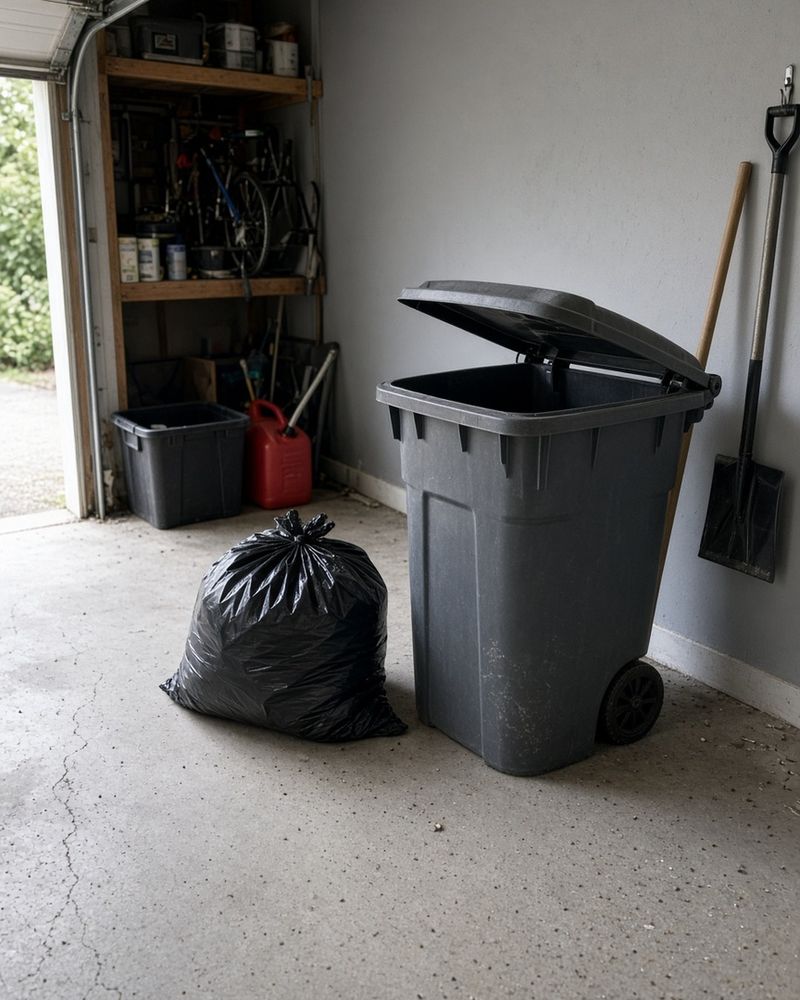
The bag beside the back door may only be waiting until morning, but food scraps keep working the night shift. Leaking trash and sweet residue in recycling can feed roaches just steps from an entrance.
Empty indoor bins regularly, especially after preparing meat, fruit, or greasy meals. A liner helps contain mess, but sticky spills beneath the bag still need to be washed away.
Outside, keep lids closed and clean residue from bin rims and bottoms. Rinse recyclable containers as local rules recommend, let them drain, and avoid leaving loose food packaging on the porch.
Place outdoor bins away from doors and the house when space and local requirements allow. In a small courtyard or townhome setting, clean containers and sound lids may be more practical than moving everything a long distance.
If roaches keep appearing after you remove food, water, shelter, and entry gaps, seek a licensed pest professional for identification and targeted treatment. Frequent sightings, young roaches, or egg cases deserve closer attention than a single outdoor visitor that slipped inside.