
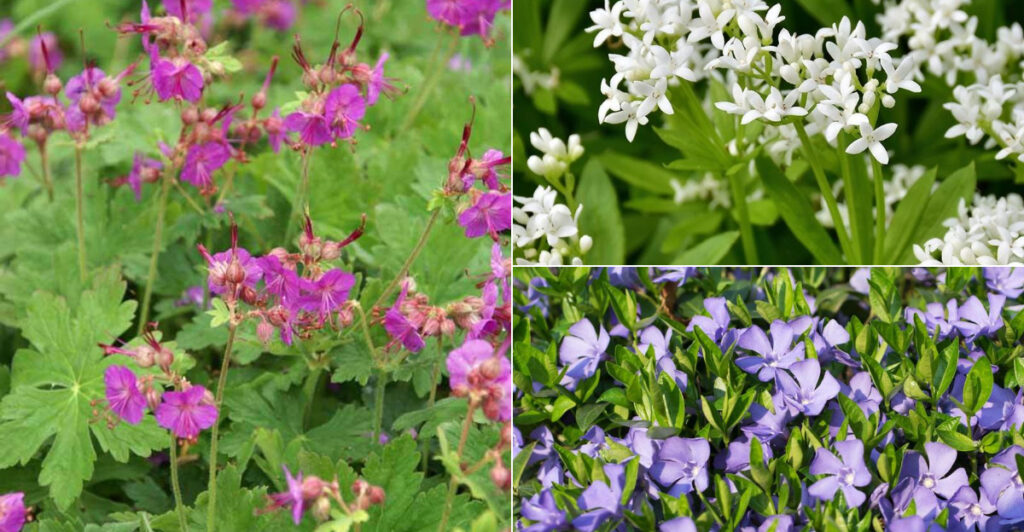
Finding the perfect ground cover plants that thrive in tough clay soil can be challenging. However, certain resilient species not only survive but flourish, providing beautiful, low-maintenance solutions for your garden. Whether you are looking for vibrant colors, lush greenery, or unique textures, these 20 hardy ground cover plants promise to transform your clay-laden landscape into a verdant paradise.
1. Bugleweed (Ajuga reptans)
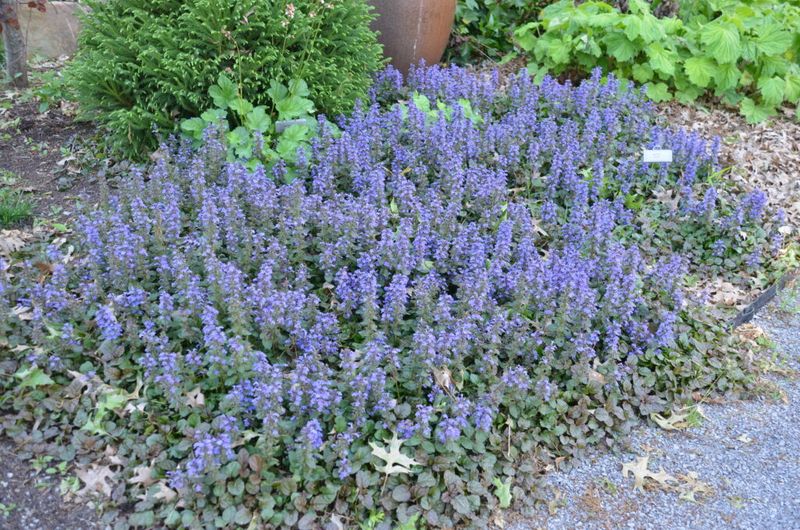
Bugleweed, with its striking purple spikes, quickly transforms challenging clay soil into a visually appealing landscape. This robust perennial forms dense, evergreen mats that spread eagerly, making it a favorite for those seeking low-maintenance beauty. Its ability to thrive in heavy clay and both sun and shade is remarkable.
Perfect for gardeners of all levels, Bugleweed’s adaptability ensures it remains lush year-round. An interesting fact is its use in traditional medicine to treat various ailments. Its charm lies not only in appearance but also in its strength to conquer less-than-ideal soil conditions.
2. Periwinkle (Vinca minor)
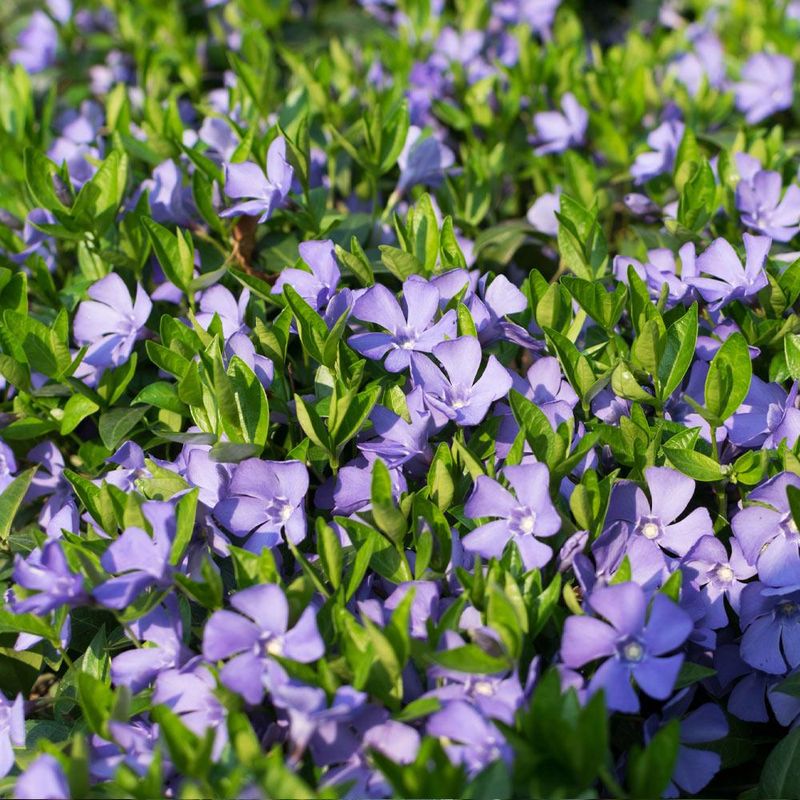
With glossy leaves and vibrant lavender blooms, Periwinkle effortlessly graces any garden bed. Known for its drought tolerance once established, this plant’s charm lies in its enduring resilience. Periwinkle’s ability to spread efficiently across clay soils makes it an excellent ground cover option.
Its evergreen nature provides year-round appeal, enhancing garden aesthetics even in winter months. Historically, Periwinkle has been associated with symbolism in art and literature, representing everlasting love and fidelity. This plant’s beauty and symbolism make it a cherished addition to any garden.
3. Japanese Spurge (Pachysandra terminalis)
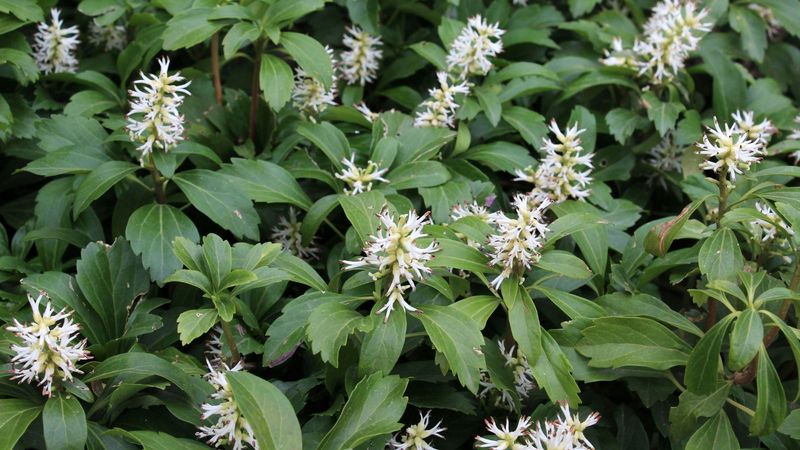
Japanese Spurge offers a lush, evergreen cover perfect for shaded areas. Its dense foliage and white spring flowers make it a preferred choice for gardeners dealing with moist clay soils. This perennial’s shade tolerance is exceptional, effortlessly flourishing where other plants might struggle.
It creates a serene, green carpet under trees and is often chosen for its minimal maintenance needs. Historically, its fragrant blooms were valued in traditional Japanese gardens. The combination of beauty and practicality makes Japanese Spurge a standout plant for challenging garden spots.
4. Yellow Archangel (Lamium galeobdolon)
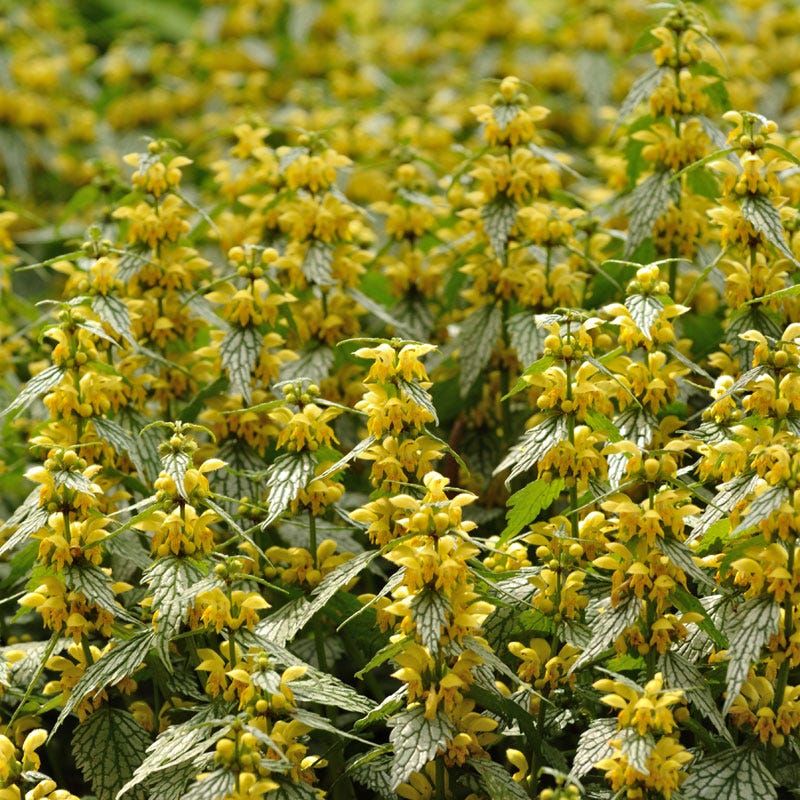
Yellow Archangel dazzles with its variegated leaves and bright yellow blooms, bringing light to shaded garden areas. Its aggressive nature in clay soil makes it an ideal ground cover for gardeners seeking quick results. This hardy plant thrives in both shade and less-than-ideal soil conditions.
The vivid contrast of its foliage against dark soil is visually striking. Historically used in herbal medicine, Yellow Archangel’s unique appearance and vigorous growth have made it a favorite in traditional European gardens. It’s a perfect option for those seeking beauty and resilience.
5. Barrenwort (Epimedium × versicolor)
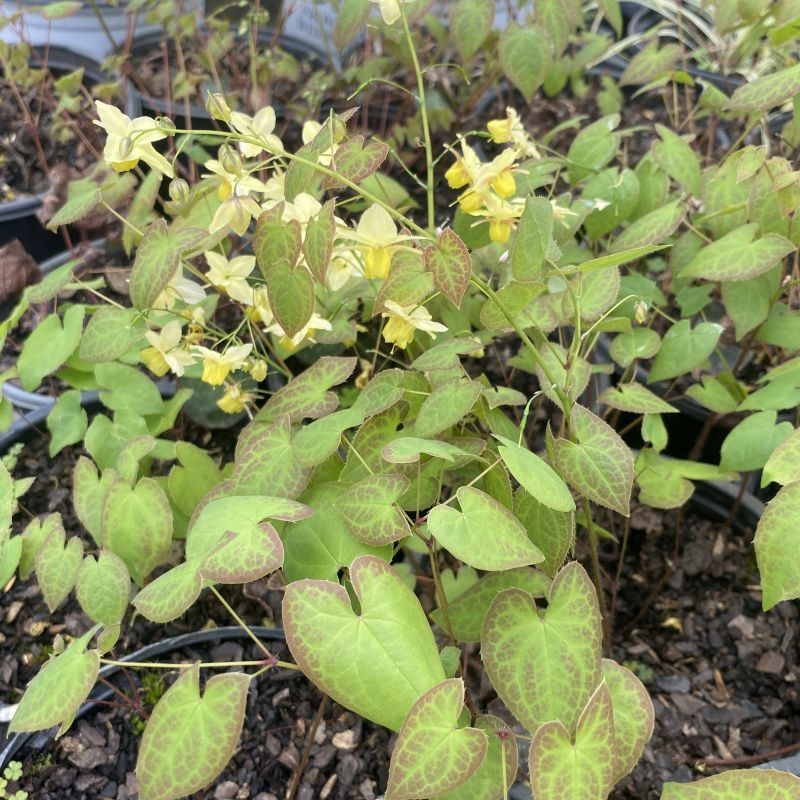
Barrenwort captivates with its heart-shaped leaves and delicate blooms, adding a touch of elegance to woodland gardens. Thriving in dry to moist clay soils under trees, it’s a versatile ground cover choice. Its ability to adapt to various light conditions makes it a gardener’s ally.
With origins in Asia, Barrenwort is often used in traditional medicine for its purported health benefits. Its unique blend of beauty and adaptability ensures it remains a treasured plant in gardens worldwide. This perennial’s understated charm makes it an excellent choice for naturalistic landscapes.
6. Sweet Woodruff (Galium odoratum)
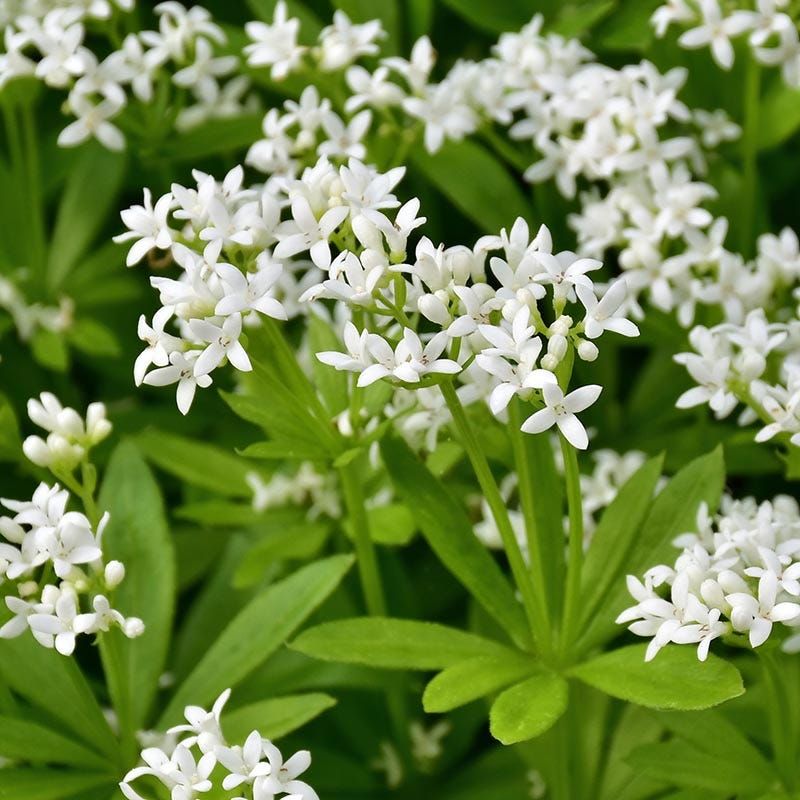
Sweet Woodruff enchants with its whorled leaves and starry white flowers, effortlessly forming a carpet in shaded garden corners. This perennial thrives in damp clay, making it an excellent choice for moisture-rich environments. Its sweet scent adds a layer of sensory delight to any space.
Historically valued for its fragrance, Sweet Woodruff has been used in potpourris and herbal remedies. Its elegant simplicity and adaptability make it a popular choice for gardeners seeking a low-maintenance, aromatic addition to their landscapes. A true classic for timeless gardens.
7. Barren Strawberry (Waldsteinia fragarioides)

Barren Strawberry brings a burst of sunshine to gardens with its golden blooms and strawberry-like leaves. This drought-tolerant plant remains unbothered by clay, spreading gracefully to create a vibrant ground cover. Its low-maintenance nature makes it a gardener’s delight.
Unlike true strawberries, its fruits are inedible, but its visual appeal more than compensates. Originating in North America, Barren Strawberry is often seen in wildflower gardens, admired for its hardiness and charm. It’s an ideal option for those seeking color and resilience in challenging garden spots.
8. Foamflower (Tiarella cordifolia)
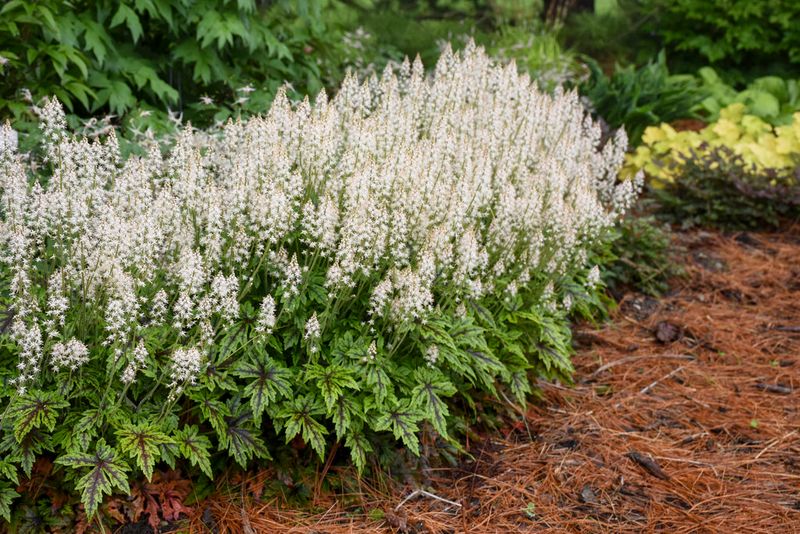
Foamflower delights with its lace-like foliage and foamy white spikes, thriving beautifully in wet clay and dry shade. This perennial is perfect for woodland gardens, offering a delicate touch to any landscape. Its ability to handle varying moisture levels makes it incredibly versatile.
Native to North America, Foamflower is often chosen for its aesthetic appeal and ecological benefits, attracting pollinators to the garden. Its delicate beauty and adaptability make it an excellent choice for natural gardens. Foamflower is a winning combination of grace and practicality.
9. Creeping Jenny (Lysimachia nummularia)
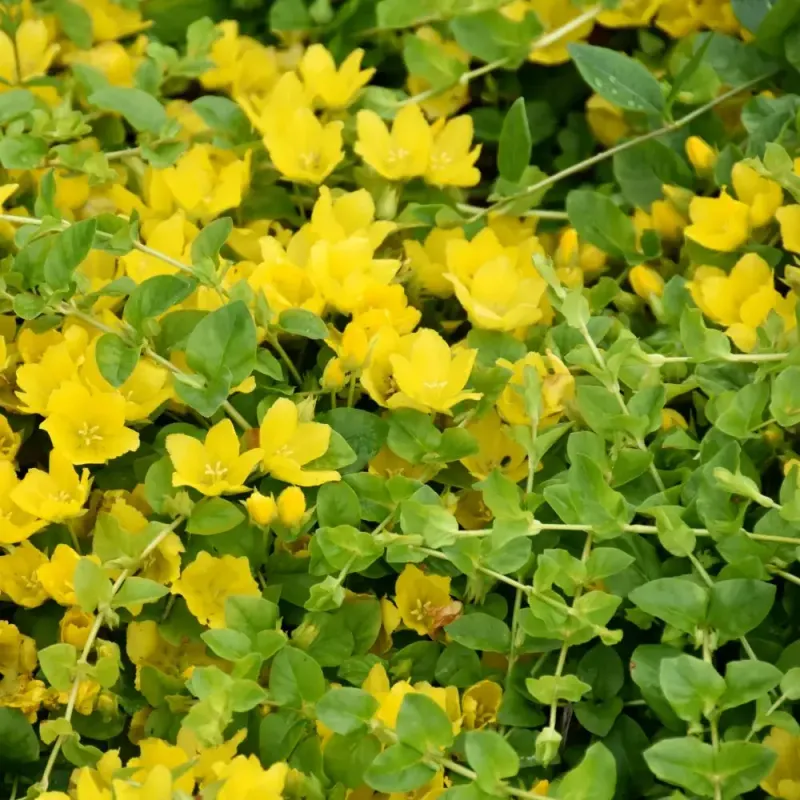
Creeping Jenny adds a splash of color with its chartreuse leaves and sunny yellow flowers. This vigorous grower spreads rapidly, covering clay soil with ease. Its versatility allows it to thrive in both sun and shade, providing year-round visual interest.
Originating in Europe, Creeping Jenny’s rapid spread has made it a staple in gardens worldwide. Gardeners appreciate its ability to quickly cover large areas while offering a bright, cheerful appearance. It’s an ideal choice for those looking to add a pop of color to tricky garden spots.
10. Blue Star Creeper (Isotoma/Pratia pedunculata)
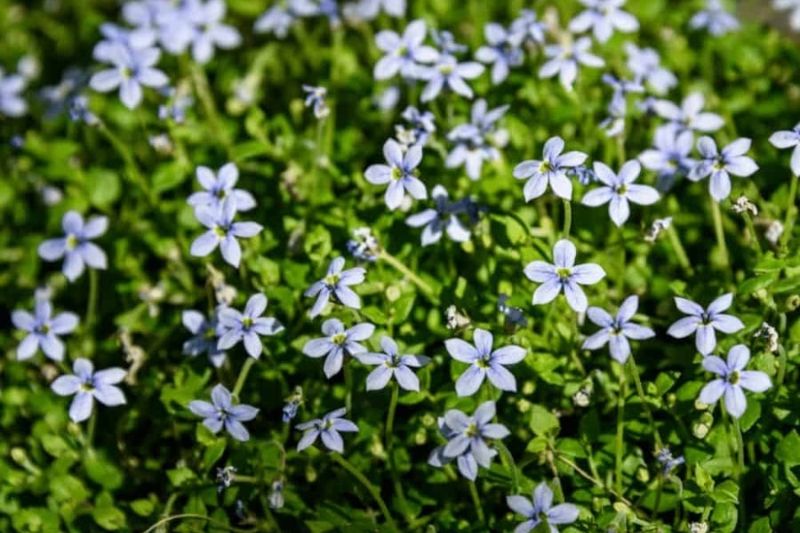
Blue Star Creeper enchants with its tiny, starry blue flowers, forming a dense carpet that withstands foot traffic. Thriving in challenging clay soil, it’s the perfect choice for paths or between stepping stones. This resilient plant is both beautiful and practical.
Its charm lies in its ability to transform mundane areas into magical spaces. Originally from Australia, Blue Star Creeper is loved for its durability and visual appeal. An excellent choice for gardeners looking to add whimsy and functionality to their landscape.
11. Cranesbill Geranium (Geranium macrorrhizum)
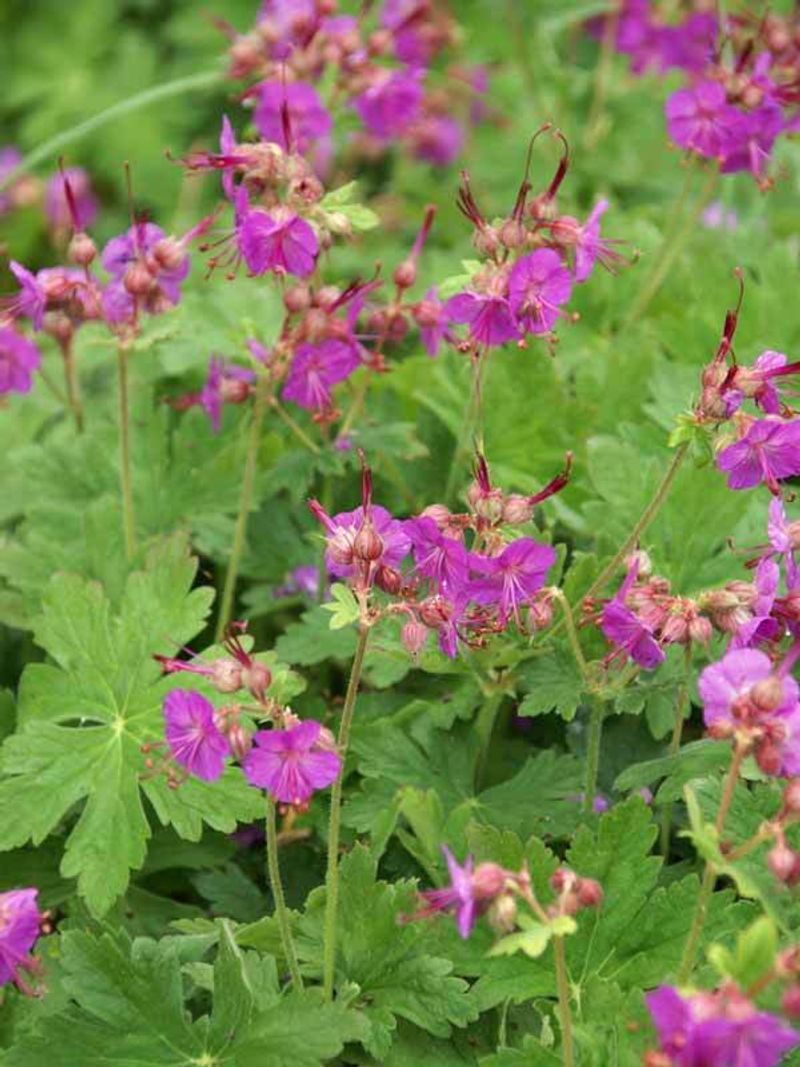
Cranesbill Geranium offers a sensory delight with its aromatic foliage and rose-pink blooms. This resilient plant thrives in clay, providing a colorful ground cover that’s easy to maintain. Its ability to adapt to poor or heavy soil makes it a favorite among gardeners.
Originating in Europe, Cranesbill Geranium has long been appreciated for its beauty and versatility. Its delicate scent and vibrant flowers make it a charming addition to any garden. It’s perfect for those seeking fragrance and color in challenging conditions.
12. Creeping Speedwell (Veronica repens)
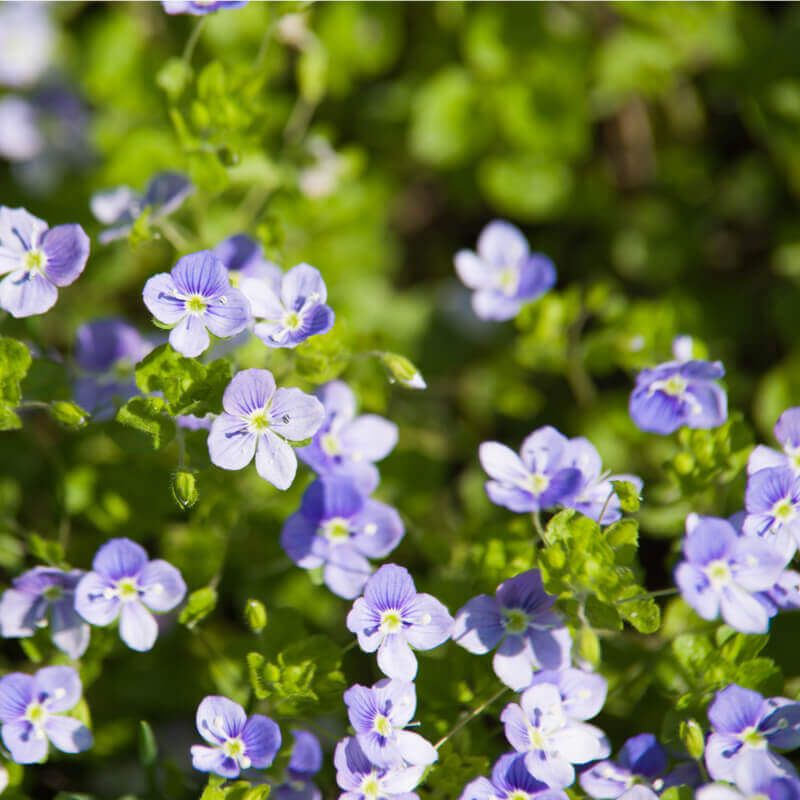
Creeping Speedwell forms a low, silvery-green carpet adorned with pale blue blooms. This hardy plant thrives in clay soil, enduring compaction and foot traffic gracefully. Its subtle beauty brings a quiet elegance to garden paths and borders.
Originally found in Europe, Creeping Speedwell’s resilience has made it a beloved choice for walkways and garden edges. Its understated charm and practicality make it a versatile addition to any landscape. Perfect for those seeking a durable yet delicate ground cover.
13. Siberian Bugloss (Brunnera macrophylla)
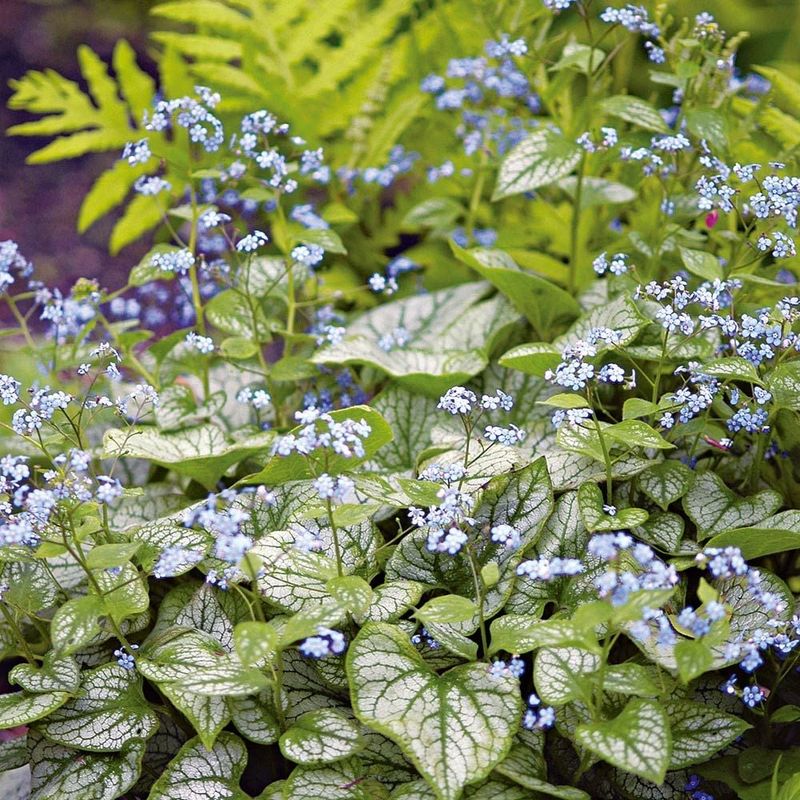
Siberian Bugloss captivates with its heart-shaped, silver-dappled leaves and delicate blue flowers. This perennial thrives in clay-rich shade, bringing a touch of elegance to any garden corner. Its striking foliage is a sight to behold, providing visual interest year-round.
Native to Eastern Europe, Siberian Bugloss has been admired for its beauty and hardiness. Often used in shade gardens, its unique appearance and adaptability make it a gardener’s favorite. An ideal choice for those seeking a blend of beauty and resilience.
14. Lilyturf (Liriope muscari)
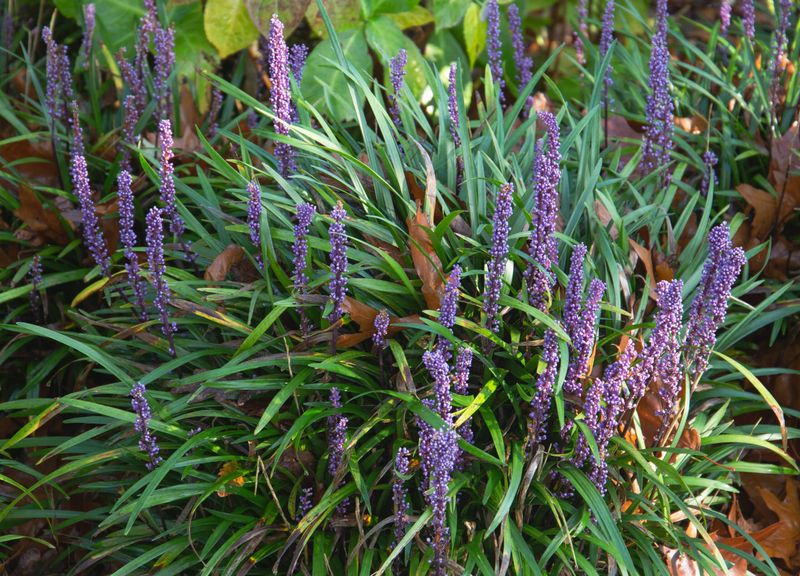
Lilyturf stands out with its grass-like foliage and striking purple flower spikes. This evergreen plant is unfazed by heavy clay, providing a reliable and attractive ground cover. Its adaptability to various light conditions makes it a versatile choice for gardeners.
Originating in Asia, Lilyturf is often used in traditional garden designs for its beauty and practicality. Its ability to thrive in challenging soils while maintaining year-round appeal makes it a valuable addition to any landscape. Perfect for those seeking elegance and resilience.
15. Mondo Grass (Ophiopogon japonicus)
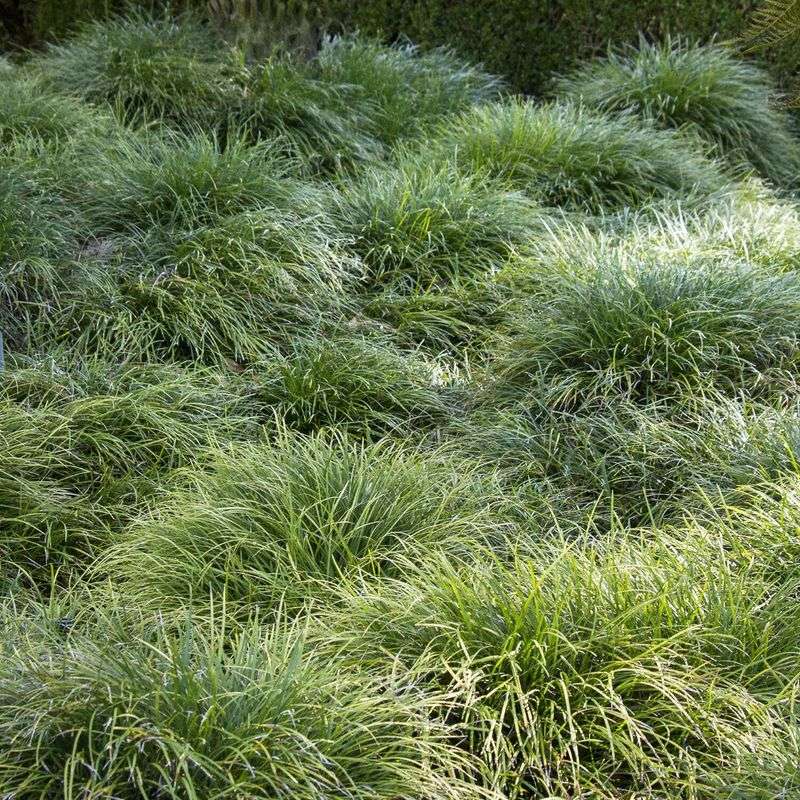
Mondo Grass enchants with its fine, arching blades and subtle summer blooms. This evergreen ground cover thrives in clay, offering a lush alternative to traditional turf. Its low maintenance and year-round appeal make it a gardener’s favorite.
Native to Asia, Mondo Grass is often chosen for its aesthetic charm and practicality. Its ability to adapt to various soil conditions adds to its appeal. This plant is perfect for those seeking beauty and functionality in their garden spaces.
16. Chameleon Plant (Houttuynia cordata)
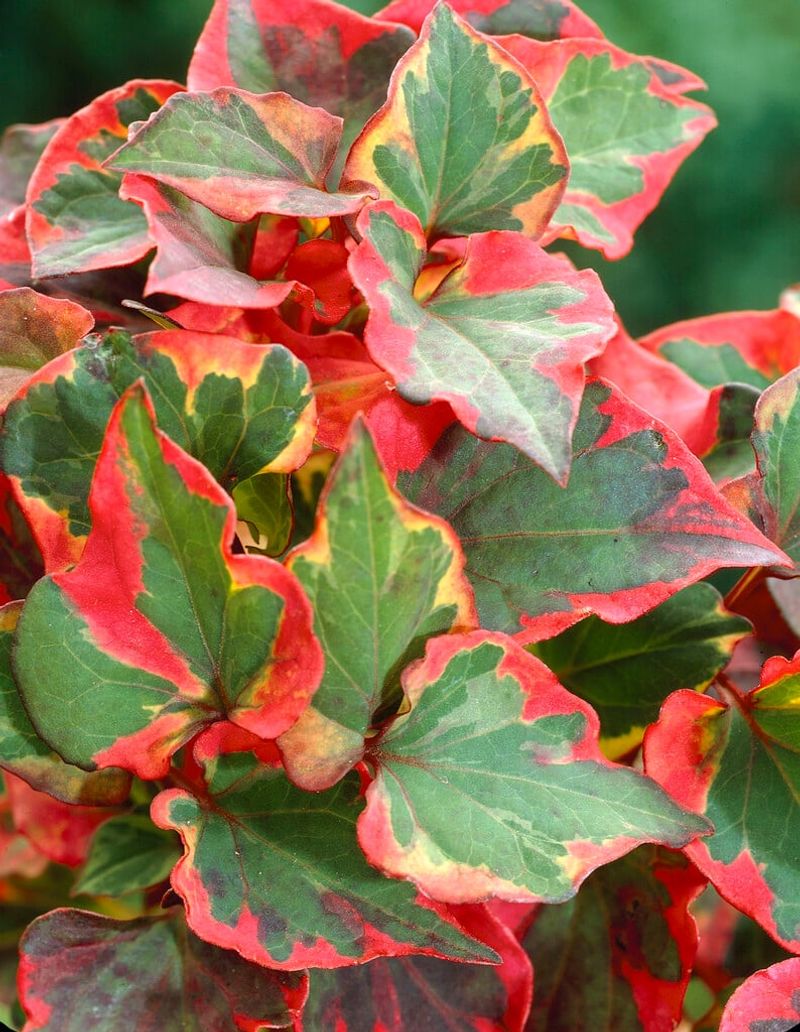
Chameleon Plant intrigues with its variegated, heart-shaped leaves and spicy aroma. Thriving in sun or shade, this plant adapts well to heavy clay, providing a striking ground cover. Its unique appearance adds an exotic touch to any garden.
Originating in Asia, Chameleon Plant is often used in traditional medicine and culinary practices. Its vibrant foliage and adaptability make it a popular choice for gardeners seeking something different. Perfect for adding color and intrigue to challenging spaces.
17. Allegheny Spurge (Pachysandra procumbens)
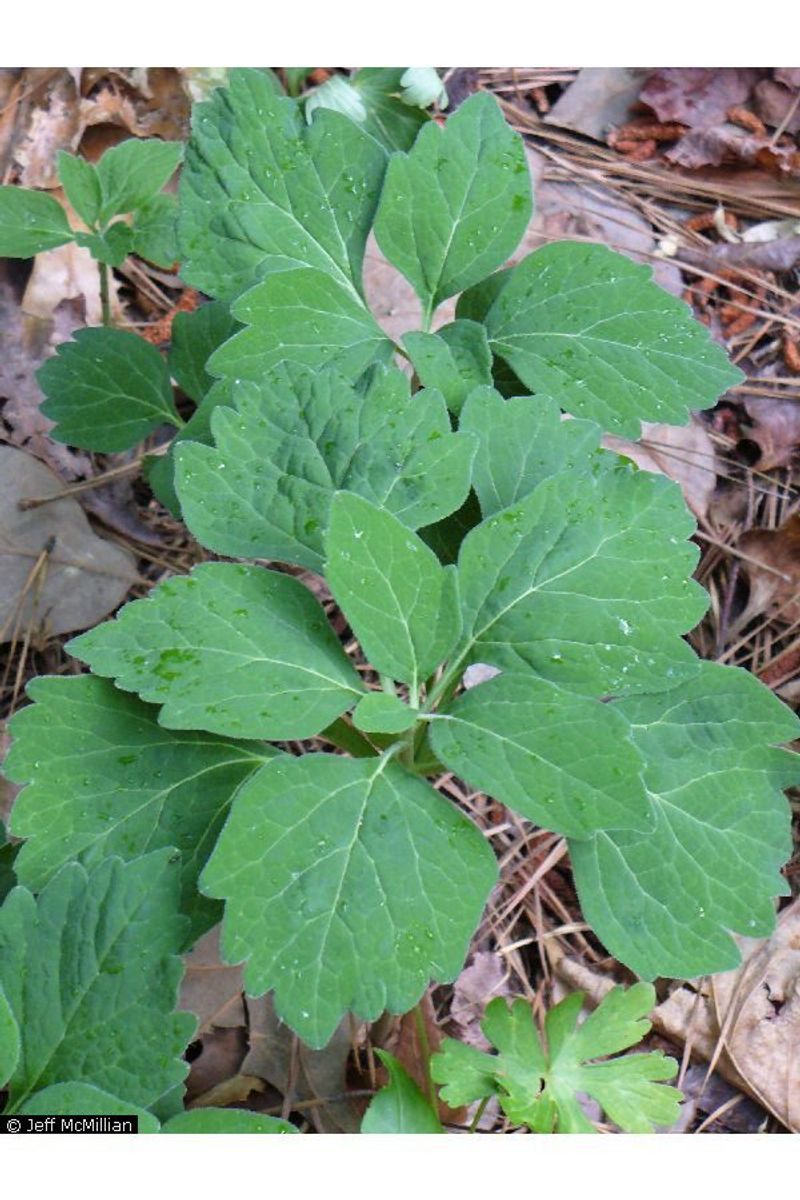
Allegheny Spurge enchants with its fragrant spring blooms and evergreen foliage. This shade-loving plant thrives in clay, offering a lush ground cover option for challenging garden spots. Its native origins add to its ecological value.
Known as the native cousin of Japanese Spurge, Allegheny Spurge is admired for its beauty and hardiness. Its ability to thrive in shaded, clay-rich environments makes it a valuable addition to any landscape. Perfect for those seeking natural elegance and resilience.
18. Wall Germander (Teucrium chamaedrys)
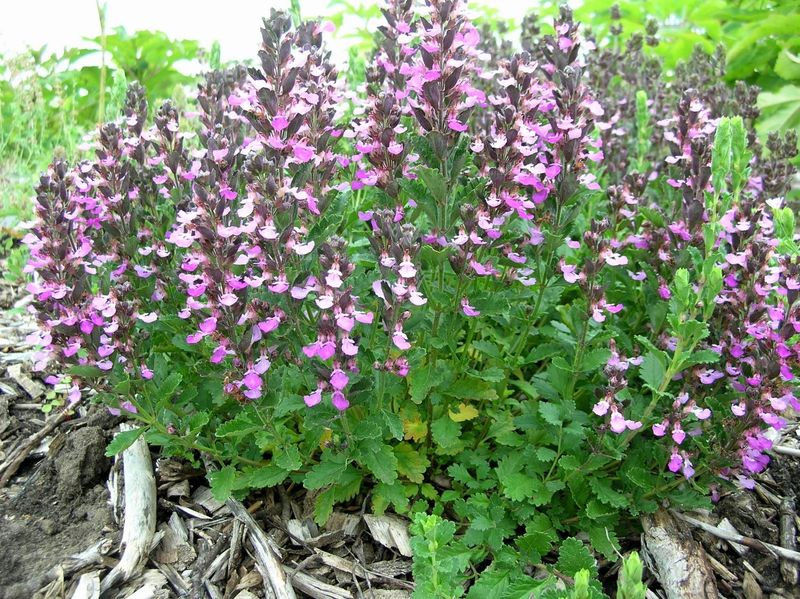
Wall Germander delights with its aromatic, evergreen mounds and delicate pink flowers. This hardy plant thrives in clay, providing a charming and durable ground cover option. Its adaptability to dry or shallow soils makes it a versatile choice for gardeners.
Historically used in herbal medicine, Wall Germander’s beauty and resilience have made it a favorite in Mediterranean gardens. Its unique appearance and practicality make it a valuable addition to any landscape. Perfect for those seeking elegance and ease of care.
19. Woodland Stonecrop (Sedum ternatum)
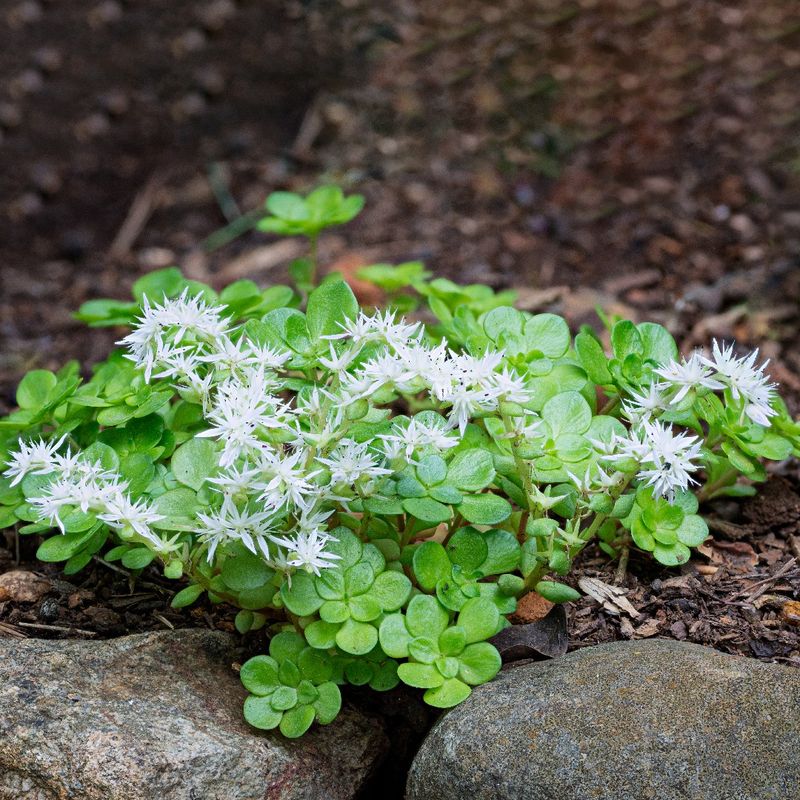
Woodland Stonecrop charms with its succulent leaves and delicate white spring flowers. This plant handles clay in part shade better than most sedums, providing a lush ground cover option. Its resilience and beauty make it a favorite among gardeners.
Native to North America, Woodland Stonecrop is admired for its ability to thrive in challenging conditions while attracting pollinators. Its unique appearance and adaptability make it a valuable addition to any naturalistic garden. Perfect for those seeking a blend of elegance and endurance.
20. Golden Groundsel (Packera aurea)
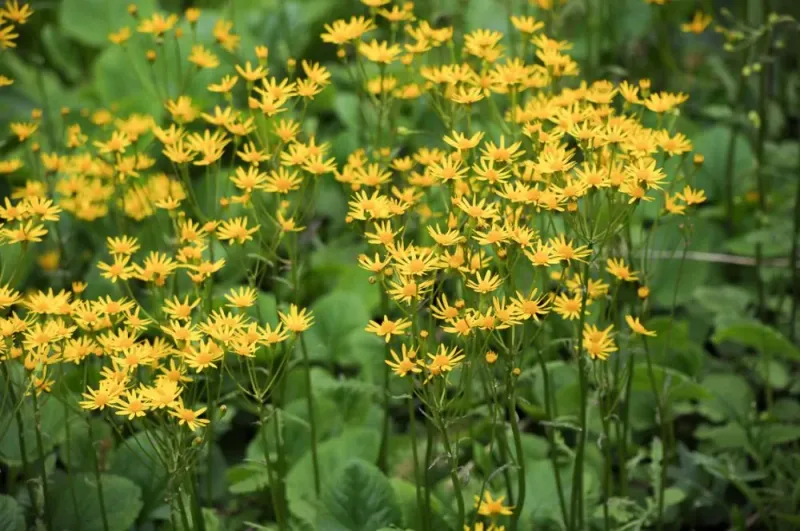
Golden Groundsel brightens gardens with its shiny foliage and cheerful yellow daisy-like flowers. Thriving in moist clay, it forms a lush, vibrant mat that’s hard to overlook. Its ability to adapt to challenging soil conditions makes it a gardener’s ally.
Native to North America, Golden Groundsel is often chosen for its ecological value and striking appearance. Its resilience and beauty make it an excellent choice for naturalistic landscapes. Perfect for those seeking color and life in their gardens.