
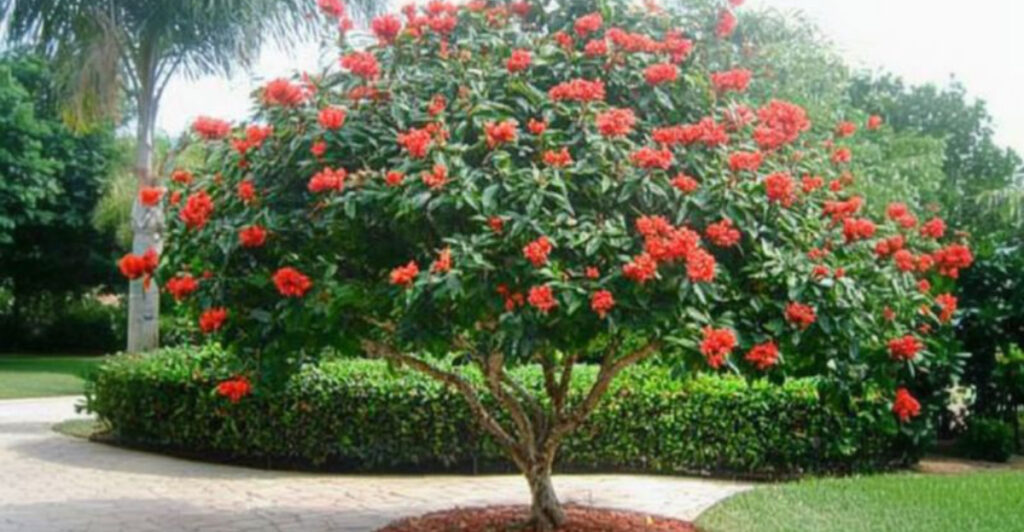
The Jatropha Tree, known for its vibrant blooms and unique foliage, is a favorite among gardeners eager to add a splash of tropical color to their landscape.
These trees are not only eye-catching but also attract a variety of pollinators, making them a valuable addition to ecological gardens.
This guide will provide you with ten essential tips to grow and care for the Jatropha Tree, ensuring it thrives and beautifies your space all year round.
1. Choose the Right Location
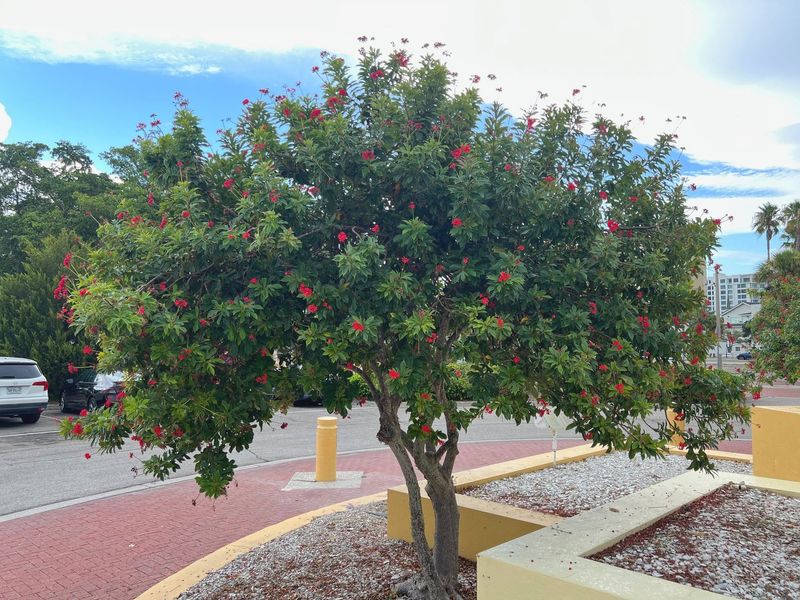
Selecting the perfect spot for your Jatropha Tree is crucial. It thrives in full sun to partial shade, requiring at least six hours of direct sunlight daily for optimal flowering. Ideal for USDA zones 9–11, it can also be grown in containers elsewhere. Consider a location that offers protection from harsh winds to preserve its beautiful blooms. With careful placement, your Jatropha will become a stunning focal point in the garden.
2. Planting Guidelines
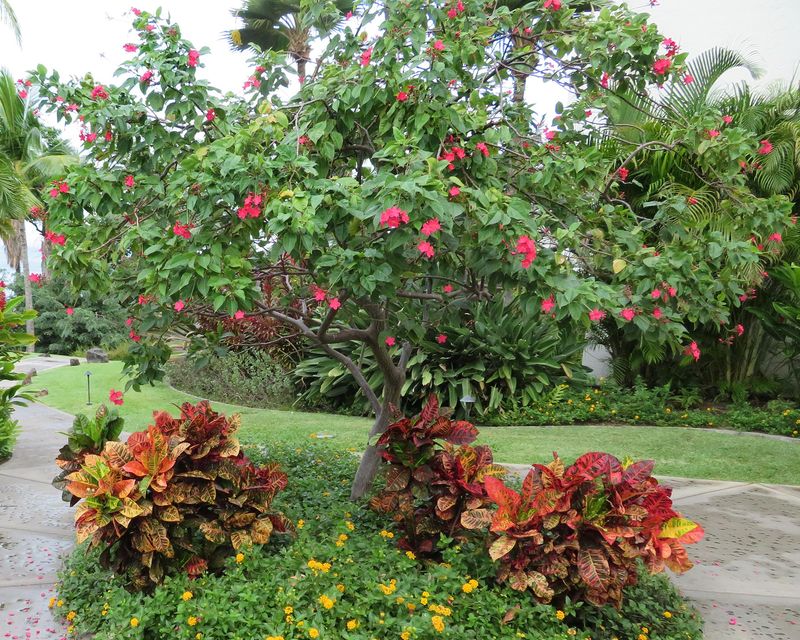
Planting your Jatropha Tree requires attention to soil quality. Well-draining loamy or sandy soil is best. Space trees at least 5–6 feet apart when planting multiples, ensuring they have room to grow. If planting in pots, opt for a large container with ample drainage holes. This will prevent waterlogging and promote healthy root development. Proper planting techniques set the stage for a robust and flourishing Jatropha.
3. Watering Needs
Watering is vital, especially during the tree’s first year. Regular watering helps establish roots; thereafter, the Jatropha becomes more drought-tolerant. Allow the soil to dry slightly between waterings to prevent root rot. This balance ensures the Jatropha remains healthy and vibrant, adapting well to changing conditions. A consistent watering routine will reward you with an abundantly flowering tree.
4. Flowering and Bloom Time
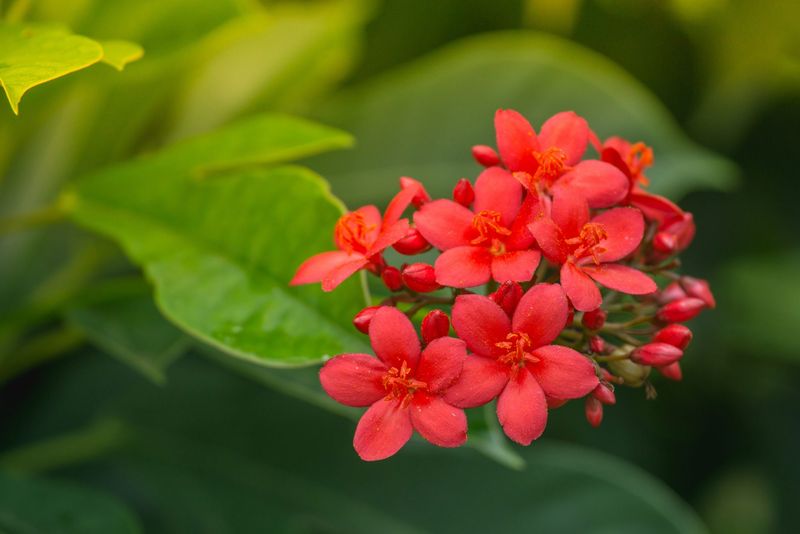
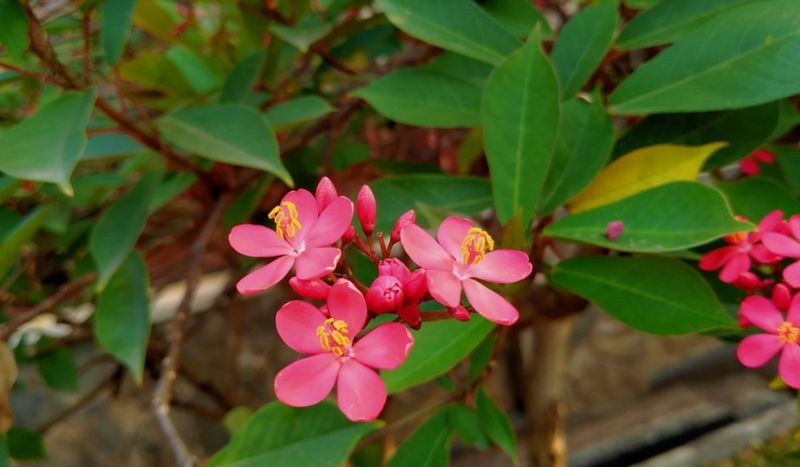
Witnessing the Jatropha in full bloom is a delight. It produces clusters of star-shaped red to pink flowers, blooming year-round in warm climates, with peaks in spring and summer. While deadheading isn’t necessary, it can encourage fuller blooming. Enjoy the vibrant display that brings a tropical feel to your landscape, with flowers that attract butterflies and other pollinators, adding life and movement to your garden.
5. Pruning Tips
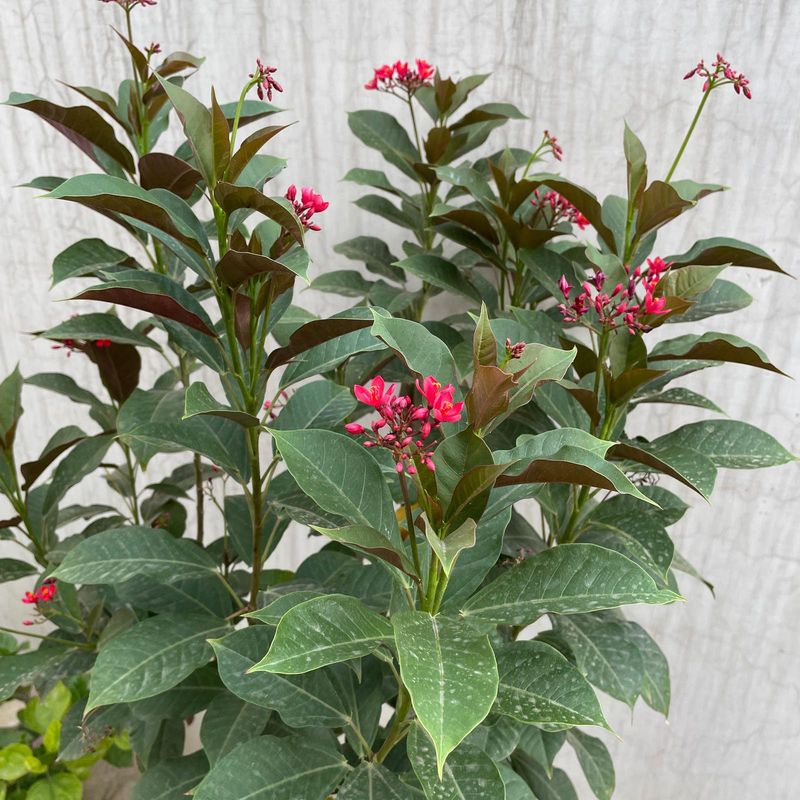
Pruning your Jatropha Tree in early spring is key to maintaining its shape and encouraging new growth. Trim it as a small tree or shrub, depending on your landscape design. Regularly remove dead or leggy branches to improve its appearance and health. This practice not only enhances flowering but also ensures your Jatropha remains a striking centerpiece in your garden. Skillful pruning promises a lush and vibrant tree.
6. Temperature and Climate
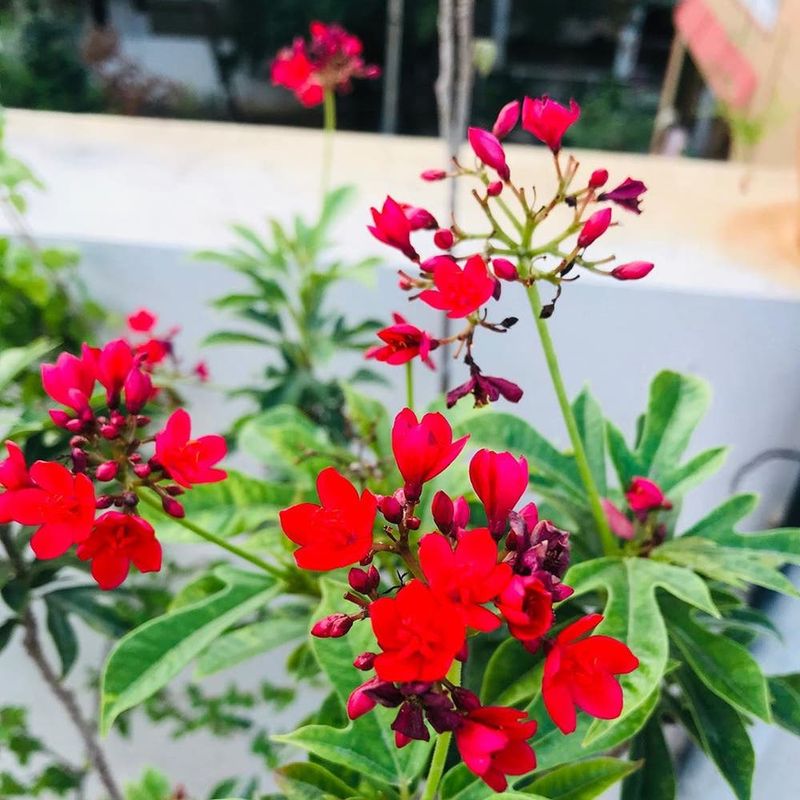
The Jatropha Tree thrives in warm temperatures, making it unsuitable for areas with frost. In cooler climates, containers can be moved indoors during winter. It’s important to note that the Jatropha will drop leaves if temperatures fall below 40°F (4°C). By providing a warm and stable environment, you can ensure your tree remains healthy and continues to delight with its colorful blooms.
7. Pollinators and Wildlife
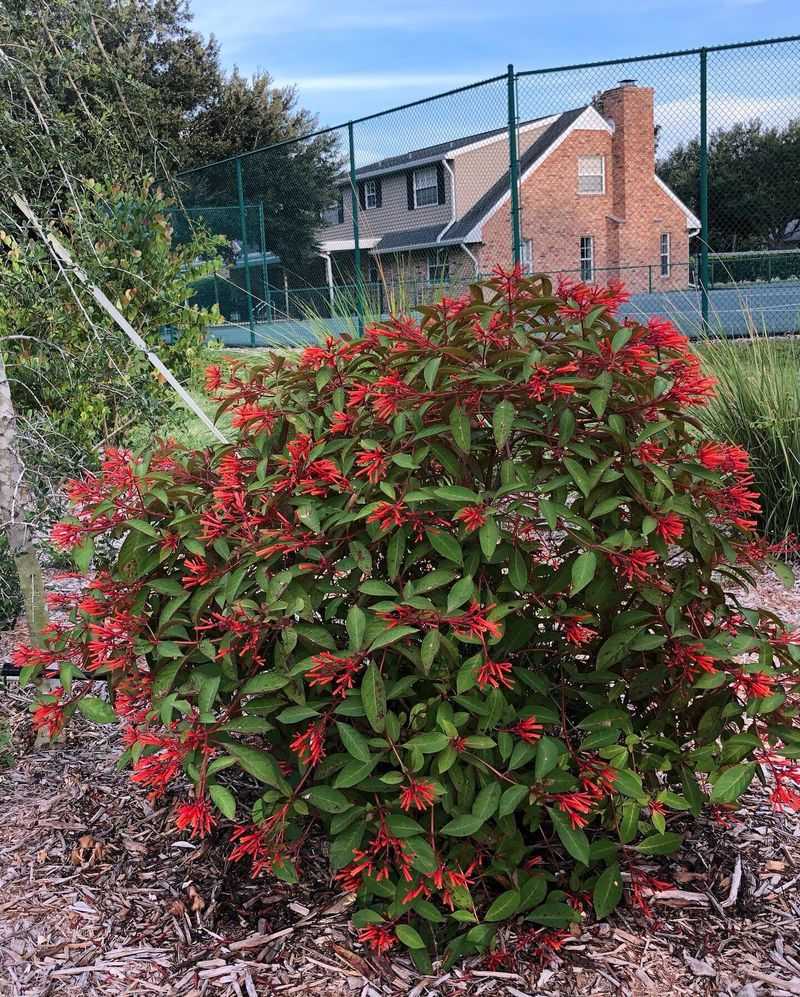
The Jatropha Tree is a magnet for butterflies, bees, and hummingbirds, making it a perfect addition to pollinator gardens. Its bright flowers not only enhance the garden’s aesthetics but also support local ecosystems. By planting a Jatropha, you contribute to wildlife-friendly landscapes, enriching your garden with lively interactions. This tree serves as both a visual delight and a sanctuary for pollinators.
8. Toxicity Warning
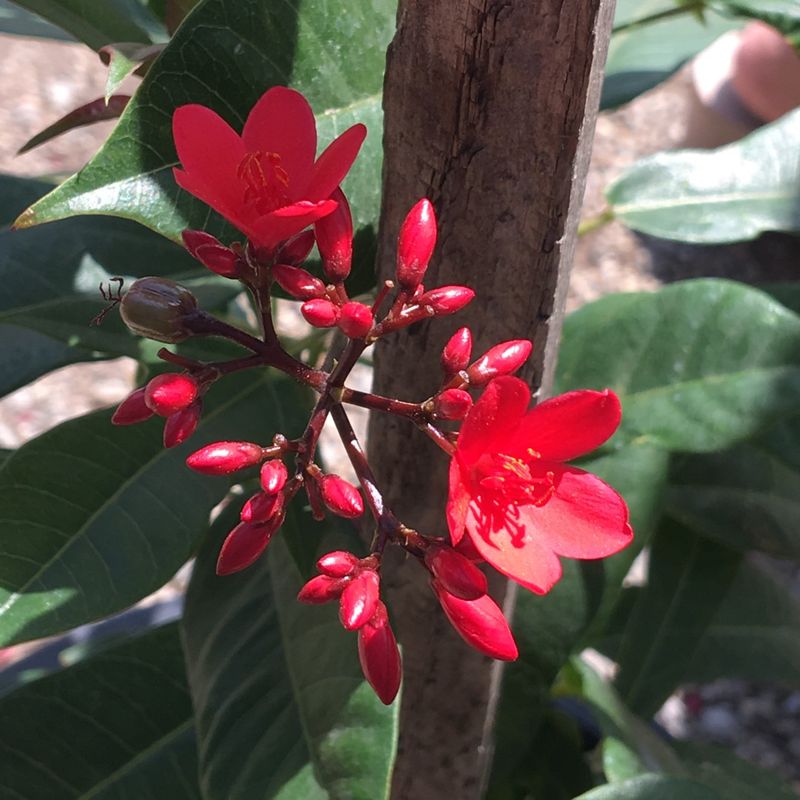
While beautiful, the Jatropha Tree is toxic if ingested by pets or humans, so handle with care. Wear gloves when pruning, as the sap can irritate the skin. Plant in areas less accessible to children and pets to prevent accidental consumption. Awareness of its toxicity ensures safety while allowing you to enjoy its vibrant presence. Balance beauty and caution as you incorporate the Jatropha into your garden.
9. Fertilizing Tips
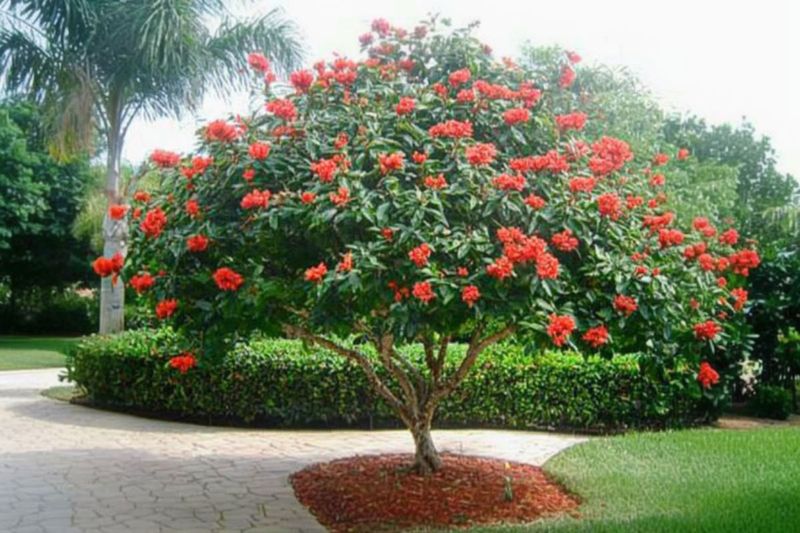
Feeding your Jatropha Tree with a balanced slow-release fertilizer in spring and midsummer is essential for its growth. Avoid over-fertilizing, as it can lead to reduced flowering. A thoughtful fertilizing routine supports healthy foliage and abundant blooms. By providing the right nutrients, your Jatropha will flourish, showcasing its vivid colors and becoming a highlight of your garden.
10. Container Growing Tips
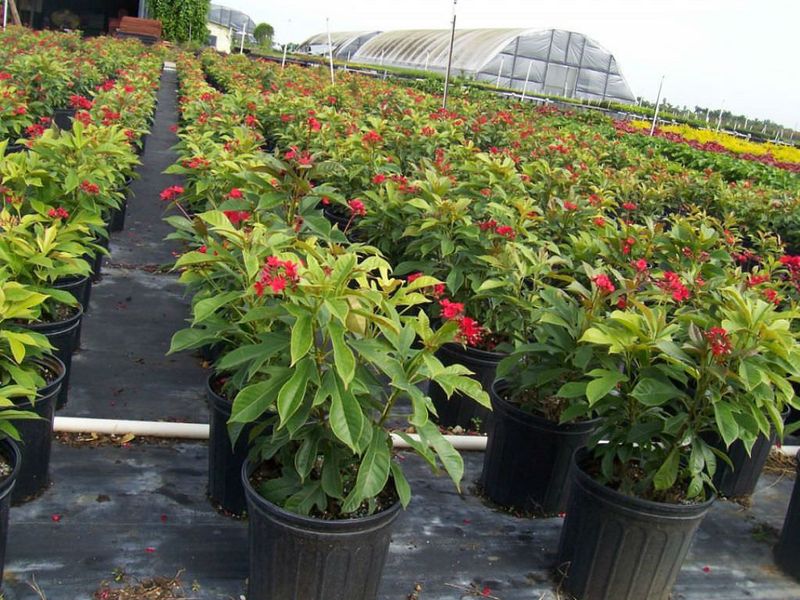
Growing a Jatropha Tree in a container allows flexibility in colder climates. Choose a sturdy pot to support its growth and prevent tipping. Rotate the pot regularly to ensure even sun exposure. As temperatures drop, bring the container indoors or into a greenhouse. This adaptability makes the Jatropha a versatile option for any gardener, providing vibrant color and life to patios and indoor spaces alike.