
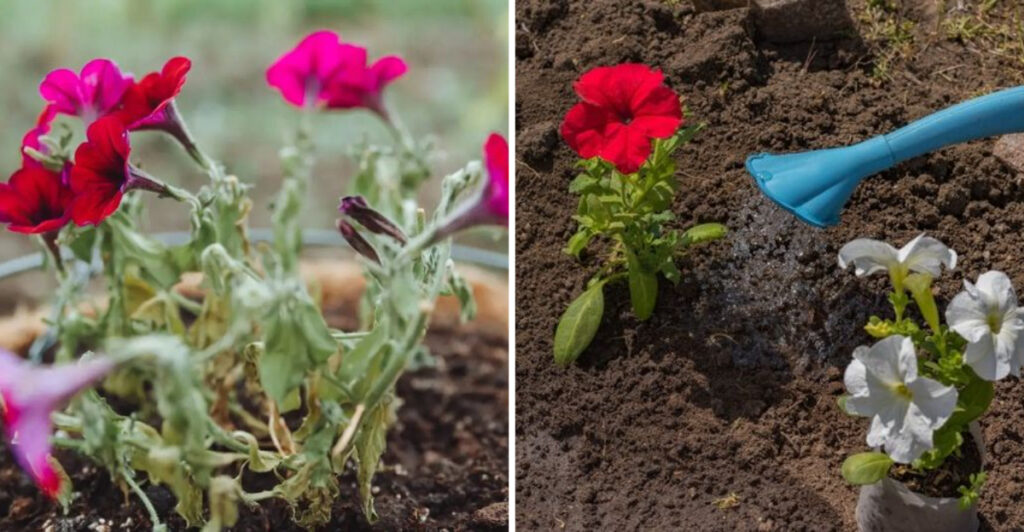
Watering petunias might seem straightforward, but these vibrant blooms require a nuanced approach. Gardeners often make common mistakes that compromise the health and beauty of these flowers. From overwatering to neglecting environmental factors, each misstep can lead to wilting or disease. Understanding these pitfalls can transform your garden into a flourishing display. Here are 17 specific watering mistakes to avoid, along with how to properly nurture your petunias. By recognizing and correcting these errors, you can ensure a thriving and vibrant garden. Embrace these insights to cultivate petunias that flourish with life and color.
1. Overwatering
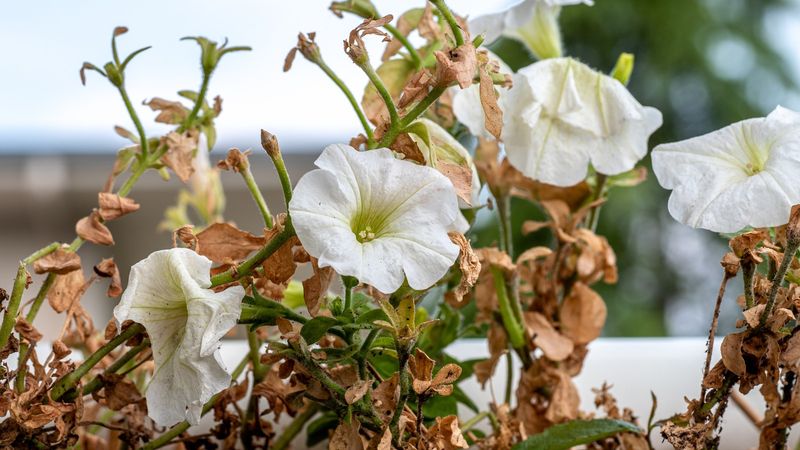
Petunias adore moisture, but too much can spell disaster. Overwatering is a frequent blunder, leading to root rot. Picture this: your vibrant petunias, once full of life, now languish in a soggy bed. This excess dampness suffocates roots, robbing them of oxygen and making them susceptible to rot. Instead, let the soil dry out between watering sessions. Drenching them regularly, thinking it’s beneficial, actually causes harm. Aim for a balance. Check soil moisture with your finger as a guide. Allowing soil to partially dry ensures petunias remain robust and colorful. This adjustment transforms lifeless blooms into thriving spectacles.
2. Underwatering
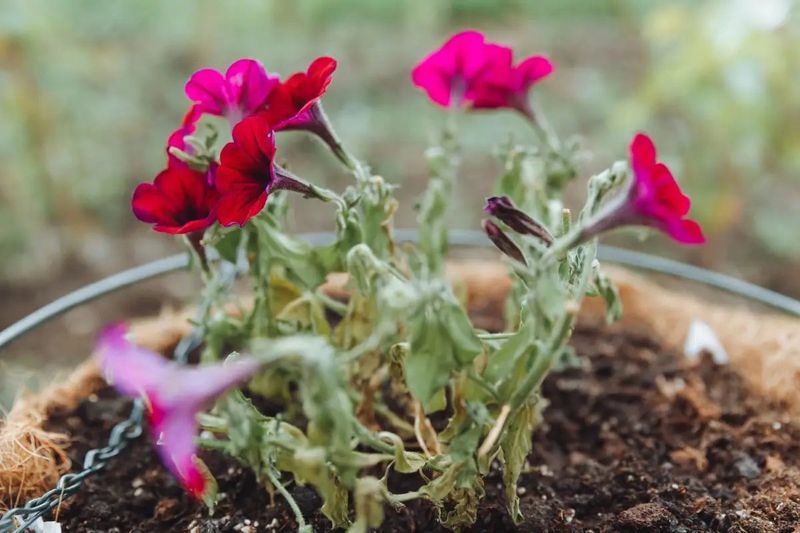
Picture a hot summer day, and your petunias are parched. Underwatering is another common error, leaving these beauties gasping for hydration. When petunias don’t receive enough moisture, their growth stunts and blossoms fade. Ensuring regular hydration, especially during warm spells, is vital. Feel the soil’s dryness; if it crumbles easily, it’s time to water. Aim for a consistent watering routine. While they appreciate being drenched, ensure it’s not excessive. Petunias thrive on regularity, requiring your careful attention to their moisture needs. By understanding this balance, your garden remains alive with dazzling blossoms.
3. Poor Drainage
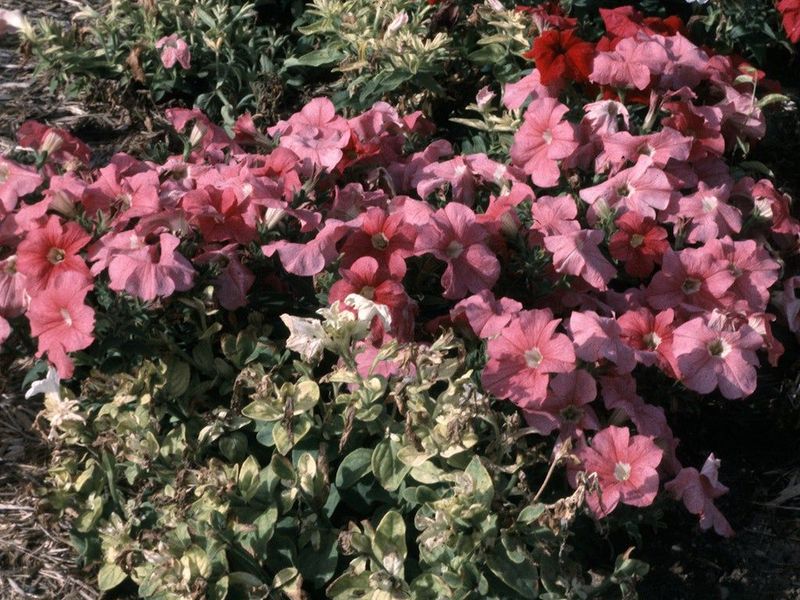
Drainage is the unsung hero of healthy petunias. Imagine planting them in a pot without holes; water accumulates, creating a swampy mess. Poor drainage is a silent killer, slowly asphyxiating roots. To prevent this, always choose well-draining containers and soil mixes. Adding gravel or stones at the pot’s base enhances drainage. Regular checks ensure water isn’t pooling around roots. A simple change in potting method can rejuvenate struggling petunias. It’s these thoughtful adjustments that help petunias prosper, turning a suffocating environment into a haven for growth and bloom.
4. Watering at Night
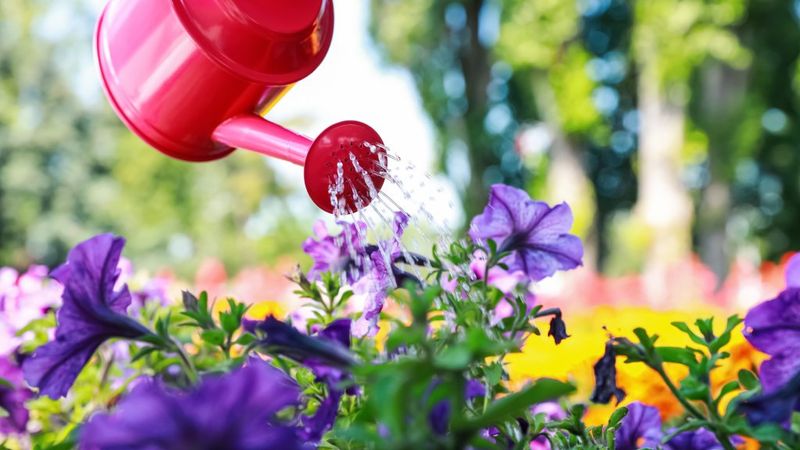
Watering during the cool night might seem wise, but it’s a pitfall in disguise. The dampness lingers, inviting mold and pests. Petunias crave daylight watering, allowing the sun to dry excess moisture. This prevents fungal issues and keeps plants healthy. Shift your schedule to early morning, giving flowers the hydration they need for the day. This change in routine fosters a healthier environment, reducing disease risks. Embracing daylight watering transforms your garden, enhancing the vitality of petunias. It’s a minor tweak with major benefits, promoting a joyful and resilient bloom.
5. Using Cold Water
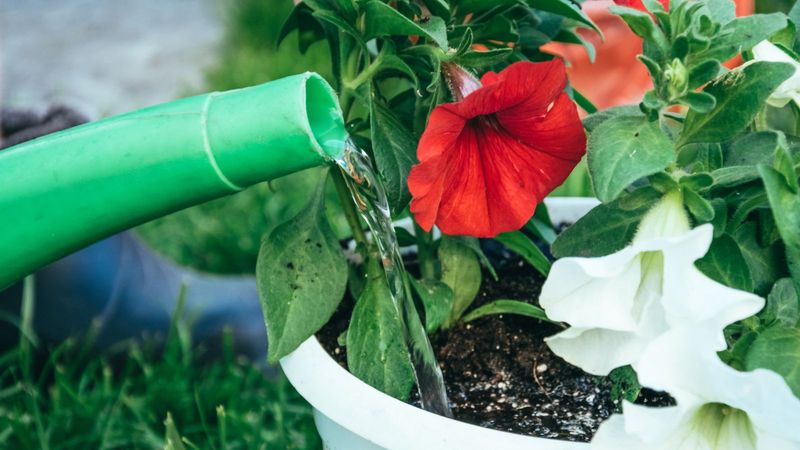
Imagine taking an icy shower on a cold morning. Using cold water on petunias is equally shocking. This mistake can stress plants, leading to growth issues. Petunias prefer tepid water, which aligns with their natural needs. Cold water causes root shock, disrupting nutrient absorption. Fill your watering can and let it warm to ambient temperature before hydrating your flowers. This simple practice harmonizes with their growth patterns, fostering resilience. Avoid the shock of cold water, and your petunias will reward your care with vibrant blooms, basking in the warmth they need to thrive.
6. Ignoring the Weather
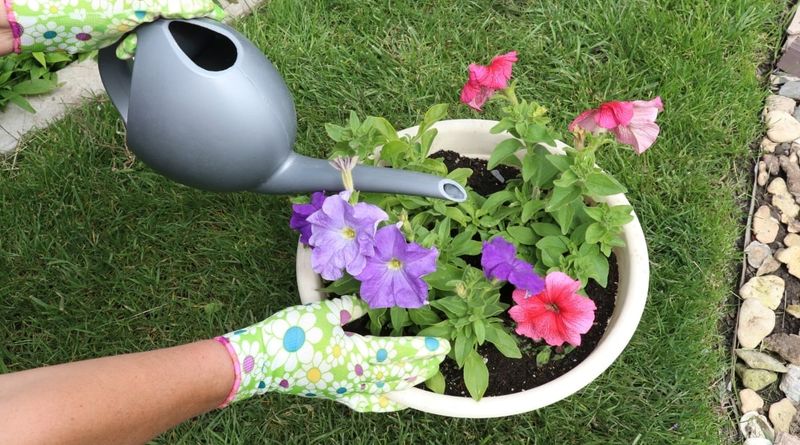
Weather often guides our gardening choices, yet it’s frequently overlooked. Ignoring weather conditions can lead to overwatering or dehydration. Rainy days naturally hydrate petunias, eliminating the need for additional watering. Sun-drenched, dry spells, however, call for increased hydration. Adjusting your watering routine according to weather patterns ensures optimal moisture levels. This mindful approach prevents root rot and drought stress, allowing petunias to flourish. By syncing with nature’s rhythms, your garden can thrive, vibrant and lush with life. Let the weather be your guide, and see your petunias prosper.
7. Watering Leaves
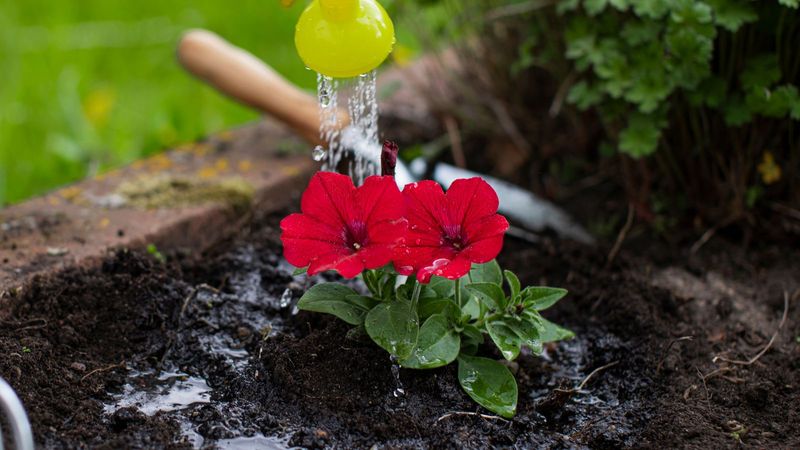
Petunias demand precision, especially in watering technique. Sprinkling water on leaves invites problems. The moisture clings to foliage, fostering mildew and disease. Prioritize soil-level watering to keep leaves dry. This practice reduces disease risk and promotes healthier growth. Focus on roots, the true thirst-quenchers, by directing water at soil level. In doing so, you minimize leaf wetness, enhancing plant vigor. Petunias appreciate this care, rewarding you with brighter, healthier blooms. Precision in watering is key, a simple shift that yields robust, flourishing flowers. Explore better methods and watch your garden thrive.
8. Inconsistent Watering
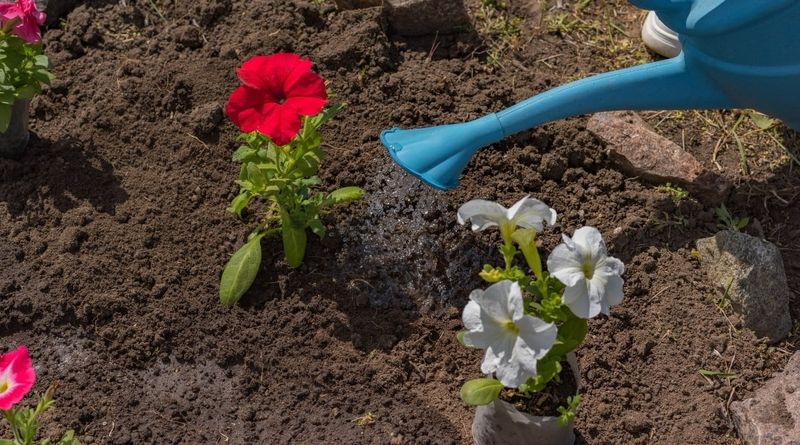
Consistency is the key to thriving petunias. Imagine a world where rain only falls sporadically; plants would struggle. Likewise, erratic watering disrupts petunia health. Regular hydration fosters steady growth and bloom. Establish a routine that suits your climate and stick to it. This reliability provides petunias with the moisture they need to blossom robustly. Inconsistent watering leads to stress, showing in uneven blooms and growth. It’s the simple practice of consistent care that propels petunias to their full potential, making your garden a symphony of color and life.
9. Watering Too Fast
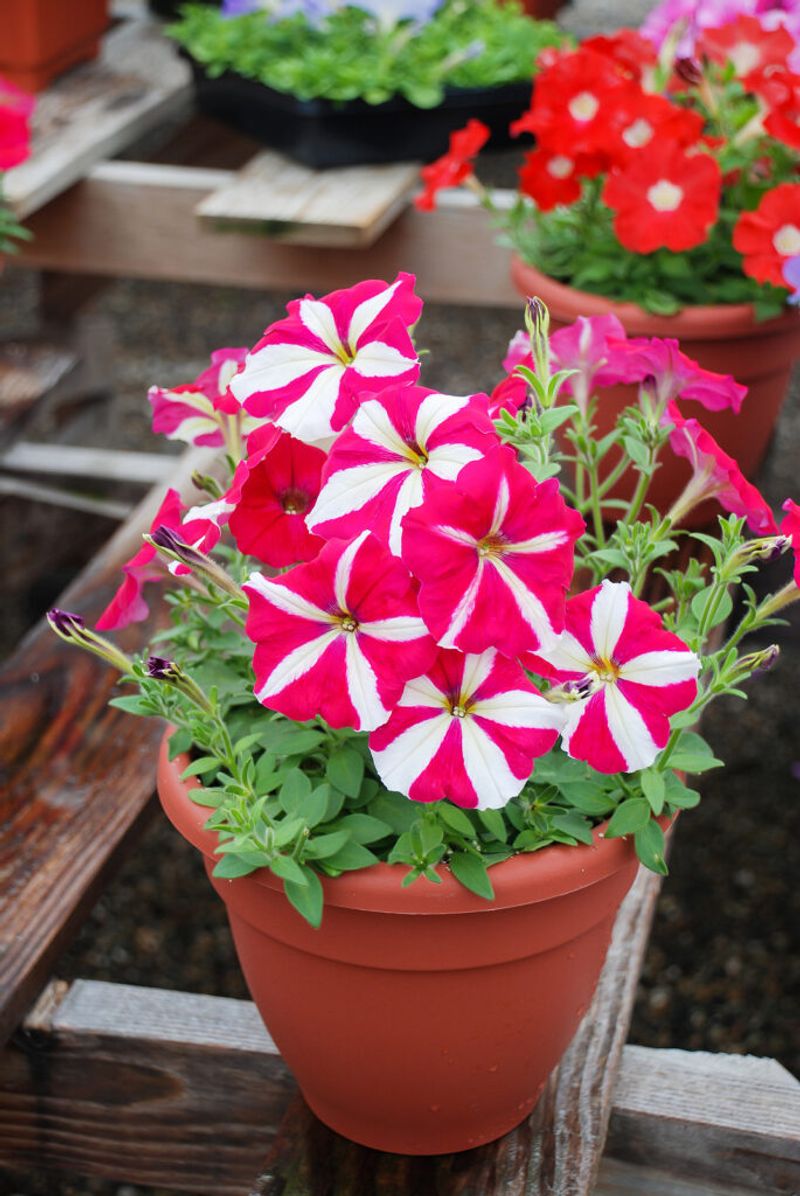
Speed can be a silent saboteur in gardening. Fast watering may seem efficient, but it often causes more harm than good. The rapid water flow erodes soil and exposes roots. Petunias benefit from gentle, thorough watering that allows moisture to seep deeply. Ponder this: a slow, steady stream is far more nourishing than a hasty deluge. Use a watering can or hose nozzle with a gentle spray to ensure even distribution. This practice stabilizes soil and supports robust root growth. By embracing patience in watering, petunias flourish, reflecting the care and attention you invest.
10. Neglecting Soil Type
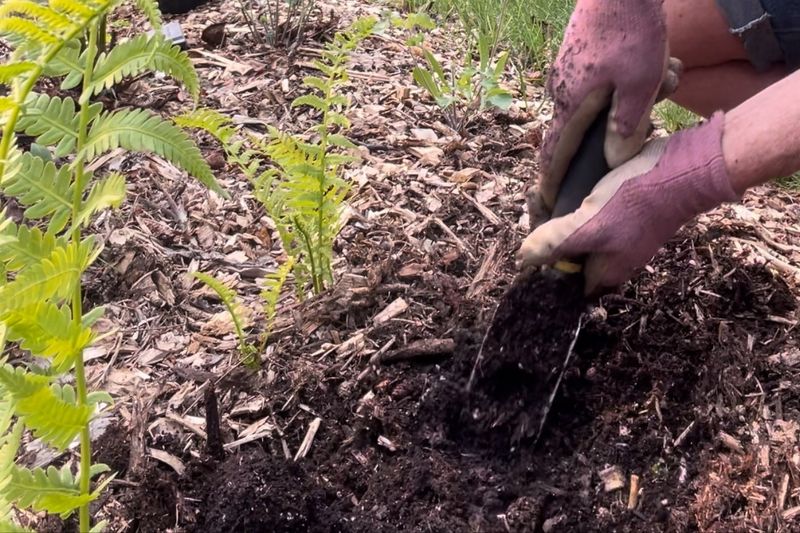
Soil is the foundation of every flourishing garden. Petunias thrive in well-drained, slightly acidic soil. Ignoring soil type can impede growth. Imagine planting in heavy clay; the compacted earth suffocates roots. Test your garden soil and amend as necessary, adding organic matter for aeration. Use peat moss or compost to lighten texture and improve drainage. This mindful adjustment enhances nutrient availability and root health. Understanding soil needs transforms your garden into a sanctuary for petunias. Carefully selected soil means vibrant, healthy plants that grace your space with color and life.
11. Not Mulching Properly
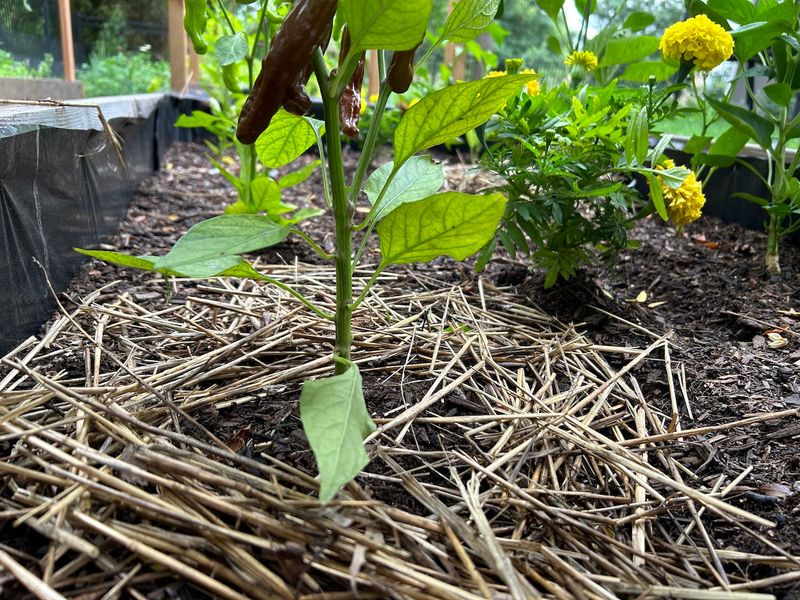
Mulch is a gardener’s ally, offering protection and nourishment. Neglecting mulch leaves petunias vulnerable to weeds and temperature fluctuations. Visualize a garden bed without this protective layer; soil dries rapidly and competes with weeds. Apply organic mulch, like bark or straw, around petunia bases. This conserves moisture and moderates soil temperature. Mulch also suppresses weeds, allowing petunias to flourish without competition. The simple act of mulching can transform your garden, offering stability and health. Petunias thrive with this added care, rewarding you with pure, unbridled beauty.
12. Ignoring Seasonal Changes
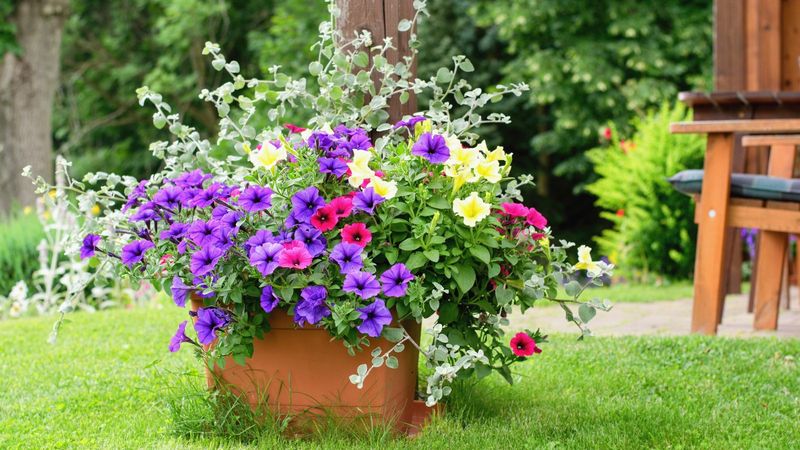
Seasonal changes often dictate garden practices. Yet, it’s common to overlook their impact on watering. Petunias have varying needs through the year. Consider the winter months: they require less water due to dormancy. Excessive watering in cooler seasons can harm roots. In contrast, summer heat demands increased hydration. Adapting your routine ensures petunias receive appropriate care year-round. This attention to seasonal shifts fosters resilience and bloom. By aligning watering with nature’s cycle, your garden thrives, reflecting the changing beauty of each season. Enhance adaptability, and watch your petunias prosper.
13. Using Hard Water
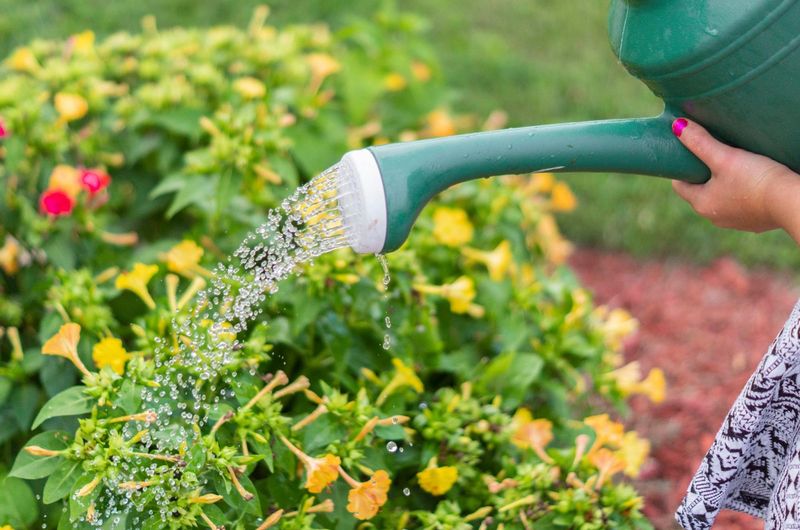
Water quality is a hidden factor in plant health. Hard water, rich in minerals, can leave deposits on soil and foliage. These minerals disrupt nutrient uptake, hindering petunias’ growth. Consider using rainwater or distilled water for a gentler approach. This switch can improve plant health, reducing the risk of mineral buildup. Hard water may seem harmless, but its long-term effects can stifle vitality. By prioritizing water quality, petunias receive the pure hydration they need, blooming with vigor and grace. Embrace this subtle change, and witness a brilliant transformation in your garden.
14. Neglecting Container Plants
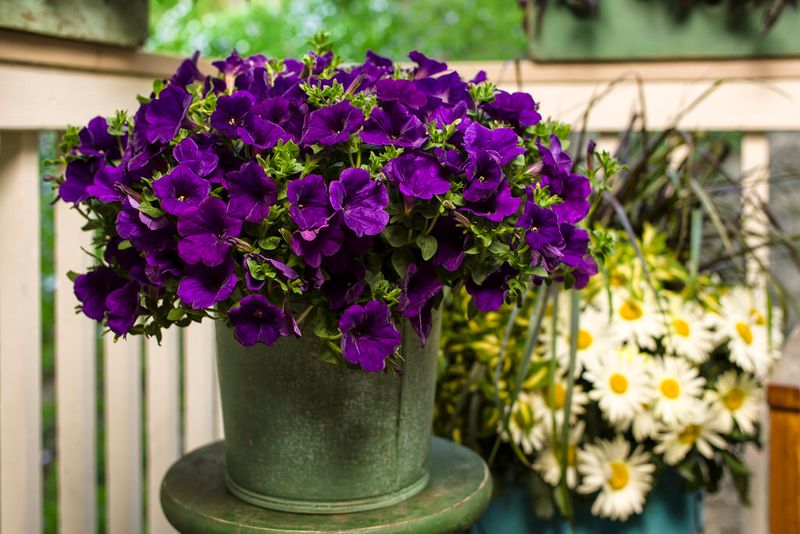
Container gardening offers flexibility, but demands diligence. Petunias in pots dry faster than garden beds, needing regular checks. Imagine your potted blooms wilting under the sun, silently pleading for water. Check moisture levels frequently, especially in warm weather. Containers require more attention to prevent dehydration. Routine watering and proper drainage are crucial for thriving plants. This extra care transforms container gardens, ensuring petunias remain vibrant and healthy. By embracing this responsibility, your potted petunias bloom with joyous color, a testament to your attentive nurturing.
15. Ignoring Plant Size
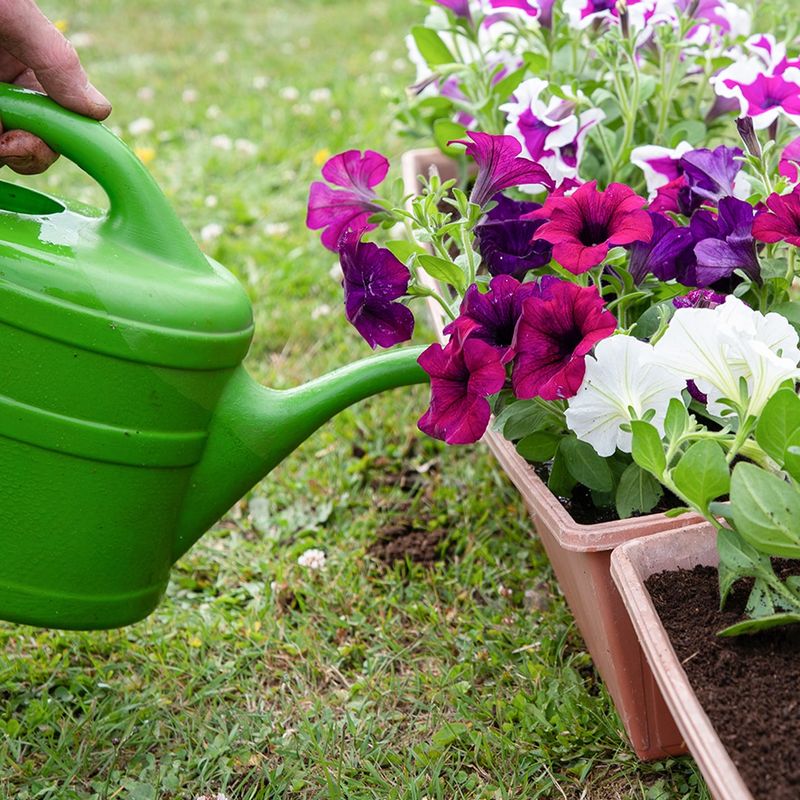
Petunia size correlates with watering needs. Overlooking this can lead to improper care. Consider the difference between a young sprout and a mature bloom; each requires specific attention. Smaller plants need less water but more frequent checks. Mature petunias, with established roots, demand deeper hydration. Tailoring your approach ensures optimal growth. Overwatering young plants drowns roots, while neglecting mature ones causes stress. Recognizing this distinction fosters robust health, allowing petunias to flourish according to their stage. Customize care for size, and watch your garden thrive in harmonious balance.
16. Forgetting Fertilizer Needs
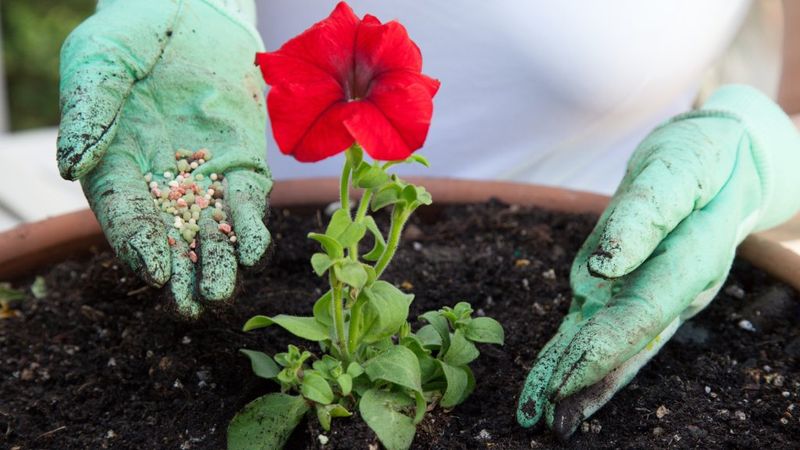
Fertilizer can be a garden’s secret weapon. Forgetting to combine watering with feeding limits petunias’ potential. Regular fertilizing supports vigorous growth and vibrant blooms. Choose a balanced fertilizer suited for flowering plants. Incorporate it with your watering routine, ensuring nutrients reach roots. Neglecting this aspect leaves petunias undernourished, stunting their beauty. This simple addition enriches your garden, unlocking full floral splendor. Petunias flourish with this comprehensive care, thriving where neglect once reigned. Embrace a holistic approach to watering and feeding, and see the difference in your blooms.
17. Ignoring pH Levels
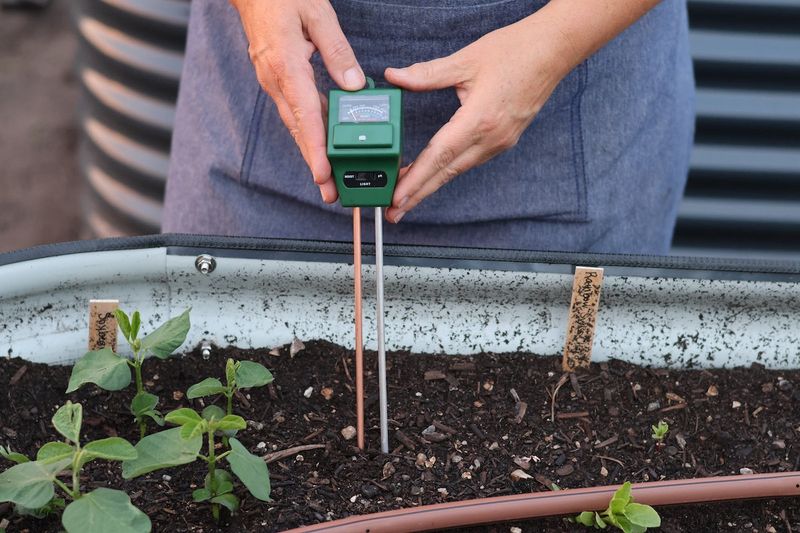
Soil pH levels directly affect plant health. Petunias thrive in slightly acidic conditions, around pH 6.0 to 6.5. Ignoring pH can hinder growth and bloom. Test your garden soil to ensure a suitable environment. Amend with sulfur or peat moss to lower pH if necessary. This adjustment enhances nutrient availability, supporting robust health. A simple pH check can transform your garden, aligning with petunias’ needs. This attention to detail fosters resilience, allowing petunias to bloom beautifully. By understanding and adjusting pH levels, you create a nurturing space for your vibrant garden.