
Transforming a garden from dull to dazzling can be a rewarding project.
With the right combination of flowers, foliage, and strategic placements, it’s possible to create a vibrant, inviting space.
Here are eleven tips to add bursts of color and life to any garden, turning it into a blooming paradise.
1. Start with a Bold Flower Palette
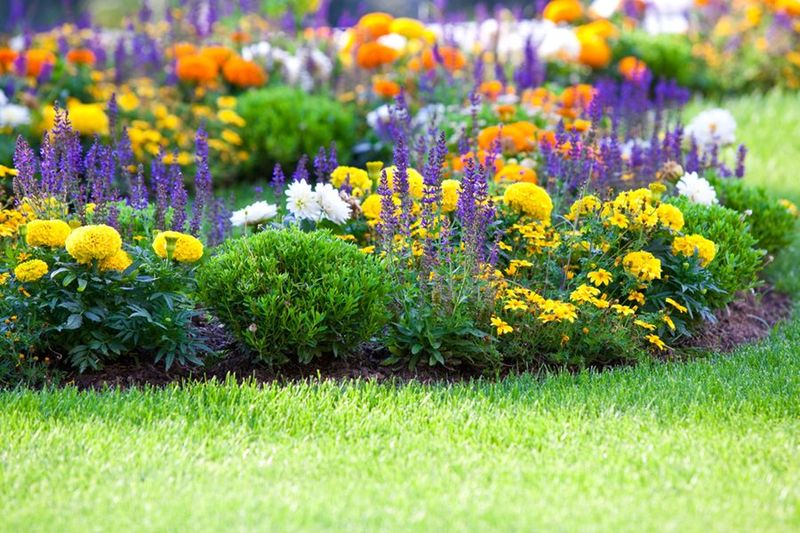
Imagine a garden where colors dance. Begin with marigolds in fiery orange, paired with deep purple salvia. Zinnias in hot pinks and reds burst forth, while sunny yellow coreopsis rounds out the palette. Mixing warm tones with cool ones creates visual drama and balance. Group these flowers in clusters, not solitary, to enhance their impact. This approach not only injects your garden with vivid hues but also ensures a long-lasting bloom season. Each flower adds its unique flair, transforming even the most mundane patch of earth into a kaleidoscope of colors that delights the senses.
2. Plant in Clumps, Not Singles
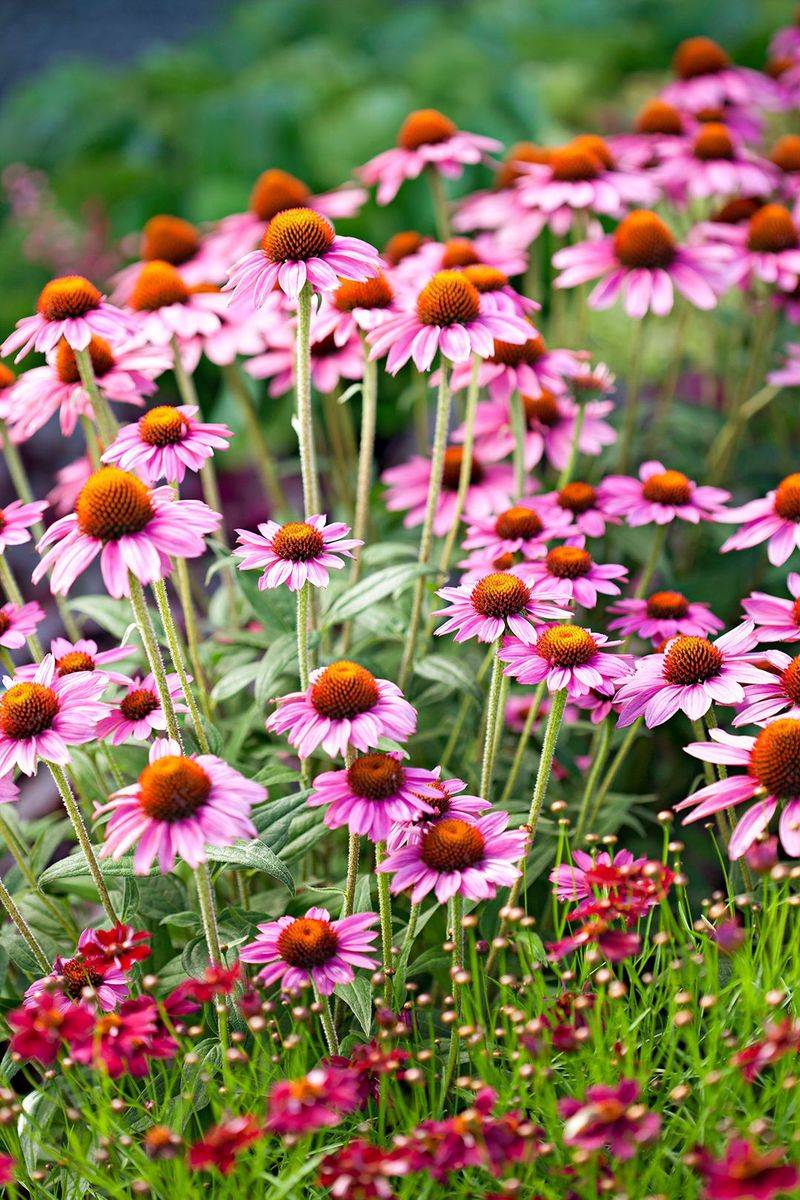
Clusters of flowers create a tapestry of color. Planting in groups—think threes or fives—ensures a lush, striking appearance that a single plant cannot achieve. This method provides continuity and vibrancy, making your garden appear fuller and more intentional. In this setup, each flower complements the others, contributing to a harmonious display that feels both curated and abundant. The collective bloom draws the eye, offering a feast of color and texture that transforms any garden from sparse to sumptuous.
3. Use Colorful Containers
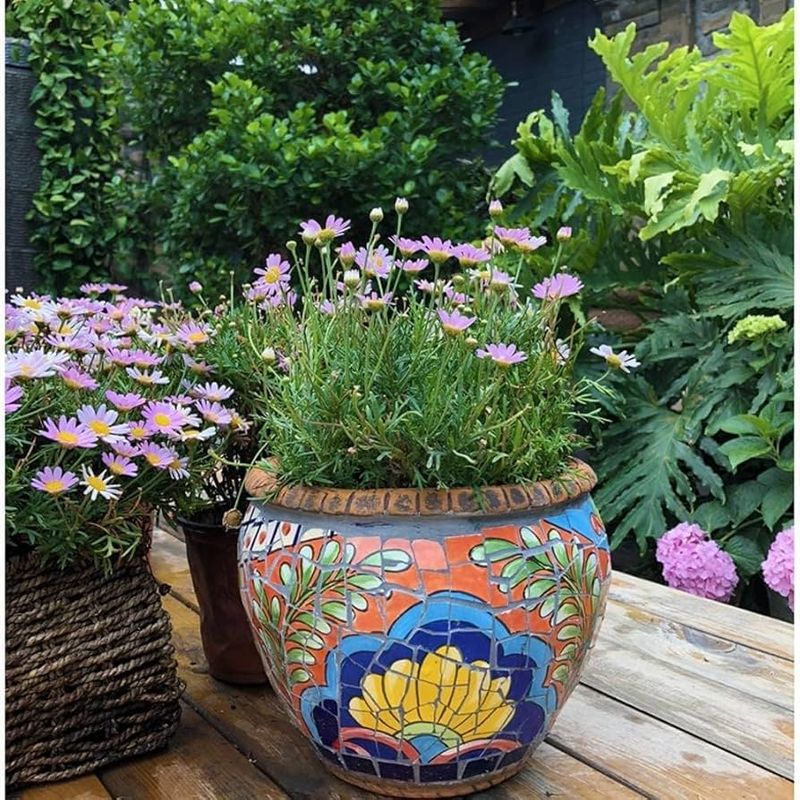
Containers can redefine a garden space. Imagine vibrant teal, warm terracotta, and striking cobalt blue pots scattered throughout your garden. These containers act as colorful highlights, drawing attention and adding interest even before the flowers show their colors. Perfect for patios or small spaces, they allow you to shift and rearrange as needed. Not just functional, these pots become art pieces themselves, enhancing plant beauty and garden aesthetics. Let your containers cheerfully punctuate the greenery, providing a burst of color where it’s least expected.
4. Add Foliage with Bold Tones
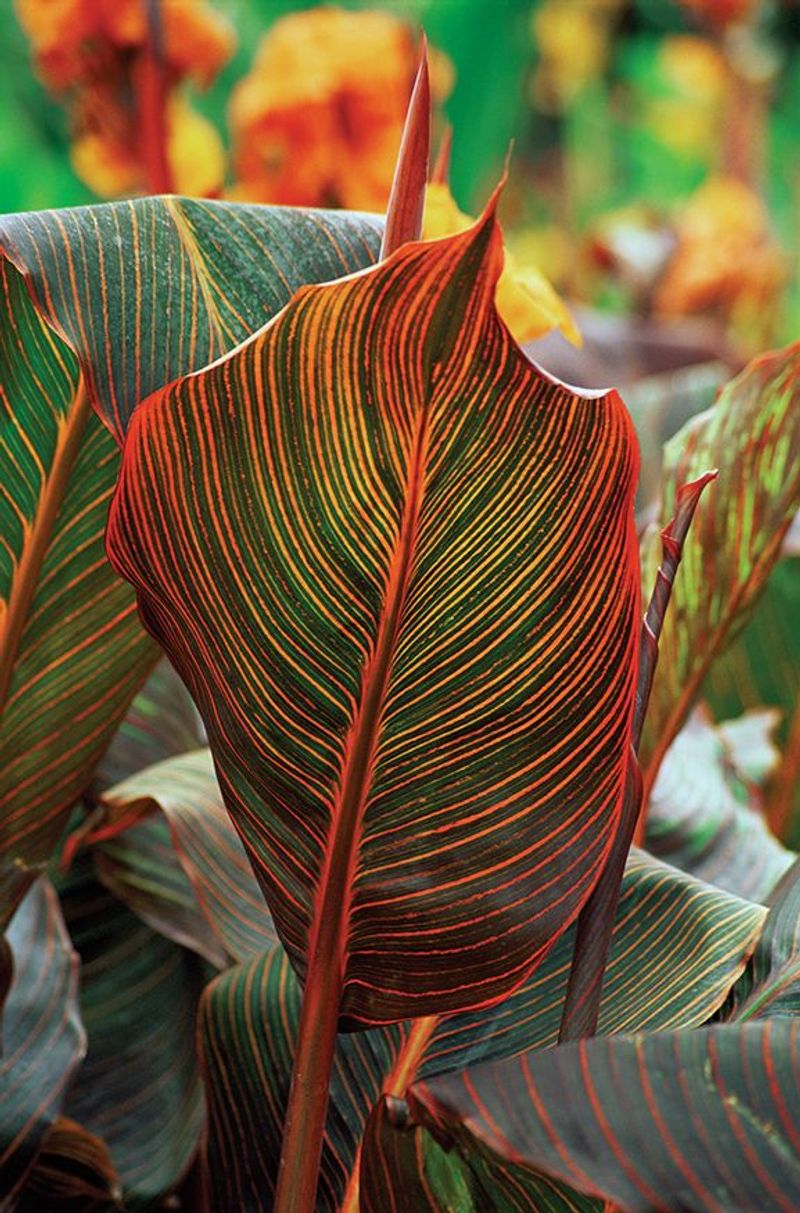
Foliage can be as captivating as flowers. Picture leaves in vibrant reds, purples, and blues, courtesy of plants like coleus, heuchera, and hostas. These foliage stars provide a perennial color show, their bold tones lasting through the seasons. Unlike flowers, they maintain their hues longer, offering a consistent backdrop of color. This approach ensures your garden remains a visual feast, with foliage playing the starring role in a display that is as eye-catching as any bloom.
5. Paint a Fence, Shed, or Trellis
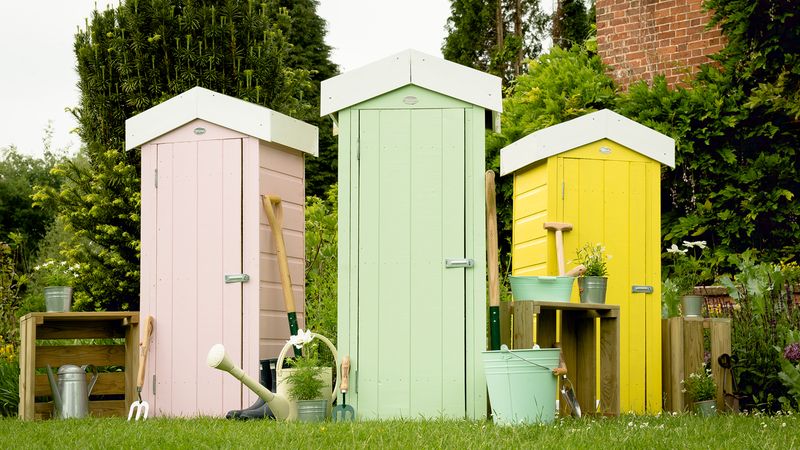
Structures can transform a garden’s look. Envision a fence in coral or a shed in sage green, setting the stage for blossoming beauty. These painted elements create a canvas for your garden, with colors that complement and contrast with the natural surroundings. A bold navy trellis provides a stunning backdrop for climbing plants, while a white fence offers a clean slate for floral displays. This simple change can instantly inject personality and style, turning ordinary garden structures into focal points of vibrant charm.
6. Add Hanging Baskets for Eye-Level Color
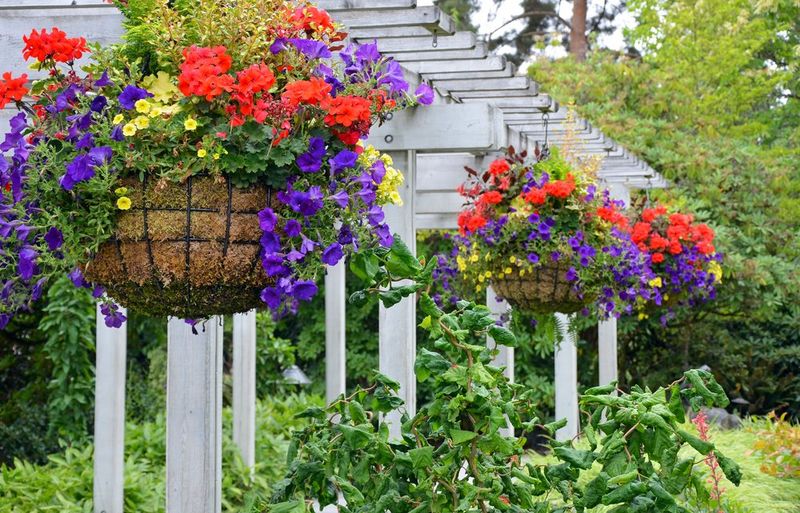
Elevate your garden’s charm with hanging baskets. Petunias, fuchsias, and lobelias cascade from baskets at eye level, bringing color and texture up from the ground. These aerial blooms soften walls and fences, creating a floating garden effect that captivates. Hanging baskets are perfect for adding dimension and interest, transforming vertical spaces into blooming art. Their presence draws the eye upward, inviting closer inspection and admiration of the intricate beauty suspended in midair.
7. Incorporate Annuals for Instant Impact
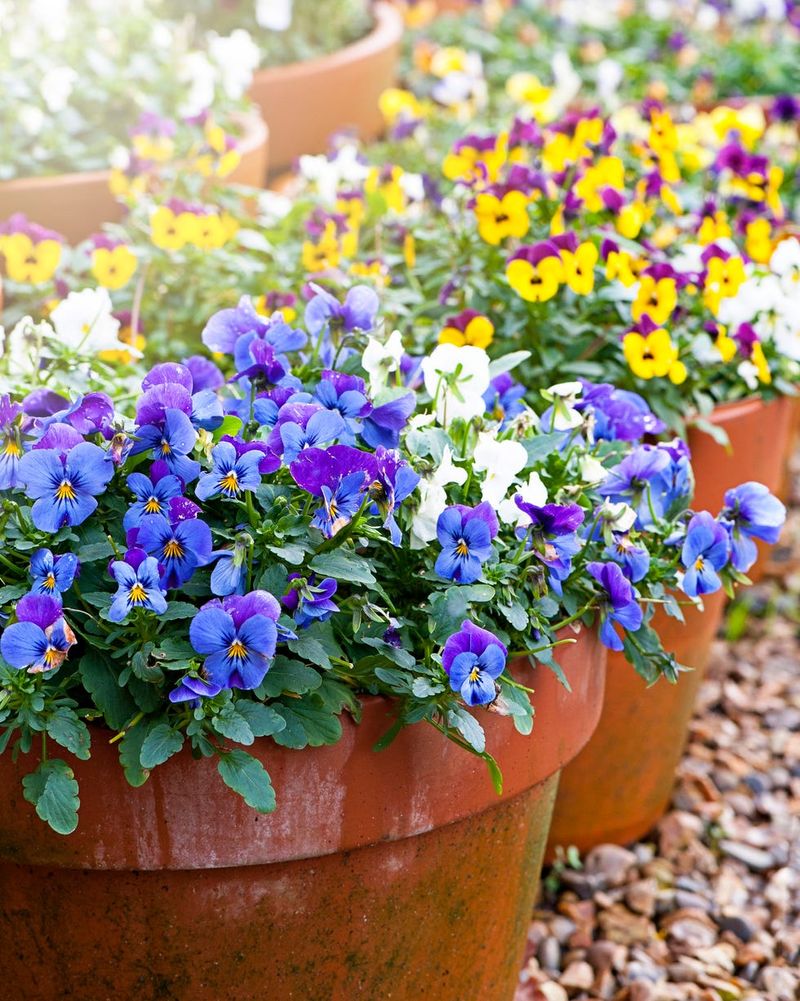
Annuals offer a quick, colorful fix. Visualize impatiens in the shade, snapdragons standing tall, alyssum spreading white carpets, and begonias adding lushness. These plants bloom fast, delivering a splash of color almost immediately. They’re ideal for filling gaps or enhancing borders with vibrant hues. Although they last only a season, their rapid growth and bright blooms provide instant gratification. The result is a garden that feels alive and energetic, with colors that entice and invigorate.
8. Plant Flowers That Attract Pollinators
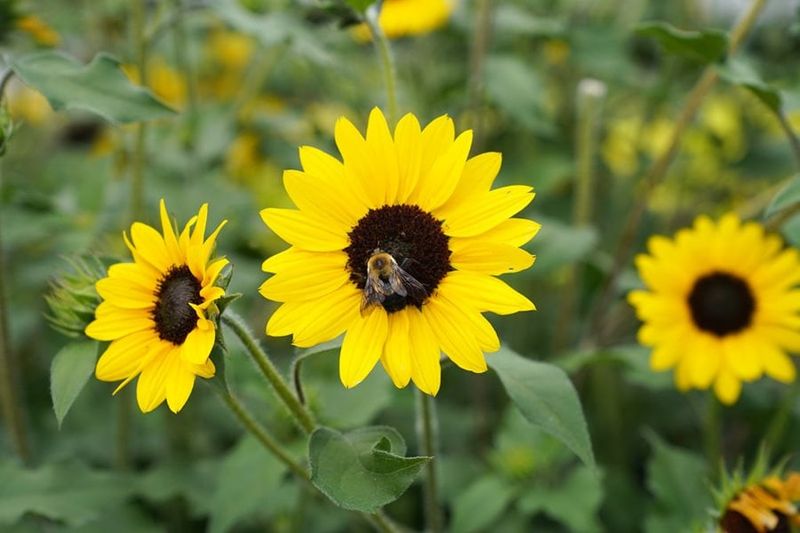
Invite nature’s helpers with colorful blooms. Bee balm, coneflowers, lavender, and black-eyed Susans not only beautify but also attract essential pollinators like bees and butterflies. These flowers add lively movement to your garden, as insects dance from petal to petal. Their ecological value enhances the garden’s health, while their blossoms contribute to a vibrant, animated scene. Planting these varieties ensures a garden that buzzes with life, creating a dynamic and interactive floral haven.
9. Use Solar Lights to Make Colors Pop at Night

Extend your garden’s beauty into the night. Strategically placed solar lights cast a gentle glow on colorful blooms, transforming the garden into a mystical landscape. These lights emphasize the vividness of flowers, creating stunning night-time displays. The play of light and shadow adds depth and intrigue, inviting evening strolls amidst softly illuminated petals. This illumination highlights the garden’s features, ensuring that its charm is appreciated in both daylight and moonlight, creating a place of enchantment after dark.
10. Try a Rainbow Flower Bed
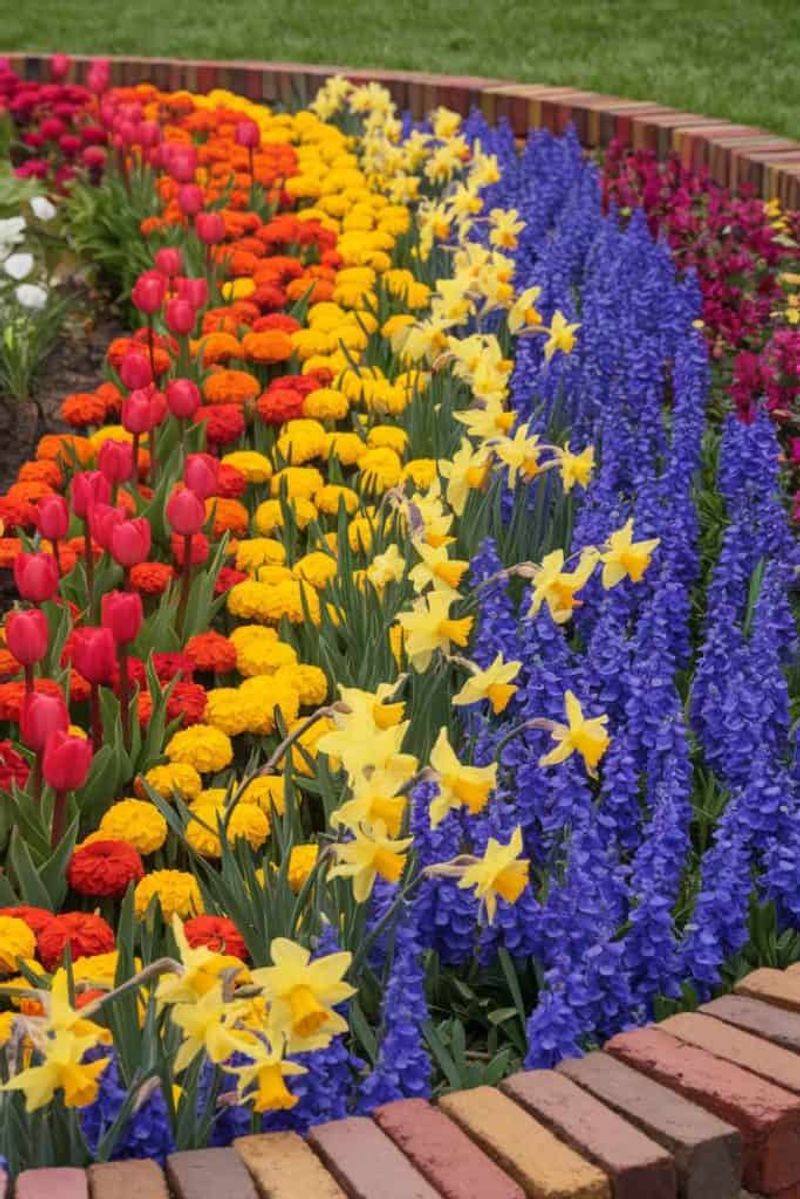
Craft a captivating rainbow in your garden. Arrange flowers from red through purple, creating a seamless gradient of color. This bold approach transforms a section of your garden into a living rainbow, each hue flowing naturally into the next. The effect is striking and orderly, providing a structured yet vibrant display that catches the eye. It’s a creative way to organize blooms, resulting in a design that is both impressive and harmonious, sure to be a conversation starter.
11. Frame Views with Colorful Arches or Trellises
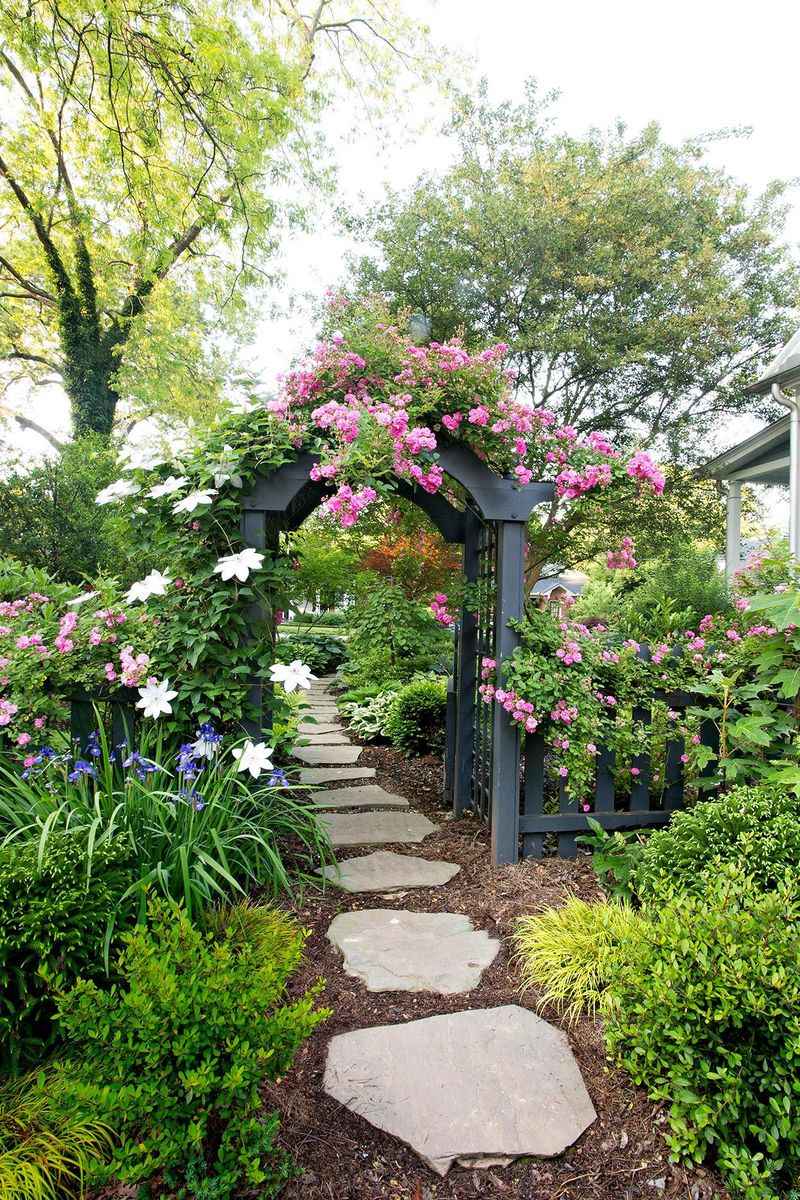
Create framed vistas with flowering arches. Picture a trellis covered in clematis or an archway with sweet peas and bougainvillea, drawing the eye and creating beautiful views. These structures not only support sprawling blooms but also add vertical interest, guiding visitors’ gaze as they move through the garden. Such features provide a sense of depth and dimension, framing key areas and vistas with living art. They transform pathways and entries into gateways of floral spectacle, enhancing the garden’s allure.