
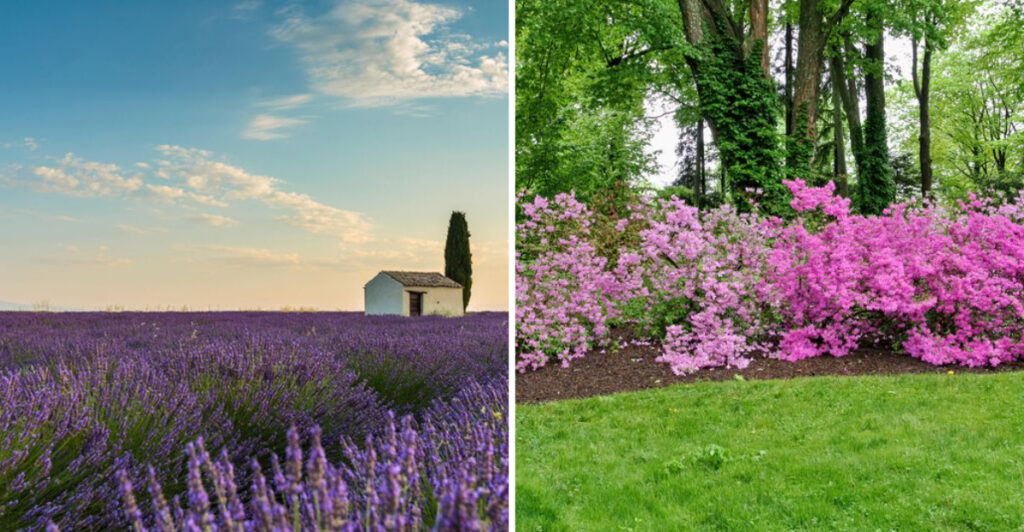
Transforming a garden with shrubs can add beauty, structure, and personality to any outdoor space. These versatile plants are perfect for creating privacy, color, and texture. Whether you’re looking to design a formal garden or a relaxed backyard retreat, shrubs offer endless possibilities. From evergreen hedges to flowering varieties, the diversity of shrubs ensures there is something for every taste and climate. In this post, we’ll explore 35 simple and creative ideas to enhance your landscape with these botanical beauties, each offering a unique flair and function to inspire your gardening journey.
Boxwood Hedging
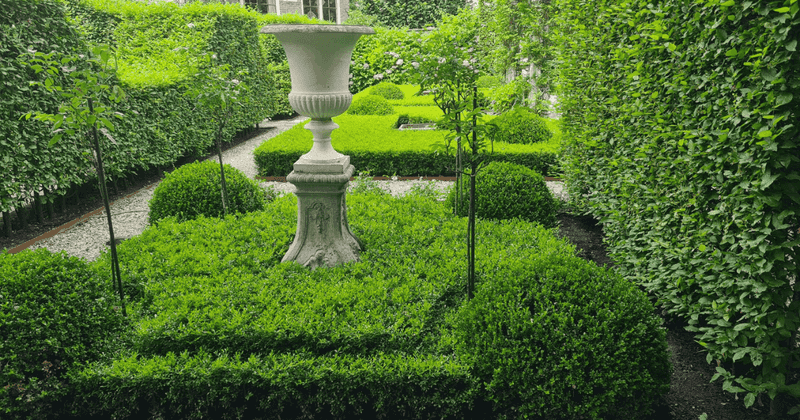
Known for its dense foliage and ability to be shaped, boxwood offers a classic touch to formal gardens. Its evergreen nature ensures year-round interest. In winter, it stands out against the stark landscape.
Perfect for creating structured hedges, boxwood can be shaped into curves or straight lines. Its slow growth makes it low maintenance. Whether lining a walkway or forming garden walls, boxwood’s adaptability is unmatched.
An interesting fact: Boxwood has been used in European gardens since the Roman times, valued for its long-lasting nature. Gardeners continue to cherish this timeless shrub.
Azalea’s Spring Splendor
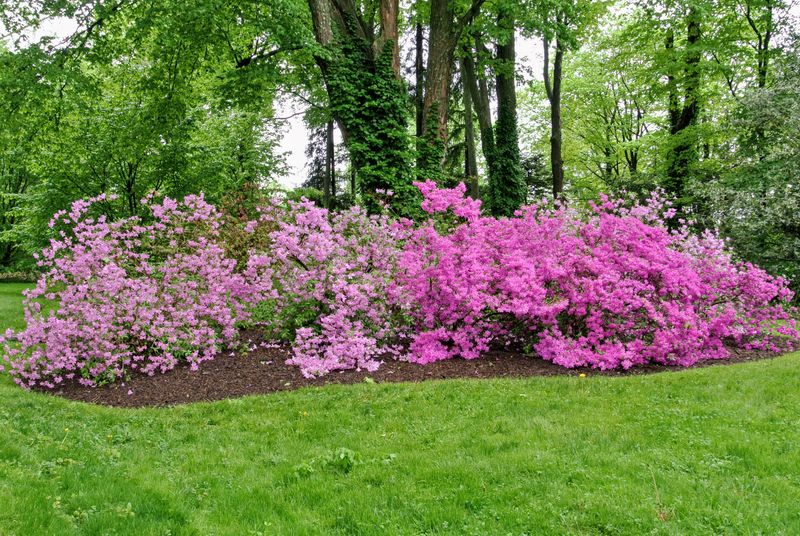
Azaleas bring a splash of color to any garden with their stunning spring blooms. These shrubs thrive in well-drained, acidic soils and can be found in various hues. Often seen as a symbol of femininity and softness.
Their compact growth habit makes them ideal for small spaces or container planting. Regular pruning helps maintain their shape, encouraging more flowers.
Azaleas have captivated gardeners for centuries. Did you know they belong to the Rhododendron family? Their vibrant display is a highlight of any springtime garden, drawing in hummingbirds and butterflies alike.
Lavender’s Fragrant Charm
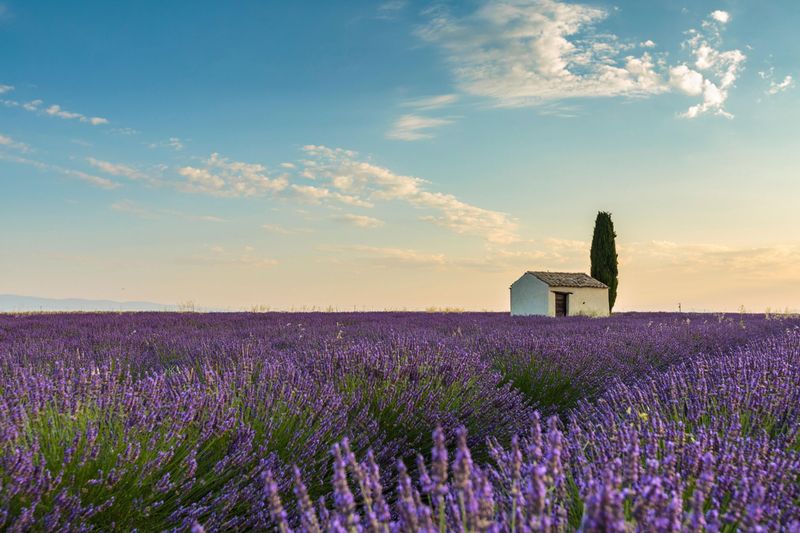
Lavender is beloved for its soothing fragrance and calming effect. Its silvery foliage and purple spikes make it visually appealing. Ideal for sunny borders, it thrives in Mediterranean-like climates.
Lavender’s scent is known to reduce stress, making it a popular choice for sensory gardens. It also deters pests, a natural defense against garden intruders.
In history, lavender was used for mummification in ancient Egypt. Its timeless appeal continues today, with its essential oil being a staple in aromatherapy. A lavender-lined pathway offers serenity and beauty.
Hydrangea’s Colorful Blooms
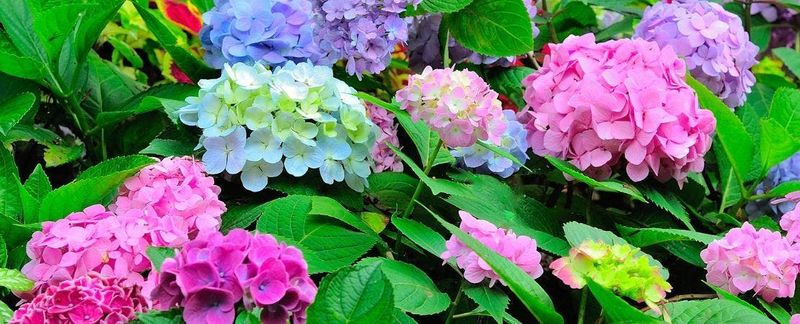
Hydrangeas are famous for their large, showy blooms and ability to change color based on soil pH. This magical transformation captivates gardeners, with colors ranging from blue to pink.
These shrubs prefer partial shade and moist soil. They make impressive focal points and can be used in cut flower arrangements. Each blossom tells a story of the garden’s unique environment.
Did you know? The name “hydrangea” comes from Greek words meaning “water vase,” reflecting its love for moisture. A true gem for any landscape with its seasonal allure.
Rhododendron’s Majestic Presence
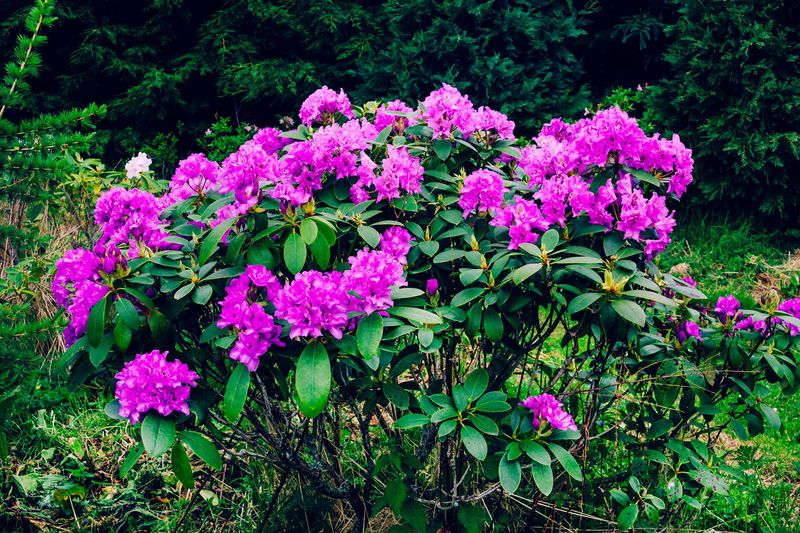
Rhododendrons are majestic shrubs, often found in woodland gardens. Their large flowers create a dramatic display, attracting wildlife and garden enthusiasts alike.
These plants prefer acidic soil and dappled shade. Their evergreen foliage provides structure throughout the year, while their vibrant blooms command attention in spring.
Fun fact: Rhododendrons have been cultivated in Asia for thousands of years. They are often associated with the Himalayas, where they grow wild in abundance. A rhododendron’s striking presence is hard to ignore.
Yew’s Timeless Elegance
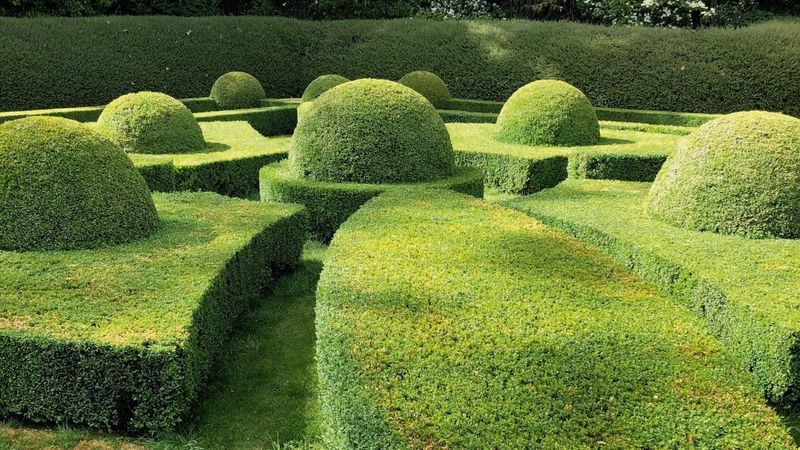
Yews are synonymous with elegance and endurance. These evergreen shrubs are often used in topiary art, thanks to their pliable branches and dense foliage.
Ideal for creating privacy, yews can be crafted into hedges or standalone sculptures. Their deep green color complements any garden setting, from modern to historical.
Historically, yew wood was used to make longbows in medieval England. Its longevity and versatility continue to inspire gardeners and landscapers today. A yew hedge or topiary brings a touch of sophistication to any landscape.
Forsythia’s Golden Welcome
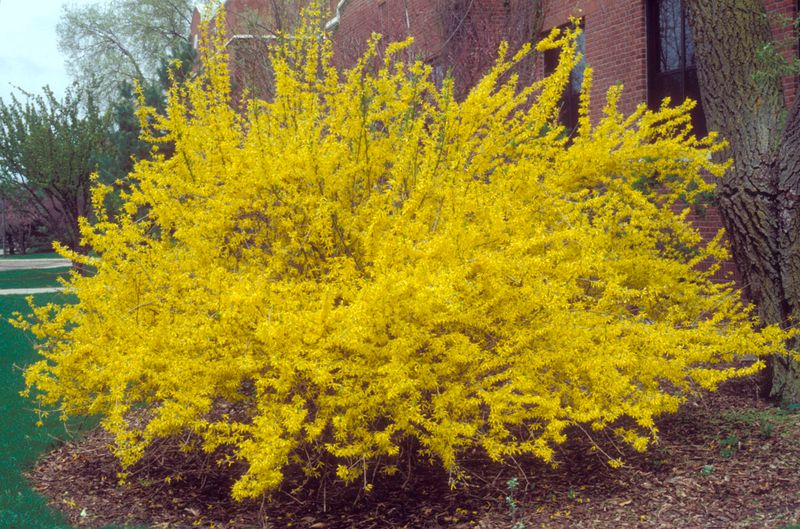
Forsythias herald the arrival of spring with their cheerful yellow blooms. These deciduous shrubs are among the first to flower, brightening gardens after winter’s grey.
Perfect for loose hedges or borders, they thrive in full sun and various soil types. Their arching branches and vivid flowers make them a favorite for gardeners seeking early color.
Did you know? Forsythia is named after Scottish botanist William Forsyth. Its sunny disposition and resilience make it a delightful addition to any garden, welcoming the warmer days ahead.
Camellia’s Timeless Beauty
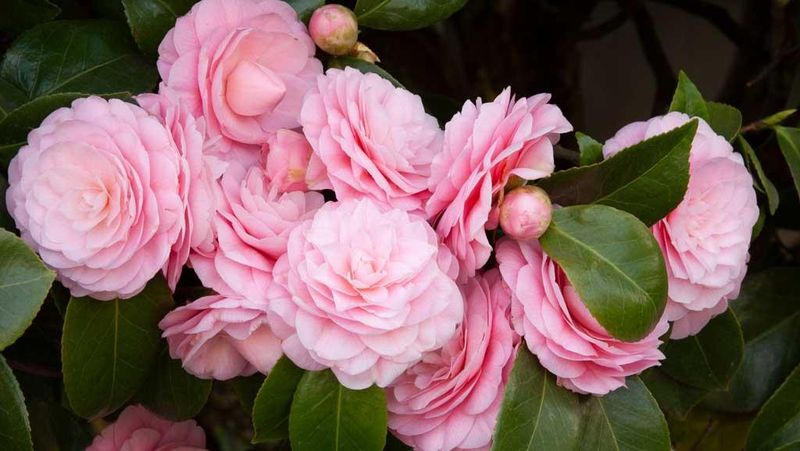
Camellias offer exquisite blooms and glossy leaves, adding elegance to any garden. With flowers resembling roses, they bloom in late winter to early spring.
These shrubs thrive in acidic soils with good drainage. Ideal for shaded areas, camellias bring a touch of the exotic with their intricate petals.
A fun tidbit: Camellias have deep cultural significance in Asia, particularly in Japan and China, where they symbolize love and longevity. Their timeless beauty and resilience continue to captivate garden enthusiasts worldwide.
Holly’s Festive Appeal
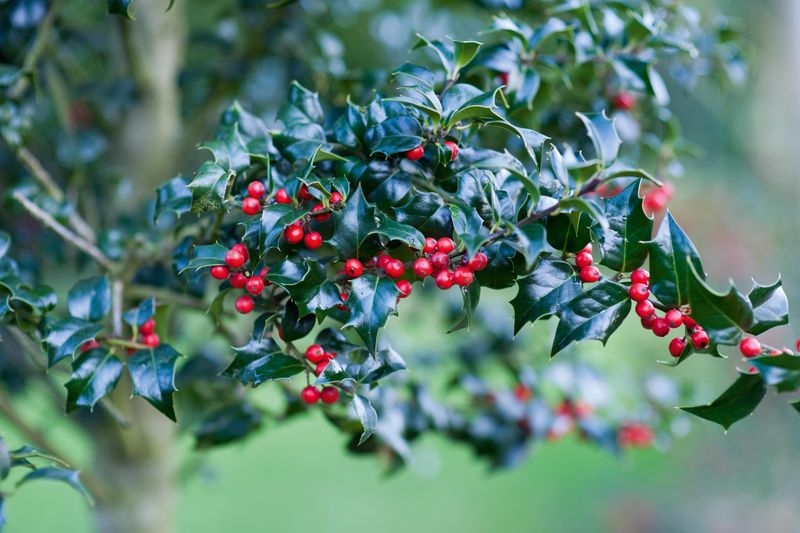
Holly bushes bring festive cheer to gardens with their glossy leaves and bright red berries. These evergreen shrubs are synonymous with winter celebrations.
Perfect for hedges or standalone features, hollies thrive in various conditions. Their berries provide food for birds, adding life to the winter landscape.
Did you know? Hollies have been part of winter traditions since ancient times, symbolizing protection and good fortune. Their timeless charm and resilience make them a popular choice for gardeners seeking year-round interest.
Lilac’s Spring Symphony
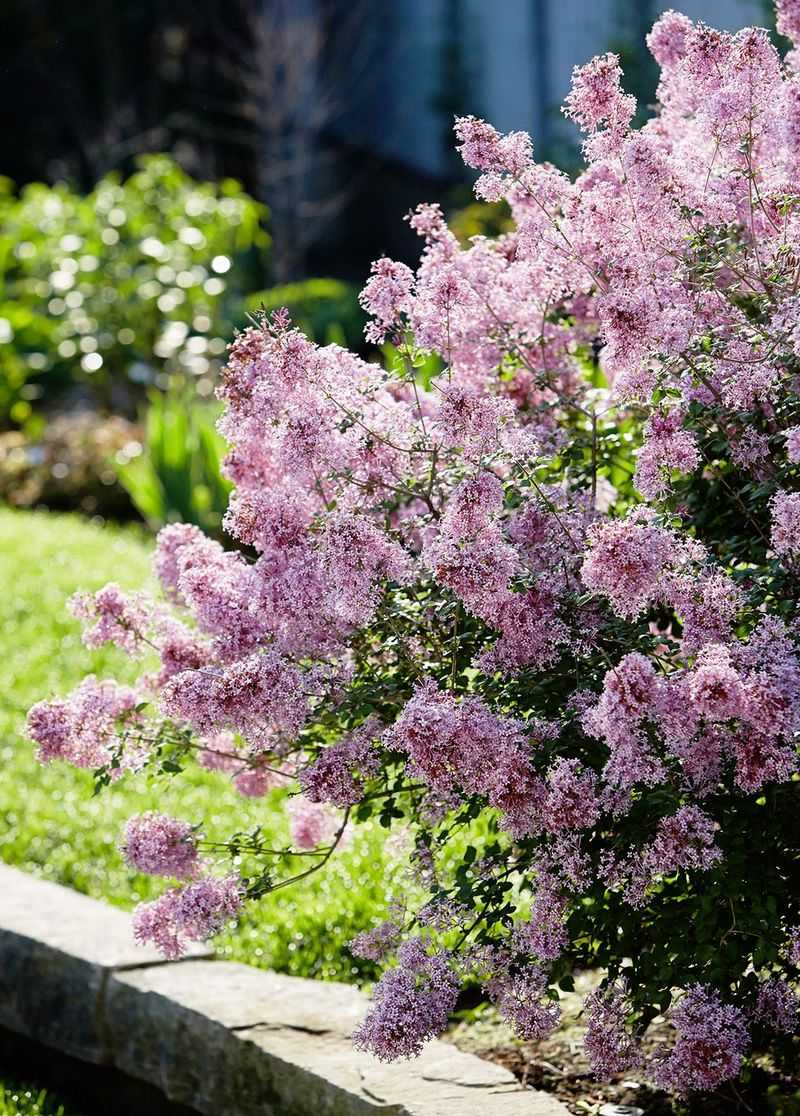
Lilacs are cherished for their intoxicating fragrance and charming flowers. Blooming in spring, they add a nostalgic touch to gardens.
These deciduous shrubs prefer well-drained soil and full sun. They make excellent companions for other spring-flowering plants and can be used in mixed borders.
Fun fact: Lilacs are often associated with the renewal of spring and have inspired poets and artists for centuries. Their unique scent is a hallmark of traditional gardens, evoking memories of springs past.
Rosemary’s Evergreen Aroma
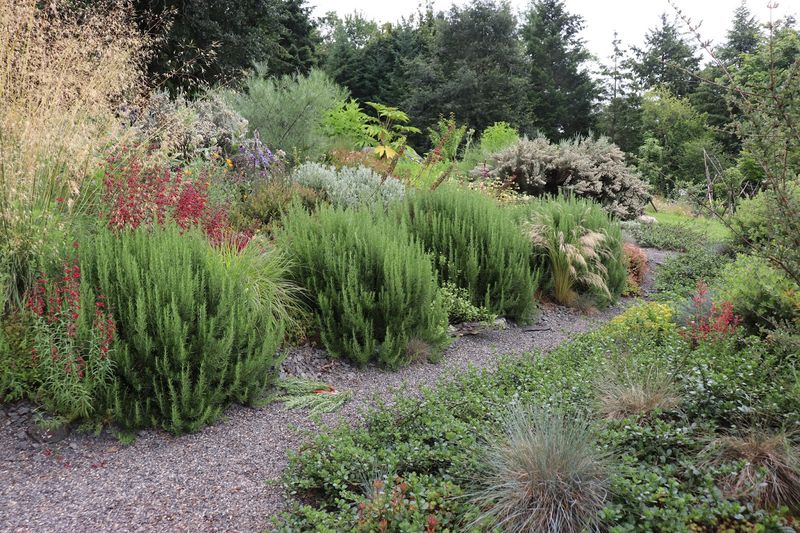
Rosemary isn’t just for the kitchen. Its evergreen presence and aromatic foliage make it an ideal choice for landscaping. Imagine brushing past this herb and releasing its invigorating scent. Rosemary thrives in sunny spots and well-drained soil, making it perfect for rock gardens.
Its needle-like leaves add texture, while small purple flowers provide a pop of color. Use rosemary to create low hedges or as a standalone feature. In addition to its beauty, rosemary is a natural air purifier, adding a fresh scent to the air.
A Mediterranean native, rosemary is drought-tolerant, making it an eco-friendly option for sustainable gardens.
Juniper’s Evergreen Allure
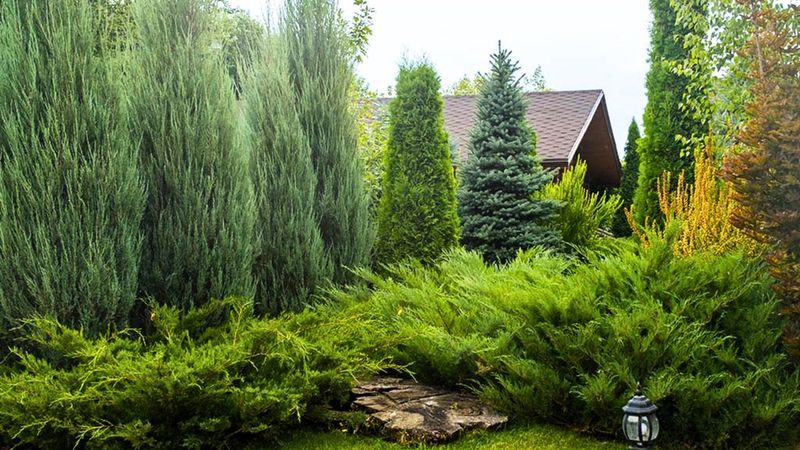
Juniper shrubs are the unsung heroes of landscaping. Known for their rugged resilience and evergreen charm, junipers offer year-round interest. With a variety of shapes and sizes, they can fit any garden style.
Their blue-green needles add depth, and some species even produce small, decorative berries. Junipers thrive in well-drained soils and sunny locations, perfect for erosion control on slopes.
Their hardy nature means they require minimal maintenance. Whether used as ground cover, a privacy screen, or a focal point, junipers bring a natural elegance to any landscape.
Spirea’s Colorful Cascade
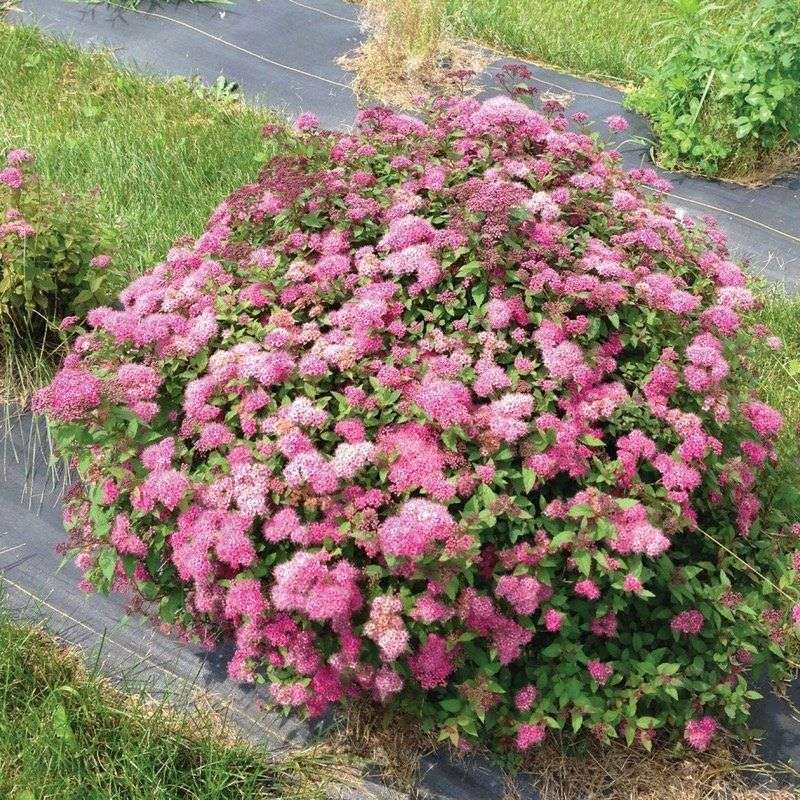
Spirea shrubs are a gardener’s delight, offering cascades of colorful blooms. These deciduous shrubs burst into color in spring and summer, with blossoms ranging from soft pinks to vivid reds.
Spirea’s compact size makes it perfect for borders or as a low hedge. It thrives in full sun and well-drained soil, demanding little care beyond occasional pruning.
Besides their beauty, spirea shrubs attract pollinators like bees and butterflies. Enhance your landscape with spirea, and enjoy a vibrant, lively garden full of life and color throughout the growing season.
Berberis’ Spiky Elegance
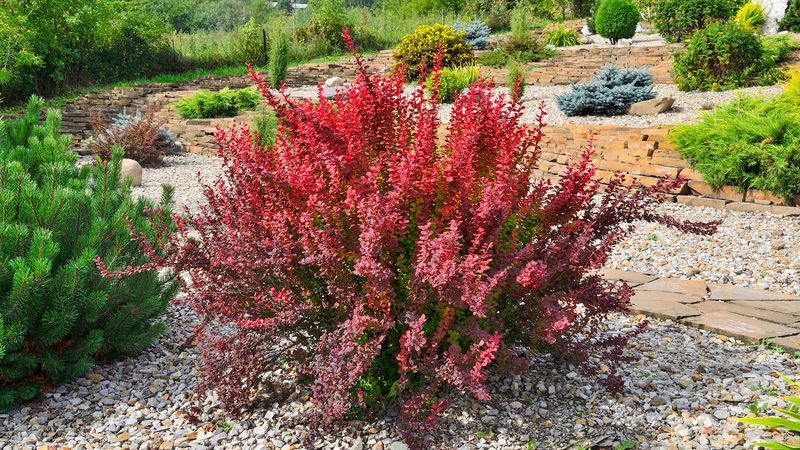
Berberis, or barberry, shrubs bring a unique, spiky elegance to landscapes. Their thorny branches and colorful foliage provide both beauty and security. From deep reds to bright yellows, their leaves offer seasonal interest.
These hardy shrubs thrive in a variety of conditions, making them versatile additions to gardens. Use them to create natural barriers or add a splash of color to mixed borders.
In spring, berberis shrubs bloom with small, yellow flowers, attracting pollinators. Their resilience and low maintenance needs make them a favorite among gardeners seeking a bold, decorative plant.
Viburnum’s Versatile Charm
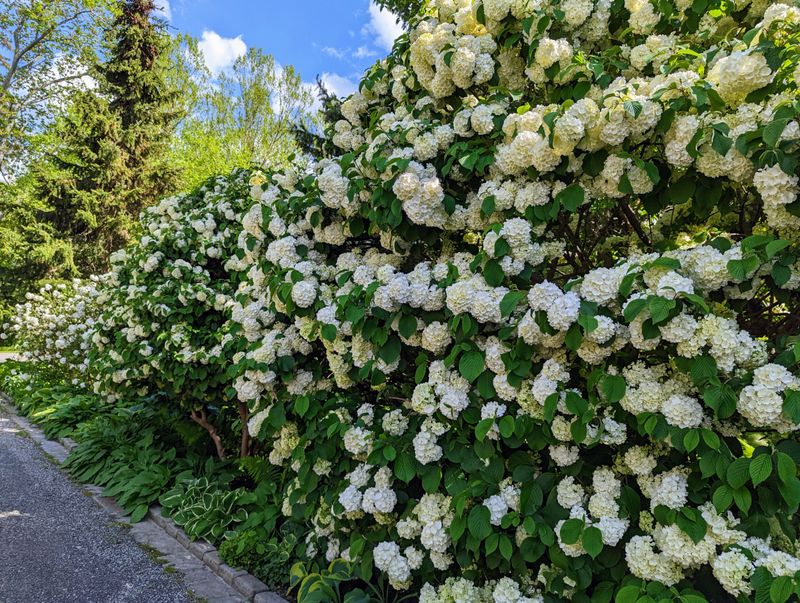
Viburnum shrubs are known for their versatile charm and adaptability. With over 150 species, they offer a wide range of sizes, shapes, and colors. Viburnums can produce fragrant white or pink flowers, often followed by colorful berries in fall.
These shrubs are perfect for hedges, screens, or standalone features. They thrive in various soil types and light conditions, making them easy to incorporate into any landscape.
Viburnum’s attractive foliage and seasonal interest ensure year-round appeal. Their ability to attract wildlife adds an extra dimension to gardens, creating a vibrant and dynamic outdoor space.
Lilac’s Sweet Fragrance
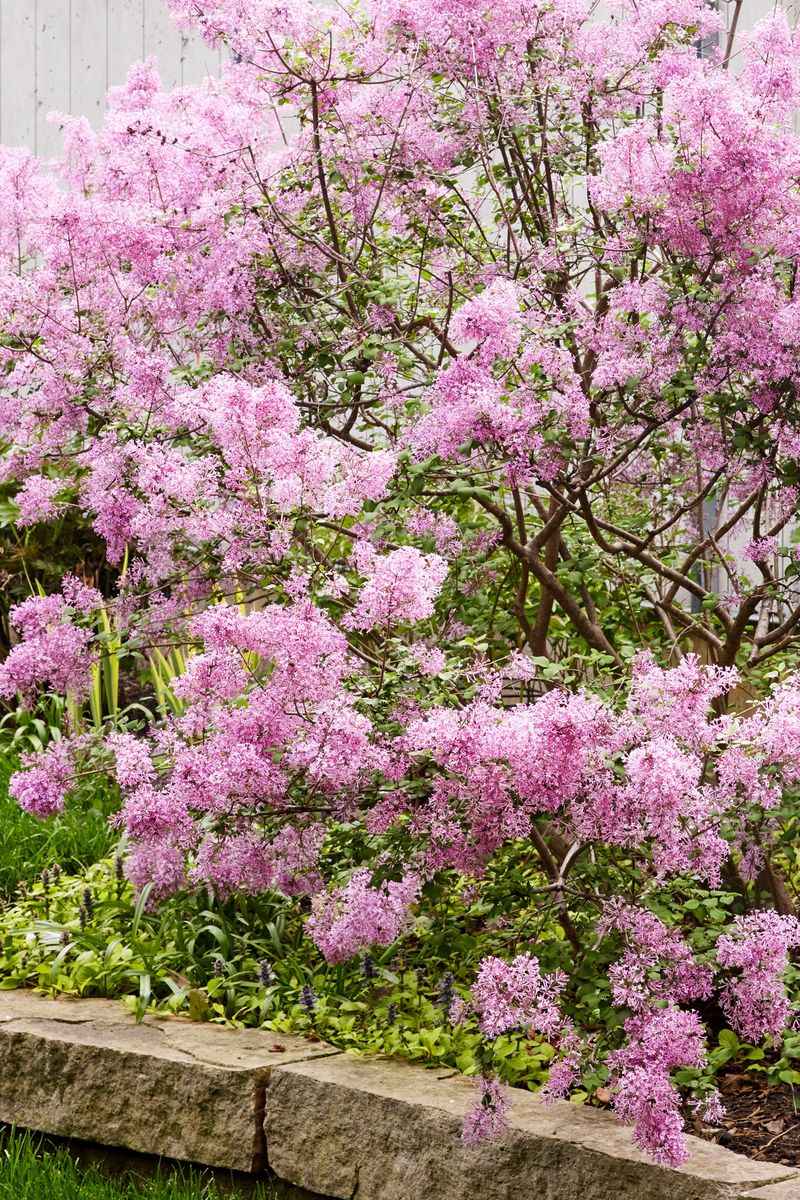
Lilacs are beloved for their sweet fragrance and stunning blooms. These deciduous shrubs produce large clusters of flowers in shades of purple, pink, and white during spring.
Lilacs thrive in well-drained soil and full sun, making them perfect for cottage gardens or as standalone specimens. Their intoxicating scent attracts pollinators and adds a nostalgic charm to outdoor spaces.
Beyond their beauty, lilacs have a rich history and cultural significance, symbolizing renewal and love. Incorporating lilacs into your landscape offers both aesthetic pleasure and a connection to the past.
Dogwood’s Seasonal Drama
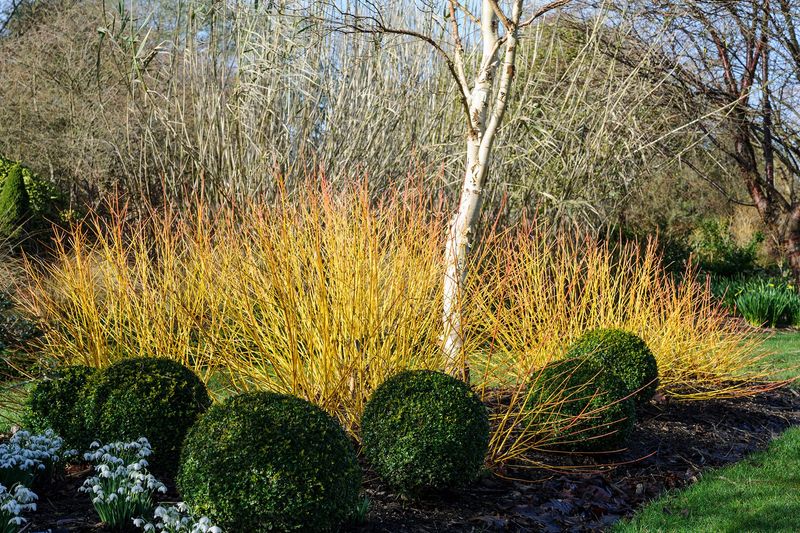
Dogwood shrubs offer a seasonal drama that captivates throughout the year. Known for their vibrant red stems in winter, dogwoods provide a striking contrast against snow. In spring, they burst into bloom with clusters of white or pink flowers.
Dogwoods thrive in moist, well-drained soil and can tolerate partial shade, making them versatile additions to gardens.
Their ability to attract birds and pollinators enhances biodiversity in landscapes. Whether used as hedges, borders, or focal points, dogwoods bring dynamic beauty and ecological value to any outdoor space.
Smoke Bush’s Ethereal Beauty
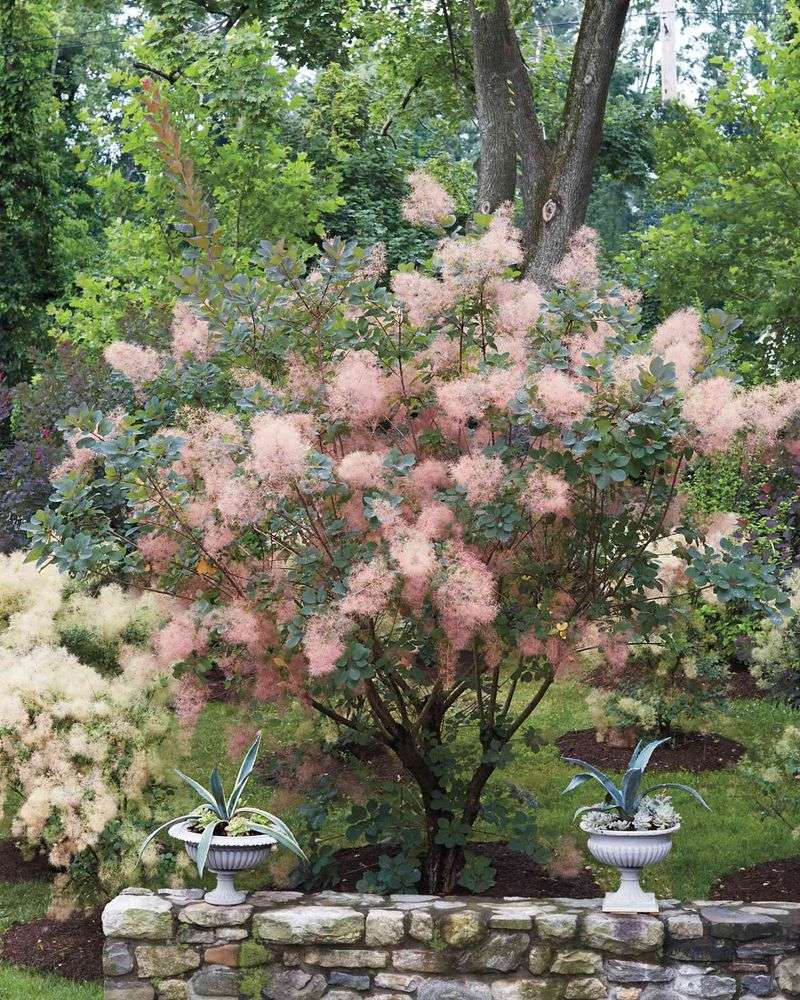
The smoke bush is renowned for its ethereal beauty, characterized by fluffy plumes resembling smoke. These shrubs are a standout feature in any landscape, offering rich purple foliage and billowy flower clusters.
Smoke bushes thrive in full sun and well-drained soil, requiring minimal maintenance. Their unique appearance makes them perfect for focal points or mixed borders.
In autumn, their leaves turn vibrant shades of red and orange, adding seasonal interest. A smoke bush’s captivating presence transforms gardens, creating an enchanting atmosphere that delights the senses.
Weigela’s Nostalgic Blooms
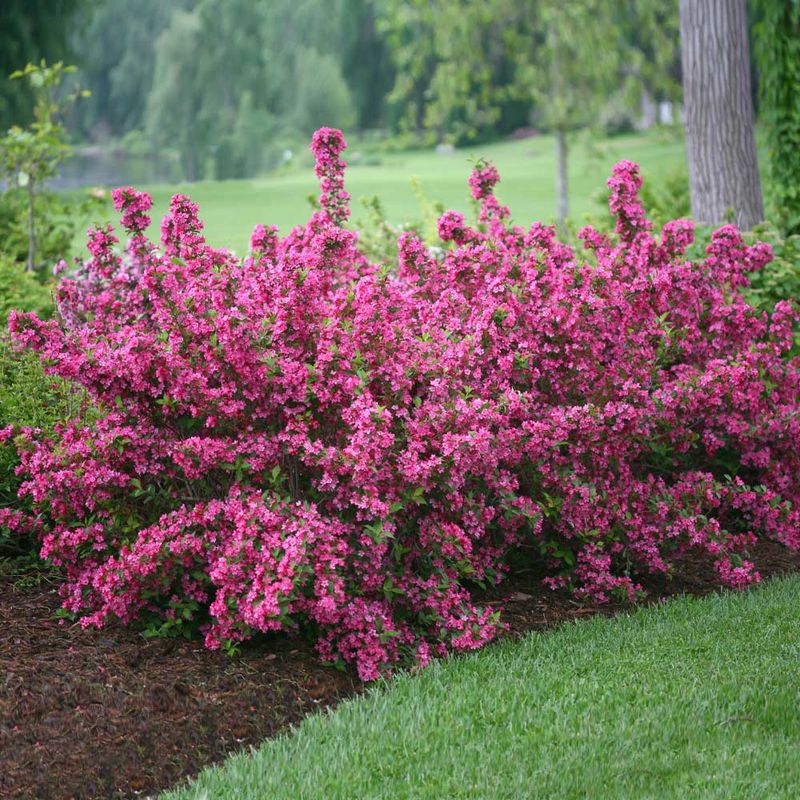
Weigela shrubs evoke nostalgia with their trumpet-shaped blooms and arching branches. These deciduous shrubs flower abundantly in late spring, offering shades of pink, red, or white.
Weigelas thrive in full sun and well-drained soil, making them ideal for borders or as standalone specimens. Their graceful form and vibrant flowers attract hummingbirds and butterflies.
Beyond their beauty, weigelas are low-maintenance, requiring only occasional pruning. Incorporate weigela into your garden for a touch of classic charm, and enjoy a vibrant display of color and wildlife each year.
Ninebark’s Textural Interest
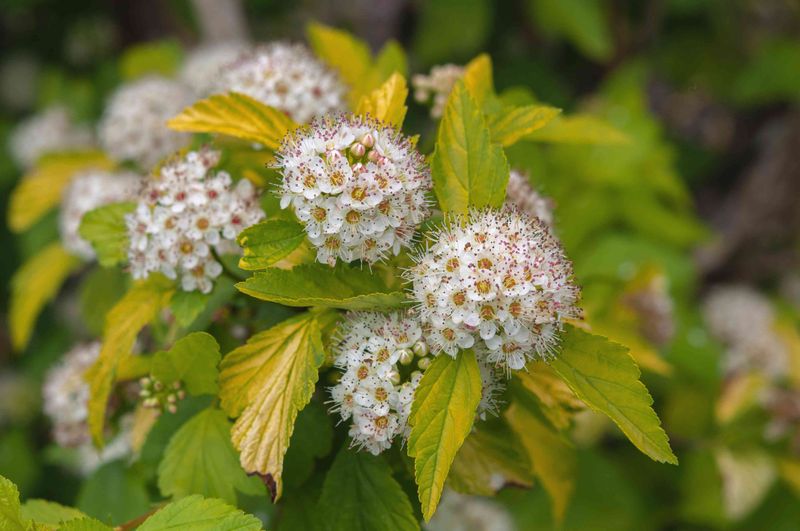
Ninebark shrubs are celebrated for their textural interest and durability. Known for their peeling bark and clusters of pink or white flowers, these shrubs add a unique touch to landscapes.
Ninebark thrives in a variety of soil types and light conditions, providing year-round appeal with its colorful foliage and intricate bark.
These shrubs are perfect for erosion control, hedges, or as stand-alone features. Their ability to attract pollinators and tolerate harsh conditions makes ninebark a resilient choice for enhancing garden texture and diversity.
Kerria’s Bright Blossoms
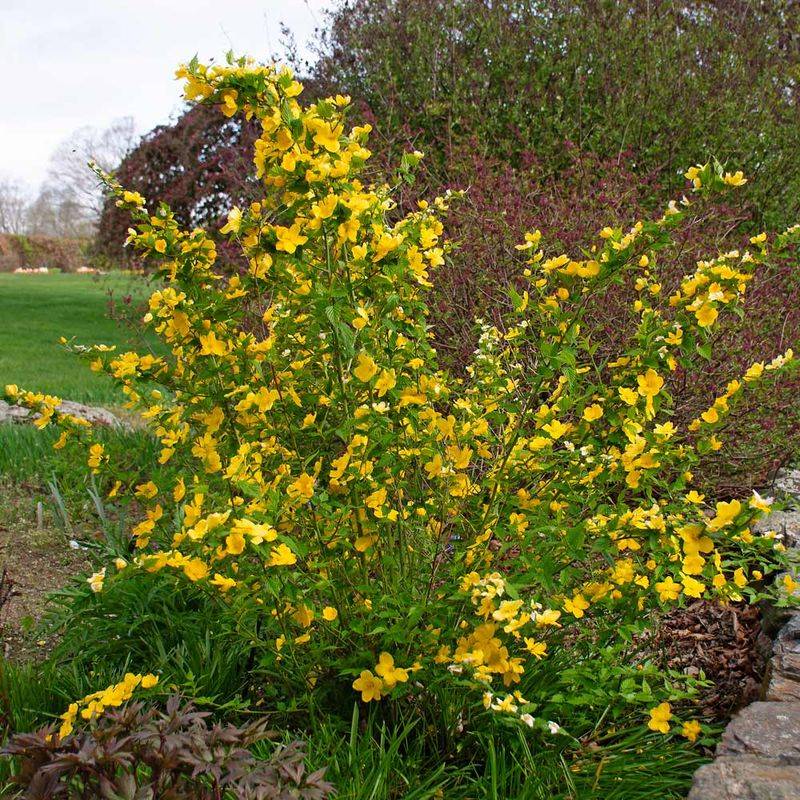
Kerria japonica is a beacon of bright beauty in shaded gardens. Known for its cheerful yellow blooms, kerria brings a burst of color in spring. This deciduous shrub thrives in partial shade and well-drained soil.
Kerria’s arching branches add grace, while its vibrant flowers brighten woodland edges or shady borders. Beyond its beauty, kerria is low-maintenance, requiring minimal care once established.
Its resilience and ability to thrive in less sunny spots make it a valuable addition to diverse garden spaces. Embrace kerria’s charm and enjoy a lively splash of color each year.
Sumac’s Autumn Splendor
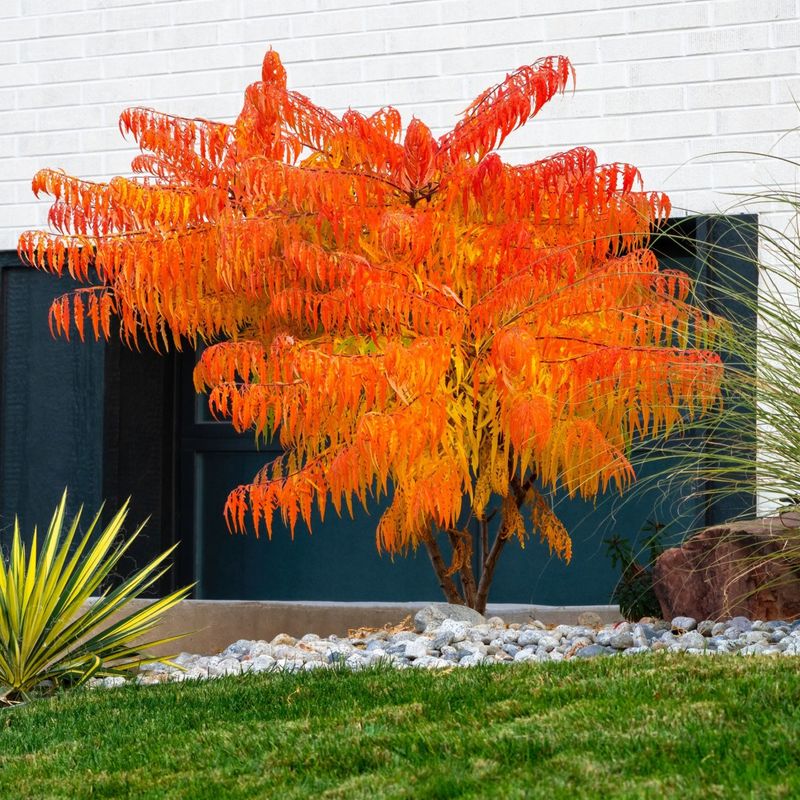
Sumac shrubs are autumn’s ambassadors, known for their bright red foliage that ignites landscapes in fall. These deciduous shrubs thrive in various soil types and are drought-tolerant, making them versatile and easy to care for.
Sumac’s dramatic leaves and upright growth habit create striking silhouettes. In addition to their beauty, sumacs produce red berries, attracting wildlife.
Their ability to stabilize slopes and tolerate poor soils makes them ideal for challenging sites. Incorporate sumac into your garden to experience the splendor of autumn’s vibrant palette and enhance ecological diversity.
Abelia’s Graceful Elegance
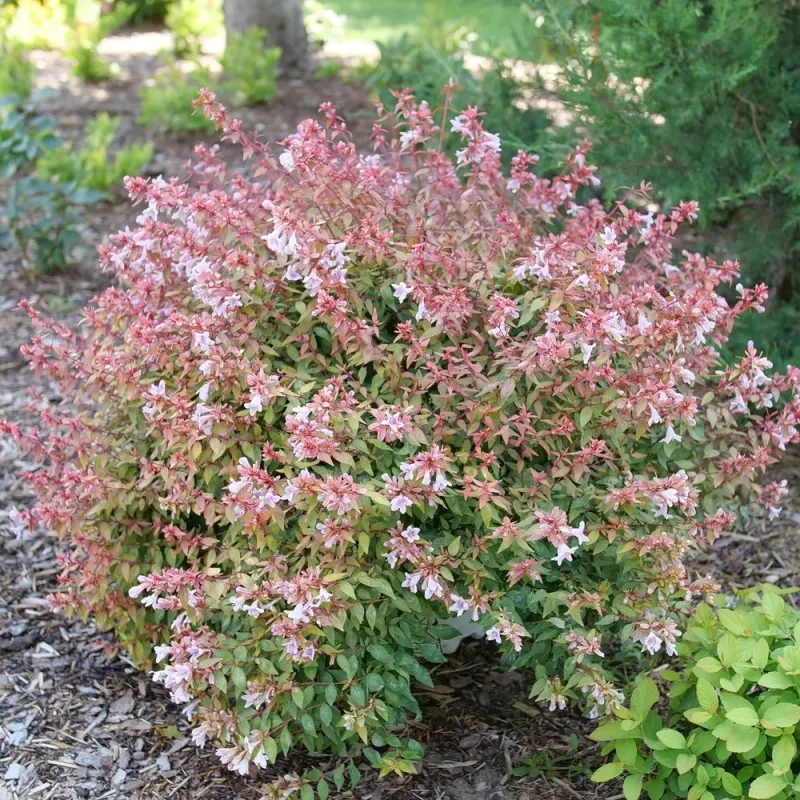
Abelia shrubs exude graceful elegance with their arching branches and delicate blooms. These semi-evergreen shrubs produce fragrant white or pink flowers from summer through fall.
Abelias thrive in full sun to partial shade, adapting well to various soil types, making them versatile for any garden. Their compact form and vibrant flowers attract pollinators, adding life to landscapes.
Beyond beauty, abelias require minimal maintenance, making them a practical choice for busy gardeners. Enhance your garden with abelia’s charm, and enjoy a long-lasting display of floral elegance.
Firethorn’s Festive Berries
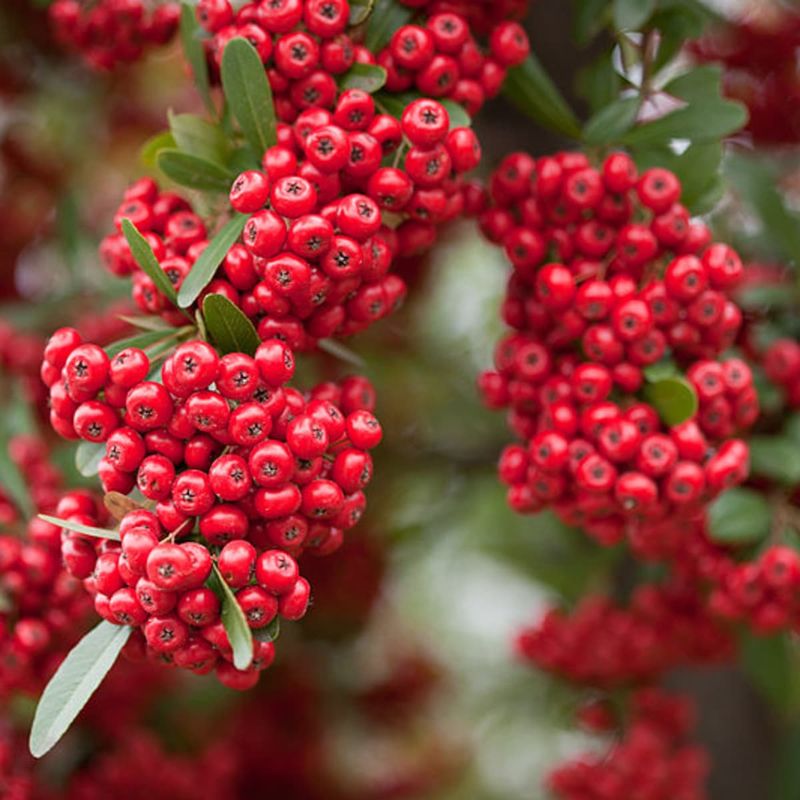
Firethorn shrubs are celebrated for their festive berries and robust nature. These evergreen shrubs produce bright orange or red berries that persist into winter, offering seasonal interest and a food source for birds.
Firethorns thrive in full sun to partial shade, tolerating a wide range of soil types. Their thorny branches make them excellent for security hedges or as striking standalone features.
Beyond their beauty, firethorns are low-maintenance and drought-tolerant, making them a resilient choice for diverse landscapes. Incorporate firethorn into your garden for a pop of color and ecological benefit.
Fothergilla’s Fragrant Blooms
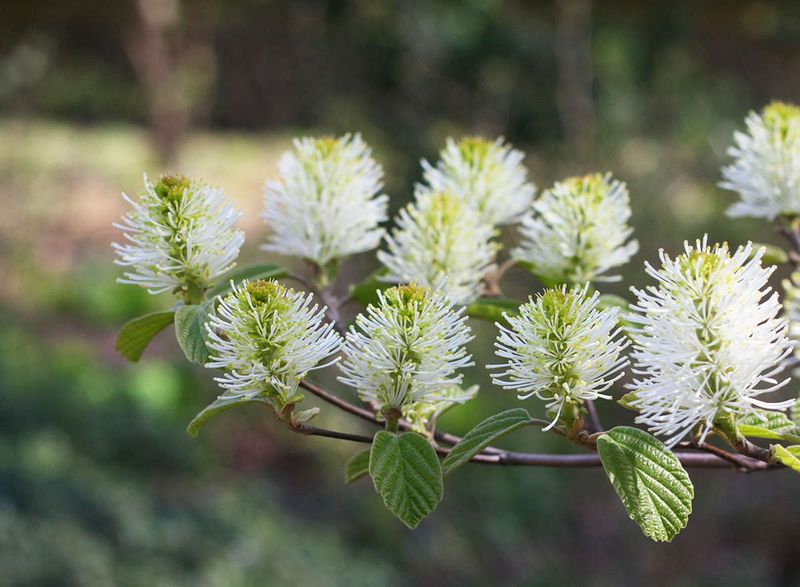
Fothergilla shrubs captivate with their fragrant blooms and vibrant autumn foliage. These deciduous shrubs produce unique, bottlebrush-like flowers in spring, releasing a sweet honey scent.
Fothergillas thrive in well-drained, acidic soils and partial shade, making them perfect for woodland gardens. Their foliage turns brilliant shades of red, orange, and yellow in fall, adding seasonal interest.
Beyond their beauty, fothergillas attract pollinators and support biodiversity. Incorporate fothergilla into your landscape for a sensory delight and a connection to nature’s vibrant colors.
Winterberry’s Seasonal Surprise
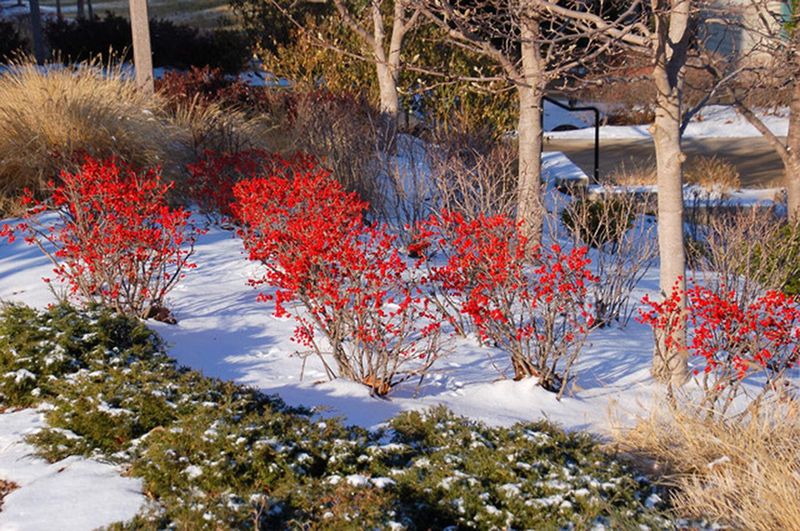
Winterberry shrubs offer a seasonal surprise with their bright red berries that persist through winter. These deciduous shrubs thrive in wet soils and full sun to partial shade, making them versatile additions to gardens.
Winterberries are dioecious, requiring male and female plants for berry production. Their vibrant fruits provide a striking contrast against the snow, attracting birds and adding winter interest.
Besides their beauty, winterberries support wildlife and enhance ecological diversity. Incorporate winterberry into your landscape for a pop of color and a lively winter scene.
Beautyberry’s Vibrant Clusters
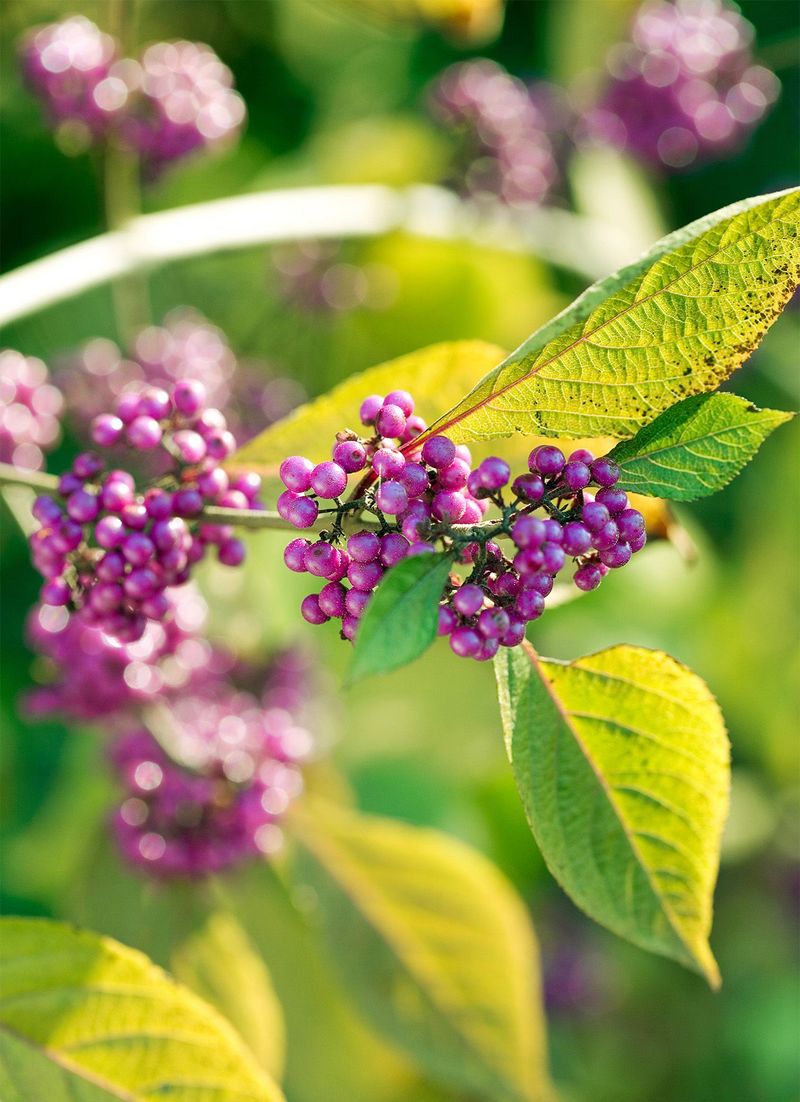
Beautyberry shrubs are a visual delight with their vivid clusters of purple berries. These deciduous shrubs thrive in well-drained soil and full sun to partial shade.
Beautyberries offer a striking display in fall, with their colorful fruits attracting birds and adding a unique touch to landscapes. Their arching branches and green foliage provide a lush backdrop for the vibrant berries.
Beyond their beauty, beautyberries require minimal care, making them a practical choice for gardeners seeking an easy-to-grow, eye-catching shrub. Enhance your garden with beautyberry’s enchanting presence.
Redtwig Dogwood’s Winter Appeal
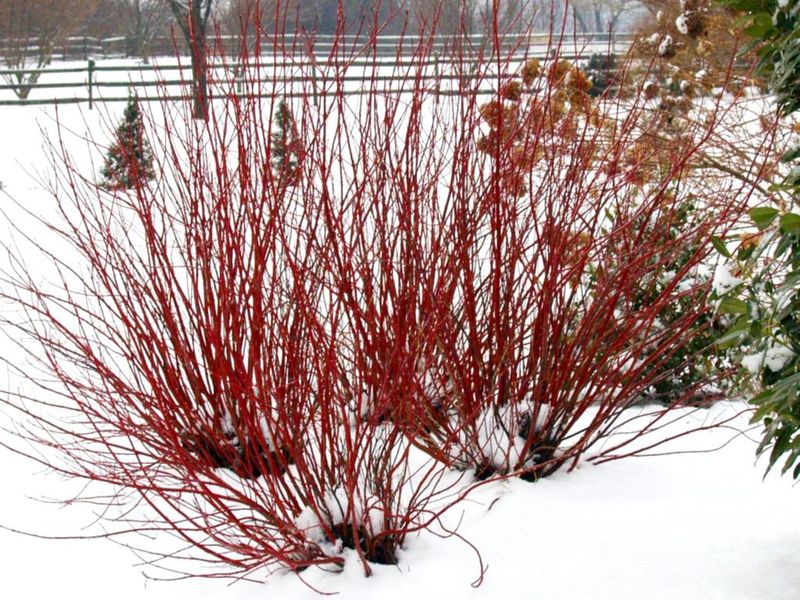
Redtwig dogwood shrubs are prized for their bold winter appeal. Known for their vibrant red stems, these deciduous shrubs create striking visual interest in cold months.
In spring, they produce clusters of white flowers, followed by berries that attract birds. Redtwig dogwoods thrive in moist, well-drained soil and can tolerate partial shade, making them versatile additions to gardens.
Beyond their beauty, redtwig dogwoods are valuable for erosion control and supporting wildlife. Incorporate redtwig dogwood into your landscape for a dynamic, year-round display of color and ecological benefit.
Elderberry’s Wild Flavor
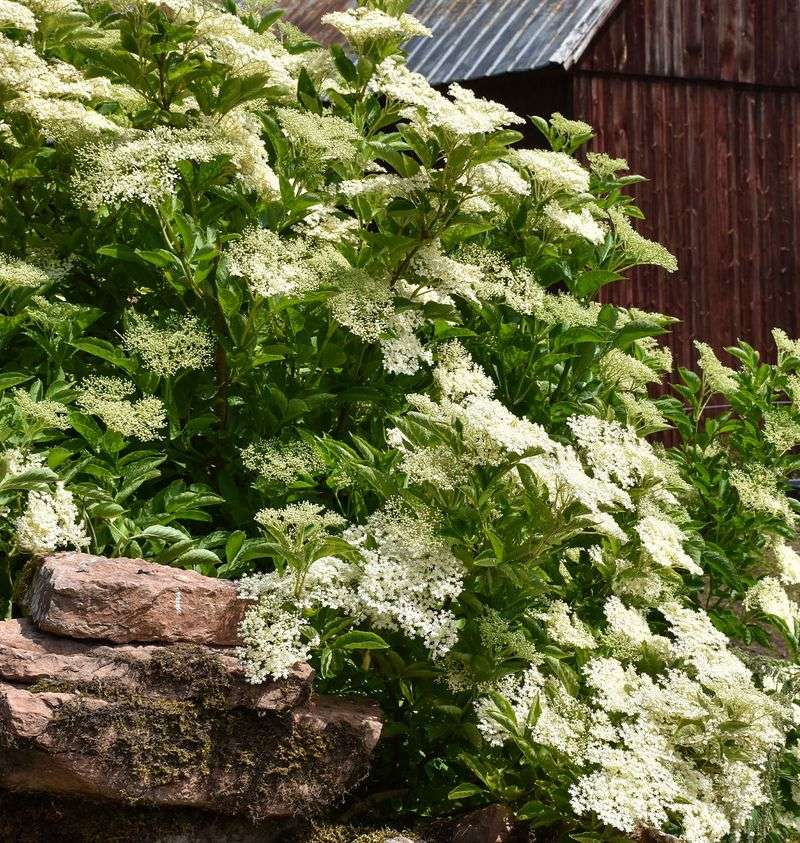
Elderberry shrubs are known for their wild flavor and ecological benefits. These deciduous shrubs produce clusters of white flowers followed by dark purple berries, attracting pollinators and wildlife.
Elderberries thrive in well-drained soil and full sun to partial shade, making them versatile for various garden settings. Their berries are edible and can be used in jellies and wines.
Beyond their culinary uses, elderberries support biodiversity and add a natural charm to landscapes. Incorporate elderberry into your garden for a touch of rustic elegance and functional beauty.
Aronia’s Healthy Bounty
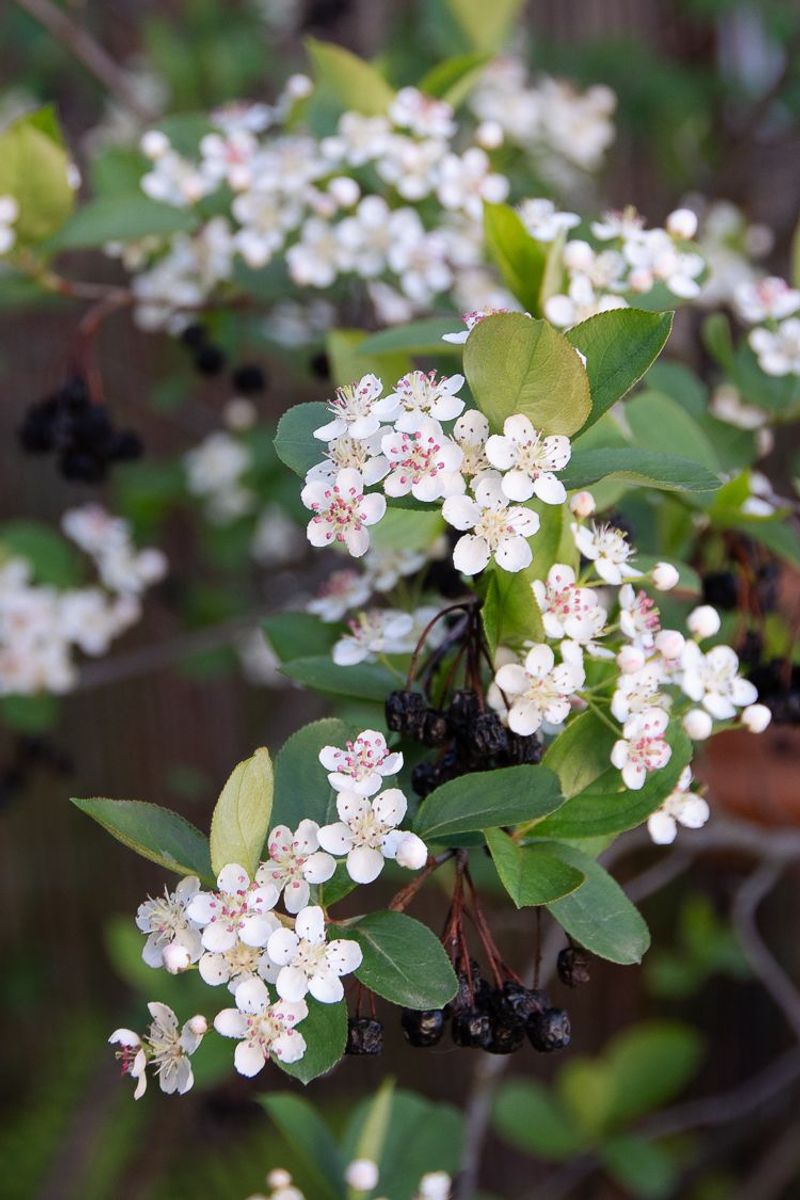
Aronia shrubs, or chokeberries, are celebrated for their healthy bounty of dark purple berries. These deciduous shrubs thrive in well-drained soil and full sun to partial shade.
Aronia’s berries are rich in antioxidants and can be used in jams, juices, and desserts. Beyond their nutritional benefits, aronia shrubs offer seasonal interest with white flowers in spring and vibrant red foliage in fall.
Their resilience and low maintenance needs make aronia a practical addition to diverse gardens. Enhance your landscape with aronia’s dual appeal of beauty and health benefits.
Cotoneaster’s Ground Cover Magic
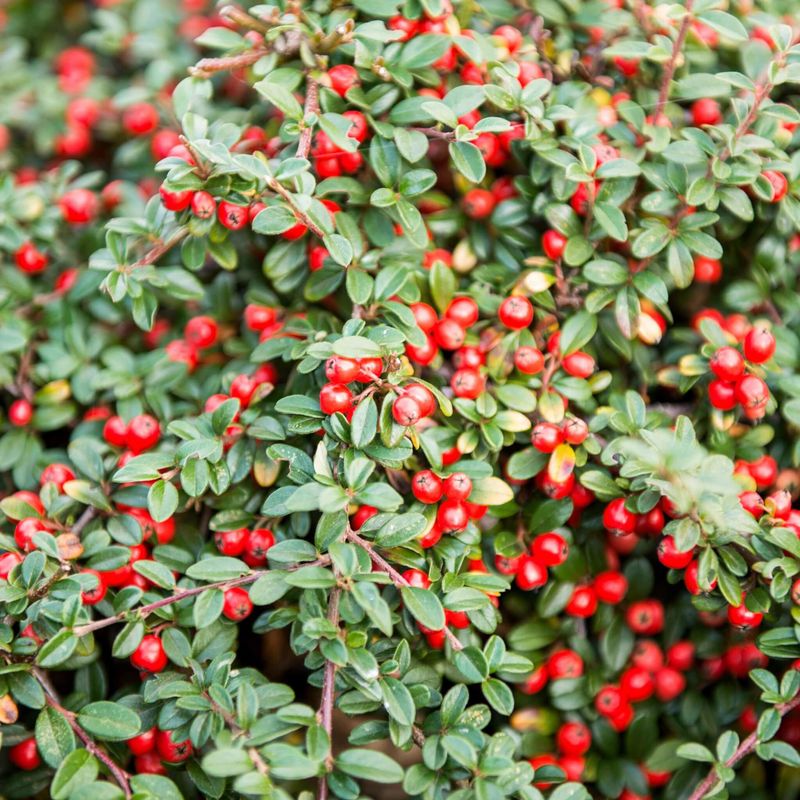
Cotoneaster shrubs are magical ground cover options, known for their glossy leaves and bright red berries. These low-growing shrubs are perfect for slopes, rock gardens, and erosion control.
Cotoneasters thrive in well-drained soil and full sun to partial shade, requiring minimal maintenance. Their arching branches create a lush, dense mat that adds texture and color to landscapes.
Beyond their beauty, cotoneasters attract birds and support biodiversity. Incorporate cotoneaster into your garden for a practical, visually appealing solution to ground cover needs.
Nandina’s Heavenly Bamboo
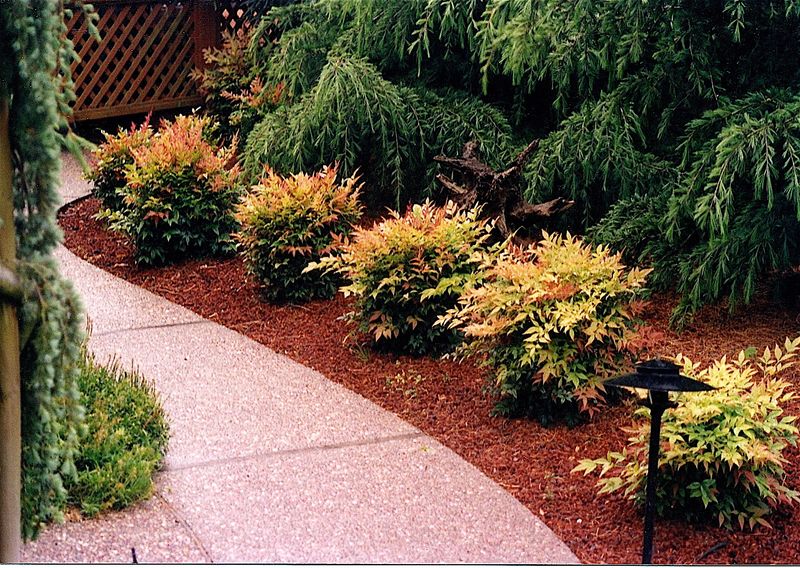
Nandina, or heavenly bamboo, is a versatile shrub known for its delicate foliage and seasonal color. These evergreen shrubs produce clusters of white flowers in spring, followed by bright red berries.
Nandinas thrive in well-drained soil and full sun to partial shade, adding elegance to Zen or Asian-inspired gardens. Their colorful leaves transition from green to red, offering year-round interest.
Beyond their beauty, nandinas are drought-tolerant and low-maintenance, making them a practical choice for diverse landscapes. Incorporate nandina into your garden for a touch of serenity and visual harmony.
Sweetspire’s Fragrant Display
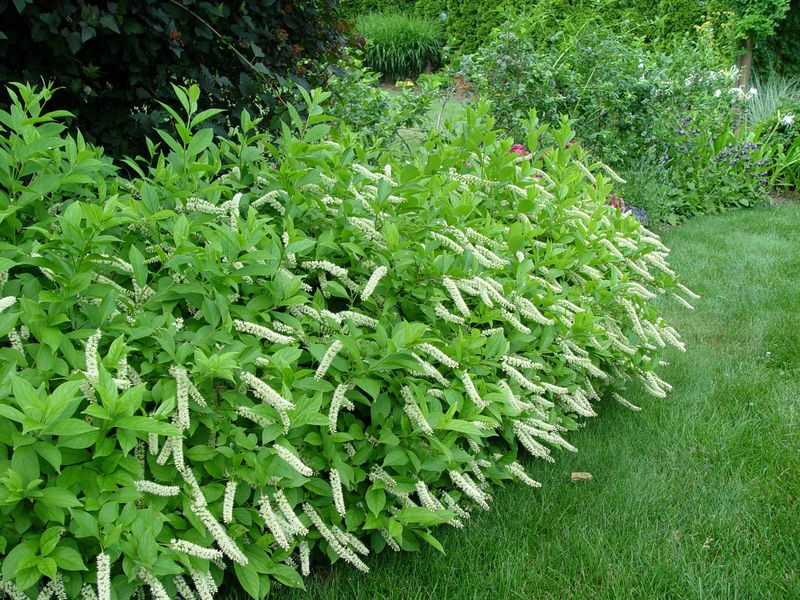
Sweetspire shrubs captivate with their fragrant, cascading white flowers. These deciduous shrubs thrive in moist soil and full sun to partial shade, making them ideal for naturalistic or water-side gardens.
Sweetspire’s vibrant fall foliage adds seasonal interest, transitioning from green to shades of red and orange. Their ability to attract pollinators enhances biodiversity and garden life.
Beyond their beauty, sweetspire shrubs require minimal maintenance, offering a practical yet stunning option for enhancing landscapes. Incorporate sweetspire into your garden for a fragrant and visually delightful experience.
Mahonia’s Architectural Form
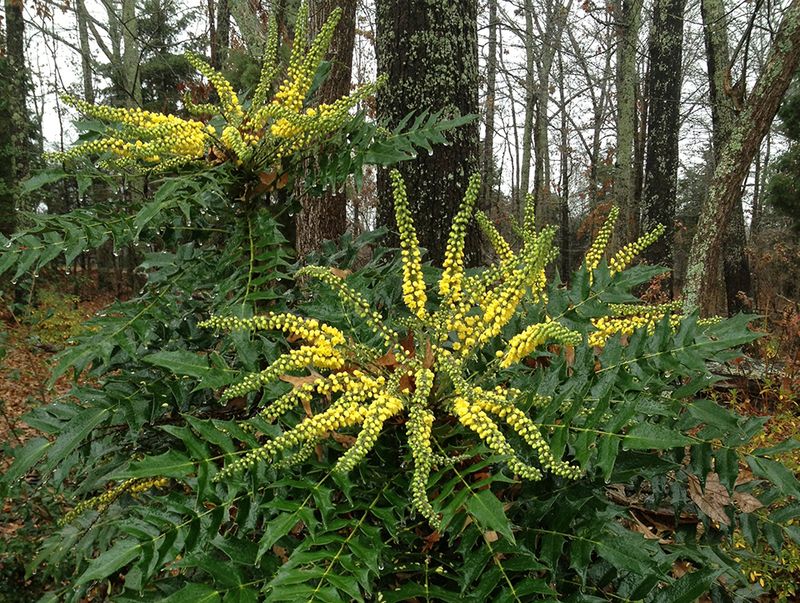
Mahonia shrubs are known for their architectural form and striking appearance. These evergreen shrubs produce spiky leaves and vibrant yellow flowers in winter, followed by dark berries.
Mahonias thrive in well-drained soil and tolerate shade, making them perfect for adding structure to shaded areas. Their unique form and year-round interest make them ideal for modern or formal garden designs.
Beyond their beauty, mahonias support wildlife and offer a low-maintenance option for diverse landscapes. Incorporate mahonia into your garden for a bold, architectural statement and ecological benefit.