
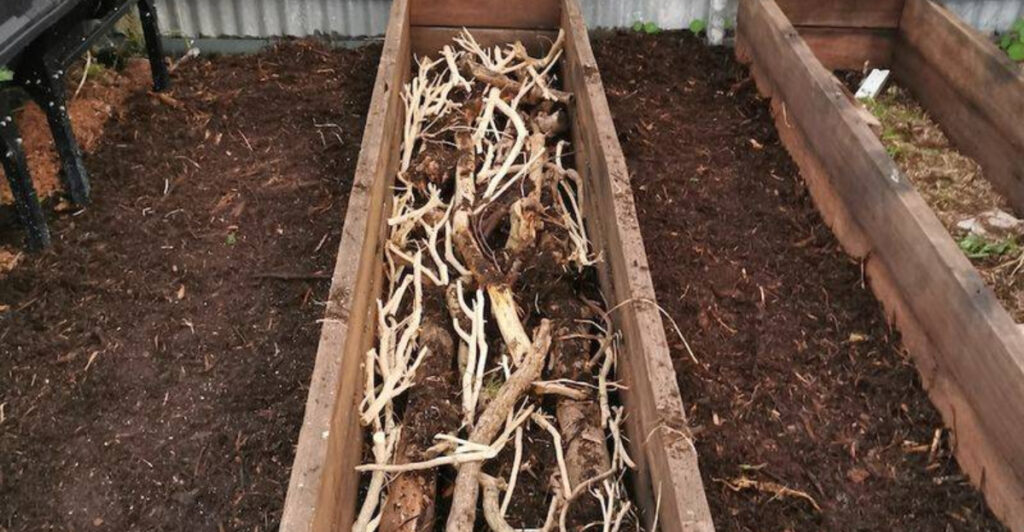
Transforming tree trimmings into functional and aesthetically pleasing raised beds is an innovative approach to sustainable gardening. This method not only helps in managing garden waste but also enhances the beauty and productivity of your garden. With a few simple steps and creative ideas, you can turn what is often considered waste into a valuable garden resource.
1. Log Border Raised Beds
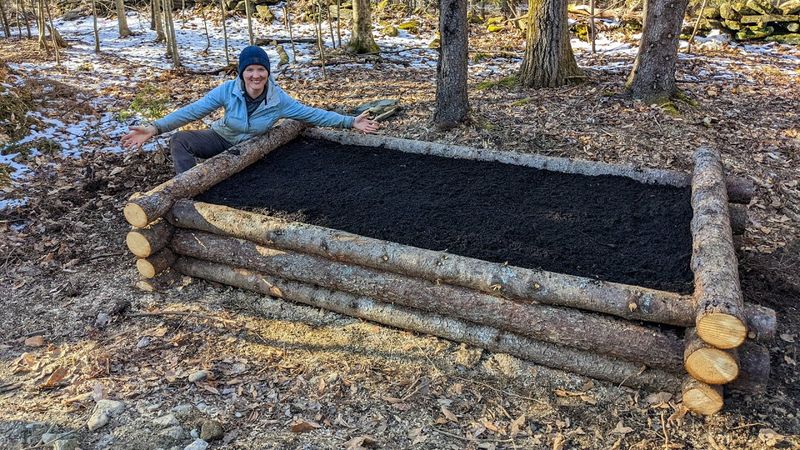
Logs have long served as natural borders, and using them to frame a raised bed is both practical and visually appealing. Imagine a garden bed surrounded by thick, sturdy logs, creating a natural barrier. The logs not only define the space but also add a rustic charm.
By using whole or split logs, you create a strong, lasting structure. As the logs slowly decompose, they enrich the soil with organic matter, promoting healthier plant growth. This method is perfect for gardens seeking an earthy, woodland vibe.
It’s a sustainable way to use tree trimmings, reducing waste while beautifying your garden.
2. Wood Chip Mulch Layer
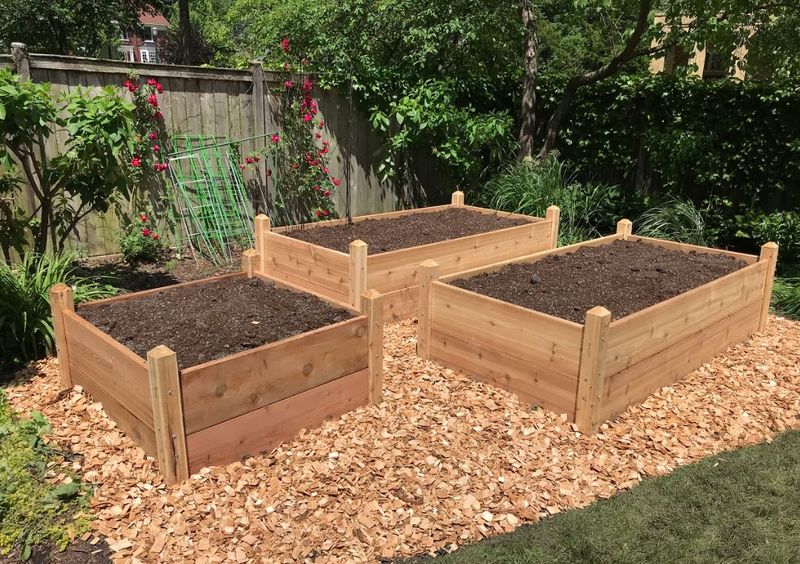
Wood chips make excellent mulch, providing numerous benefits to your raised beds. They help retain moisture, suppress weeds, and regulate soil temperature. Picture a vibrant garden where a layer of wood chips creates a neat, orderly appearance.
Besides aesthetics, wood chips slowly break down, adding nutrients back into the soil. This natural process supports the soil ecosystem, fostering a hospitable environment for plants. With tree trimmings, you have an abundant source of mulch material.
It’s an eco-friendly choice that turns potential waste into a valuable gardening ally, enhancing both productivity and appearance.
3. Hugelkultur Mound
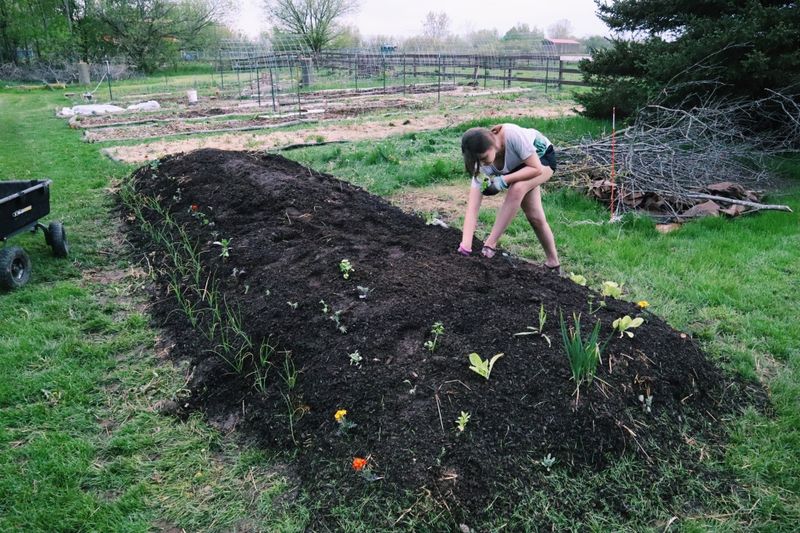
Hugelkultur is an ancient method that transforms tree trimmings into a thriving garden bed. This technique involves creating mounds with logs, branches, and soil. These mounds act like natural compost heaps, retaining water and gradually improving soil quality.
Imagine a lush mound bursting with vegetables and flowers, nourished from within by decomposing organic matter. The layers of logs and branches provide a habitat for beneficial organisms.
This method is ideal for areas with poor soil, offering a sustainable solution that enriches garden biodiversity and productivity. Hugelkultur celebrates the cycle of life, turning waste into wealth for your garden.
4. Branch Trellis Structures
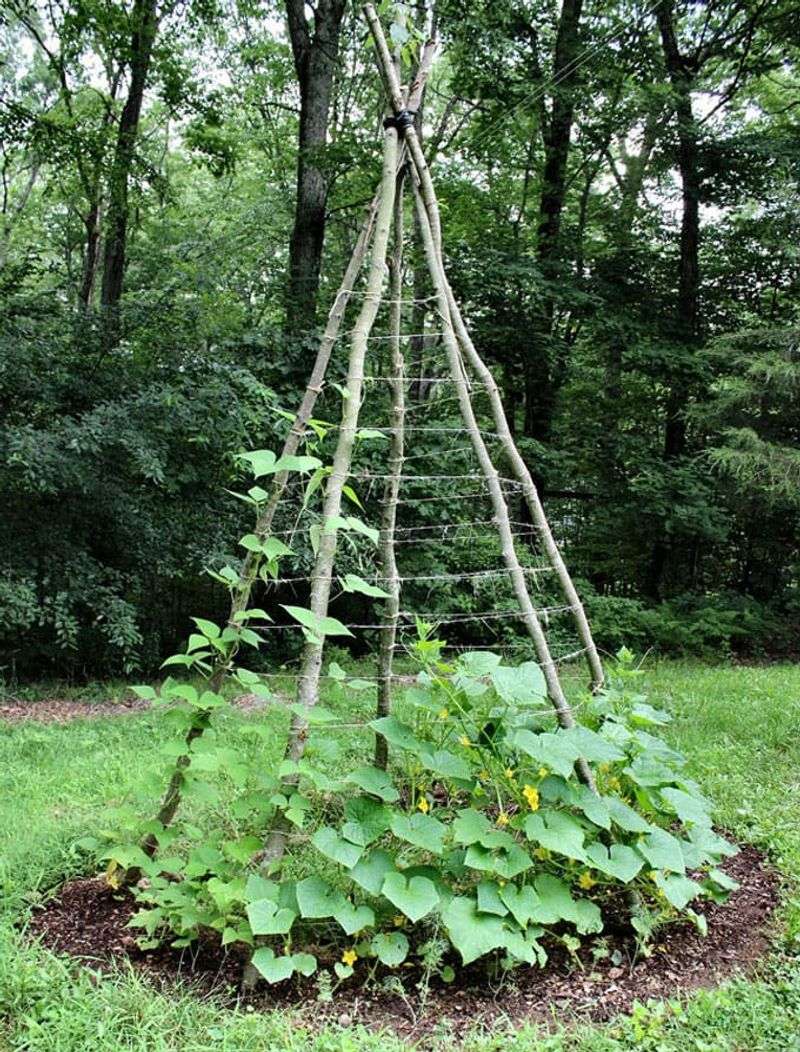
Branches are perfect for crafting trellises that support climbing plants. Visualize an artistic arrangement of intertwined branches forming a sturdy trellis. It stands in the garden, providing support for beans, peas, or flowers.
The natural flexibility of branches allows for creative designs, adding a whimsical touch to your garden. As plants climb and weave through, the trellis becomes a living sculpture.
Using tree trimmings for trellises not only recycles materials but also inspires creativity. It transforms ordinary garden spaces into extraordinary landscapes, marrying function and form.
5. Compost-Powered Beds
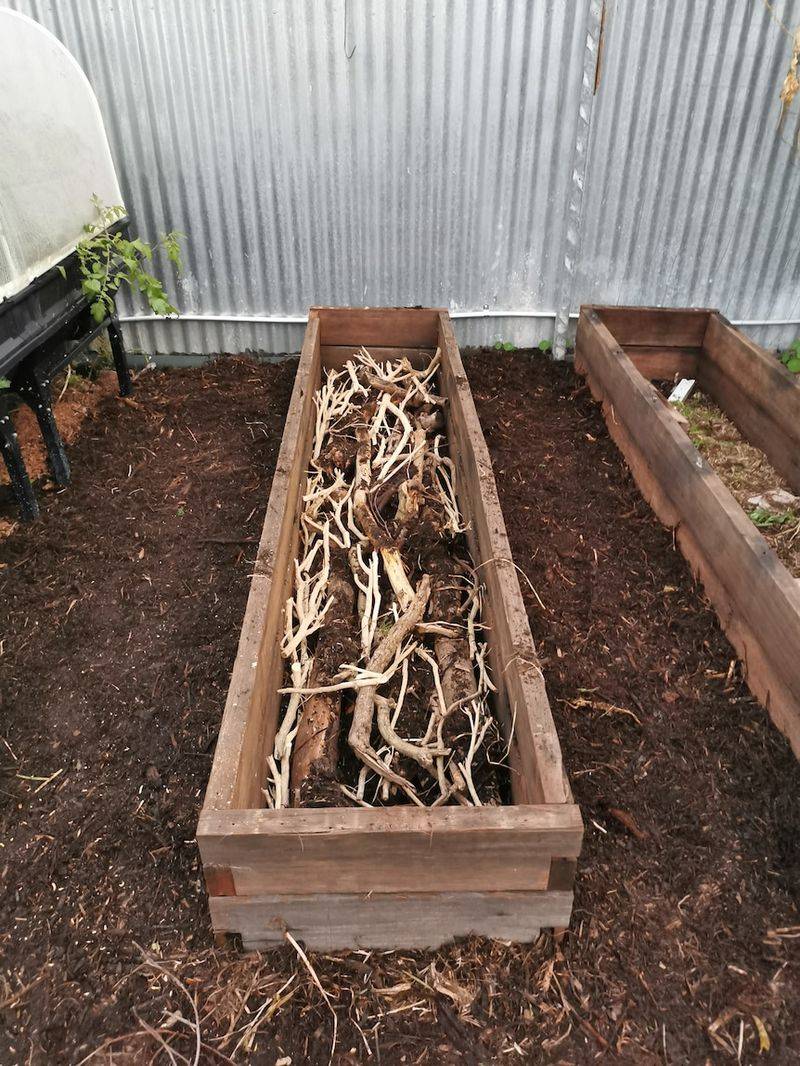
Composting tree trimmings directly in raised beds enriches the soil and boosts plant growth. Think of a garden bed where layers of decomposing branches and leaves create a nutrient-rich environment.
This method accelerates composting, with microorganisms working diligently to break down organic materials. The heat generated further warms the soil, extending the growing season.
This approach not only reduces waste but also harnesses the power of natural decomposition. By turning trimmings into compost, you create a self-sustaining ecosystem, fostering a productive and vibrant garden.
6. Vertical Log Planters
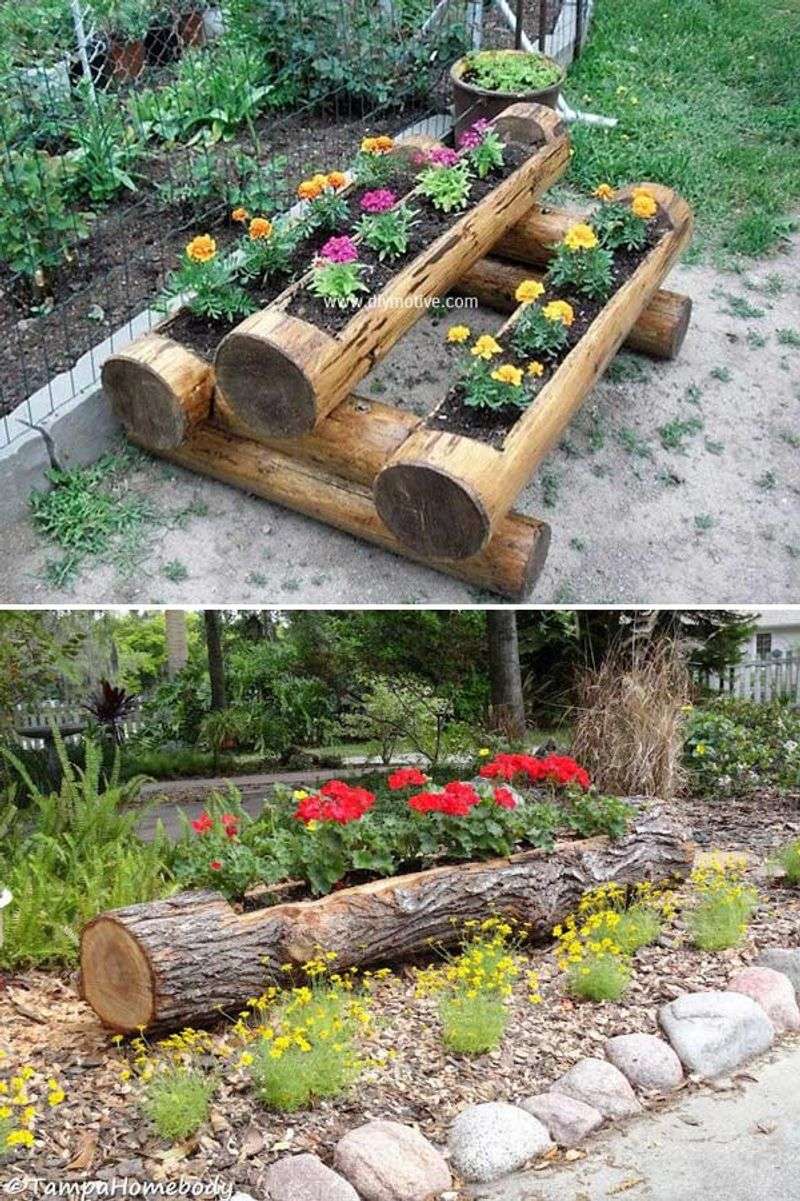
Imagine transforming tree trunks into vertical log planters, adding a rustic charm to your garden. By stacking logs vertically, you create an eye-catching display that maximizes growing space.
These planters allow for deep root systems, benefiting plants like tomatoes and peppers. As the logs decompose, they enrich the soil, providing a nutrient-rich environment for your plants.
This method is not only practical but also environmentally friendly, making use of materials that would otherwise go to waste. A sustainable choice for the eco-conscious gardener.
7. Twig and Branch Fences
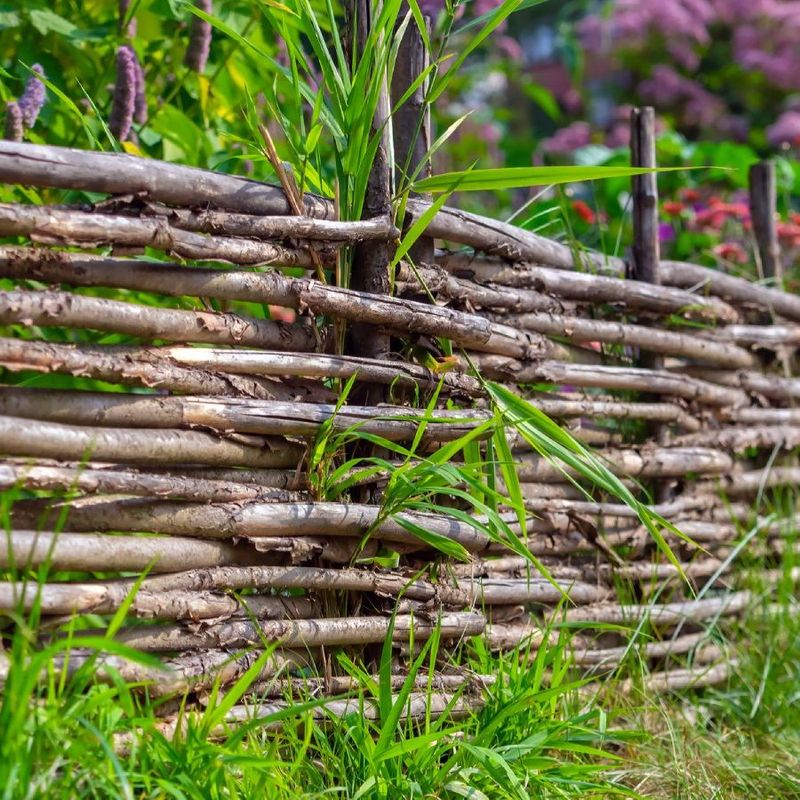
Twig and branch fences offer a whimsical way to define the boundaries of your raised beds. These natural fences blend seamlessly with the garden, adding texture and interest.
Using various sizes of twigs and branches, you can create a sturdy barrier that also deters small animals. This method is perfect for those looking to add a touch of fairy-tale charm to their garden.
Not only do these fences serve a functional purpose, but they also bring a sense of enchantment to your outdoor space. A delightful addition for the creative gardener.
8. Wood Slice Pathways
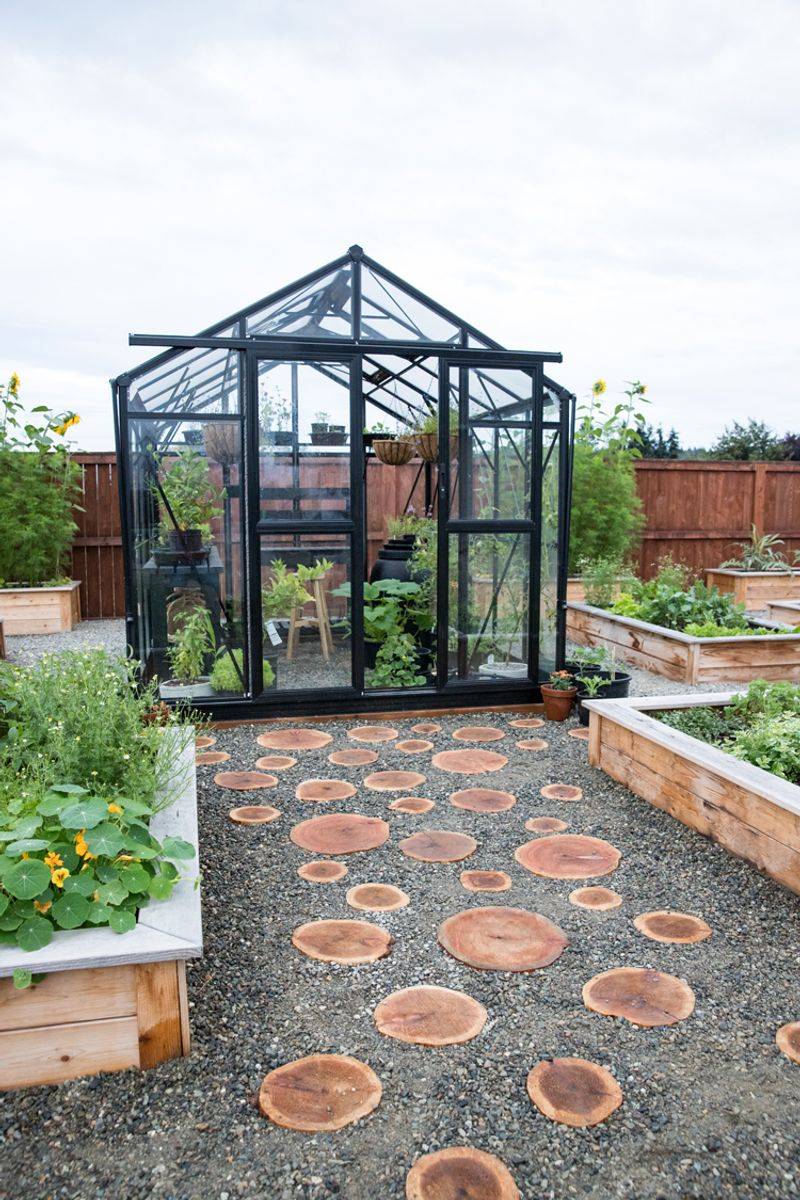
Wood slice pathways create a unique and charming walkway through your raised beds. Using slices from tree trunks, these paths offer a natural and rustic look.
Each step on these pathways feels like a journey through nature, perfect for guiding you through your garden. The wood slices, when properly treated, can withstand the elements, ensuring longevity.
This approach not only enhances the aesthetic appeal but also recycles tree trimmings effectively. It’s a harmonious way to integrate nature into your garden design.
9. Leaf Mulch Cover
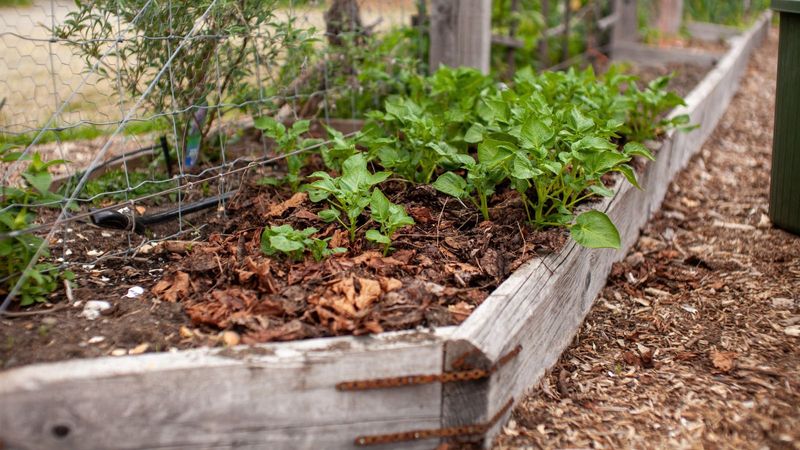
Leaf mulch covers are an excellent way to utilize fallen leaves. This method provides a protective layer over your raised beds, helping to retain moisture and suppress weeds.
As the leaves decompose, they release valuable nutrients back into the soil, promoting healthy plant growth. This natural mulch also improves soil structure over time.
It’s an easy and cost-effective solution for gardeners looking to enhance their beds organically. Ideal for those who enjoy a low-maintenance approach to gardening.
10. Stump Seating Areas
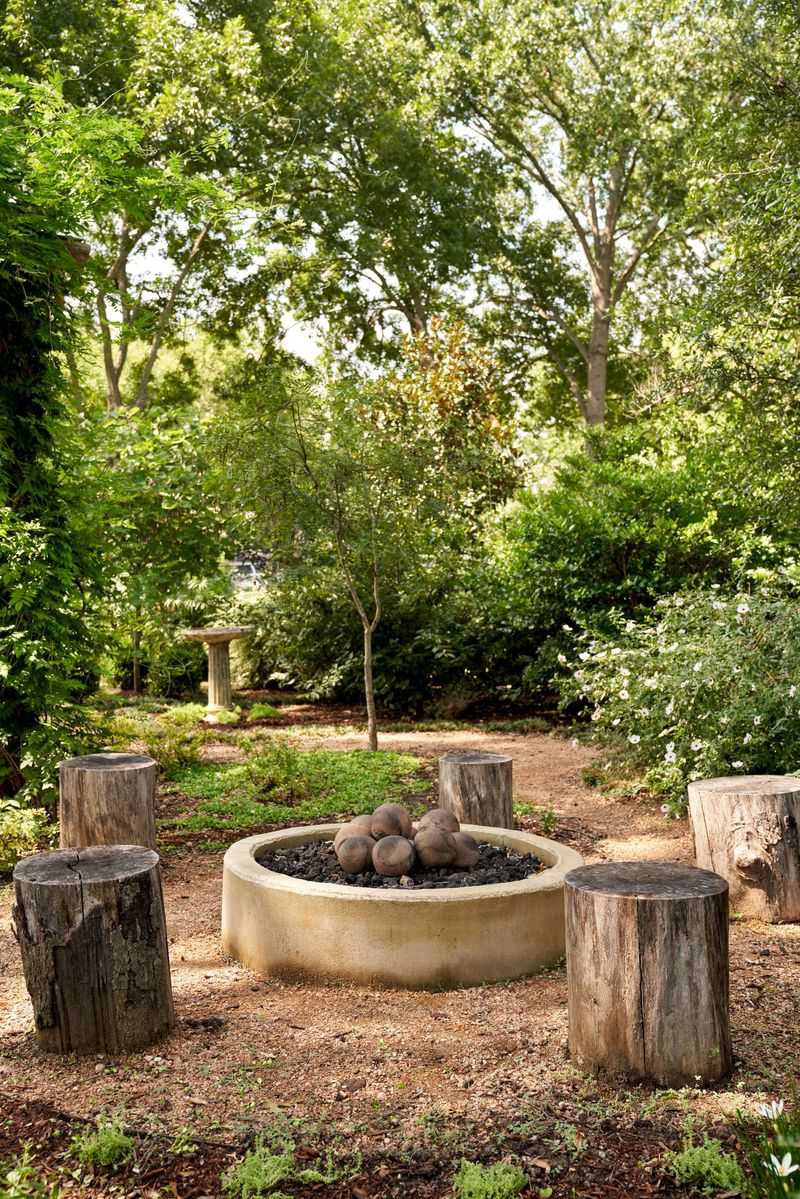
Transform tree stumps into charming seating areas nestled among your raised beds. These natural seats provide a perfect spot to relax and enjoy your garden.
The stumps can be arranged around a central feature, like a fire pit or a water fountain, creating a cozy gathering space. As the wood ages, it adds character and warmth to the environment.
This creative use of stumps not only recycles them but also enhances the functionality of your garden. Perfect for those who love blending utility with nature.
11. Natural Watering Channels

Hollowed logs crafted into natural watering channels offer an innovative irrigation solution for raised beds. These channels efficiently guide water to plant roots, ensuring even distribution.
The rustic logs blend seamlessly with garden aesthetics, creating a harmonious look. They are particularly useful in sloped gardens where water management is crucial.
This method not only conserves water but also utilizes tree trimmings in a practical way. It’s ideal for gardeners aiming for sustainability and effectiveness in their watering practices.
12. Branch Archways
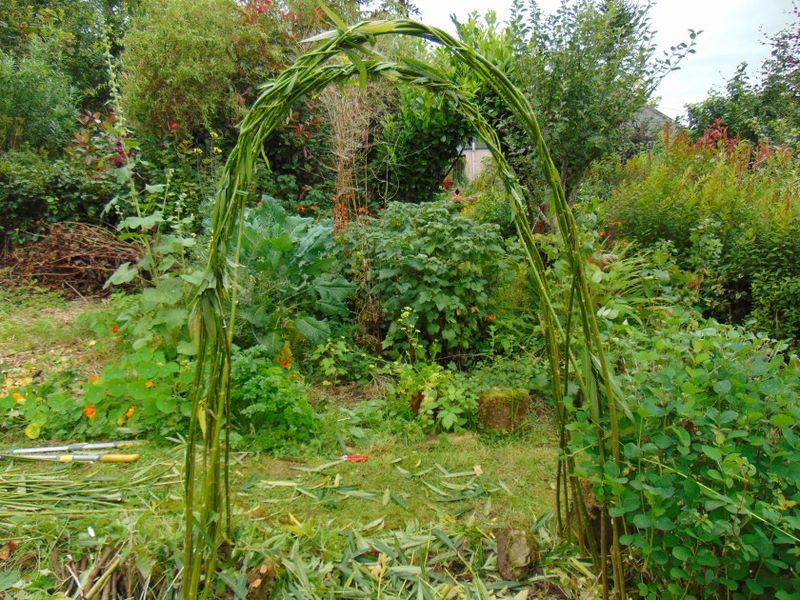
Branch archways provide a captivating entrance to your garden, crafted from intertwined branches. These structures add height and dimension, drawing the eye upwards.
Perfect for supporting climbing plants, the archways can transform into lush, green tunnels over time. This dynamic feature adds both beauty and functionality to your garden.
They are a creative way to utilize larger branches, offering an inviting and whimsical feel to garden pathways. A beautiful project for those who love garden art.
13. Log End Edging
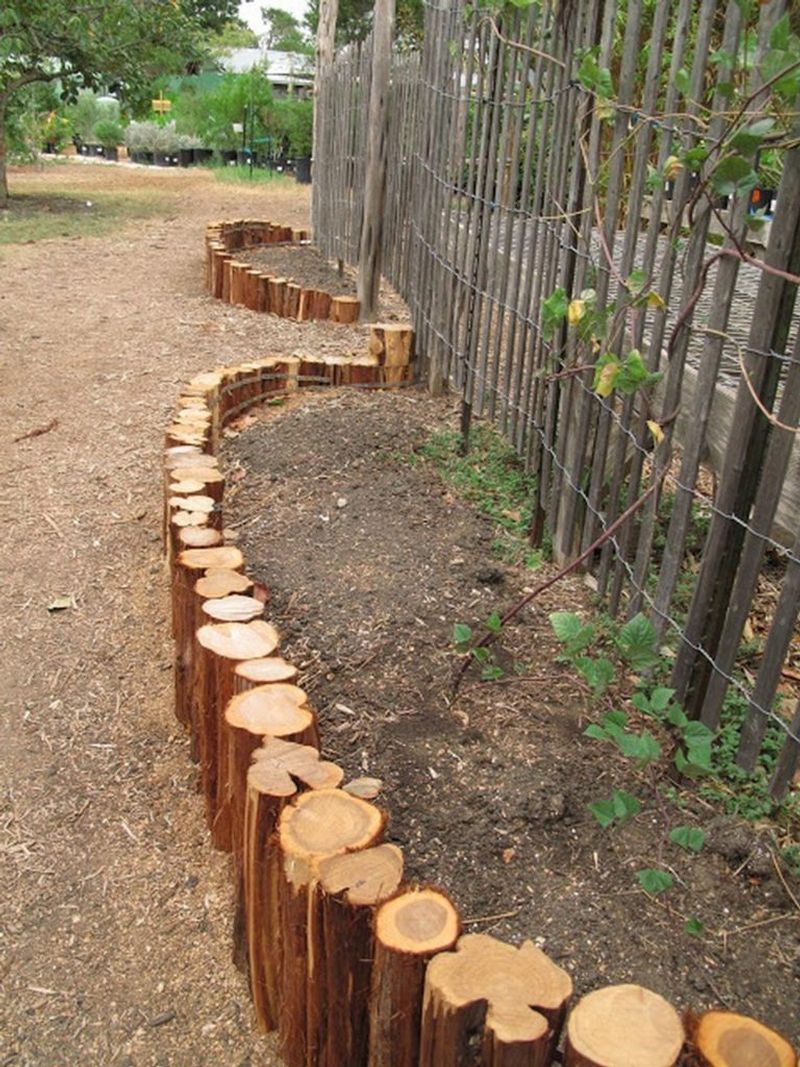
Using log ends as edging provides a neat and tidy border for your raised beds. This approach utilizes the natural shape and texture of logs, creating a rustic feel.
Log end edging helps contain soil within the beds while adding visual interest. It’s a straightforward way to repurpose tree trimmings into functional garden elements.
This method is particularly effective in gardens where a natural aesthetic is desired. It’s a sustainable choice that aligns with eco-friendly gardening principles.
14. Branch Birdhouses
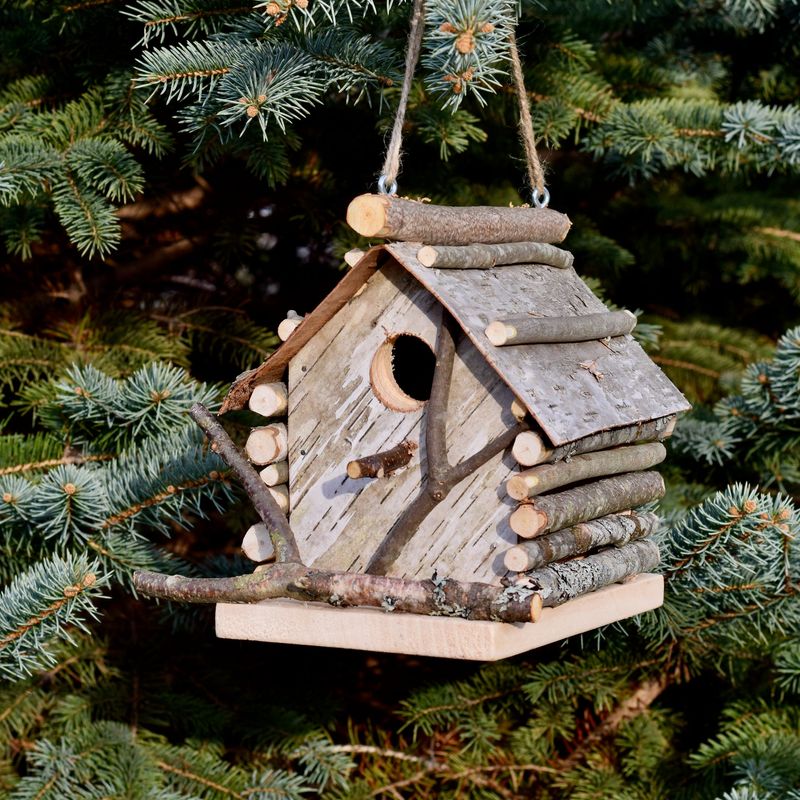
Crafting birdhouses from branches brings wildlife into your garden while adding a unique decorative element. These natural homes attract birds, offering them shelter and a place to nest.
Hanging these birdhouses around raised beds can enhance pest control by inviting feathered friends to feast on insects. Moreover, they add an artistic touch to the garden landscape.
This project is perfect for those who enjoy birdwatching and want to contribute to biodiversity. A whimsical addition that benefits both garden and wildlife.
15. Layered Stick Structures
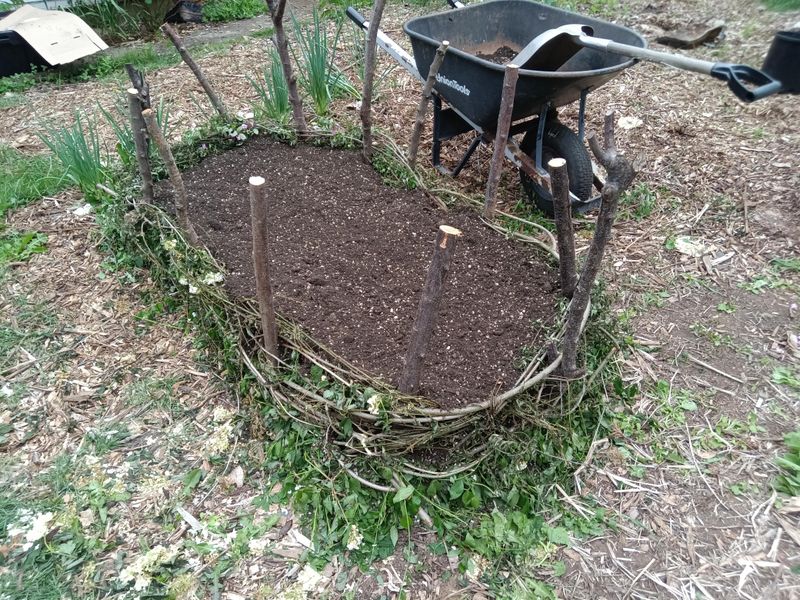
Layered stick structures create a supportive framework for climbing plants in your raised beds. These intricate designs use sticks of varying lengths to form sturdy trellises.
As your plants grow, these structures guide them upward, maximizing space and sunlight exposure. This method is both functional and visually intriguing, adding a natural sculptural element.
Perfect for vining plants like peas and beans, these stick structures offer a sustainable way to support growth. A creative solution for gardeners who love to innovate with natural materials.