
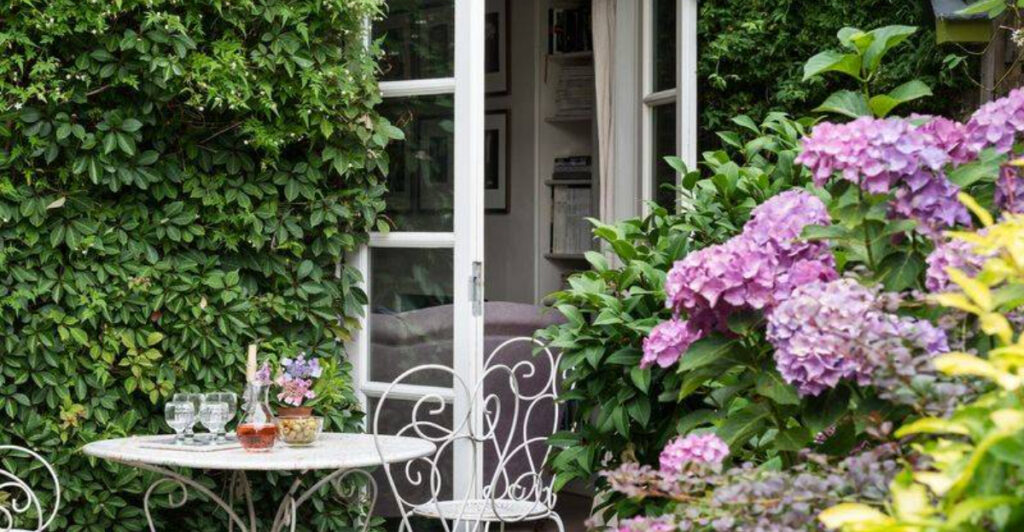
In an unprecedented move, landscape architects have unveiled a set of new soundscaping rules that are poised to transform gardens worldwide.
These guidelines aim to harmonize outdoor spaces with nature, promoting tranquility and ecological balance.
As gardens become an essential refuge, understanding these rules is crucial for every garden enthusiast, homeowner, and professional landscaper. Explore the innovative strategies that are set to reimagine how we experience our green spaces.
1. Whispering Plants

Imagine stepping into your garden and being greeted by the soft, soothing sounds of rustling leaves. Whispering plants, like ornamental grasses, are a crucial element of the new soundscaping rules. These plants are chosen for their ability to create gentle, natural sounds that mimic the calming effects of a whispering breeze.
Positioned strategically, they can transform a noisy environment into a peaceful retreat. Their rustling not only provides auditory pleasure but also serves as a subtle barrier against urban noise. Embracing these plants can lead to a garden experience that feels both refreshing and serene.
2. Water Features and Acoustics
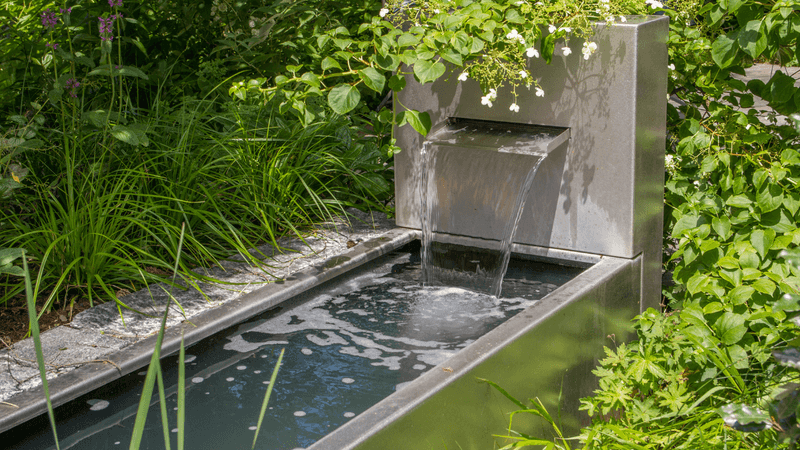
Water features have long been a staple in gardens, but their role in soundscaping is now more pronounced than ever. Incorporating elements like fountains and waterfalls can craft an acoustic environment that drowns out unwanted noise.
These features not only enhance visual appeal but also create a melody of sounds, from gentle trickling to robust cascades. When placed thoughtfully, they can mask urban disturbances, providing an immersive experience. Embracing water in your garden is about blending aesthetics with functionality, ensuring your outdoor space is both beautiful and aurally pleasing.
3. Sonic Sculptures
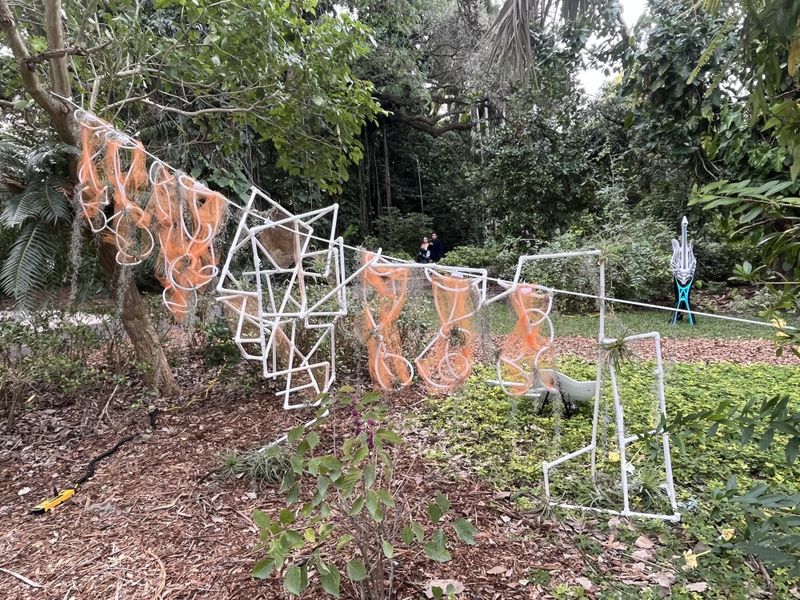
Incorporating sonic sculptures into garden design is an innovative way to enrich the auditory landscape. These artistic installations, such as wind chimes or sound walls, produce harmonious tones that complement the natural environment.
They offer a playful interaction between art and sound, engaging visitors in a multi-sensory experience. Positioned to catch the breeze, sonic sculptures can vary in tone and volume, adding layers of sound that shift with the weather. This approach emphasizes creativity and experimentation, making gardens not only visually stunning but also sonically dynamic.
4. Bio-acoustic Design
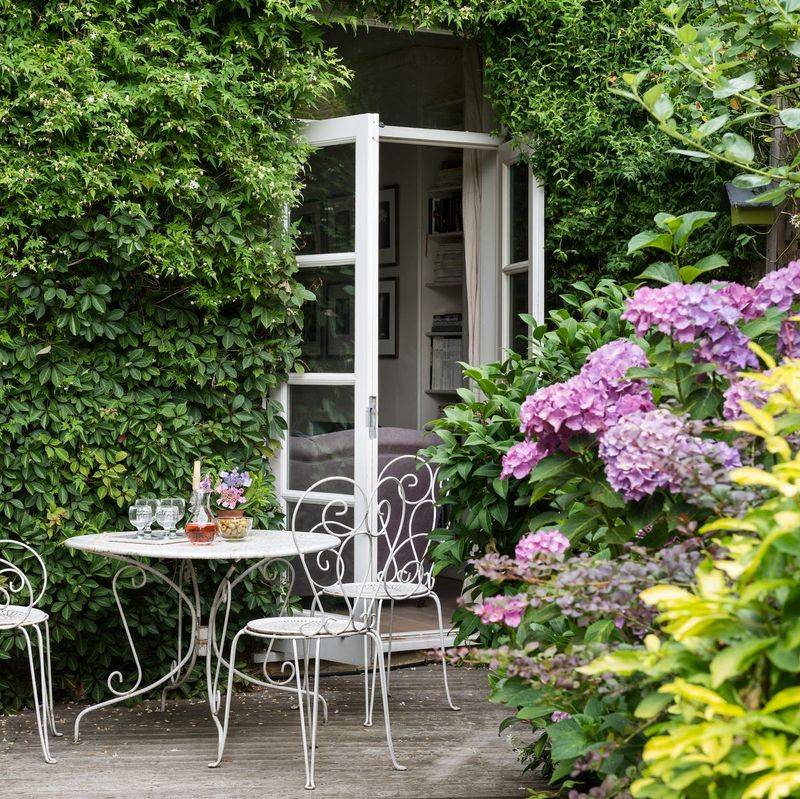
Bio-acoustic design in gardens focuses on attracting wildlife to enhance natural soundscapes. By selecting specific plants that invite birds and insects, gardens become lively with natural sounds.
This approach fosters a thriving ecosystem where chirps, buzzes, and calls add depth to the auditory experience. It’s a celebration of biodiversity, promoting environmental harmony. Gardens designed with bio-acoustic principles support conservation efforts, providing habitats for various species. This method enriches both the garden’s soundscape and its ecological value, offering a haven for wildlife and a symphony of nature’s own making.
5. Quiet Zones
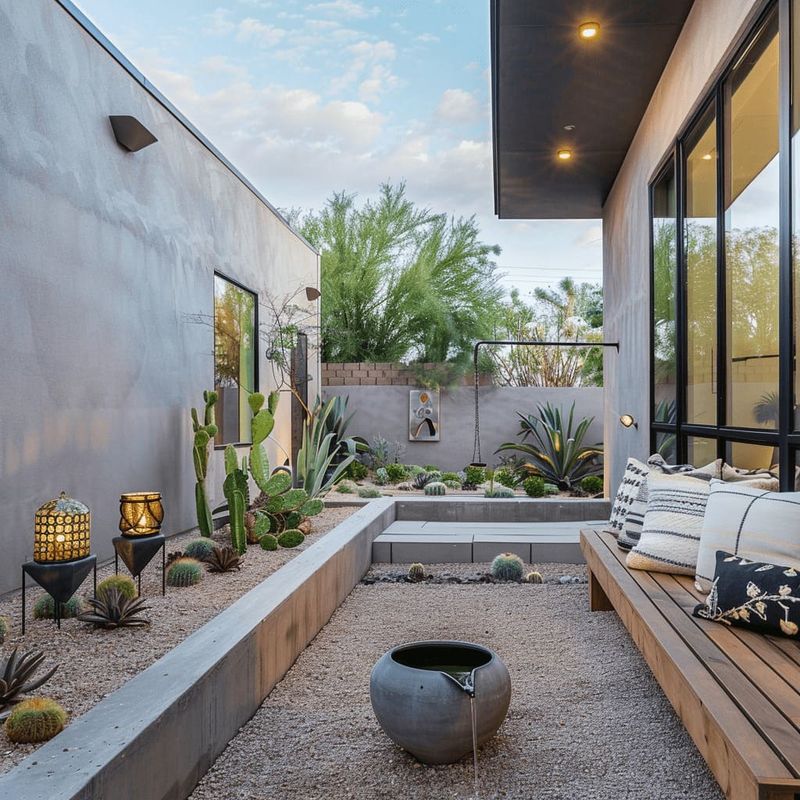
Creating quiet zones within a garden is an essential aspect of modern soundscaping. By integrating sound-absorbing materials and strategic plant arrangements, these areas offer a sanctuary from noise.
Hedges and trees can act as natural sound barriers, providing peace and solitude. These spaces are designed for relaxation and contemplation, encouraging mindfulness amidst the hustle and bustle of daily life. Quiet zones reflect the growing need for personal retreats where one can unwind and connect with nature, making them a valuable addition to any garden looking to harmonize sound with serenity.