
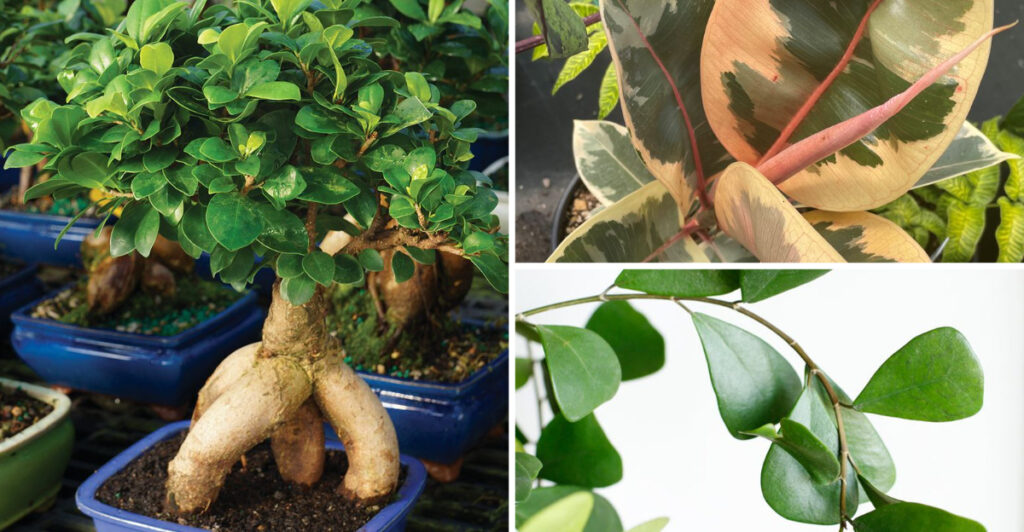
The world of Ficus plants is vast and varied, offering a plethora of unique species that many plant enthusiasts may not be familiar with. These lesser-known varieties provide an intriguing blend of beauty and curiosity, making them perfect additions to any plant lover’s collection. Whether you’re looking for something with unusual foliage or a ficus that can thrive in a specific environment, this list showcases twenty fascinating Ficus varieties.
1. Ficus Audrey

Ficus Audrey, known for its large, velvety leaves, is a stylish addition to any indoor space. It evokes a sense of calm and elegance, making it a favorite among interior designers.
This plant thrives in bright, indirect light and requires moderate watering, appealing to those who appreciate low-maintenance greenery. Its robust nature ensures it can withstand occasional neglect without losing its charm.
A fascinating fact: Ficus Audrey is considered a cousin to the popular Ficus benghalensis, or Banyan tree, revered in India for its symbolic significance.
2. Ficus Alii
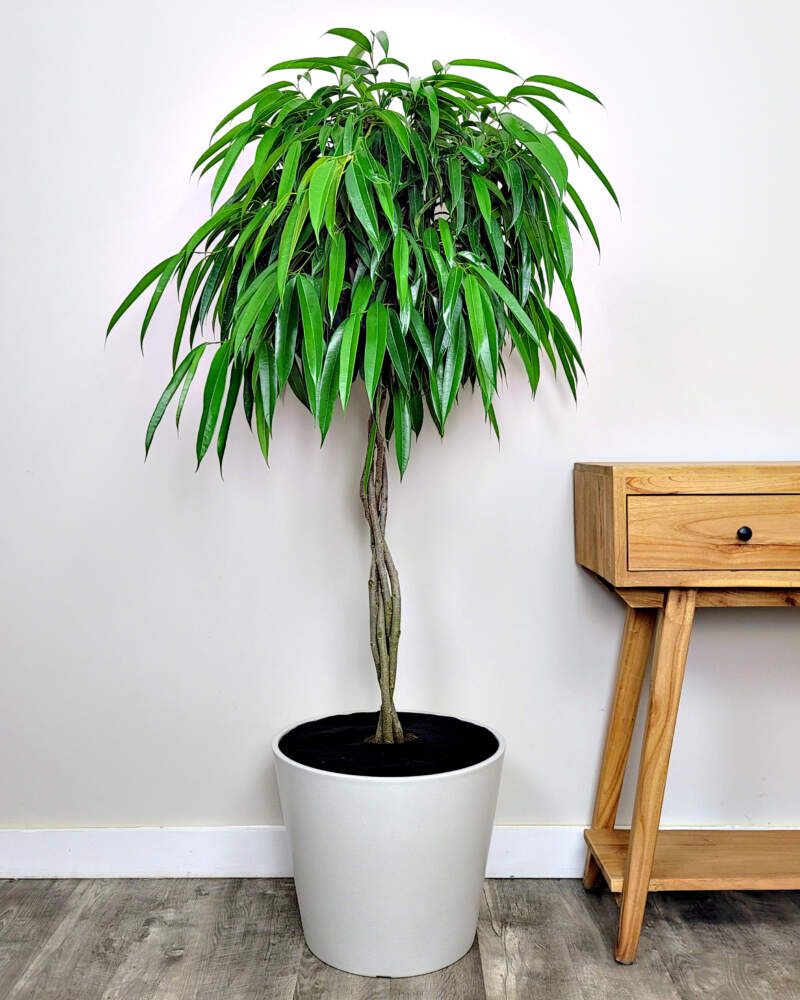
Ficus Alii, with its slender, glossy leaves, brings a touch of the tropics indoors. Its graceful presence makes it an ideal candidate for modern office spaces.
This variety prefers consistent moisture and benefits from regular misting, catering to those who love interactive plant care. Despite its delicate appearance, Ficus Alii is a resilient species.
Interesting tidbit: Also known as Banana Leaf Fig, this Ficus is not only visually appealing but also acts as a natural air purifier, enhancing the quality of indoor environments.
3. Ficus Triangularis

Ficus Triangularis boasts triangular leaves that are sure to catch the eye of any plant enthusiast. Its quirky leaf shape adds character and interest to any room.
This plant prefers bright, indirect light and slightly dry soil, making it a great option for busy individuals. Its slow growth rate means it won’t outgrow its space quickly.
Quirky fact: The triangular leaves are not just a visual delight; they symbolize balance and harmony in some cultures, adding a layer of mystique to its beauty.
4. Ficus Elastica ‘Tineke’
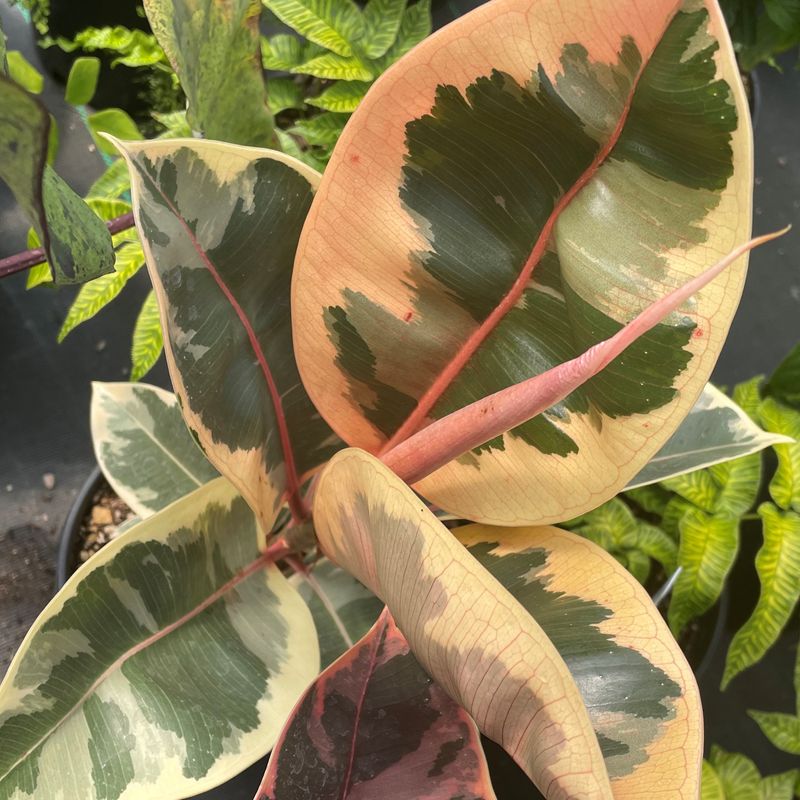
Ficus Elastica ‘Tineke’ stands out with its variegated leaves, blending green, cream, and pink hues. It’s a showstopper in any plant collection.
This variety thrives in indirect light and needs minimal care, perfect for those new to plant parenting. Its vibrant colors can lift the mood of any space.
Did you know? The Rubber Plant, as it’s commonly known, was once used as a source of natural rubber before synthetic alternatives became widely available.
5. Ficus Religiosa

Ficus Religiosa, also known as the Bodhi tree, is famous for its heart-shaped leaves and spiritual significance. It’s revered in many cultures for its association with enlightenment.
This plant thrives outdoors in warm climates, offering a majestic presence with its widespread canopy. Its leaves rustle gently in the breeze, creating a soothing sound.
Legend has it: Buddha attained enlightenment while meditating under a Ficus Religiosa, adding a profound historical context to its allure.
6. Ficus Lyrata ‘Bambino’
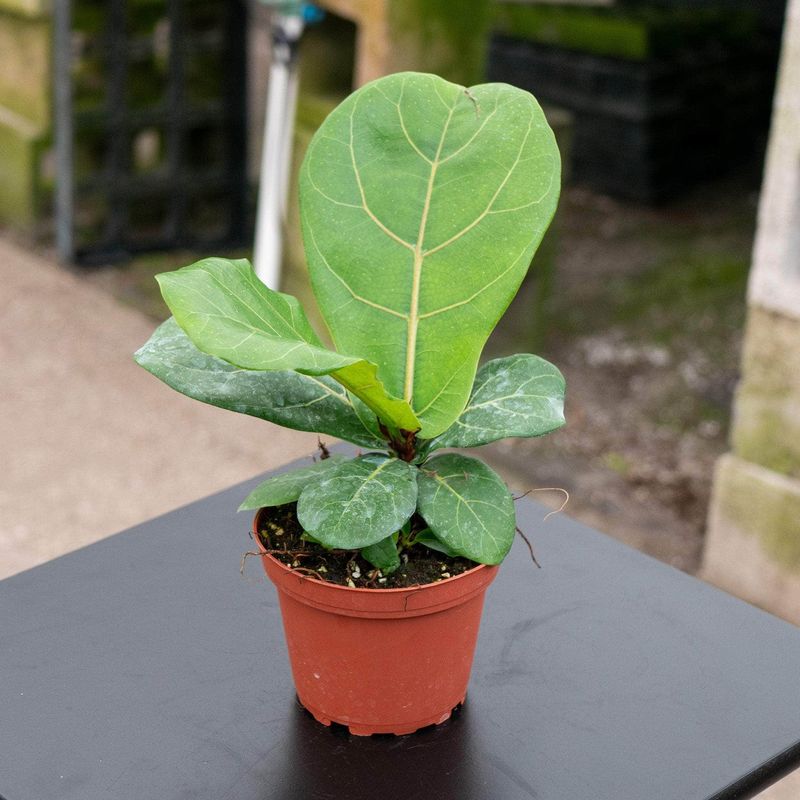
Ficus Lyrata ‘Bambino’, a miniature version of the popular Fiddle Leaf Fig, is perfect for small spaces. Its fiddle-shaped leaves make a bold statement without taking up much room.
This compact plant enjoys bright, filtered light and infrequent watering, suiting those with limited time for plant maintenance. Its charming size makes it versatile.
Fun insight: Despite its small stature, ‘Bambino’ shares the same dramatic leaf shape as its larger relatives, offering grandeur in a petite package.
7. Ficus Benjamina ‘Danielle’
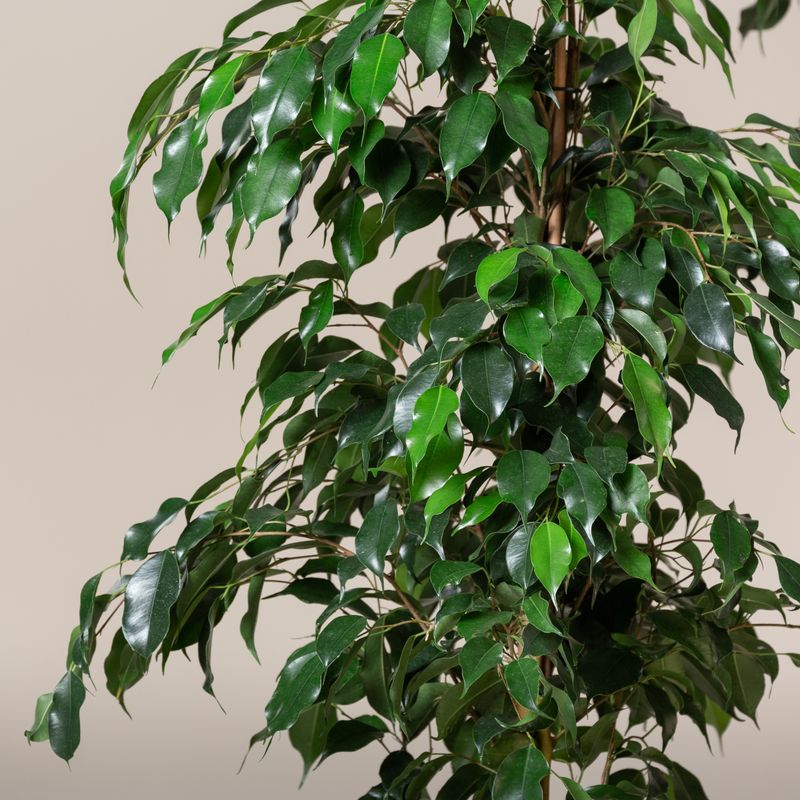
Ficus Benjamina ‘Danielle’ exudes elegance with its arching branches and glossy leaves, often gracing stylish interiors. It embodies a timeless charm, fitting for any decor.
This plant thrives in warm, well-lit environments and requires regular watering, appealing to plant enthusiasts who enjoy nurturing their indoor flora. It’s adaptable to various conditions.
Fascinating fact: This Weeping Fig is popular in Feng Shui practices for attracting positive energy, adding a touch of mysticism to its beauty.
8. Ficus Microcarpa ‘Ginseng’
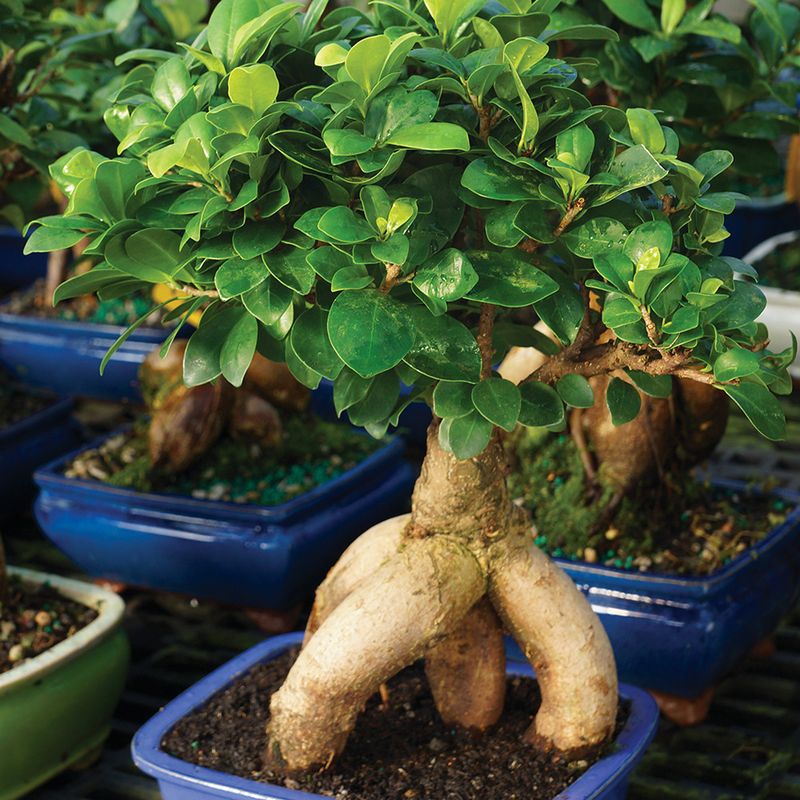
Ficus Microcarpa ‘Ginseng’ captivates with its bonsai-like appearance, featuring exposed roots and dense canopy. It’s a living piece of art.
This variety thrives in bright, indirect light and enjoys moderate humidity, ideal for those who appreciate both aesthetics and nature. Its unique form makes it a conversation starter.
Curious note: Often mistaken for a bonsai, this plant’s dramatic root structure is naturally formed, requiring minimal shaping by the caretaker.
9. Ficus Umbellata
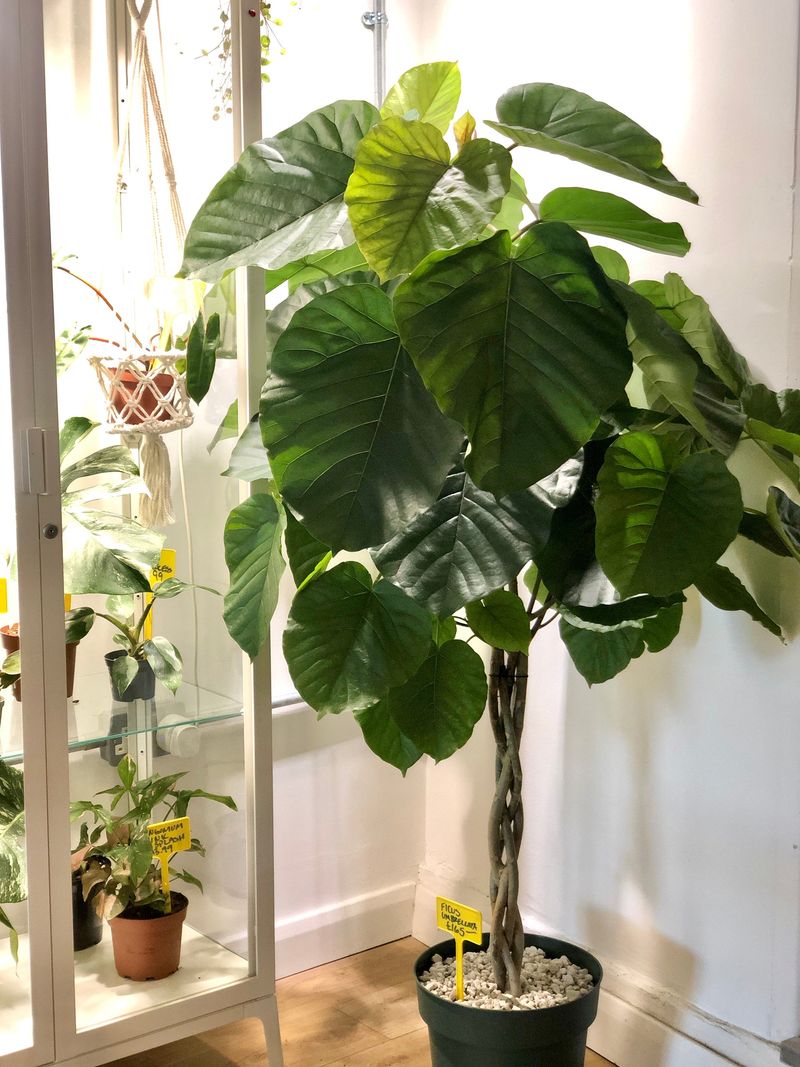
Ficus Umbellata stands out with its large, round leaves, giving it an exotic flair. It’s perfect for those looking to make a bold statement with their indoor plants.
This plant prefers bright light and consistent moisture, making it a good match for those who enjoy regular plant care. Its lush foliage creates a tropical ambiance.
Did you know? Ficus Umbellata is native to African rainforests, where it thrives in the understory, contributing to its lush growth habit.
10. Ficus Cyathistipula
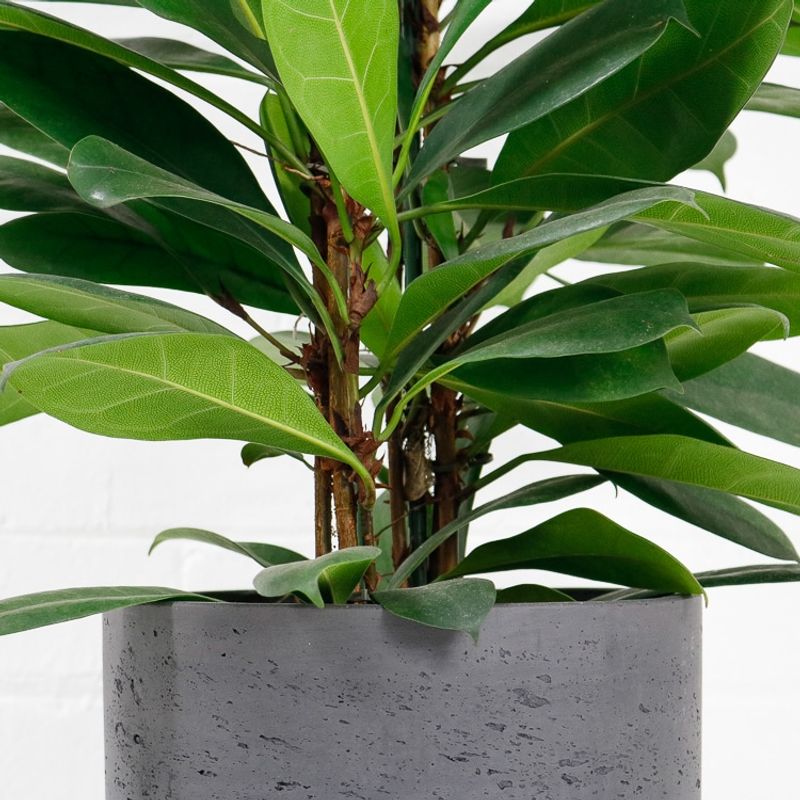
Ficus Cyathistipula is known for its dense, dark green foliage, creating a sense of lushness wherever it’s placed. It’s the perfect plant for adding a touch of nature indoors.
This hardy plant thrives in bright, indirect light and can tolerate occasional drying out, making it suitable for busy individuals. Its robust nature is impressive.
Interesting fact: This ficus is often used in large atriums and public spaces to create a green oasis, showcasing its versatility and aesthetic appeal.
11. Ficus Deltoidea
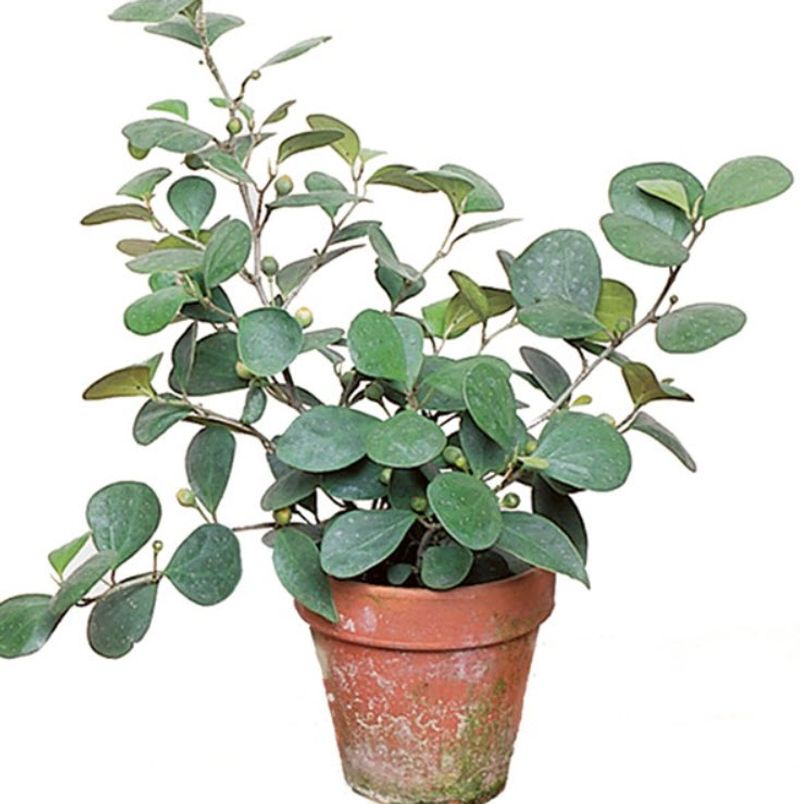
Ficus Deltoidea, also known as the Mistletoe Fig, features small, coin-like leaves that give it a distinctive appearance. It adds subtle charm to any space.
This plant prefers bright, indirect light and minimal watering, making it ideal for those with a busy lifestyle. Its compact size fits well in various settings.
Did you know? Ficus Deltoidea is named for its triangular leaves, which are said to resemble mistletoe, adding a festive touch to its appeal.
12. Ficus Pumila

Ficus Pumila, commonly known as Creeping Fig, is a charming climber with delicate leaves. It’s perfect for adding vertical greenery to indoor and outdoor spaces.
This hardy variety thrives in various light conditions and requires regular pruning, making it appealing to those who enjoy hands-on gardening. Its versatility is unmatched.
Quirky tidbit: Ficus Pumila is known for its ability to cling to surfaces, transforming walls and trellises into living tapestries, enhancing architectural features.
13. Ficus Petiolaris

Ficus Petiolaris, or Rock Fig, boasts heart-shaped leaves with striking red veins, making it a standout in any collection. Its resilience is legendary.
This plant thrives in well-drained soil and full sun, perfect for those who enjoy desert landscaping. Its unique appearance invites admiration.
Fun fact: Native to Mexico’s rocky terrains, Ficus Petiolaris is adapted to harsh conditions, making it a symbol of strength and endurance.
14. Ficus Moclame
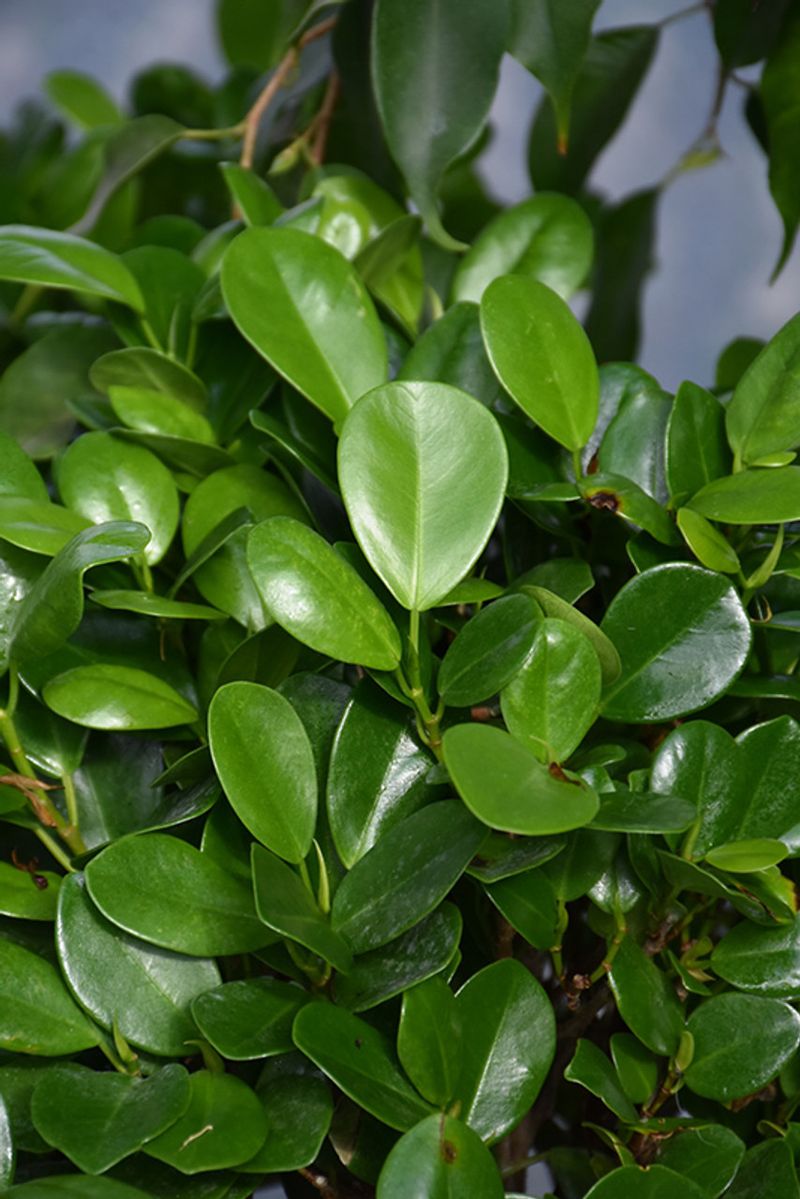
Ficus Moclame impresses with its dense, round foliage, bringing a sense of calm to any room. It’s ideal for minimalist decor enthusiasts.
This plant prefers bright, indirect light and moderate watering, appealing to those who seek low-maintenance greenery. Its simple elegance is timeless.
Did you know? Ficus Moclame is often chosen for its ease of care, making it a favorite among those new to houseplants, yet its beauty captivates experienced gardeners too.
15. Ficus Rubiginosa
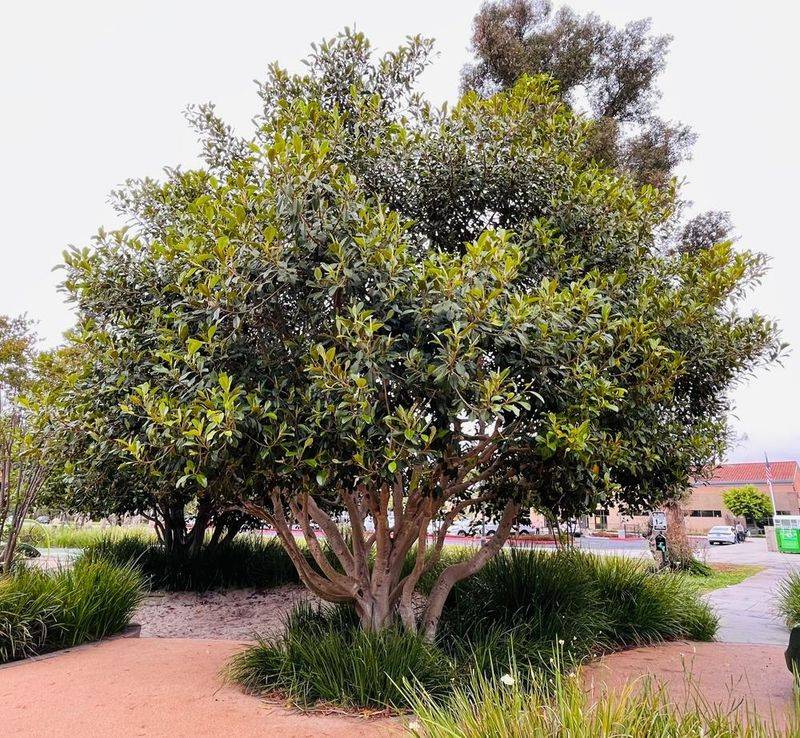
Ficus Rubiginosa, also known as the Port Jackson Fig, captivates with its broad, leathery leaves and imposing presence. It’s a symbol of stability.
This tree thrives in sunny courtyards and requires ample space to grow, making it ideal for expansive gardens. Its ability to provide shade is a bonus.
Historical note: Indigenous to Australia, Ficus Rubiginosa has been used by native communities for centuries, celebrated for its beauty and cultural significance.
16. Ficus Maclellandii
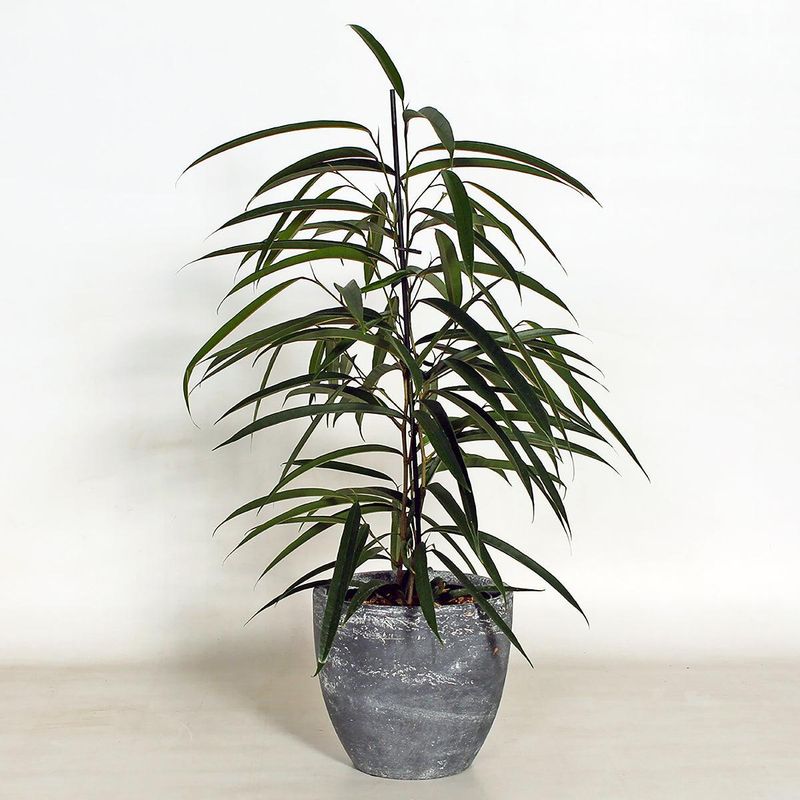
Ficus Maclellandii, often called the Alii Fig, is celebrated for its elongated, sword-like leaves that lend a touch of sophistication to interiors.
This plant thrives in bright, indirect light and appreciates regular misting, ideal for those who enjoy interactive plant care. Its sleek appearance is modern and chic.
Interesting tidbit: Despite its exotic appearance, Ficus Maclellandii is quite hardy, making it a popular choice for both novice and experienced plant enthusiasts.
17. Ficus Nerifolia
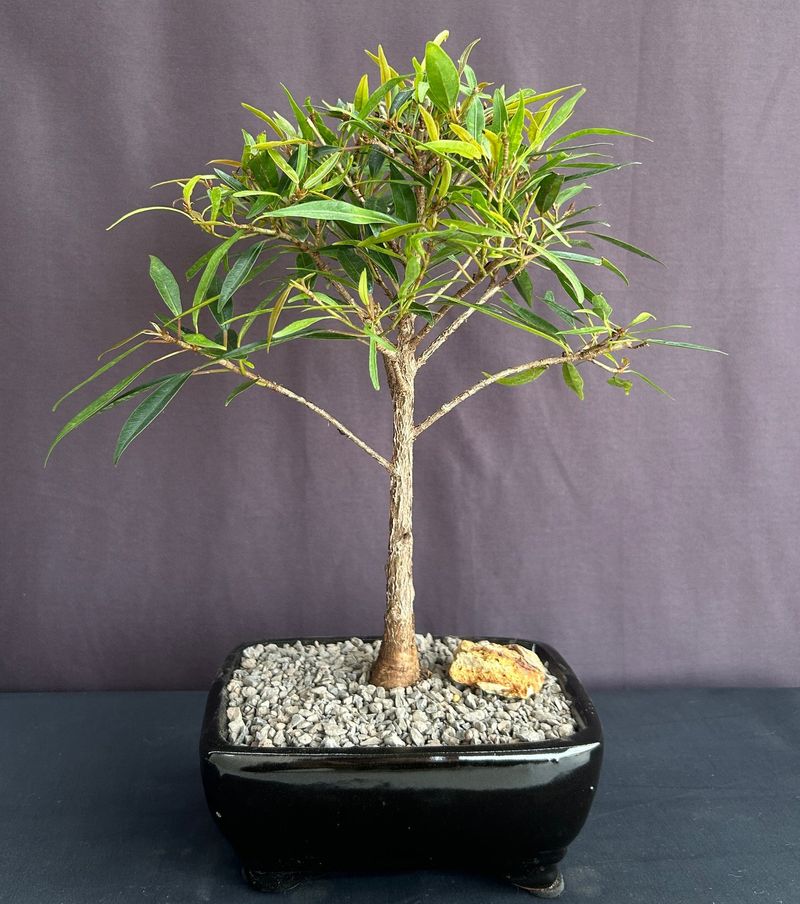
Ficus Nerifolia, known for its narrow, willow-like leaves, adds a delicate elegance to gardens and interiors alike. It’s akin to having a piece of living art.
This plant thrives in bright light and enjoys regular watering, suitable for those who find joy in attentive plant care. Its graceful foliage sways gently in the breeze.
Did you know? Ficus Nerifolia is often used in bonsai art, celebrated for its ability to be shaped into stunning forms, showcasing artistic expression.
18. Ficus Hilli
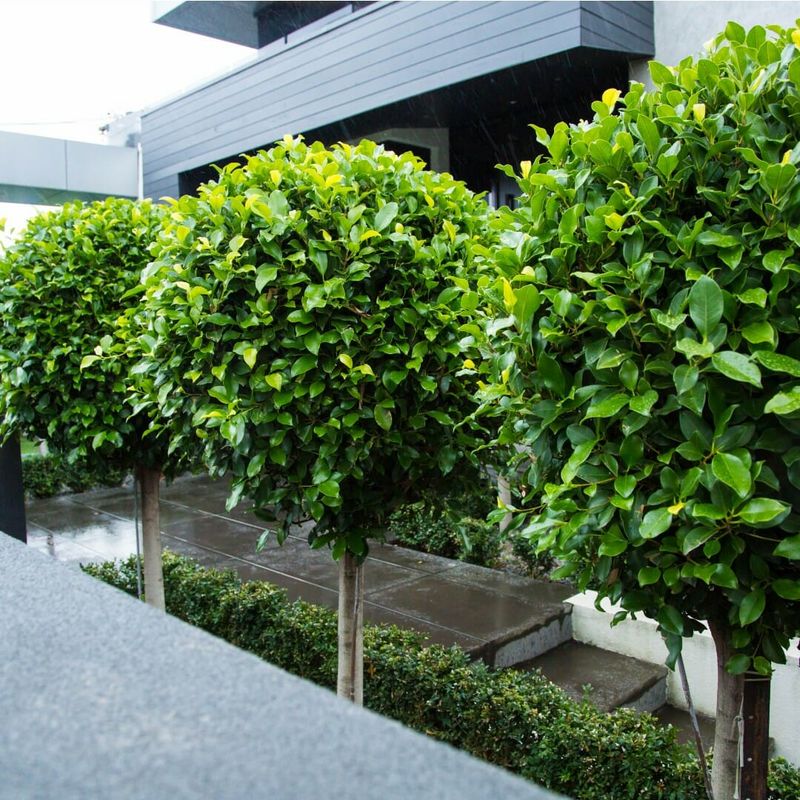
Ficus Hilli, commonly known as the Weeping Fig, features dense foliage perfect for creating natural privacy screens. It’s a favorite in sprawling landscapes.
This tree thrives in full sun to partial shade and requires regular watering, appealing to those cultivating expansive green spaces. Its growth rate is impressive.
Fun fact: In its native Australia, Ficus Hilli is often planted in parks and streetscapes, admired for its shade-giving abilities and robust growth.
19. Ficus Carica
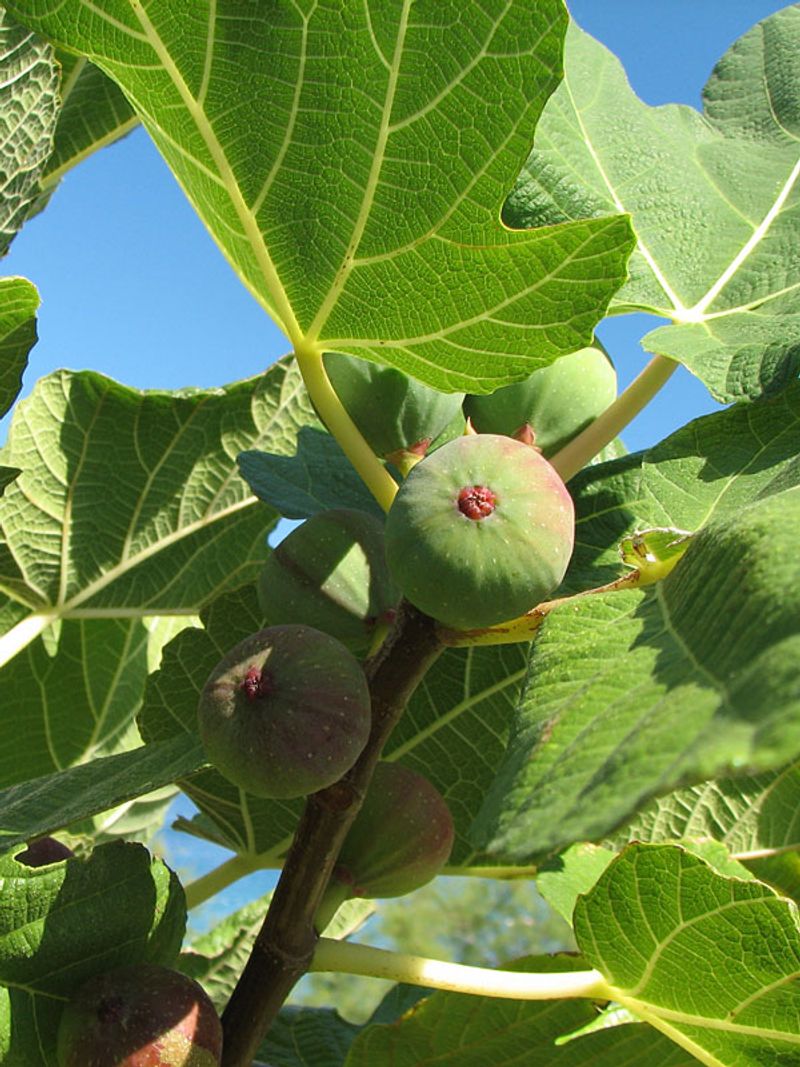
Ficus Carica, better known as the Common Fig, delights with its edible fruit and broad leaves. It’s a staple in Mediterranean gardens.
This tree prefers full sun and well-drained soil, making it perfect for those who enjoy cultivating fruit-bearing plants. Its sweet figs are a treat.
Cultural note: Ficus Carica has been cultivated for thousands of years, holding historical significance in many cultures as a symbol of abundance and prosperity.
20. Ficus Altissima
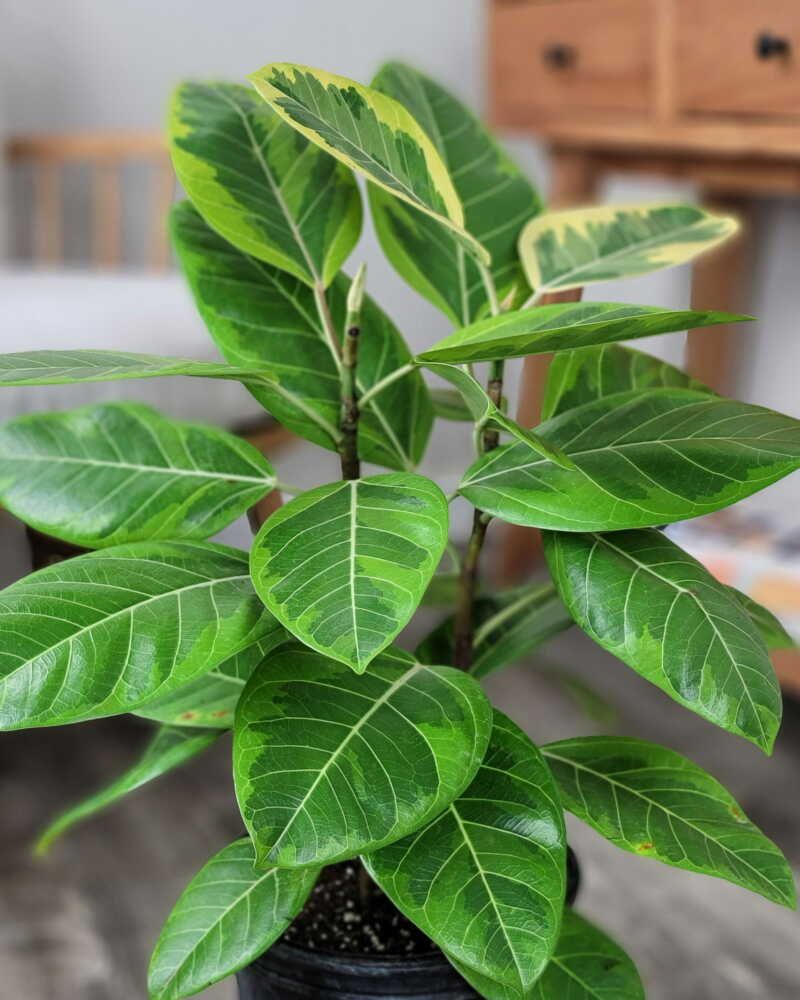
Ficus Altissima, known as the Lofty Fig, is admired for its towering height and vibrant green leaves. It commands attention in any space.
This tree thrives in bright, indirect light and requires ample watering, suitable for those who love nurturing grand plant specimens. Its majestic stature is awe-inspiring.
Did you know? Ficus Altissima is often used in conservatories and botanical gardens, celebrated for its architectural beauty and air-purifying qualities.