
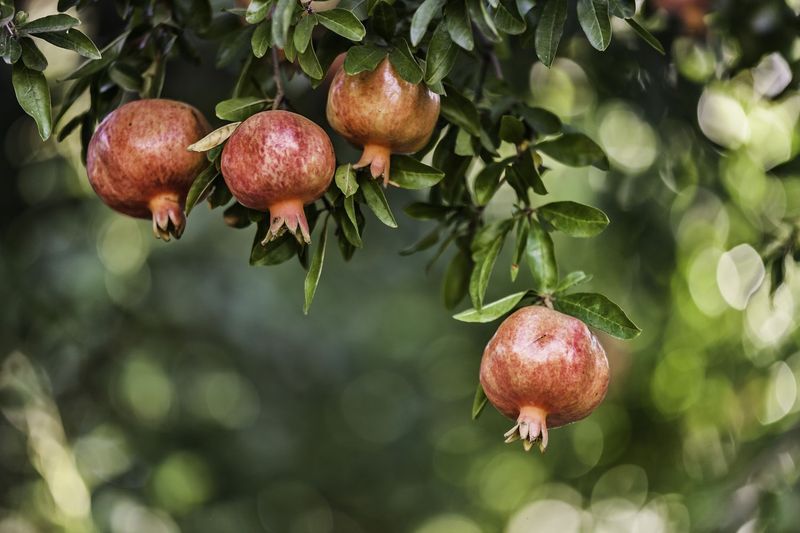
Every fall, California gardeners watch their pomegranates and persimmons color up and wonder if they should pick now or wait one more week. Then the first big Pacific storm rolls in, and a backyard full of perfect fruit can crack open overnight.
Knowing the real signs of ripeness helps you beat the rain and save your harvest. Here are eight simple clues and tricks that can help you pick at just the right time.
1. Watch the Weather Calendar, Not Just the Tree
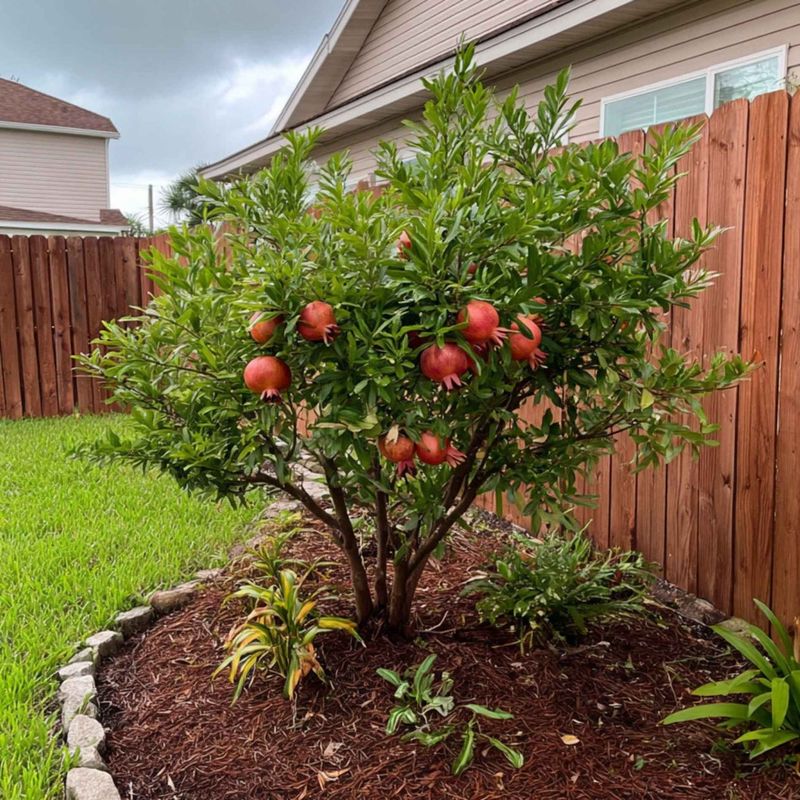
Most fruit losses in California yards come down to timing, not care. Pomegranates and persimmons ripen from September through November, which overlaps with the first serious rains of the wet season.
After months of dry weather, trees suddenly soak up water through their roots, and the fruit swells faster than its skin can stretch. Pomegranates may split wide open, and ripe persimmons can crack near the top.
Start checking the 10-day forecast in early October. If a big storm is coming and your fruit is close to ready, picking a few days early is usually the safer move.
2. The Pomegranate Shape Shift
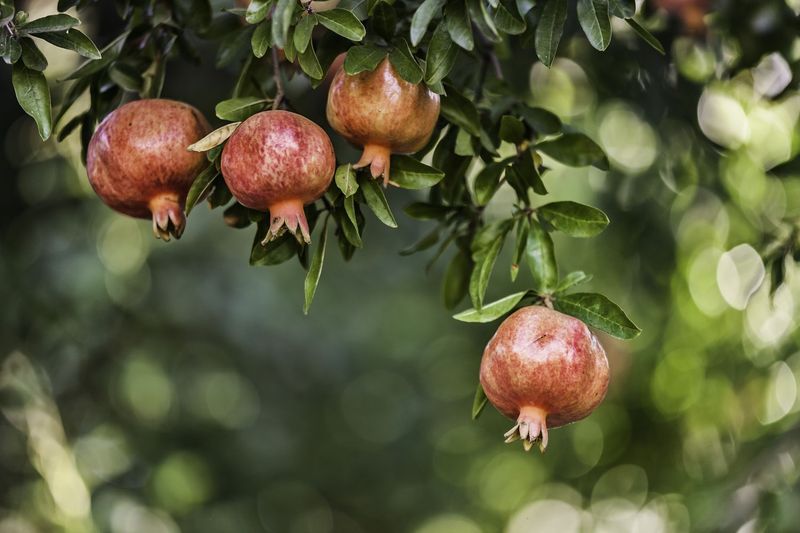
Here is a trick experienced growers swear by: a ripe pomegranate stops looking like a perfect ball. As the arils inside fill with juice, the sides flatten and the fruit gets a slightly squared-off, angular look.
Young fruit is round and smooth. Ripe fruit looks a little lumpy, almost like it has corners pressing out from inside.
The Wonderful variety, the most common in California yards, shows this change clearly. Combine it with the other clues in this list for the best results.
3. Listen for the Metallic Tap
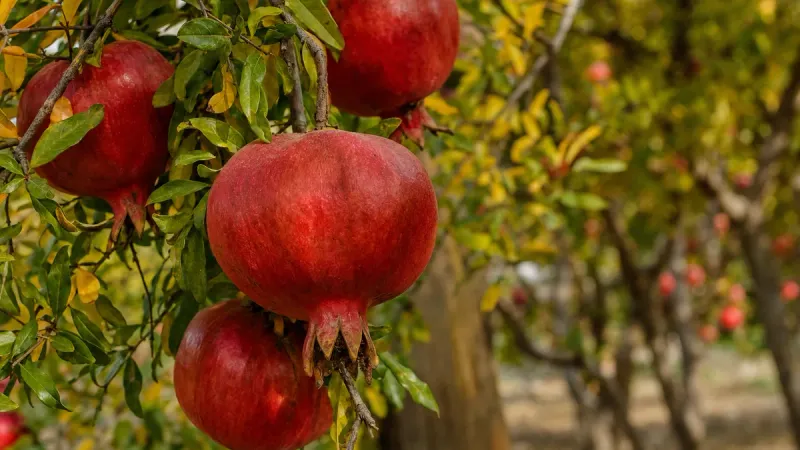
Grab a pomegranate gently and give it a flick with your fingernail. A ripe one often makes a hollow, slightly metallic sound, a bit like tapping a can.
Underripe fruit tends to sound dull and solid. It takes a few tries to hear the difference, so compare several fruits on the same tree.
Fun fact: pomegranates have been grown in California since Spanish missionaries planted them in the 1700s. Mission gardeners likely used the same simple tests you can try today.
4. Skin Color and Texture on Pomegranates
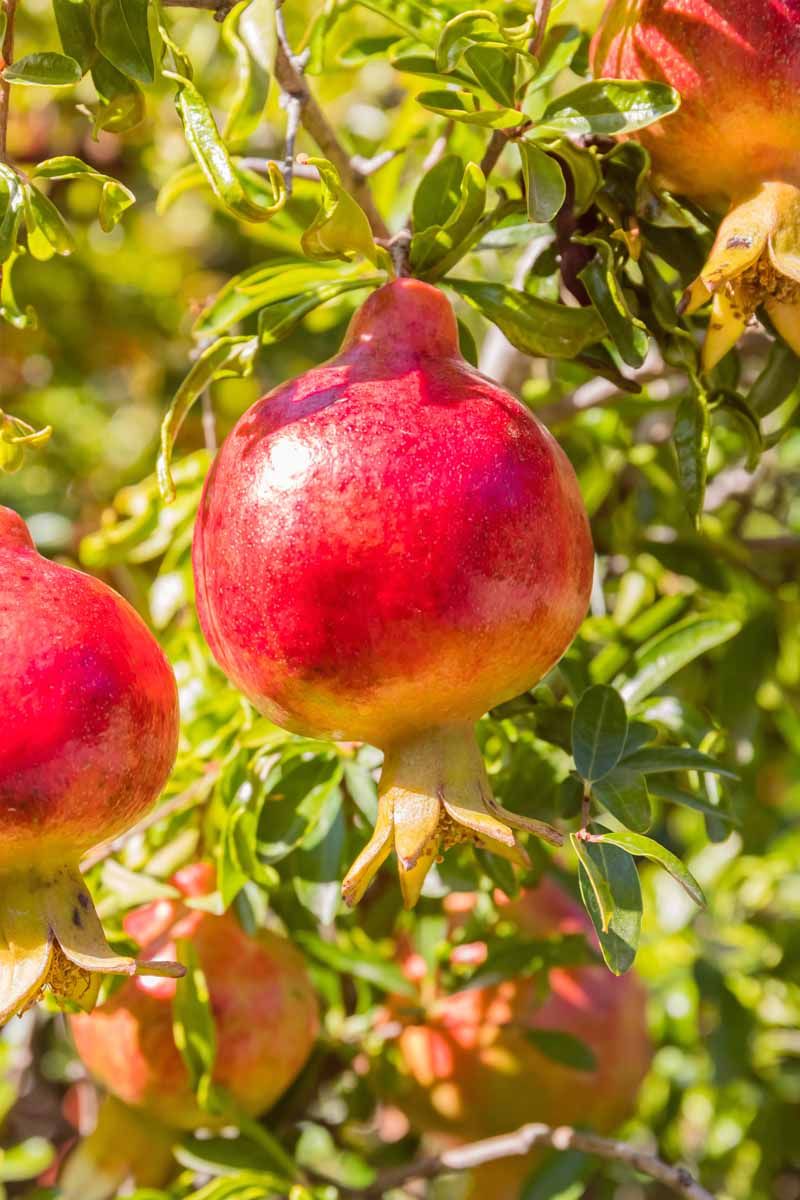
Color helps, but it can fool you. Some pomegranates turn red weeks before the inside is sweet, while varieties like Parfianka or pink-skinned types never get dark at all.
Instead, focus on texture. Ripe skin feels firm, slightly leathery, and less glossy than young fruit.
If you can, cut one open as a test. Deep-colored, juicy arils and a sweet-tart taste mean the rest of the tree is probably ready too.
5. Fuyu Persimmons: Firm and Fully Orange
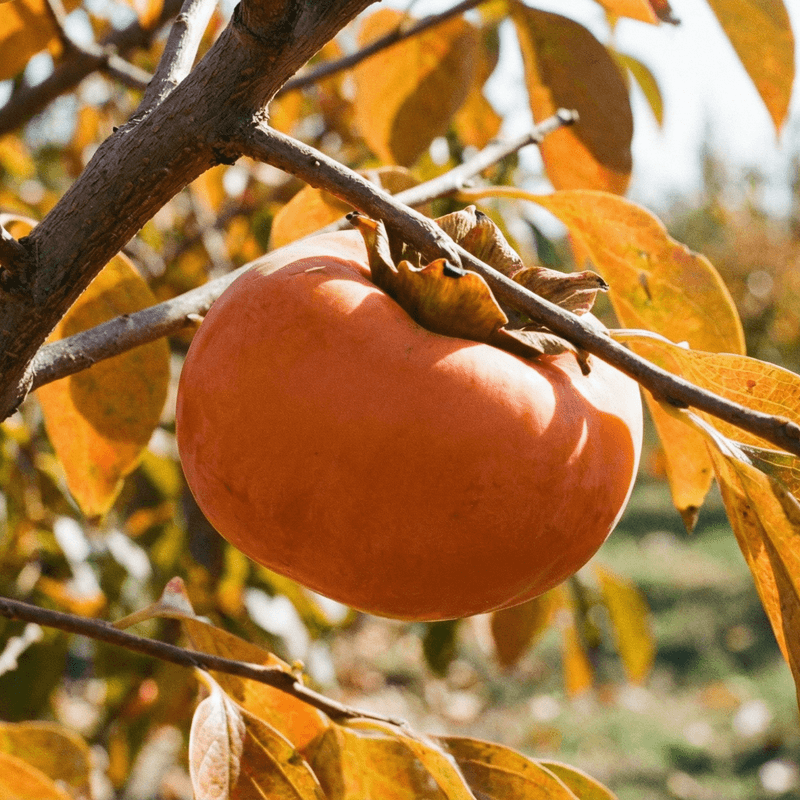
Fuyus are the friendly persimmon. You can eat them crisp like an apple, which makes harvest decisions much easier.
Wait until the skin turns a rich, even orange with no green or yellow near the stem. The fruit should still feel firm, with just a tiny bit of give.
Since they do not need to soften on the tree, Fuyus are great candidates for picking right before a storm. Clip them with a bit of stem attached so they store longer.
6. Hachiya Persimmons: Color Now, Soften Later
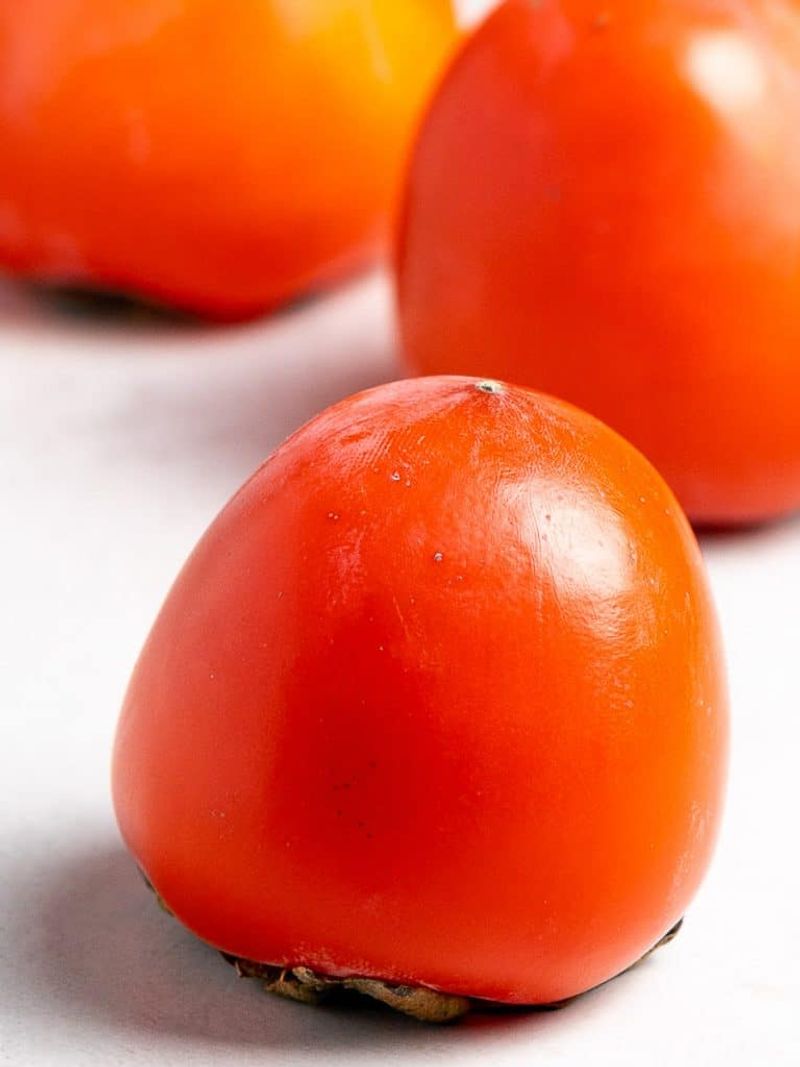
Bite a firm Hachiya and you will never forget it. The tannins make your mouth feel dry and fuzzy for minutes.
Good news: Hachiyas do not need to soften on the tree. Once they are deep orange, you can pick them and let them ripen indoors until they feel like a water balloon.
That flexibility means you can harvest the whole tree ahead of a storm. Setting them in a paper bag with an apple may help speed softening.
7. Steady Watering Through Fall
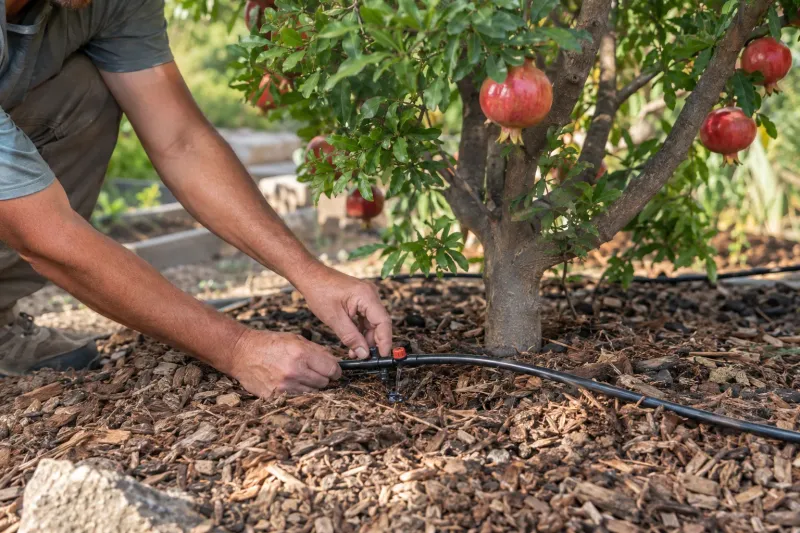
Splitting gets worse when trees go from bone dry to soaked. A little steady moisture in late summer and early fall can reduce that shock.
A drip line and a 3-inch layer of mulch keep soil evenly damp without wasting water, which matters under local watering rules. Keep mulch a few inches away from the trunk.
Deep watering every week or two is often enough for established trees. It may not prevent every crack, but it can cut down losses noticeably.
8. Pick Smart and Share the Leftovers
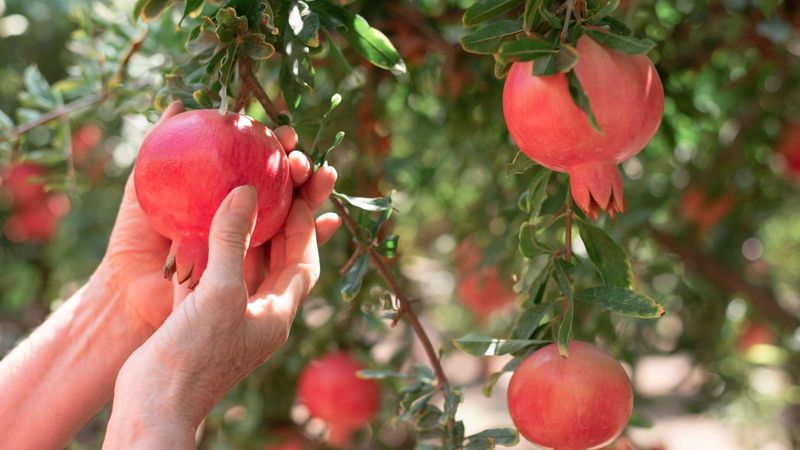
Harvest day goes better with the right tools. Use pruning shears instead of pulling, which can tear branches and bruise fruit.
Pomegranates store for weeks in the fridge, and firm persimmons keep well in a cool spot. If a few fruits crack, eat them quickly or freeze the arils.
Leaving a handful of soft persimmons on the tree can feed cedar waxwings, mockingbirds, and other wildlife through winter. Just clean up fallen, moldy fruit to keep pests away.