
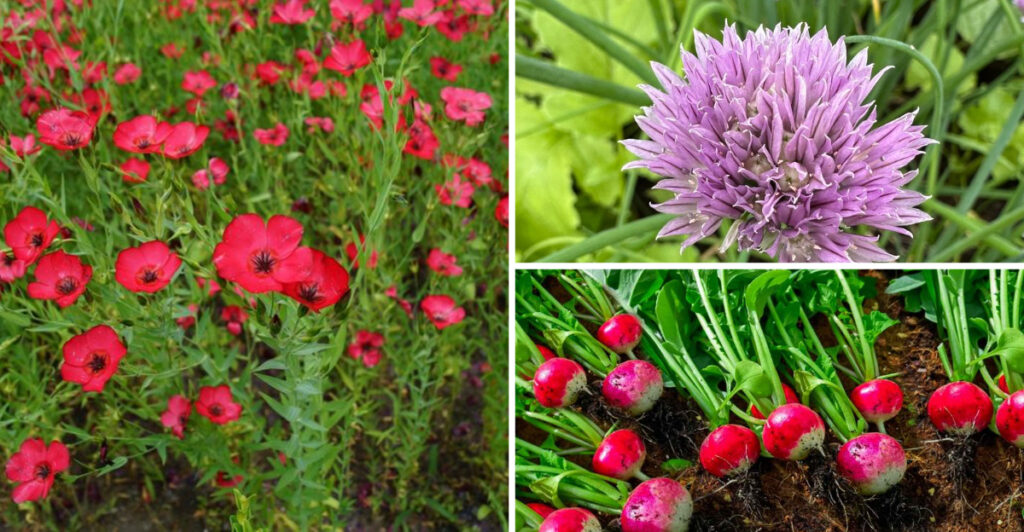
Carrots, often enjoyed for their sweet taste and crunchy texture, can greatly benefit from the company of various companion plants. By planting certain herbs, flowers, and vegetables alongside your carrot crops, you can enhance growth, improve flavor, and even deter pests.
Here, we explore 21 perfect companions for carrots, each bringing unique advantages and charm to your garden. Transform your gardening experience by pairing carrots with these delightful plants.
1. Onions
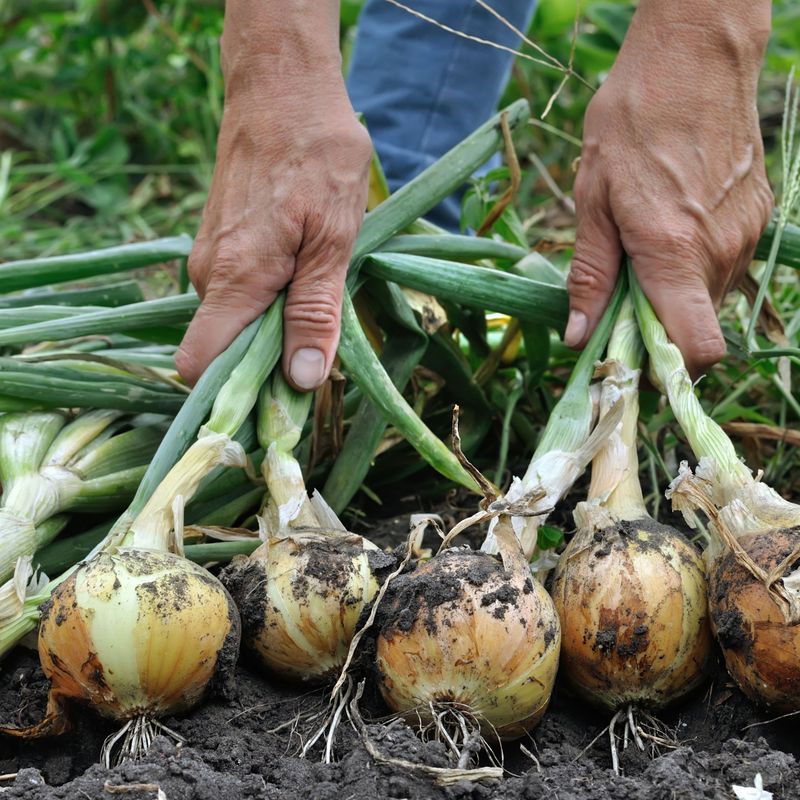
Onions are like the silent protectors of the garden, warding off carrot flies with their pungent aroma. When paired with carrots, they create a natural barrier against pests.
This combination also allows both plants to share nutrients effectively. Onions’ tall, slender leaves provide light shade to carrots, preventing soil moisture from evaporating quickly.
A harmonious relationship is formed as they thrive together, offering not just protection but also optimizing space in your garden. Onions and carrots together create an environment of mutual benefit, enhancing each other’s growth.
2. Leeks
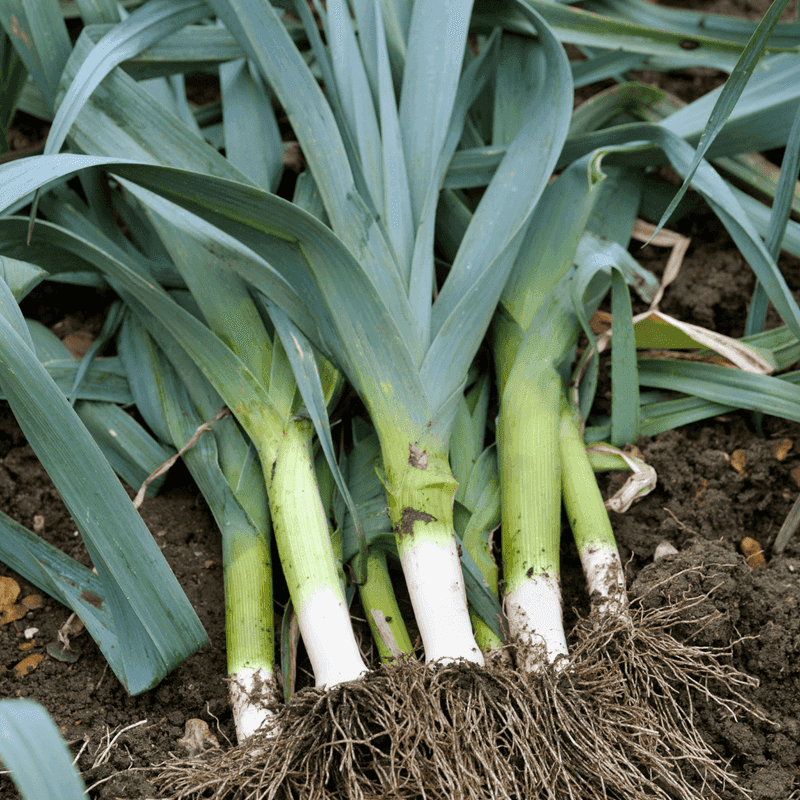
Leeks and carrots make a resilient pair, with leeks acting as guardians against carrot fly infestations. Their strong scent confuses pests, offering carrots a shield.
In return, carrots aerate the soil, providing an ideal structure for leeks to flourish. This duo enhances the overall health of the garden. Their combined growth doesn’t just maximize space; it also elevates the flavor of each vegetable.
Leeks stand tall, providing a visual contrast to the greenery of carrot tops, creating a harmonious garden aesthetic.
3. Rosemary

Rosemary, with its aromatic and evergreen qualities, pairs beautifully with carrots, offering natural pest resistance. Its fragrance confuses carrot flies, keeping them at bay.
Rosemary’s woody stems provide stability, while its needle-like leaves help conserve moisture in the soil. Carrots benefit from this microenvironment, growing more robustly.
This duo not only wards off unwanted insects but also adds an aesthetic appeal to your garden, combining functionality with beauty. Their partnership results in healthier carrots and a fragrant garden experience.
4. Chives

Chives bring both beauty and benefits to carrot companions. Their purple blossoms are not just a visual delight; they attract beneficial insects that help pollinate.
Chives’ mild onion aroma acts as a natural repellent for carrot flies, ensuring a safer environment for carrots to grow. The two plants share nutrients without competing aggressively.
In an urban setting, chives and carrots together can transform a small space into a productive and attractive garden, offering both culinary and visual pleasures.
5. Sage

Sage is a gardener’s ally, lending its aromatic presence to protect carrots from pests. Its earthy scent repels flies and beetles, while its broad leaves offer shade.
Together, sage and carrots create a dynamic garden duo that balances protection with growth. Sage does not overshadow carrots, allowing their roots to delve deep into the soil.
This partnership is a nod to traditional gardening methods, where herbs and vegetables work together in harmony, enriching the garden’s ecosystem with their complementary traits.
6. Tomatoes
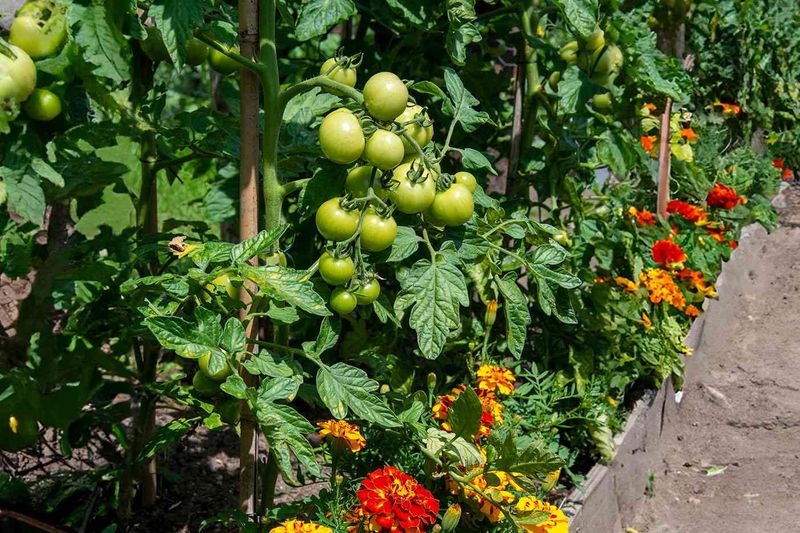
Tomatoes and carrots complement each other by sharing soil nutrients and maximizing garden space. The tomato plants’ height provides shade, reducing carrot heat stress.
This pairing also helps in pest control; tomatoes deter insects that might harm carrots. The root systems of both plants work well together, improving soil structure.
While tomatoes dominate the visual scene with their vibrant fruits, they allow carrots to flourish beneath, creating a visually and nutritionally rich garden plot.
7. Radishes

Radishes are quick growers, making them perfect companions for slower-growing carrots. As they mature faster, radishes help break the soil, benefiting carrot roots.
Their presence deters pests, offering a degree of protection to the carrot crop. Harvesting radishes early allows more room for carrots to expand.
In a home garden, this combination showcases efficient use of space and time, allowing gardeners to enjoy continuous harvests. The peppery bite of radishes complements the sweetness of carrots in culinary dishes.
8. Lettuce

Lettuce, with its tender leaves, makes an excellent companion for carrots. Its low growth habit allows carrots to access sunlight while benefiting from the lettuce’s shade.
This pairing helps in moisture retention, creating a microclimate conducive to carrot growth. Lettuce’s rapid development also acts as a living mulch, suppressing weed growth.
Together, they form a productive alliance, optimizing garden space and offering a continuous supply of fresh salad ingredients, adding diversity and flavor to the garden.
9. Peas

Peas offer nitrogen-fixing benefits, enriching the soil for carrot cultivation. Their climbing nature allows them to use vertical space, leaving ground space for carrots.
This symbiotic relationship enhances soil fertility and structure. While peas climb and reach for the sun, carrots focus on root development, creating a balanced growth environment.
Peas’ green tendrils and delicate flowers add a visual element to the garden, while their presence improves the overall health and yield of carrot crops.
10. Bush Beans

Bush beans, with their compact growth, pair well with carrots, fostering nitrogen-rich soil that benefits both plants. Their mutual growth enhances soil health.
Beans deter pests like beetles, while carrots’ deep roots improve soil aeration. This partnership leads to robust growth, maximizing yield and space in the garden.
Together, bush beans and carrots create a thriving ecosystem, attracting beneficial insects and enriching the soil, making them a favorite among community gardeners.
11. Marigolds

Marigolds are more than just a splash of color; their presence is a natural pest deterrent for carrots. The bright blooms attract beneficial insects, aiding in pollination and pest control.
Their roots release chemicals that deter nematodes, protecting carrot roots. This defensive strategy benefits the entire garden ecosystem.
In addition to their protective nature, marigolds add aesthetic value, creating a tapestry of color that enhances the visual appeal of the garden, making carrots’ green foliage stand out.
12. Parsley

Parsley, with its feathery leaves, is a subtle companion for carrots, offering both visual and practical benefits. It attracts beneficial insects, enhancing garden biodiversity.
The herb’s deep roots improve soil structure, creating ideal conditions for carrot growth. Parsley’s presence ensures a balanced garden ecosystem, supporting healthy development.
This pairing provides a continuous supply of fresh herbs and vegetables, perfect for culinary enthusiasts who appreciate garden-fresh flavors and sustainability in their cooking.
13. Nasturtiums

Nasturtiums add a touch of whimsy to a garden while providing practical benefits for carrots. Their trailing habit creates a natural mulch, suppressing weeds and conserving moisture.
The flowers and leaves are edible, offering culinary diversity. Nasturtiums also attract beneficial insects, enhancing pollination and pest control.
Their vibrant blooms bring a splash of color, contrasting beautifully with the green carrot tops. This lively pairing transforms a garden into an enticing and functional space, enriching both plant life and culinary options.
14. Cilantro (Coriander)

Cilantro, or coriander, brings a pungent aroma that deters pests, protecting carrots from infestations. Its finely divided leaves create a lush backdrop.
Cilantro’s quick growth habit allows for sequential planting, maintaining garden productivity. As it bolts, cilantro attracts beneficial insects, aiding pollination.
In an Asian-themed garden, cilantro and carrots together offer a harmonious blend of flavors and aesthetics, inviting culinary inspiration and tranquility into the gardening experience.
15. Thyme
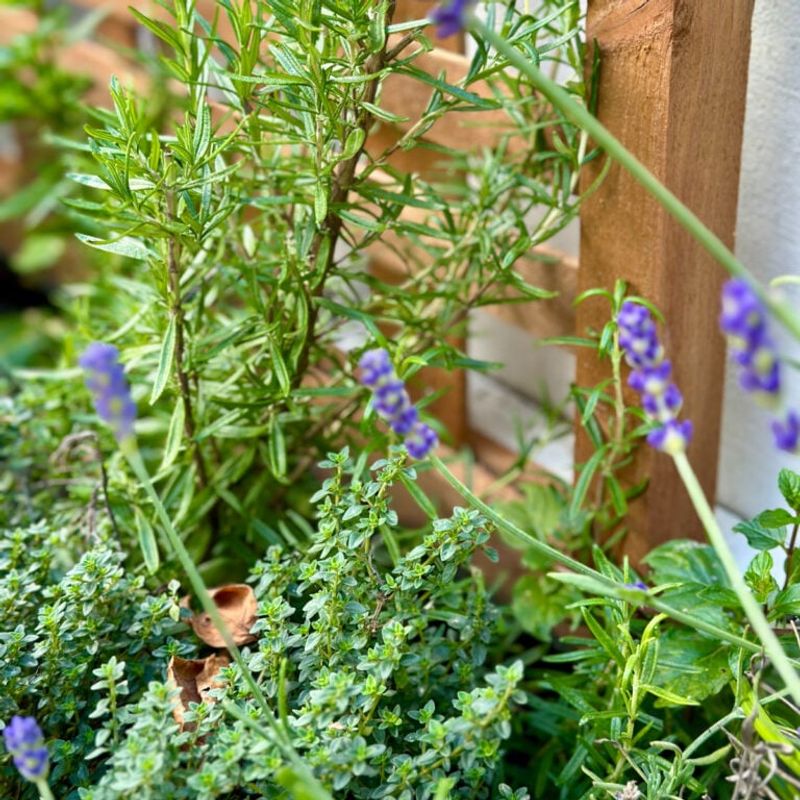
Thyme, with its aromatic leaves, offers a protective shield against pests for carrots. Its low-growing nature provides excellent ground cover, reducing weed competition.
This herb thrives in the same conditions as carrots, sharing nutrients without overcrowding the roots. Thyme’s presence enhances the growth and flavor of carrots.
In a Mediterranean setting, thyme and carrots create a culinary and visual feast, celebrating the harmony between herbs and vegetables, enriching both the garden and the table.
16. Chamomile
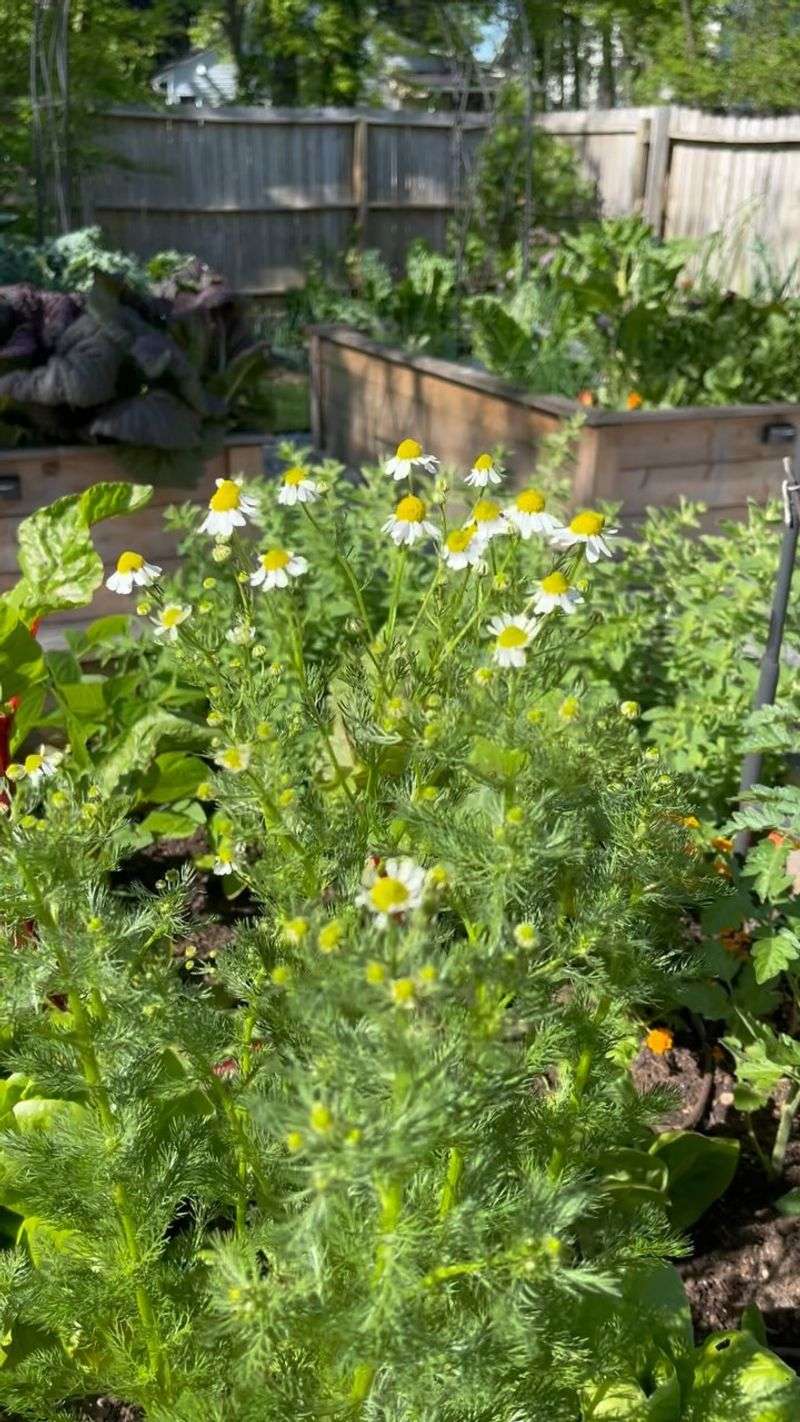
Chamomile, often known for its calming qualities, extends its benefits to carrots by enhancing their flavor and growth. Its delicate flowers attract pollinators, boosting garden biodiversity.
The herb releases nutrients into the soil, which carrots readily absorb, resulting in healthier growth. Chamomile’s presence creates a serene garden atmosphere.
In an English garden, this combination provides both visual appeal and practical benefits, transforming the garden into a place of beauty and productivity, ready for tea and tranquility.
17. Yarrow
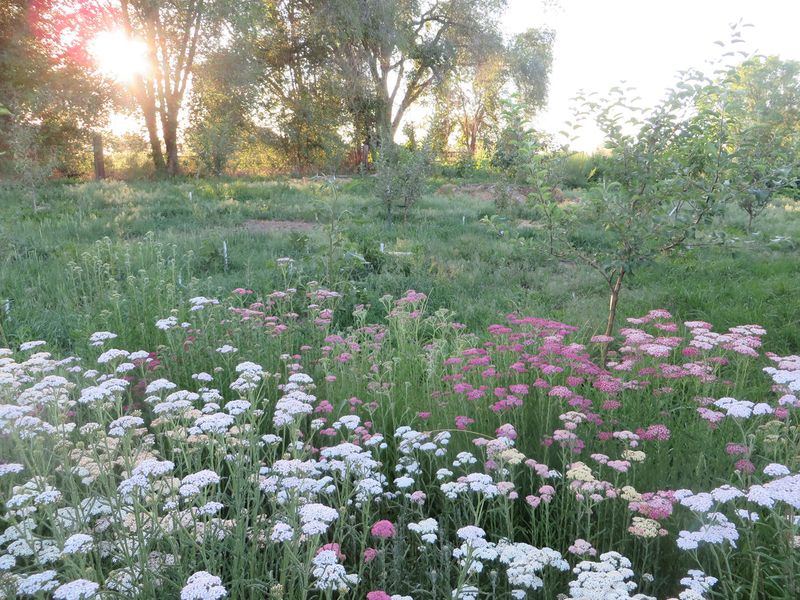
Yarrow’s feathery foliage and clusters of tiny flowers create a beautiful backdrop for carrot crops. It attracts beneficial insects, such as ladybugs, which help control pests.
The plant’s deep roots improve soil structure, allowing carrots to thrive. Yarrow’s presence increases the garden’s resilience and biodiversity.
In a meadow garden, yarrow and carrots together create a landscape of natural beauty, blending wild charm with practical gardening benefits, offering a sanctuary for both plants and pollinators.
18. Borage

Borage, with its starry blue flowers, is a magnet for pollinators, enhancing the productivity of carrot crops. Its presence enriches the garden ecosystem with beneficial insects.
Borage’s sprawling habit creates ground cover, retaining soil moisture and suppressing weeds. This plant also improves soil quality, benefiting carrots’ growth.
Together, borage and carrots form a dynamic duo, bringing vibrancy and life to the garden, turning it into a haven for bees and butterflies while supporting healthy vegetable growth.
19. Flax
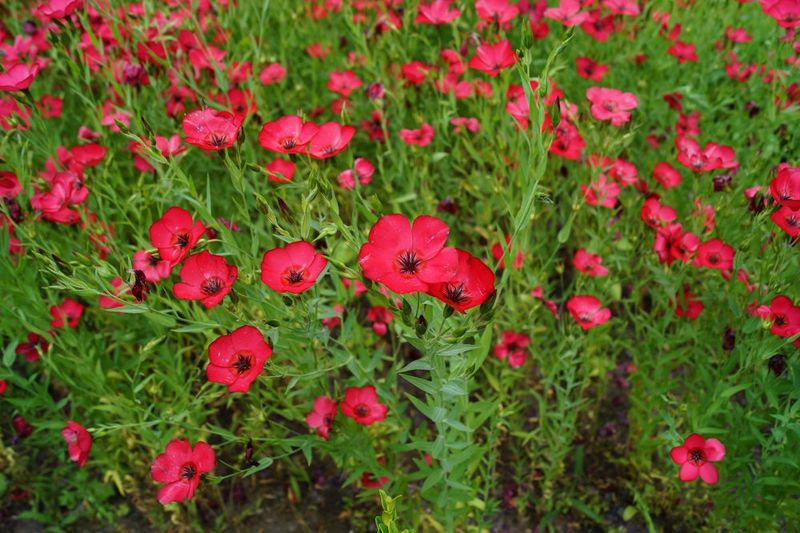
Flax, with its slender stems and delicate blue flowers, adds an elegant touch to a garden. It plays a crucial role in attracting beneficial insects and improving soil health.
Its deep roots help aerate the soil, providing a perfect environment for carrots to grow robustly. The natural fiber from flax can also be harvested, adding another layer of utility.
In a sustainable garden, flax and carrots come together to create a harmonious blend of beauty and practicality, enriching the garden’s productivity and aesthetic appeal.
20. Dill (in moderation)
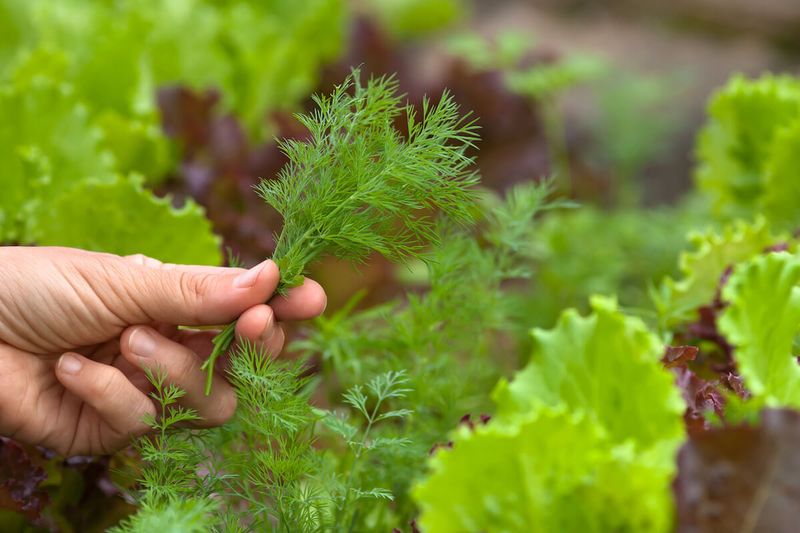
Dill, used sparingly, can be an ally to carrots, attracting beneficial insects like predatory wasps. Its feathery fronds add a delicate texture to garden aesthetics.
However, in large amounts, dill may compete with carrots for nutrients. Careful planting ensures mutual benefits without competition. The fragrant herb enhances soil structure and flavor of carrots.
In a kitchen garden, dill and carrots together create a tapestry of flavors and textures, inviting culinary creativity and supporting a healthy garden ecosystem.
21. Oregano
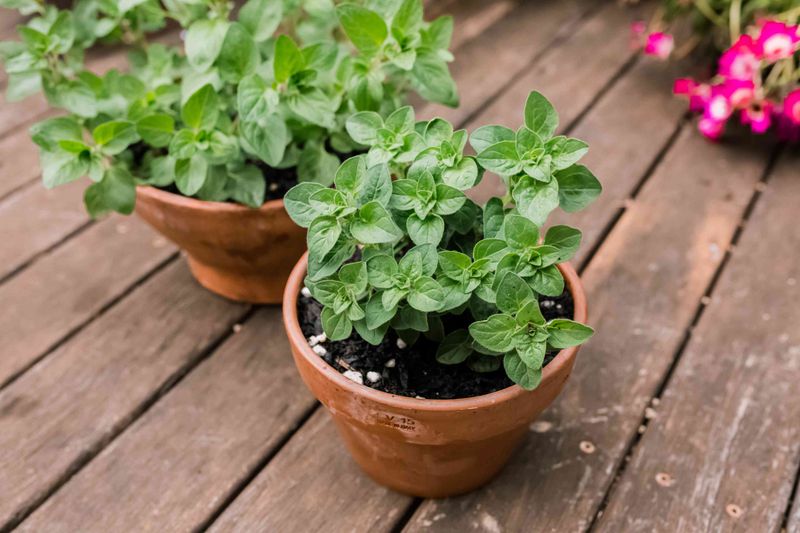
Oregano, with its robust flavor and aromatic leaves, acts as a natural pest deterrent for carrots. Its spreading growth habit covers soil, reducing weed competition.
The herb thrives in similar conditions to carrots, sharing resources without overshadowing them. Oregano’s presence enhances the aromatic profile of the garden, adding a Mediterranean touch.
In a Mediterranean herb garden, oregano and carrots together create a symphony of flavors and scents, promoting both culinary delight and effective pest management.