
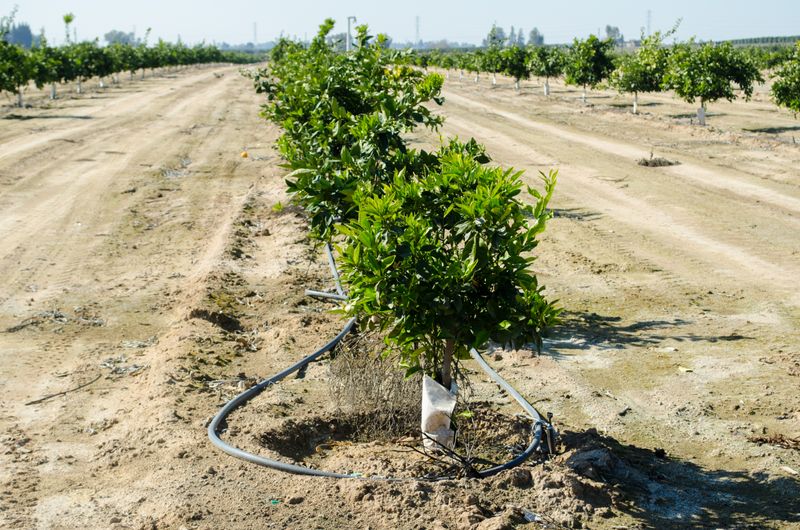
Your citrus tree does not read the calendar. It responds to what is happening in the soil around its roots.
When cool rain moves in, a summer watering routine can keep the ground wetter than the roots like. When winter turns dry, though, the same tree may still need a drink, so here is how to check and adjust.
Why the summer schedule may stop fitting
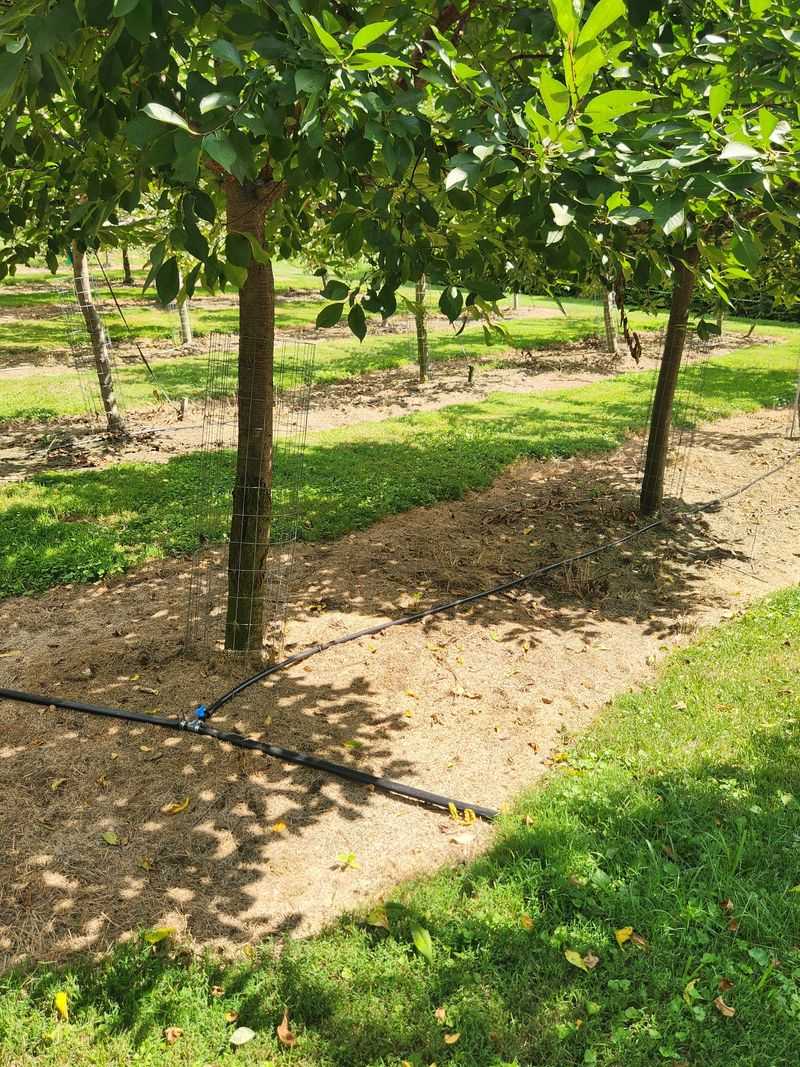
A timer set in July is built for heat. Days are long, soil dries fast, and the tree is pulling water hard.
Once the weather cools and rain arrives, that same schedule can keep adding water to soil that is already damp. Citrus roots need air as well as water, and soil that stays soggy for long stretches leaves little room for oxygen.
The risk is real, and it is highest where drainage is poor. UC IPM guidance on water deficit and excess explains that waterlogged soil can damage roots because they cannot get enough oxygen.
Wet conditions can also favor root and crown diseases, including Phytophthora, which is described in UC IPM information on Phytophthora gummosis of citrus.
Still, this does not mean every citrus tree needs less water as winter approaches. California has a wet-winter, dry-summer pattern, but that is an average.
Some neighborhoods get steady rain, while others get a few light showers and long dry gaps. UC ANR drought guidance on irrigating citrus is a reminder that local rainfall and soil conditions decide how much extra water a tree needs.
So the question is not what month it is. The question is how wet the soil is around your tree right now, and the rest of this guide shows you how to answer it.
Check whether rain reached the soil around the roots
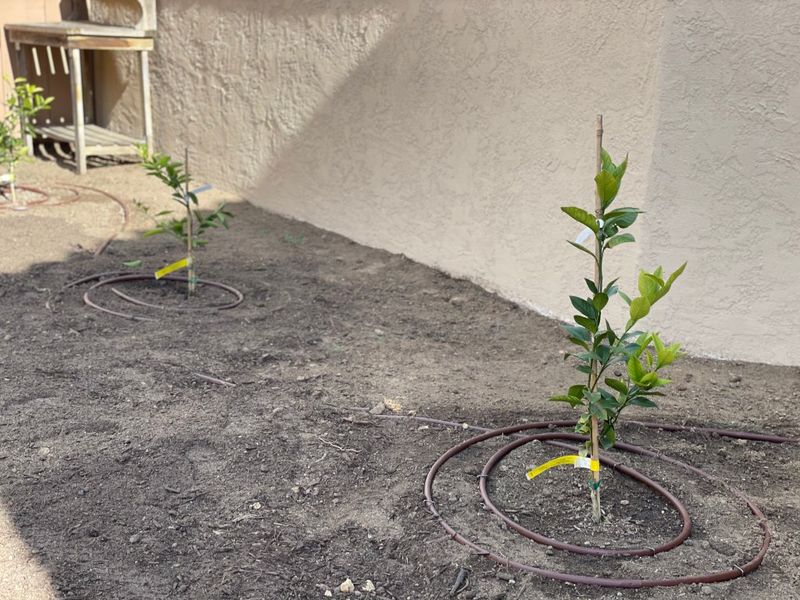
A rainy forecast does not tell you what happened underground. Heavy mulch, a tight canopy, a slope, or clay soil can all keep water from reaching the roots, while a long soaking rain on sandy soil may drain away quickly.
The reliable way to know is to look at the soil itself.
Push a trowel or your fingers into the ground under the canopy and feel what is there. UC Master Gardeners of Santa Clara County suggest letting the top 3 to 6 inches of soil dry before watering established citrus.
Treat that as a useful regional check, not a rule for every yard in California, since soils and climates differ from the coast to the valleys to the foothills.
If the soil at that depth is still damp and cool, wait and look again in a few days. If it is dry and crumbly, the tree may be ready for water even in a month you expected to be wet.
UC IPM guidance on watering citrus also stresses that watering should follow the needs of the tree and the conditions around it.
Make it a habit to check after storms and again during dry weeks. A few minutes with a trowel beats guessing every time.
Adjust irrigation for established trees
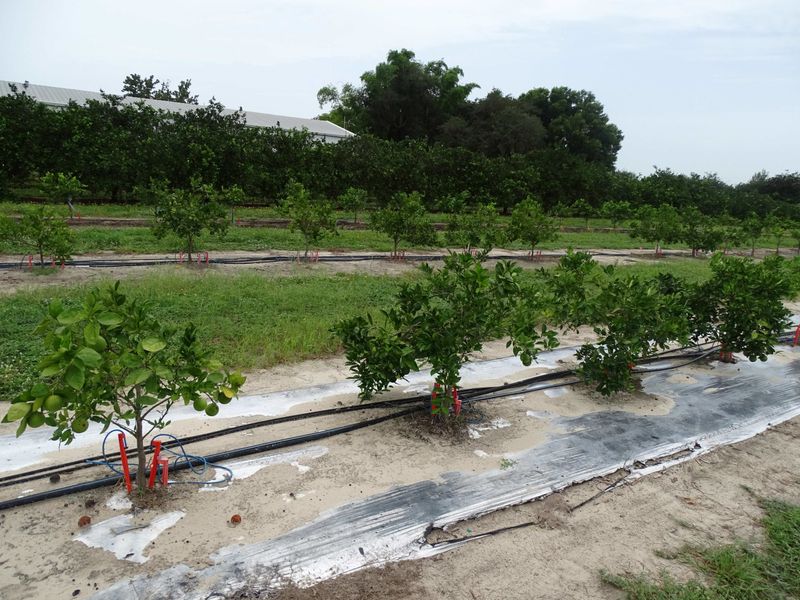
Once a tree has settled in, it can usually handle a pause. When rain has soaked the root zone, reduce or skip your scheduled irrigation.
Your controller can be set to run less often, or you can switch it off for a while and turn it back on when the soil tells you to.
Before you water again, reassess. If the soil has partly dried and rain has not kept up, give the tree a good drink.
UC IPM notes that established trees may need no irrigation during rains, but that citrus can need supplemental water in winters with little rain. There is no single number of minutes or gallons that fits every yard, so let the soil guide you.
Where you put the water matters too. Wet the soil beneath the canopy and somewhat beyond the drip line, where much of the feeding root zone sits.
Repeatedly watering beside the trunk keeps the wrong spot wet. Keep irrigation water off the trunk and the root crown, and if you use mulch, UC Master Gardeners recommend keeping it 6 to 12 inches away from the trunk.
Moving a drip emitter outward as the tree grows is a small change that often makes a big difference.
Monitor newly planted trees more closely

A tree planted this year lives in a much smaller world. Its roots are still mostly inside the original root ball, so a few dry days can matter more than they would for a mature tree next door.
That is why the advice for established trees does not carry over. Cutting back an older tree’s schedule does not mean pausing a recent planting.
UC Master Gardeners of Santa Clara County advise keeping the root ball of a young tree moist but not saturated, and checking it more often because its root system is limited.
In practice, gently feel the soil in the root ball and just outside it every few days. If it is damp, hold off.
If it is drying, water slowly so the moisture soaks in. Soggy is a problem here too, so do not leave the root ball swimming.
After rain, check again. A sapling in a raised, fast-draining spot may dry out between storms, while one in a low, heavy-soil spot may stay wet for days.
Your fingers will tell you which situation you have.
Make sure excess water can drain away
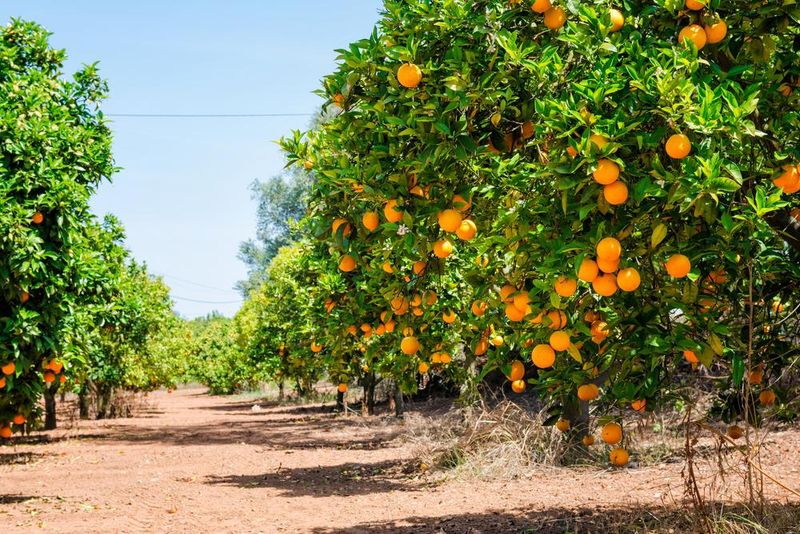
Good timing helps, but drainage does half the work. Citrus does poorly in waterlogged soil, and UC IPM recommends good drainage and warns against overirrigating.
If puddles linger around your tree for a day or more after rain, the site may be holding too much water for its roots.
The simple principle is that water should be able to move away from the root zone. Look at where downspouts, slopes, and paving send runoff.
Keeping irrigation off the trunk and root crown also matters, because Phytophthora gummosis can develop where the base of the tree stays wet.
Be careful about reading symptoms. Yellow leaves can come from cold, wet soil that impairs roots, as the Santa Clara County Master Gardeners note, but other causes can look similar, including dry soil and nutrient problems.
Yellowing alone is not proof of overwatering.
Before changing anything, check the soil, look at the drainage, and inspect the trunk base. Those clues together tell you far more than leaf color alone.
Treat dry spells and frost forecasts as separate cases
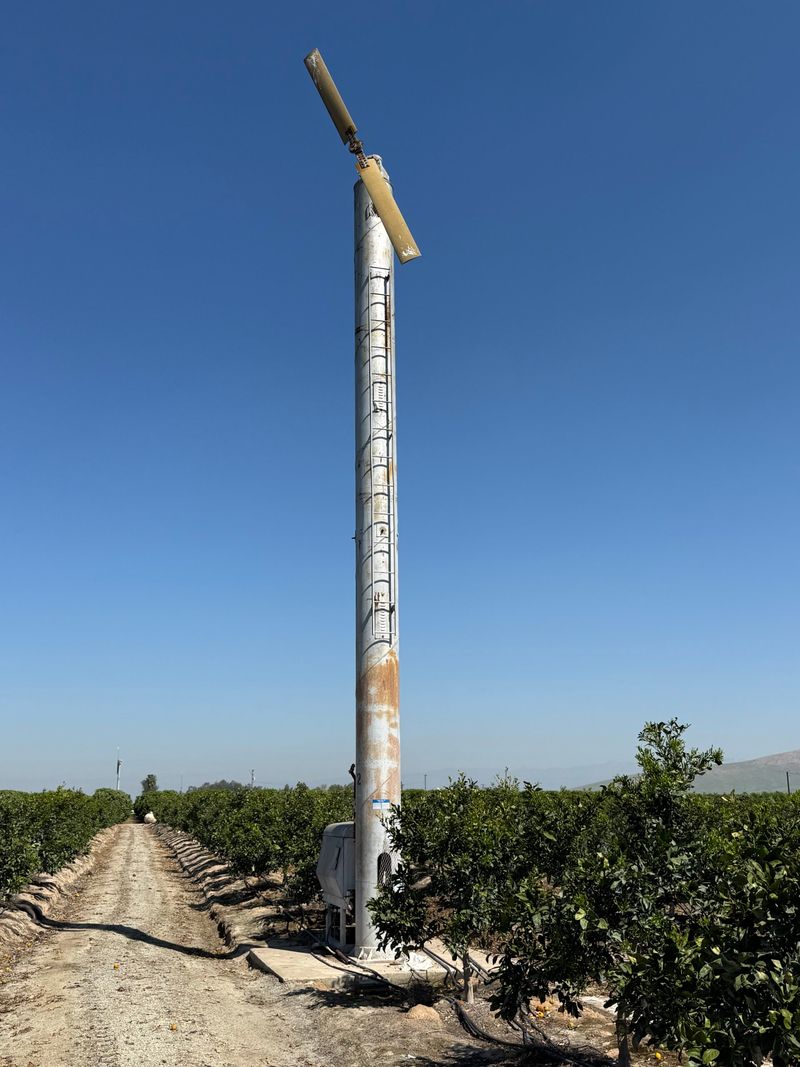
Winter does not automatically mean a break from watering. Citrus is evergreen, and a rainless stretch can leave the soil dry even in January.
When that happens, check the soil and water if it calls for it. UC ANR drought guidance reminds growers that rain varies by place and year, and that supplemental irrigation may be needed when rain falls short.
Frost is a different situation with a different reason for watering. When freezing weather is forecast, UC IPM recommends irrigating dry topsoil at least three days beforehand.
Moist soil can absorb more heat during the day and radiate it back at night, which helps protect the tree.
That advice is a one-time frost measure, not a reason to keep the ground wet all winter. If the topsoil is already damp from recent rain, there is nothing to add.
Watering a cold, soggy site just creates the low-oxygen conditions you were trying to avoid.
A simple way to keep the two straight: dry spell, check and water as needed. Freeze forecast, check the topsoil early and water only if it is dry.
Both cases come back to the same habit of looking at the ground before turning on the water.
Water stress can affect fruit, but a fall adjustment is no guarantee
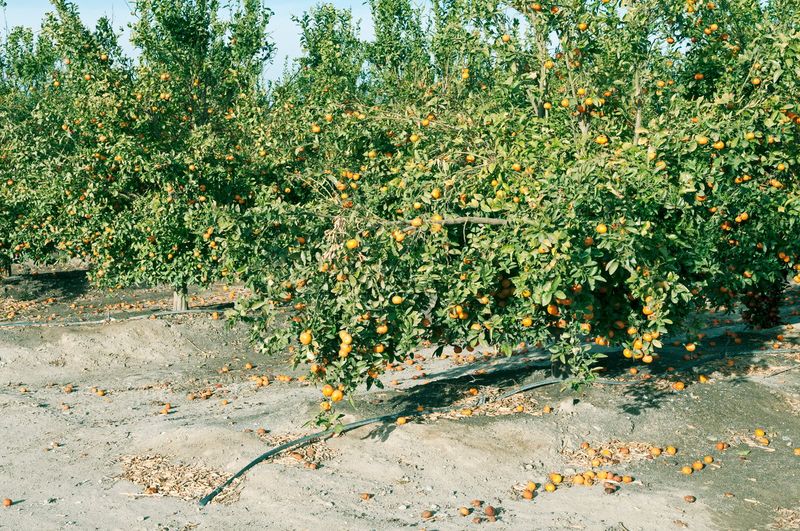
It is tempting to think that a perfect fall watering plan will lead to a bigger harvest next year. The research is more specific than that.
UC ANR work on regulated deficit irrigation points to two sensitive windows: flowering and fruit set, and the period of rapid fruit growth.
Water stress during flowering can increase flower and young-fruit drop. Stress during rapid growth can lead to smaller fruit.
Those are findings about how trees respond at certain stages, and they do not show that a particular late-fall change will protect next year’s crop.
Varieties also differ. Some, including coastal lemons, can carry fruit at more than one stage at the same time, so water needs and the effects of stress can overlap.
A lemon with blossoms and ripening fruit on the same branch is a good example.
It is also wise to treat orchard research as a guide to how plants behave rather than a recipe for a home yard. The takeaway is to avoid letting your tree go truly dry during its flowering and fruit-growth periods, while avoiding soggy soil the rest of the time.
Use soil conditions—not the calendar—to decide when to water
Start with the soil. Check it, count the real rain that fell, and treat a new planting differently from an established tree.
Water when conditions are dry, and make sure extra water has somewhere to go, as UC IPM, the Santa Clara County Master Gardeners, and UC ANR all point toward in their own ways.
Your yard is not anyone else’s yard, so let it set the pace. The goal is to avoid both lasting sogginess and neglect during dry winter spells.
A tree that gets watered by the soil, not the clock, tends to tell you what it needs.