

Mosquitoes in a Texas summer can turn a backyard into a place you avoid rather than enjoy, and the idea of letting nature handle the problem sounds appealing. Bat houses have become a popular suggestion for homeowners who want a chemical-free fix, and bats genuinely do eat insects, including mosquitoes. The catch is that one small box in your yard will not reliably clear the air the way a good spray might, and the science behind the mosquito-control promise is shakier than most marketing suggests. Understanding what a bat house can and cannot do helps you decide whether it belongs in your yard and how to use it alongside other tools that actually work.
A bat house is habitat, not a mosquito-control machine
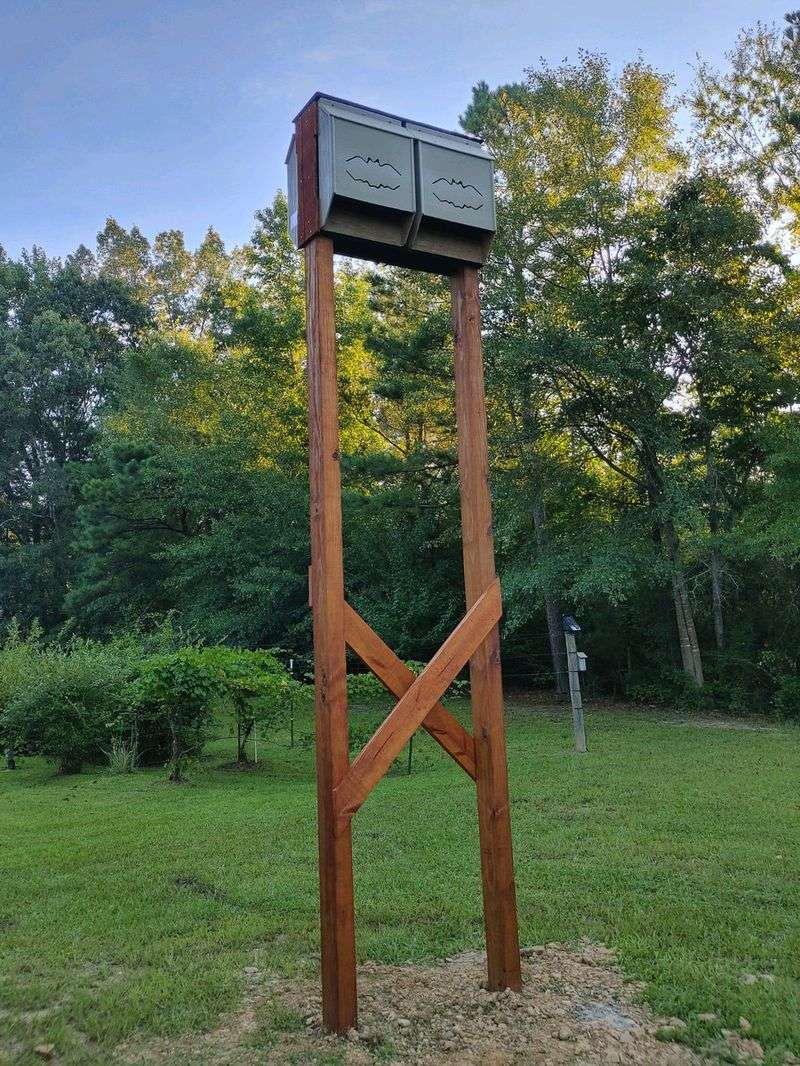
Bat houses get sold on a simple promise: put one up and watch the mosquitoes disappear. That promise is worth questioning before you spend a weekend on a ladder. Bats do eat insects, some species consume mosquitoes regularly, and a well-built artificial roost can give local bats a place to rest and raise young. Those two facts are real and worth building on.
What they do not add up to is a reliable mosquito-control system for a Texas yard.
A University of Florida IFAS extension publication on insect pest management services provided by bats states that most bats consume relatively small quantities of mosquitoes and are unlikely to control large mosquito populations. University of Illinois research on artificial roosts similarly reports no evidence that foraging bats significantly reduce mosquito populations at a neighborhood or yard scale. Neither finding means bats are useless neighbors. It means the pest-control pitch oversells what a small box can deliver.
Think of a bat house the way you might think of a bluebird box or a native-plant pollinator patch. You are adding habitat for a wild animal that plays a role in the local food web. The ecological contribution is meaningful on its own terms, even when the direct effect on the insects buzzing around your patio chair is modest or unmeasured. Positioning the project that way protects you from disappointment and keeps the focus where it belongs: on responsible habitat installation rather than an exterminator’s guarantee.
A bat house will not replace source reduction, targeted larval control, or EPA-registered repellents when mosquito pressure is high. Used alongside those measures, it can be a worthwhile addition to a Texas yard that values native wildlife. Used instead of them, it will probably leave you swatting through July.
What bats eat matters more than the slogan
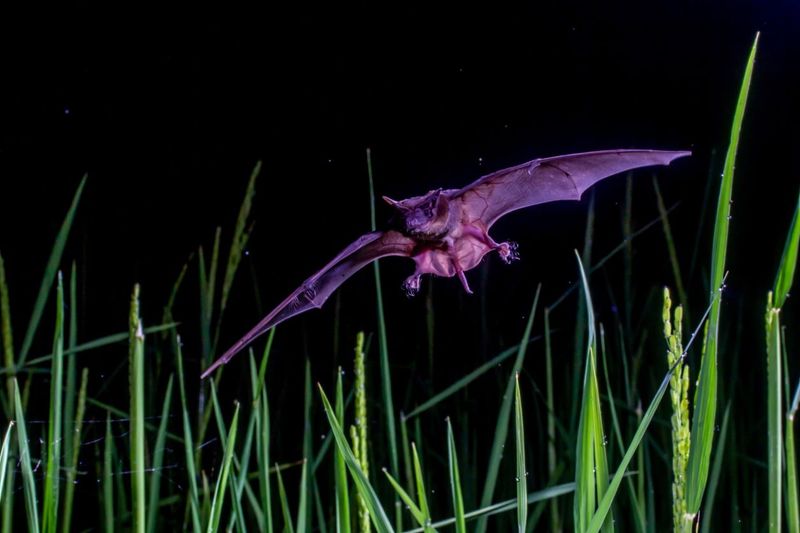
The phrase “bats eat mosquitoes” shows up on nearly every bat house product description and wildlife blog, and it is technically accurate. The problem is that accuracy at the species level does not translate into a predictable outcome in your specific backyard on a specific August evening.
A U.S. Forest Service study on mosquito incidence in the diets of little brown and big brown bats confirmed that mosquitoes do appear in those species’ diets using DNA-based analysis. The same study noted that evidence for bats as significant mosquito consumers had historically been limited. Bats are generalist hunters.
Depending on the species, the season, local prey availability, and weather conditions, they may be eating moths, beetles, crane flies, and a range of other flying insects on any given night. Mosquitoes can be part of the menu, but they are rarely the whole meal.
Widely circulated claims that bats eat 600, 1,000, or even 1,200 mosquitoes per hour come from a narrow set of studies conducted under artificial or highly controlled conditions. A review of mosquito consumption by insectivorous bats found that those figures do not describe typical foraging across diverse species, seasons, and habitats. Using them as a forecast for your backyard box is like assuming every fishing trip produces a trophy catch because one angler once had a great day.
One controlled enclosure study did find that bats altered mosquito egg-laying behavior, which is genuinely interesting. Changing where mosquitoes choose to lay eggs is not the same as reducing the number of mosquitoes flying around your yard. Those are two different outcomes, and only one of them gives you a more comfortable evening outside.
Texas has bats, but a backyard box still has to fit the landscape
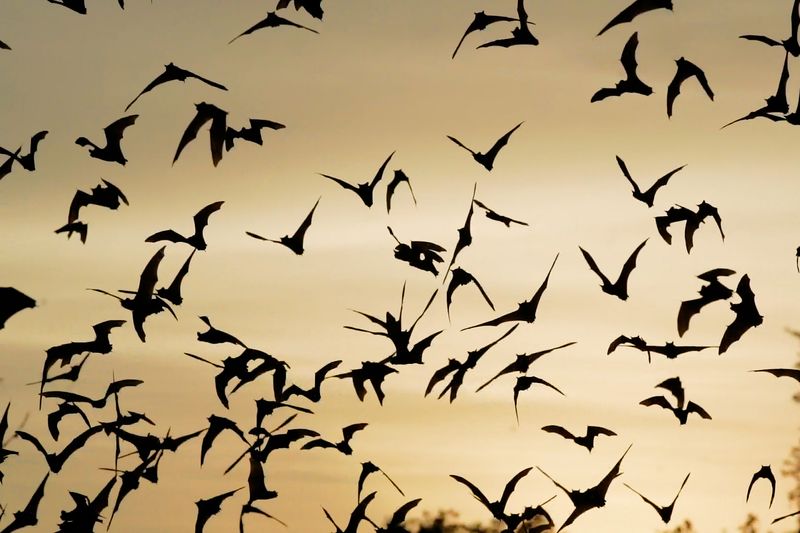
Texas genuinely is exceptional bat country. The state hosts more than 30 bat species, and Texas Parks and Wildlife Department bat-watching sites document spectacular colonies at locations like Austin’s Congress Avenue Bridge and Bracken Cave near San Antonio, where millions of Mexican free-tailed bats roost during warmer months. That abundance is real, and it does mean local bat populations exist that could, under the right conditions, use a well-placed artificial roost.
Mexican free-tailed bats are among the most common species across the state, but they migrate south for winter, which means their presence is seasonal. A backyard box in Central Texas may sit empty from late fall through early spring. Even during peak summer months, occupancy is not guaranteed. A box cannot conjure bats from a landscape that lacks suitable foraging habitat, open water, established travel routes, or an existing local population large enough to be looking for additional roost space.
TxDOT’s statewide bat habitat program has installed large artificial roost structures to replace bridge crevices used by free-tailed bats during construction and repair projects. Those installations involve careful engineering, site selection, and monitoring for colonies that already exist in specific locations. They are a useful proof of concept that Texas bats will use engineered structures, but a purpose-built bridge roost designed for an existing colony of thousands is a very different proposition from a retail box hung in a suburban backyard.
Bat Conservation International’s guidance on bat houses is clear that occupancy depends on local bat populations, roost design, temperature management, mounting location, access to sunlight, nearby habitat quality, and proximity to water. Every one of those variables matters. Placement and design can improve the odds, but no combination of them guarantees a resident colony.
The Texas heat makes design and temperature control essential
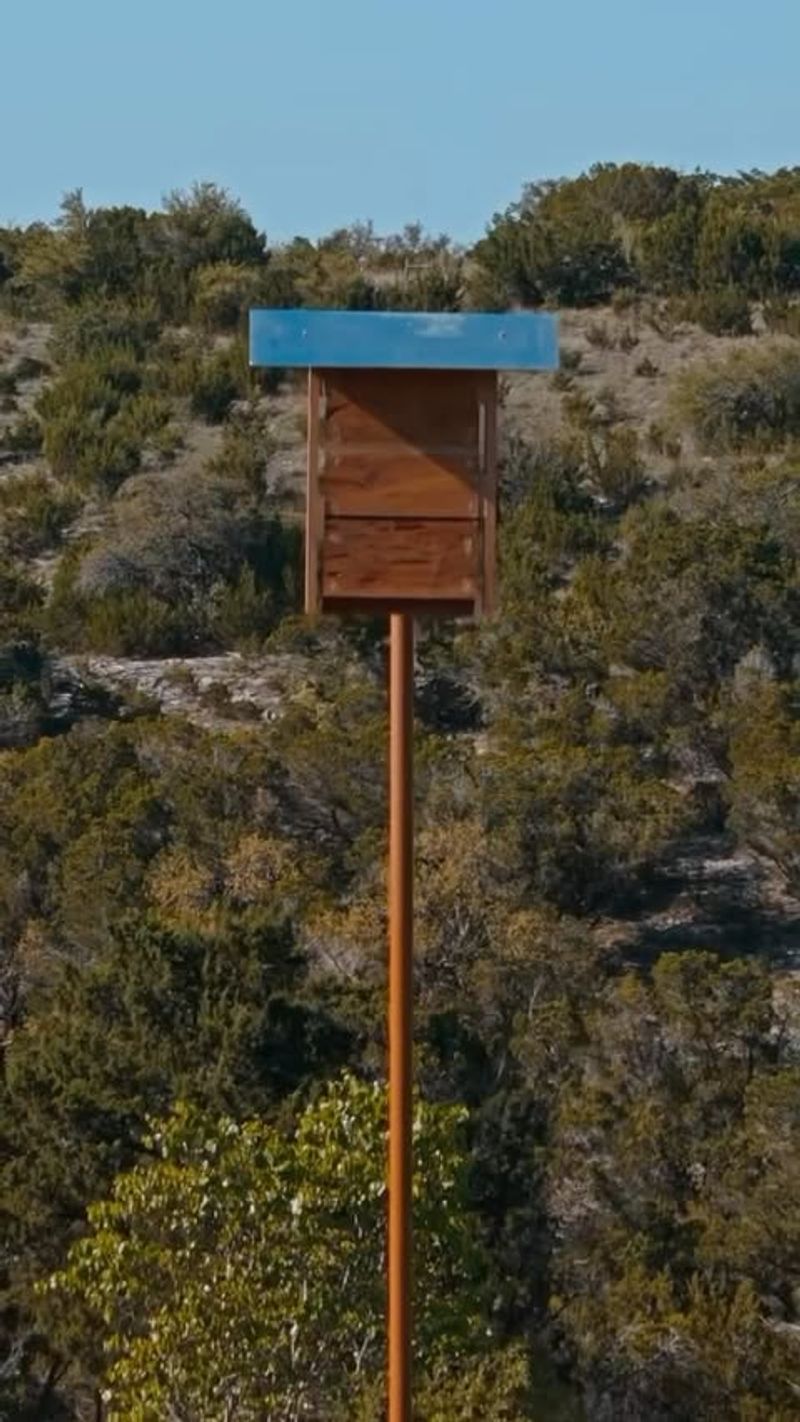
Buying or building the wrong bat house for a Texas climate is not just a wasted investment. A poorly designed box can create a death trap during a July heat wave, exposing bats to temperatures that exceed what they can survive. Overheating is one of the most consistent problems documented in artificial roost research, and Texas summers make it a serious concern across much of the state.
Bat Conservation International’s bat house design standards identify several features that separate a functional roost from a decorative box. Interior surfaces should use rough, untreated wood, with horizontal grooves or a similar texture that gives bats secure footholds when hanging. Seams need to be sealed so the interior stays dry and structurally stable. Ventilation gaps sized appropriately for the climate allow heat to escape without creating drafts that chill smaller colonies in cooler weather.
Interior mesh or screening should be avoided entirely because it can snag bat wings and trap animals inside.
Exterior finishes matter more in Texas than in cooler states. A dark stain or paint that helps a house reach optimal temperature in Minnesota can push interior temperatures past 120 degrees Fahrenheit in South Texas or Houston during August. Climate-appropriate exterior color, typically medium to dark tones in northern parts of the state and lighter options in the hottest southern regions, helps keep the interior within the range bats prefer. Interiors should never be painted or stained.
Water-based exterior products are recommended for any painted surfaces.
Multi-chamber designs that let bats move between warmer and cooler sections give a colony more flexibility to thermoregulate as conditions shift through the day and across seasons. That thermal flexibility is particularly valuable in Texas, where morning and afternoon temperatures can swing dramatically and summer highs are unrelenting. A single-chamber house with no shade management and a dark exterior can become uninhabitable in the hottest weeks, which are exactly the weeks when you most want bats active in your yard.
Placement affects whether bats can use the house
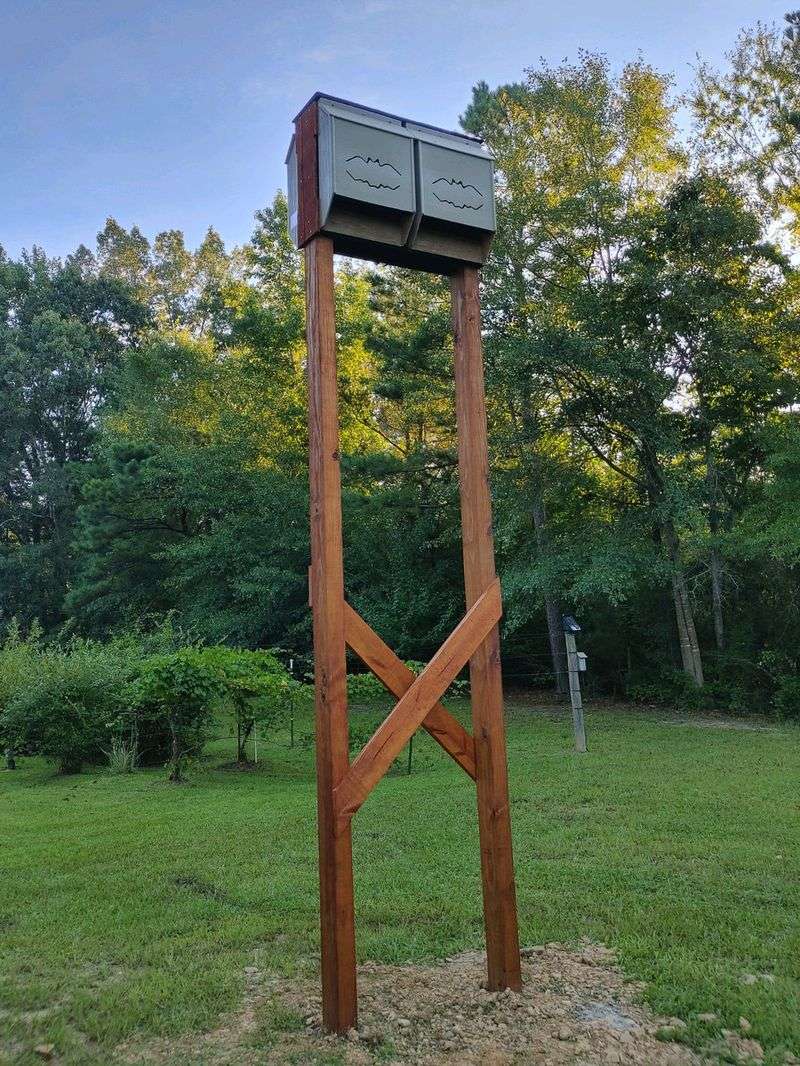
Getting a bat house off the ground, literally, is one of the most consequential decisions in the installation process. Bat Conservation International’s siting guidance recommends mounting the house roughly 12 to 20 feet above ground or above the tallest surrounding vegetation, whichever is higher. Bats need clear, unobstructed airspace below the exit hole so they can drop into flight when leaving the roost. Branches, shrubs, or structures that crowd the exit make the house harder to access and easier for predators to reach.
Mounting on a building exterior or a sturdy freestanding pole tends to outperform tree mounting. Trees shift in the wind, can bring branches too close to the house over time, and give climbing predators like raccoons and rat snakes an easier path to the entrance. A metal pole with a predator guard provides a more stable and secure platform.
Nearby water is one of the stronger predictors of bat house success. Bats drink on the wing, which means they need open water they can skim without landing. A pond, creek, or even a large water feature within a reasonable distance of the house makes the site more attractive. Yards that are far from any standing or flowing water are at a disadvantage regardless of how well the house is built.
BCI’s orientation guidance for hot southern climates generally favors east-facing placement, which captures morning sun to warm the roost early in the day while limiting exposure to intense afternoon heat from the west. That said, local shade patterns, building orientation, and microclimatic conditions in your specific yard all affect the best choice. There is no single correct answer for every Texas property. Two houses positioned within roughly 100 meters of each other and oriented differently can give bats a choice of temperature environments, which improves habitat flexibility without promising any particular outcome for mosquito populations.
Pair the bat house with mosquito measures that target breeding sites
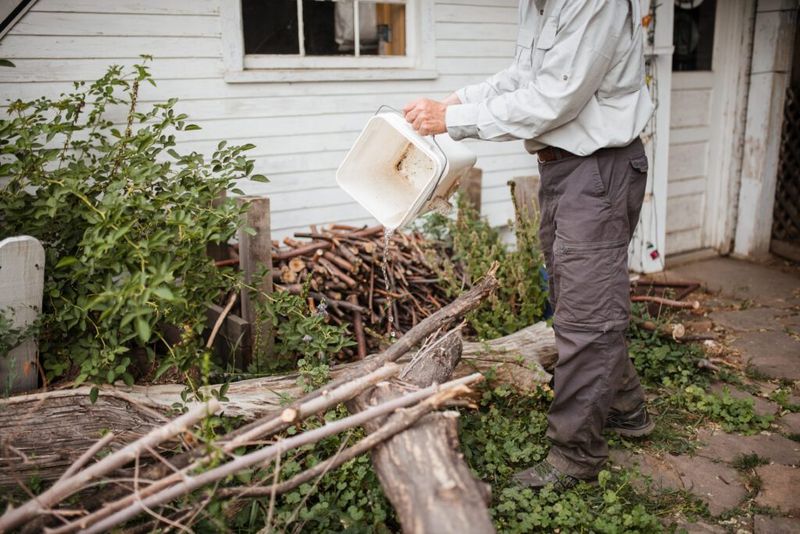
Standing water is where mosquito problems actually begin, and no bat house changes that equation. Female mosquitoes need only a bottle cap’s worth of water to lay eggs, which means gutters clogged with debris, plant saucers that never dry out, forgotten buckets, old tires, birdbaths refreshed infrequently, and toys left in the yard after rain can all sustain a breeding population within feet of your back door. Eliminating or regularly emptying those containers is the single most effective step most Texas homeowners can take.
EPA’s joint statement on mosquito control describes mosquito management as a multifaceted process that combines source reduction, surveillance, larval control, and adult control when appropriate. No single tool covers every situation. Source reduction handles the breeding sites you can eliminate. Larvicides, such as Bti-based dunks or granules, treat water you cannot drain, like ornamental ponds or rain barrels.
Adult control through targeted spraying addresses active populations when other measures fall short.
Texas A&M AgriLife’s backyard mosquito control guidance walks through product options including foggers and residual sprays, with an emphasis on following label directions carefully and choosing the right active ingredient for the situation. These tools require thoughtful use, but they are not inherently more harmful than a poorly placed bat house that never gets occupied. The goal is a layered approach where each measure handles what it does best.
Personal protection fills the gaps that yard-level control cannot close. EPA guidance on preventing mosquito bites recommends EPA-registered repellents containing DEET, picaridin, IR3535, or oil of lemon eucalyptus, along with long sleeves and pants during peak mosquito hours and well-maintained window and door screens. A bat house is an optional ecological complement to these steps, not a reason to skip them when mosquito pressure is genuinely high.
Respect bats and manage the house without creating a health hazard
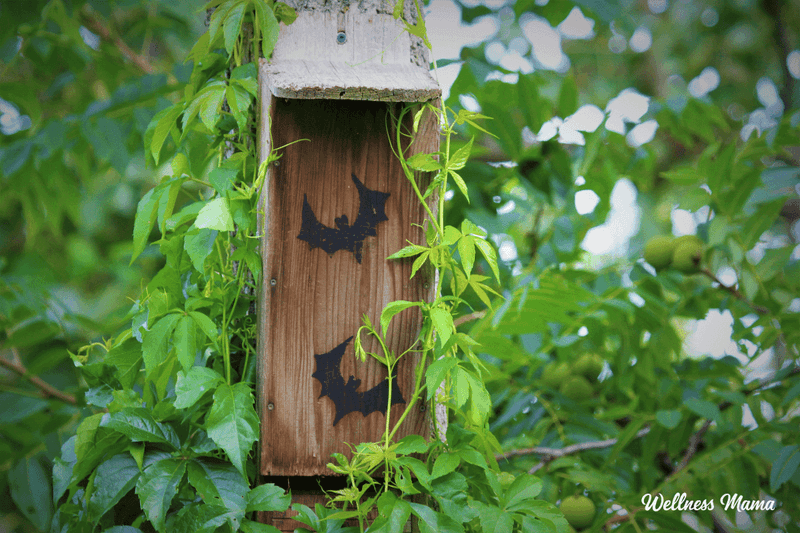
Bats are wild animals, and a bat house that works the way you hope will eventually contain them, along with their droppings and the occasional individual that dies inside or below the roost. Managing that reality safely is straightforward as long as you know the two main risks and how to handle them proportionately.
The first concern is direct bat contact. Texas DSHS identifies bats as one of the commonly rabies-infected wildlife groups in the state and advises against any handling of sick, injured, or dead bats. If you find a bat on the ground, acting disoriented, or apparently trapped somewhere in your home, do not pick it up with bare hands. If you cannot rule out the possibility that a bat made direct skin contact with you or anyone in your household, including during sleep, seek medical and public-health advice promptly.
Bat bites are small and can be difficult or impossible to see on the skin, which is why possible contact cannot be dismissed without professional evaluation.
The second concern involves guano. Small, routine deposits below an outdoor bat house are a normal part of having an occupied roost and do not require alarm. The hazard arises when accumulated droppings are disturbed in a way that sends dust into the air. CDC/NIOSH guidance on histoplasmosis prevention warns against dry-sweeping or aggressively disturbing bat droppings because the dust can carry Histoplasma spores.
Wetting the area before cleanup, wearing an N95 respirator, and using gloves are practical precautions for routine maintenance. Large indoor accumulations or heavily contaminated areas may require a professional remediation approach.
Watching bats emerge from an occupied house at dusk is genuinely enjoyable and carries no meaningful health risk for observers who maintain a reasonable distance. The precautions above apply to hands-on contact and cleanup, not to the ordinary experience of having bats as backyard neighbors.
Install one for the bats, and treat mosquito relief as a bonus
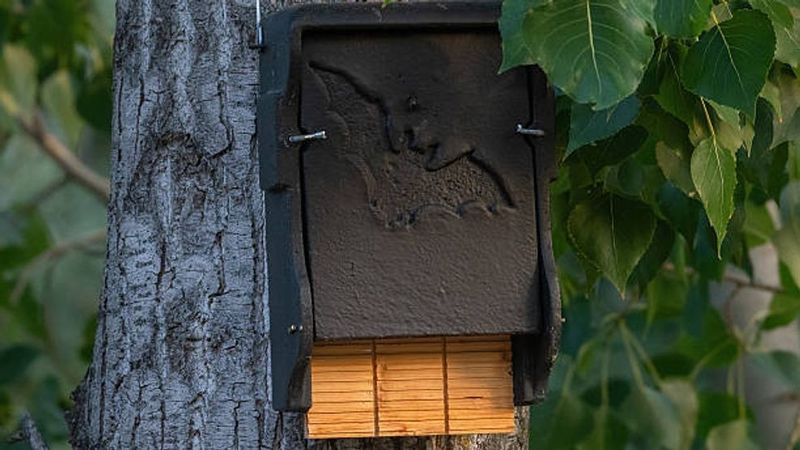
A well-designed, properly sited bat house can add genuine roosting habitat to a Texas yard, and that is a worthwhile goal on its own. Bat Conservation International notes that occupancy depends on many local factors, and success is never guaranteed regardless of how carefully you follow the guidelines. Going in with that expectation keeps the project honest.
Mosquito relief may come with an occupied house, but University of Florida extension research is clear that bats are unlikely to control large mosquito populations, and no evidence positions a single backyard box as a replacement for integrated mosquito management. When summer mosquito pressure is high, EPA’s mosquito management framework still applies: remove standing water, use larval control where needed, apply registered repellents, and add targeted adult control when the situation calls for it.
Judge the bat house by what it actually delivers: a chance to support native wildlife, a small contribution to the local insect-eating guild, and the quiet pleasure of watching bats circle your yard at dusk. Any reduction in mosquito biting is a welcome side effect, not a guaranteed return on investment.