
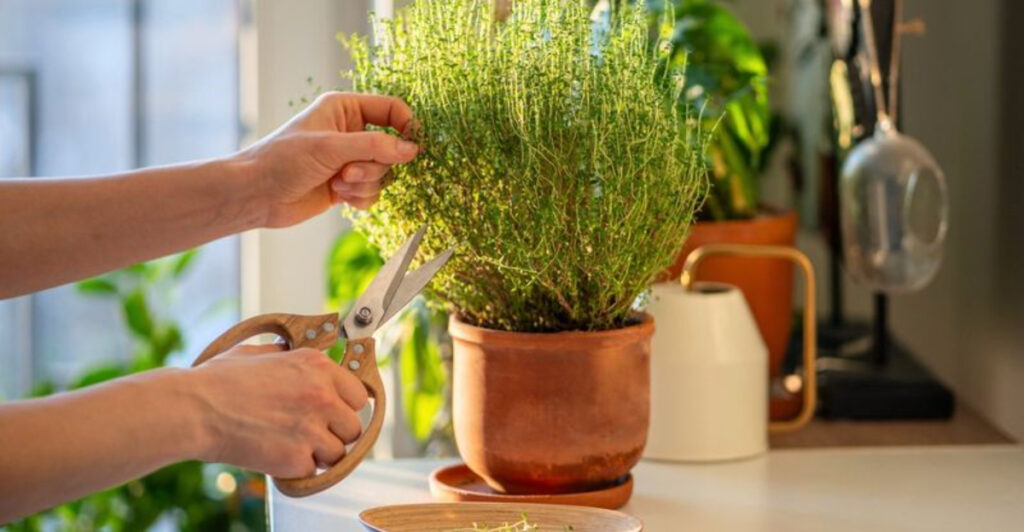
Growing herbs indoors during the chilly Illinois winters can be a rewarding and aromatic experience. This guide explores the top ten herbs that thrive in indoor conditions, offering fresh flavors and a touch of green to your home.
1. Mint
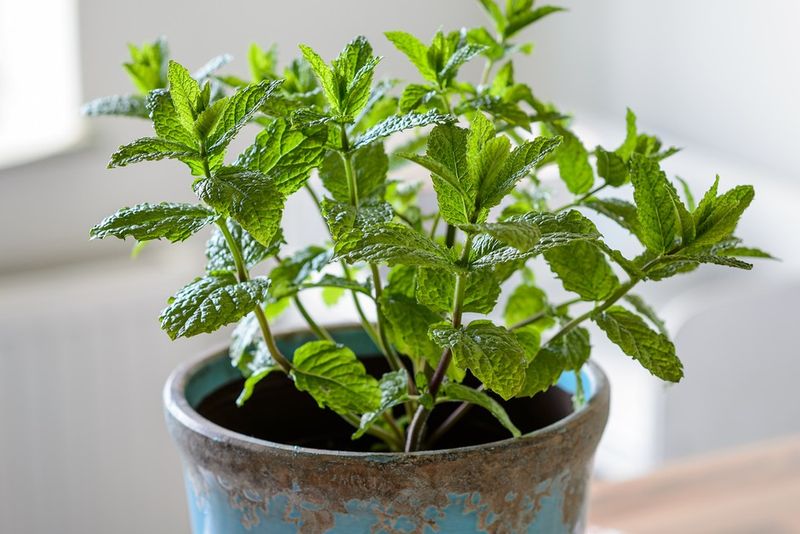
Mint, known for its refreshing aroma, is a delightful addition to any indoor garden. Its vibrant green leaves bring a touch of freshness to your home, even on the coldest winter day.
Growing mint indoors is relatively easy, as it thrives in indirect sunlight and requires minimal care. With its rapid growth, you’ll have a continuous supply to enhance teas, desserts, and savory dishes.
Did you know? Mint can even help repel certain pests, making it a functional choice as well as a flavorful one.
2. Basil
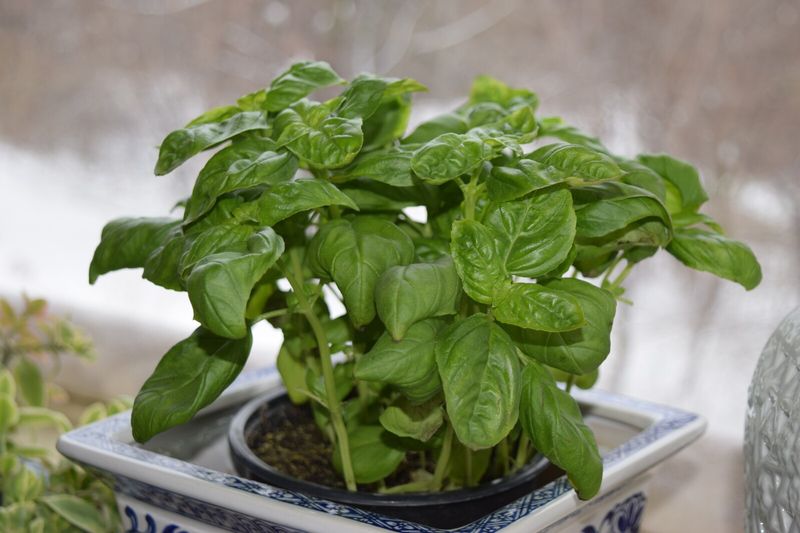
Basil, a staple in Italian cuisine, brings warmth and flavor to indoor gardens. Its glossy leaves and rich scent are perfect for adding to pasta, pizzas, and salads.
This herb requires a sunny spot, ideally a south-facing window, to flourish. Regular pruning encourages bushier growth, ensuring a bountiful harvest throughout the season.
Fun fact: Basil is considered a symbol of love in Italy, adding a romantic touch to your culinary creations.
3. Thyme
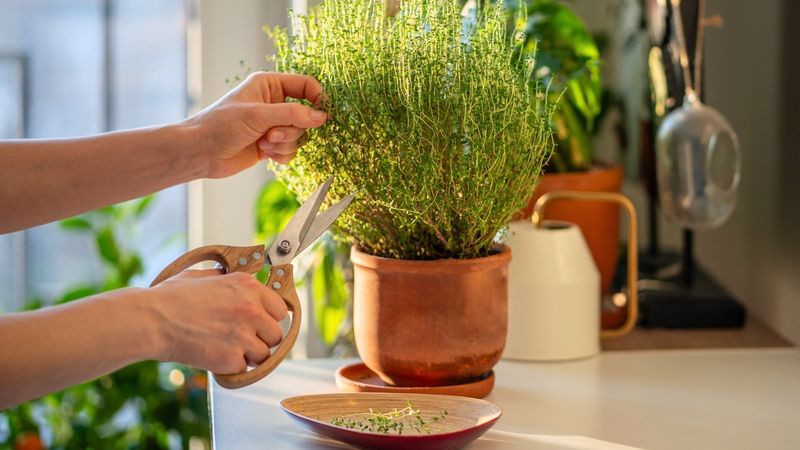
Thyme offers a subtle yet earthy flavor, ideal for seasoning roasts, soups, and stews. This hardy herb is well-suited for indoor growth during Illinois winters.
It requires well-drained soil and enjoys a spot with plenty of sunlight. Thyme’s compact growth makes it an excellent choice for small spaces.
A historical tidbit: In ancient Greece, thyme was associated with courage and used in baths and temples.
4. Parsley
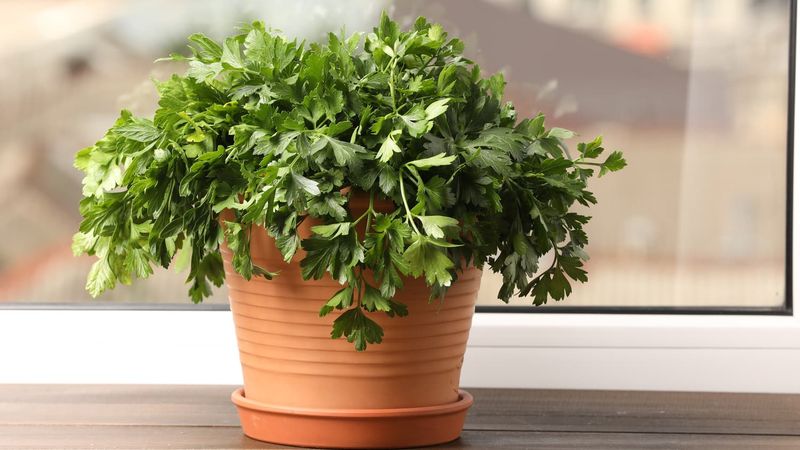
Parsley is more than just a garnish. Its vibrant flavor can elevate sauces, soups, and salads. This resilient herb grows well indoors, offering a burst of green through the winter months.
Parsley prefers a sunny location and regular watering but be cautious not to overwater. Its lush leaves are a testament to its vitality and usefulness.
A quirky fact: In ancient times, parsley was used to crown victors, symbolizing triumph and celebration.
5. Chives
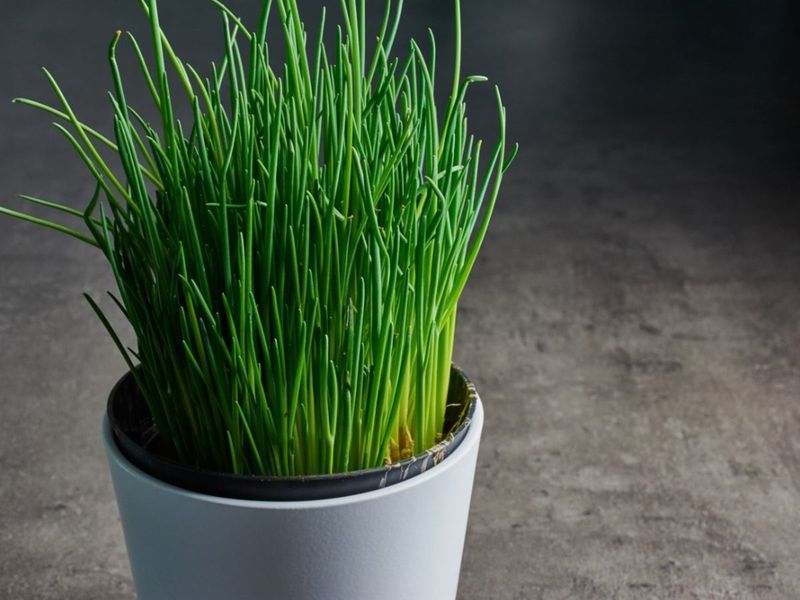
Chives add a mild onion flavor to dishes and are incredibly easy to grow indoors. Their grass-like leaves make them a unique and attractive addition to any kitchen windowsill.
These perennial herbs require minimal care and thrive in indirect sunlight. Regular trimming encourages new growth, allowing for an ongoing supply of fresh flavor.
Did you know? Chives are part of the onion family and have been used in cooking for over 5,000 years.
6. Rosemary
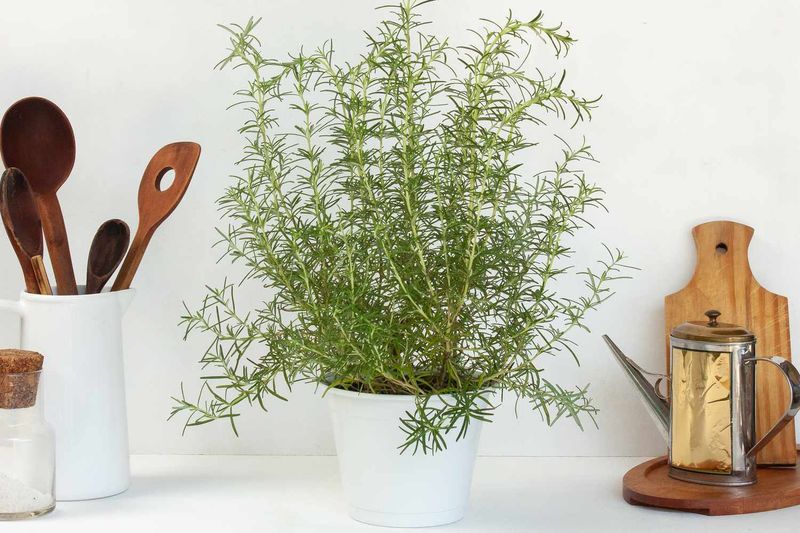
Rosemary’s robust, pine-like aroma transforms any dish into a culinary masterpiece. This versatile herb is ideal for indoor cultivation during the frosty Illinois winter.
It loves a sunny location and dry, well-drained soil. Pruning helps maintain its shape and encourages dense foliage.
A fun fact: Rosemary was traditionally used as a symbol of remembrance and is often associated with weddings and celebrations.
7. Cilantro
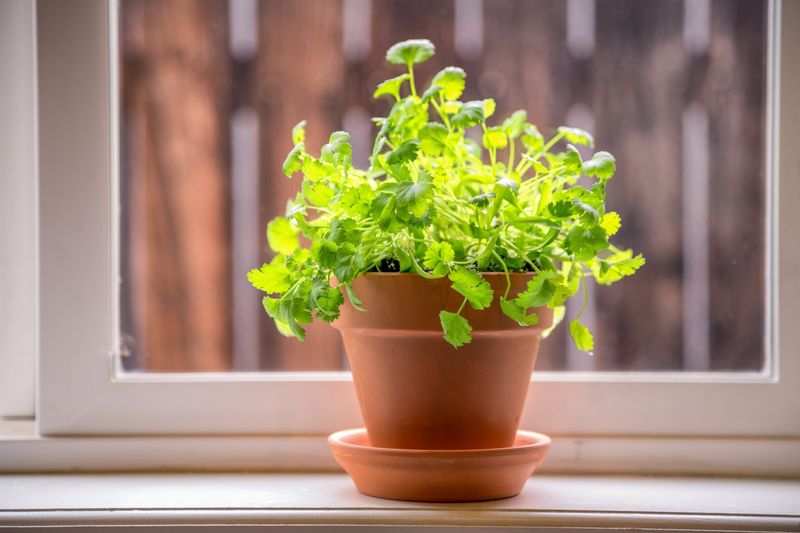
Cilantro, known for its distinct flavor, is a favorite in many global cuisines. Its delicate leaves bring a burst of freshness to your indoor herb garden.
This herb appreciates a cool, sunny spot and requires regular watering to thrive indoors. With careful care, cilantro can produce leaves throughout the winter.
A curious tidbit: Cilantro is genetically polarizing, with some people perceiving its taste as soapy due to specific olfactory receptor genes.
8. Oregano
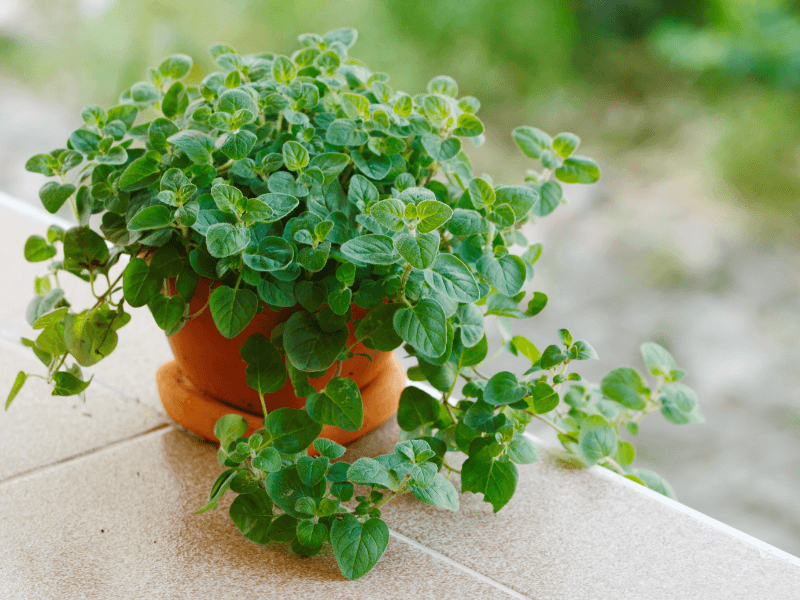
Oregano’s robust and peppery flavor is a staple in Mediterranean cooking. This hardy herb is perfect for growing indoors, providing a taste of the Mediterranean even in the depths of winter.
It flourishes in a warm, sunny location and needs well-drained soil. Regular pruning keeps it vibrant and healthy, ready to enhance any dish.
An interesting note: Oregano was believed by the Greeks to be a symbol of joy and happiness.
9. Sage
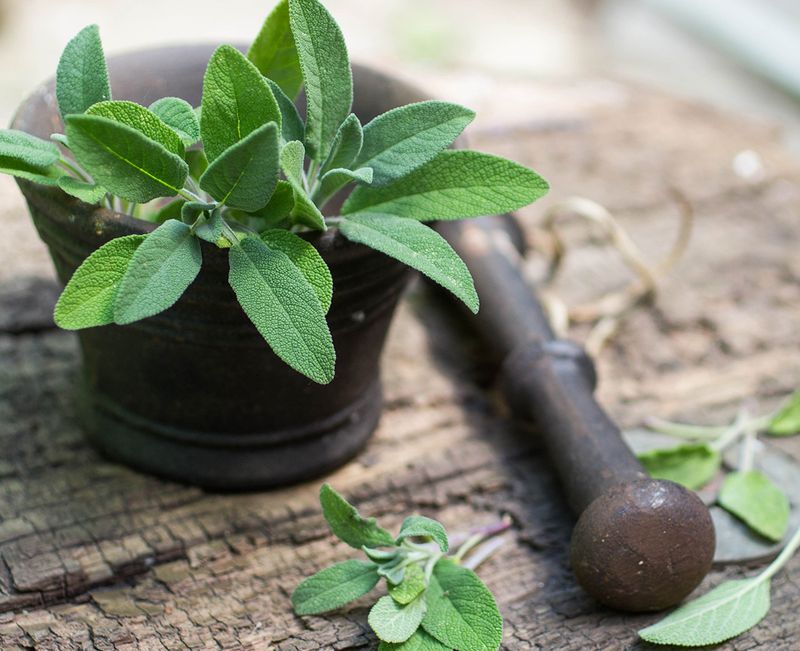
Sage’s earthy and slightly peppery flavor makes it a versatile addition to savory dishes. Ideal for indoor growing, it thrives in the warmth of an Illinois home during winter.
This herb prefers a sunny spot and well-drained soil. Its soft, silvery leaves are as appealing to the eye as they are to the palate.
Did you know? Sage was used in the Middle Ages to ward off evil and bring prosperity.
10. Lavender
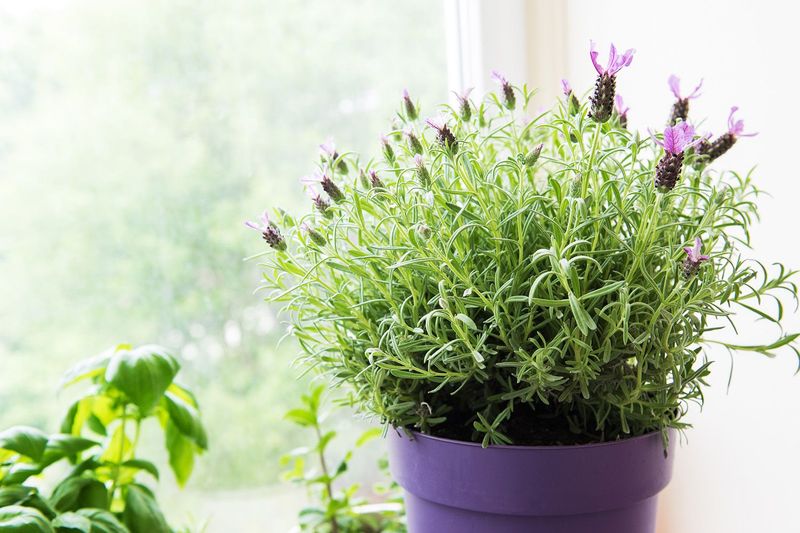
Lavender, though more commonly known for its fragrance, is a delightful culinary herb as well. It adds a floral touch to desserts and savory dishes alike.
This herb loves sunlight and requires well-drained soil to flourish indoors. Its calming aroma can also enhance the atmosphere of your home.
A charming fact: Lavender has been used in perfumes and sachets for centuries, thanks to its soothing scent.