
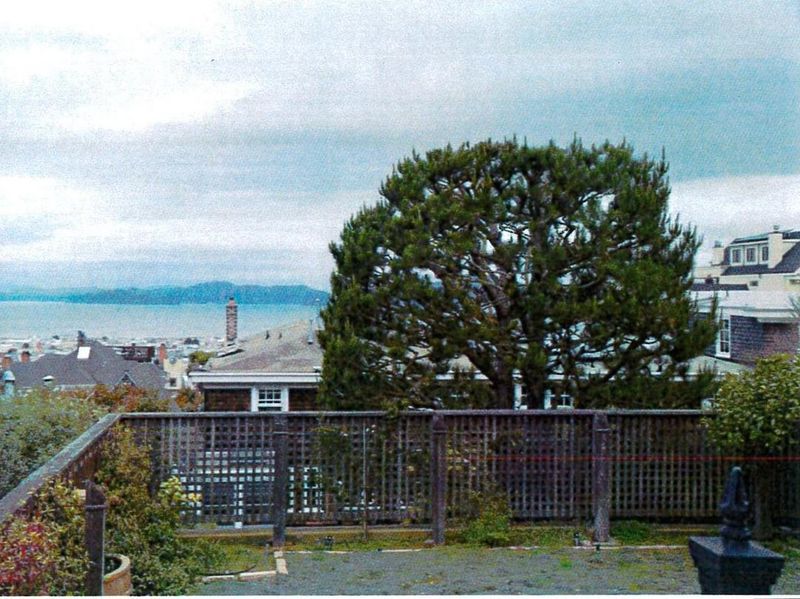
A letter from your neighbor demanding you cut down your oak tree can feel alarming, especially when that tree has been growing in your yard for decades. Many California homeowners assume their neighbor has some kind of legal right to an unobstructed view, but the reality is more nuanced than that.
Understanding what the law actually says can help you respond calmly, protect your property, and avoid making a costly mistake.
A blocked view usually is not enough to force tree removal
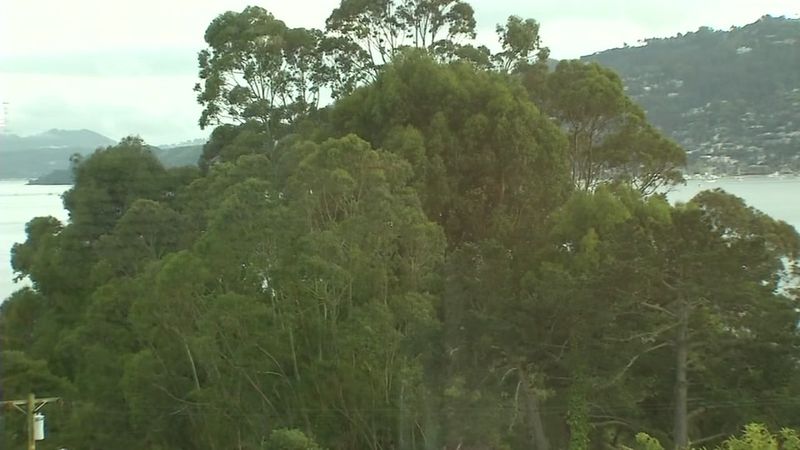
California appellate courts have consistently held that view obstruction alone is ordinarily not actionable under common law. That means if your healthy tree grows tall enough to block your neighbor’s mountain or ocean panorama, that neighbor generally has no statewide legal right to force you to cut it down or trim it back.
Two California Court of Appeal decisions make this plain: Eisen v. Tavangarian (2019) and Kahn v.
Price (2021) both confirm that California recognizes no general common-law right to an unobstructed view over a neighbor’s property.
The absence of a statewide right is the starting point, not the finish line. A neighbor who receives this answer and walks away satisfied may have missed something important in their own deed, HOA documents, or local city code.
The general rule does not erase every possible remedy; it simply means that view blockage by itself, without more, is not enough to win in a California court.
Several separate legal theories can change the outcome in specific situations. A local ordinance, a recorded set of CC&Rs, a private view easement, a malicious spite-fence claim, or a separate nuisance or safety issue can each provide a legal basis for action that common law alone would not.
Homeowners on both sides of the fence benefit from knowing which of those theories, if any, actually applies to their property before anyone picks up a chainsaw.
Local rules and private documents can create a different answer
Private CC&Rs recorded against a property can impose landscaping or height restrictions that California common law never would. The 2019 case of Eisen v.
Tavangarian is a clear example: the court upheld view-related restrictions contained in private CC&Rs even though California generally recognizes no natural right to an unobstructed view. That ruling did not create a statewide rule; it enforced a private contractual agreement that ran with the land.
City and county ordinances work similarly. In Kahn v.
Price, a San Francisco ordinance provided the legal foundation for a court order requiring tree removal after a neighbor’s tree blocked historic views. That result depended entirely on the local ordinance, not on any general California principle that views must be preserved.
Treating that outcome as a statewide rule would be a serious misreading of the decision.
Several California communities have created their own view-dispute programs with distinct geographic and procedural limits. Contra Costa County’s Kensington Tree Obstruction of Views ordinance creates a private dispute-resolution process for certain trees that grew to block a view after the affected resident moved in, and the county does not directly enforce it.
Torrance’s program applies only within a defined Hillside Overlay District and generally limits restoration to the view that existed at purchase or as of March 7, 2002, whichever is more recent.
Malibu’s citywide view ordinance establishes view-preservation and view-restoration procedures for foliage obstructing a documented primary view, using steps such as documentation, communication, mediation, arbitration, and possible permitting. Critically, Malibu’s ordinance expressly seeks a balance among view protection, privacy, reasonable property use, and tree preservation.
None of these programs is California law for every city or county, and each carries its own eligibility requirements, geographic scope, and procedural rules.
When does a screen of trees become a spite fence?
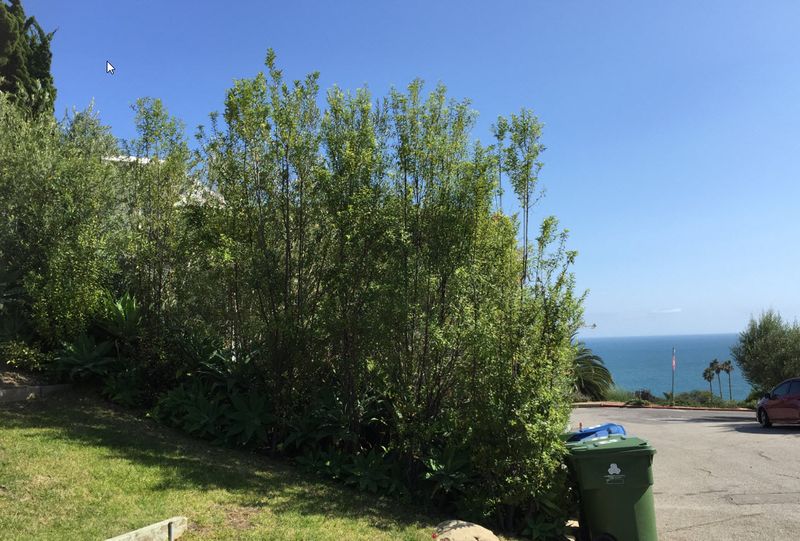
Planting trees near a property line is not automatically unlawful, even if a neighbor suspects the goal was to block their view. California Civil Code section 841.4 addresses a narrower situation: a fence or fence-like structure that exceeds 10 feet in height and is unnecessarily maintained or erected maliciously to annoy an adjoining owner.
That statute labels such a structure a private nuisance, but it requires more than a neighbor’s irritation or even a reasonable suspicion of bad motives.
Wilson v. Handley established that a row of trees can potentially qualify as a “structure in the nature of a fence” under Civil Code section 841.4, which was significant because the statute had previously been applied mainly to wooden or masonry structures.
Even so, Wilson did not hold that every tall hedge or screening row of trees is an illegal spite fence. The court made clear that the claimant must still prove the statutory elements.
Proving those elements is not a simple task. The claimant must show that the structure exceeds the 10-foot threshold, that it serves no legitimate purpose proportionate to its height, and that the owner’s primary motive was to cause annoyance rather than to pursue a reasonable use of their own land.
Intentional view blockage alone falls short of that standard. A homeowner who planted a row of trees for privacy, wind protection, noise reduction, or aesthetics has a factual basis to contest a spite-fence theory even if the trees happen to limit a neighbor’s view.
Tree ownership determines who can authorize the work
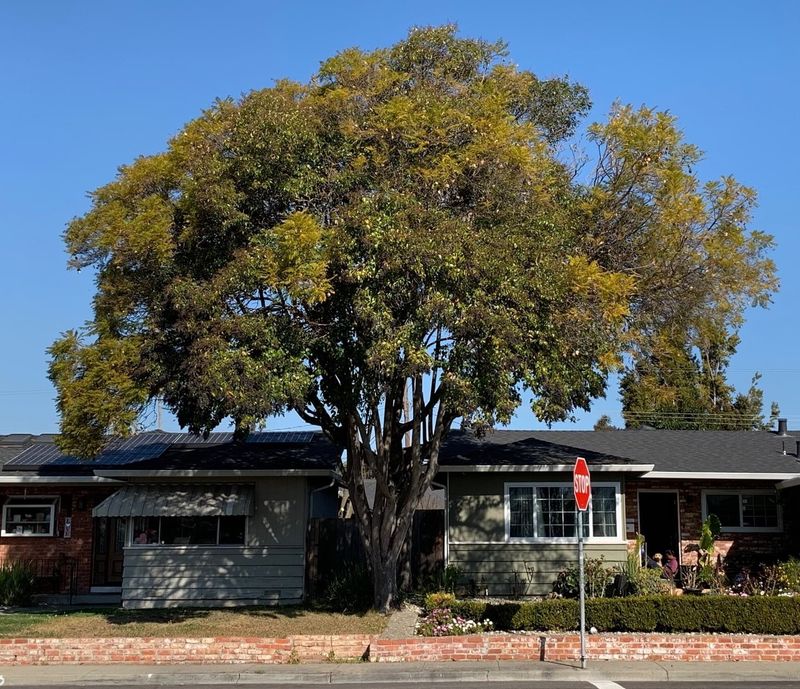
Before anyone agrees to prune or remove a disputed tree, the first practical question is: who owns it? California law ties ownership to the trunk’s location.
Under Civil Code section 833, a tree whose trunk stands entirely on one owner’s land belongs exclusively to that owner. Under Civil Code section 834, a tree whose trunk stands partly on the land of two adjoining owners belongs to both of them in common.
Neither section makes ownership depend on where the branches or roots happen to travel.
Roots and branches crossing a boundary line do not automatically give the neighbor permission to cut freely. Trimming that injures or kills the tree can expose the person who authorized or performed the work to civil liability.
Civil Code section 3346 provides enhanced damages for wrongful injury to or removal of trees, with the amount varying depending on whether the trespass was willful, casual and involuntary, or based on a reasonable mistake about where the boundary actually falls. A well-meaning neighbor who trims back branches and accidentally kills a mature tree could face a damages award that far exceeds the cost of a proper arborist consultation.
UC Agriculture and Natural Resources’ review of California tree disputes warns that even trimming branches extending over one’s own property may create liability if the work harms the neighbor’s tree. The recommendation is to determine tree ownership and confirm property boundaries before any work begins.
A licensed surveyor can locate the boundary with precision, and that information is essential before either party takes action based on an assumption about where the line sits.
A hazard claim is different from a view complaint
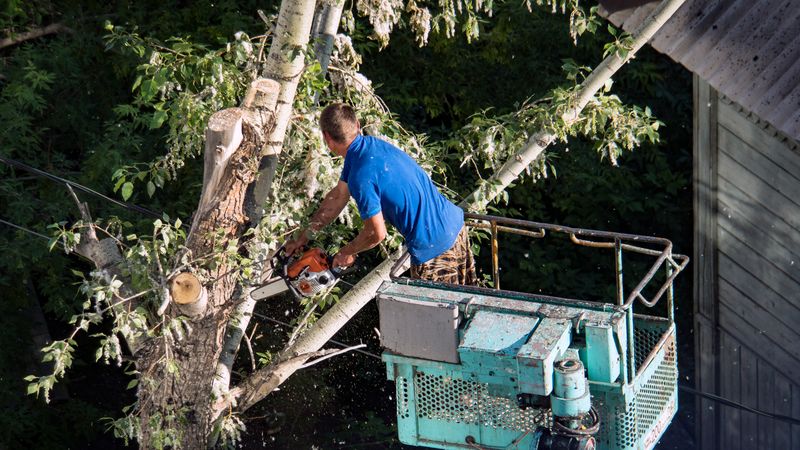
Losing a scenic view is frustrating, but it is a different legal problem than living next to a tree with a dead limb hanging over your roof. When a tree creates a genuine safety hazard or causes property damage, the legal analysis shifts away from view rights entirely.
Dead or structurally compromised limbs, roots that damage foundations or underground utilities, and branches that repeatedly strike a structure can each support a nuisance, property damage, or safety claim that has nothing to do with scenery.
California courts have addressed these situations under nuisance and property-damage theories, and local governments may respond differently to a hazard complaint than to a view complaint. For example, San Francisco’s process for reporting damaged or fallen trees reflects the city’s recognition that hazardous conditions warrant attention separate from aesthetic or view concerns.
The Kahn v. Price decision also illustrates that a court’s authority to order relief depends on the specific legal theory and evidence presented, not simply on a neighbor’s general dissatisfaction.
A hazard finding does not automatically mean the entire tree must come down. Corrective action might mean removing a single dead limb, cabling a weak union, improving drainage around the root zone, or scheduling regular maintenance.
The appropriate remedy depends on what a qualified arborist finds after examining the tree’s actual condition. Homeowners who receive a hazard complaint from a neighbor should take it seriously enough to get a professional assessment, while also recognizing that an assessment may show the tree is structurally sound and the complaint overstated.
Check the documents, code, tree, and worksite before responding
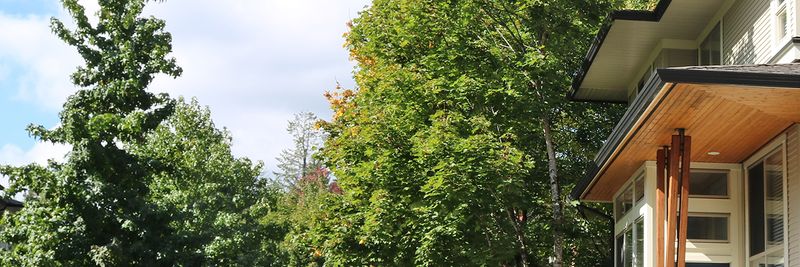
Receiving a neighbor’s demand letter is not the moment to grab a ladder and start cutting. A careful sequence of steps taken before any work begins can protect both the tree and the homeowner from unnecessary legal exposure.
Start by photographing and documenting the tree’s location relative to the property line, its approximate height, its general condition, and any communications you have received from the neighbor. Written records matter if the dispute ever goes further.
Pull the title report, any recorded CC&Rs, and HOA governing documents. Read them for any language that restricts landscaping height, requires view maintenance, or grants a view easement to an adjoining parcel.
Then check the local municipal code for your city or county. Some communities, like Pasadena, maintain local tree-protection ordinances that require permits before a protected tree can be pruned or removed, entirely apart from whatever a neighbor wants.
A permit requirement applies whether or not the neighbor has a valid complaint.
Before agreeing to significant pruning or removal, have a certified arborist assess the tree’s structural health, root system, and response to proposed work. UC ANR’s guidance on California tree disputes underscores that health and ownership questions are central to resolving these situations safely.
Severe pruning can destabilize or kill a mature tree, and the person who authorized the work may bear responsibility for the outcome.
Work near power lines adds another layer of risk. Cal/OSHA’s tree work safety guidance identifies fatal falls, chainsaw injuries, falling limbs, and electrocution as serious hazards, and Title 8 regulations establish minimum clearance requirements for work near energized high-voltage lines.
Finally, check for active bird nests before scheduling any pruning or removal. California Department of Fish and Wildlife guidance on nesting birds advises that nesting can occur year-round in some locations, and state law protects active nests, eggs, and birds of prey regardless of the species involved.
Identify the legal basis before allowing tree work
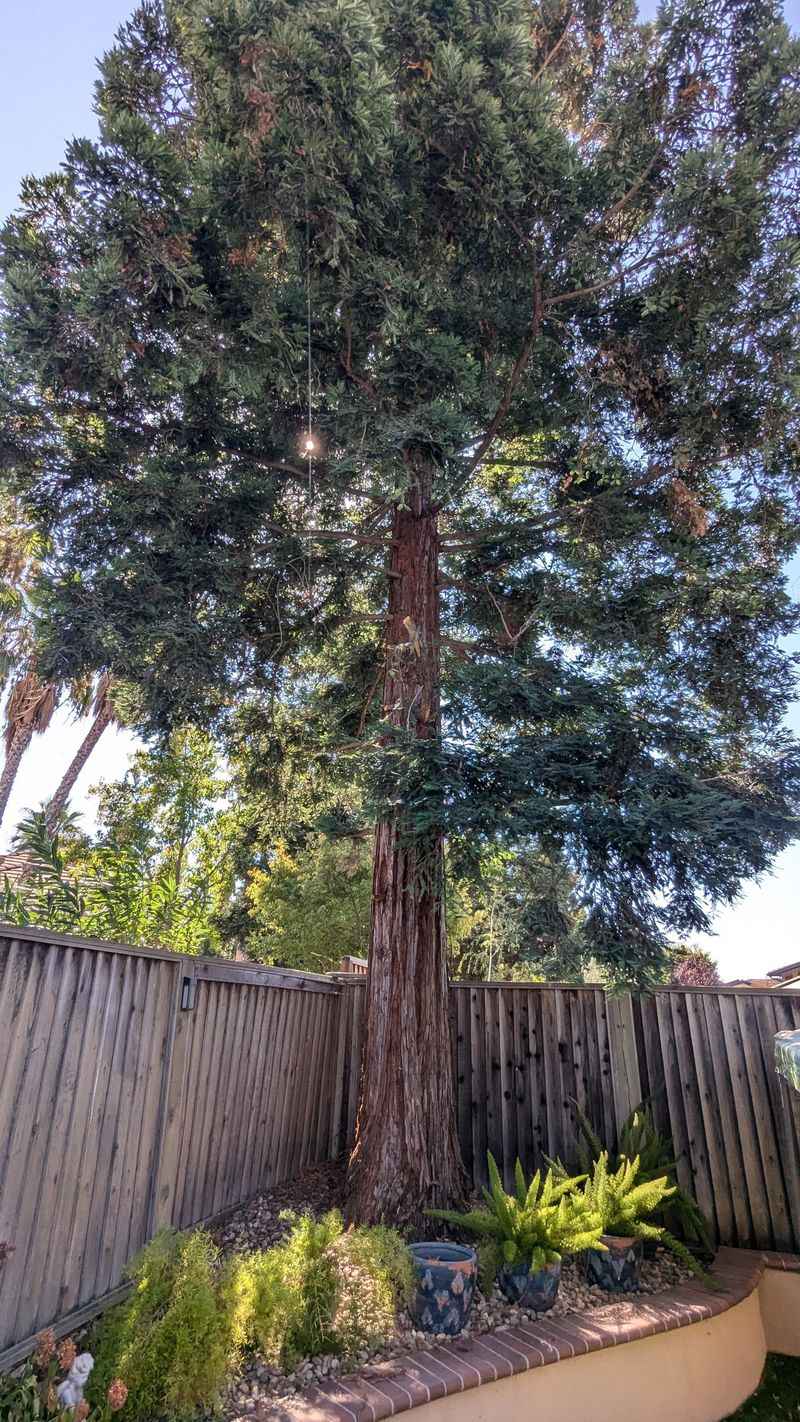
The central question in any California tree-view dispute is not whether a neighbor is unhappy, but whether a specific legal authority actually requires a response. A blocked view by itself generally does not compel removal under statewide common law, as both Eisen v.
Tavangarian and Kahn v. Price confirm.
The situation changes only when a qualifying local ordinance, recorded CC&R, private easement, proven spite-fence claim, or separate safety or nuisance problem provides an independent legal basis for action.
Homeowners should identify exactly which authority the neighbor is relying on before agreeing to any work. Is it a city view ordinance, and if so, does it cover this property’s location and zoning?
Is it language in a recorded document tied to the deed? Is it a hazard claim supported by an arborist’s findings?
The answer shapes the appropriate remedy, which may be trimming, a height limitation, mediation, arbitration, or another form of relief rather than full removal. UC ANR’s California tree dispute resource reinforces that professional arboricultural and legal advice are both worth obtaining when ownership, hazards, or local rules are in dispute.
A tree that has grown for decades in a California yard deserves a measured response, not a rushed one. Knowing the actual legal basis before any work begins is what separates a well-handled dispute from an expensive mistake.