
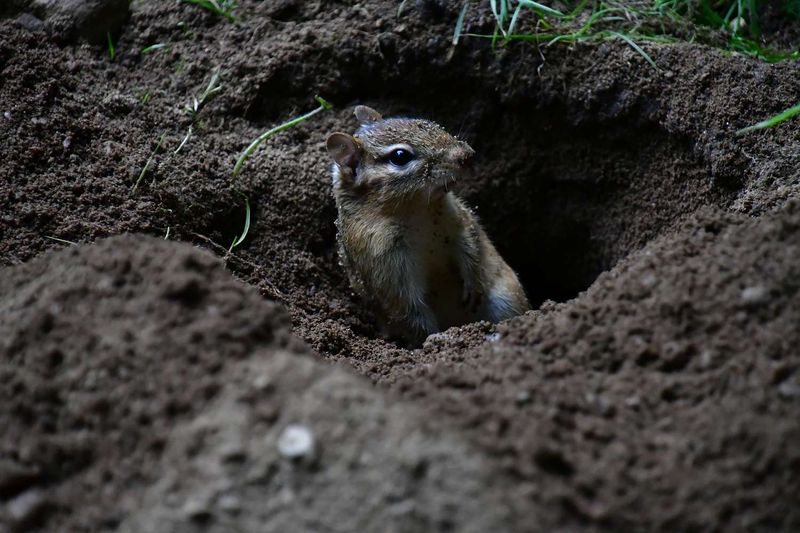
Soft soil that keeps sinking, a few mysterious holes near the bed frame, and a handful of tulip bulbs that simply vanished – any of these can send a gardener straight to conclusions about chipmunks. Those clues are worth taking seriously, but they are also shared by settling soil, heavy rain, squirrels, voles, and moles, so a little detective work before acting can save a lot of wasted effort. The good news is that once you know what you are actually dealing with, there are calm, practical steps that protect your plants without putting wildlife in harm’s way.
Could chipmunks be digging around your raised bed?
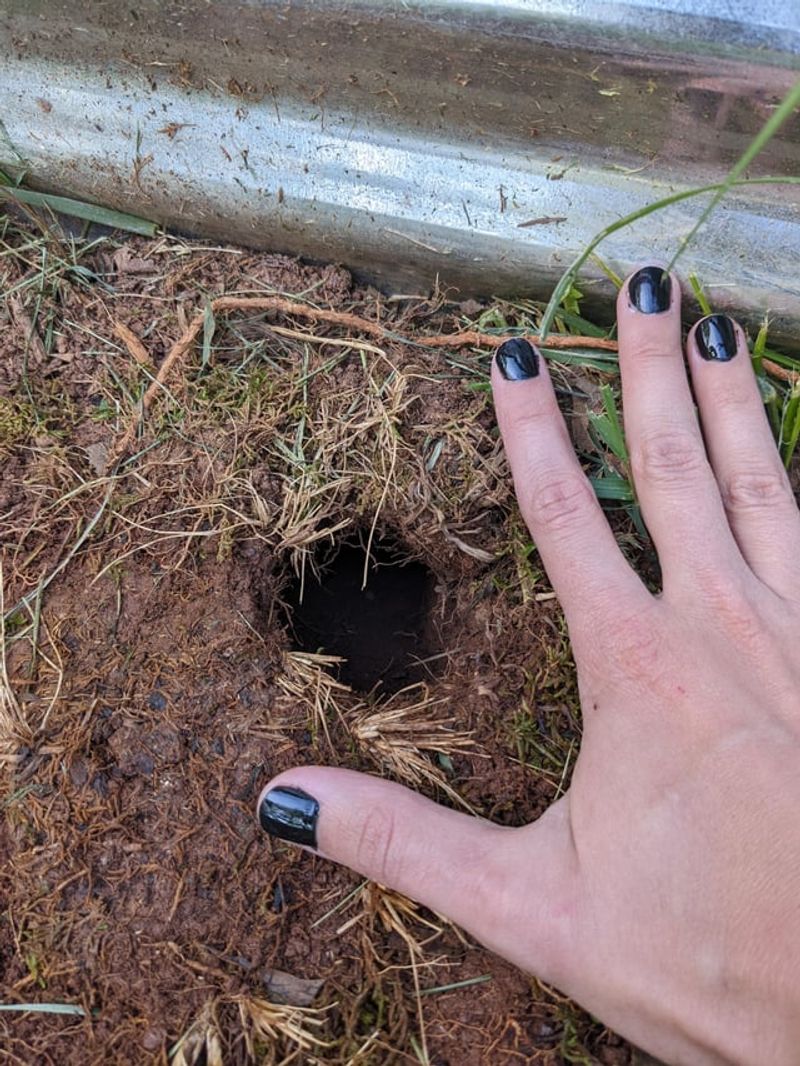
A raised bed with sunken soil or a small hole near the frame is worth investigating, but a hole alone does not confirm that chipmunks have moved in underneath. Before taking any action, spend a few minutes looking at the entrance itself, the nearby landscape, and any plant damage. Chipmunks are worth suspecting when the evidence fits their habits – not simply because something dug somewhere near your vegetables.
Penn State Extension’s chipmunk profile describes their burrow entrances as typically about 2 inches wide and usually free of the loose soil mound you would see beside a mole tunnel. The opening tends to appear near something that offers cover: a woodpile, a stone wall, a brush pile, a foundation, or the edge of a wooded area. An entrance sitting in the open with no obvious shelter nearby may point to a different animal entirely.
Rather than deciding immediately that a colony lives beneath your bed, look for repeated use. Check whether the hole reappears after you lightly fill it, watch for chipmunk sightings in the same area at different times of day, and look for small tracks or freshly disturbed soil around seeds and seedlings. University of Maryland Extension’s guide to animals digging in lawns reinforces that correct identification matters before any control strategy begins, because squirrels, voles, moles, and other animals leave similar surface clues but require different responses.
A sinking bed and missing bulbs have several possible causes
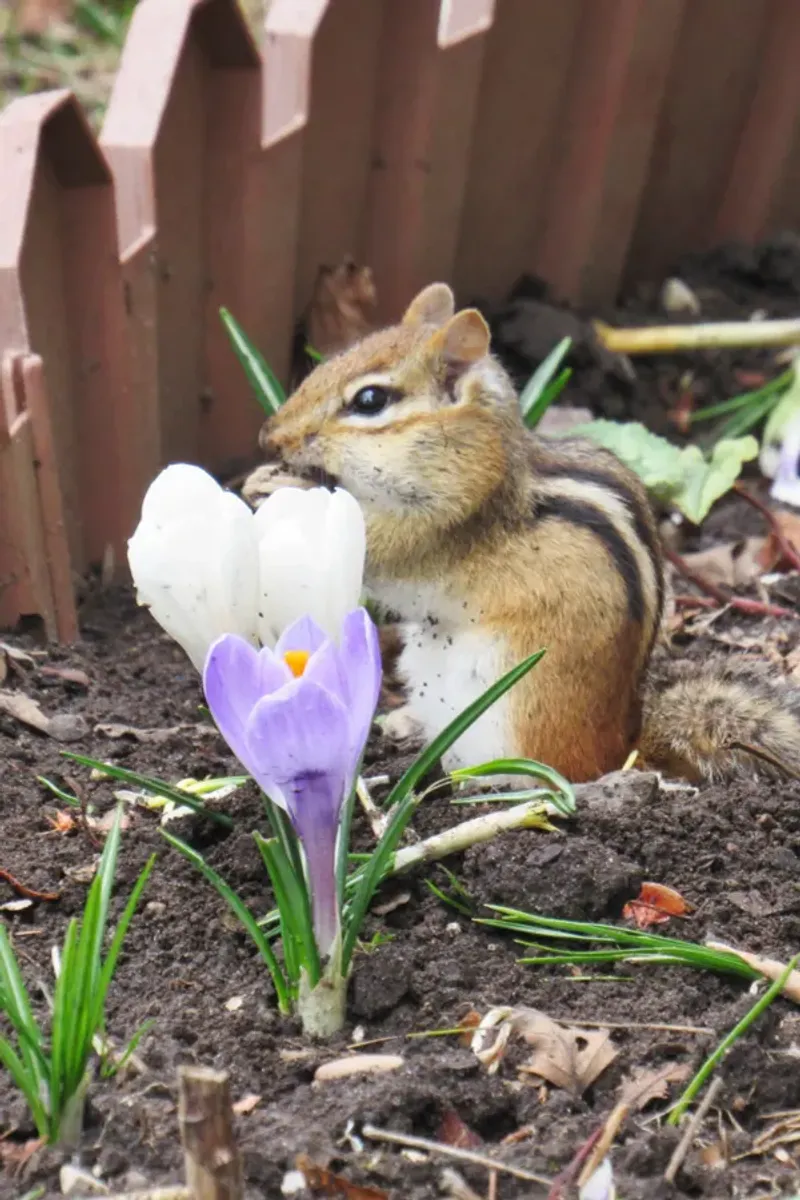
Soil that drops inside a raised bed is unsettling to see, but tunneling animals are only one explanation among several. Freshly filled beds almost always settle as organic matter compresses and air pockets close. Overwatering or heavy rainfall can erode the mix from below, and a bed with aging or bowing side walls may simply be losing structural support. Root decay from a previous season can also leave voids that cause the surface to drop unevenly.
When an animal does seem responsible, the damage pattern can narrow the list. Penn State’s mole management guide notes that moles push up soft, volcano-shaped mounds and travel in subsurface tunnels that feel spongy underfoot – very different from the clean, compact entrance a chipmunk uses. Voles cut surface runways through grass and gnaw bark near the soil line, while squirrels tend to dig shallow, scattered holes when burying or retrieving food.
Missing bulbs fit chipmunk behavior well. Chipmunks do eat and cache tulip and crocus bulbs, and UNH Extension’s bulb-protection guidance points out that squirrels, voles, mice, and deer can also remove or damage recently planted bulbs. A few missing bulbs alongside a chipmunk sighting is suggestive, but it is not a diagnosis on its own. Watch the bed over several days before committing to a particular control strategy, because the right fix depends entirely on which animal is actually responsible.
Reduce the food and cover around the bed
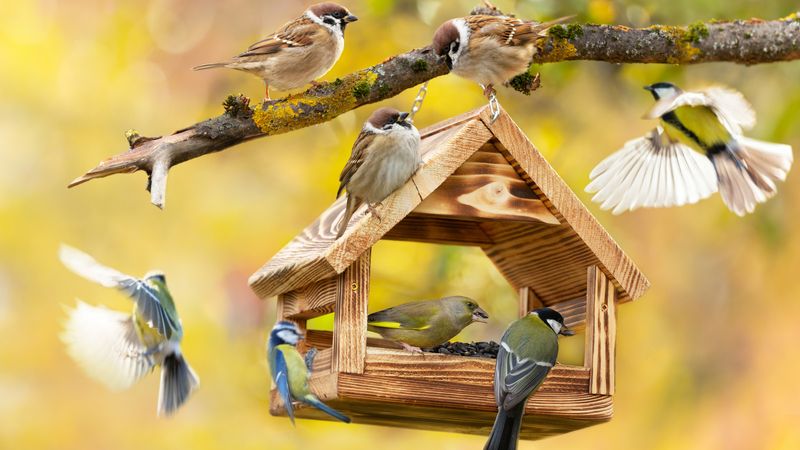
Clearing away what draws chipmunks to the garden is a sensible first step, and it costs nothing. Spilled birdseed is one of the most reliable chipmunk attractants in a suburban yard. Moving feeders at least 15 to 30 feet from the house and garden beds – and cleaning up seed that falls beneath them – can reduce the steady food supply that makes a nearby burrow worth keeping. Colorado State University Extension’s feeder-placement guidance explains how seed placement affects which animals gather near structures.
Cover matters just as much as food. Brush piles, stacked lumber, dense ground cover, and woodpiles near the bed or foundation give chipmunks a sheltered route from a wooded edge straight to your plantings. Removing or relocating that material – or simply creating a gap between the wood stack and the bed – makes the approach less appealing. The Internet Center for Wildlife Damage Management’s inspection guidance describes how continuous cover allows small mammals to travel with minimal exposure to predators, which encourages them to range farther into a yard.
Keep expectations realistic here. Removing food and cover reduces the attractiveness of the area and may discourage new activity, but it does not guarantee that a chipmunk already living nearby will immediately abandon a comfortable burrow. These steps work best as preparation before exclusion, not as a standalone fix.
Protect bulbs and seedlings with properly installed mesh
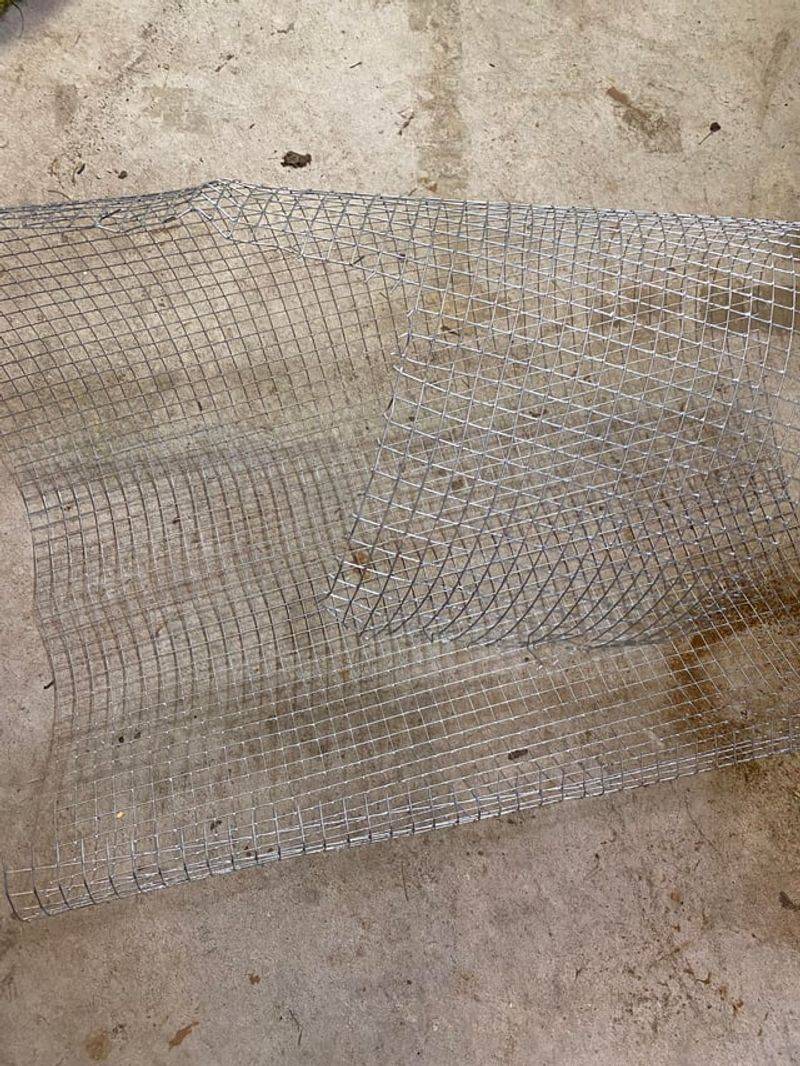
Physical barriers are the most dependable way to protect seeds, bulbs, and seedlings from small digging mammals – more so than sprays, scents, or sound devices. Quarter-inch galvanized hardware cloth placed over a planting and then covered with soil creates a barrier that is difficult for chipmunks, squirrels, and voles to work around. Penn State Extension recommends extending the mesh at least 1 foot beyond each edge of the planting so animals cannot simply dig around the perimeter.
For individual bulbs, wire cages made from the same galvanized mesh offer targeted protection. UNH Extension’s bulb-protection article recommends setting bulbs inside a cage, closing the top, and burying the whole assembly at the correct planting depth. The cage allows roots and shoots to grow through the openings while keeping the bulb itself inaccessible. Make sure the edges of any flat sheet or cage are pressed firmly against the soil and cannot be lifted at a corner or seam.
Odor-based repellents and ultrasonic devices are sometimes marketed for this purpose, but Oregon State Extension’s small-mammal management overview reflects a broader consensus among wildlife specialists: physical barriers consistently outperform deterrents that rely on smell or sound. Results from repellents vary by product, animal, and weather, and most require repeated reapplication throughout the season. Mesh, installed correctly for the animal you have identified, is the more reliable investment.
Use a bottom barrier only when tunneling justifies it
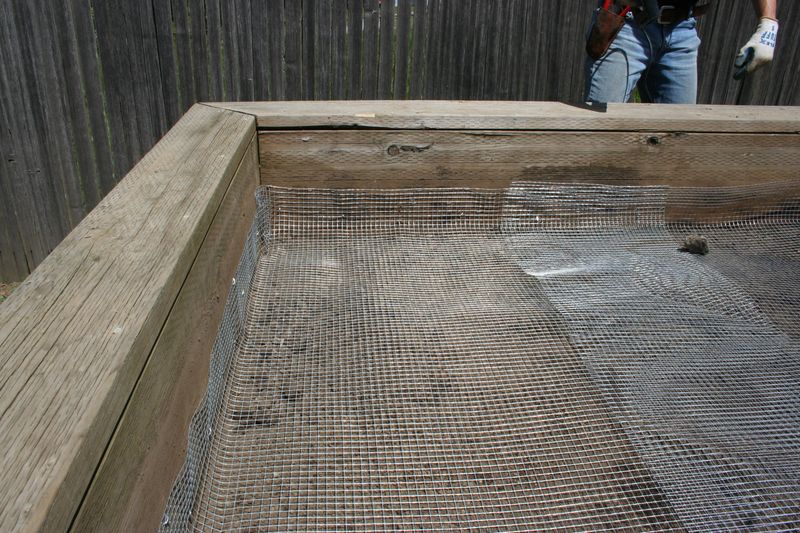
Adding mesh beneath a raised bed sounds like a logical fix the moment tunneling is suspected, but the decision deserves more thought than a quick retrofit. University of Minnesota Extension’s raised-bed guide states plainly that most raised beds do not need a barrier between the bed soil and the ground beneath, and it warns that an improperly installed barrier can restrict root growth for deep-rooted vegetables and herbs.
Before adding anything, get down and inspect the bottom corners and outer edges of the bed for active tunnels. Look for fresh soil disturbance, small openings about 2 inches across, or soft spots where the ground feels hollow underfoot. If small mammals are clearly entering from below and the damage is real, a permeable mesh – hardware cloth or a similar woven material – installed beneath the bed can reduce that access without sealing off drainage.
The key word is permeable. Oregon State Extension’s raised-bed construction guide cautions against solid plastic sheeting, which blocks water movement and can waterlog the soil over time. Match the mesh opening size to the animal you have confirmed – quarter-inch hardware cloth works well for chipmunks and voles – and secure the edges so they cannot be pushed aside at the corners. A bottom barrier is a targeted solution for a confirmed problem, not a routine addition to every new bed.
Watch a suspected burrow before closing it
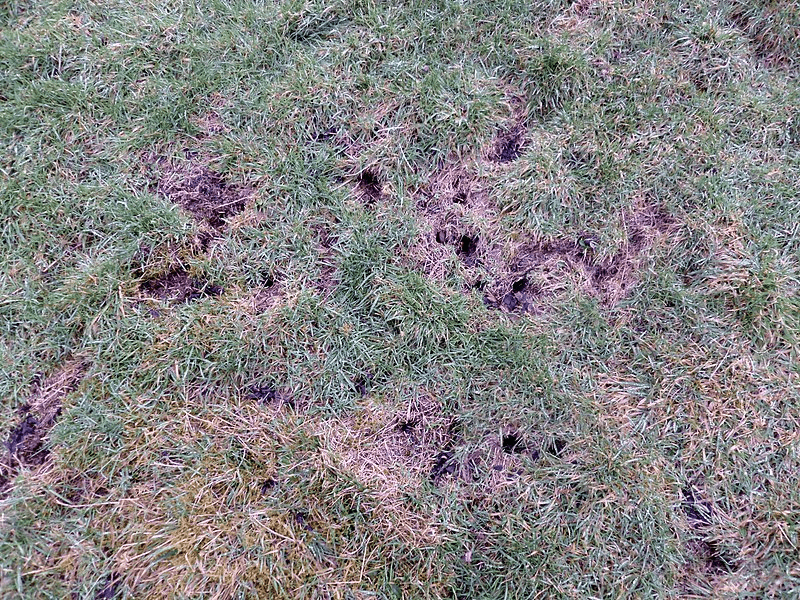
Plugging a hole the moment you find it is an understandable impulse, but doing so without observation first can cause real harm. Chipmunks breed in spring and again in summer, and young animals may still be using the burrow system during either window. Sealing an occupied entrance can trap adults inside or cut off juveniles from their parent. The burrow may also belong to a different animal entirely, which means the wrong closure method and the wrong follow-up.
The Internet Center for Wildlife Damage Management’s chipmunk control guide advises homeowners to watch the entrance and wait until the animal is clearly away before filling an active opening. One practical approach is to loosely stuff the hole with crumpled paper or dry leaves, then check it again in 24 to 48 hours. If the material has been pushed out from inside, the burrow is still in use. If it remains undisturbed, the animal may have moved on.
Once observation supports that the entrance is vacant, fill it with compacted soil, gravel, or hardware cloth and place a heavy object – a flat stone or a brick – over the spot to discourage re-excavation in the same location. Penn State Extension notes that chipmunks can have multiple entrances to the same burrow system, so check the surrounding area for secondary openings before considering the job complete. Closure is a final step that follows confirmation, not a first response to a single unexplained hole.
Avoid relocation, poison, mothballs, and scare devices
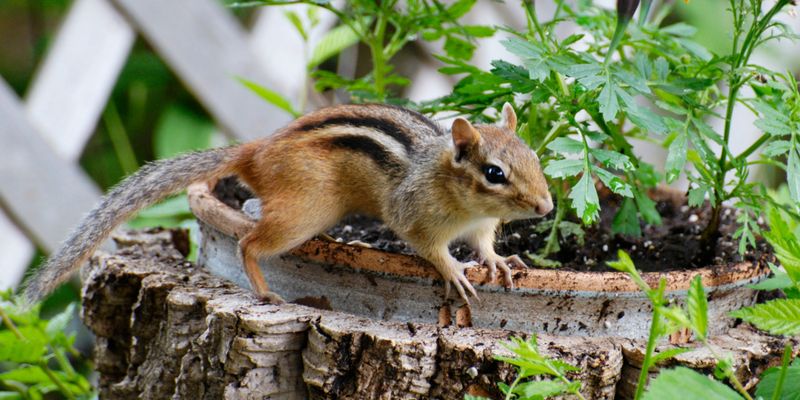
Live-trapping a chipmunk and releasing it somewhere else may feel like a kind solution, but the reality is more complicated. UNH Extension advises against live trapping because chipmunks released into unfamiliar territory face an elevated risk of predation and starvation – they do not know the food sources, escape routes, or shelter in a new area. Humane World for Animals similarly discourages relocation as a routine fix, and Massachusetts explicitly prohibits moving wildlife off a property. Rules vary across states, so check with your state wildlife agency or a licensed wildlife-control professional before trapping anything.
Ultrasonic devices, predator decoys, and scent deterrents are widely sold but poorly supported. The Internet Center for Wildlife Damage Management and University of Maryland Extension both describe frightening devices as unreliable for small digging mammals. Animals habituate to static stimuli quickly, and there is no consistent field evidence that these products protect plantings over time.
Mothballs should not be placed outdoors or in garden beds. EPA guidance on pesticide labeling makes clear that using a pesticide in a manner inconsistent with its label is unlawful, and the EPA’s consumer pesticide safety page specifically flags outdoor animal-repellent use of mothballs as a common illegal application.
Poison bait is equally off the table. Penn State Extension states that no toxic baits are registered for chipmunk control, and the EPA’s rodenticide safety review documents how outdoor rodenticides can expose pets, children, raptors, and other wildlife through secondary poisoning. If you find droppings or nesting material while inspecting a burrow, do not sweep or vacuum it dry. CDC hantavirus prevention guidance recommends wetting the material with a disinfectant solution first, then removing it with gloves and disposing of it in a sealed bag.
Use exclusion to reduce damage without forcing a relocation
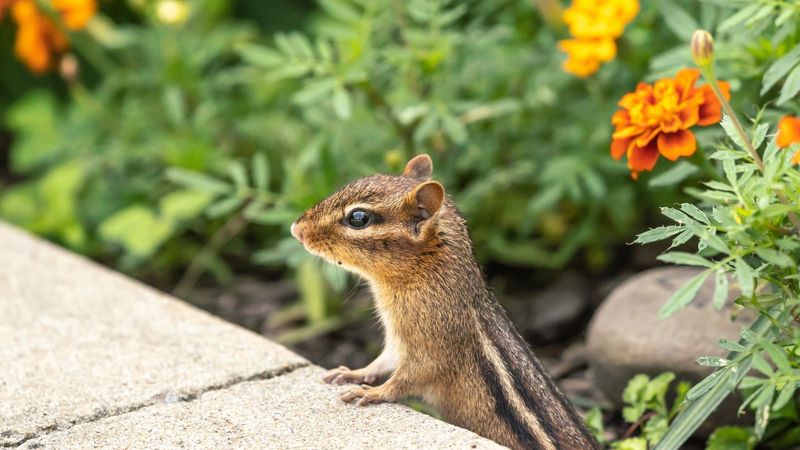
Putting the whole approach together starts with a confirmed culprit. Watch the area, check burrow characteristics, and match the damage pattern to an animal before spending time or money on any control method. Once chipmunks seem likely, remove nearby food and cover, protect vulnerable bulbs and seedlings with properly installed quarter-inch hardware cloth, and add a permeable mesh beneath the bed only if active tunneling from below is confirmed.
Seal a burrow entrance only after observation supports that it is vacant, and account for breeding seasons in spring and summer before closing anything. Penn State Extension and the Internet Center for Wildlife Damage Management both frame prevention and exclusion as the most reliable long-term strategy – not eviction by capture or relocation. A chipmunk that is simply present in the yard, causing no measurable damage to plants or structures, does not require intervention at all.
When activity continues despite these steps, or when local handling rules are unclear, contact your state wildlife agency or a licensed wildlife-control professional. State rules on handling wildlife differ significantly, and professional guidance saves time and keeps both gardener and animal out of trouble. A well-protected bed is the goal – not an empty yard.