
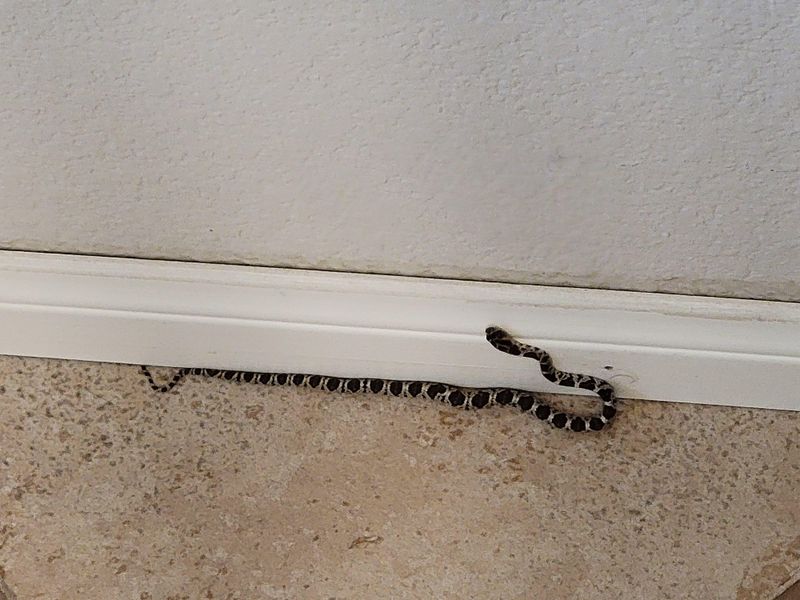
You step onto the patio after a stormy night and spot a snake near the planter. It is easy to blame the rain.
But the real story is more careful than that, and knowing it can help you protect your family, your pets, and the wildlife around your home. Here is what is known, what is not, and what you can do this season.
Rain alone does not explain a yard sighting
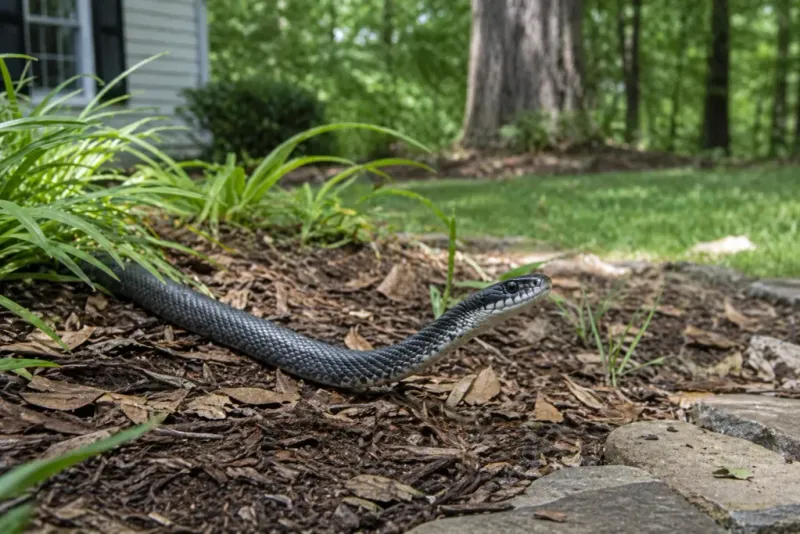
Seeing a snake after the first winter rain does not mean the storm pushed it out of a flooded burrow. Snake activity depends on the species, the time of year, the temperature, and the weather, and those factors overlap in ways that are hard to untangle.
One useful example comes from a study of 23 snake species in South Carolina. After seasonal effects were accounted for, activity generally rose with temperature and fell with precipitation.
That research was done in another part of the country, so it cannot be applied directly to California snakes. What it shows is that rain does not affect every species or place the same way.
For California, the timing of caution looks different from what many people assume. UC IPM points to late winter or early spring as the usual start of active-season precautions for rattlesnakes.
The California Department of Fish and Wildlife says most bites happen from April through October, when snakes and people are both more active outdoors.
Neither source names the first winter storm as a standard trigger. A mild, sunny afternoon between storms, a warm spot on concrete, or a quiet corner of the garage could just as easily explain why you noticed a snake on a particular day.
Treat any sighting as a prompt to look at your yard, not as proof of what the weather did.
Major flooding differs from an ordinary winter storm
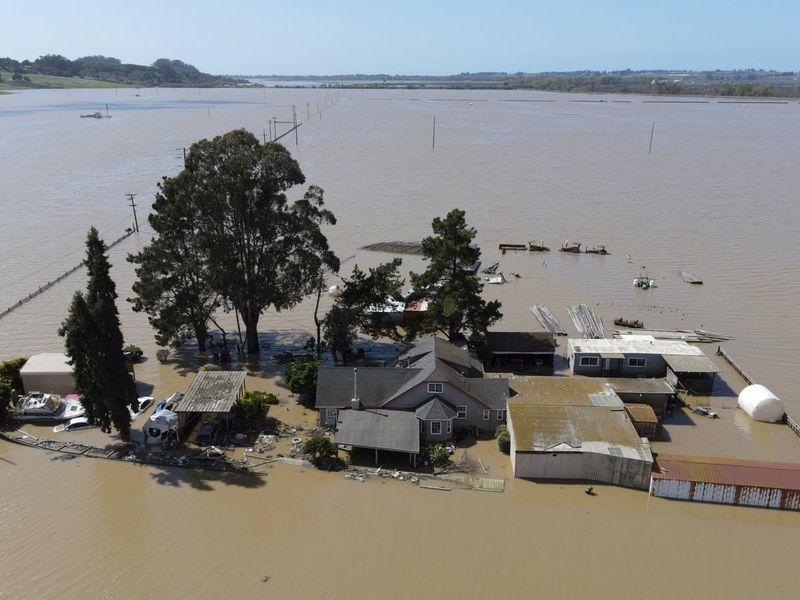
A drizzly night and a true flood are very different events. When water covers large areas for days, animals that live low to the ground can lose their shelter, and some may look for dry spots in sheds, garages, or piles of debris.
Even then, the science is thin. A North Carolina State Extension guide on snakes after storms discusses displacement after major flooding, and a review of flooding and snakebite research found that direct studies of how snakes respond to floods are scarce.
Results also vary by species and by location.
That variation matters for California. A 2020 paper on snakebite incidence and flooding events looks at actual flood conditions, not routine winter showers.
It does not show that an ordinary first rain pushes snakes out of burrows and onto patios.
So if your neighborhood has seen serious flooding, it makes sense to be extra careful around debris piles, sandbags, and stacked materials. If the storm was simply a good soaking, a snake in the garage is more likely linked to gaps, shelter, or food nearby than to the water itself.
California’s rainfall and bite data describe a longer pattern
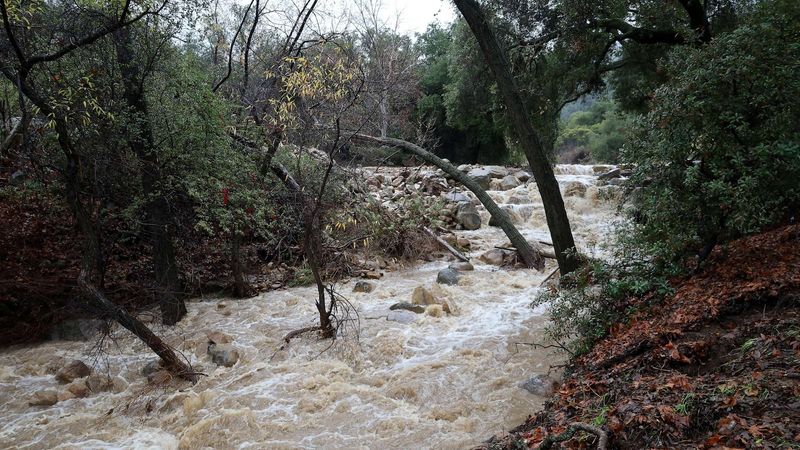
California does have research linking wet conditions to snakebites, but it describes a slow pattern, not a quick reaction. A 1997 to 2017 analysis in Clinical Toxicology found an observational association between precipitation and reported venomous snakebites, with precipitation linked to bites up to 18 months later.
Two details are worth keeping in mind. First, the study counted reported bites, not snakes, so it cannot tell us whether snake numbers rose.
Second, a delay of up to a year and a half does not fit the idea of one storm changing snake behavior overnight.
Researchers have offered an explanation. Stanford Medicine’s summary discusses the idea that wetter years could bring more vegetation and more rodents, which might in turn affect snakes.
That pathway is proposed, not proven.
For a homeowner, the practical meaning is modest. After a wet year, the plants in your yard may be thicker, and thick growth can hide snakes and people’s feet alike.
That is a good reason to keep paths clear and watch where you step, without assuming the last storm explains the snake you saw this morning.
A snake sighting does not diagnose a rodent problem
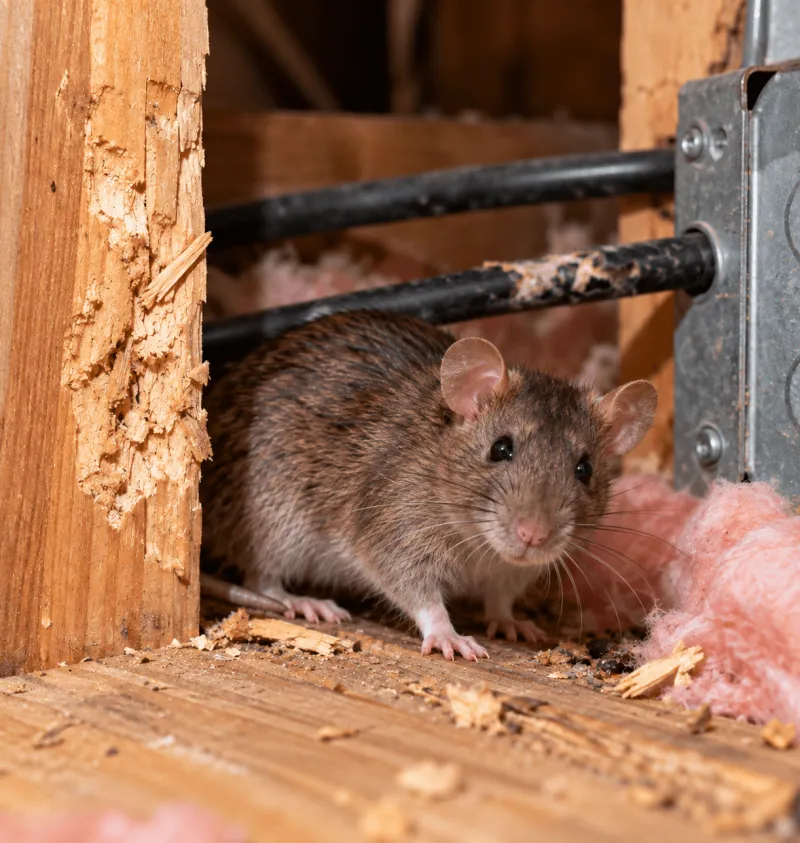
Plenty of people hear “snake” and think “rats.” It is a fair guess, but a sighting alone cannot confirm it. A snake may simply be passing through, warming up, or using a shady spot, and California has many native snake species with different diets.
Rattlesnakes are a specific case. UC IPM explains that rattlesnakes eat rodents and use burrows dug by rodents instead of digging their own.
That behavior should not be assumed for every snake you see.
The better move is to inspect for rodents directly. UC IPM’s rat guidance describes the signs to look for, such as droppings, gnaw marks, nests, and burrows.
Check along fences, under decks, around woodpiles, and near garage corners.
If you find those clues, you have a rodent issue worth handling whether or not a snake ever shows up. If you find none, the snake may just have been using your yard’s cover.
The California Department of Fish and Wildlife also notes that most snakes are harmless to people and help in the ecosystem, so a calm, evidence-first approach serves you best.
Reduce nearby cover and seal entry gaps
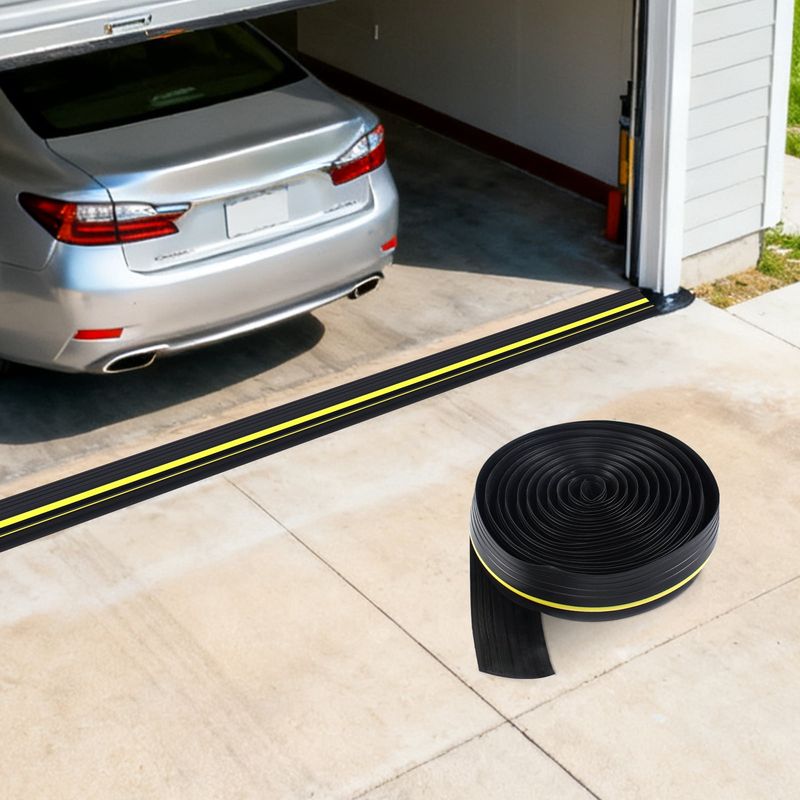
You cannot make a yard snake-free, but you can make the area right beside your house less inviting. Start by looking for places where an animal could hide undisturbed.
UC IPM recommends reducing hiding places near homes, including brush piles, lumber, rocks, and tall weeds. Move firewood and building materials away from walls, trim grass and weeds near the foundation, and clear clutter from side yards.
In fire-prone areas, this also fits with defensible space work you may already be doing.
Next, walk the outside of the building. UC IPM notes that gaps beneath garage doors can let snakes in, so check weatherstripping and door seals, along with vents, pipe openings, and cracks.
Seal what you find with materials suited to the opening.
If you have direct signs of rodents, managing them is also part of the plan, and UC IPM’s rat guidance covers sealing, sanitation, and trapping. Skip the shortcuts, though.
UC IPM says no plants have been shown to repel snakes and does not recommend commercial repellents as proven effective, so save your money for door seals and a weekend of cleanup.
Keep your distance and act quickly after a suspected bite
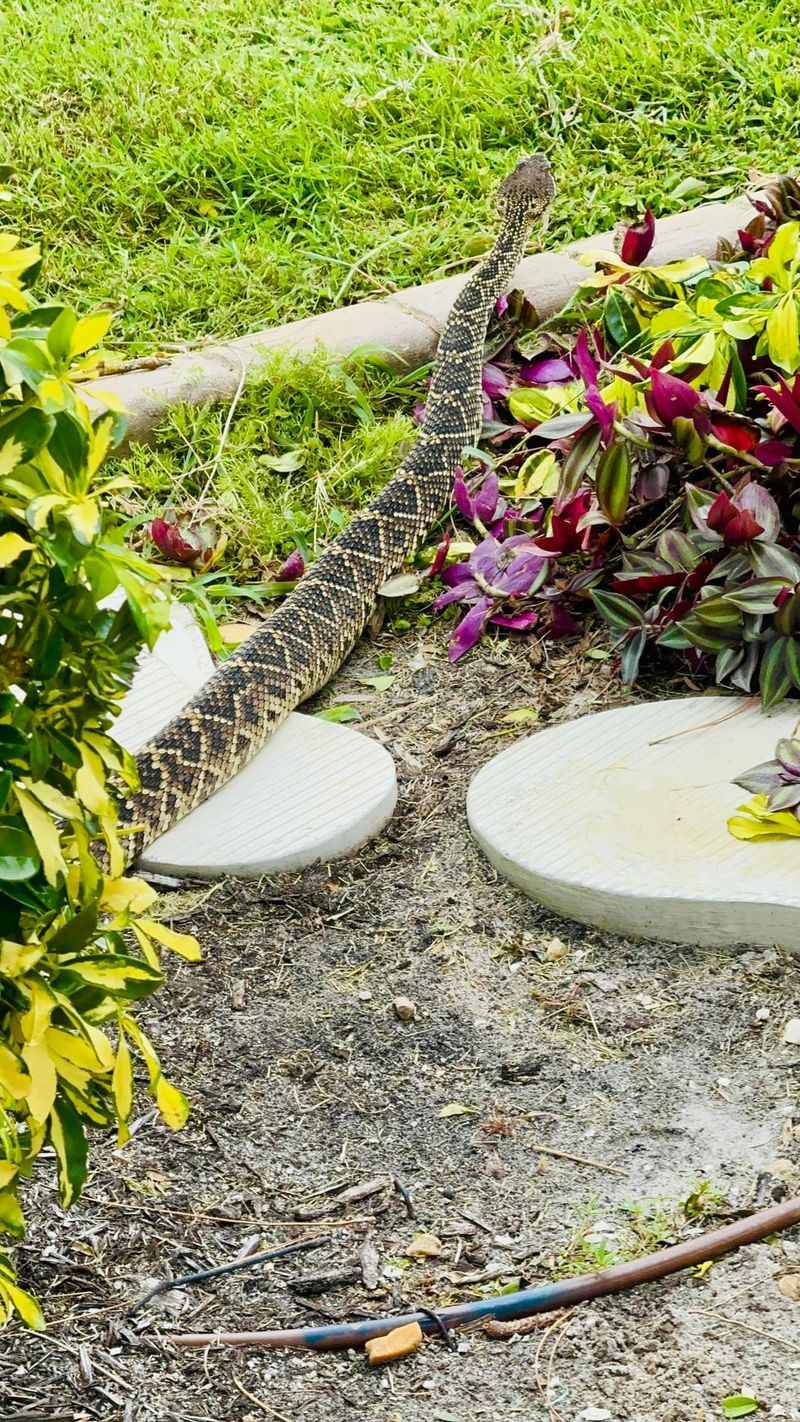
If you spot a snake, give it room. Bring children and pets inside or away from it, and watch from a distance.
Do not walk closer to identify it, and do not try to pick it up, capture it, move it, or kill it. UC IPM warns that attempts to kill or move rattlesnakes can lead to bites.
If the snake needs to be removed, call a professional who specializes in snake removal. The California Department of Fish and Wildlife also cautions against handling snakes.
Many snakes will move on by themselves if left alone.
A suspected rattlesnake bite is a different situation and an emergency. California Poison Control System guidance says to call 911 and get medical care right away.
Do not cut the wound, suck out venom, apply ice, or use a tourniquet. Keep the person calm and still while help is on the way.
The same goes for a pet: head to an emergency vet.
A calm yard owner with a clear plan is safer than a brave one with a shovel.