
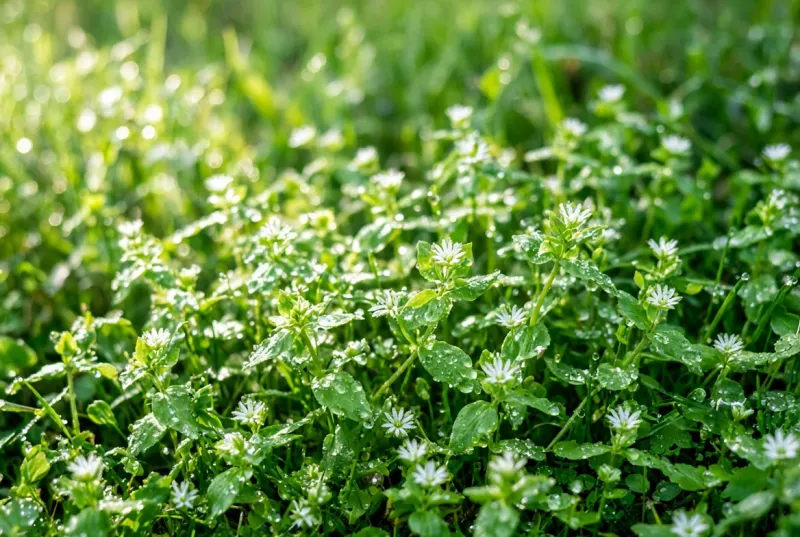
Those scrappy little weeds popping up in your beds this winter are not just random troublemakers. Each one moves in because your soil offers exactly what it likes, whether that is packed dirt, soggy ground, or too much nitrogen.
If you learn to read them, you can fix the real problem instead of pulling the same weeds year after year. Here are eleven common winter weeds and the secrets they are spilling about the ground under your feet.
1. Henbit
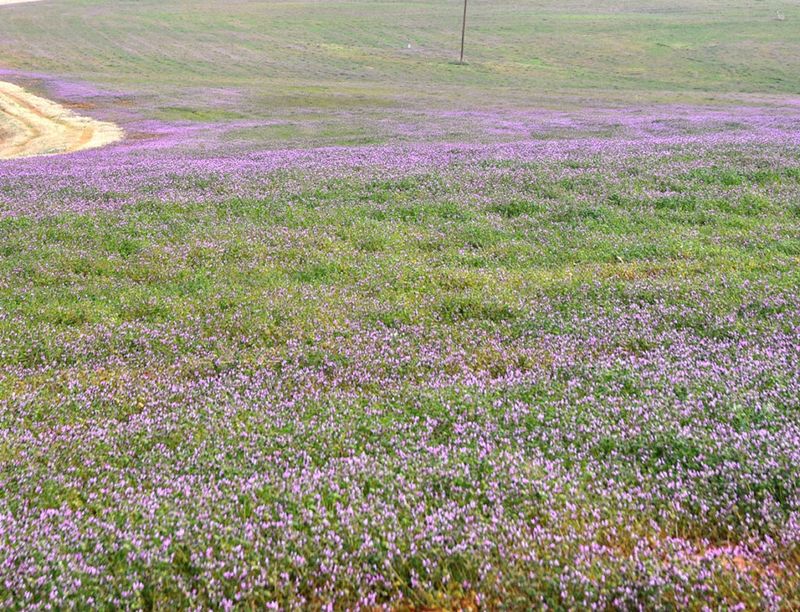
Picture a carpet of tiny purple trumpets showing up in January when nothing else will grow. Henbit is cheerful, early, and a little too good at taking over bare vegetable beds.
When henbit thrives, it usually means your soil is rich, loose, and high in nitrogen. That sounds like good news, and partly it is.
Still, thick patches can point to too much fertilizer or manure piled on last season, which can make your tomatoes grow huge leaves and very little fruit.
Henbit also loves ground left bare over winter. Empty soil is an open invitation, and this weed accepts it fast.
Its seeds sprout in cool weather, so fall cleanup that leaves beds naked basically rolls out the welcome mat.
The fix is simple. Ease up on high-nitrogen feeding next spring and get a soil test before adding more.
Then cover bare beds with shredded leaves or plant a winter cover crop like crimson clover or cereal rye.
Fun bit: bees adore henbit, since it blooms when few other flowers are open. If a corner of your yard can spare a patch, letting a little stay can feed early pollinators while you tackle the beds that matter.
2. Chickweed
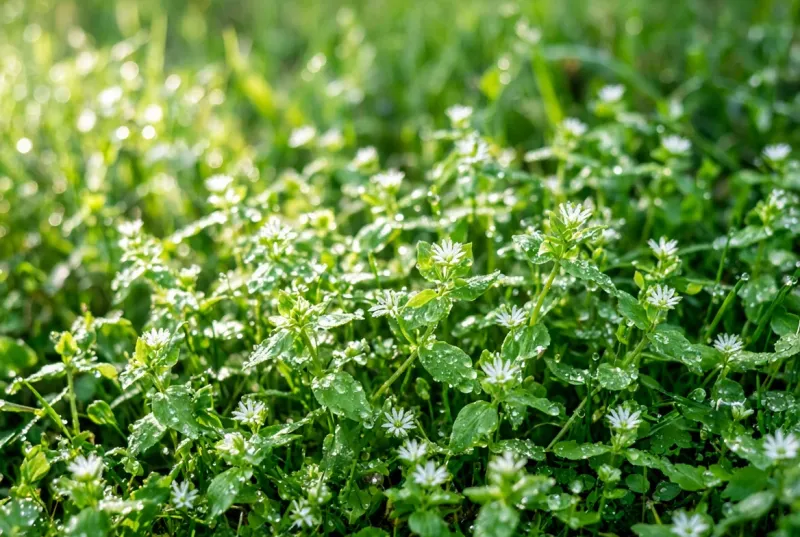
Gardeners have a love-hate relationship with chickweed. It is soft, edible, and even pretty, with tiny white flowers shaped like stars.
Then it smothers your garlic, and the love fades quickly.
Chickweed is a classic sign of fertile, moist soil that is high in nitrogen and organic matter. In other words, you have been doing a lot right.
Gardens with plenty of compost often grow the lushest chickweed mats you will ever see.
The catch is that it also hints at shade and poor air flow. Where chickweed forms thick, damp blankets, the soil may stay wet too long, which can invite slugs and rot in spring.
Because its roots are shallow, chickweed pulls up easily, especially after a rain. Grab it before it sets seed, since one plant can drop thousands.
A layer of mulch afterward keeps new sprouts from popping up.
Here is a nice twist: chickweed has been tossed into salads for centuries and tastes a bit like corn silk. So if you pull a big handful on a mild winter afternoon, rinse it well and enjoy it.
Just be sure no sprays have touched the area.
3. Plantain
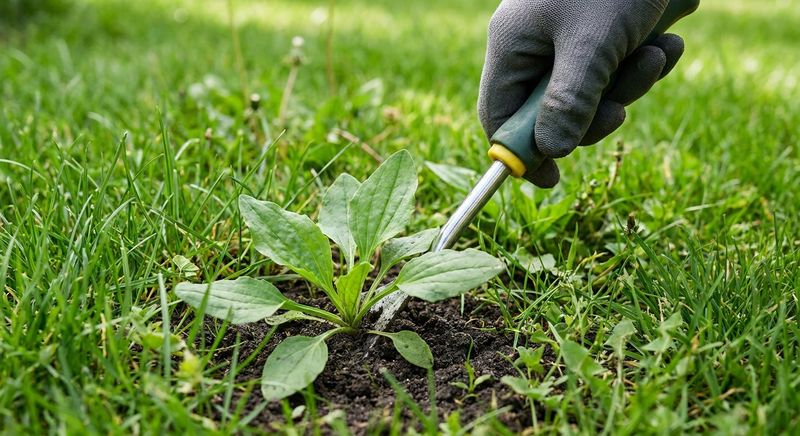
Walk any well-used path to the shed or mailbox, and you will probably find broadleaf plantain lying flat like a green doormat. That location is not an accident.
Plantain is one of the clearest signs of compacted soil. Feet, mowers, and kids on bikes press the ground tight, squeezing out air.
Most plants struggle with that, but plantain shrugs it off thanks to tough roots and leaves that lie low and dodge damage.
Compacted soil causes trouble for everything else you grow. Water runs off instead of soaking in, and roots cannot push down to find food.
So plantain spreading across a lawn is a warning that the ground underneath needs breathing room.
To fix it, core aerate your lawn in fall or spring. In beds, loosen soil gently with a garden fork and work in compost.
Also try stepping stones or a mulched path so traffic stays in one place.
Did you know early settlers carried plantain to North America? Some Native peoples reportedly called it white man’s footprint, because it popped up wherever newcomers walked.
Turns out it was reading the soil long before we were.
4. Moss
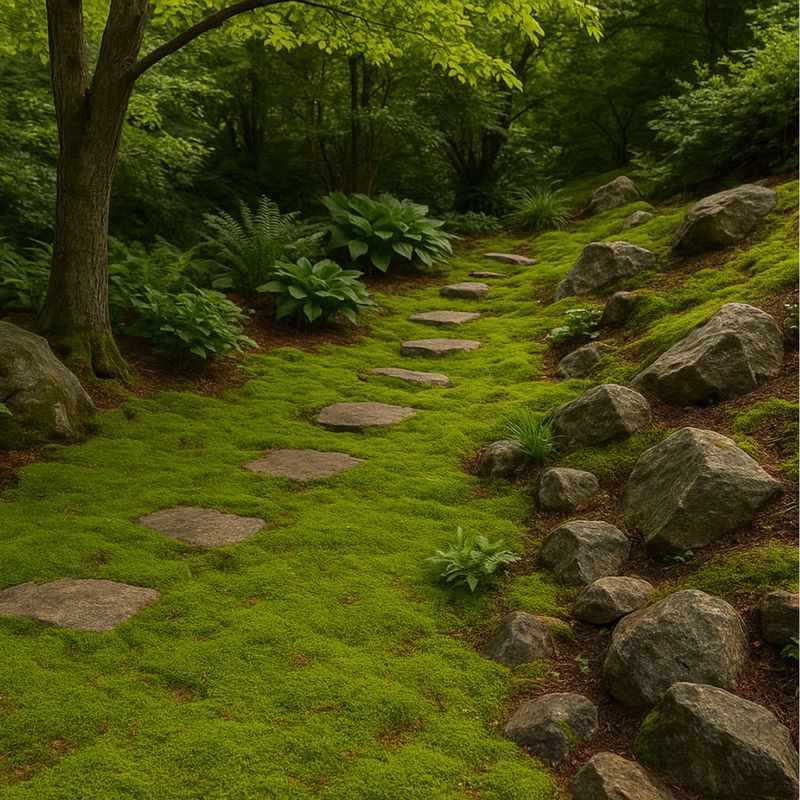
Moss is quiet. It does not flower, it does not climb, and it never shoots up overnight.
It just slowly creeps across your lawn until one day the grass is gone.
Moss is technically not a weed in the usual sense, but it is a loud soil messenger. It usually means three things: too much shade, poor drainage, and soil that is too acidic.
Often you will find all three in the same spot, like under big trees on the north side of a house.
Grass needs sun and fairly balanced soil. When those are missing, moss simply fills the empty space.
Scraping it out only works for a while unless you change the conditions that invited it.
Start with a soil test. If the pH is low, spreading garden lime in fall can help raise it over time.
Prune lower tree branches to let in more light, and aerate soggy spots.
Some gardeners take a different path and embrace the moss completely. In deep shade, a soft moss garden can look lovely and needs no mowing at all.
Sometimes the smartest move is letting the ground grow what it wants.
5. Dandelion

Everyone knows the dandelion. Kids blow its puffballs, and adults chase it with a weeding tool.
Yet in winter, its flat rosette of jagged leaves is busy telling a story about what lies underground.
Dandelions love heavy, compacted soil, often clay. Their long taproot acts like a natural drill, punching down through hard layers that other plants cannot reach.
Many people also link a surge in dandelions to low calcium, though soil tests tell the full truth.
So in a funny way, dandelions are trying to help. As that root breaks through, it opens channels for water and air.
When the plant dies, those tunnels stay behind.
Pulling them in winter is actually smart, because damp soil lets the root slide out more easily. Get as much of it as you can, since leftover pieces can regrow.
Afterward, top the spot with compost to improve the soil structure.
Thicker, healthier grass is your best long-term defense. Mowing a bit higher in summer shades the soil, so dandelion seeds have a harder time sprouting.
Remember, though, early bees treasure those yellow blooms, so a few left at the edges is a kind gesture.
6. Wild Onion
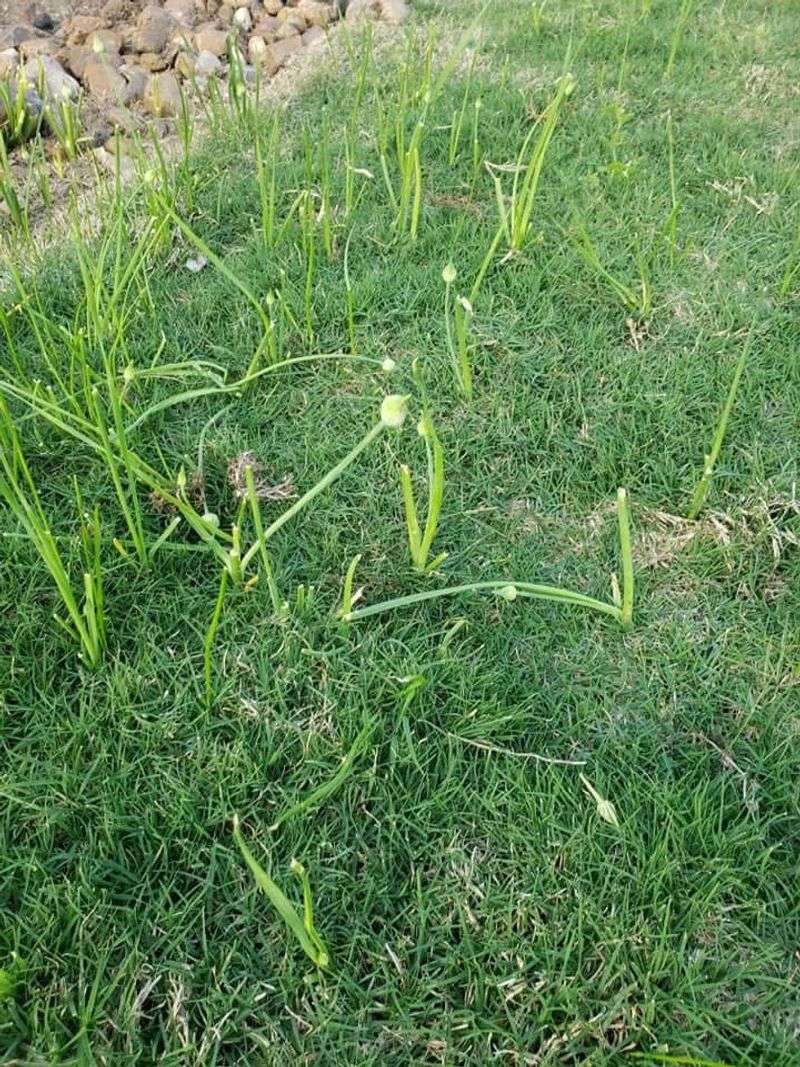
You might smell this one before you see it. Mow over a patch of wild onion in late winter, and the whole yard suddenly smells like a kitchen.
Wild onion and its cousin wild garlic stand tall above dormant lawns, with skinny hollow leaves. They tend to show up in heavy, wet soil that drains poorly.
Spots where water pools after a rain are prime real estate for these bulbs.
Their staying power comes from small bulbs and bulblets underground. Yanking the tops off does almost nothing, because the bulb just sends up new leaves.
That is why many gardeners feel like they are fighting a ghost.
The best approach is to dig, not pull. Use a narrow trowel to lift the whole clump, bulbs and all, while the ground is soft.
Do this in late winter before the plants make new bulblets for next year.
Fixing drainage matters most for the long run. Adding compost, aerating, and avoiding foot traffic on wet soil all help water move down.
Once the ground drains better, your lawn grasses get stronger and the onions slowly lose their grip.
7. Sheep Sorrel
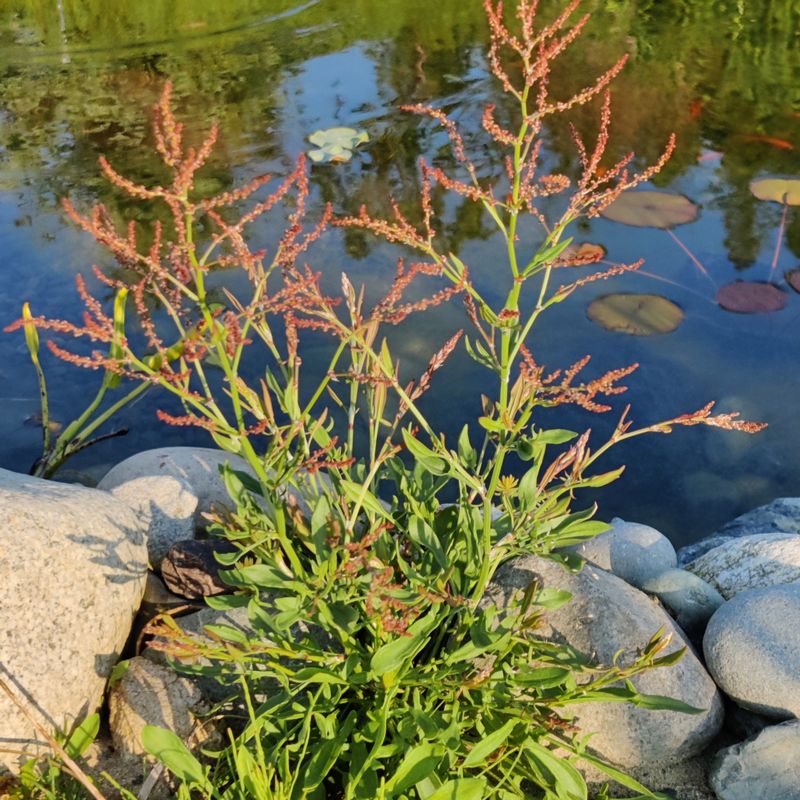
Look closely at sheep sorrel and you will notice its leaves are shaped like little arrowheads. Fittingly, they point right at a very specific soil problem: acidity.
Sheep sorrel is one of the most trusted acid-soil indicators around. It grows happily where the pH is low and the ground is thin, sandy, or worn out.
Fields that have not been cared for in years often turn reddish in summer from sorrel seed heads.
Acidic soil locks up nutrients like calcium and phosphorus, so vegetables can look hungry even when you feed them. If tomatoes, beans, and lettuce are struggling near sorrel, that may be why.
Get a soil test from your local extension office. If it confirms low pH, add garden lime as directed, usually in fall so it has months to work.
Mix in compost too, because thin soil needs body as much as balance.
The roots spread sideways underground, so pull slowly and follow them out. Here is a quirky detail: sorrel leaves have a sour, lemony taste from oxalic acid.
Kids in old farm towns used to chew them on walks, though eating lots is not a good idea.
8. Creeping Charlie
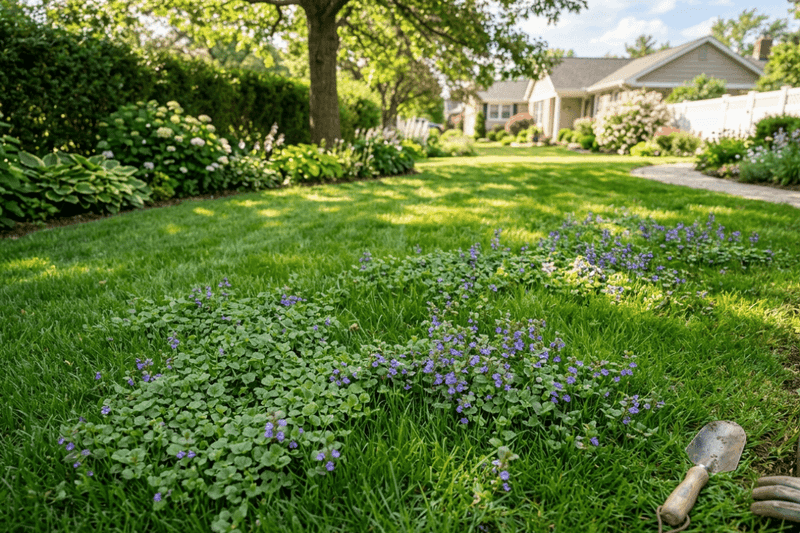
Creeping Charlie earns its name honestly. Turn your back for one season, and its runners will have slid under the fence, through the lawn, and into your flower bed.
Also called ground ivy, this mint family plant has round, scalloped leaves and a strong minty smell when crushed. It points to damp, shady soil, often rich but poorly drained.
Lawns near downspouts or under trees are its favorite hangouts.
Every place a runner touches the ground, it can root. That makes it tough to remove.
If even a small piece is left behind, it bounces right back.
Winter and early spring are great times to rake it up. The soil is soft, and the plant is easier to spot against dormant grass.
Pull slowly so the runners come out whole.
Then deal with the conditions. Redirect downspouts, thin tree branches for more light, and overseed thin lawn patches so grass can compete.
Creeping Charlie hates a thick, healthy turf in the sun.
Some history: before hops became standard, brewers in England used ground ivy to flavor and clear their ale. So this pest once had a pretty respectable job.
9. Annual Bluegrass
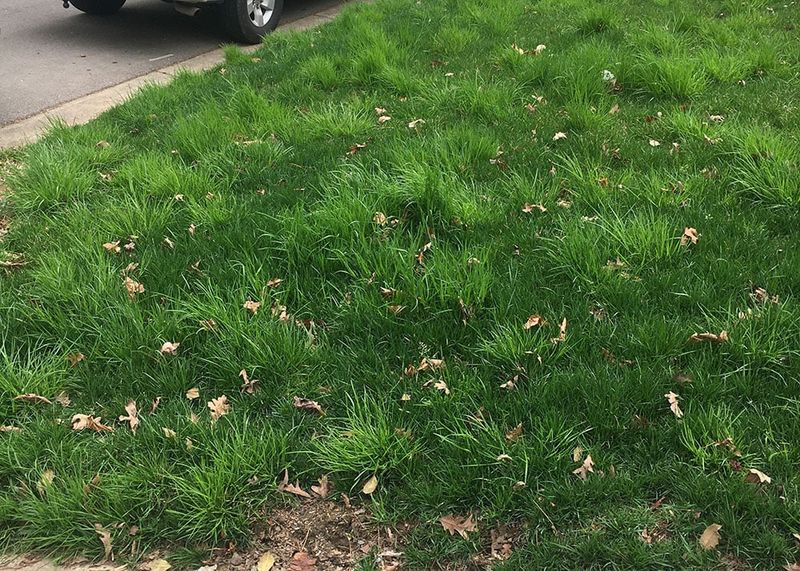
Ever notice bright green tufts in a brown winter lawn? Those little clumps look healthy, almost too healthy.
Most likely, they are annual bluegrass, also known as Poa annua.
Golf course managers battle this grass constantly, and for good reason. It thrives in compacted, moist soil that gets watered often and mowed short.
Basically, it is a sign your lawn is being babied in the wrong ways.
Annual bluegrass has shallow roots and dies off in summer heat. That leaves brown, empty patches right when your yard should look its best.
Then, in fall, its seeds sprout again and the cycle repeats.
Breaking that cycle starts with how you care for the lawn. Water deeply but less often, so roots of your main grass grow deep.
Raise your mower height a notch, and aerate compacted areas each year.
Hand pulling works on small patches, especially before those white seed heads form in late winter. A single plant can drop hundreds of seeds, so timing matters a lot here.
Once your soil breathes better and dries between waterings, annual bluegrass loses its advantage. Your stronger turf will slowly crowd it right out of the picture.
10. Horsetail
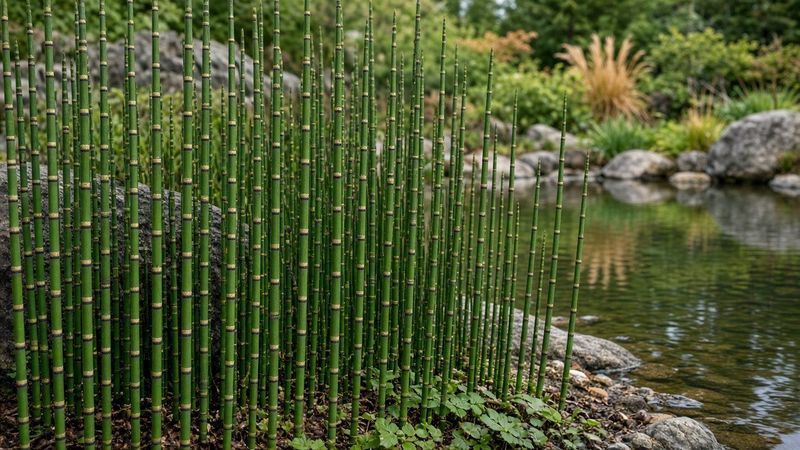
Horsetail looks like something from the dinosaur age, and that is because it basically is. Its relatives grew as tall as trees over 300 million years ago.
Today, its jointed green stems mean one thing in your yard: water. Horsetail grows in soggy, poorly drained ground, often with acidic soil.
If you see it, chances are the soil stays wet well below the surface, even when the top looks dry.
Fighting horsetail is famously frustrating. Its roots can run several feet deep, and pulling the tops does little.
Many gardeners spend years at it with mixed results.
The real answer is changing the wet conditions. Raised beds work wonders, since they lift your plants above the soggy layer.
You can also add drainage, regrade low spots, or build a rain garden filled with plants that love moisture.
Keep snipping stems at ground level whenever they appear. Over time, that weakens the roots, especially as the soil dries out.
Here is a neat bit of trivia: horsetail stems contain silica, which makes them gritty. Pioneers used bundles of it to scrub pots, earning it the nickname scouring rush.
Not bad for a weed.
11. Purple Deadnettle
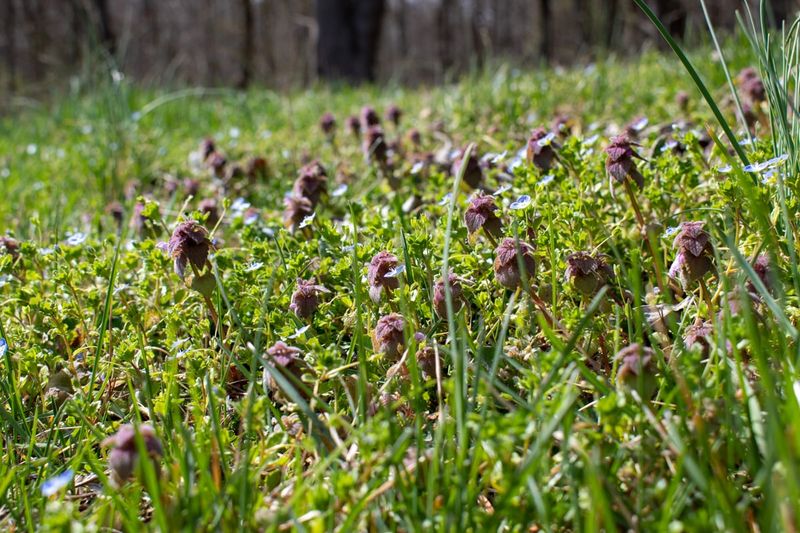
At first glance, purple deadnettle and henbit look like twins. Look again, though, and you will see deadnettle has pointy, heart-shaped top leaves washed in purple, almost like a tiny pagoda.
While henbit shouts about nitrogen, deadnettle is more about soil that has been disturbed. It shows up in beds that were tilled, dug, or turned over in fall.
Bare, broken soil sends its seeds a clear signal that space is open.
Frequent tilling actually hurts soil over time. It breaks apart crumbly structure, speeds up loss of organic matter, and brings buried weed seeds up to the light.
Deadnettle is basically a receipt for all that digging.
Try a no-dig approach instead. Lay cardboard or a thick layer of compost and mulch on top rather than turning the soil.
Worms and roots will do the mixing for you, quietly and for free.
Deadnettle pulls out easily, so a quick weeding session on a mild day clears a bed fast. Despite the name, it does not sting at all.
Dead means harmless here, unlike the true stinging nettles it resembles.