
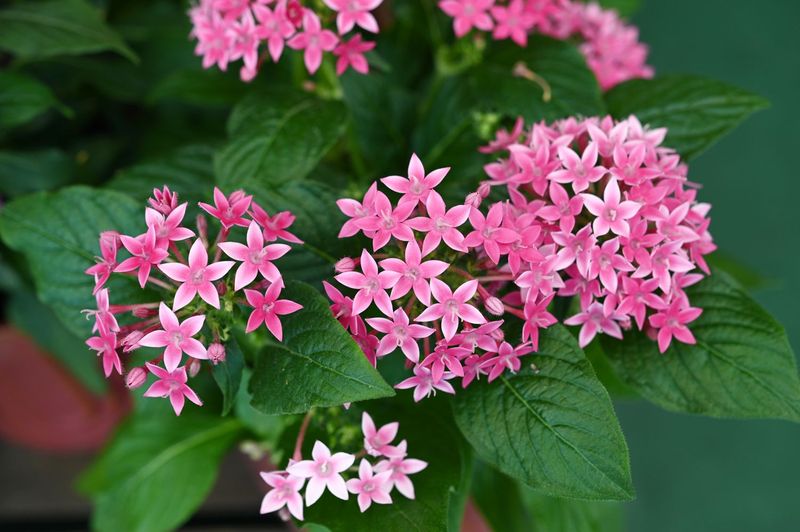
Growing flowers in pots around your Florida home should feel like a treat, not a chore. The good news is that some perennials shrug off our sandy soil, blistering summer heat, and stormy afternoons while returning bigger and bolder every year. Plant them once in a good container, give them a decent spot on the patio, and they reward you season after season with almost no babysitting. Here are twelve reliable perennials that thrive in pots across Florida and keep coming back without the fuss.
1. Firebush (Hamelia patens)
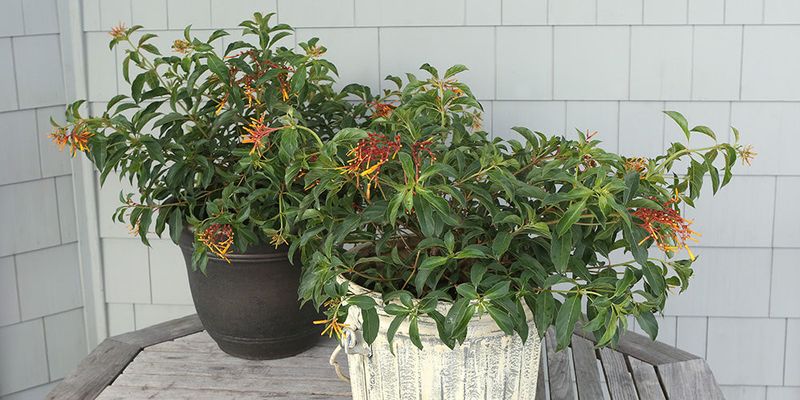
Butterflies and hummingbirds treat a potted firebush like a favorite roadside diner, swinging by all day for its tubular orange-red blooms. It is a Florida native that laughs at July heat and keeps flowering right through the muggiest stretch of summer.
Because it handles fast-draining soil so well, a large container filled with a sandy potting mix suits it perfectly. Give it full sun on a patio or driveway edge and water when the top inch of soil dries out.
In North and Central Florida the top may die back after a cold snap, but the roots survive in a protected pot and push out fresh growth once warmth returns. Down south it stays evergreen and just keeps getting bushier. Trim it back in early spring to keep it tidy and it will thank you with an even fuller flush of color.
2. Blanket Flower (Gaillardia pulchella)
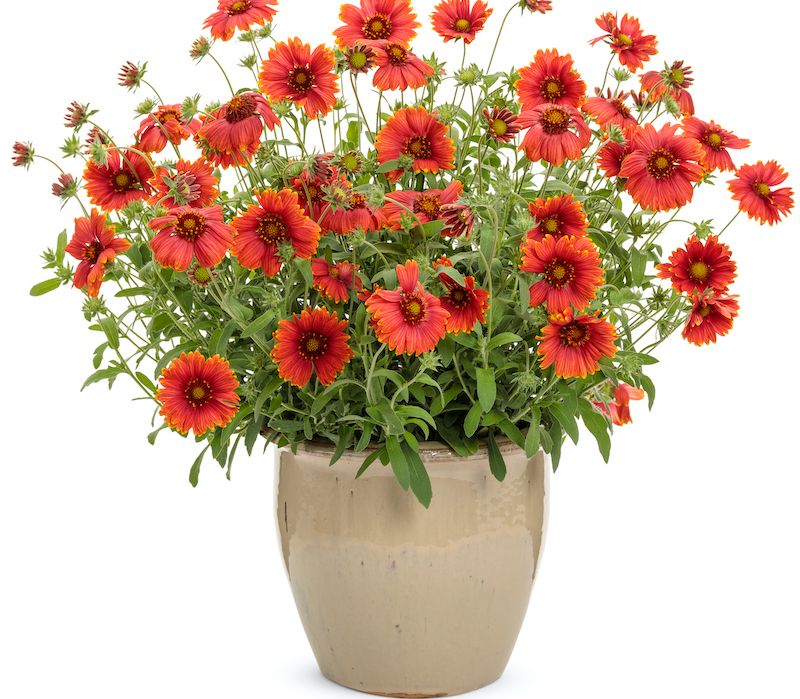
Few flowers capture the feel of a Florida beach quite like blanket flower, with its fiery red-and-yellow daisies that seem to soak up the sun. It genuinely grows wild along our coastal dunes, so a hot, dry pot is basically home.
Sandy, gritty potting soil is its comfort zone, and overwatering is the fastest way to lose it, so err on the dry side. A sunny balcony rail or a cluster of pots by the mailbox lets it show off all summer long.
Deadheading spent blooms keeps new ones coming, though it happily reseeds itself in the same container if you let a few flowers go to seed. Salt spray and coastal wind barely faze it, making it a smart pick for anyone gardening near the water. Come back next year and you will likely find it right where you left it, ready to blaze again.
3. Bulbine (Bulbine frutescens)
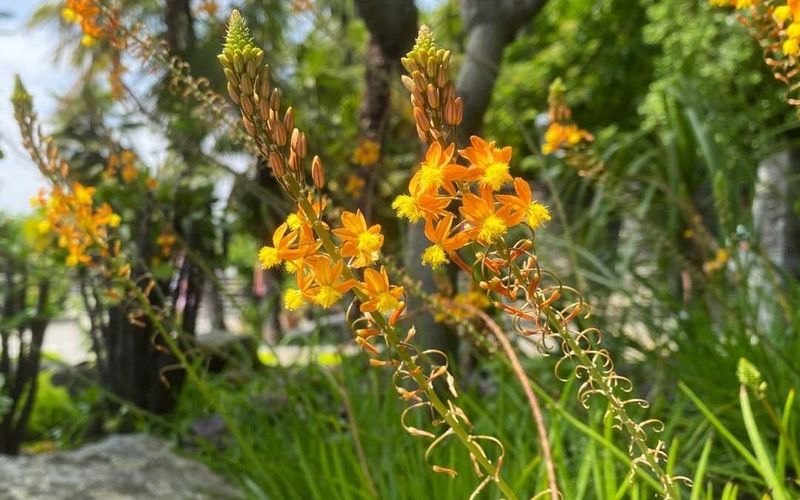
Think of bulbine as the succulent that decided to grow flowers instead of just sitting there looking tough. Its grassy, water-storing leaves shrug off drought, and slender stalks of yellow or orange star-shaped blooms rise above them for months.
Since it stores its own water, this is the plant for anyone who forgets to grab the hose. A shallow pot with sandy, sharp-draining mix keeps its roots happy and rot-free.
Full sun brings out the best flowering, and it barely notices Florida heat. The clumps slowly spread to fill a container, which means you can divide them every couple of years and start new pots for free.
Gardeners sometimes call the leaf gel a soothing scratch-and-scrape remedy, similar to aloe. Whether or not you test that out, bulbine earns its spot by being nearly indestructible and cheerfully colorful.
4. Society Garlic (Tulbaghia violacea)
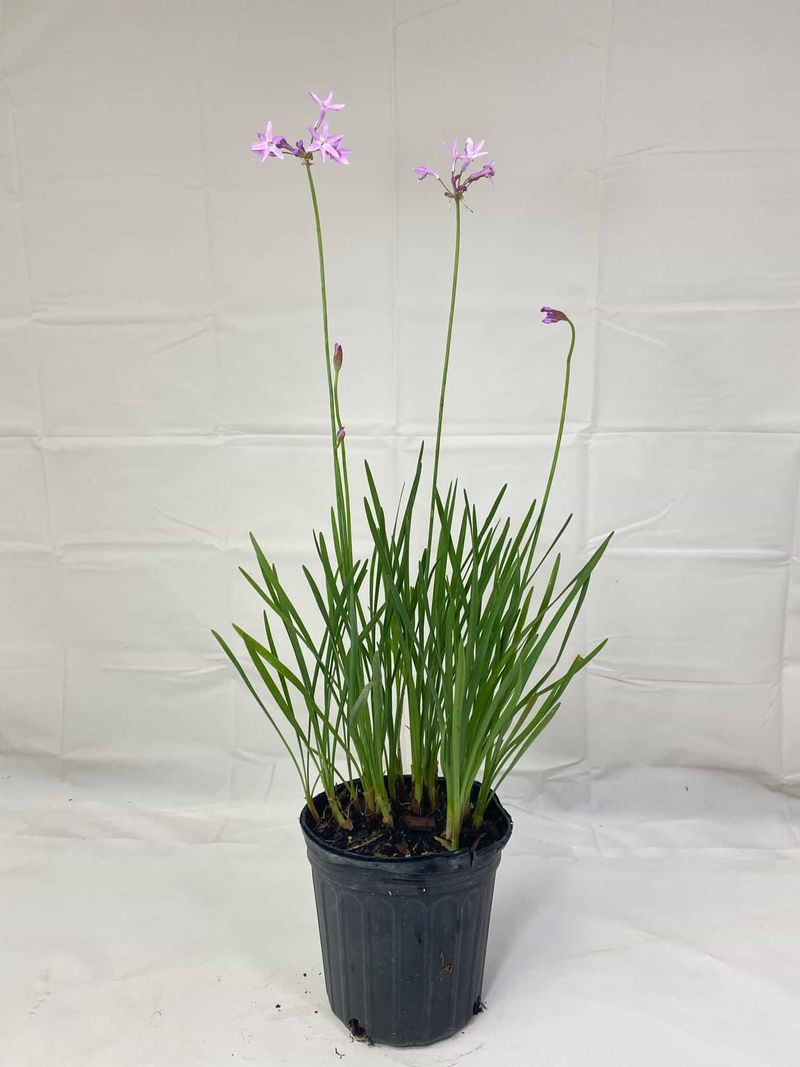
Lavender flowers with a faint garlic scent might sound odd, but society garlic pulls it off with real charm. Brush past the leaves and you catch that mild oniony whiff, which many gardeners swear helps keep certain pests at a distance.
Its slim, upright foliage and airy purple blooms make it a tidy container plant that never sprawls into a mess. Give it full to partial sun and average watering, and it flowers on and off for most of the year in Florida.
Heat and drought rarely slow it down once established, and clumps fatten up over time so you can split them for more pots. It stays evergreen through mild winters across most of the state.
Set a pot near a walkway or seating area where the gentle fragrance gets stirred up as people pass. It is proof that a low-fuss plant can still bring personality.
5. Pentas (Pentas lanceolata)
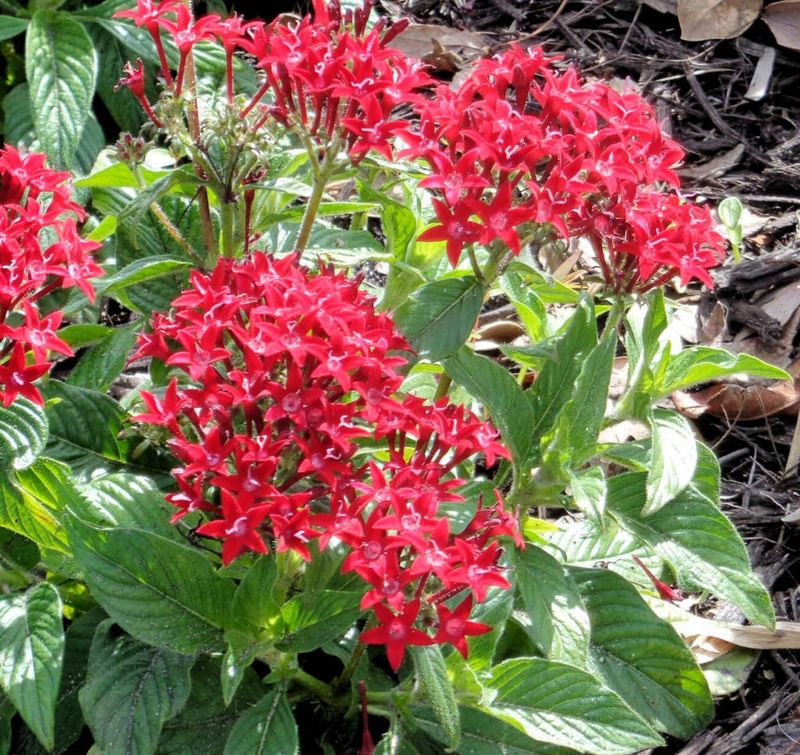
If you want a nonstop pollinator magnet, pentas delivers clusters of tiny star flowers that butterflies simply cannot resist. Reds, pinks, purples, and whites let you match a pot to whatever mood your porch is in.
Heat is where this plant truly shines, blooming steadily through the sticky peak of a Florida summer when many flowers sulk. A container with rich but well-draining soil keeps it flowering, especially with regular watering during dry spells.
In South Florida it behaves as a true perennial, coming back year after year, while gardeners farther north may treat it as a returning warm-season star that bounces back from the roots after mild winters.
Pinch off faded flower heads now and then to encourage fresh clusters. Pair it with firebush or milkweed nearby and you will practically host your own butterfly festival on the patio.
6. Coontie (Zamia integrifolia)
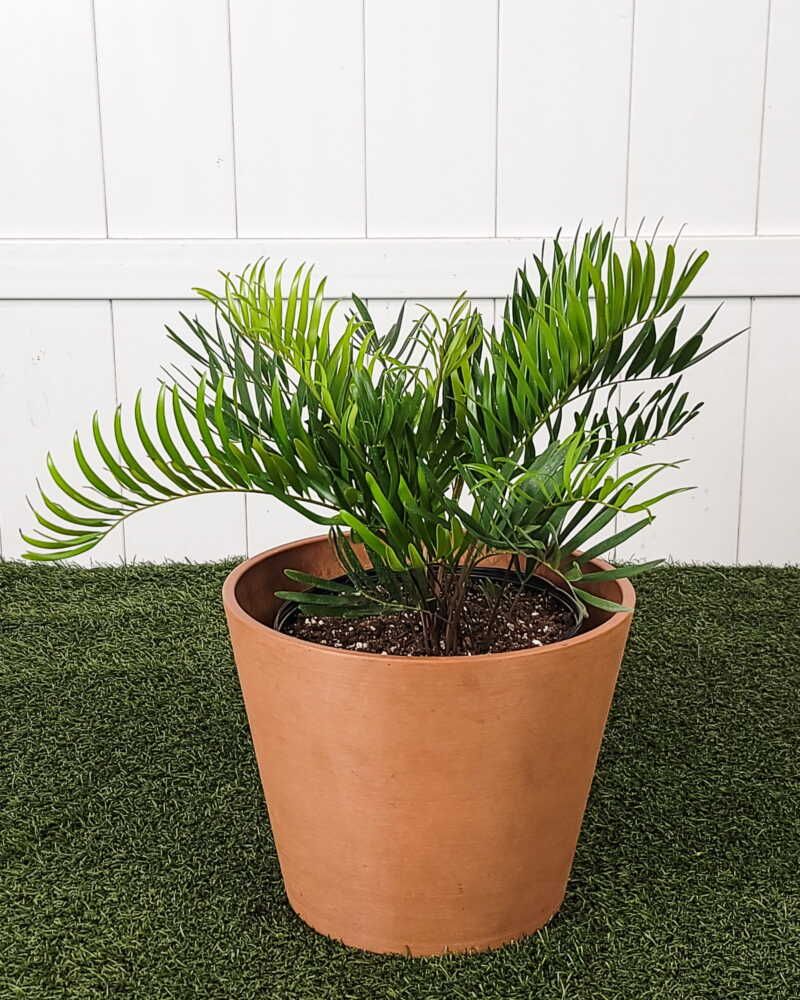
Ancient, tough, and quietly elegant, coontie is a Florida native that looks like a small palm but is actually a cycad that predates the dinosaurs. Its stiff, glossy fronds bring a sculptural calm to any pot without demanding much of anything.
Drought is no problem, sandy soil is ideal, and once settled in a container it practically takes care of itself for years. Slow growth is part of the deal, so buy a decent-sized plant if you want instant presence.
Sun or shade both work, which makes it flexible for a shady lanai corner or a bright doorway. It is also the only host plant for the rare atala butterfly, so a coontie can play a real role in supporting Florida wildlife.
Skip the fertilizer overload and heavy watering and it will reward your restraint by simply thriving on autopilot.
7. Milkweed (Asclepias tuberosa)
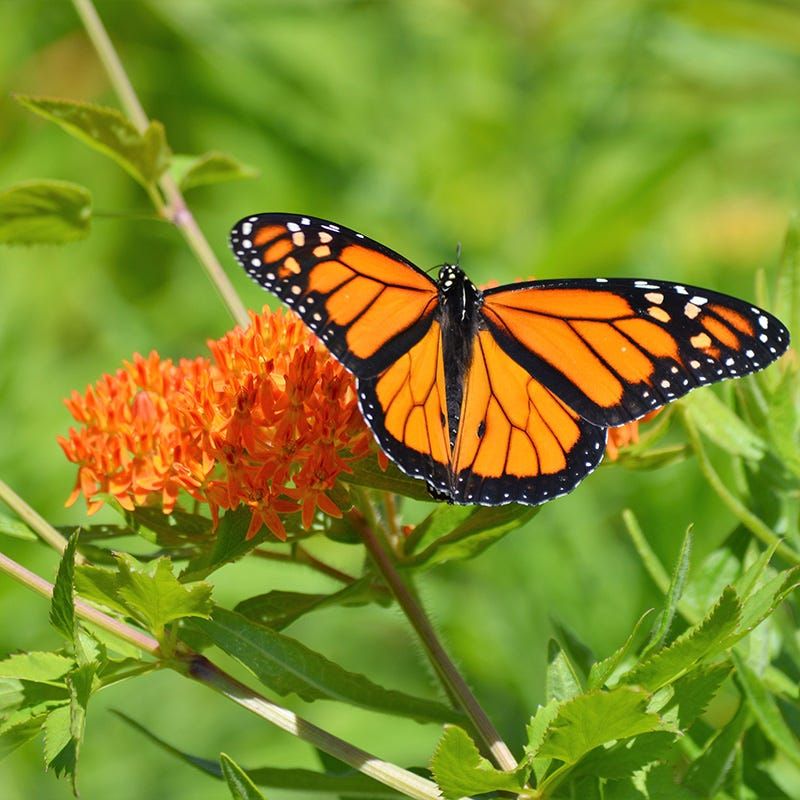
No plant does more for monarch butterflies than milkweed, the only place these travelers will lay their eggs. Butterfly milkweed rewards you with bright orange flower clusters and a front-row seat to caterpillars munching and transforming.
Sandy, well-drained soil in a sunny pot mimics its natural Florida habitat, and it actually prefers being on the lean, dry side. Skip the rich, soggy conditions and it settles in beautifully.
UF-IFAS encourages native milkweed over the tropical kind, so seek out native species when you shop to best support monarch health. Once established in a container, the plant dies back and returns from its roots each growing season.
Do not panic when caterpillars strip the leaves. That munching is the whole point, and the plant regrows once they have moved on to become butterflies.
8. Blue Daze (Evolvulus glomeratus)
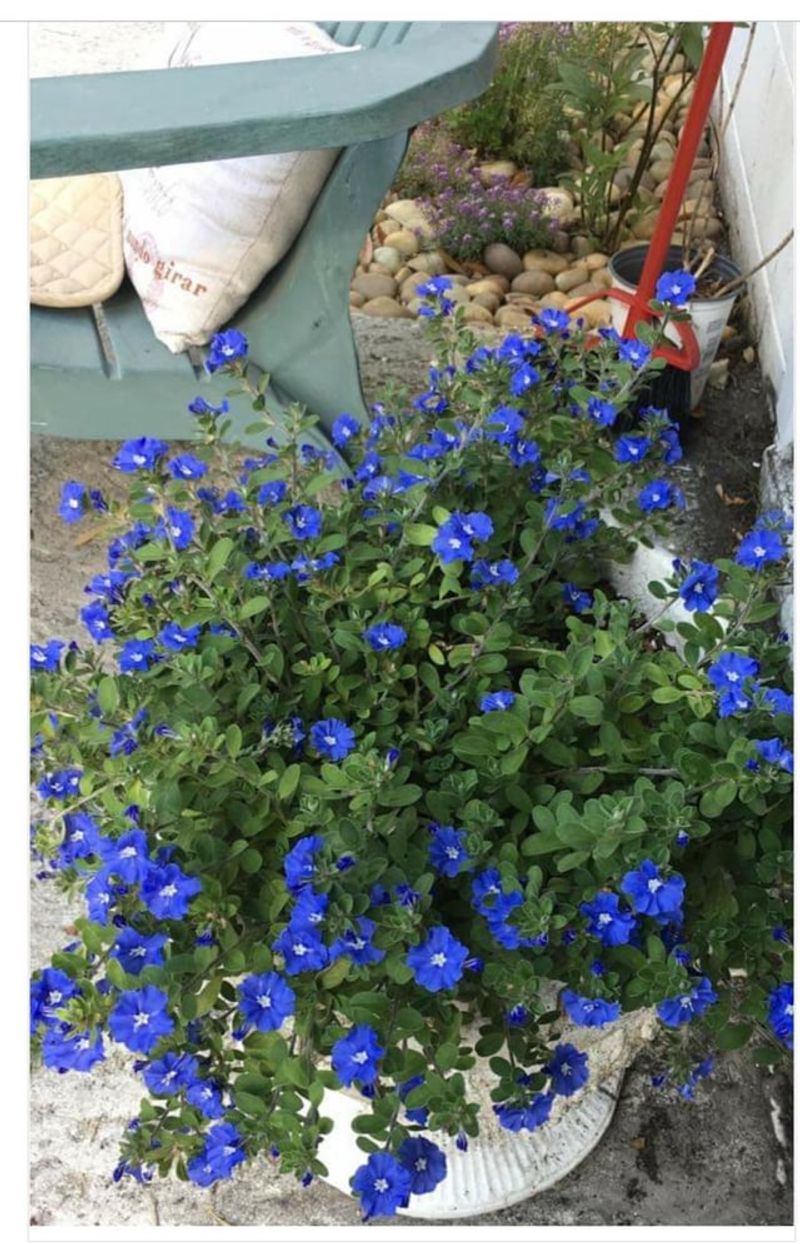
Waking up to a container spilling over with sky-blue flowers is a genuinely nice way to start a Florida morning. Blue daze opens fresh true-blue blooms each day above soft silvery-green foliage, a color combo that is surprisingly rare in the plant world.
Trailing and low-growing, it looks made for hanging baskets and the front edges of mixed pots. Heat and drought barely register, and it keeps flowering through the hottest months with steady sun.
Well-draining soil is a must, since it hates having wet feet after a summer downpour. Blooms tend to close by afternoon, so enjoy the show early in the day.
In warmer parts of the state it returns reliably year after year, and a quick trim keeps it from getting leggy. Few low-fuss plants offer this much true blue.
9. Lantana (Lantana camara)
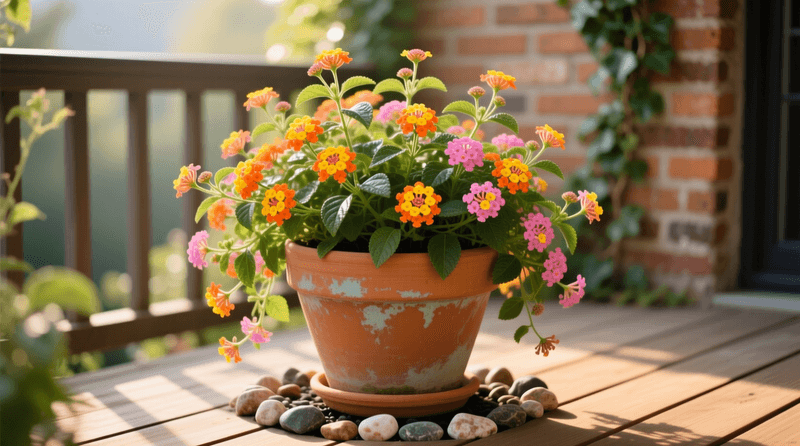
Talk about a workhorse: lantana blooms in cheerful multicolor clusters that shift shades as they age, giving you two or three colors on one plant. Butterflies flock to it, and almost nothing seems to stop it, not heat, not drought, not sandy soil.
A big pot in full sun is all it asks, and it will cascade over the sides in a tumble of yellow, orange, pink, and red. Because it can be aggressive in the ground, growing it in a container is actually a smart way to keep it contained.
Look for sterile or native-friendly cultivars, since some non-native types are considered invasive in Florida. Trim it hard in early spring to renew the growth and it comes roaring back thicker than before.
It practically ignores neglect, which makes it the poster child for set-and-forget color on a hot patio.
10. African Iris (Dietes iridioides)
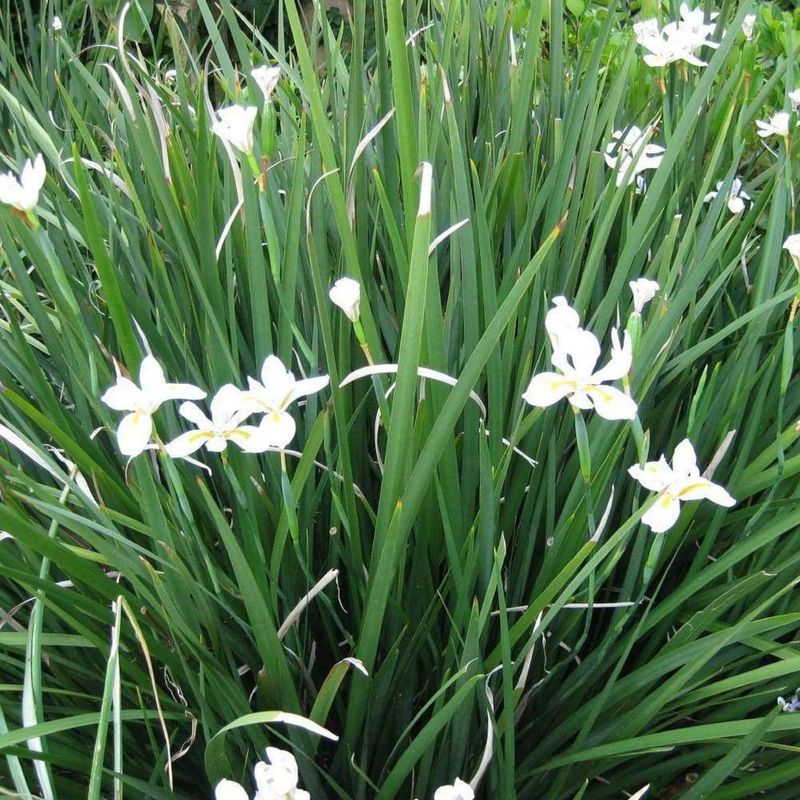
Sword-like foliage standing tall in a pot gives African iris an architectural look even before it flowers. Then come the delicate white blooms marked with yellow and purple, resembling small orchids that appear in waves after rain.
Toughness is its middle name. It tolerates drought, sandy soil, humidity, and the occasional flooding rain that comes with Florida storm season without missing a beat.
The upright, grassy clumps hold their shape year-round and rarely need fussing, making them ideal for a low-maintenance entryway pair of pots. Full sun to part shade both work fine.
Snap off the old bloom stalks and divide the clumps every few years to keep them vigorous and to fill more containers. For structure that survives whatever the weather throws at it, this evergreen perennial is hard to beat.
11. Beach Sunflower (Helianthus debilis)
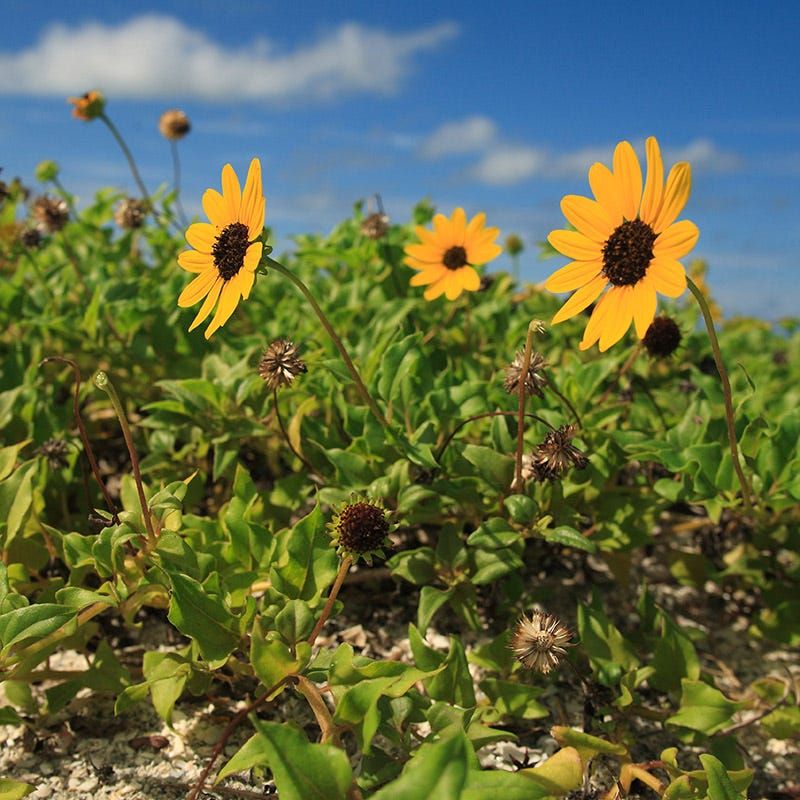
Born on Florida’s dunes, beach sunflower is basically pre-programmed to handle sand, salt, and scorching sun. Its bright yellow daisy-like blooms with dark centers keep coming almost year-round in the warmer parts of the state.
Sprawling and low, it works beautifully as a trailing filler that spills over the edge of a wide, shallow container. Salt spray and wind are non-issues, so coastal gardeners can plant it with confidence.
Water is rarely needed once it is settled, and overdoing it does more harm than drought ever could. It reseeds readily, so a single pot often produces volunteers you can move around.
Pollinators love the steady supply of flowers, and you get a native groundcover-in-a-pot that asks for almost nothing. For beachside patios, it might be the easiest choice on this list.
12. Firespike (Odontonema strictum)
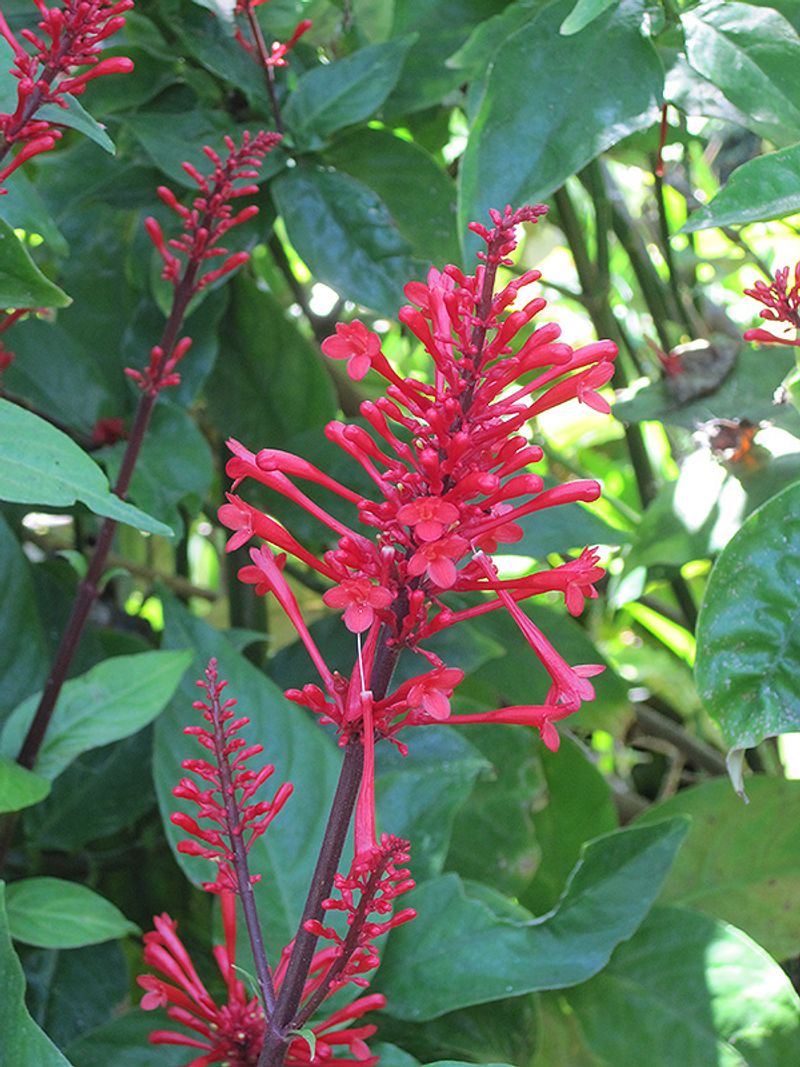
When the light starts to fade and other flowers wind down, firespike lights up shady corners with tall red flower spikes that hummingbirds adore. It is one of the few reliable bloomers for a pot that only gets partial or dappled sun.
Rich, well-draining soil keeps it lush, and it appreciates a bit more water than the desert-tough plants on this list, especially in summer heat. In return it produces glossy green leaves and dramatic crimson spikes in fall and winter.
Cold can knock it back in North and Central Florida, but the roots survive in a sheltered container and resprout when warmth returns. South Florida gardeners often keep it going year-round.
Cut it back after flowering to keep it bushy. For a lanai that stays shady, firespike brings the kind of color most shade plants only dream of.