
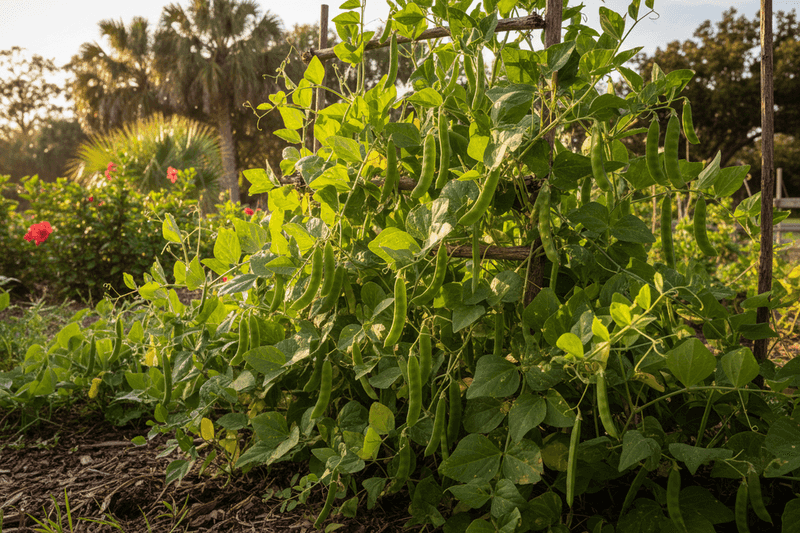
Pea vines that look deep green and full but give you only a handful of pods can be frustrating to watch. In Texas and Florida beds, one common habit may be part of the story: adding nitrogen that the plants did not need.
It is not the only possible cause, though, and the clues on your vines can help you sort out what is going on. A little careful looking now may help you make better choices before warm weather arrives.
First, find out whether the pods never set or never filled
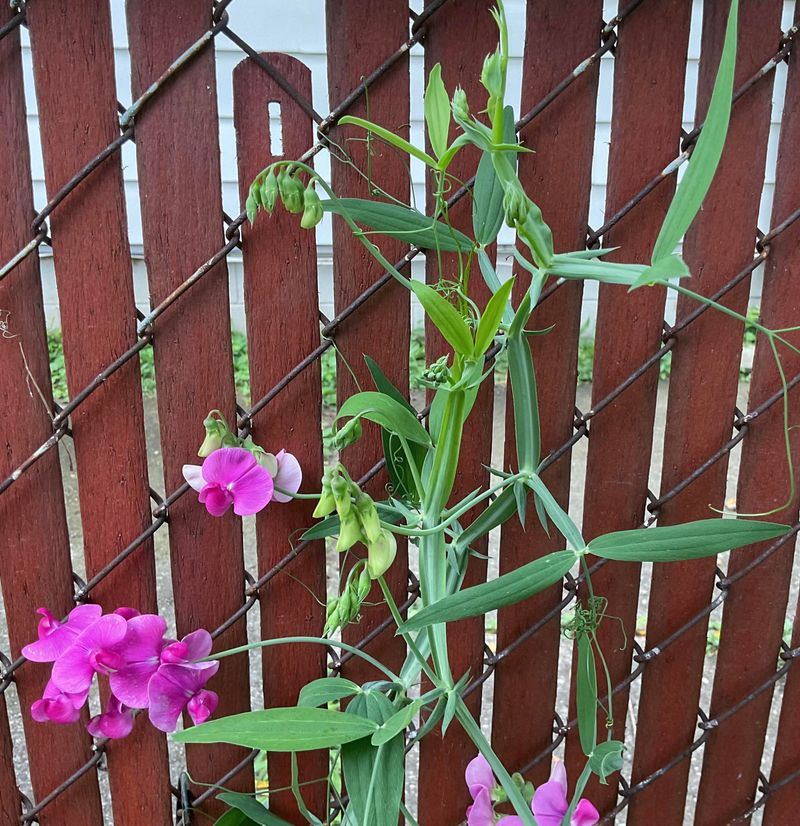
Two problems often get lumped together as empty pods, yet they are different. In one, flowers open and then drop off without ever forming a pod.
In the other, a pod does form, but when you open it the seeds are small, shriveled, or missing.
Spend a few minutes walking the row and noting which one you see. Look at the base of flowering stems for blossoms that have shriveled and fallen, and count how many pods are actually forming.
Then pick several pods of different sizes and split them open to check the seeds.
Extension sources describe flower drop in peas as a response to stress, and poor seed development is listed among the physiological disorders of the crop.
Write down what you find, including the date and the weather that week. That small record will make the next sections far easier to use, because the likely causes overlap but are not identical.
Could excess nitrogen be limiting pod production?
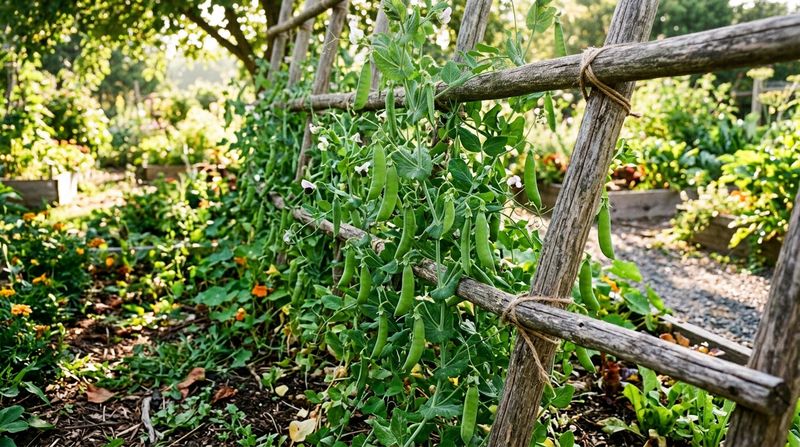
Peas are legumes, which means bacteria living on their roots can supply a good share of the nitrogen they need. When extra nitrogen is added on top of that, the plants may respond by pouring energy into leaves.
According to Utah State University Extension, too much nitrogen can overstimulate foliage, delay flowering, and reduce pod set.
So a thick, glossy vine with few pods makes overfeeding a reasonable suspect, especially if you fed the bed more than once. Still, a lush vine does not prove that nitrogen is the culprit.
Plenty of healthy peas grow big and leafy.
Heat and dry soil belong on the suspect list too. Extension guidance on pea physiological disorders links hot, dry conditions to flower drop and poor seed development.
Think of nitrogen as one possible contributor among several, and check each one before settling on an answer.
Base fertilizer decisions on soil evidence
Feeding by habit is where many pea beds go off track. If compost or fertilizer went in at planting, peas generally need nothing more, and extra nitrogen is the part most likely to push leaves at the expense of pods.
Holding off on a booster is usually the calmer choice.
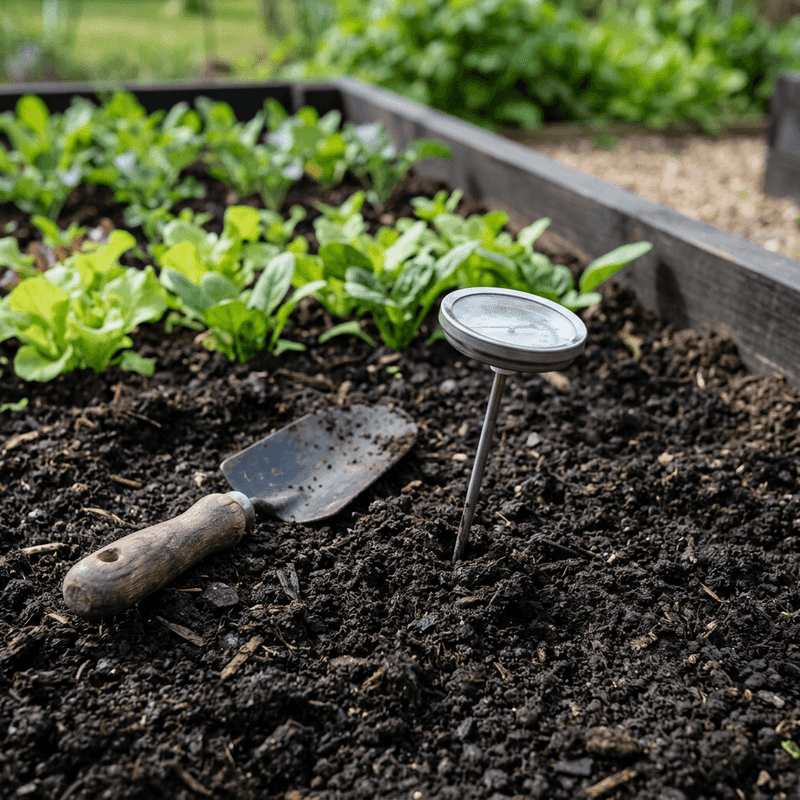
When you do wonder whether the soil needs something, let a soil test answer instead of guessing. Clemson Extension cautions against excess nitrogen for garden peas and points gardeners toward testing.
Your county Extension office can explain how to collect a sample and read the results for your soil.
Texas and Florida soils range from heavy clay to pale sand, so no single fertilizer rate fits every bed. For the same reason, adding phosphorus or potassium as a hopeful fix is a guess.
Wait for the test and local advice, since the Utah State guidance on peas also treats extra feeding as something to avoid unless it is needed.
Keep moisture reasonably even as pods develop
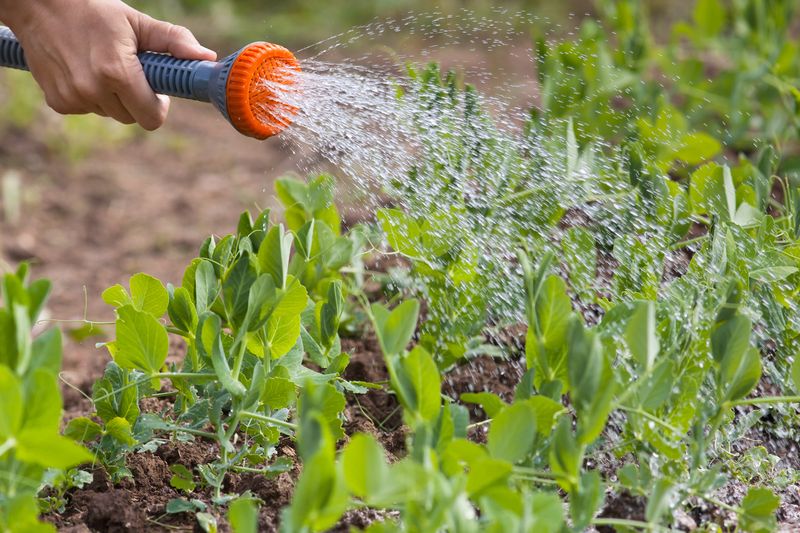
Water matters most once flowers appear. Clemson notes that the critical moisture period for peas is pod set and development, so that is when a dry spell does the most harm.
Drought can cut yield and seed size, and Utah State Extension ties dry conditions to flower drop. Heat plus low soil moisture is a rougher combination, and pea disorder guidance links it to poor pod fill.
A practical routine is to push a finger two inches into the soil and water when it feels dry there. Drip lines or a soaker hose at the base, plus a layer of mulch, help keep moisture steadier between waterings.
Aim for evenly damp, not soggy. Waterlogged soil brings its own trouble for roots.
Also keep in mind that watering now supports the pods still developing, but it cannot undo flowers already dropped or seeds that failed to form.
Check whether your location and pea type allow time to finish
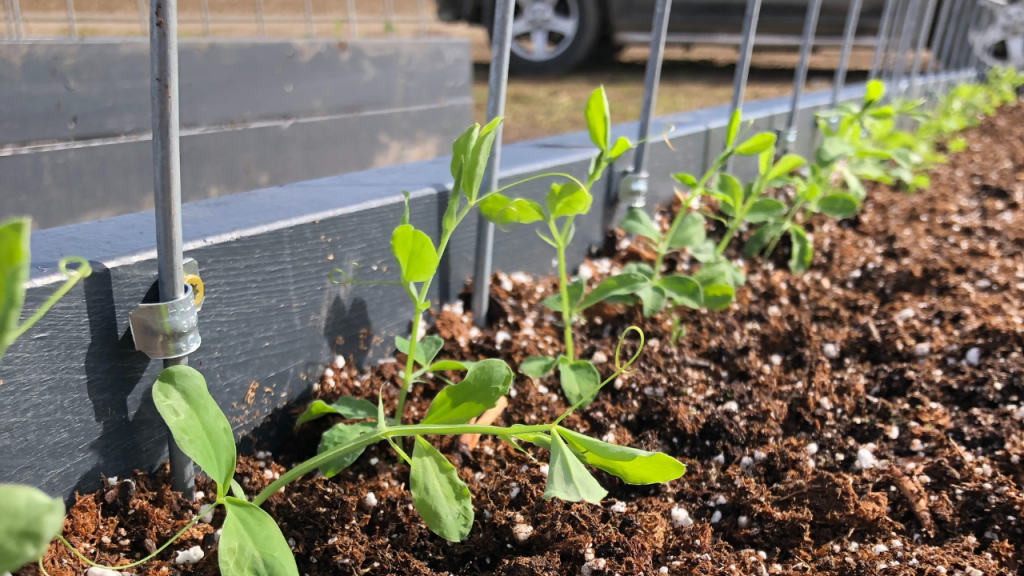
First, identify what you are growing. English, snap, and snow peas are all Pisum sativum, the cool-season garden pea.
Southern peas, also called cowpeas, are a different crop that thrives in warmer weather. UF/IFAS legume guidance separates green peas from southern peas, so timing for one should not be borrowed for the other.
Planting windows also shift across both states. The Florida Vegetable Gardening Guide gives different windows for North Florida than for Central and South Florida.
In Texas, Bexar County recommendations and the AgriLife planting calendar list their own regional dates.
Find the calendar for your county and match it to your pea type. Frost and warm spells shape whether plants can finish, as the AgriLife gardening guide notes about Texas regions.
If your peas went in late, heat may cut the harvest short whatever else you do.
Improve conditions without expecting a guaranteed rescue
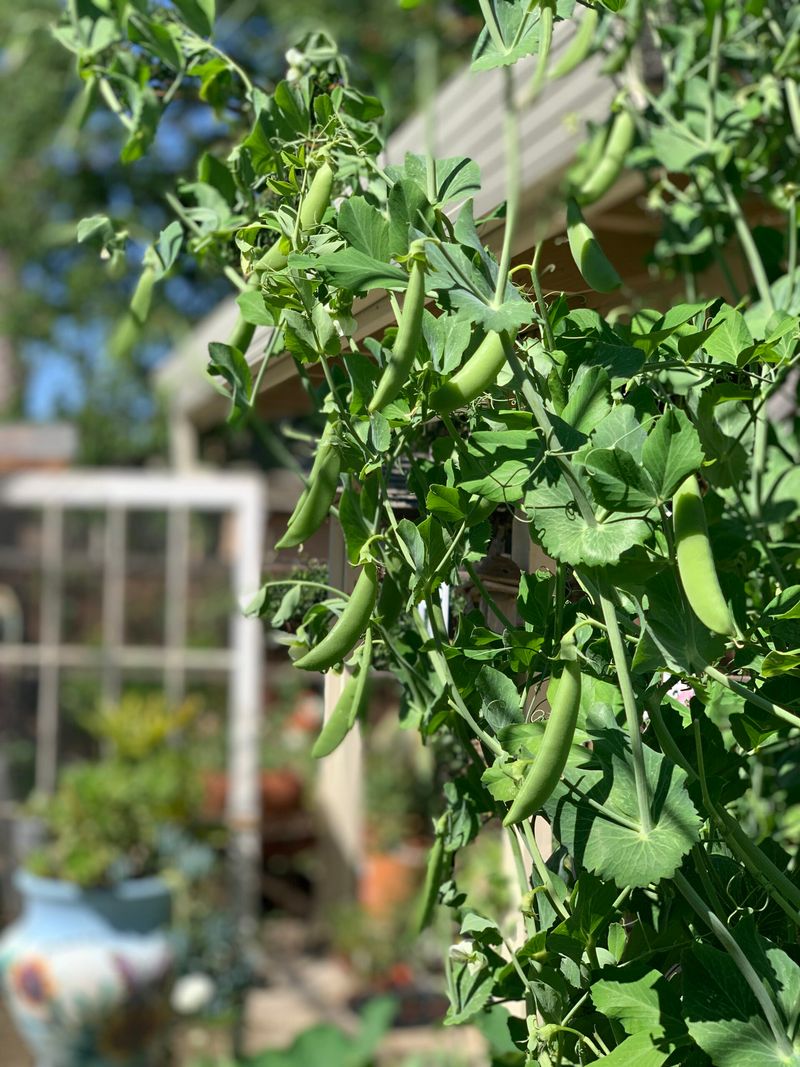
Start by pausing any nitrogen feeding, since extra amounts can push leaves over pods. If you still suspect the soil is lacking something, get a test and follow local advice, as Clemson Extension suggests, before adding anything.
Next, keep moisture reasonably even while flowers and pods are developing, and watch the forecast for hot days when heat and dry soil can hurt pod fill. Then check your local calendar for the pea type you planted, so next season starts at a better time.
These steps address plausible stressors. They may improve conditions for new flowers and pods, but they cannot promise that pods already formed will fill, or that the crop will finish before spring heat.
Sometimes the best pea advice is restraint: a bed left alone, watered evenly, often does more than one that gets fussed over.