
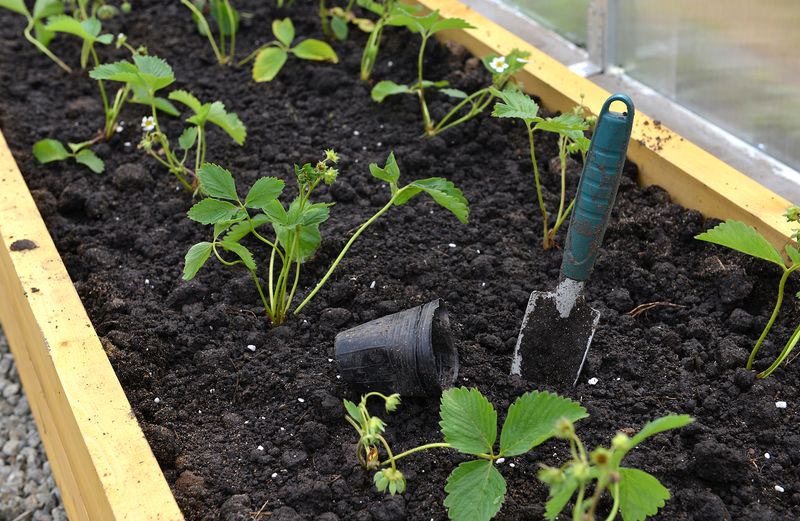
A strawberry transplant can look fine on planting day and still struggle if it sits at the wrong depth. The fix is simple and visible: cover the roots, but keep the crown above the soil.
Mid-November is also late for the usual Texas and Florida planting windows, so timing deserves a closer look. Here is how to set plants at the right height and check your work.
The usual planting window has passed
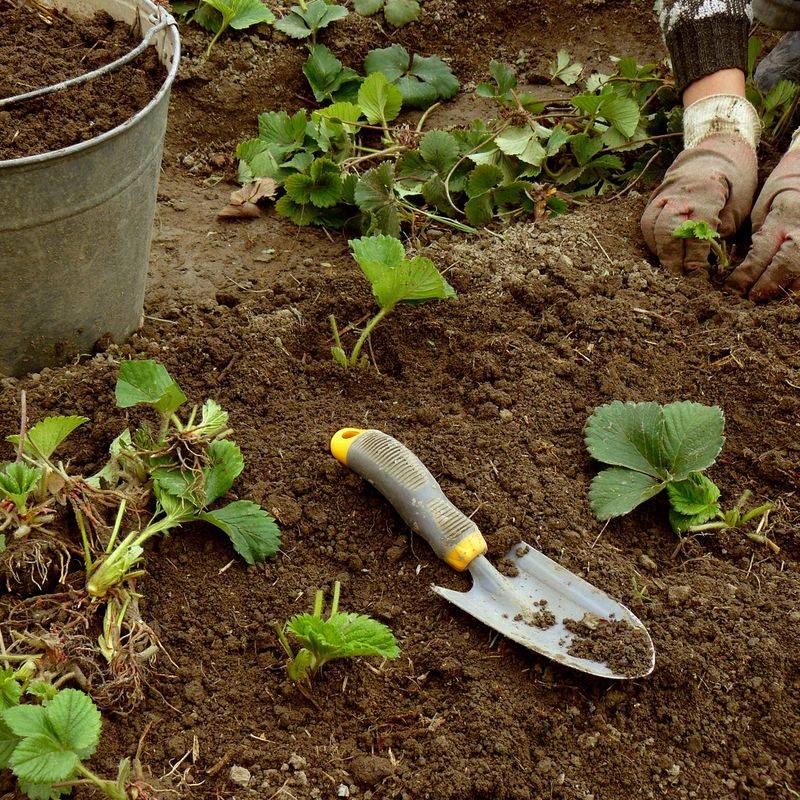
By November 15, 2026, the best-known production planting windows in both states have mostly closed. Texas A&M AgriLife Extension lists late September to early November as the best transplant window for Texas strawberry production.
Florida dates depend on the region. UF/IFAS ends its recommended planting dates on October 15 in North Florida, October 25 in Central Florida, and November 1 in South Florida.
Keep in mind that these are production recommendations. They are not a hard cutoff for every home garden, and they do not predict how a transplant from your local nursery will do.
If you already have plants in hand, the depth you set them at is still worth getting right.
What “soil level” means
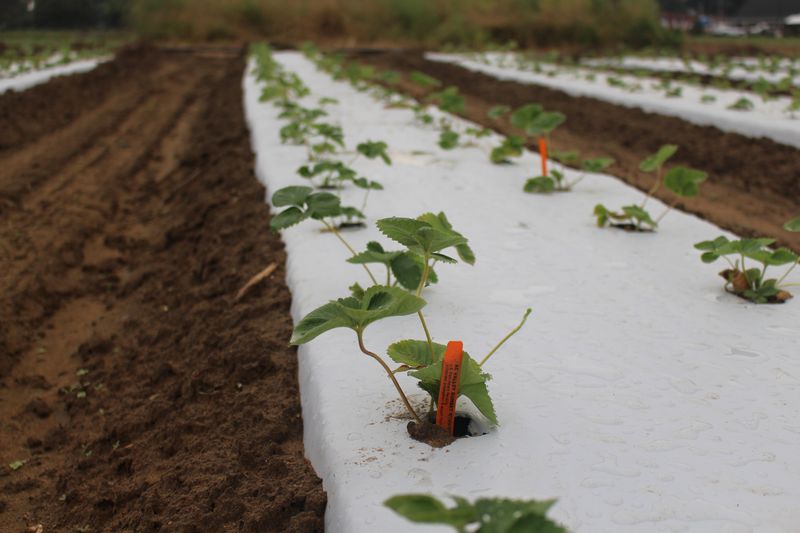
The crown is the thick, central part of the plant where the roots meet the stem and new leaves emerge. Think of it as the growing point.
The visible goal is easy to state: roots covered, crown and new growth not buried.
“Crown at soil level” is handy shorthand, but guidance words it a little differently. NC State Extension says the midpoint of the crown should sit level with the soil surface.
UF/IFAS simply says not to cover the crown.
For plug plants, Texas A&M AgriLife cautions against covering the first set of emerging leaves. So the planting line is not identical for every transplant.
Look at your plant and aim for covered roots with an open crown.
Cover the roots without burying the growing point
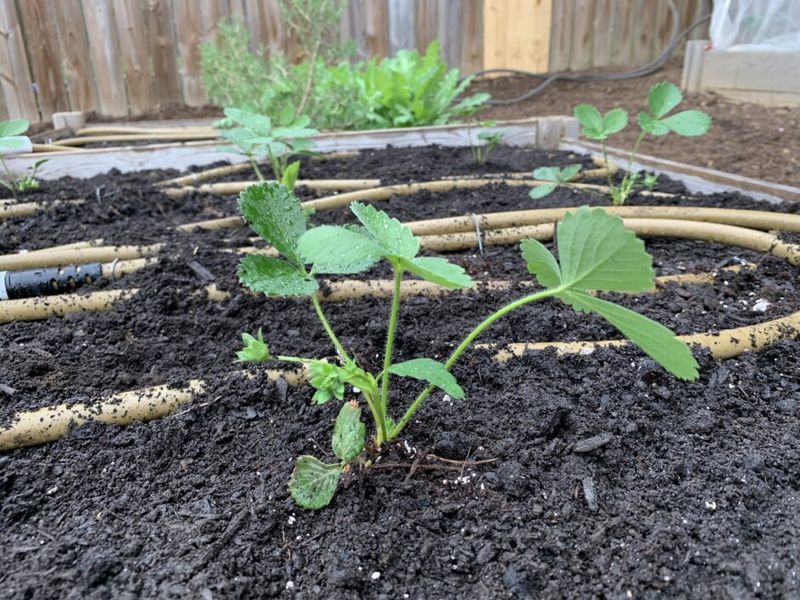
Dig a hole deep enough for the roots to hang down without sharp bends. Set the plant in, then firm soil around the roots so none are left exposed.
The crown and growing point stay above the soil, with new leaves clear of it.
Planting too deep can weaken a plant and may kill it, according to NC State Extension. Planting too shallow leaves roots exposed, where they can dry out and slow establishment.
Neither mistake is a guaranteed outcome, but both are easy to avoid.
If your transplant is a plug, keep the soil line below the first emerging leaves, as Texas A&M AgriLife advises. For home beds, UF/IFAS also says not to cover the crown.
Take a moment to look at each plant from the side before moving to the next one.
Check the planting after watering
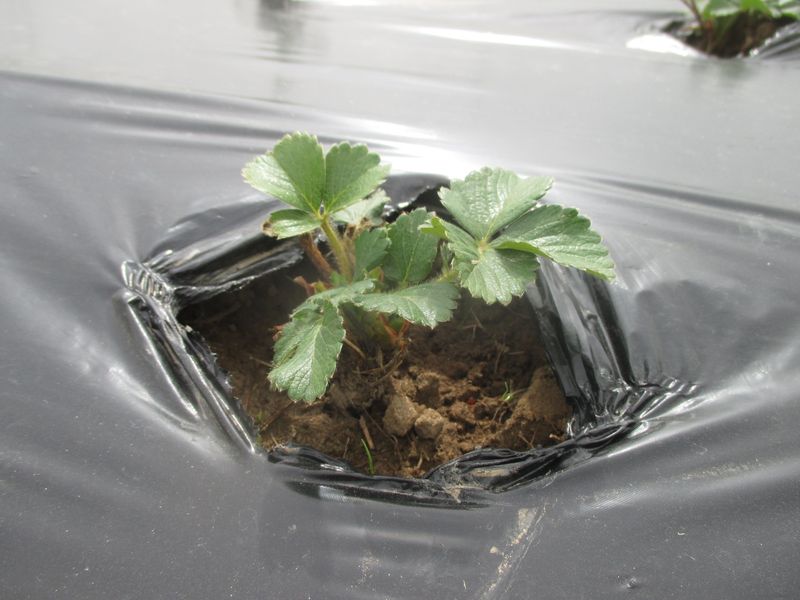
Water can move soil around more than you would expect. After the first soaking, walk the bed and look at each plant up close.
Two things to confirm: the crown is not covered by washed-in soil, and no roots have popped into view. Both extension sources stress keeping the crown uncovered, so this quick look matters.
NC State describes the crown midpoint at the surface as the target.
If soil has buried the crown, gently brush it back with your fingers. If roots show, add a little soil to cover them and press lightly.
Do the same check again after heavy rain or a day or two of settling. Plugs deserve a look too, since the first emerging leaves should stay clear of soil.
Planting depth is not the whole rot story
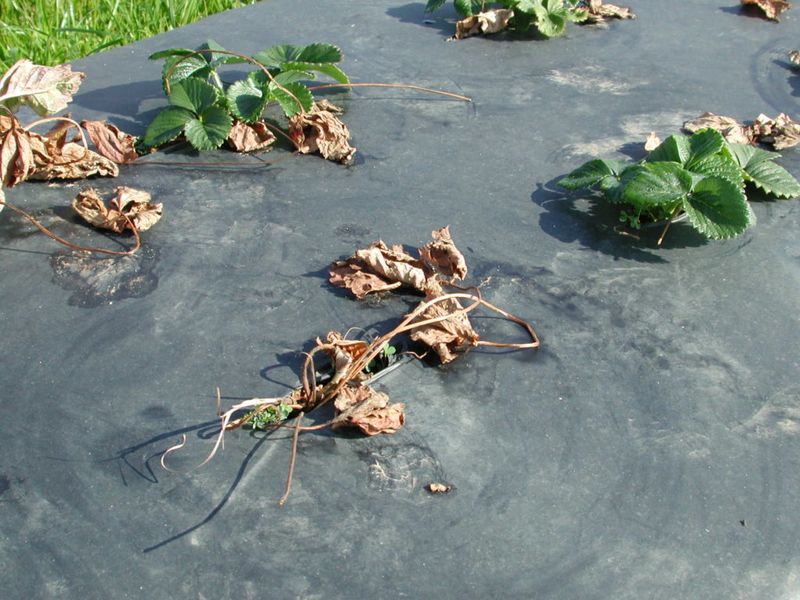
Planting too deep can harm a plant, but that is not the same thing as Phytophthora crown and root rot. That one is a disease, and it is tied to wet conditions and poor drainage.
UF/IFAS covers it in detail, and UC IPM also points to wet soil as a factor.
That means a correctly placed crown does not guarantee a healthy plant. Drainage matters too.
UF/IFAS recommends well-drained soil and raised beds for Florida strawberries, especially where heavy rain is common.
If a plant wilts or declines, look at the whole picture. Check whether the crown is buried, but also check whether water is pooling or the soil stays soggy.
Improving drainage may help reduce risk, though it cannot promise a disease-free bed.
A quick planting check
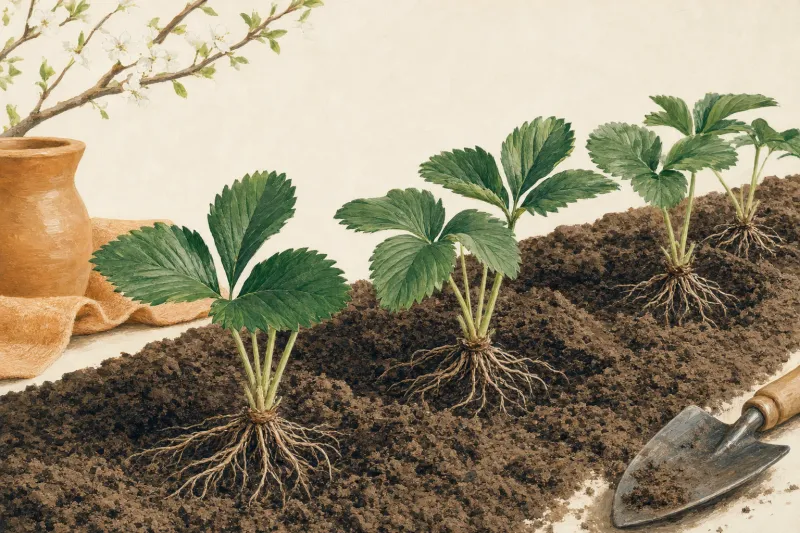
At the bed, run through three things. Roots are covered.
The crown or growing point is uncovered. Everything looks the same after watering as it did before.
Keep the dates in perspective too. The regional windows from UF/IFAS are recommendations, and the planting guidance from NC State Extension is one useful check, not a promise against rot.
A strawberry plant asks for very little at the start: a covered root and a clear crown.