
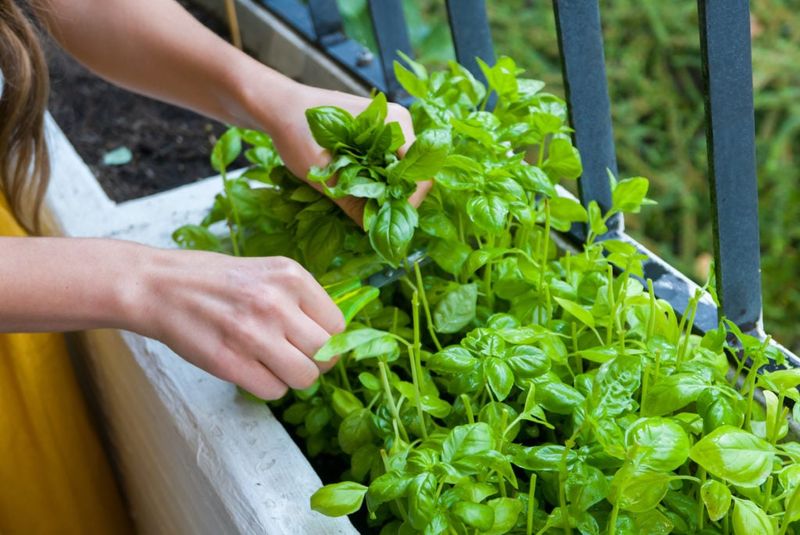
Growing basil in Florida can feel like a race against the sun. The heat pushes plants to grow fast, flower early, and wear out quickly if you are not paying attention. The good news is that one simple pruning habit, cutting stem tips above a healthy pair of leaves, can encourage a bushier plant and extend your harvest of fresh, tender leaves. Stay on top of it and you may find yourself reaching for the garden instead of the grocery store far more often.
Florida heat raises care demands, but the pruning rule stays simple
Basil thrives in warm weather, which makes Florida a genuinely good place to grow it. According to UF/IFAS guidance on Florida herbs, basil is a warm-season herb well suited to the state’s climate. That said, the same heat that helps basil grow vigorously also raises the attention you need to give it, because moisture, sun exposure, and plant stress can all shift quickly during a Florida summer.
When gardeners talk about basil “keeping coming back,” they usually mean regrowth after cutting, not a plant that returns year after year. Common culinary basil is generally grown as a tender annual. Cold, disease, seed set, or prolonged stress can end its productive run, and UF/IFAS Bay County extension notes that basil is among the herbs beginners should treat as a seasonal crop rather than a permanent fixture.
Heat does not put basil on a fixed flowering schedule. Flowering timing varies with the cultivar you are growing, plant maturity, recent weather, and your specific growing conditions. What heat does do is increase how often you need to check moisture levels, watch for stress, and stay ahead of developing flower buds.
The practical answer to all of this is a straightforward pruning habit: harvest stem tips just above a healthy pair of leaves or a leaf node on a regular basis. Removing the growing tip at that node encourages the plant to branch from the remaining leaf axils, producing a fuller shape and more harvestable growth. UF/IFAS Miami-Dade recommends this kind of consistent attention to keep herbs productive through Florida’s demanding summers. Pruning can extend useful leaf production, but it will not make basil permanently perennial or guarantee a full harvest all season long.
Cut just above a healthy leaf pair
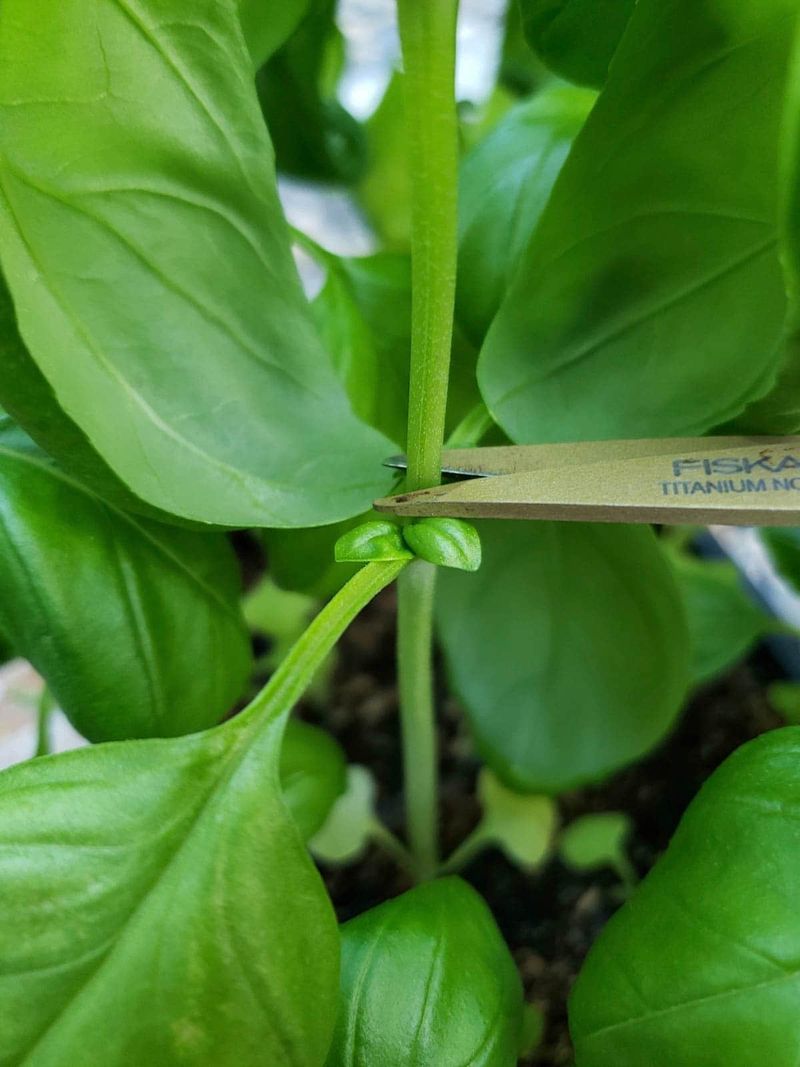
Finding the right spot on the stem is the whole technique. Look for a healthy pair of leaves growing opposite each other on the stem, or locate a leaf node where leaves attach. Place your fingers or clean scissors just above that pair and pinch or cut cleanly through the stem. That single action removes the growing tip, which is the part of the plant driving upward growth, and leaves the node positioned to push out two new shoots.
UF/IFAS St. Johns County extension specifically connects this node-based cut with branching and new leaf production in basil. The key word there is node-based: the cut works because of where you make it, not how many inches you remove. There is no well-supported universal rule in Florida extension sources that says cut back by a fixed measurement, so skip the ruler and focus on finding a healthy leaf pair instead.
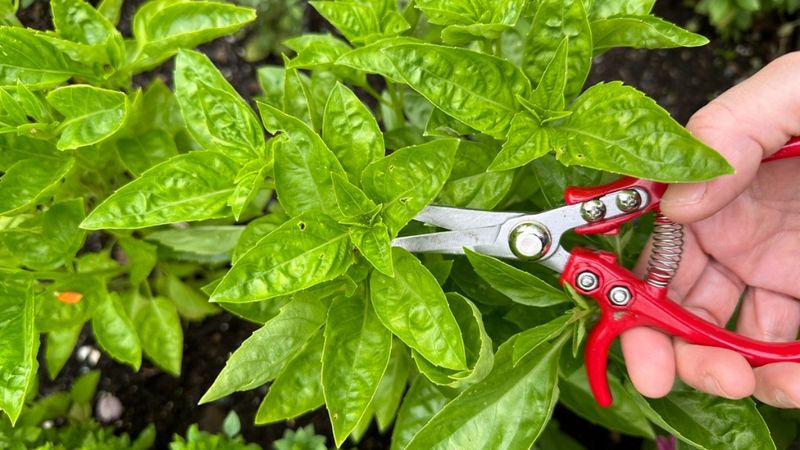
A few practical details make the cut cleaner and safer for the plant. Use your thumbnail and forefinger for a quick pinch on soft new growth, or use a small pair of scissors or pruners for thicker stems. Either way, make the cut close above the node without crushing the stem or leaving a long stub of bare stem above the leaves. A clean cut heals faster and gives fungal spores less surface to settle on, which matters in Florida’s humid air.
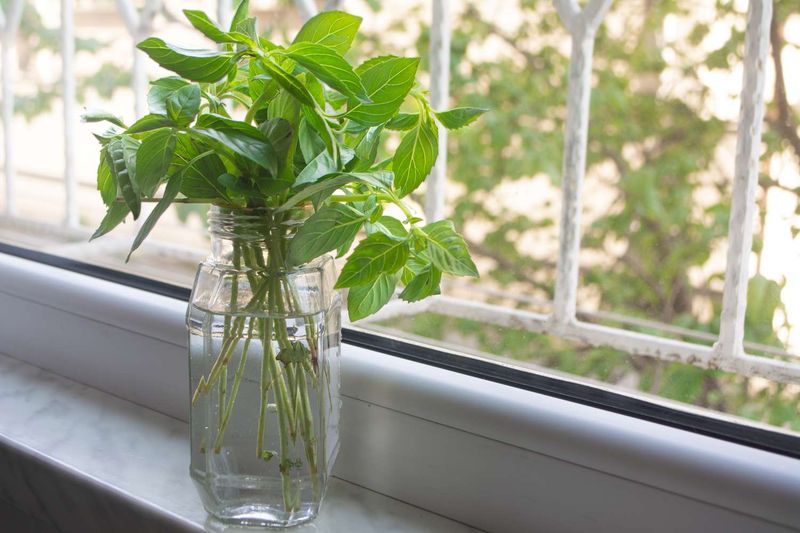
According to Illinois Extension’s guide to growing basil, cutting stems above a leaf pair is the recommended harvest method because new growth then develops at the cut point. The stem tip you remove is not wasted either. A few leaves from a freshly cut tip go straight into the kitchen, and longer tips can be kept in a glass of water on the counter until you are ready to use them.
Harvest whole stem tips as new growth appears
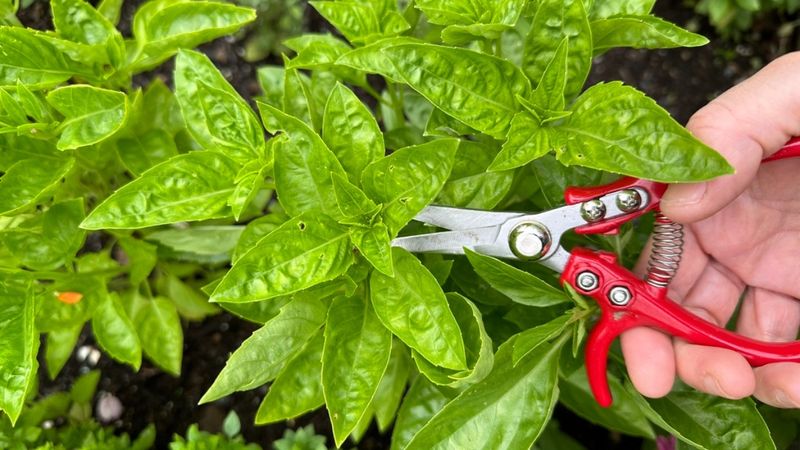
Stripping individual large leaves off a basil plant is tempting because those leaves are the biggest, but it is not the most productive approach. Taking whole stem tips above a leaf pair does two things at once: it supplies your kitchen with a useful handful of fresh basil and it prompts new branching from the node you left behind. Over several rounds of harvesting, this habit builds a plant with more stems and more harvestable tips than one that has only had its biggest leaves pulled.
Illinois Extension recommends cutting whole stems above a leaf pair, noting that new growth then develops at that cut point. Repeat that process across several stems on the same plant and you can harvest a meaningful amount while actively encouraging the plant to fill out rather than stretch upward and become leggy.
The right time to harvest again is when you see visible new growth or notice flower buds beginning to form, not on a fixed calendar schedule. UF/IFAS Panhandle extension supports regular harvesting during the growing season without prescribing a set number of days between cuts. In Florida’s summer heat, that window can close faster than it would in a cooler climate, so checking the plant every few days keeps you ahead of flower development.
Regular harvesting can reduce legginess and support a fuller plant shape, but it does not guarantee indefinite production. UF/IFAS St. Johns County notes that basil can continue growing through summer when blossoms are cut before they set seed, which underlines that the harvest routine and flower management work together. A plant that is consistently harvested and kept from setting seed has a better chance of staying productive, though age, stress, and disease can still shorten its run.
Remove flowers when leaves are the priority
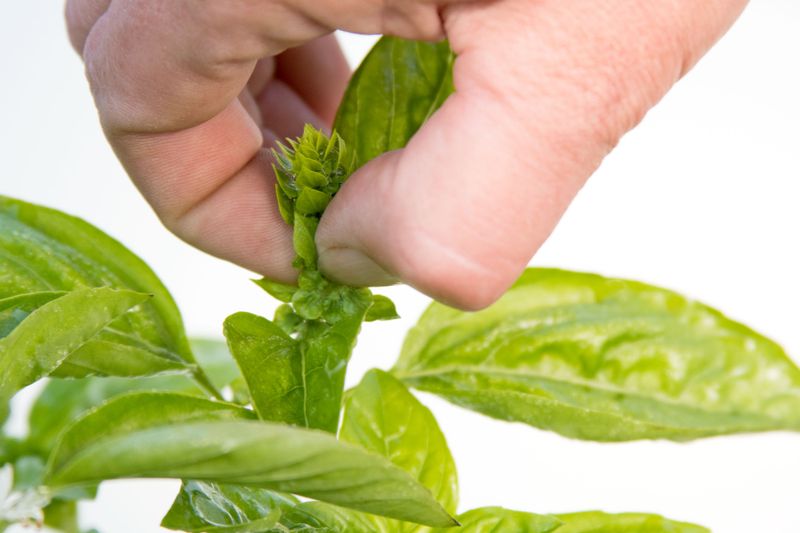
Flower removal and branching are two separate things, and mixing them up leads to confusion about what each practice actually does. Cuts above leaf nodes are what encourage new branches. Removing flower buds or spikes is a way to support leaf-focused production by redirecting the plant’s energy away from seed development. Both practices are useful, but for different reasons.
For basil grown mainly for tender culinary leaves, UF/IFAS guidance on Florida-friendly edible landscapes recommends snipping flowers from herbaceous edible plants before seed develops. Once basil sets seed, its leaf production tends to slow or stop, so catching flower spikes early keeps the plant in a leafy, productive phase longer. The bud stage, when the spike has formed but the flowers have not yet opened fully, is a good time to remove it.
Flowering basil is not harmful or unusable. UF/IFAS St. Johns County points out that basil flowers attract bees, so a plant allowed to bloom has real value for pollinators. If you have more than one basil plant, a practical approach is to harvest leaves from the plants you are keeping trimmed and let one plant flower for bees or for seed collection. That way you are not choosing between a productive kitchen herb and a garden that supports pollinators.
Illinois Extension’s basil page notes that once flowering begins, leaf flavor and production quality may change, though the plant remains usable. Removing flowers is a recurring choice tied to your goal for each plant, not an absolute rule. Check for developing spikes each time you harvest and snip them off on plants reserved for leaf production, while giving a separate plant or section of your planting room to bloom.
Support the plant with even moisture and suitable exposure
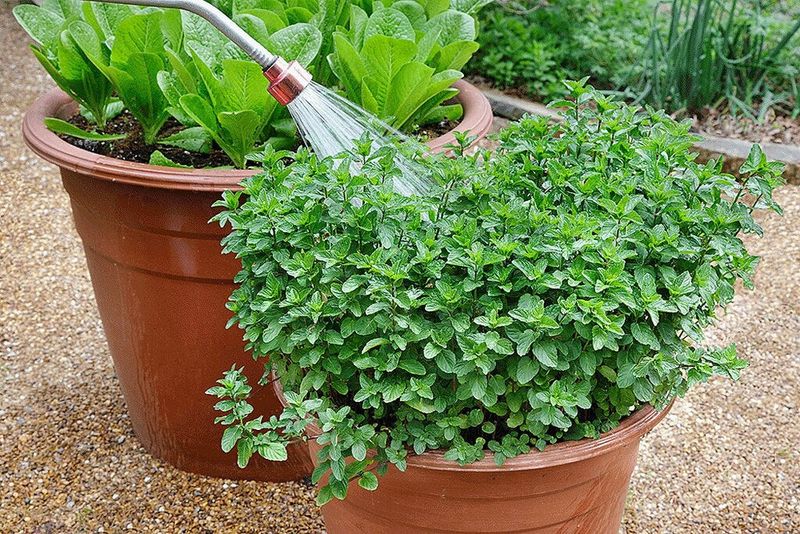
Pruning works best when the plant underneath it is healthy. A basil plant struggling with dry roots, saturated soil, or excessive sun exposure will not branch vigorously after a tip harvest, no matter how clean the cut. Getting the growing conditions right is what gives pruning something to work with.
UF/IFAS guidance on Florida herbs recommends a well-drained growing medium and consistent moisture without leaving roots sitting in saturated soil. In Florida’s summer rain pattern, in-ground beds often receive enough water from rainfall, but they can also flood quickly. Container basil dries out faster than in-ground plants and needs closer monitoring, especially during dry spells between storms. The goal is even moisture, not wet feet.
Mulch is a practical tool for both in-ground and raised-bed plantings. A layer of mulch over the root zone helps conserve soil moisture, moderates soil temperature during the hottest part of summer, and reduces how often you need to water between rain events. UF/IFAS Pinellas County summer gardening guidance supports mulching as a strategy for managing heat and moisture in Florida summer gardens.
Basil generally grows well in full sun, and most Florida extension sources describe it as a full-sun herb. Afternoon protection is not a universal requirement, but it can help when plants are showing visible signs of heat stress, such as persistent wilting that does not recover after sundown or leaf scorch on the most exposed sides. UF/IFAS Miami-Dade allows for afternoon shade during extreme summer heat as a conditional response to harsh exposure rather than a standard setup. If your basil is thriving in full sun with no wilting or scorch, there is no need to add shade.
Stop pruning when symptoms point to disease
Not every basil problem looks like stress or flowering. Florida’s combination of high humidity, frequent summer rain, and warm nights creates real risk for two serious diseases: basil downy mildew and Fusarium wilt. Cutting the plant harder when either of these is present will not fix the problem and can spread it to other plants.
UF/IFAS research on downy mildew of basil in South Florida describes the disease as capable of reducing a plant to bare stems rapidly. Early signs include yellowing on the upper leaf surface and a grayish-purple fuzz on the underside of leaves. Once downy mildew takes hold, repeated pruning will not save the plant. Removing and disposing of heavily infected plants is the recommended step to protect the rest of your planting.
Fusarium wilt shows up differently: sudden wilting, brown streaking inside the stem, and yellowing that does not improve with water. UF/IFAS disease management guidance for sweet basil recommends clean or sterile pruning equipment and removal of infected tissue, because the pathogen can move on hands and tools. Washing hands between plants and wiping pruners with a diluted bleach solution or rubbing alcohol before moving to a new plant is a simple habit that reduces spread.
Air movement and dry foliage are your best preventive tools. Water at the base of the plant when possible, or water early enough in the morning that leaves dry before nightfall. Crowded plantings trap humidity, so spacing plants with room for air to circulate helps. University of Minnesota Extension’s downy mildew resource reinforces that good air circulation and avoiding overhead watering in the evening are practical steps for reducing disease pressure.
Before you reach for the pruners on a struggling plant, take a close look at the leaves, stems, and roots to confirm what you are actually dealing with.
Expect a longer harvest, not a permanent basil plant
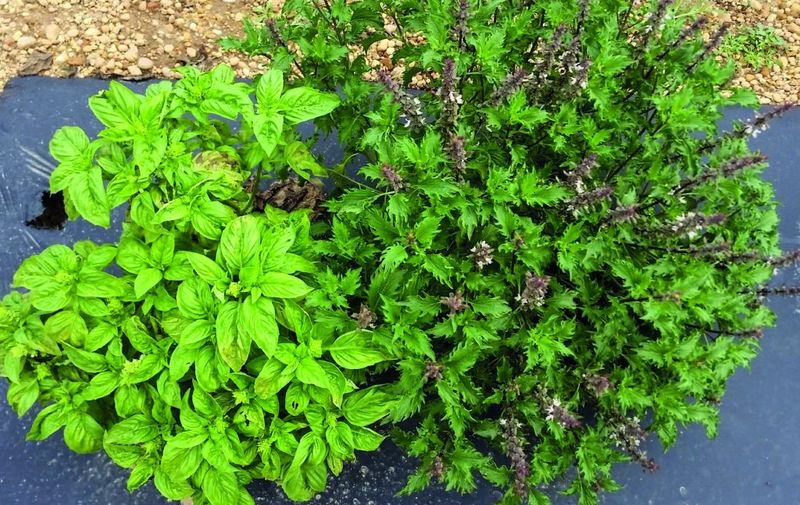
Variety selection is one of the most underused tools in a Florida basil grower’s kit. Research comparing basil cultivar growth and flowering confirms that basil varieties differ meaningfully in branching habit, flowering time, vigor, flavor, and susceptibility to disease. A cultivar that branches readily and flowers late will respond better to regular tip harvesting than one that bolts quickly or branches poorly. Asking at a local nursery or checking UF/IFAS cultivar recommendations for Florida conditions can save a season of frustration.
Even with the best cultivar and consistent pruning, common culinary basil is generally treated as a tender annual in Florida. UF/IFAS Bay County extension frames herbs like basil as seasonal crops for new gardeners, which sets an honest expectation: the plant has a productive window, not an unlimited run. Cold temperatures, disease pressure, seed set, and cumulative stress can all close that window, and no amount of pruning will reopen it once the plant has declined past recovery.
What node-based harvesting genuinely offers is a fuller plant and a longer, more reliable period of fresh leaves while the plant remains healthy. That is a real and useful payoff. Planting a second round of basil mid-season, starting from seed or transplants, is a straightforward way to extend your total harvest beyond what any single plant can provide.
When you bring cut stems inside, store them in a glass of water at room temperature rather than in the refrigerator. University of Minnesota Extension’s harvest storage guidance notes that cold temperatures can discolor basil leaves, so the counter is a better home for fresh stems than the crisper drawer. UF/IFAS St. Johns County reminds gardeners that basil kept flowering and setting seed will shorten its own productive season, which is the simplest argument for staying on top of both tip harvests and flower removal. A plant that is regularly harvested, kept from setting seed, and grown in good conditions is the closest thing to a reliable fresh basil supply that Florida’s climate allows.