
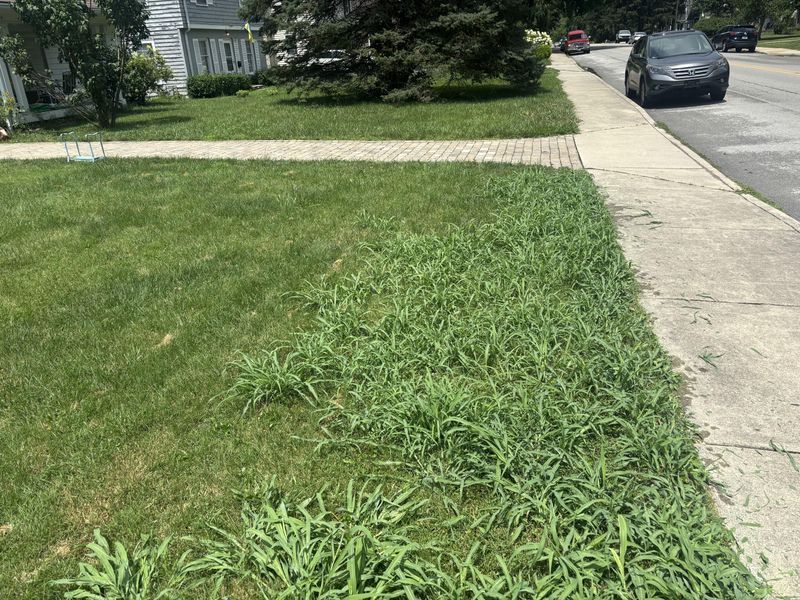
The crabgrass that wrecked your lawn this summer left behind a lot more than brown patches. Its seeds are already resting in North Carolina soil, waiting for spring warmth.
What you decide now, long before the first sprout, shapes how much of it you fight next year. A smart plan will not erase crabgrass, but it can tip the odds in your lawn’s favor.
Crabgrass dies back, but its seeds remain
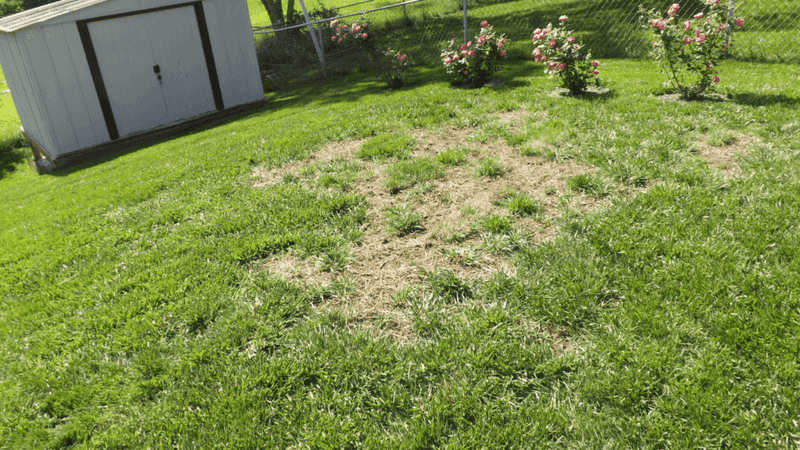
Crabgrass is a summer annual. That means each plant grows, sets seed, and dies within one year, and the first hard frosts in fall finish off the plants you fought all summer.
The brown, flattened patches you see now are the end of the plant, but not the end of the problem.
Before those plants died, they dropped seeds into the soil. Those seeds can stay put through winter and sprout when conditions turn favorable in spring.
NC State Extension explains in its weed management chapter that it can take years to reduce the weed seed reserve in the soil, and that complete control cannot be reached in a single growing season.
Think of the soil as a savings account that crabgrass has been making deposits into for years. A dead plant does not empty the account.
Only a long stretch of fewer new deposits, plus good timing in spring, starts to shrink the balance.
That is why a one-season cure is not a realistic goal. Penn State Extension notes in its guide to summer annual grass weeds that several years of preventing seed production can lower the supply of viable seed.
The rest of this plan builds on that idea: learn your lawn, time spring steps well, keep turf thick, and stop survivors from reseeding.
Winter is a planning window, not the usual treatment window
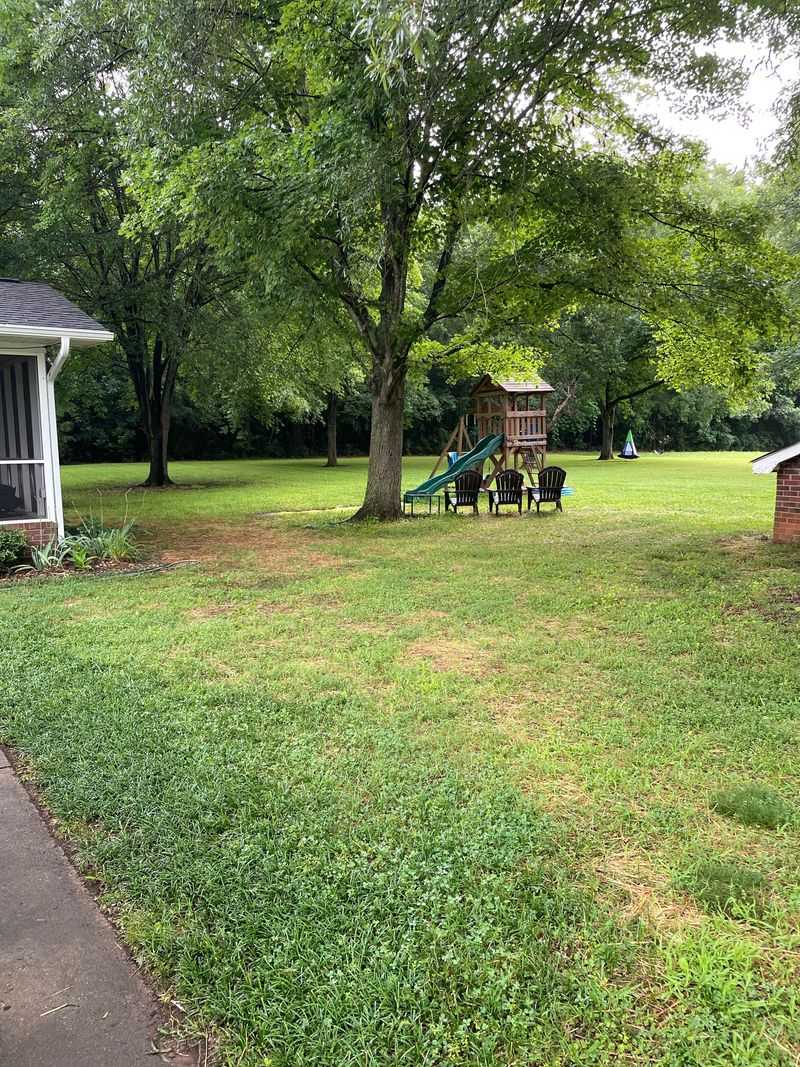
Late fall and winter are the best time to gather information. Start by figuring out what grass you actually have.
Tall fescue stays green through winter, while bermudagrass and zoysia turn tan and go dormant, and each calls for different timing and care.
Next, recall where crabgrass showed up this summer. Thin spots, sunny edges along driveways, and areas near sidewalks are common trouble zones.
Jot those places on a simple sketch or take photos while the memory is fresh, because the plants will be gone by spring.
It also helps to separate two kinds of weed prevention. NC State’s weed guidance describes fall preemergence timing for winter annual weeds such as annual bluegrass and henbit, and early-spring timing for summer annuals such as crabgrass.
They are different targets with different calendars.
So a November application is not the standard way to prevent crabgrass. If you see products marketed for fall use, check what weeds the label actually lists before assuming it covers crabgrass next summer.
Use the quiet months to settle your plan: confirm your grass type, mark problem areas, and note your county’s typical spring warm-up. Then you are ready to act at the right moment instead of guessing.
When should North Carolina lawns get a spring barrier?
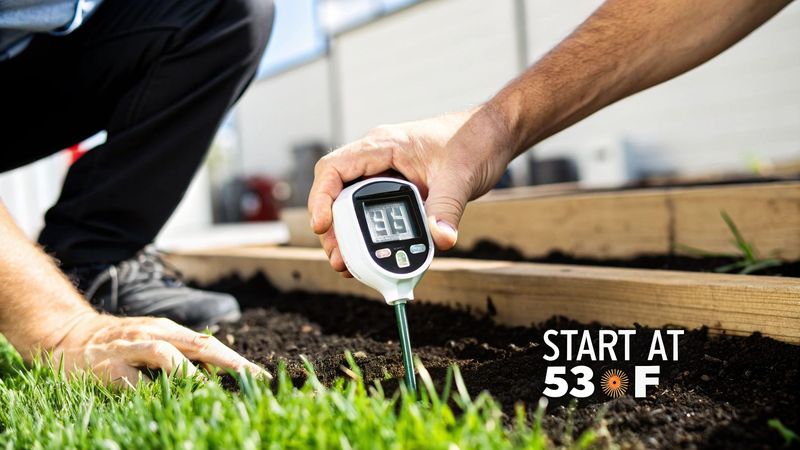
Crabgrass sprouts when the soil warms up, not on a certain date. NC State reports on its smooth crabgrass page that germination runs from March through early May, once soil temperatures reach about 53 to 58 degrees Fahrenheit at a 4-inch depth.
Air temperature on a warm afternoon can fool you, so soil temperature is the better cue.
Turf type shifts the starting point. For established tall fescue lawns, NC State’s cool-season lawn calendar says preemergence treatment is typically best in early March, and sooner in the Piedmont and coastal regions.
For bermudagrass, the bermudagrass calendar points to mid-February through early March.
Treat those as starting windows, not deadlines carved in stone. A warm late winter can move things earlier, and a cold snap in the mountains can push things later.
Coastal yards often warm sooner than higher-elevation yards near Asheville or Boone.
A practical approach is to buy an inexpensive soil thermometer, check it in the morning in several spots, and watch for the range to approach. Pair that with your grass type and your local extension office’s advice.
Then you can plan your product purchase and watering schedule ahead of time.
Preemergence only works before seedlings appear
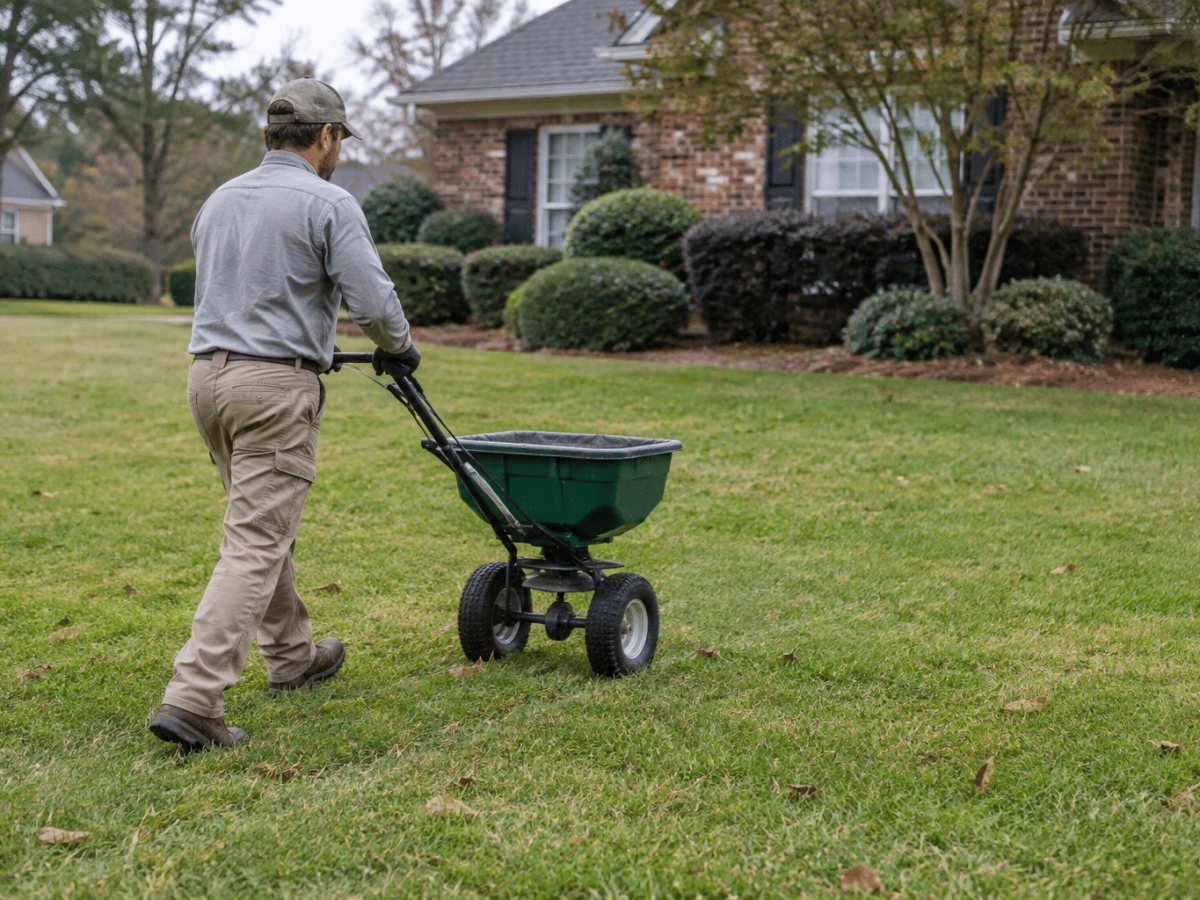
A preemergence herbicide forms a treated zone in the top layer of soil that stops germinating seeds from becoming seedlings. The key word is before.
NC State’s weed chapter says these products must be on the ground before seedlings emerge, and they do not control crabgrass plants you can already see.
Most also need water to move into the soil. NC State notes that many call for about a quarter to a half inch of rain or irrigation within seven days.
Others may differ, and residual periods vary, so a second application is sometimes needed for long seasons. Your product’s label is where those details live.
Labels matter for more than convenience. The EPA explains in its introduction to pesticide labels that the label directions are legally enforceable, so rates, turf types, and timing should come from the label, not from a neighbor or a generic chart.
For current North Carolina guidance, check the North Carolina Agricultural Chemicals Manual, which is revised every year. Even with perfect timing, a preemergence product can reduce crabgrass but will not guarantee a clean lawn.
A spring barrier can interfere with lawn seeding
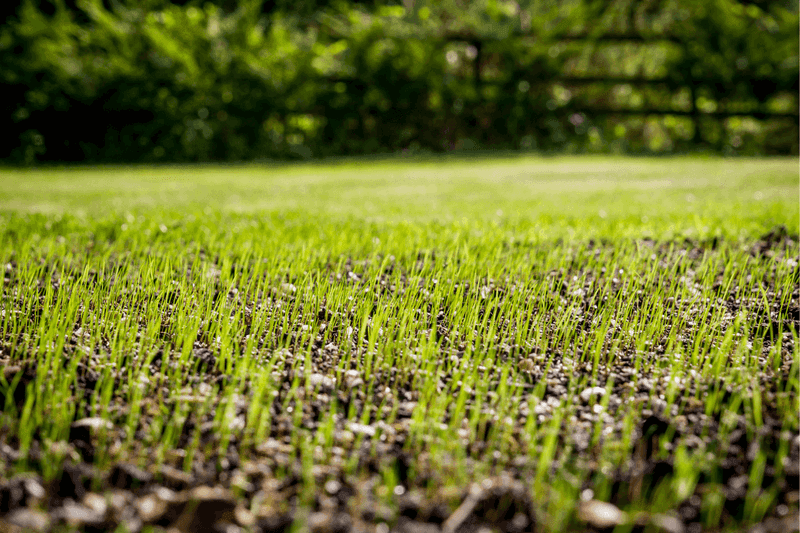
Here is the catch with a chemical barrier: it cannot tell crabgrass seed from grass seed you want. NC State’s lawns chapter warns that preemergence products stop seeds from emerging and should not be applied when you are renovating with grass seed.
If you plan to patch thin areas or overseed, sort out the calendar early. Cool-season lawns such as tall fescue are generally seeded in fall in North Carolina, with windows that differ among mountain, Piedmont, and coastal areas.
That fits well with the idea of using winter as your planning period.
Before you put any product down on a spot you want to seed, read the label for seeding restrictions and the waiting period it requires. Some products list specific turf types or situations they are meant for, and not every product suits every lawn or new planting.
When the label is unclear, check the current Agricultural Chemicals Manual or call your county extension office. The EPA’s label overview is a reminder that label directions are the rules, so do not assume seeding and a barrier can happen together.
Dense turf leaves crabgrass less room to compete

Crabgrass loves open, sunny soil. A thick lawn shades the ground and crowds out seedlings, which makes it harder for them to get started.
NC State’s lawn care guidance lists proper mowing height as a way to reduce weed competition, and it gives a range of 2.5 to 3.5 inches for tall fescue.
That number belongs to tall fescue. Other grasses, like bermudagrass or zoysia, have their own recommended heights, so look up the one for your turf.
Cutting lower than recommended does not stop crabgrass and can weaken the lawn.
The same NC State guidance connects several habits with more crabgrass competition: thin turf, improper mowing, summer fertilization of cool-season lawns, and light, frequent irrigation. If any of those describe your routine, those are easy places to adjust next year.
A dense lawn has limits, though. It makes establishment harder, but it does not remove seeds already in the soil, and it does not replace good timing in spring.
The weed chapter treats it as one part of a multi-step plan.
Stop surviving plants before they add more seeds
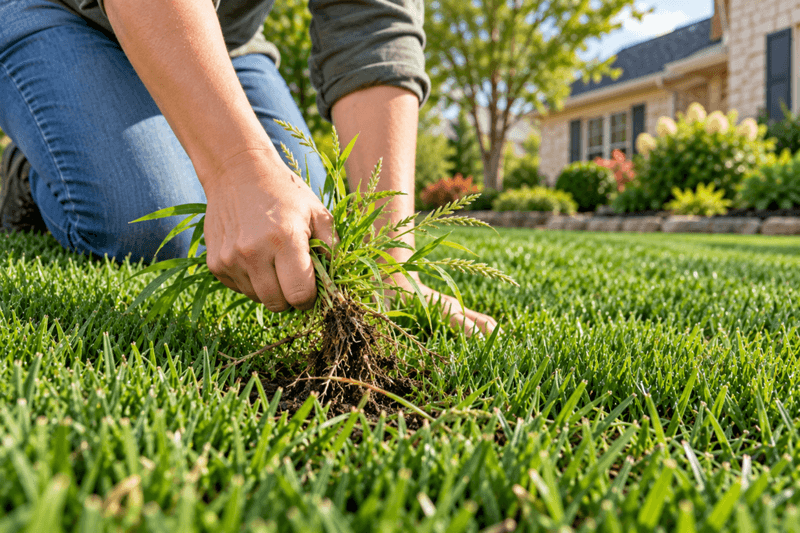
Some crabgrass will likely show up anyway. A barrier can fail in spots, rain can break up the treated layer, and seeds can blow or wash in.
Your job then is to keep those survivors from finishing their life cycle.
Pull small plants by hand when the soil is moist, getting the whole clump, and watch for new ones along edges, driveways, and thin spots. For larger infestations, check current North Carolina guidance and product labels for options that fit your turf type before treating anything.
The payoff is slow but real. Penn State Extension says in its summer annual grass weed guide that several years of preventing seed production can reduce the viable seed supply.
Each plant stopped before it sets seed means fewer new seeds added to the soil.
That fits what NC State describes in its weed chapter, where reducing the seed reserve takes years. So treat late-summer scouting as seed management.
It will not remove crabgrass in one season, and it will not guarantee it stays away, but it steadily lowers the pressure.
Build the plan around timing, turf, and patience
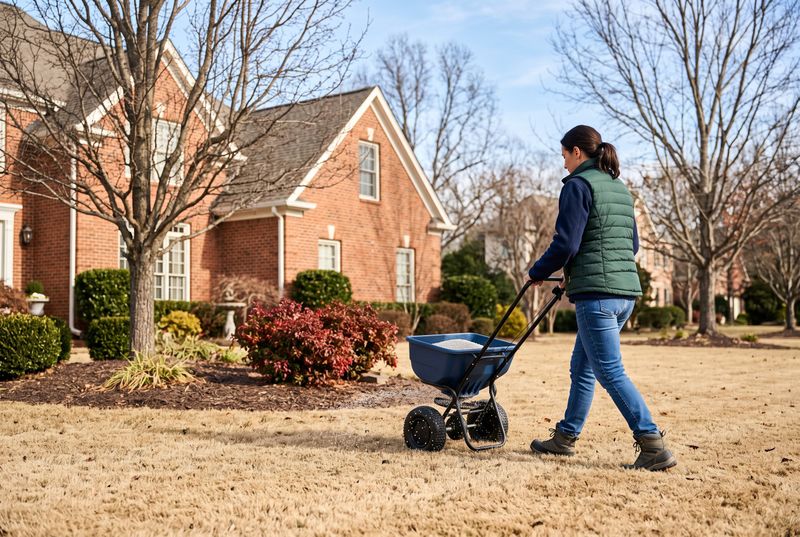
Put the pieces in order: identify your grass this winter, watch soil temperature and your region’s calendar in late winter, use a compatible product only if it suits your lawn and plans, and follow its label. Keep turf dense through the year, and pull survivors before they seed.
NC State’s weed guidance and its crabgrass page back that sequence.
Done together, these steps can reduce crabgrass pressure over time, though none can promise it will never return. Crabgrass is patient, and a good lawn plan is just as patient.