
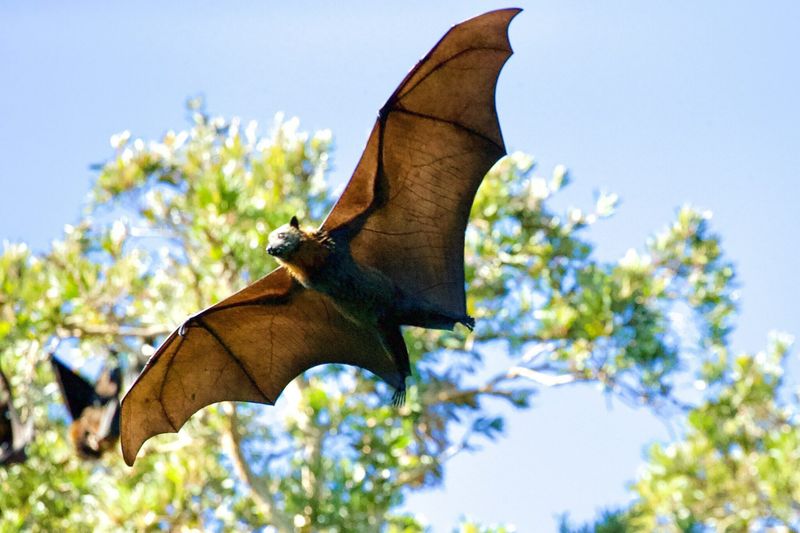
Florida mosquitoes are relentless, and it makes sense to wonder whether bats could help take the edge off. The good news is that Florida’s 13 resident bat species are all insect eaters, and a well-designed bat house in a suitable yard can genuinely support local bat populations. The honest part is that bats eat a wide range of night-flying insects and are unlikely to wipe out a mosquito problem on their own. Think of a bat house as a rewarding wildlife-habitat project that pairs well with proven mosquito controls, not as a replacement for them.
Encourage bats without promising a mosquito-free yard
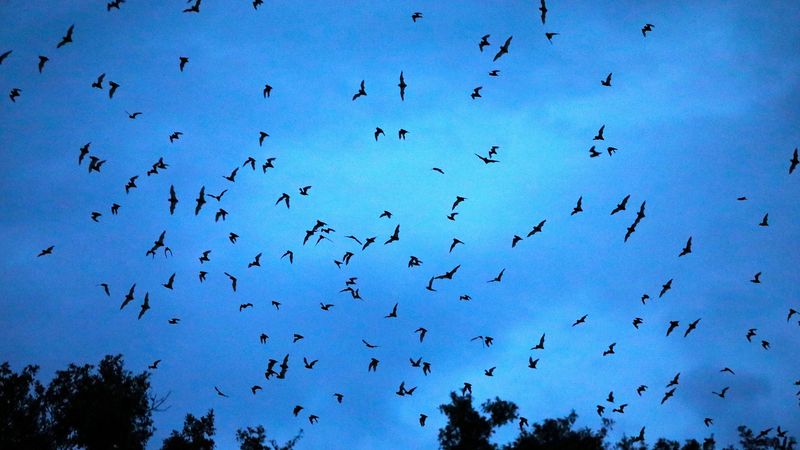
Florida has 13 resident bat species, and every one of them feeds on insects. That is genuinely useful, but UF/IFAS research on Florida bats and mosquitoes makes clear that most species consume only small quantities of mosquitoes and generally hunt a broad mix of moths, beetles, flies, and other night-flying insects. Counting on a bat house to clear your yard of mosquitoes sets you up for disappointment.
The species most associated with mosquito consumption in Florida is the southeastern bat. FWC notes that all Florida bats are insectivores, but the southeastern bat’s range is mainly limited to northern Florida. It becomes less common in central Florida and is absent from south Florida, so most Florida homeowners cannot count on attracting a mosquito-specialist bat regardless of how good their bat house is.
Brazilian free-tailed bats and other species that commonly use bat houses do eat insects in large numbers, but mosquitoes are not necessarily their preferred prey. UF/IFAS mosquito-management guidance is direct: bats are unlikely to control a large mosquito population by themselves. A figure sometimes quoted online says a bat eats 1,000 mosquitoes a night, but that number refers to mosquito-sized insects generally, not mosquitoes specifically, and it does not reflect what most Florida bats actually choose to eat.
The practical goal here is realistic and still worthwhile. Create a yard that supports bat habitat, improve the odds that bats use your space, and keep running the mosquito controls that directly reduce breeding sites and human exposure. Bats become one part of a wildlife-friendly, integrated approach, not the whole solution. Florida Department of Health guidance consistently emphasizes source reduction and personal protection as the foundation of any residential mosquito plan.
Assess the yard before you install a bat house
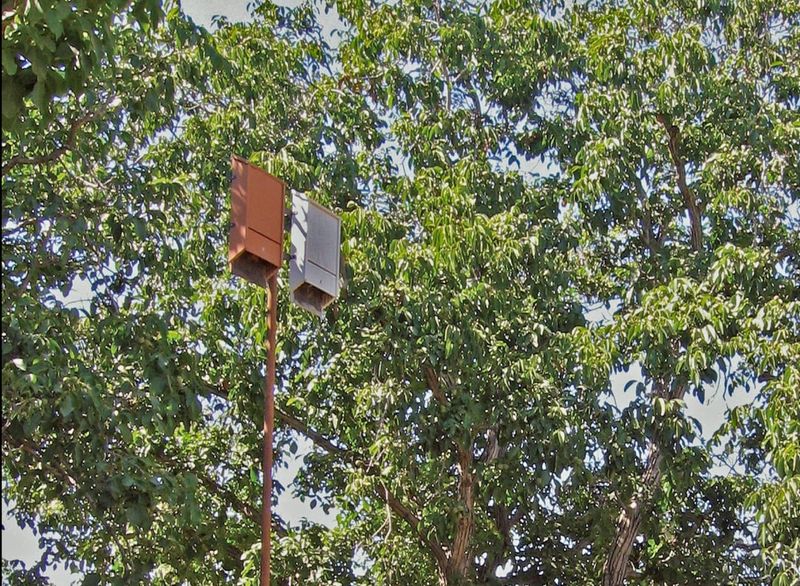
Before buying a bat house, walk your yard and ask whether it can actually support bat use. Bats need open flight space below and around any roost entrance so they can swoop in and exit quickly. A house wedged into a cluttered corner between dense shrubs and a fence is far less likely to attract residents than one positioned where bats have a clear glide path.
UF/IFAS habitat guidance for Florida bats highlights the value of a forest edge or similar transition zone, where open foraging space meets wooded cover. If your yard backs up to a tree line, a preserve, or even a mature hedge row, you already have a structural advantage. A house placed along that edge sits where bats naturally travel between roosting and hunting territory.
Mature trees and cavity-bearing trees are worth keeping when they do not pose a safety hazard. Natural tree cavities, loose bark, and old woodpecker holes all serve as existing roost sites that some bat species prefer over artificial boxes. FWC’s bat overview points out that preserving natural roost options alongside an artificial house gives bats more choices and makes a yard more genuinely useful to them.
Water access matters too, but the distinction between helpful and harmful is important. Bats may drink from or forage over open water, so a managed pond, a large birdbath with circulating water, or a neighbor’s pool nearby can be an asset. Containers, clogged gutters, bromeliad cups, old tires, and similar objects that hold still water are mosquito nurseries, not bat attractants. UF/IFAS bat-house installation guidance reinforces that habitat quality improves the probability of use but cannot guarantee that any bat will ever take up residence in your yard.
Choose a bat house that can handle Florida heat
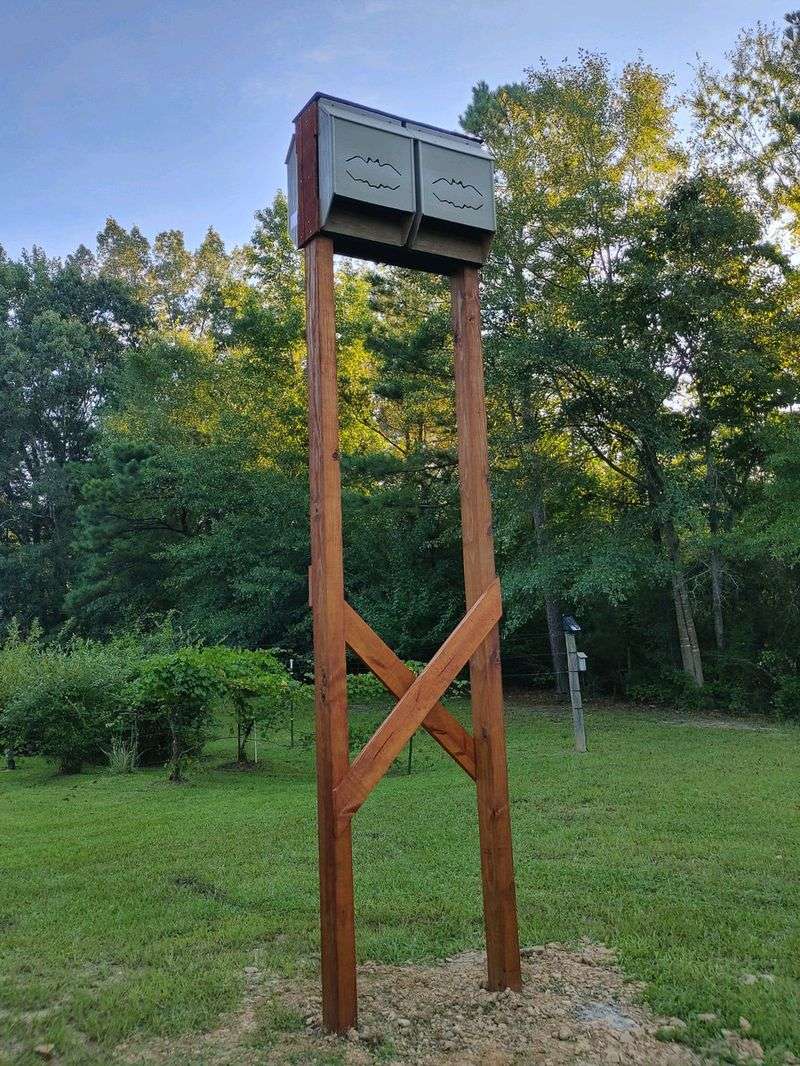
Many bat houses sold at garden centers and hardware stores are too small, too shallow, or too poorly ventilated to attract Florida bats. UF/IFAS bat-house selection guidance recommends a well-designed, multi-chamber house over tiny decorative boxes. A larger house gives bats more roosting space and, critically in Florida’s climate, more temperature options. Bats can shift between warmer and cooler chambers as the day heats up, which is something a single-chamber box cannot offer.
Bat Conservation International’s bat-house guidelines address Florida’s heat challenge directly. A light-colored or unpainted exterior reflects some solar radiation. Ventilation slots near the bottom of the house allow hot air to escape rather than trap bats in a dangerously overheated roost. A roof overhang protects the entrance from afternoon downpours.
Monitoring internal temperature with a simple probe thermometer during the first summer can tell you whether the house is running too hot and whether shade management or a location adjustment is needed.
Height and placement matter as much as the house itself. UF/IFAS recommends mounting a bat house about 12 to 15 feet above ground in an open location, preferably along a forest edge and away from bright lights and heavy foot traffic. South or southeast exposure is a commonly cited starting point because it gives the house morning sun, but Florida’s intense afternoon heat means that some eastern shade in summer can prevent overheating. Treat the orientation as an adjustable variable rather than a fixed rule.
A freestanding metal pole or the side of a suitable building works better than a tree trunk in a cluttered location. Bats need a clear glide path below the entrance, and a pole-mounted house sits away from branches that could block the approach. Where climbing predators such as raccoons or rat snakes are active, a metal predator guard or smooth pole section below the house reduces the risk of nest predation. Avoid placing the house directly over a heavily used patio or walkway, since guano accumulation below an active roost is a real maintenance consideration.
Build an insect-rich, roost-friendly surrounding habitat

A bat house sitting in a sterile, heavily sprayed yard is unlikely to attract much wildlife of any kind. The Florida Museum of Natural History’s bat-habitat guide explains that Florida-adapted native vegetation supports the broader night-flying insect food web that bats depend on. Native oaks, palms, wild coffee, beautyberry, and similar plants host the moths, beetles, and flies that make up most of a Florida bat’s diet. The plants are not drawing bats in the way nectar flowers attract hummingbirds.
They are building the insect community that makes your yard worth hunting in.
Reducing unnecessary insecticide use protects that food supply. Broad-spectrum pesticide applications, especially those timed for evening when insects are active, can knock down the very prey bats are searching for. UF/IFAS bat-habitat recommendations specifically include limiting insecticide use as a habitat-improvement step, not just a feel-good gesture. Spot treatments for specific pest problems are far less damaging to bat foraging than routine blanket spraying.
Open flight corridors matter as much as the plants themselves. Bats navigate quickly in low light and prefer paths where they can fly without constantly dodging obstacles. Keeping some open lawn or a clear path between trees and the bat house gives foraging bats a route they can use repeatedly.
Managed open water can support bats that drink on the wing or hunt insects near the water surface. A pond with a circulating pump, an aerated water feature, or a large birdbath with fresh water changed every few days can serve this purpose. UF/IFAS mosquito-management guidance draws a firm line between maintained open water and stagnant containers. Clogged gutters, plant saucers, bromeliad cups, buckets, toys, and old tires that hold still water are mosquito breeding sites, not bat habitat improvements.
FWC’s bat resource page supports the same habitat picture: a yard that works for bats combines insect diversity, some natural roost options, and responsibly managed water.
Combine bat habitat with direct mosquito control
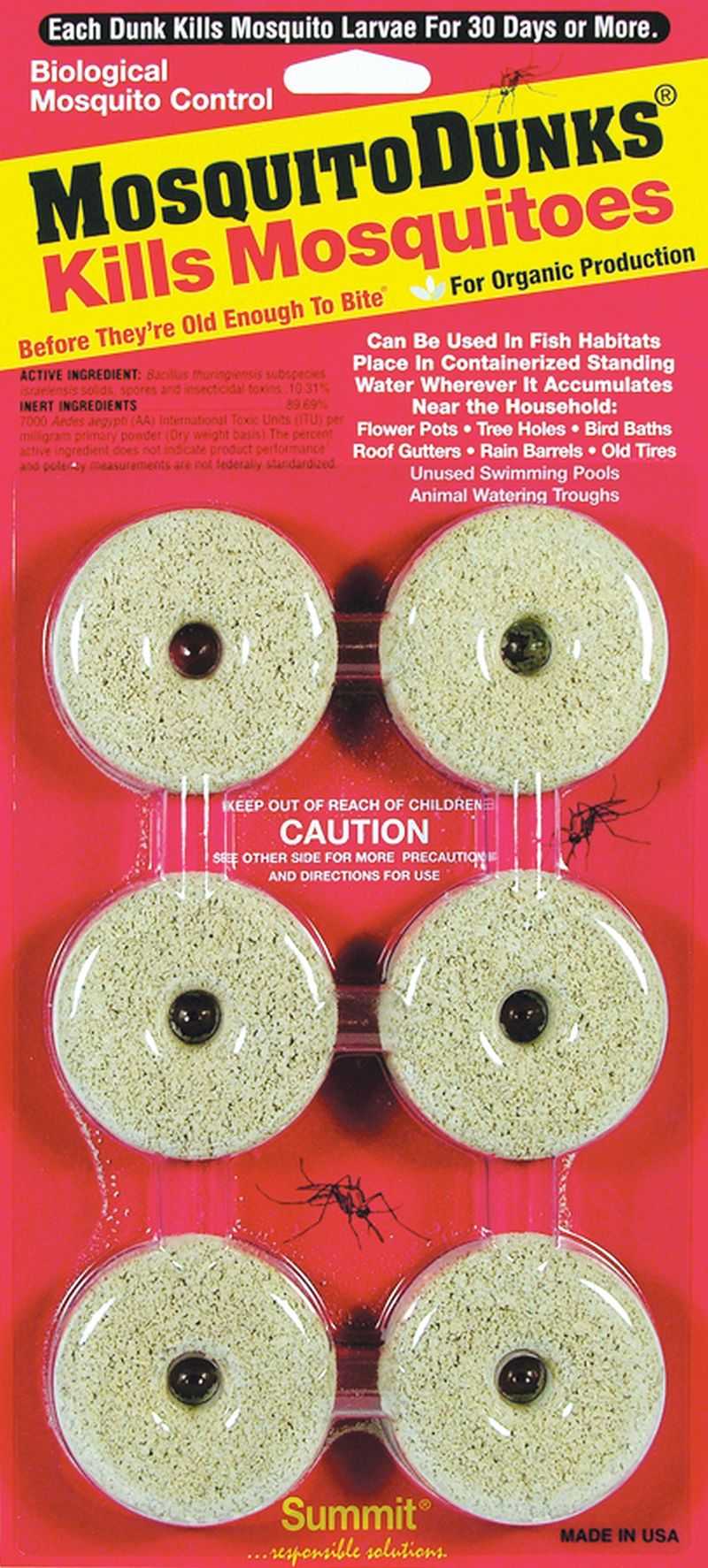
Bat habitat improvements and mosquito control work best when they run side by side rather than one replacing the other. The first and most effective step is eliminating the places where mosquitoes breed. UF/IFAS mosquito-management guidance recommends emptying, draining, covering, flushing, or aerating any object that holds water around your home. That list includes flower pot saucers, buckets, recycling bins, children’s toys, pet water bowls left outdoors, tarps, and clogged gutters.
Even a bottle cap with rainwater in it can produce dozens of mosquitoes.
For water that genuinely cannot be drained, such as a decorative pond, a rain barrel with a sealed lid, or a large container used for irrigation, a Bti product labeled for mosquito larvae is a practical option. EPA guidance on Bti for mosquito control explains that Bti is a naturally occurring soil bacterium that targets mosquito and fungus-gnat larvae without harming bats, birds, or most beneficial insects when applied according to the label. UF/IFAS mosquito pest management guidance presents Bti as a supplement to source reduction, not a substitute for it. Use the product exactly as directed and reapply on the schedule the label specifies.
Personal protection stays on the list regardless of how many bats visit the yard. CDC mosquito information consistently recommends EPA-registered repellents, intact window and door screens, and protective clothing when spending time outdoors during peak mosquito hours. The Florida Department of Health’s resident mosquito-control guide adds that mosquito-borne diseases such as West Nile virus, dengue, and eastern equine encephalitis remain active threats in Florida, and no wildlife habitat project changes that risk picture on its own.
Bats simply cannot reach every mosquito. They hunt at night, they rest during the day, and they do not patrol every corner of your yard on demand. Treating the bat house as one layer of a broader strategy, rather than the top layer, keeps your expectations grounded and your yard genuinely safer.
Give bats time and avoid unsafe attraction tactics
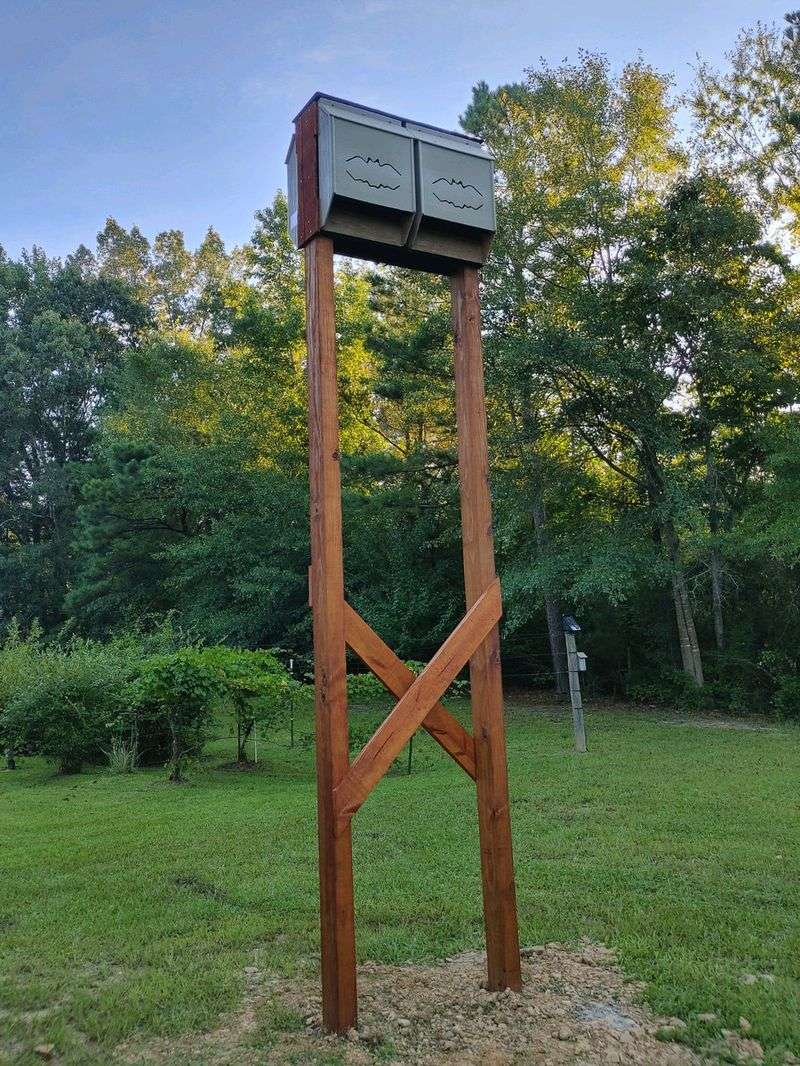
Patience is probably the most underrated part of any bat-house project. UF/IFAS bat-house guidance is straightforward on this point: occupancy is not guaranteed and may take months or even years, even when the house is well-designed and correctly placed. A house that looks empty in June may have its first occupants by the following spring. Checking for signs of use, such as guano accumulation below the entrance or occasional sightings of bats exiting at dusk, is more productive than assuming the house has failed.
Installing the house during winter, before the main spring search for roosts, gives bats the best opportunity to find and evaluate it before females begin looking for maternity sites. That timing window is worth planning around if you have not yet put the house up. FWC’s bat FAQ supports year-round installation but notes that earlier placement improves the odds of spring discovery.
Several tactics sometimes suggested online are either unsupported or outright illegal in Florida. Smearing guano inside or below a bat house to mimic an existing colony has not been shown to work. Playing audio recordings of bat calls to draw animals in is similarly unproven. Placing a captive bat inside a box to act as a lure is not only ineffective but illegal.
Capturing or relocating bats without a state permit is prohibited under Florida law, and attempting it also creates unnecessary exposure risk for the person involved.
The most effective approach is a well-chosen house in a good location with suitable surrounding habitat, followed by quiet observation over time. Bats are wild animals making their own decisions about where to roost, and the best a homeowner can do is make the option genuinely appealing and then step back.
Handle building colonies and possible exposure safely
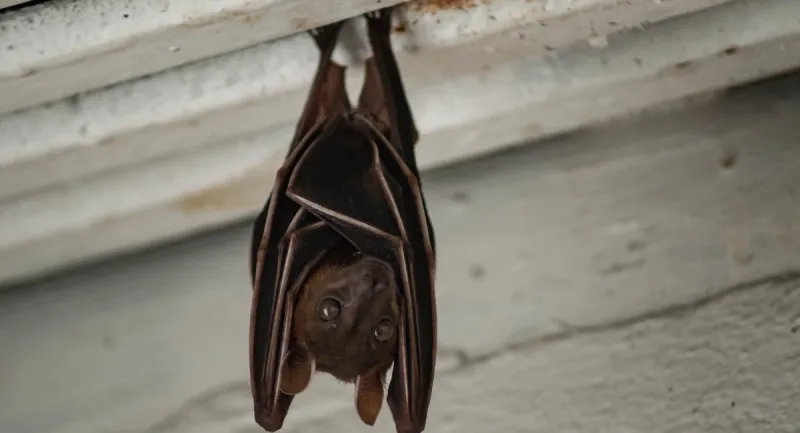
Finding bats inside a living space, a wall, or an attic is a different situation from watching them use an outdoor bat house, and the two require very different responses. The first rule applies in both cases: do not touch any bat with bare hands. A bat found on the floor, acting disoriented, or clinging to a wall inside a room should be treated as a potential exposure event, not a simple nuisance. CDC guidance on bats and rabies explains that most bats do not have rabies, but bat bites can be small enough to go unnoticed, which is why any situation involving possible contact with a person or pet requires prompt medical attention rather than a wait-and-see approach.
After any possible human or pet contact with a bat, contact your local health department, your healthcare provider, or your veterinarian right away for an exposure assessment. Animal-control and wildlife agencies can help with the bat itself, but they do not replace the medical or public-health evaluation that determines whether post-exposure treatment is needed. Keep children and pets away from the area where the bat was found, and if the bat can be safely contained without touching it, such as by placing a box or bowl over it, doing so may allow the animal to be tested. Do not attempt to contain or handle a bat if doing so requires touching it.
A bat colony inside a building is a separate issue from a single stray animal. UF/IFAS guidance on bats in buildings is clear that colonies should be excluded humanely and legally rather than sealed inside or left unaddressed. Sealing bats inside a structure is both inhumane and counterproductive, since trapped bats may find their way into living areas. Exclusion involves installing one-way devices over entry points so bats can leave but cannot return.
Florida law restricts when exclusion work can be done. FWC’s bat exclusion announcement and FWC’s bat FAQ both address the maternity season, during which exclusion is restricted to protect flightless pups. The exact dates in FWC materials use slightly different wording across publications, so check current FWC guidance before scheduling any exclusion work with a pest-control or wildlife professional.
Measure success by better habitat, not fewer mosquitoes

A useful checklist for this project is short and honest. Choose a heat-conscious, multi-chamber bat house. Mount it 12 to 15 feet up in an open location with a clear flight path, ideally along a forest edge and away from bright lights. Improve surrounding habitat with native plants that support night-flying insects, reduce unnecessary insecticide use, and maintain any open water so it does not breed mosquitoes.
Keep running proven mosquito protections: source reduction, Bti in water that cannot be drained, EPA-registered repellents, screens, and protective clothing.
UF/IFAS research and bat-house installation guidance both point toward the same conclusion: attracting bats is a long-term wildlife-habitat project, and occupancy may take a year or more even in a well-prepared yard. Measuring success by whether the mosquitoes disappear will lead to frustration. Measuring it by whether the yard becomes richer habitat for native wildlife, and whether your mosquito-control routine is actually working, gives you an honest picture of progress.
CDC mosquito guidance reminds us that no single measure eliminates mosquito-borne disease risk, which is exactly why a layered approach makes sense. A bat moving in overhead on a warm Florida evening is a reward in itself, separate from any mosquito math.