
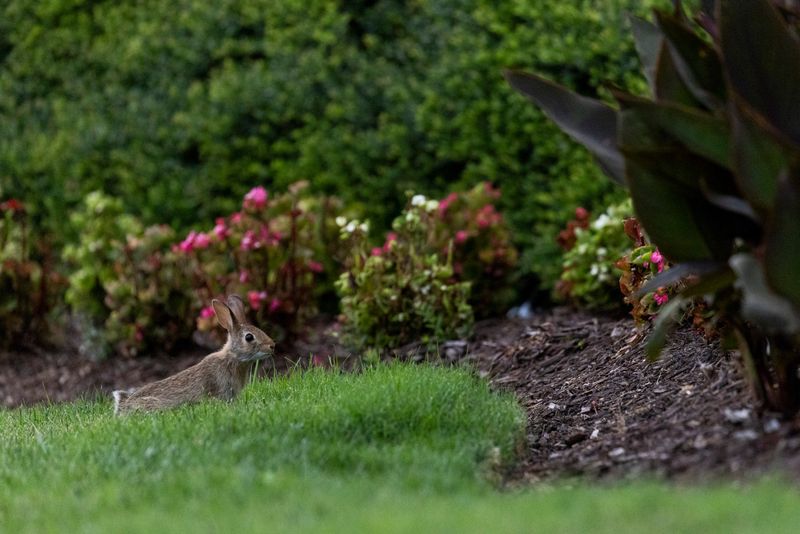
Your lettuce seedlings looked perfect on Saturday. By Monday, a few were snipped off at the base.
Rabbits may be the reason, and the clues they leave behind are easy to read once you know where to look. A quick yard check now can save your fall greens and young trees.
Several clues suggest yard use, not a rabbit moving in
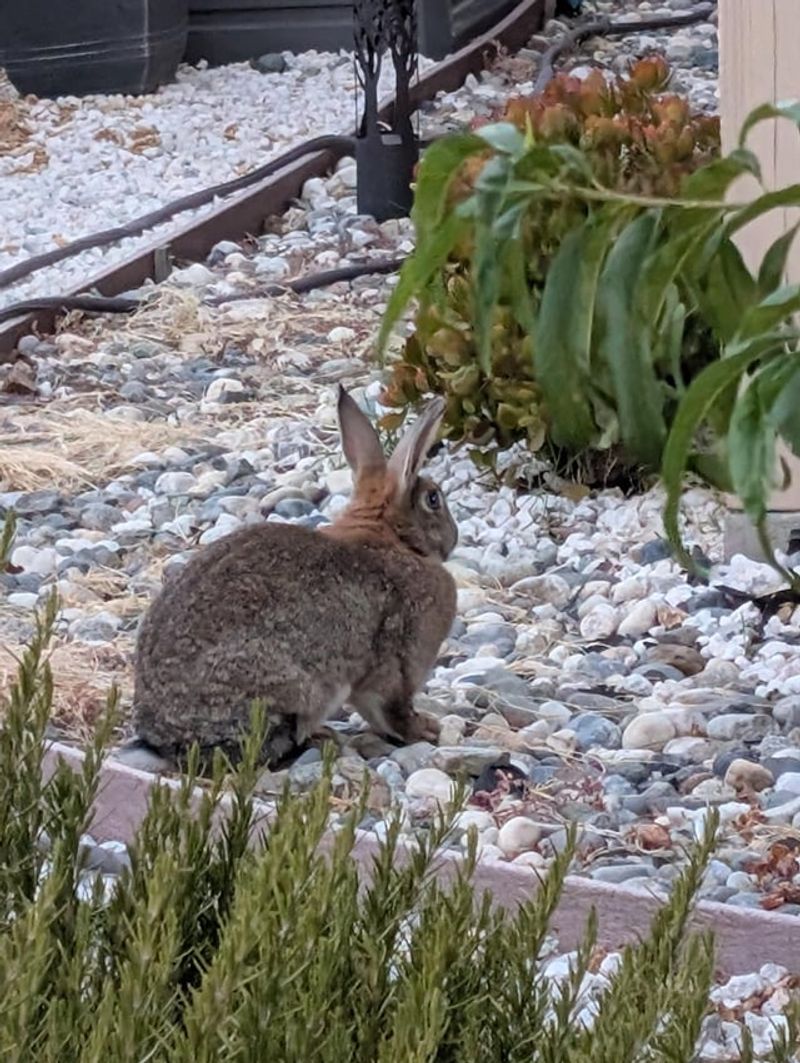
Ask any gardener who has lost a row of seedlings overnight, and you will hear the same thing: the culprit rarely sticks around to be identified. That is why the clues matter.
Pellets, clean cuts, and well-used paths each tell part of the story.
Taken together, those signs can show that rabbits are using your yard. They cannot prove that one rabbit has settled in, and they cannot tell you which individual animal is visiting.
They also do not always tell you the species.
California yards may be visited by several kinds of rabbits. UC IPM’s rabbit guide covers cottontails, brush rabbits, and black-tailed jackrabbits, and each can leave similar marks.
The state wildlife agency also lists these animals in its rabbit human-wildlife conflict page.
So think of yourself as a detective who collects several small clues before drawing a conclusion. One pellet or one nibbled stem is a hint.
Three or four signs in the same area make a stronger case.
The next sections walk through each clue one at a time. Start with pellets, then check cuts, then look at paths.
By the end, you will know which plants to inspect and what protection is worth the effort. Rabbits do not wait for a particular season, so a check in any month is worthwhile.
Pellets offer a clue, not a species test
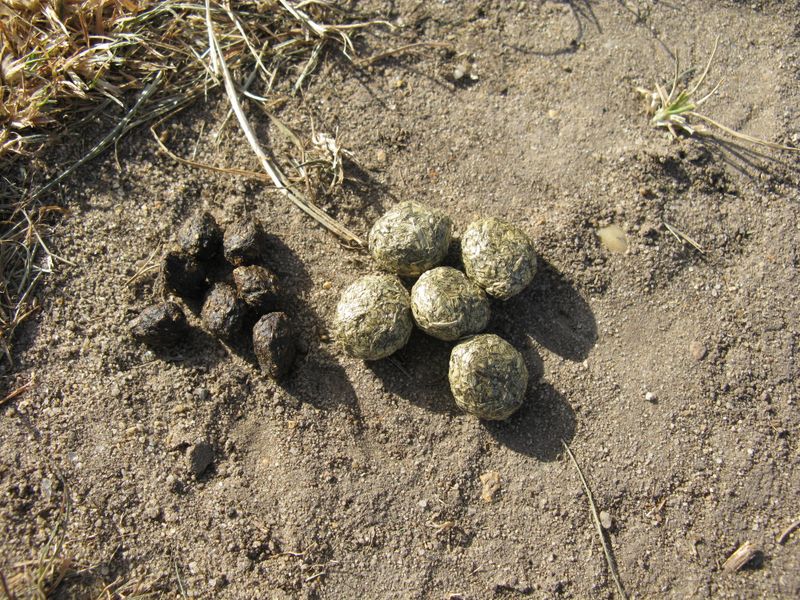
Walk the edges of your beds slowly and look down. Rabbit droppings are coarse, round pellets, and they tend to be scattered across an area rather than piled in one neat spot.
Check under shrubs, along fences, and near the plants that look chewed.
Size gives a rough hint. UC IPM gives about 1/4 inch as typical for cottontail pellets, compared with up to 1/2 inch for jackrabbits.
Pellet size varies roughly with the size of the animal.
That is where the guesswork has to stop. A larger pellet might come from a bigger animal, but age, diet, and moisture all change how droppings look.
Please do not name a species from pellets alone.
A better habit is to treat pellets as one piece of a pattern. Fresh, moist-looking droppings near a freshly clipped seedling tell you more than a few dried ones in a corner.
Dry pellets could be weeks old.
If you want a record, snap a photo with a coin beside the pellets for scale. Take another picture a few days later after clearing the spot.
New pellets in the same place suggest repeat visits, which helps you decide how much protection your plants need.
Low, clean cuts can point to rabbit browsing
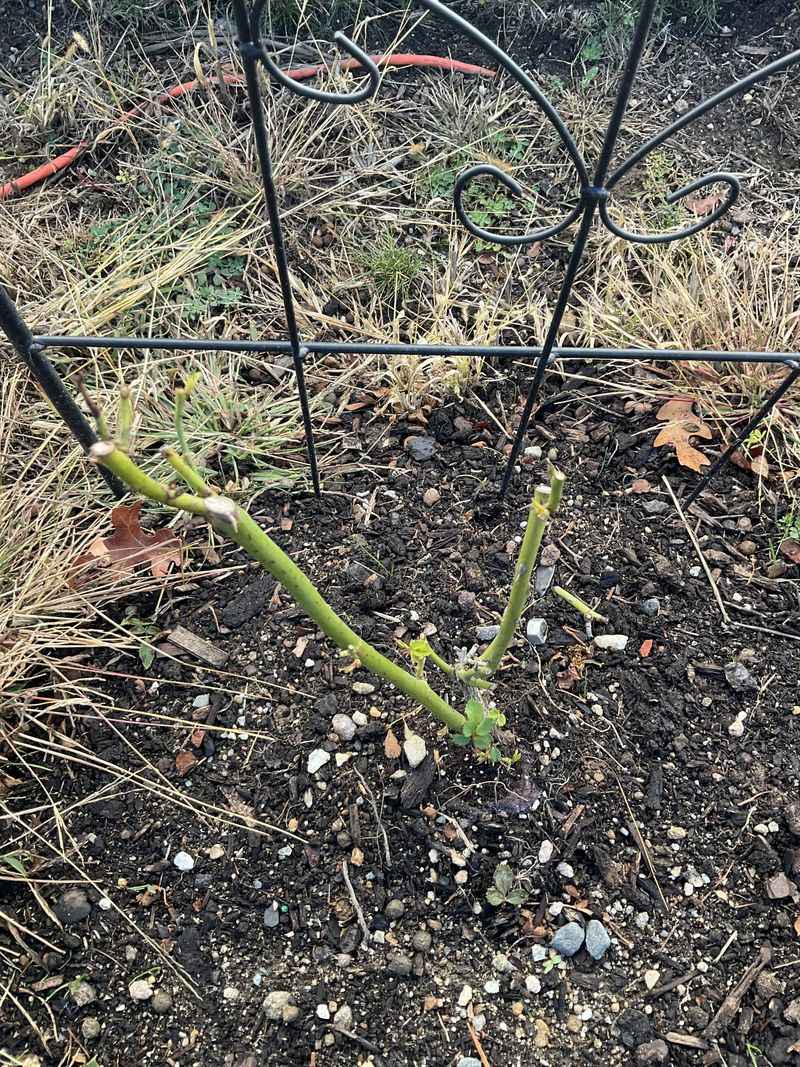
Crouch down and look closely at the damaged stems. Fresh rabbit browsing is commonly low and leaves a clean, angled cut, almost as if someone snipped the stem with small scissors.
Deer, by comparison, more often leave ragged, torn edges.
Height is another clue. UC IPM puts typical rabbit reach at about 2 feet, though conditions can change that.
Rabbits may stand up on hind legs, or reach a little higher if a slope or raised bed lifts them.
Treat these as handy rules of thumb, not guarantees. A tidy cut does not prove a rabbit made it, since other animals and even pruning accidents can look similar.
Think of a clean low cut as a reason to look closer.
Once you spot one, scan the plants around it. Are several stems clipped at a similar height?
Is there a pellet or two nearby? Matching clues make rabbit browsing a more reasonable guess.
Mark the damaged plants with a small stake and check again in a day or two. Fresh cuts show pale, moist tissue, while old ones turn brown.
That quick check shows whether the browsing is ongoing.
A worn route shows movement, not residence
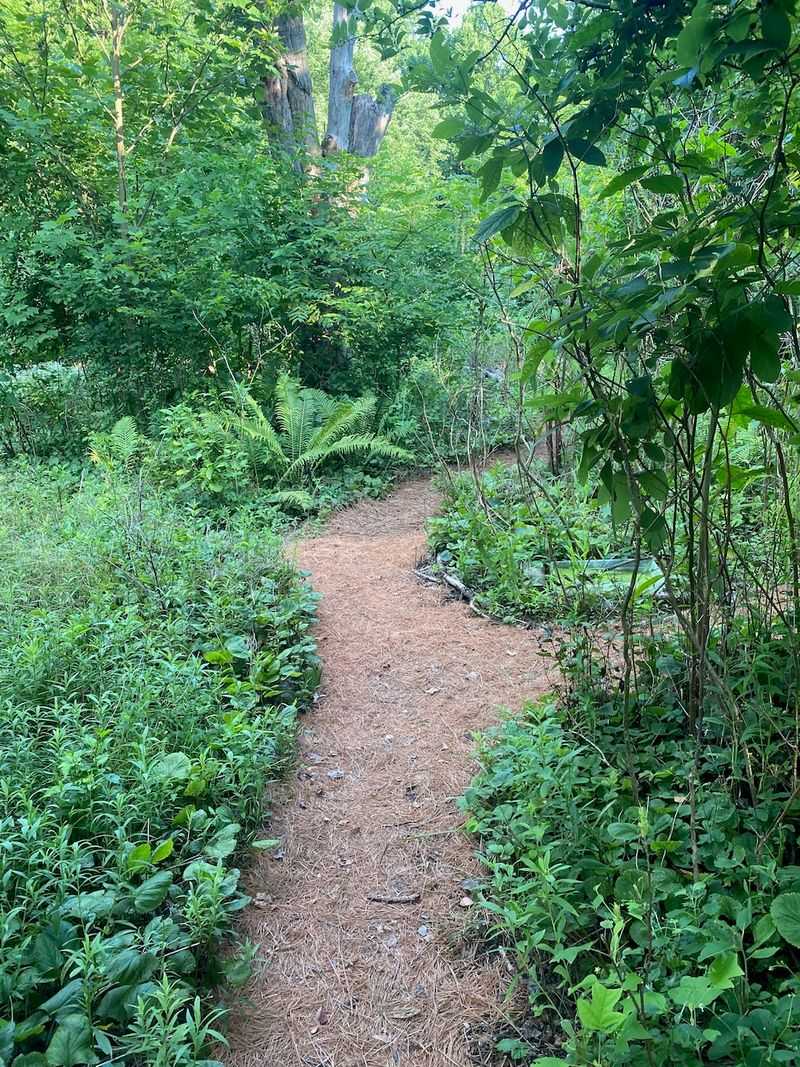
Rabbits like routes. Walk your fence line and look for a narrow, packed strip of bare soil, flattened grass, or a tunnel through low shrubs.
A small gap under a gate or between boards is worth a closer look.
The details matter. UC IPM notes habitual lanes for cottontails and brush rabbits.
Its description of conspicuous, recurring paths specifically concerns jackrabbits, which tend to leave more noticeable trails.
Even so, a path tells you where an animal travels, not where it lives. A rabbit could pass through every evening and sleep in a vacant lot down the street.
A gap alone proves neither residence nor species.
Use the route as context. If a lane leads straight from a fence gap to a bed of greens, that is a useful place to focus your protection.
A worn trail near clipped stems and pellets adds weight to the picture.
Try a simple test. Rake a small patch of soil smooth near the gap and check it the next morning for tracks.
Fresh prints suggest something is using the route right now, and you can decide whether to block it.
Check fall greens and young trees for damage
Fall is a handy time to put your clues to work, since new seedlings are tender and easy to clip. Still, rabbits feed in every season, so treat this as a good moment to look, not the only moment.
Start with the plants rabbits are known to like. UC IPM lists lettuce, peas, carrots, beets, and broccoli among the vegetables they may damage, along with young woody plants.
Check for clipped leaves, stubby stems, and seedlings that have vanished.
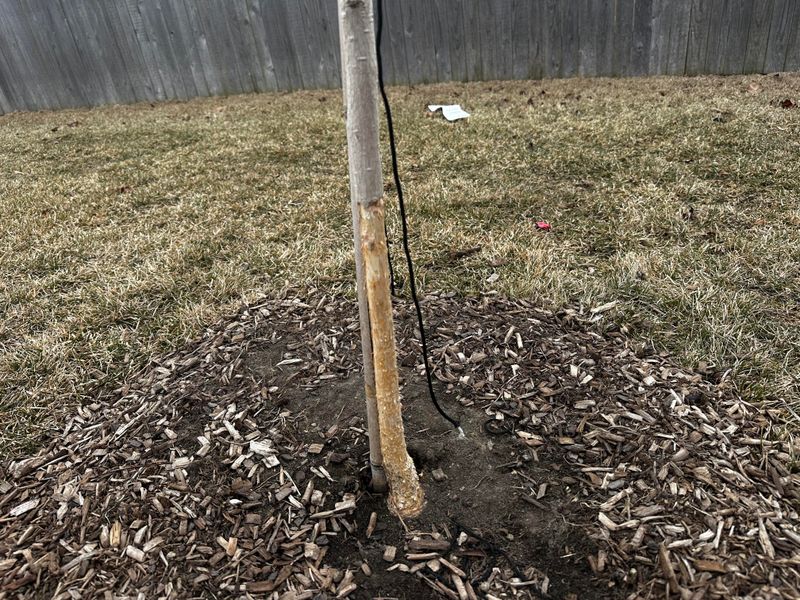
Next, look at your young trees. Rabbits can gnaw bark, and heavy chewing can potentially girdle a tree by removing bark all the way around the trunk.
Look low on the trunk for pale scrapes, tooth marks, or missing patches.
Bring your earlier clues along. Pellets near a bed, low angled cuts on the stems, and a path leading to the plants make a stronger case than any one sign.
Write down which plants were hit first, since that shows what to protect.
Do this check weekly while seedlings are small. Young plants recover poorly from repeated clipping, so catching damage early gives you time to add protection before a whole planting is lost.
Physical barriers offer the clearest plant protection
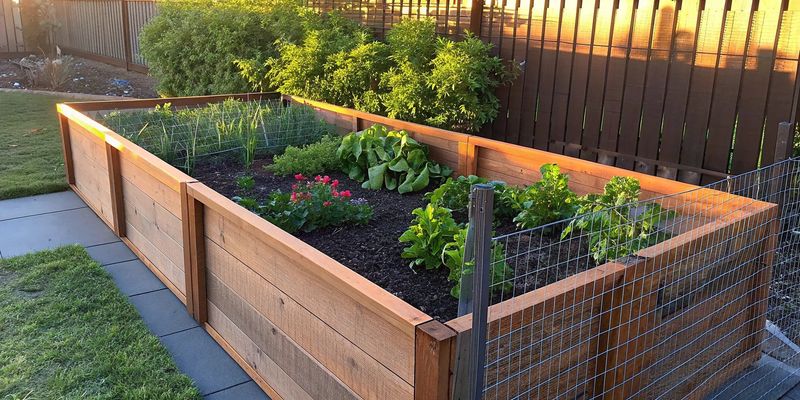
When rabbits are eating your greens, a physical barrier is the most dependable fix. UC IPM recommends mesh no larger than 1 inch, so smaller animals cannot squeeze through.
Match the barrier to the job. For garden areas, UC IPM describes panels about 24 to 30 inches tall.
Whole-area fencing is a separate setup, and individual young trees need their own cylinders around the trunk.
Do not borrow one measurement for every situation. A height that works for a vegetable panel says nothing about how to wrap a tree, so follow the guidance for your specific use.
Choose guards that fit snugly without squeezing the trunk as it grows.
Then inspect the barrier. Walk the edges and look for gaps at gates, loose corners, and spots along the ground where a rabbit could push through.
Tie off or fill any openings you find.
Repellents are tempting, but UC IPM says they often fail where highly preferred vegetables are growing. If you try one, read and follow the product label closely, and keep a fence or panel as your main plan.
Give a suspected nest space
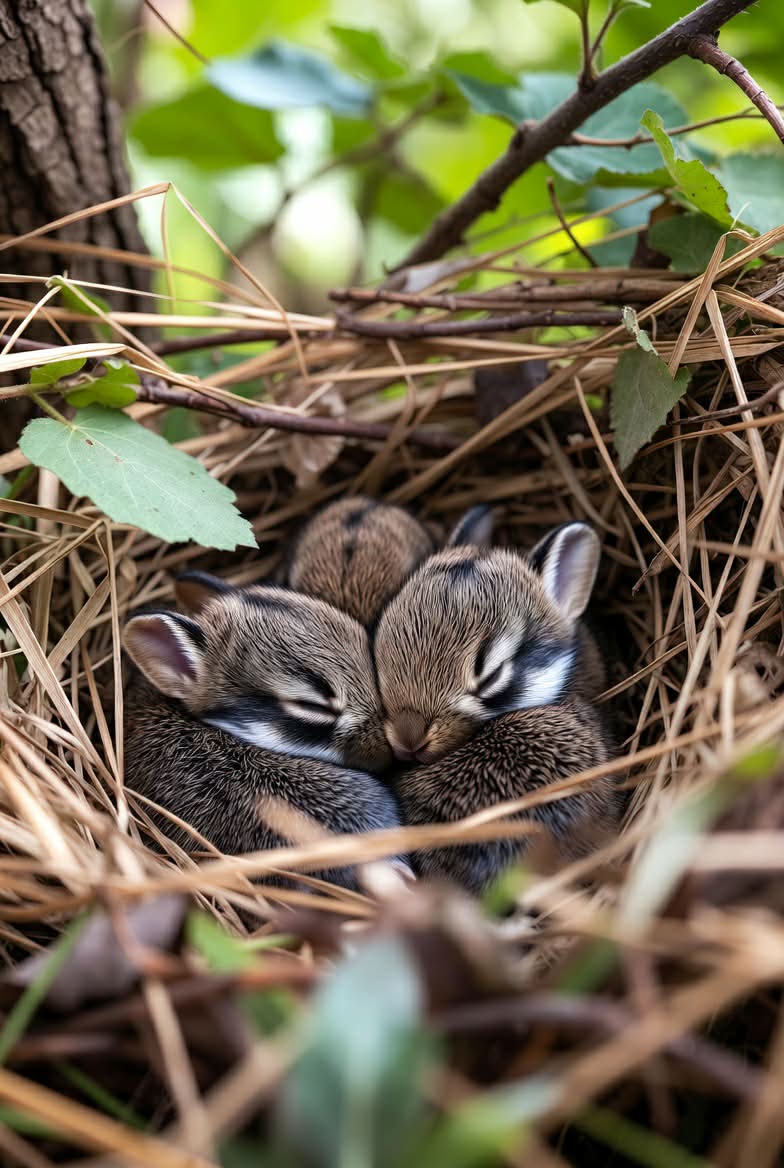
Sometimes the surprise is not a nibbled seedling but a small patch of fur-lined grass in the lawn. That could be a rabbit nest, and the best response is to give it room.
The California Department of Fish and Wildlife advises keeping children and pets away and not intentionally disturbing the ground or vegetation within 10 feet of a nest. That means holding off on mowing, digging, and trimming nearby until the young are gone.
Please do not pick up a healthy baby rabbit. Young rabbits found alone are often fine, since the mother visits only briefly.
Leave them where they are and step back.
If a young rabbit looks injured or in poor condition, contact a permitted wildlife rehabilitator or CDFW for guidance. Describe what you see and where it is, and follow their advice.
Nests can turn up in any season, so a quick look over the lawn before you mow is a good habit. A few weeks of patience can protect the young, and your fenced beds can stay protected in the meantime.