
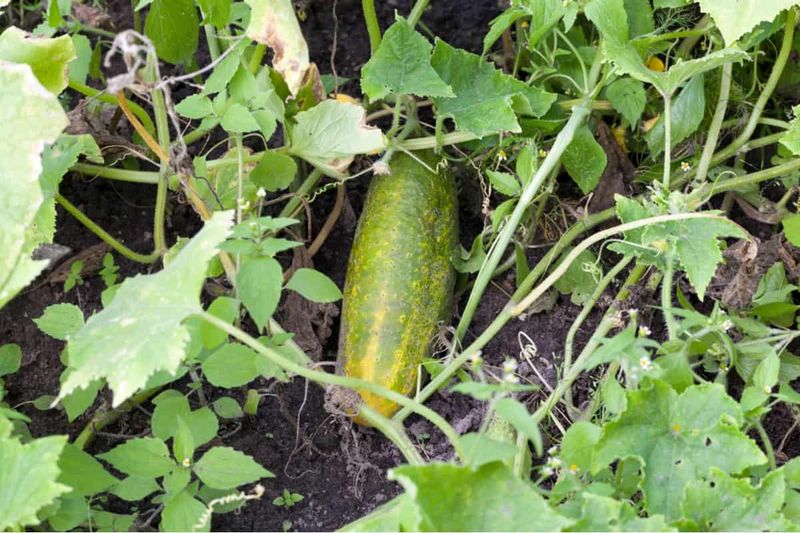
Walking out to your cucumber patch and finding a sea of yellow leaves is one of the more frustrating moments in a summer garden. Most gardeners immediately reach for the watering can or a bag of fertilizer, but the real fix depends on figuring out why the yellowing is happening in the first place. Nitrogen deficiency is one possible explanation, especially when older leaves turn a fairly even yellow while newer growth looks fine, but heat, water problems, pests, and disease can all produce similar symptoms. Working through a short checklist before you treat can save your plants and your time.
Uniform yellowing on older leaves makes nitrogen worth checking
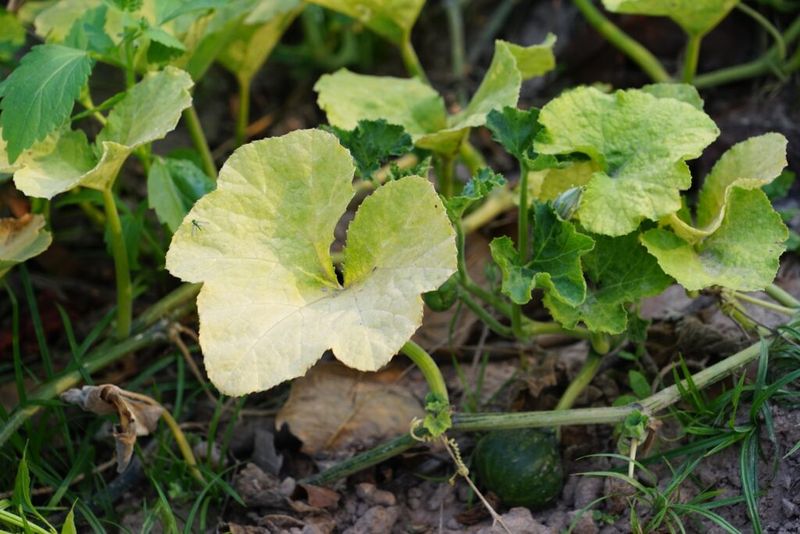
Pale green leaves that gradually shift to yellow, starting at the bottom of the plant and moving upward, are one of the more recognizable signs that nitrogen may be running short. According to UGA Cooperative Extension’s guide on nutritional deficiencies in vegetables, nitrogen deficiency typically produces this kind of generalized yellowing on older tissue first, sometimes accompanied by reduced plant size or slower-than-expected growth. The color tends to be fairly even across the leaf surface rather than concentrated between veins or along edges.
The reason older leaves go first comes down to how cucumbers manage their resources. Nitrogen moves freely within the plant, so when the soil supply drops, the cucumber pulls nitrogen from mature leaves and redirects it toward new growth at the tips. Iowa State University Extension’s nitrogen deficiency guide confirms this mobility, explaining that symptoms show up on older leaves precisely because the plant sacrifices them to protect younger tissue.
A few yellowed leaves near the base of a vigorous plant may just reflect normal aging or heavy shading, and that alone is not cause for alarm. The pattern becomes more concerning when yellowing spreads steadily upward, when growth slows noticeably, or when the plant looks stunted overall. Even then, this symptom picture justifies further investigation rather than an immediate trip to the fertilizer aisle.
July heat often exposes a moisture problem instead
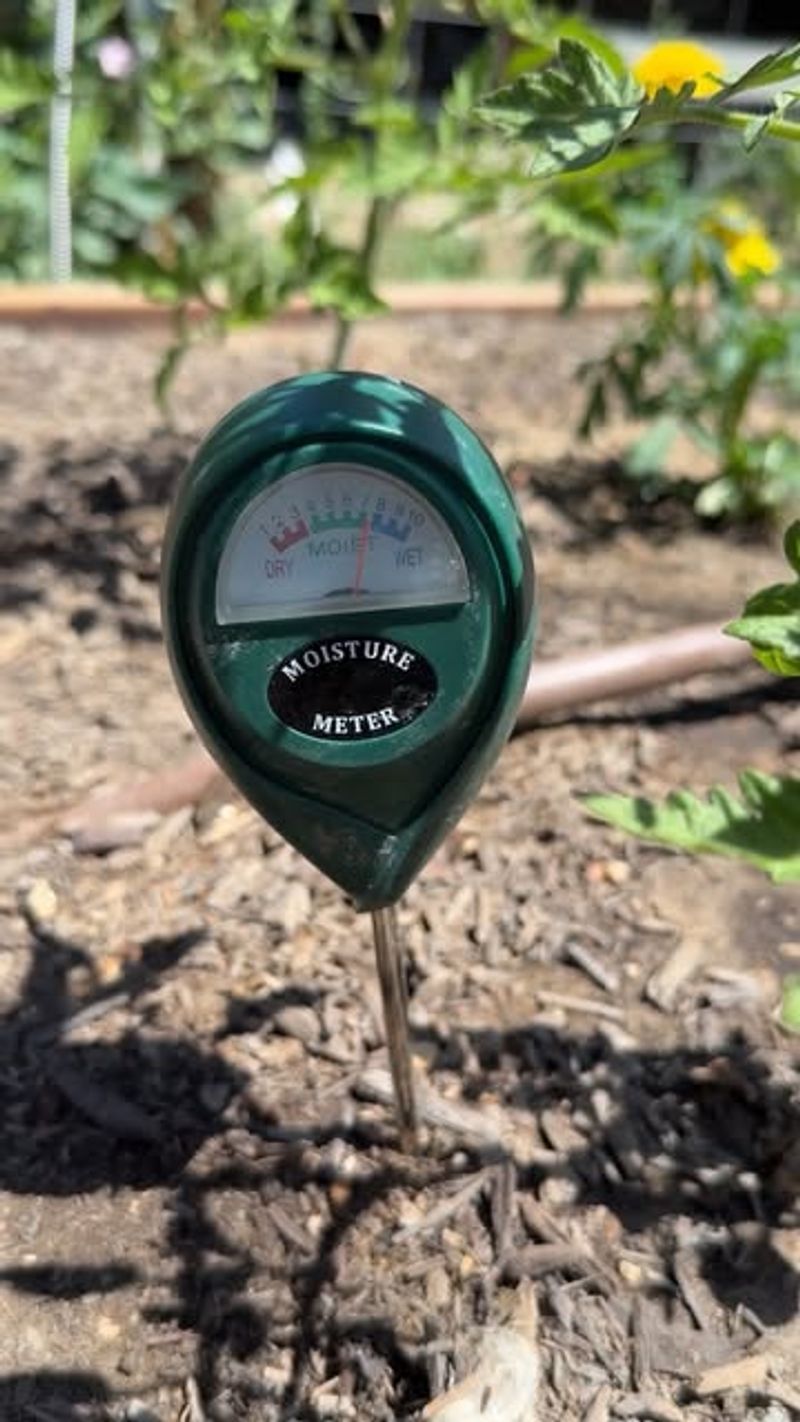
Hot July weather can make cucumber leaves look stressed in ways that closely mimic a nutrient shortage, but the underlying cause is often inconsistent watering rather than a missing fertilizer. University of Minnesota Extension’s cucumber growing guide recommends roughly 1 inch of water per week during the growing season as a general benchmark, with more frequent watering needed in sandy soils or for plants growing on a trellis. That figure shifts based on your soil type, plant size, and how hot and sunny the weather has been, so treat it as a starting point rather than a fixed rule.
Before assuming the plant is thirsty, push a finger or a small trowel several inches into the soil near the root zone. If the soil feels moist a few inches down, the plant probably has enough water even if the surface looks dry. Penn State Extension notes that cucumber water needs increase during hot, sunny conditions and that insufficient moisture can cause both plant stress and fruit problems, but checking the actual soil tells you more than watching the leaves.
Overwatering deserves equal attention. Waterlogged soil starves roots of oxygen, invites root rot, and can produce yellowing that looks almost identical to drought stress or nutrient deficiency. Oregon State University Extension points out that both under- and overwatering can cause wilting and leaf problems, which is why checking the soil before adding more water matters. Heat acts as a stress multiplier that raises demand and makes existing problems more visible, but high temperatures alone do not prove a plant is low on nitrogen.
The yellowing pattern separates nitrogen from other nutrient clues
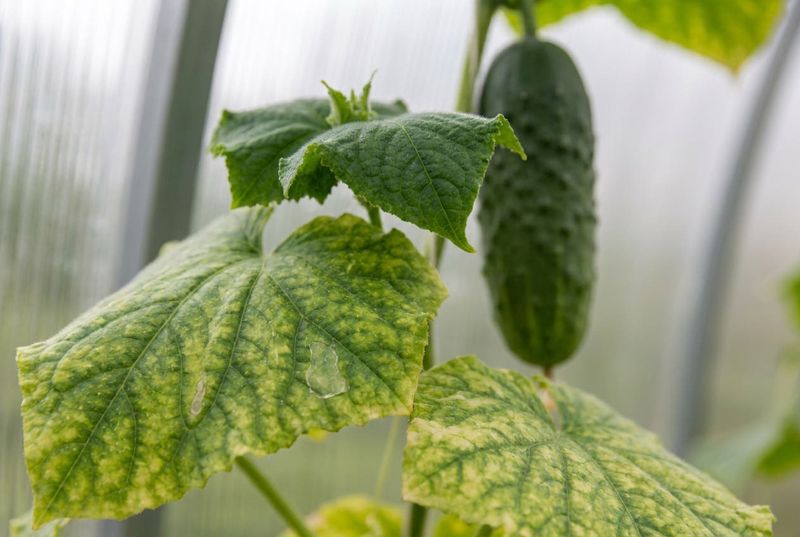
Where the discoloration shows up on the leaf is one of the most useful clues for narrowing down the cause, though no visual symptom alone can confirm a deficiency. Fairly uniform yellowing that covers the whole leaf surface, starting on older growth, points toward nitrogen as a possibility. Yellowing that stays between the veins while the veins themselves remain relatively green is a different pattern, one that Penn State’s plant science lab associates with magnesium deficiency, though a peer-reviewed study on magnesium deficiency in cucumbers notes that this interveinal chlorosis can appear on older or intermediate leaves and should not be assumed without additional evidence.
Yellowing or browning that begins at the leaf margins and works inward is a different signal again, one more consistent with potassium stress or salt injury than with nitrogen shortage. University of Minnesota Extension’s fertilizing guide cautions that nutrient symptoms overlap significantly and that visual diagnosis alone is unreliable without supporting information from a soil test.
Viruses add another layer of complexity. UGA Extension’s bulletin on cucurbit viruses explains that cucurbit yellow stunting disorder virus can closely resemble nutrient deficiencies, pH problems, and natural leaf aging, sometimes requiring laboratory confirmation to distinguish from a true nutritional cause. High soil pH can also lock up nutrients so the plant cannot absorb them even when they are present in the soil. These clues help you decide what to investigate next, not what to add to your garden bed.
Pests and diseases leave clues fertilizer cannot fix
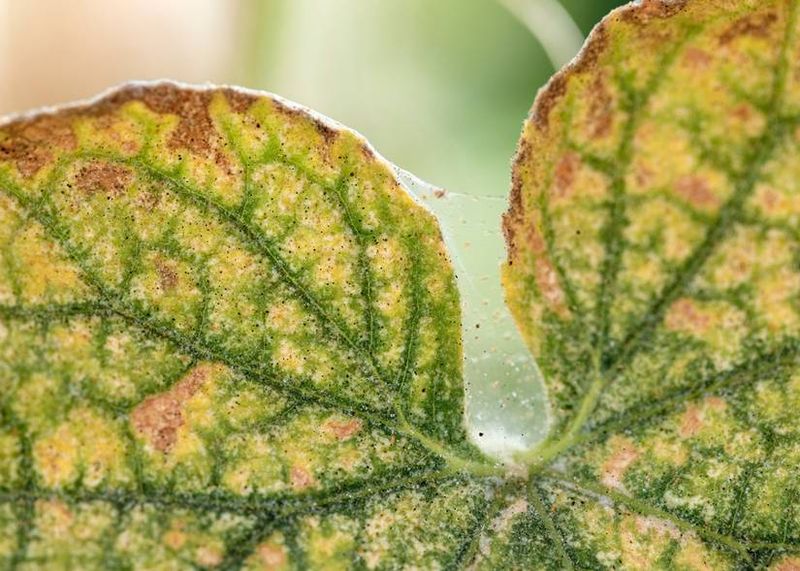
Before reaching for any fertilizer, spend a few minutes examining the plant closely, because pests and diseases produce yellowing that looks nutritional but will not respond to feeding. Flip the leaves over and look at the undersides carefully. University of Minnesota Extension’s cucumber leaf diagnosis tool lists spider mites as a common cause of discolored cucumber leaves, particularly during hot and dry stretches in summer. Their feeding creates pale, stippled, or slightly bronzed patches, often accompanied by fine webbing near leaf veins or along edges.
Aphids and whiteflies can also cluster on leaf undersides and cause similar discoloration through their feeding.
Fungal diseases follow their own visual rules. University of Illinois Extension notes that powdery mildew often starts as pale yellow spots before producing the white, powdery coating that gives it its name, so early infections can be easy to confuse with a nutrient problem. Downy mildew is different: Illinois Extension’s downy mildew profile describes angular, yellow to pale-green lesions that are bounded by leaf veins, sometimes with a grayish-purple growth visible on the leaf underside in humid weather.
Cucumber beetles and sudden daytime wilting deserve special attention. University of Illinois Extension’s bacterial wilt guide explains that cucumber beetles transmit bacterial wilt, and affected vines can wilt rapidly during the day before collapsing progressively. Plants with bacterial wilt generally cannot be saved, and applying fertilizer to an infected plant will not slow the disease. If you see beetles and sudden wilting together, removal of the affected plant is usually the recommended course of action rather than any rescue feeding.
A soil test turns a guess into a fertilizer decision
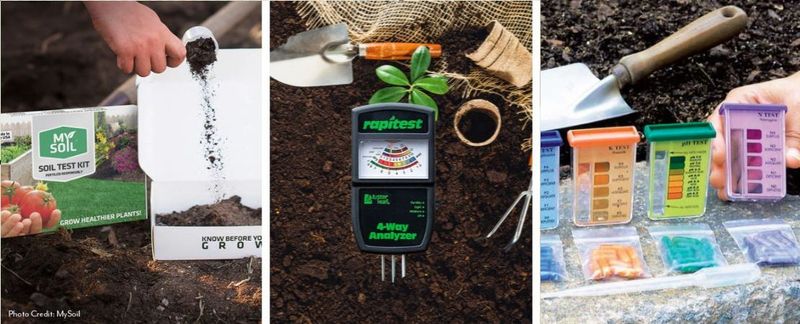
Symptom patterns can point you in a useful direction, but a soil test is what converts a reasonable guess into a confident fertilizer decision. Penn State Extension’s soil testing resource explains that a standard test reports pH along with levels of phosphorus, potassium, magnesium, and calcium, and typically includes crop-specific fertilizer recommendations based on those results. Nitrogen is handled differently because soil nitrogen changes quickly with rain, temperature, and microbial activity, so nitrogen recommendations are usually calculated from crop needs and organic matter levels rather than direct measurement.
Reading the results alongside what you have already observed in the garden gives you a much clearer picture. Penn State’s guide to reading a soil test report walks through how pH affects nutrient availability, which matters because a plant can show deficiency symptoms even when nutrients are present in the soil if the pH is too high or too low for the plant to absorb them properly. Poor drainage, compacted soil, and damaged roots can produce the same result.
Excess fertilizer salts are another factor worth checking, especially in raised beds or high-tunnel gardens. Penn State Extension’s guidance on soluble salts notes that high salt levels can injure roots and cause chlorosis that mimics nutrient deficiency, meaning that adding more fertilizer to an already salt-stressed plant can make the problem worse. A soil test paired with careful observation of moisture, drainage, and root condition gives you the safest foundation for any targeted treatment that follows.
Correct confirmed nitrogen deficiency without overfeeding
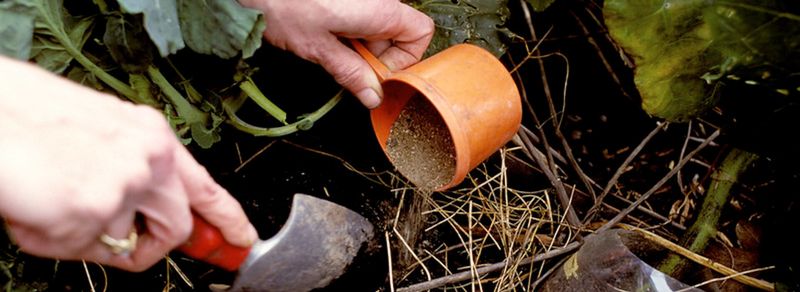
Once a soil test or a clear symptom pattern supports nitrogen deficiency, choosing and applying the right fertilizer carefully matters as much as the decision to fertilize at all. Pick a product labeled for vegetables and follow the rate printed on the package rather than adding extra in hopes of a faster result. University of Minnesota Extension’s fertilizing guide explains that excess nitrogen can push the plant toward heavy leaf and vine growth at the expense of fruit, delay flowering and fruiting, and contribute to nutrient imbalances in the soil over time.
UC Statewide IPM’s nitrogen deficiency resource notes that overapplication can also damage roots through salt accumulation and contribute to environmental losses when excess nitrogen moves through the soil into water. For a regional example of a side-dressing approach, Oregon State University Extension suggests applying 1.5 ounces of ammonium sulfate per 10 feet of row about a week after flowering begins as one option in their area. That rate reflects OSU’s regional guidance and should not be treated as a universal prescription for every garden or soil type.
A few product types are worth avoiding outright. University of Minnesota Extension warns against weed-and-feed products in vegetable beds because the herbicide component can injure or kill cucumber plants, and against fresh manure because of pathogen and weed-seed risks. UMN’s guide on home remedies including Epsom salts cautions that magnesium supplements should be reserved for situations where a soil test confirms a magnesium shortage, since excess magnesium can interfere with calcium uptake. Utah State University Extension adds that foliar feeding may assist with some micronutrient deficiencies but is not a reliable general fix for macronutrient shortages like nitrogen.
Judge whether treatment is working by watching new growth over the coming weeks rather than expecting already-yellow leaves to turn green again.
Follow a diagnosis-first rescue sequence
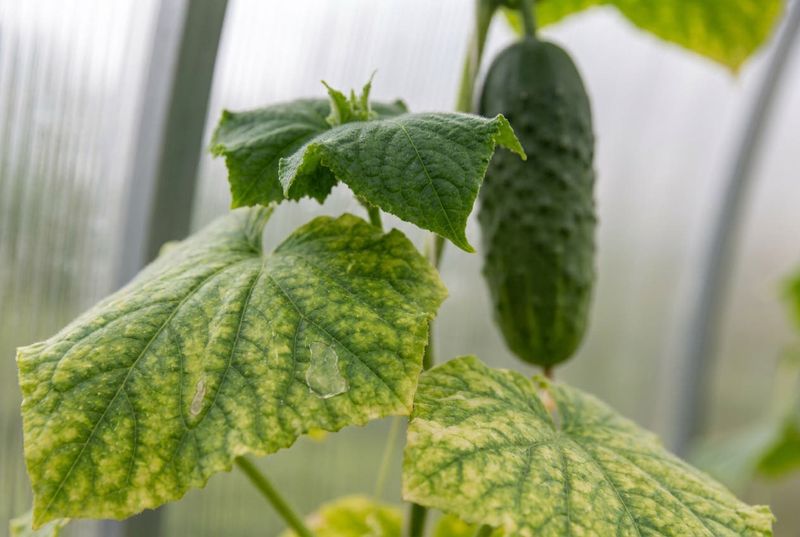
Putting the steps in order makes the whole process less overwhelming. Start by looking at which leaves yellowed first and what the discoloration actually looks like. Fairly uniform yellowing on older, lower leaves with slow or stunted growth puts nitrogen at the top of the suspect list. Yellowing between the veins, scorched leaf margins, stippled patches with webbing, angular lesions bounded by veins, or sudden daytime wilting all point toward different causes that need different responses.
University of Minnesota Extension’s cucumber leaf diagnosis tool is a practical starting point for matching what you see to a likely cause.
Next, check soil moisture several inches below the surface and look at the plant base and any visible roots for signs of rot or physical damage. Then flip the leaves and examine the undersides for pests. If moisture, roots, and pests all look acceptable and a nutritional problem still seems plausible, a soil test gives you the evidence needed to choose a targeted treatment with confidence rather than guessing.
Apply only a labeled, vegetable-appropriate product at the recommended rate if the evidence points to nitrogen. UGA Extension’s nutritional deficiency guide reinforces that correcting a true deficiency supports new growth going forward, but leaves that have already yellowed are unlikely to fully recover. The goal is to fix the cause and give the plant the conditions it needs to produce healthy new leaves and fruit. A garden that gets diagnosed before it gets dosed tends to come back stronger.