
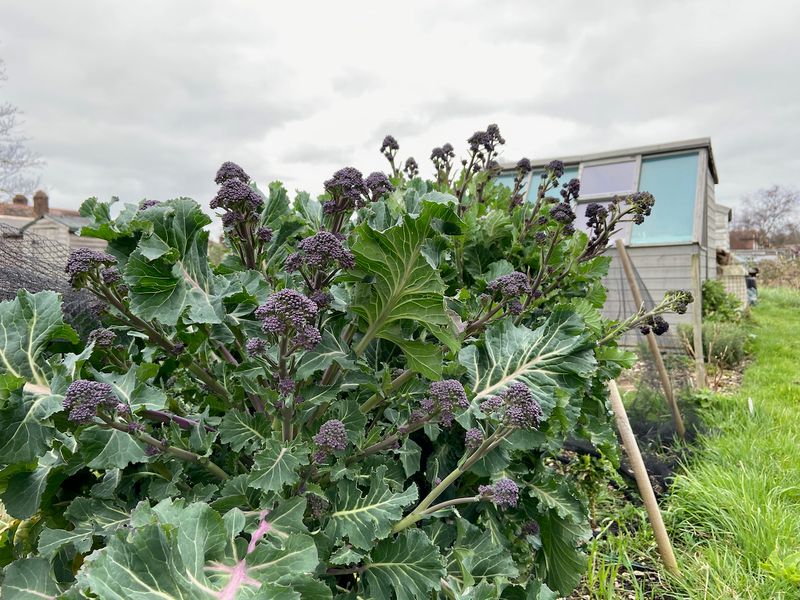
You walk out after the first chilly night and your broccoli leaves have a blue-purple tint. It looks alarming, and it is natural to wonder if something is wrong underneath the soil.
Color is a clue, but it is not the whole story. A few quick checks can help you sort out what is really going on before you reach for a fertilizer bag.
Purple leaves do not prove phosphorus deficiency
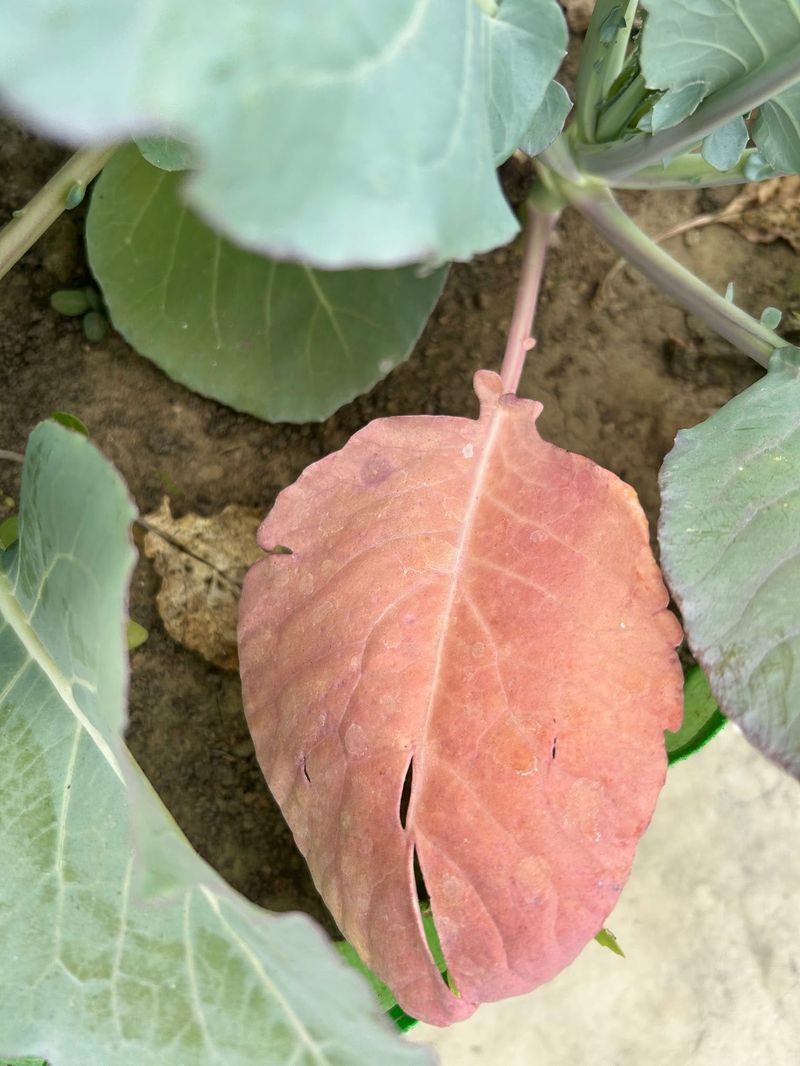
Purple color alone cannot tell you that the soil is low in phosphorus or that your plant needs fertilizer. Two different stories can look almost the same from a few feet away.
One is a true phosphorus problem, and the other is a color change that follows cold weather.
Extension guidance from Georgia says that phosphorus deficiency can include purpling, and it lists low soil phosphorus, low pH, cold wet soil, and dry soil among the possible causes. For broccoli, a SARE production guide points out that purpling in field plants often signals cold soil.
That is production guidance, so it does not prove every backyard case is cold only.
Treat the color as a reason to look closer, not as a verdict. Check how the plant is growing, which leaves are affected, and what the weather has been doing before you decide on any next step.
Cold can affect phosphorus and color in different ways
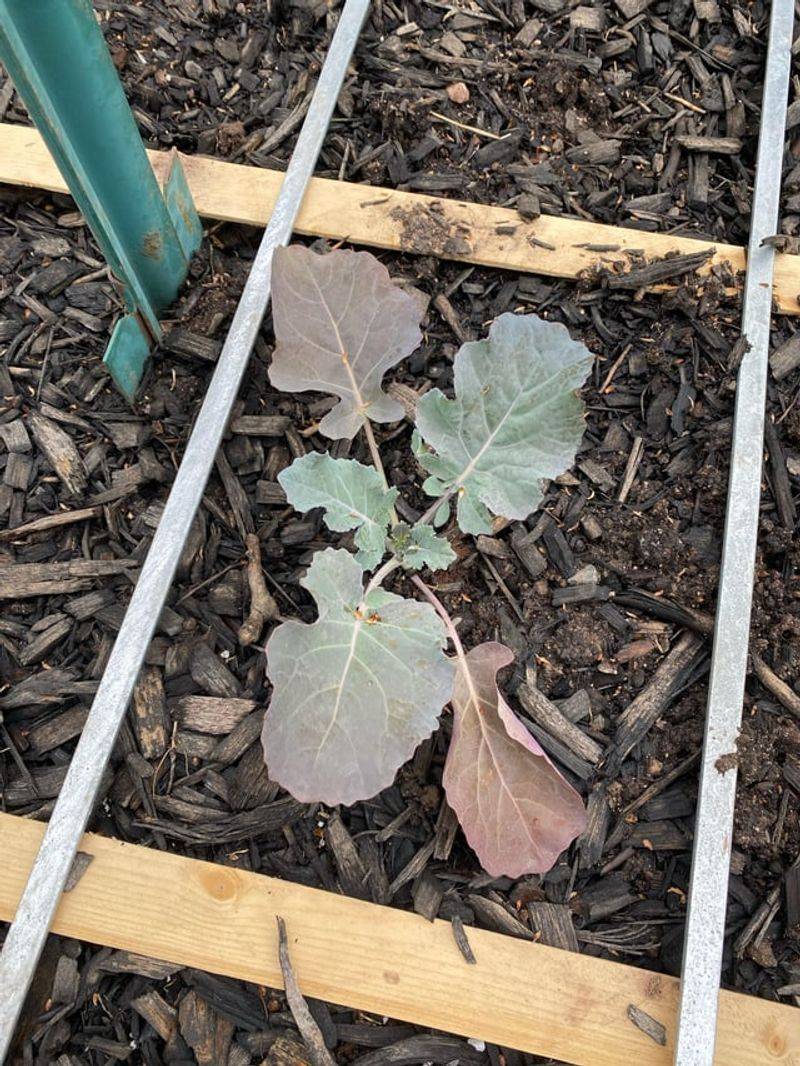
Chilly soil slows down roots, and slow roots take up less phosphorus even when the soil holds enough. Cool, wet ground can limit how available that nutrient is to the plant.
Colorado State University Extension explains why leaf symptoms can be hard to read and why excess phosphorus is not a safe fix for every purple plant.
Cold can also trigger purple pigment on its own. A peer-reviewed study found that cold can bring on purple color in broccoli buds through anthocyanin pigments.
That work looked at buds and florets, so it does not diagnose purple leaves.
Put together, these are two separate possibilities that can overlap. A cold snap might reduce uptake, prompt a pigment response, or both, and leaf color cannot tell you which one you have.
Read the symptom pattern, but do not diagnose by color alone
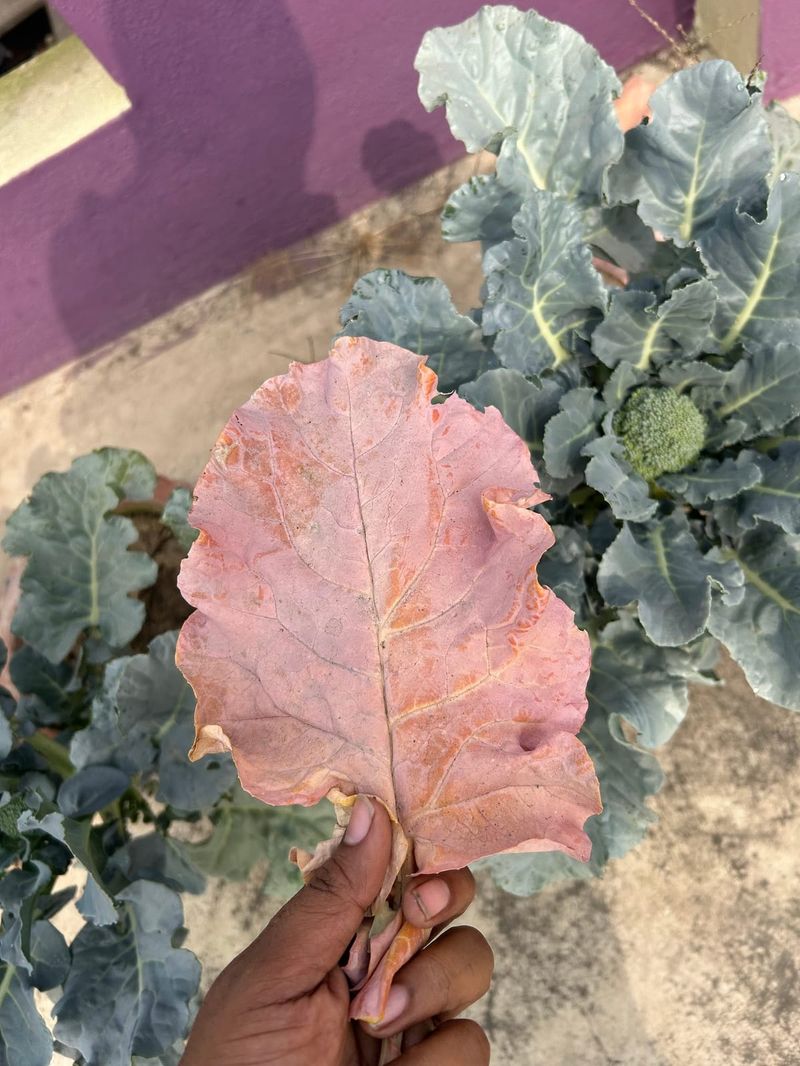
Where the purple shows up is worth noticing. Georgia Extension notes that phosphorus deficiency often appears first on older, lower leaves and may include puckering along with purpling.
If your plant matches that picture and is also small or slow, a deficiency becomes more plausible. These clues only raise the odds.
They do not settle the question, because cold stress can leave similar marks.
Other problems look different. The same Georgia guidance describes boron deficiency in brassicas as possibly causing distorted growing tips and brown or hollow centers.
So a twisted tip or a damaged center points away from a simple phosphorus story.
Walk the row and compare plants. Note which leaves are tinted, whether new growth looks healthy, and whether the whole bed is affected or just a few plants.
Monitor the plant and keep soil evenly moist
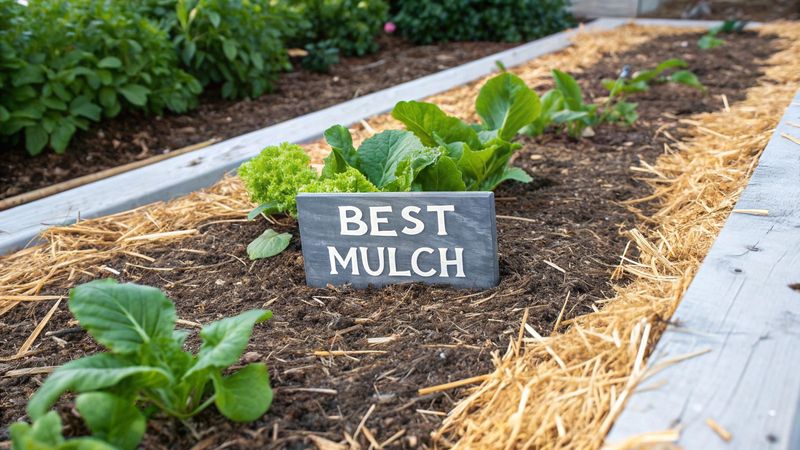
After a cold snap, patience is a reasonable first move. Ask whether the plant is otherwise growing normally, with firm stems and fresh green leaves at the center.
If so, the tint may fade as conditions warm.
Keep the soil evenly moist but never soggy. Georgia guidance says both cold wet soil and dry soil can contribute to phosphorus-deficiency symptoms, so swings in either direction are worth avoiding.
A light mulch can help steady soil conditions.
SARE advises that cold soil should be considered before adding liquid phosphorus. Watching new growth over the next week or two gives you useful information.
This is a cautious first step, not a guaranteed fix. If the purpling lingers, spreads, or comes with stunting, move on to a soil test.
Use a regional soil test to guide the decision
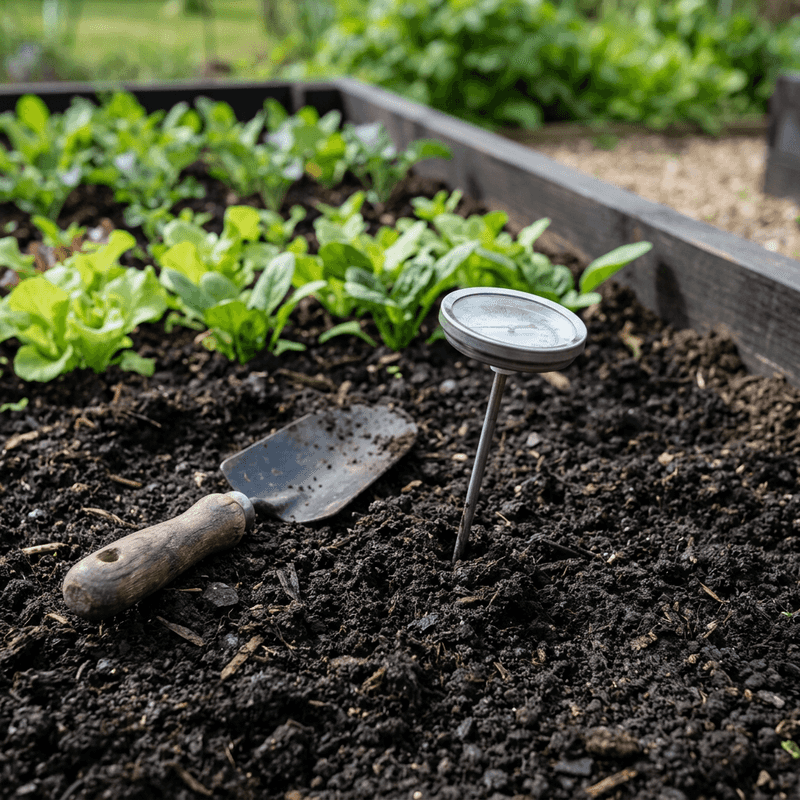
When symptoms stick around or get worse, a soil test replaces guesswork with numbers. It shows phosphorus levels and pH, and a lab can give a recommendation for the crop you are growing.
Florida gardeners can follow UF/IFAS home-garden soil testing guidance. Texas gardeners can send samples to the Texas A&M AgriLife Soil, Water and Forage Testing Laboratory, which gives nutrient recommendations based on test values and crop.
Stick with your own state’s lab. Its advice is calibrated to local soils and its own test methods, so a rate from another region may not fit your bed.
Commercial production tables, such as UF/IFAS vegetable production fertilizer guidance, are written for farms and are not a backyard rate sheet.
Take samples from the bed where the broccoli grows, and ask for the crop-specific recommendation.
Apply phosphorus only when the recommendation calls for it
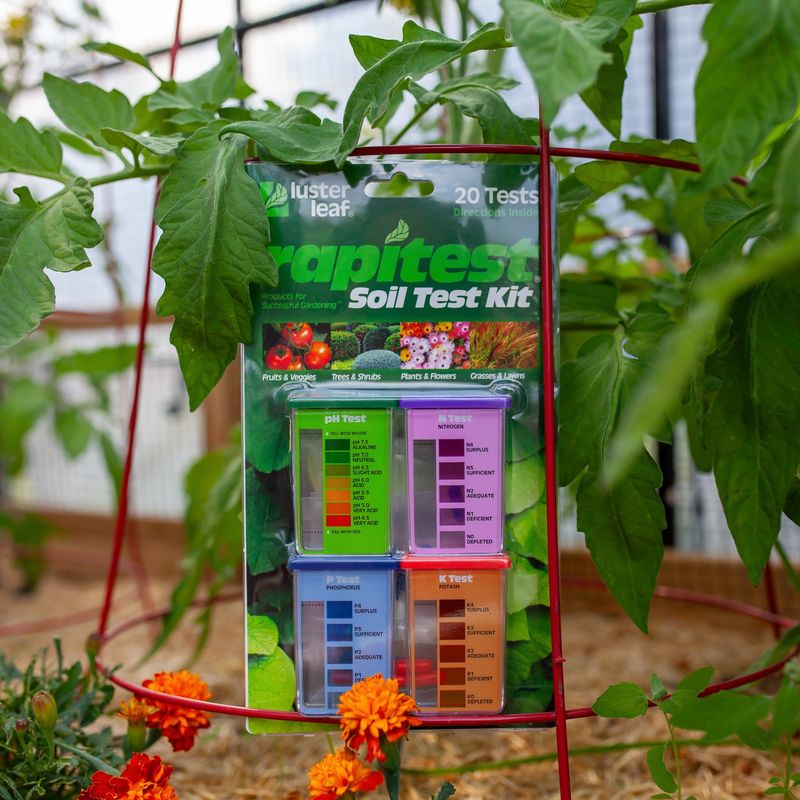
If your soil test calls for phosphorus, use only the amount it advises and follow the product label. Sprinkle it on the soil, keep it off the leaves, and water as directed.
Texas A&M’s fall garden guide warns that too much fertilizer can burn plants.
Extra phosphorus is not a reliable shortcut. When soil levels are already adequate, more may not help, and Colorado State Extension notes it can aggravate iron and zinc problems.
Runoff matters too, since the EPA explains that excess phosphorus can harm water quality.
Even a correct application does not promise greener leaves by a certain date or a head on schedule.
A purple leaf after a frosty night is a question, not an answer.