
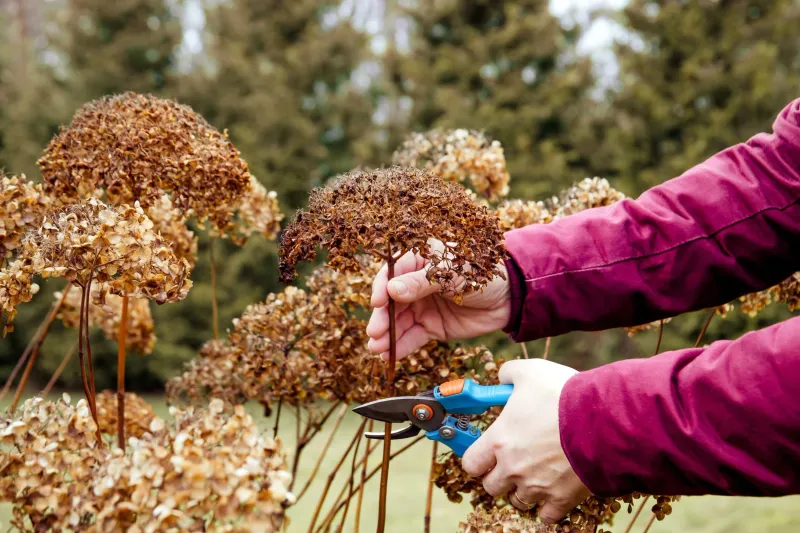
Your hydrangea pushed out a full head of leaves this spring, looking as healthy as ever, but not a single flower appeared. That disconnect is more common than you might think, and the most likely culprit is something that happened months earlier with a pair of pruning shears. Understanding why your plant leafs out so well yet stays flowerless can save you from making the same cut again next year.
A Leafy Hydrangea Can Lose Its Flower Buds
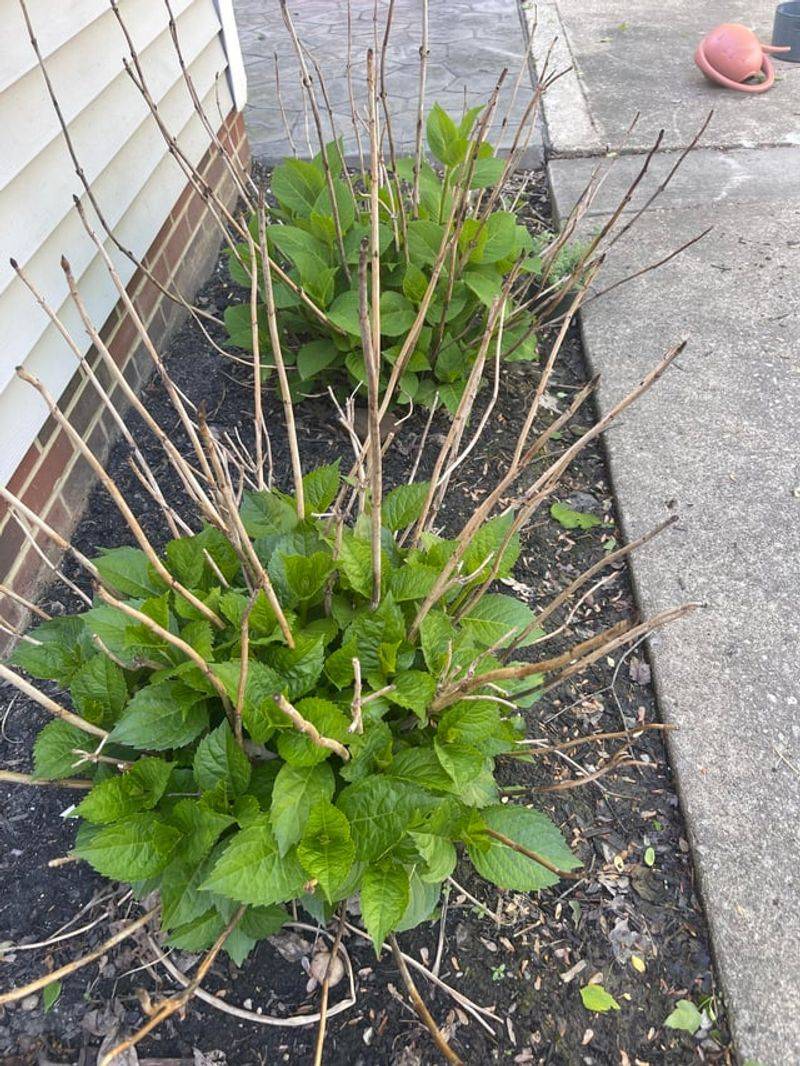
Lush foliage and absent flowers seem like a contradiction, but they happen together more often than gardeners expect. The reason comes down to where a hydrangea stores its flowering potential. Certain types, specifically traditional bigleaf, oakleaf, mountain, and climbing hydrangeas, form the buds that become next year’s flowers on stems that grew the previous season. Those buds are already present on the stems before winter arrives.
When a gardener trims those stems in fall, winter, or early spring, the buds go with them. The plant’s root system and vegetative tissue stay perfectly intact, so the shrub leafs out vigorously in spring with nothing to signal that anything went wrong. Penn State Extension’s guidance on nonblooming hydrangeas identifies mistimed pruning as one of the most frequent reasons old-wood types fail to flower, while the plant itself looks completely healthy.
That said, a lush appearance does not confirm that pruning is the problem. University of Maryland Extension’s pruning resource and Iowa State University’s hydrangea growing guide both note that winter cold, inadequate light, and other site conditions can also strip flowers while leaving foliage unharmed. Mistimed pruning is a plausible explanation, but identifying the plant’s species and checking site conditions are necessary steps before settling on any diagnosis.
Identify the Hydrangea Before You Blame the Pruning
Before deciding what went wrong, you need to know which hydrangea you are actually growing. The single most important distinction is whether your plant blooms on old wood or new wood, and that depends entirely on the species or cultivar, not on how the plant looks in spring.
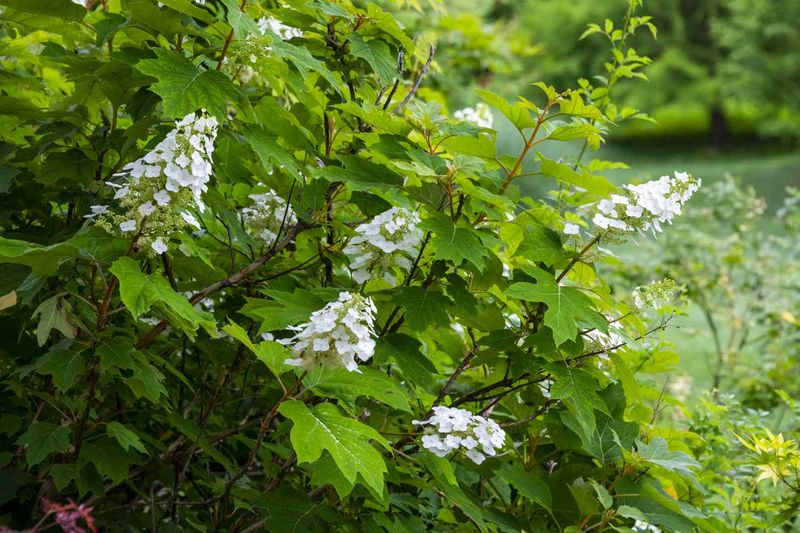
Old-wood bloomers set their flower buds on stems from the previous growing season. Penn State Extension’s species-specific pruning guide places traditional bigleaf hydrangeas (Hydrangea macrophylla), mountain hydrangeas (H. serrata), oakleaf hydrangeas (H. quercifolia), and climbing hydrangeas in this category. Cutting those stems at the wrong time removes the next season’s flowers. New-wood bloomers, by contrast, produce flower buds on growth that emerges in the current spring.
Smooth hydrangeas such as ‘Annabelle’ and panicle hydrangeas such as ‘Limelight’ belong to this group and can generally be pruned in late winter or early spring without sacrificing blooms.
A third group adds a layer of nuance. Reblooming or remontant bigleaf cultivars, including members of the Endless Summer series, can flower on both old and new wood. University of Minnesota Extension’s bloom-focused pruning guide explains that these cultivars are more forgiving of a mistimed cut, though they are not immune to winter damage or improper pruning. One caution worth keeping in mind: flower color and flower form, whether mophead or lacecap, cannot reliably identify the cultivar.
Check a plant label, a nursery receipt, or a reliable cultivar database before making any decisions based on appearance alone. University of Maryland Extension specifically notes that blue or purple flowers most often indicate bigleaf or mountain hydrangea, but that detail alone is not enough to confirm the cultivar.
Match the Pruning Window to the Flowering Wood
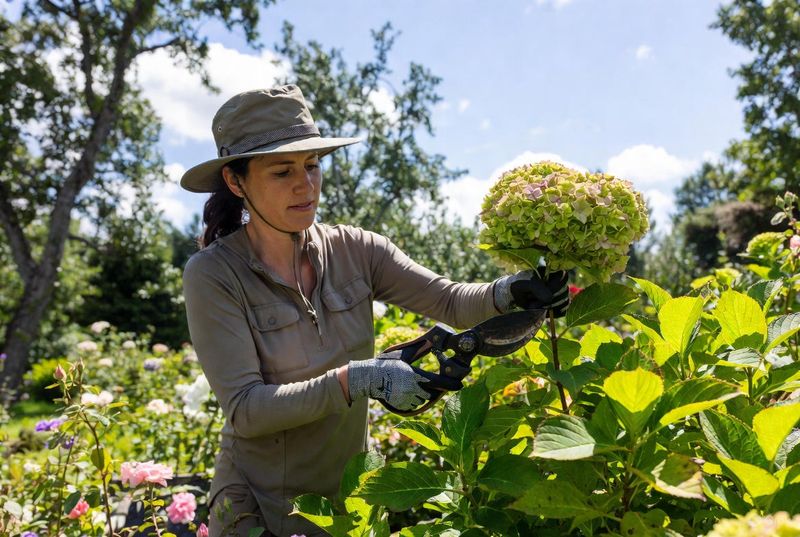
Once you know which type of hydrangea you have, the right pruning window becomes straightforward. For traditional old-wood bloomers such as bigleaf and oakleaf hydrangeas, the safest time to prune is shortly after the flowers fade, typically in mid to late summer. University of Georgia Cooperative Extension’s bigleaf hydrangea publication recommends limiting cuts to spent flowerheads and any necessary light shaping, completing that work before the plant begins setting buds for the following year. Once late summer or early fall arrives, those buds are developing on the stems, and any pruning from that point through early spring can remove them.
Smooth hydrangeas and panicle hydrangeas follow the opposite schedule. Because they flower on new growth produced each spring, late-winter or early-spring pruning does not cost them a season of blooms. Iowa State University Extension’s pruning guide notes that established smooth hydrangeas can tolerate a more substantial cutback, though leaving some woody framework can result in a larger, sturdier shrub. Panicle hydrangeas generally respond better to selective shaping than to a hard annual reduction.
Two common pieces of advice circulate widely and cause problems. “Prune every hydrangea in fall” works fine for smooth and panicle types but can cost old-wood bloomers an entire season. “Never prune hydrangeas” is equally misleading, because new-wood types genuinely benefit from late-winter cuts, and all types may need dead or damaged wood removed. University of Minnesota Extension and University of Kentucky’s nursery crop guidance both confirm that species-specific timing, not a blanket rule, is the only reliable approach. Penn State Extension’s species guide reinforces that point with clear per-species recommendations.
Stop Cutting If You Already Made a Questionable Cut
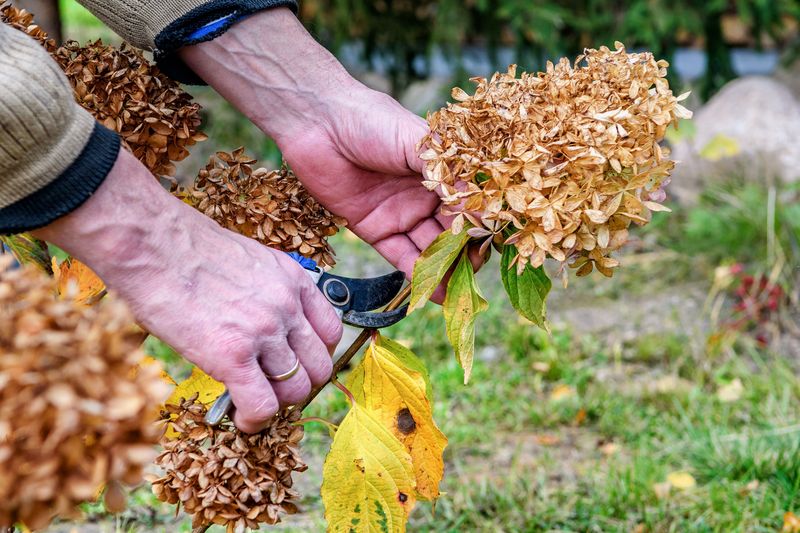
Finding out you may have pruned at the wrong time is frustrating, but the most important response is to stop cutting rather than try to fix the mistake with more cuts. A second round of pruning on an already-compromised old-wood hydrangea can remove any remaining live wood and leave the plant with even less to work with next season.
The conservative approach is to remove only what is clearly dead, broken, or diseased. Iowa State University Extension specifically recommends waiting until a bigleaf hydrangea begins to leaf out before removing dead wood, because stems that look lifeless in late winter sometimes carry viable buds that are not yet visible. Cutting too early can eliminate wood that would have leafed out and produced flowering growth. Once the plant begins pushing new leaves, the line between living and dead tissue becomes much easier to read.
University of Maryland Extension and Iowa State’s growing guide both note that a healthy old-wood hydrangea that lost its flower buds to a mistimed cut is not permanently damaged. The plant can produce new flowering wood during the current growing season, and with the right timing going forward, blooms can return the following year. Setting that expectation matters: you may need to accept a season without flowers rather than risk removing next year’s buds in an attempt to rescue this year.
Check Winter, Light, Browsing, and Plant Age
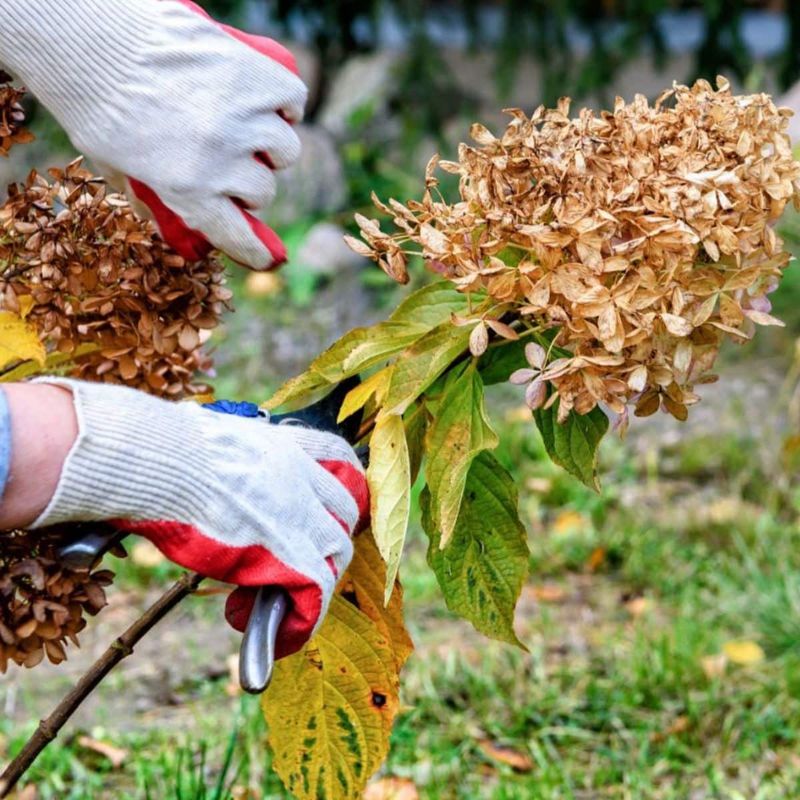
Pruning gets blamed quickly, but several other factors can produce the same result: a full, leafy hydrangea with no flowers. Working through these possibilities before picking up the shears again can prevent a repeat mistake and point you toward a fix that actually matches the problem.
Winter injury is one of the most common look-alikes for pruning damage, especially for old-wood bigleaf hydrangeas in colder parts of the US. Cold temperatures or a late spring freeze can kill flower buds while leaving enough vegetative tissue for the plant to push out a healthy flush of leaves. Penn State Extension’s nonblooming hydrangea resource and Penn State’s species pruning guide both flag cold damage as a leading cause of missing blooms that can be easily mistaken for a pruning error. If your winters are harsh or unpredictable, winter injury deserves serious consideration before pruning is blamed.
Shade is another factor worth examining. Iowa State University Extension’s growing guide notes that plants receiving two hours of sunlight or fewer may sacrifice blooms even when foliage looks lush. Excess nitrogen from over-fertilizing is a secondary possibility: it can push leafy growth at the expense of flowers, though a soil test is a more reliable guide than guessing. University of Maryland Extension’s problem identification resource also points to deer or rabbit browsing as a cause that closely mimics pruning, since animals can strip tender bud-bearing stem tips without leaving obvious signs.
Finally, Iowa State’s FAQ on nonblooming hydrangeas mentions that newly planted or young hydrangeas, particularly climbing types, may need two to three years to establish before flowering reliably. Each of these factors is a possibility worth investigating rather than a confirmed diagnosis without evidence from your specific site.
Make the Next Cut Selective and Precise
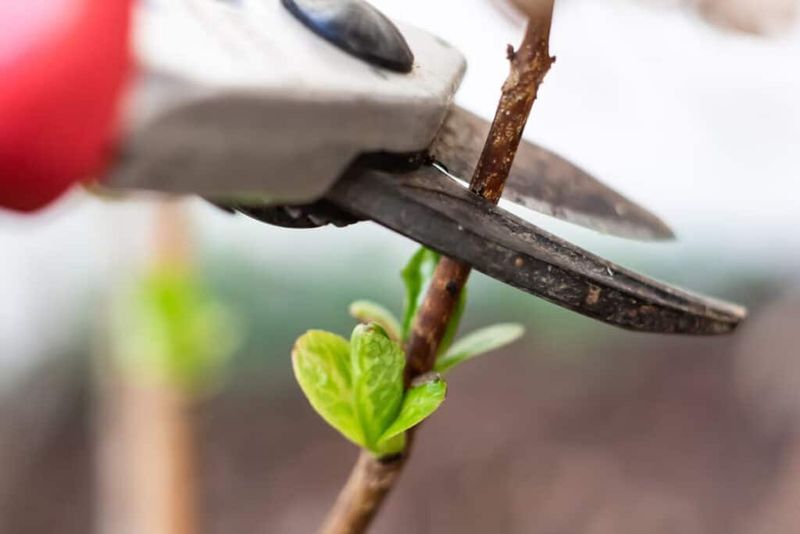
Good pruning technique matters as much as timing, and the two work together. Knowing when to cut is only half the job; cutting correctly protects the plant and gives the remaining buds the best chance of developing into flowers.
For old-wood types such as bigleaf and oakleaf hydrangeas, and for reblooming bigleaf cultivars when preserving an early flush of flowers is the goal, keep cuts light and selective. Remove spent flowerheads and any clearly dead or crossing stems, but avoid reducing healthy green stems unless there is a specific reason. Iowa State University Extension’s pruning guide reinforces this conservative approach for old-wood bloomers. Smooth hydrangeas offer more flexibility: established plants can tolerate a more substantial late-winter cutback if a compact shape is the goal, though leaving some framework produces a sturdier plant.
Panicle hydrangeas generally respond better to selective shaping than to an aggressive annual reduction, which can encourage overly weak stems.
Wherever you cut, aim for a point roughly one-quarter inch above a healthy, outward-facing bud. University of Minnesota Extension’s bloom-focused pruning guide recommends this placement to avoid leaving a long stub, which can die back and invite disease. Sharp tools matter too: a clean cut heals faster than a torn or crushed stem. When moving between plants that show signs of disease, disinfecting your tools can reduce the risk of spreading pathogens.
University of Maryland Extension’s pruning tools resource recommends 70% isopropyl alcohol or a 1:9 bleach-to-water solution, followed by rinsing bleach from metal surfaces to prevent corrosion. Penn State Extension’s plant grooming guidance similarly emphasizes sharp, clean tools as a basic standard for any pruning work.
Wait for Evidence Before Adding Fertilizer or Cutting Again
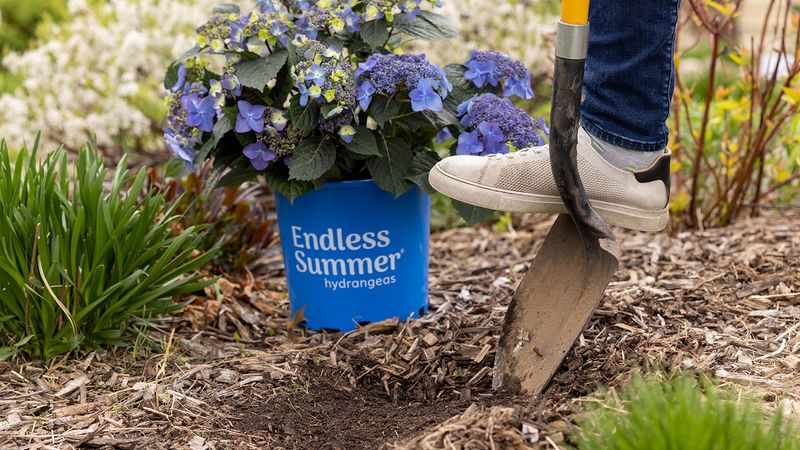
After a season without flowers, the urge to do something is understandable. Adding fertilizer or making another round of cuts can feel productive, but acting without evidence often creates a new problem rather than solving the original one.
Fertilizer is a common first instinct, but University of Maryland Extension’s problem management guide and University of Georgia Cooperative Extension’s bigleaf hydrangea publication both caution against adding fertilizer, especially nitrogen-heavy products, without knowing what the soil already contains. Excess nitrogen can shift the plant’s energy toward leafy growth and away from flowering. A soil test gives you a factual baseline and tells you whether any amendment is actually needed, which is a more reliable guide than applying fertilizer in hopes of triggering blooms.
The same patience applies to pruning. Iowa State University Extension’s pruning guide and University of Minnesota Extension’s bloom guide both support waiting until leaf-out before making any cuts on uncertain stems. Watching the plant emerge in spring tells you which stems are alive and carrying buds, which is information you cannot get from looking at bare stems in late winter. If browsing or shade turned out to be the real problem, address those site conditions directly: add physical protection for deer pressure, or assess whether a nearby tree or structure has grown to block light that the plant previously received.
Correcting a confirmed site problem is a more targeted response than cutting or fertilizing based on a guess.
Protect the Buds by Diagnosing Before You Prune
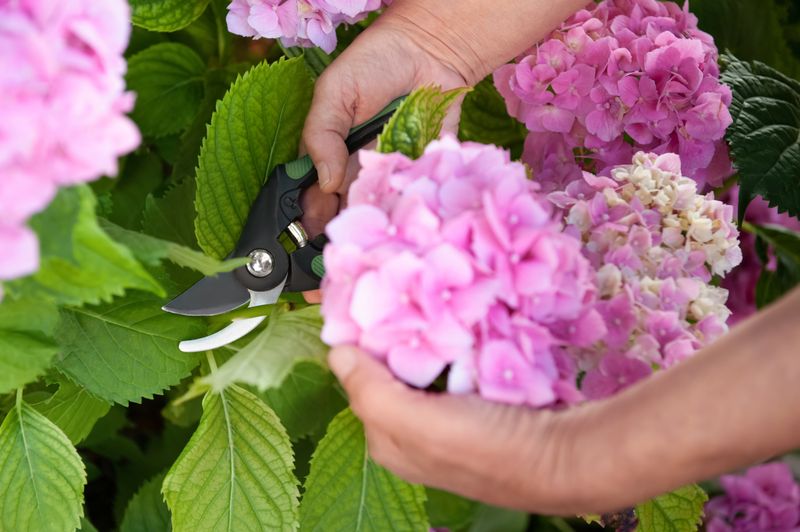
A hydrangea that leafs out beautifully but never blooms is not necessarily struggling with poor health. Lush foliage does not confirm that flower buds survived the winter or escaped a pruning cut. The two systems, vegetative growth and flower bud development, can come apart, and the causes range from a single mistimed cut to cold damage, shade, browsing, or simply a plant that needs more time to mature.
Pruning explains missing blooms most directly when the plant flowers on old wood and was cut in fall, winter, or early spring. Identifying the species or cultivar first, then checking the site for winter injury, light levels, and signs of browsing, puts you in a far better position than cutting again and hoping for a different result. Penn State Extension, University of Maryland Extension, and University of Minnesota Extension all emphasize that species-specific diagnosis, not a universal pruning fix, is the foundation of reliable bloom. An old-wood hydrangea that lost its buds this season can rebuild flowering wood over the coming year, but only if the next cut comes at the right time and for the right reason.
Patience and a correct diagnosis are the most effective tools in the shed.