
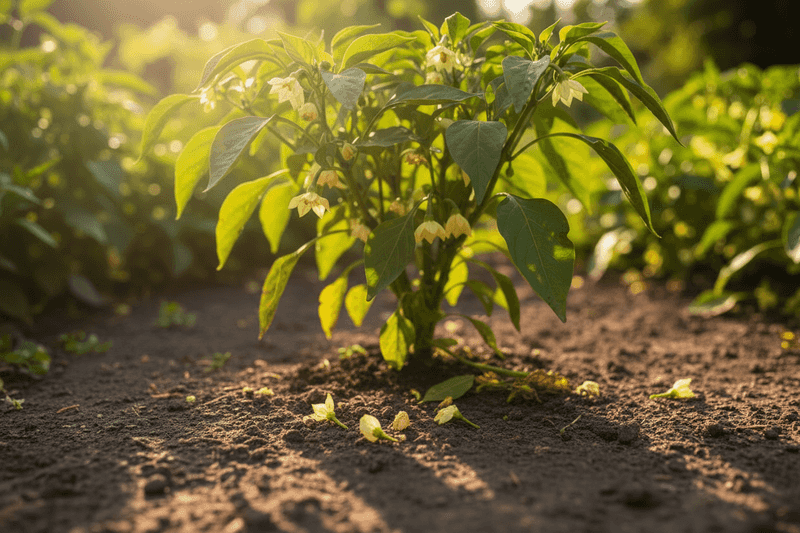
Watching your pepper plant drop one flower after another during a July heat wave is frustrating, especially when the rest of the plant looks perfectly fine. Blossom drop in peak summer is a real and common problem, but heat is not always the only culprit, and the fix is rarely as simple as one single step. Understanding what is actually happening, and ruling out other causes first, puts you in a much better position to help your plant through the hot stretch ahead.
Heat may explain the falling blossoms—but check the pattern first
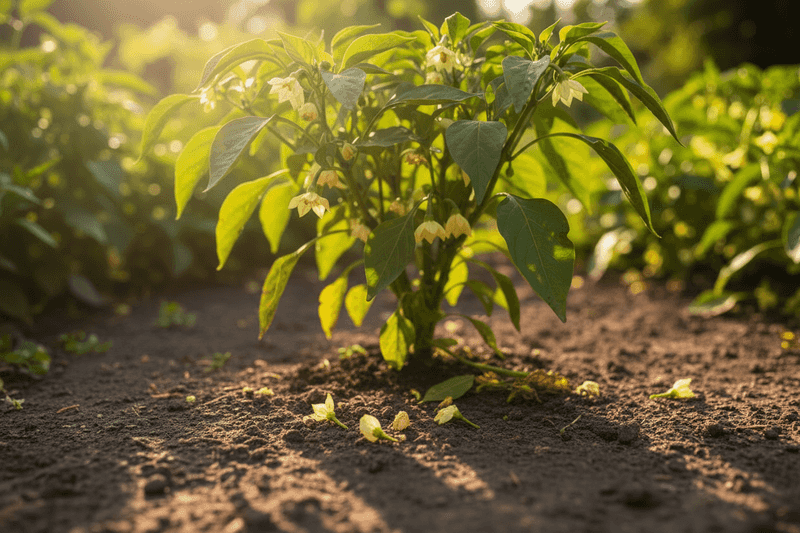
Flowers falling from a pepper plant mid-summer can feel alarming, but the plant’s overall appearance tells you a lot before you take any action. If the foliage is still green and vigorous, stems look firm, and only the blossoms or tiny immature fruit are dropping, that pattern fits what gardeners often see during a July heat wave. Some flower loss is completely normal, since OSU Extension’s summer garden guidance notes that plants naturally produce more flowers than they can carry to full fruit, and heat can push that natural shedding higher than usual.
Before treating heat as the automatic explanation, spend a few minutes checking the basics. Press a finger an inch or two into the soil near the roots – if it feels bone dry, water stress may be compounding or even causing the problem. Look at drainage too, since soggy soil that never dries out can injure roots just as surely as drought. New Mexico State University’s guide to pepper disorders lists excessive or insufficient moisture, hot dry wind, high humidity, insect injury, nutrient imbalance, disease, heavy existing fruit load, and excessive shade as additional triggers for blossom drop.
Flip a few leaves over and scan for insects or disease spots. Check whether flowers are dropping uniformly across the plant or only on one side exposed to afternoon wind. Oklahoma State University’s pepper production guidance confirms that heat is a common contributor, but a careful look at the full picture keeps you from treating the wrong problem.
Hot days and nights can disrupt fruit set
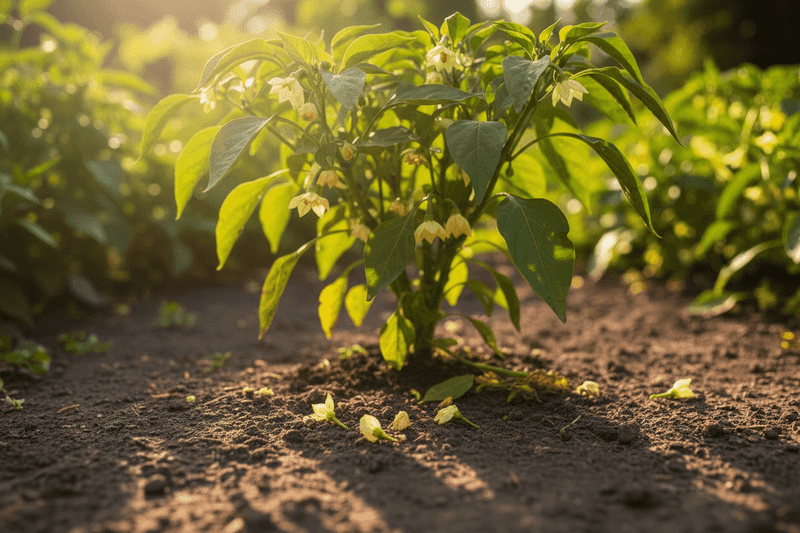
Pepper flowers are surprisingly sensitive to temperature at the moment pollination needs to happen. When daytime heat climbs into the upper range of roughly 85 to 95 degrees Fahrenheit, or when nights stay unusually warm instead of cooling down, pollen can become less viable and the fertilization process that kicks off fruit development may simply fail. The flower then detaches and falls rather than swelling into a pepper.
Oklahoma State University’s pepper production fact sheet reports that fruit set drops sharply above about 90 degrees Fahrenheit during the day or below 60 degrees Fahrenheit at night, though different university sources give slightly different numbers. That variation matters: humidity, wind speed, whether the thermometer sits in full sun or in standard shade, and the specific cultivar you are growing all shift the point at which heat becomes a real problem. Think of these numbers as rising-risk zones rather than hard lines where every plant automatically fails.
Small-fruited and pungent pepper types sometimes handle heat better than bell peppers, and some cultivars are bred specifically to set fruit under warmer conditions. Missing pollinators are not the default explanation here, either. Peppers are generally self-pollinating, and NMSU’s pepper disorder research emphasizes that heat can impair fruit set even when bees are actively visiting the flowers. The temperature itself is the main disruptor, not the absence of insects.
Use temporary afternoon shade to reduce heat load
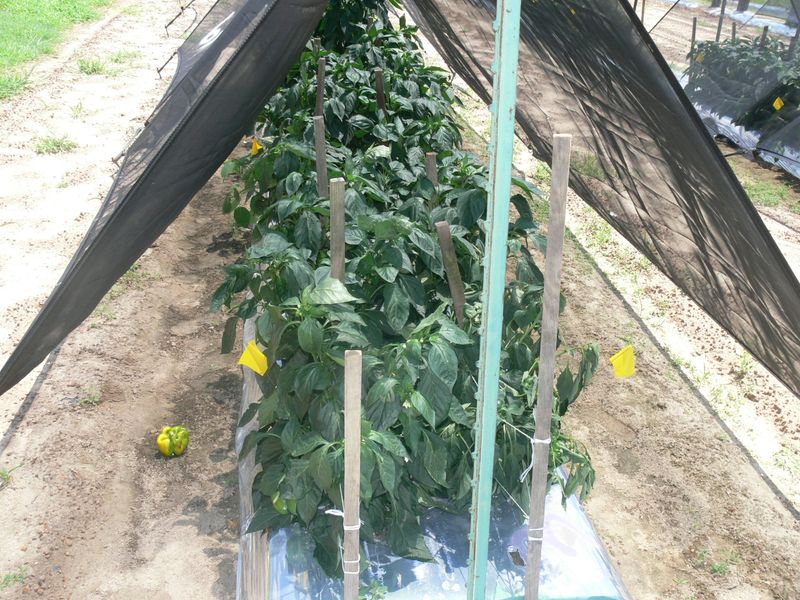
When the timing lines up, meaning the blossom drop started during or just after a stretch of very hot days, adding temporary afternoon shade is a useful first heat-management option worth trying. The goal is to lower the temperature that the plant experiences during the hottest part of the day, which may reduce the heat load on developing flowers and pollen. Shade is not a guaranteed cure, and it cannot correct every cause of blossom drop, but it is a low-risk step when heat stress fits what you are seeing.
University of Delaware Cooperative Extension’s heat-stress guidance suggests that approximately 30 percent shade cloth can reduce heat load for vegetable plants without blocking too much light. Treat that figure as a starting point rather than a universal requirement. A 30 percent cloth works for many situations, but the right choice depends on your specific conditions, how intense the afternoon sun is, and how your plants respond once you install it.
Position the material so it intercepts the sun from late morning through mid-afternoon, which is typically when temperatures peak. Oregon State University’s pepper growing guide recommends shade cloth or natural afternoon shade for peppers during hot conditions, noting that the material should be elevated above the foliage rather than resting on it. Keep the cloth high enough that air can move underneath, and concentrate the protection on the afternoon hours rather than shading the plant all day long throughout the season.
Keep the root zone evenly moist without waterlogging it
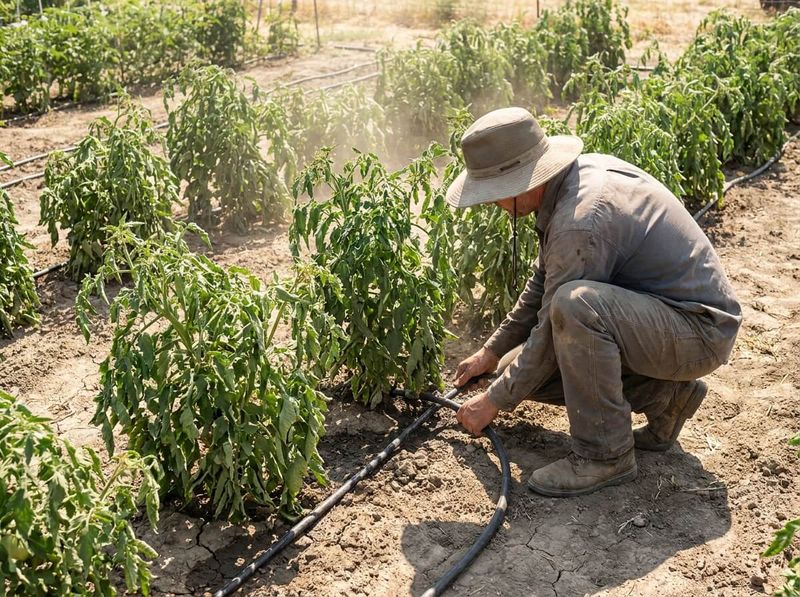
Shade works best when paired with careful attention to soil moisture. The two stresses, heat and drought, often arrive together in July, and a plant dealing with both at once is under far more pressure than one facing only high temperatures. Rather than simply watering more, the goal is to keep the root zone consistently moist without letting water sit so long that roots begin to suffer from lack of oxygen.
Check the soil before you water. Push a finger or a narrow trowel down an inch or two near the plant’s base. If the soil feels dry at that depth, it is time to water. When you do water, apply enough to moisten the root zone thoroughly, then let the top inch or so begin to dry before watering again.
Oregon State University’s pepper guide describes a general weekly need of around one to two inches of water, adjusted for rainfall, soil type, wind, heat, and container size. Container-grown peppers sitting in full sun during a heat wave may need water every day.
Confirm that your soil or container drains well. Standing water after a rain or watering session is a warning sign that roots may be sitting in conditions that damage them over time. A two- to three-inch layer of organic mulch placed around the plant, but kept away from direct contact with the stem, helps slow evaporation and moderate soil temperature between waterings. University of Minnesota’s vegetable irrigation guidance reinforces that consistent moisture with good drainage, rather than saturated soil, is the target to aim for through a heat event.
Build shade that vents heat instead of trapping it
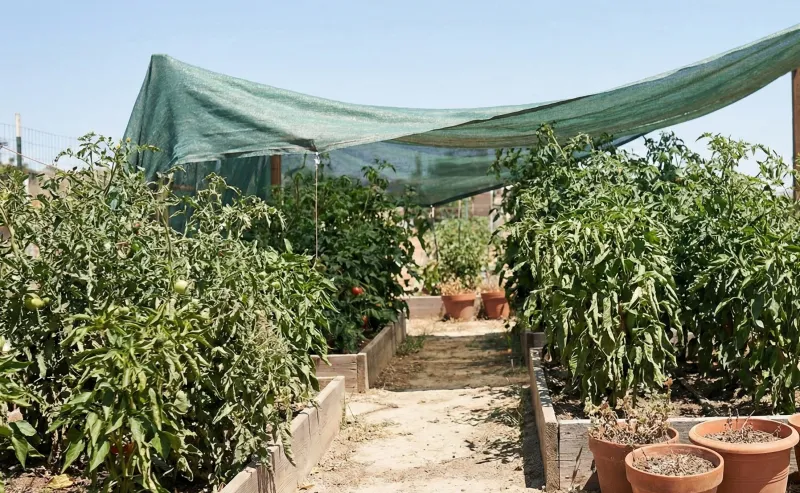
A shade structure that traps hot air does more harm than the direct sun it blocks. When setting up any overhead cover, leave the sides open so that heat can escape and air can move through the plant canopy. The material should sit several inches above the top of the foliage, supported by stakes, tomato cages, or a simple frame, rather than draped directly onto the leaves and stems.
Avoid sealed plastic sheeting or unventilated row covers during a heat wave. Oregon State’s pepper growing guide advises that row covers need active monitoring in hot weather and should be vented or removed when temperatures inside the cover climb above 90 degrees Fahrenheit. A cover that seemed fine in the morning can turn into a heat trap by early afternoon, so check under it periodically on the hottest days.
Once the heat wave breaks and daytime temperatures drop back into a more comfortable range, reduce or remove the shade material. University of Delaware’s heat-stress advice makes clear that shade is a temporary tool, not a season-long setup. Peppers need substantial direct light to flower and produce well, and leaving heavy shade in place after the heat event passes can reduce growth and ultimately hurt the yield you are trying to protect. Think of the shade structure as something you put up for a few days and take down when conditions ease.
Avoid fertilizer and leaf-wetting overreactions
A natural instinct when plants look stressed is to feed them, but reaching for a fertilizer bag is usually the wrong move during a July heat event. UConn’s home garden pepper guide explains that excess nitrogen can push the plant toward leafy, vegetative growth at the expense of flowers and fruit. If your soil already has adequate nutrients, adding more fertilizer during a heat wave is unlikely to help and may worsen poor fruit set. Soil testing, rather than guesswork, should guide any fertilizer decisions.
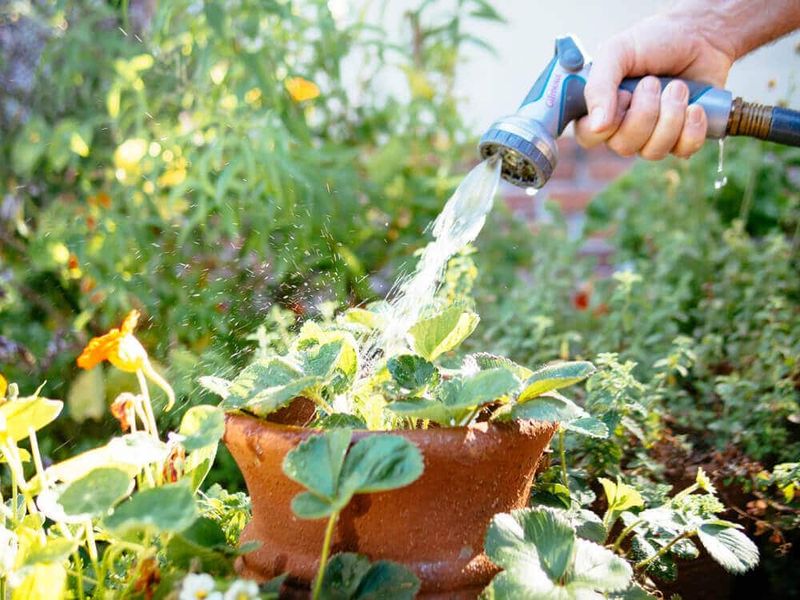
Watering method matters too. Drip irrigation, a soaker hose, or careful hand watering directed at the soil surface keeps moisture where roots can use it and avoids repeatedly wetting the foliage. Routine overhead sprinkling can leave leaves wet for extended periods, raising the risk of fungal disease, and it also tends to encourage shallow root development over time if applied in small, frequent doses.
Some extension resources mention that a fine mist over the foliage during extremely hot, dry conditions may offer brief cooling. University of Maryland Extension’s blossom and fruit-set guide acknowledges this option in limited circumstances, but it should not replace thorough root-zone watering. If you do mist foliage, do it early enough in the day that leaves dry before evening, and do not make it a daily habit during humid periods when wet leaves create ideal conditions for disease to take hold.
Identify the disorder before choosing a treatment
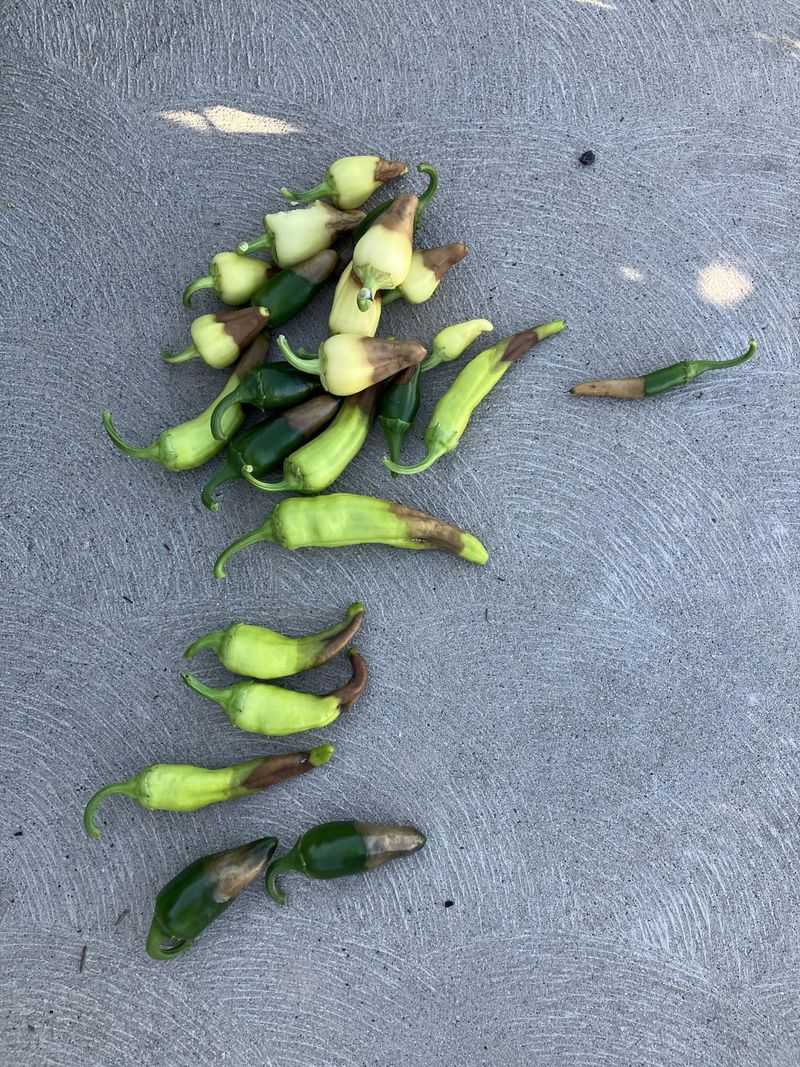
Not every pepper problem that shows up in July is blossom drop caused by heat, and treating the wrong disorder wastes time and can create new problems. Three issues are especially easy to confuse: flowers or tiny fruit aborting before they develop, blossom-end rot on expanding fruit, and sunscald on peppers that stay on the plant.
True blossom drop means the flower or a very small, immature pepper falls off before it has a chance to grow. Blossom-end rot looks completely different. It appears as a dark, sunken, leathery area at the blossom end of a pepper that is already growing and expanding on the plant. Oregon State’s pepper guide connects blossom-end rot to water-imbalance issues affecting calcium movement in the plant, not to pollination failure.
Calcium sprays are not a reliable standalone fix for that disorder, and shade will not cure it either.
Sunscald shows up as a bleached, tan, or papery patch on the side of a pepper that faces direct sun, usually after foliage that was shading the fruit is lost or damaged. The pepper stays attached to the plant but the exposed surface is damaged. NMSU’s environmental stress disorder guide describes sunscald as a distinct problem from blossom drop, and University of Maryland Extension’s fruit-set resource reinforces that other causes such as insect injury, disease, and nutrient imbalance should also be ruled out before settling on heat as the sole explanation. Look carefully at what is actually falling or failing, and let that observation guide your next step.
Healthy plants often flower again after temperatures moderate
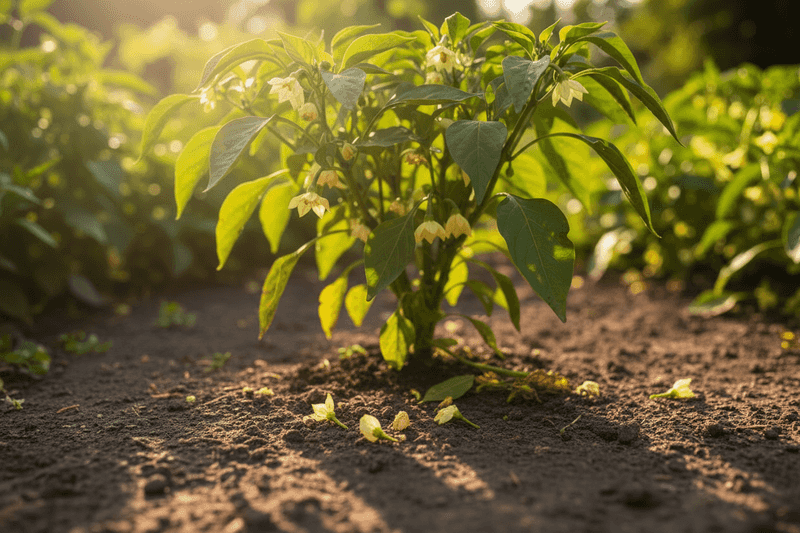
Surviving a July heat wave without losing every flower is a realistic outcome for a pepper plant that stays reasonably healthy and hydrated through the event. The approach is straightforward: put up temporary afternoon shade if the heat matches the symptoms, keep soil moisture consistent with good drainage, and monitor the plant rather than piling on treatments.
OSU Extension’s heat-wave garden guide notes that production often resumes after temperatures ease, provided the plant has been kept healthy and adequately watered through the stress period. That recovery is not guaranteed on any particular schedule, and the number of flowers or fruit that ultimately set will vary with the cultivar, how long the heat lasted, and how well the plant was supported. Avoid making promises to yourself about how quickly things will turn around.
As temperatures drop back toward a more comfortable range, reduce the shade gradually, return to your normal watering rhythm, and let the plant tell you how it is doing. Oregon State’s growing guide confirms that peppers need substantial direct light to perform well once conditions improve, so lingering heavy shade after the heat breaks can slow the recovery you are hoping for. A plant that has been cared for carefully through the hard stretch is far better positioned to put out new flowers when cooler nights finally return.