
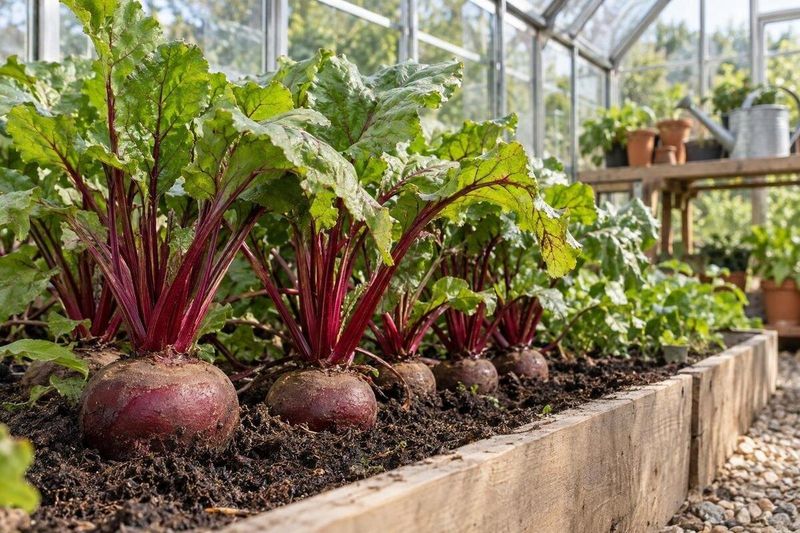
You water, you watch, and your beet tops look amazing. Then you pull one up and find a root about the size of a marble.
In Texas and Florida fall beds, a common first suspect is crowding, because one beet seedball can sprout several seedlings. Here is how to check your roots, thin the clusters, and sort out other possible causes.
Check the roots, not just the leaves
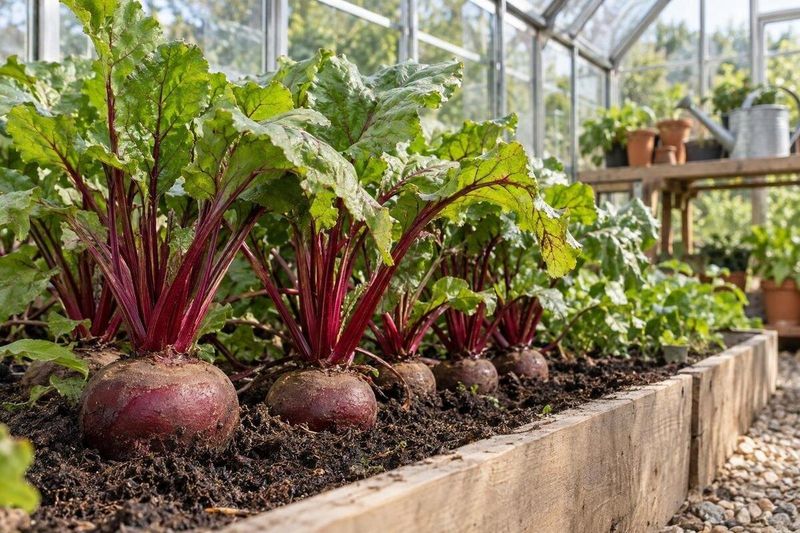
Big, glossy leaves feel like good news, but beets grow plenty of foliage no matter how the root underneath is doing. Leafy tops alone do not prove the roots are undersized, so look before you change anything.
Brush soil away from the base of one plant and look at the root shoulder, the rounded part just under the leaf stems. You can also pull a single sample beet and measure it.
Texas A&M AgriLife Extension says beet roots can be used at golf-ball size or larger, so a smaller one may simply need more time.
Keep in mind that mature size and harvest timing differ from one variety to the next. Check your seed packet for days to maturity, and compare that with how long your bed has been growing.
Some varieties are naturally smaller or slower, and South Dakota State University Extension also covers harvest timing. A quick root check tells you whether you have a real problem or just an early bed.
One seedball can produce a crowded cluster
Here is a surprise for many gardeners: a beet “seed” is usually a rough, corky seedball that commonly holds several embryos. Plant one and you may get a tight clump of seedlings instead of a single plant.
Not every seedball makes the same number, so some spots will be crowded and others will not.
Texas A&M says each seed can produce 2 to 6 plants. Meanwhile, UC Master Gardeners of Sacramento County also describe these clustered seedlings.
When they all stay put, they compete for the same small patch of soil, water, and light.
That makes crowding a sensible first suspect when roots stay small under healthy tops. It is not the only possible reason, though.
Look for clumps of stems at single spots along the row. If you see them, crowding is likely at least part of the story.
Thin to the spacing recommended for your area
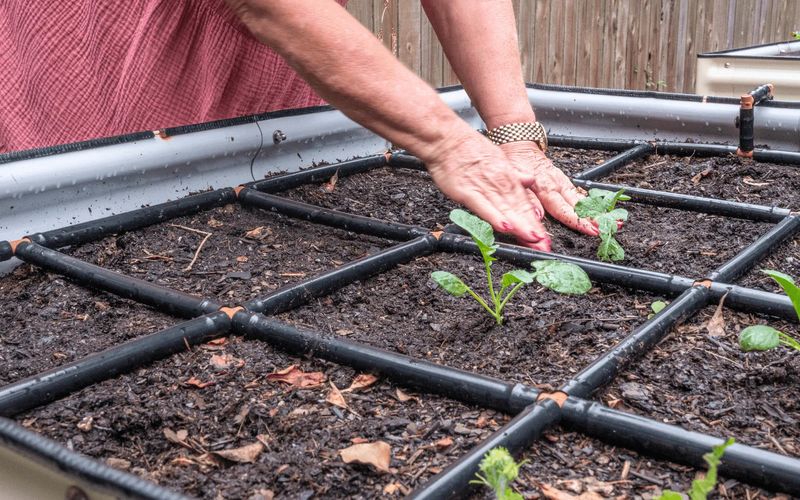
Spacing advice differs a little by source, so pick the one that fits where you garden. Texas A&M recommends thinning plants to 2 to 3 inches apart.
UF/IFAS Gardening Solutions recommends 2 to 4 inches.
Texas gardeners can start with the Texas A&M range, and Florida gardeners with the UF/IFAS range. Also read your seed packet, since the variety you chose may suggest a different target.
A ruler laid on the soil takes the guesswork out.
Thinning gives the plants you keep more room and reduces competition. It does not promise any particular root size, and it will not fix heat, dry spells, or poor soil.
Think of it as clearing the way so the plants have a fair chance to size up.
Snip unwanted seedlings instead of pulling them
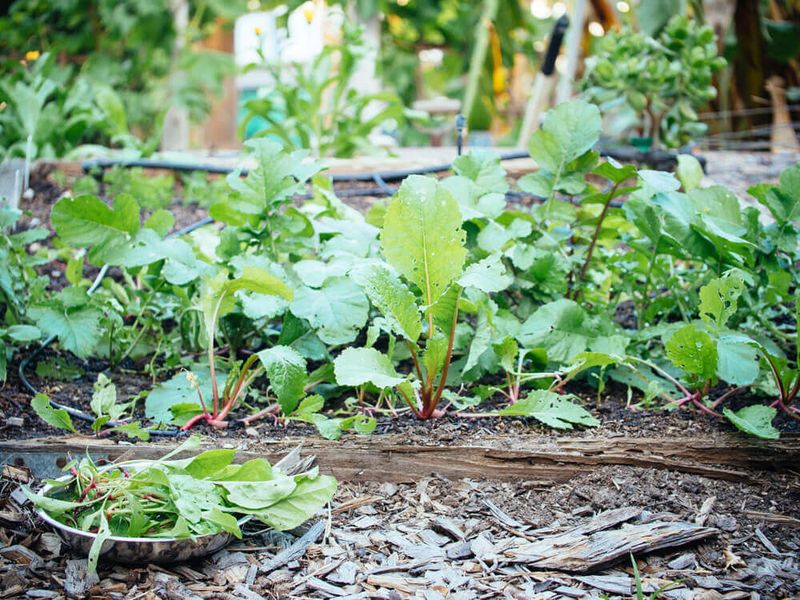
Timing matters. Texas A&M advises starting to thin when plants become crowded, so check your rows every few days once seedlings are up.
Waiting too long means roots are already tangled together.
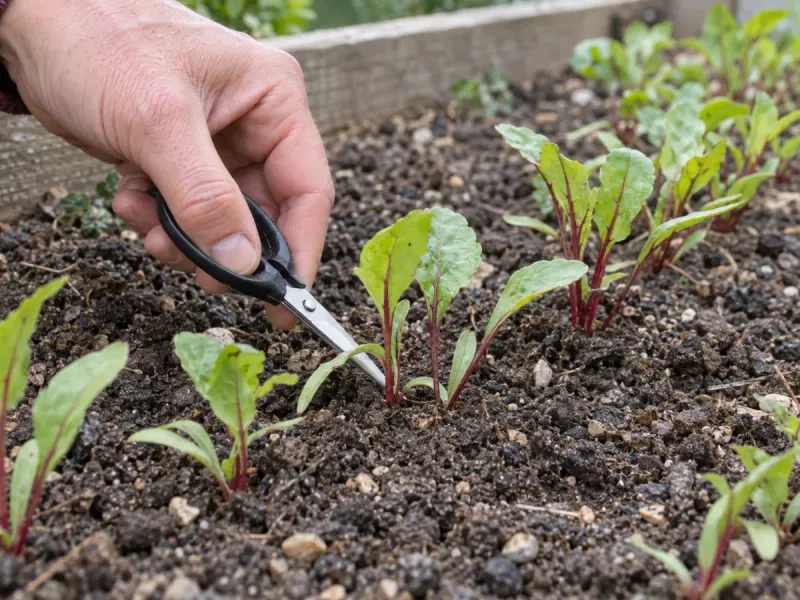
When it is time, use small scissors and cut the extra seedlings off at soil level. Pulling can tug on the roots of the neighbors you want to keep.
UC Master Gardeners and UC IPM both point to this gentler approach.
Choose the sturdiest seedling in each clump and cut the rest. The young thinnings make tasty greens for salads or a quick saute, so nothing goes to waste.
Still, the main goal is protecting the plants staying in the bed.
Use fall planting guidance for your part of Texas or Florida
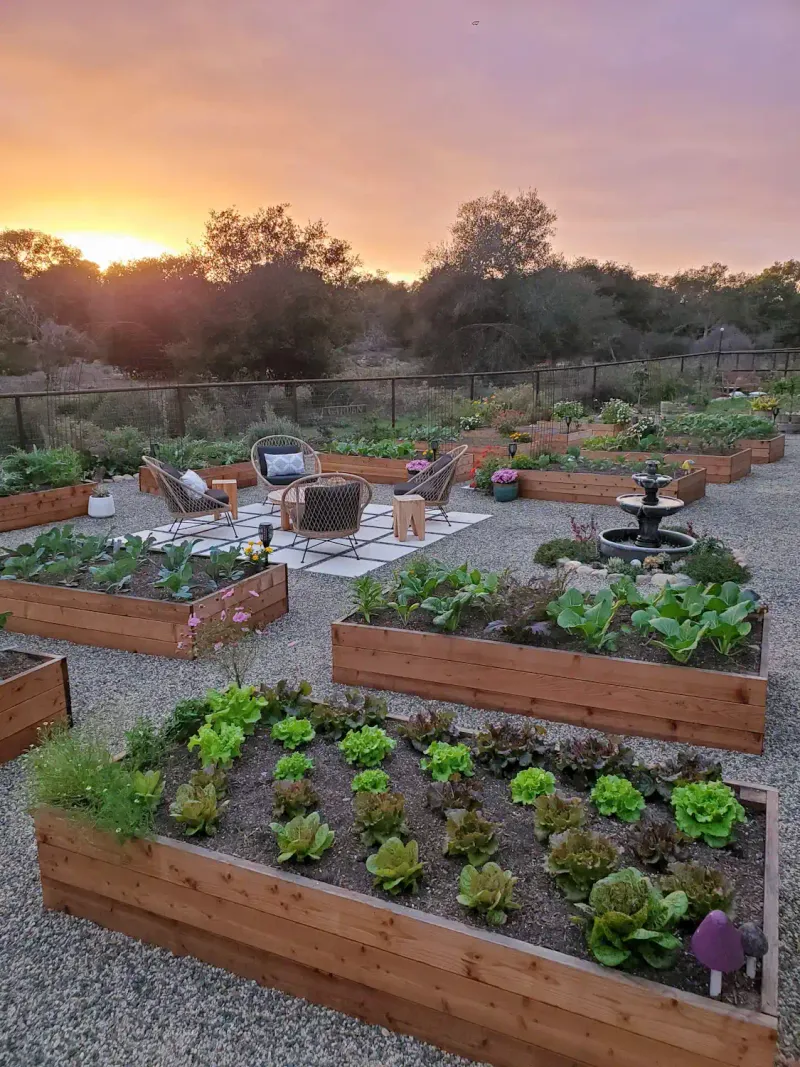
One fall calendar will not fit two big states. Florida alone has three different windows.
UF/IFAS lists August through February for North Florida, September through February for Central Florida, and October through January for South Florida.
Texas is just as varied. Texas A&M notes that beets can grow through winter in many South Texas areas, which gives those gardeners a longer stretch to work with.
Other parts of Texas have different timing, so check local advice.
Planting at the right time helps beets avoid the worst heat while roots are forming. Call your county Extension office or look up their planting guide for your exact location.
Match your sowing date to your region, not to a neighbor two states away.
Keep water available and check before adding fertilizer
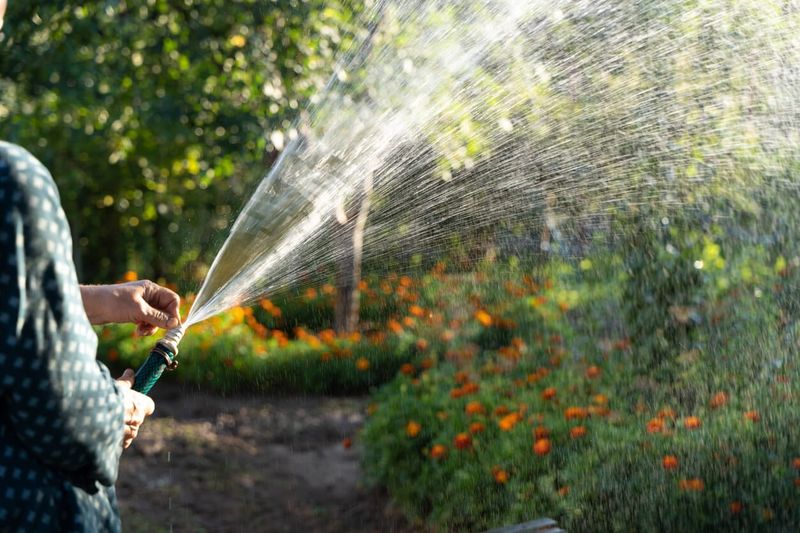
After thinning, the remaining beets still need steady care. UF/IFAS advises keeping water available for sprouting and root development.
Check the soil with a finger, and water when the top inch or so feels dry rather than waiting for the plants to droop.
Fertilizer is a different story. It is tempting to reach for a bag when roots look small, but guessing can backfire.
A soil test or a call to your county Extension office tells you what your bed actually needs, if anything.
No single nutrient is a proven fix for small beets, so skip the quick-fix products. Good moisture and a soil test give you real information.
Together with thinning, they may help your beets do their best, though they cannot guarantee a certain size.
If roots remain small, consider other growing conditions
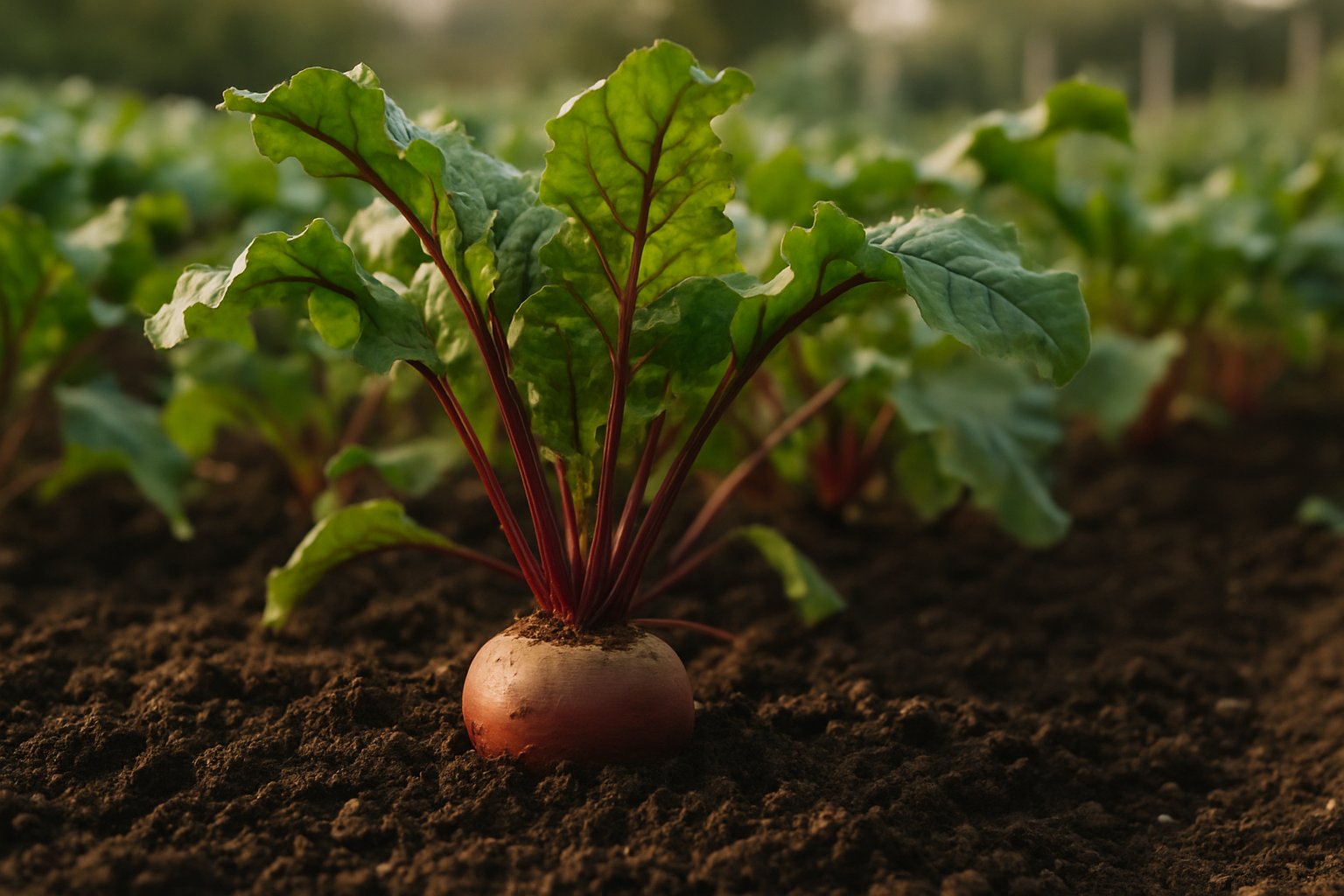
If you have checked the roots and thinned the clusters but beets still look small, widen the search. Several things can hold roots back, and each one is a possibility to investigate rather than a sure answer.
Hot weather can slow root growth, and Utah State University Extension covers beet growing basics. Dry spells followed by heavy watering can also stress plants, and weeds may crowd roots below ground.
Compacted or poorly structured soil makes it harder for roots to expand.
Nutrition matters too. USU soil fertility guidance notes that too much nitrogen can favor tops over roots, but you cannot diagnose that from leafy foliage alone.
A soil test is the way to know before adding anything.
Also revisit harvest timing and variety, as covered by South Dakota State University Extension and Virginia Cooperative Extension. Sometimes the best fix is simply a little more time.