
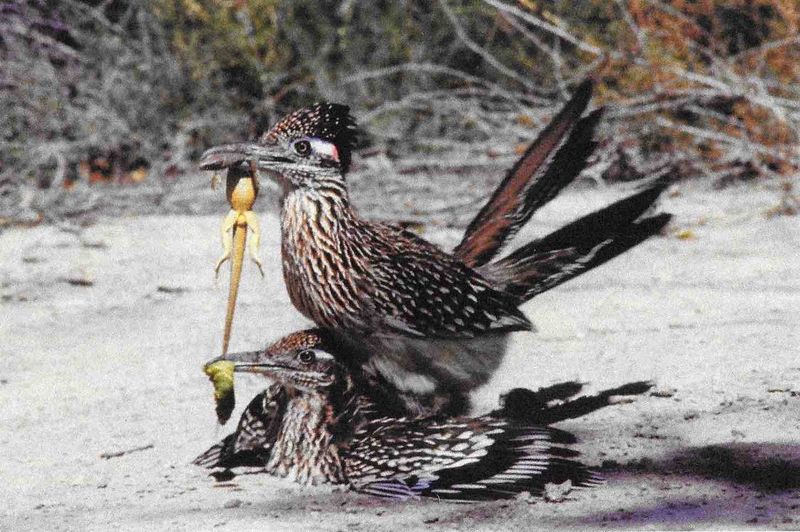
Spotting a Greater Roadrunner sprinting across a Texas yard is one of those moments that stops you mid-step. These long-legged birds have a well-earned reputation as tough, resourceful hunters, and yes, they do eat scorpions. But before you start rearranging your landscaping to lure one in as a scorpion patrol, there are a few things worth knowing about what the evidence actually shows.
Roadrunners eat scorpions—but they are not proven scorpion patrols
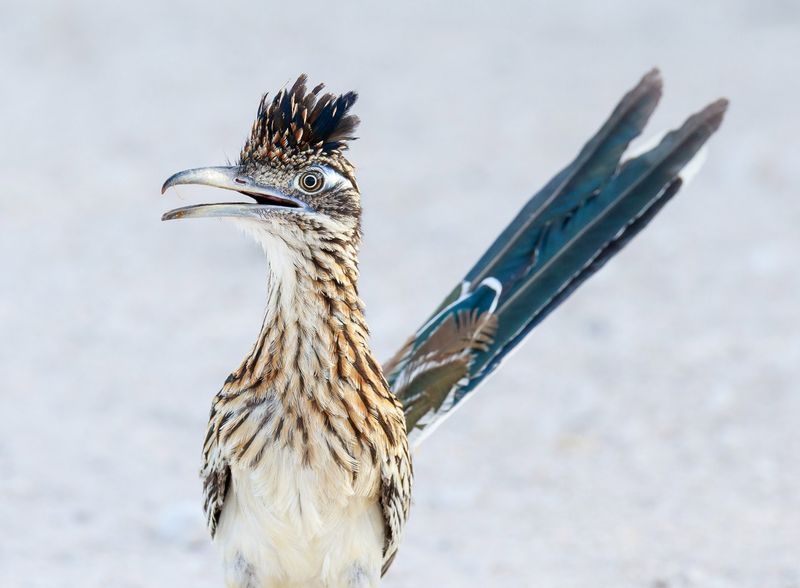
Greater Roadrunners do eat scorpions, and that part is well documented. Texas Parks and Wildlife lists scorpions among food items delivered to roadrunner chicks, and Cornell Lab’s bird guide confirms scorpions appear in the species’ diet. So a roadrunner passing through your property could pick off a scorpion or two. That much is real.
What the research does not show is that having more roadrunners nearby reliably lowers the scorpion count around a Texas home. A published study in the Southwestern Naturalist examined the diet of Greater Roadrunners in a mesquite-thornscrub ecosystem and found the birds to be opportunistic generalists. Of 6,834 identifiable food items recorded, 95.9 percent were invertebrates, but grasshoppers and beetles dominated the tally by a wide margin. That Texas diet study documented what the birds consumed; it did not test whether roadrunner presence reduced scorpion numbers around homes or in any specific area.
Eating a scorpion and controlling a scorpion population are two different things. A single bird removing individual scorpions on occasional visits does not translate into a measurable drop in how many scorpions share your yard over a season. Roadrunners range widely, forage across large territories, and take whatever prey is most available at the moment. Scorpions are not a preferred or primary target; they are simply one item on a long and varied menu.
The honest framing is this: roadrunners are occasional natural predators of scorpions, not a dependable pest-management service. Knowing that distinction matters before you invest effort in changing your yard specifically to attract them.
Assess whether your Texas property fits roadrunner habitat
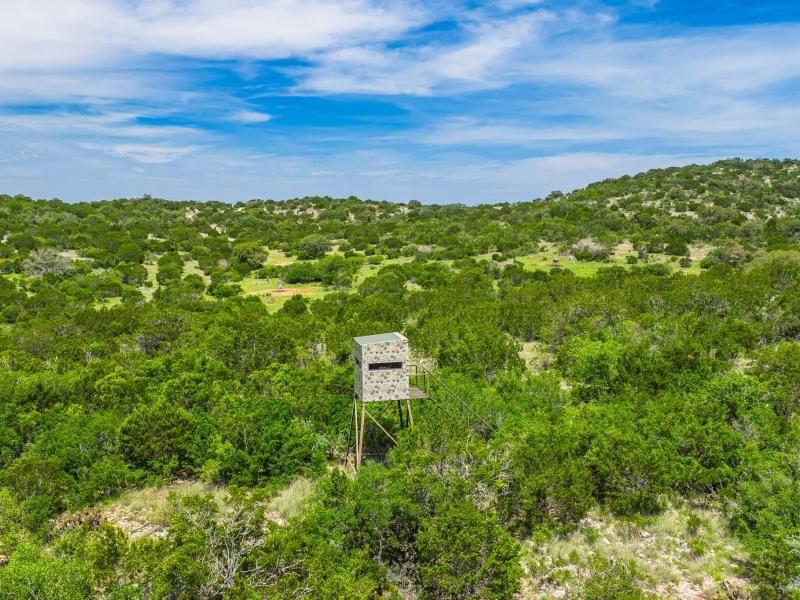
Before making any yard changes, the first question is whether your property is even the kind of place a roadrunner is likely to visit. Geography matters quite a bit here. The Texas Breeding Bird Atlas shows Greater Roadrunners occurring broadly across the state, but their numbers are strongest in western and southern Texas, including the Trans-Pecos, South Texas brush country, and the Hill Country. In heavily forested eastern Texas, roadrunner sightings drop off sharply because the dense tree canopy does not suit the way these birds forage and move.
Densely urbanized settings are also less suitable. Roadrunners can tolerate some suburban development, but Cornell Lab notes they avoid heavily populated areas and closed-canopy forests. A roadrunner needs open ground to run and hunt effectively, and it needs nearby shrubs, thorny brush, or low trees for cover and nesting. A quarter-acre lot surrounded by solid fencing and manicured turf in a dense Houston suburb is a very different situation from a brushy half-acre on the edge of a Hill Country town.
Think about what your property actually offers. Is there open or semi-open ground where a bird could spot and chase prey? Are there scattered native shrubs, cedars, or thorny plants providing cover within easy reach of that open space? Is your yard relatively quiet, without heavy foot traffic or persistent disturbance from pets?
If several of those conditions are missing, habitat improvements are unlikely to change the picture much. Roadrunners are not going to colonize a yard that fundamentally does not match their needs, no matter how thoughtfully it is planted.
Keep open ground alongside scattered native cover
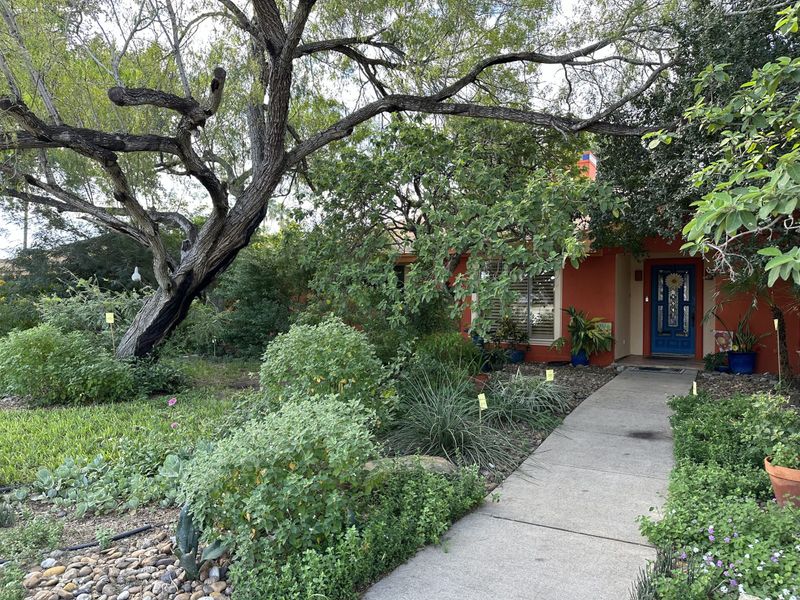
Roadrunners hunt on foot, which means they need room to run. A yard mowed wall-to-wall to a putting-green finish gives them nowhere useful to forage, while a yard so overgrown that every surface is covered with dense vegetation removes the open sightlines they rely on. The middle ground is what works: some bare or lightly vegetated ground where a bird can move freely, combined with scattered shrubs and native plants that offer cover within a short dash.
Texas Parks and Wildlife describes suitable roadrunner habitat as bare ground with scattered trees and bushes, which is a useful image to keep in mind. That description fits a lot of native Texas landscapes naturally: open caliche ground with prickly pear, agarita, or native grasses punctuated by mesquite or cedar. If your yard already has some of that character, you may be closer to suitable habitat than you think without doing anything at all.
If you want to move in that direction intentionally, the Texas Breeding Bird Atlas account reinforces that semi-open, brushy landscapes are the key structural feature. Retaining native shrubs rather than clearing them, allowing some areas of bare or rocky ground, and avoiding a uniform dense planting scheme all move a yard toward that character. Native plants that support insects and provide seed or fruit also benefit a wide range of birds generally, even if no specific plant arrangement has been tested as a roadrunner-attraction formula.
What to avoid is treating any particular layout as a proven recipe. The habitat guidance from TPWD’s habitat resources is general wildlife advice, not a tested protocol for drawing roadrunners to a specific yard. Make improvements that support native wildlife broadly, and treat any roadrunner visit as a welcome bonus rather than an expected outcome.
Use plants and shallow water to support wildlife generally
Native plants do real work in a Texas yard even when you cannot see it happening. They support the insects that many birds depend on for protein, and they supply seeds, berries, and fruit through different parts of the year. They also provide nesting structure and shelter that manufactured features cannot replicate. TPWD’s habitat resource guidance points to native vegetation as a foundation for bird-friendly yards in Texas, though that recommendation applies to wildlife generally and is not a roadrunner-specific formula.
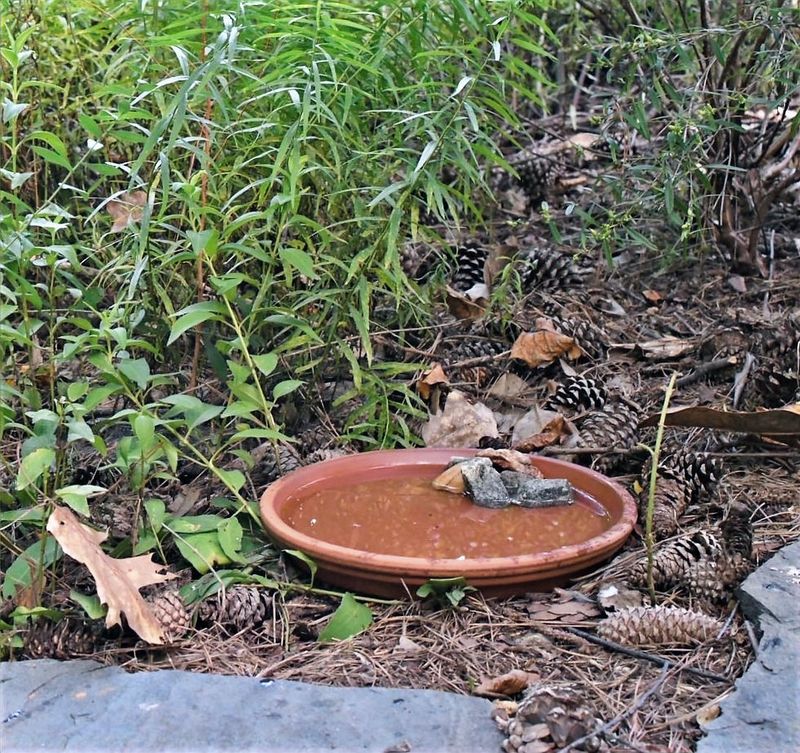
Water is especially valuable during Texas summers, when heat is relentless and natural sources can dry up completely. A clean, shallow basin placed in a relatively open spot gives birds a place to drink and bathe without feeling trapped by nearby cover. Texas Partners in Flight guidance suggests keeping the water depth under two inches and scrubbing the basin frequently to prevent mosquito breeding and algae buildup. Changing the water every couple of days in summer is not optional in triple-digit Texas heat; stagnant water becomes a health hazard and a mosquito nursery faster than most people expect.
A birdbath can make a yard more attractive to a wide range of birds. However, no study located has established that a particular birdbath design, depth, or placement reliably draws roadrunners to a yard or keeps them coming back. Roadrunners do drink water and will use available sources, but a basin is not a guaranteed lure. Think of it as one piece of a broader wildlife-friendly setup rather than a targeted roadrunner magnet, and let it benefit whatever birds happen to pass through.
Balance wildlife cover with household safety
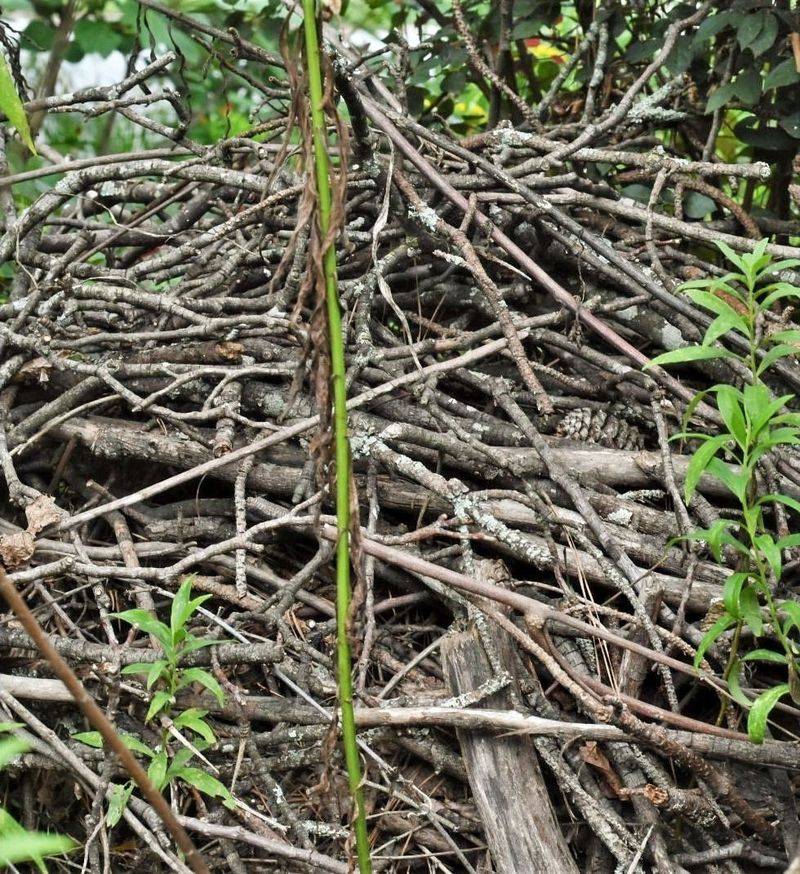
Adding cover to a yard for wildlife comes with tradeoffs that are worth thinking through before you start hauling in rocks and brush. Piles of logs, stacked stones, dense low shrubs, and similar features do provide escape routes and shelter for lizards, small birds, and other animals that roadrunners and other wildlife need in the landscape. TPWD habitat improvement guidance supports brush piles as a wildlife cover option, and they genuinely do serve that purpose.
The catch is that the same features that shelter lizards also shelter scorpions, snakes, and rodents. TPWD’s snake information is straightforward about this: brush piles and rock stacks create the kind of cool, concealed spaces that snakes seek out, particularly during hot Texas days. Texas A&M’s striped bark scorpion profile similarly notes that scorpions hide under debris, rocks, and wood, especially near moisture. Adding cover near your back door or children’s play area to attract wildlife while also inviting scorpions and snakes into those spaces is a real and predictable risk.
Placement matters enormously. Keep brush piles, rock arrangements, and dense plantings away from foundations, doorways, patios, and anywhere children or pets spend time. A brush pile at the far edge of a larger property is a different situation from one stacked against a garden shed next to the back porch. Water features should also be positioned thoughtfully, since moisture near the house can attract insects and the animals that eat them.
On scorpion stings specifically: Texas A&M AgriLife Extension notes that most Texas scorpion encounters are not medically serious, but all scorpions carry venom and individual reactions vary. A sting that produces breathing difficulty, a rash, or severe symptoms, or any sting involving a child or someone with a health condition, warrants a call to Poison Control or a visit to a medical provider without delay.
Never bait, feed, capture, or handle a roadrunner
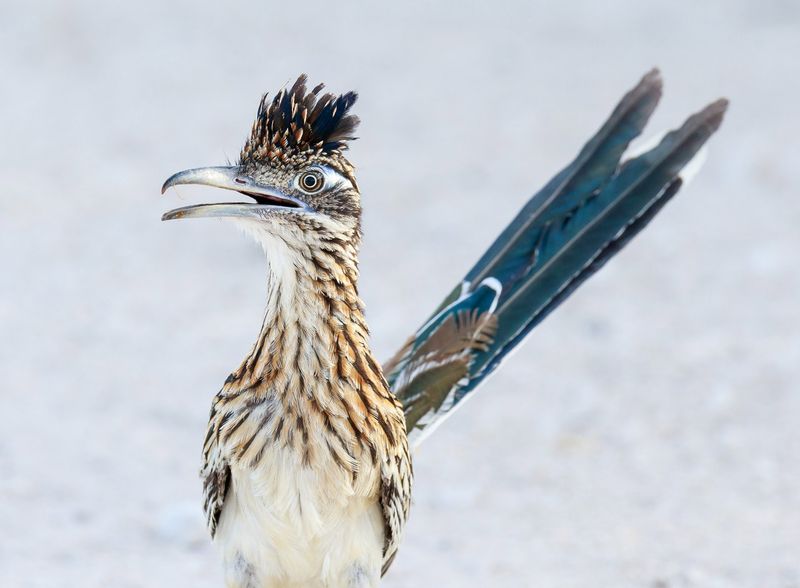
There is a clear line between making your yard more hospitable to wildlife and trying to manipulate what a wild animal does. Leaving out raw meat, scorpions, or other bait to lure a roadrunner crosses that line, and it creates problems that go well beyond the intended effect. Placing live scorpions where birds, pets, or children might encounter them is genuinely dangerous. Scorpion stings happen unpredictably, and Poison Control is clear that handling or deliberately disturbing venomous animals increases sting risk for everyone nearby.
Conventional bird-feeding setups are also not a reliable way to draw roadrunners. These birds are not seed eaters, and a standard feeder stocked with sunflower seeds will not bring one in. More importantly, Cornell Lab documents that roadrunners eat lizards, snakes, rodents, eggs, nestlings, and other birds in addition to insects and scorpions. Attracting one to a feeder area could put smaller feeder birds at risk.
A roadrunner is not a narrowly targeted scorpion hunter; it is an opportunistic predator that will take whatever prey it can catch.
Animal Diversity Web’s roadrunner account reinforces this generalist profile. Treating one as a specialized pest-control tool misunderstands how the bird actually lives and hunts.
The legal boundary is equally firm. Under Texas state law and the federal Migratory Bird Treaty Act, Greater Roadrunners and their nests, eggs, young, feathers, and bodies are protected. TPWD’s protected species guidance is explicit: capturing, handling, relocating, or attempting to keep a roadrunner is illegal. If a bird is injured, the right call is to contact a licensed wildlife rehabilitator through TPWD, not to intervene yourself.
Observe these birds from a respectful distance and let them move through on their own terms.
Manage scorpions directly while protecting wildlife
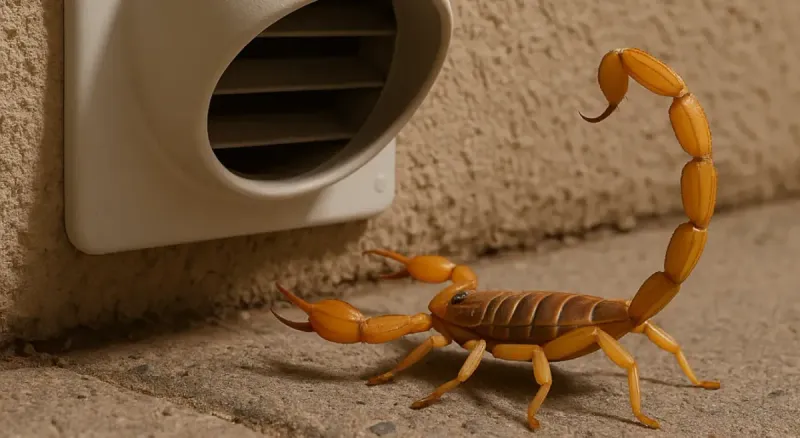
A roadrunner visiting your yard is not a reason to stop managing scorpions through other means. These birds forage across large areas and are not going to stand guard at your foundation. Treating a bird visit as a substitute for actual scorpion control puts your household at unnecessary risk, and the evidence simply does not support that approach.
Exclusion is the most reliable starting point. Scorpions enter homes through gaps under doors, around pipes, and through cracks in foundations. Weatherstripping, door sweeps, and caulk applied to entry points reduce the number of scorpions that get inside regardless of what is happening in the yard. Removing clutter, woodpiles, and debris close to the house takes away the hiding spots scorpions use to shelter near your living spaces.
Texas A&M AgriLife Extension’s scorpion guidance covers these sanitation and exclusion steps in practical detail.
When targeted treatment is necessary, the EPA advises using pesticides only where needed, treating only the target area, and following the product label carefully to minimize effects on birds and other non-target wildlife. Broadcast spraying around the yard can harm the insects and other animals that roadrunners and native birds depend on. Spot treatment at entry points and harborage areas is more precise and less disruptive to the broader yard ecosystem.
If a sting occurs, most Texas scorpion encounters resolve without serious medical intervention, but reactions vary from person to person. The Texas Poison Center Network’s sting guidance recommends seeking prompt medical advice or calling Poison Control when a sting produces breathing difficulty, a spreading rash, severe pain, or any symptoms beyond localized discomfort, and especially when a child or someone with a known health condition is stung. Wildlife-friendly landscaping and responsible scorpion management are not in conflict; they just each need to do their own job.
Welcome a roadrunner without counting on scorpion control
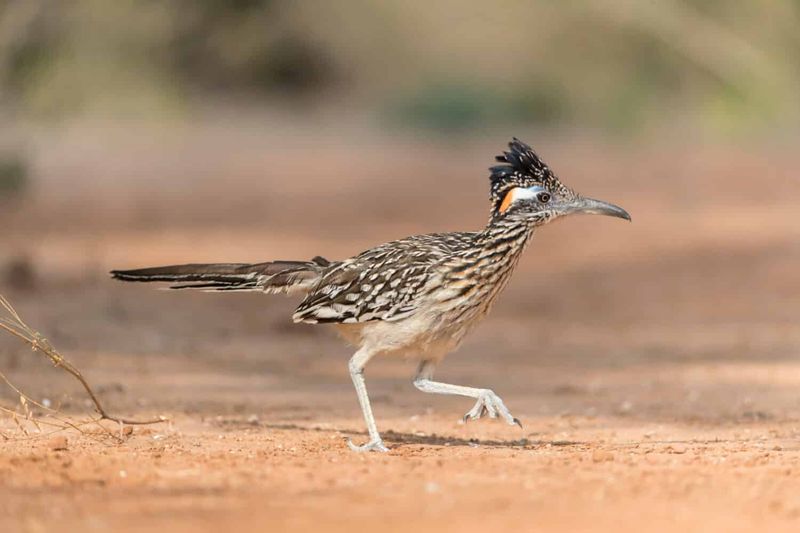
A roadrunner showing up in your Texas yard is genuinely worth celebrating. Texas Parks and Wildlife confirms these birds eat scorpions, and a visiting bird may well remove one from your property. But as the Texas diet research makes clear, that is not the same as dependable scorpion reduction around your home.
The responsible sequence is straightforward: check whether your property already fits semi-open roadrunner habitat, preserve or add wildlife-friendly structure carefully and away from living spaces, avoid baiting or interfering with legally protected birds, and handle scorpion risks through exclusion and targeted control. A roadrunner passing through your yard is a sign of a healthy, connected Texas landscape, and that alone is reason enough to make it welcome.