
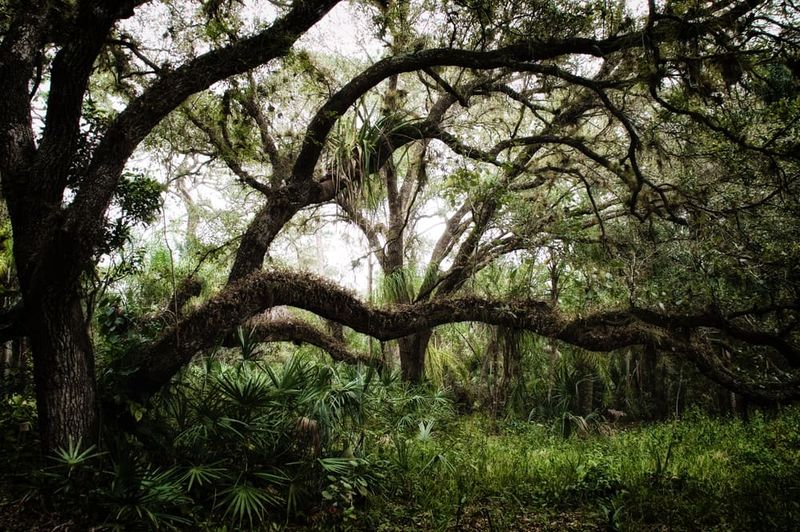
A podocarpus hedge looks tidy, but it barely feeds a single bird or butterfly. Swapping it for a Florida native tree turns that quiet green wall into a busy stop for songbirds, bees, and pollinators. The best part is that these trees are built for our sandy soil, blistering summer heat, and stormy season, so they need far less babying than you might expect. Here are nine native choices that trade silence for a yard buzzing with life.
1. Simpson’s Stopper (Myrcianthes fragrans)
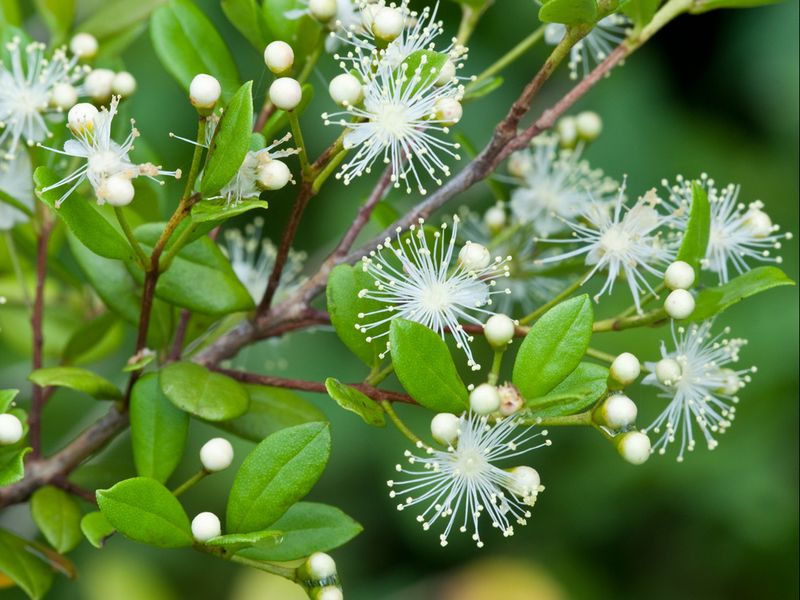
Crush a leaf of Simpson’s stopper and you get a warm, nutmeg-like scent that tells you right away this shrub-tree has personality. It grows dense enough to screen a fence line, which makes it a natural stand-in for a boxy podocarpus wall.
Small white flowers give way to orange-red berries that mockingbirds and cardinals strip clean within days. The peeling, mottled bark adds year-round texture, and the plant shrugs off our sandy soil without extra fertilizer.
UF-IFAS lists it as tolerant of both drought and brief flooding, a rare combination that suits Florida’s swing between dry springs and soggy summer storms. Prune it into a hedge or let it stretch into a small multi-trunk tree; either way it stays evergreen and tidy. For a low-effort swap that hums with bird traffic, this one earns its spot near the top.
2. Walter’s Viburnum (Viburnum obovatum)
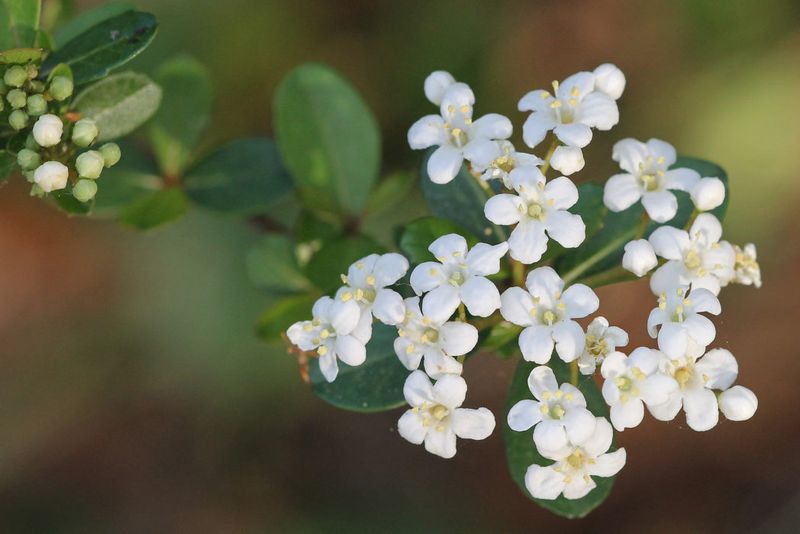
In late winter, Walter’s viburnum bursts into a cloud of tiny white flowers just when most of the yard still looks sleepy. Bees and early butterflies flock to it, making the plant practically vibrate on a warm February afternoon.
The fine, small leaves clip beautifully into a formal hedge, so folks who loved the neat lines of podocarpus will feel right at home. Left alone, it grows into a graceful little tree topping out around fifteen feet.
Dark berries follow the blooms and feed robins and other migrating birds passing through. It handles sandy sites, takes sun or part shade, and once established it barely needs watering. That mix of formal good looks and genuine wildlife value is hard to beat for a Florida screen.
3. Firebush (Hamelia patens)
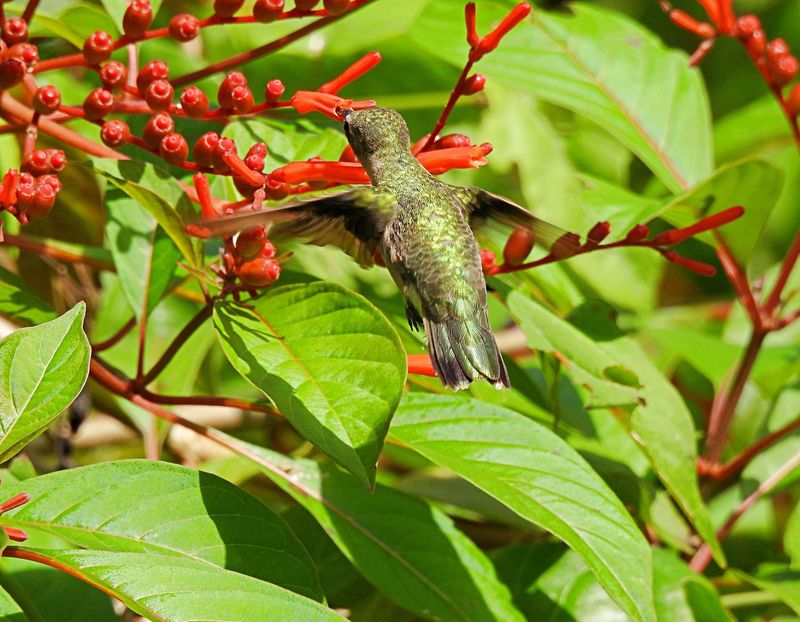
Few native plants throw a party for hummingbirds quite like firebush. Its tubular orange-red blooms open nonstop from spring through the first cold snap, and zebra longwing butterflies drift around it all day.
Heat that wilts other shrubs only makes firebush happier, so it laughs off a brutal July with no complaints. Plant a row of them and you get a loose, informal hedge glowing with color where a podocarpus wall would just sit there.
Watch out for the imposters at big-box stores; the true native Hamelia patens variety patens is the one UF-IFAS recommends, not the compact dwarf cultivar. Give it full sun and sandy, well-drained ground and it rockets upward. Come fall, the small black berries feed mockingbirds and catbirds, keeping the buffet open even after the flowers fade.
4. Wild Coffee (Psychotria nervosa)
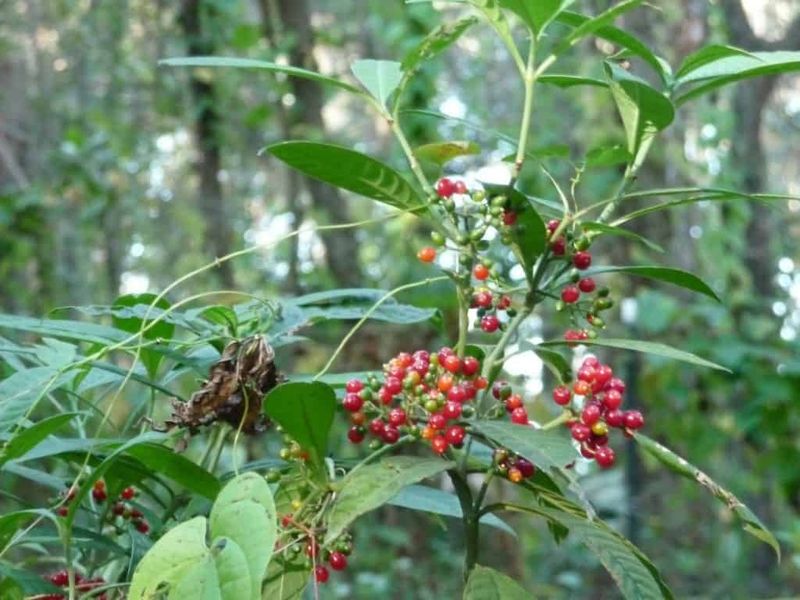
Glossy, deeply veined leaves give wild coffee a lush, almost tropical shine that catches the light in a shady corner. It thrives where many hedge plants sulk, filling in beneath oaks and along the north side of a house.
Little white flowers bring in native bees, and the bright red berries that follow are a favorite of catbirds and warblers. No, you can’t brew the beans into a decent cup, but the birds could not care less.
It stays modest at around six to ten feet, so it works as a screen without swallowing a small yard. Regular moisture keeps it looking its best, yet it tolerates the dry spells that come with sandy soil. For gardeners stuck with a shady fence line where podocarpus grew leggy, this is the fix.
5. Yaupon Holly (Ilex vomitoria)
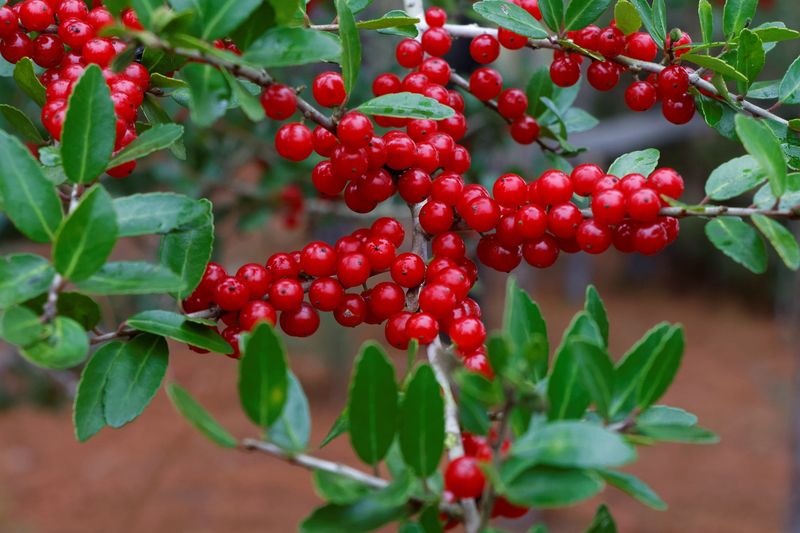
Yaupon holly carries a wild secret: its leaves hold the only caffeine native to North America, and Indigenous peoples once brewed them into a ceremonial tea. That bit of history alone makes it a conversation starter along the driveway.
As a hedge it is a workhorse, handling salt spray, drought, sandy soil, and soggy spots without missing a beat. Female plants load up with translucent red berries in winter that cedar waxwings and robins devour in noisy flocks.
Tiny spring flowers pull in bees, and the dense evergreen branches give birds cover to nest and hide. Shear it tight for a formal look or let it grow loose and natural. Few natives match this level of toughness paired with such reliable winter bird traffic.
6. Dahoon Holly (Ilex cassine)
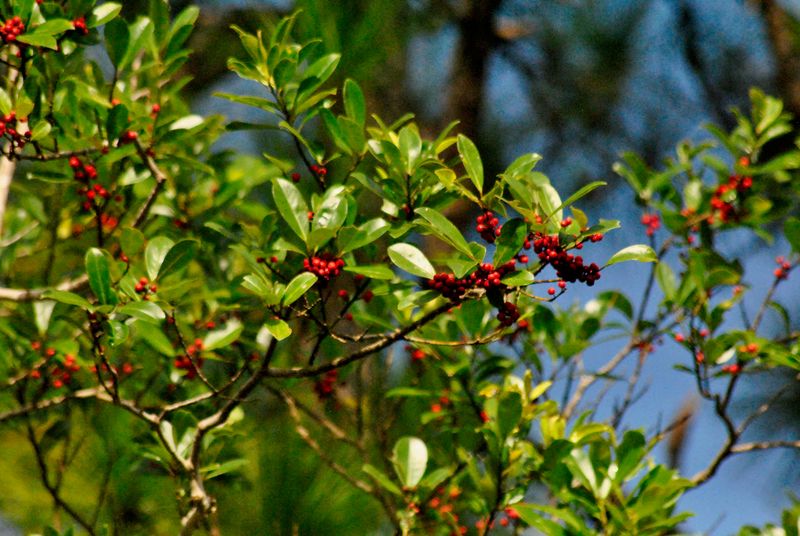
Got a low spot that stays wet after summer downpours? Dahoon holly actually prefers those damp, poorly drained corners where podocarpus would rot and sulk.
This slender evergreen tree lights up with masses of red berries from fall into winter, drawing robins, bluebirds, and mockingbirds by the dozen. The berries hang on long enough to become a lifeline during cold snaps when other food runs short.
It grows taller than most hedge shrubs, easily reaching twenty to thirty feet, so it doubles as a screen and a shade producer. Plant a female alongside a nearby male for the heaviest fruit set. In a flood-prone Florida yard, few natives turn a drainage problem into a wildlife magnet this gracefully.
7. Southern Wax Myrtle (Myrica cerifera)
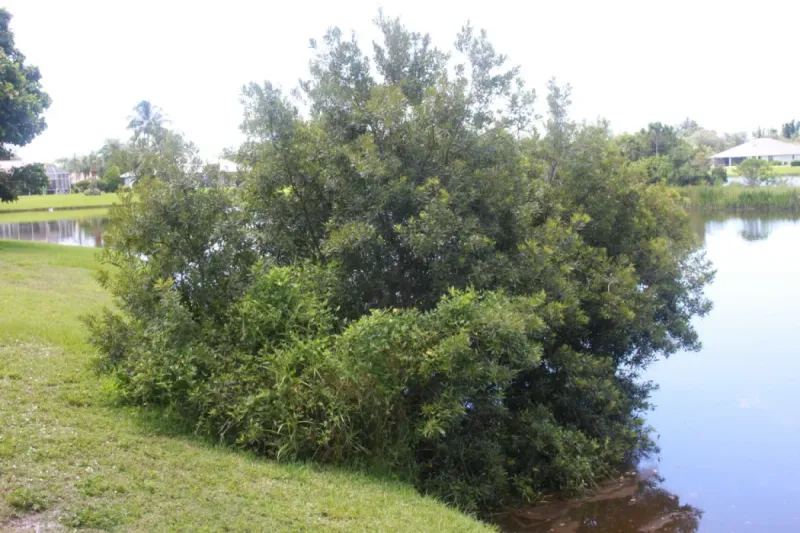
Speed is southern wax myrtle’s superpower. It fills a bare fence line into a soft, feathery screen faster than almost any other native, which is exactly what you want when you rip out an old hedge and hate looking at your neighbor’s shed.
The aromatic gray-green leaves release a bayberry scent when brushed, and the waxy blue berries feed yellow-rumped warblers and tree swallows through winter. Because it fixes its own nitrogen, it thrives in poor, sandy soil without any feeding.
It shrugs off salt, drought, and standing water alike, making it one of the most adaptable screens in the state. Trim it as a hedge or limb it up into a small multi-trunk tree. For fast, forgiving cover that birds adore, this old Florida standby delivers.
8. Buttonwood (Conocarpus erectus)
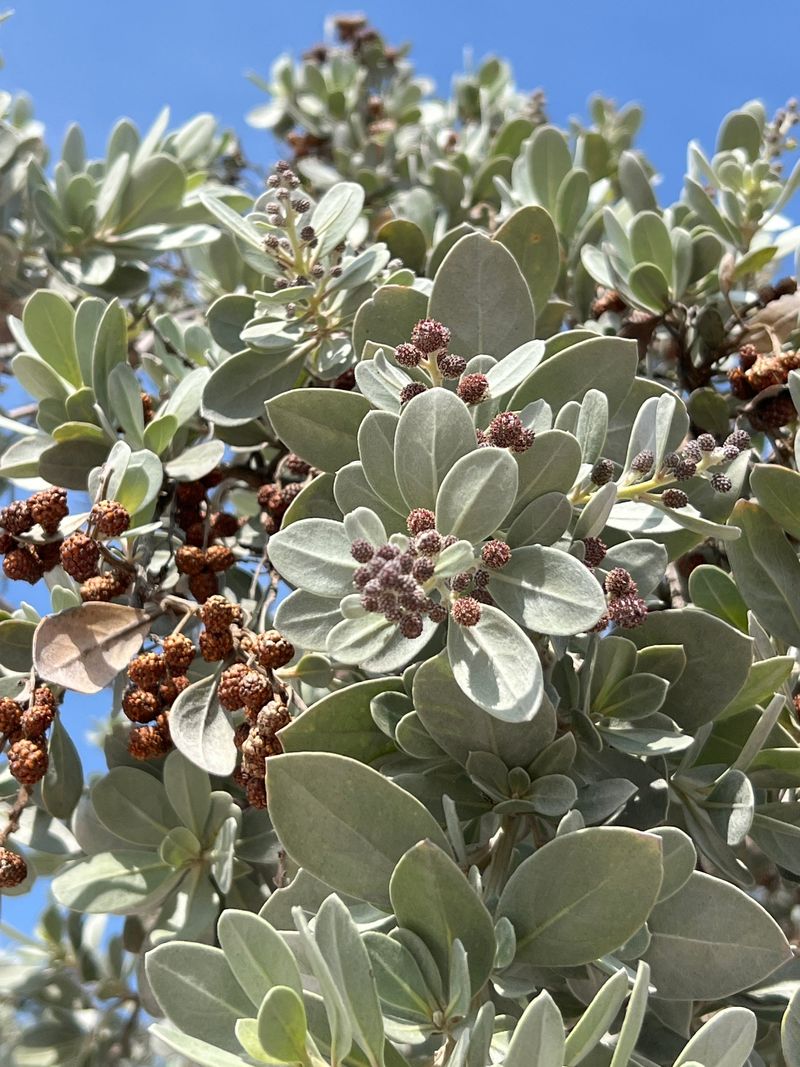
Coastal gardeners, this one is for you. Buttonwood laughs at salt spray and blistering sun, thriving in the harshest seaside spots where tender hedges scorch and brown.
The silver-leaf form shimmers in the wind and gives a hedge a cool, elegant glow you rarely see in native plants. Its button-like seed clusters and small flowers support pollinators, while the dense growth shelters warblers and shorebirds along the coast.
It takes hard pruning well, so you can keep it as a formal screen or let it develop into a picturesque, gnarled little tree over time. Rooted deep and sturdy, it stands up to coastal winds better than most. Where the ocean breeze rules the yard, buttonwood turns a tough site into a living windbreak.
9. American Beautyberry (Callicarpa americana)
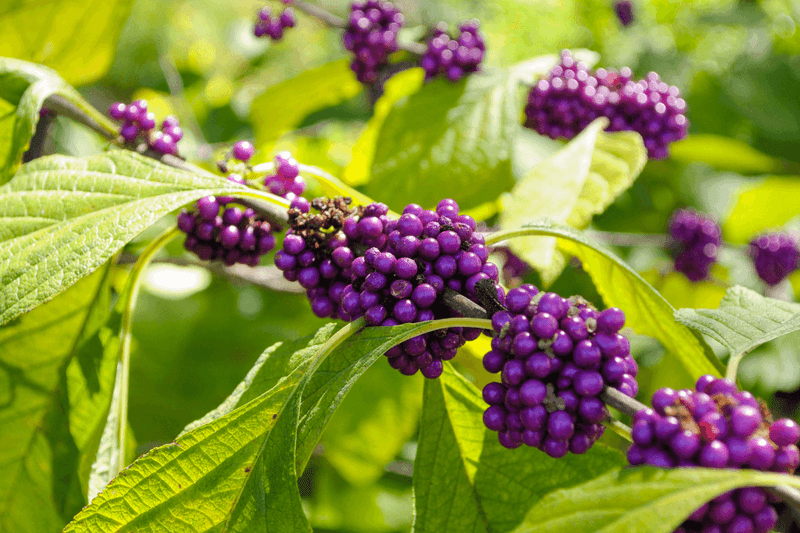
Nothing else in the Florida landscape does what beautyberry does in fall: it lines its stems with electric magenta-purple berries so bright they look almost fake. Mockingbirds, cardinals, and even raccoons show up to feast the moment they ripen.
Loose and arching in shape, it makes an informal hedge that bursts with color right when the summer flowers are fading, a perfect nudge toward the fall garden. The pale pink summer flowers keep bees busy long before the show begins.
Folklore says crushed leaves rubbed on skin can help deter mosquitoes, and researchers have taken that old trick seriously enough to study it. It happily takes sun or part shade and handles sandy, dry soil once its roots settle in. For a hedge that ends the year with a bang, beautyberry is the grand finale.