
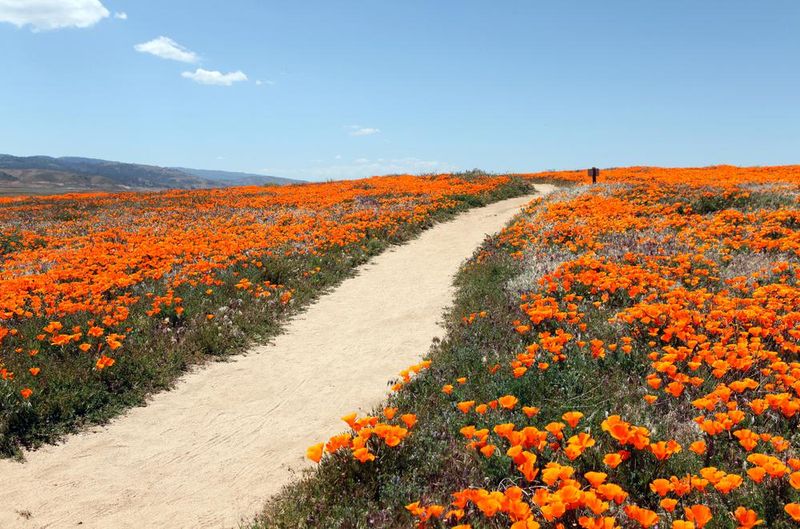
Think you missed your chance to add California poppies? In many mild-winter parts of California, November is right on time.
The first fall rains are arriving, and the seeds you scatter now may be ready to sprout as the soil stays damp. A little planning with site, seed, and moisture can help turn bare ground into spring color.
November is a good sowing window in many mild-winter areas
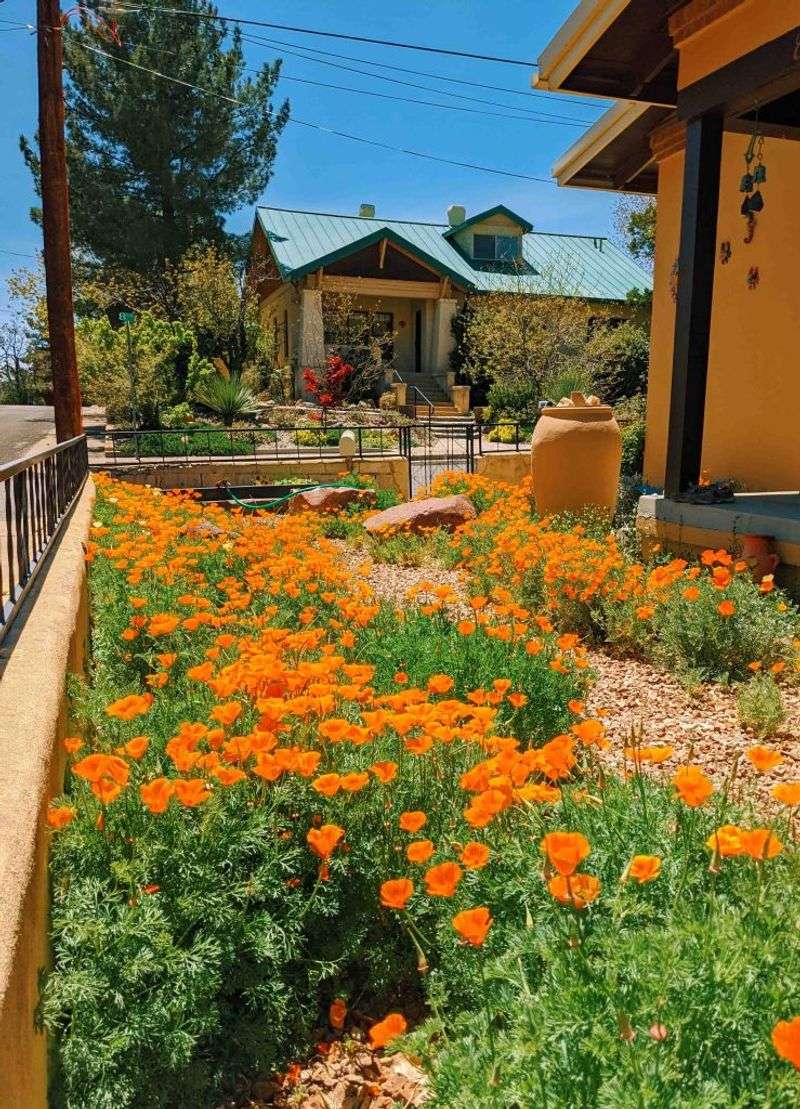
Late fall is when many California wildflowers want to go in the ground. UC Master Gardeners in Contra Costa County say the native annual wildflower sowing season starts when the rains begin in November, with November through January being the best stretch.
For gardeners along the coast, in the Bay Area, and in many valley and foothill yards, that puts this month squarely inside the window.
Poppies are not locked to a single date, though. USDA guidance supports fall sowing where winters are mild, and it points to early spring as an option where winters are harsh.
If your yard gets hard freezes or heavy snow, waiting until the ground thaws is a reasonable plan.
Early spring also works in some milder places. A Placer County Master Gardener describes sowing in early spring for a hillside planting.
So if November slipped by, you have not lost the whole season.
Think of November as a strong, useful window rather than a deadline. Your local climate, your soil, and the weather that follows will shape what happens next.
The rest of this guide walks through the steps that make the biggest difference.
Rain helps, but it cannot guarantee spring flowers
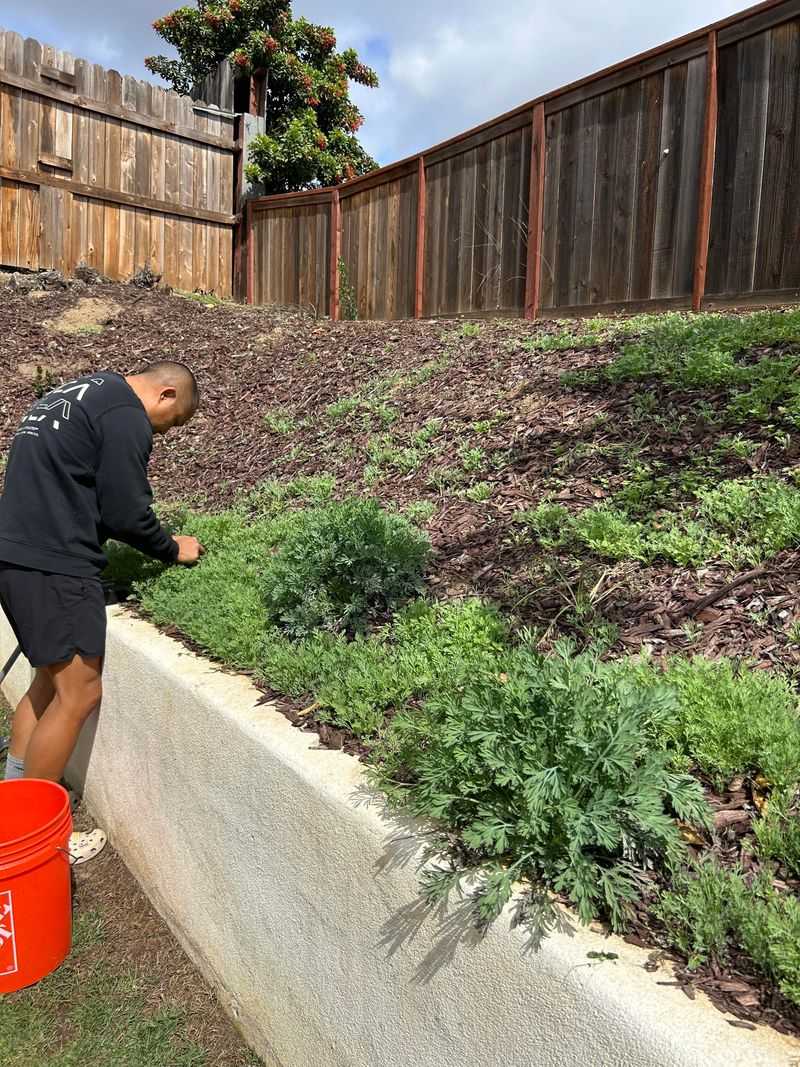
Fall rain does real work for poppy seed. It softens the soil surface and gives seeds the moisture they need to wake up.
According to Napa County Master Gardeners, seed sown in fall can germinate after the rains or as the soil warms, with blooms following in spring or early summer.
Rain cannot fix everything, however. It will not drain a soggy corner, pull out the weeds crowding your patch, or press seed into the soil.
A dry spell in December or February can also leave seedlings thirsty, so the soil still needs a quick check now and then.
Bloom timing is another thing that varies. Sonoma County Master Gardeners report California poppies flowering anywhere from February to September, depending on conditions.
A coastal garden and an inland foothill yard will not run on the same calendar.
Plan for color, but do not pin your hopes on a certain week. Seed, weather, and the spot you pick all play a part.
Wet-season sowing improves your odds, and the details of your site decide the rest, a point Contra Costa gardeners also stress when they talk about preparing a seedbed.
Choose a sunny, open spot with good drainage

Walk your yard on a sunny morning and look for the spot that gets the most light. California poppies are sun lovers, and USDA plant guide information describes them growing in a range of soils but doing poorly where water pools or the ground stays saturated.
A gentle slope, a gravelly strip, or a raised bed often drains better than a low corner.
After a good rain, go back and look at the ground. If puddles linger for a day or more, or the soil feels like a wet sponge, that patch is a poor match.
Pick a drier area instead of trying to force poppies into it.
Open space matters too. Poppies struggle against established grasses and other dense plants, and Sonoma County Master Gardeners point to bare, open ground as the better setup for wildflowers.
A thick lawn edge or a crowded border will likely smother young seedlings.
Good candidates include a sunny parkway strip, a bare patch along a driveway, the open gaps around young shrubs, or a spare raised bed. These spots also suit a water-wise California yard, since poppies do not ask for much once they are growing.
Choose the best patch you have, even if it is small.
Clear weeds and grass before sowing
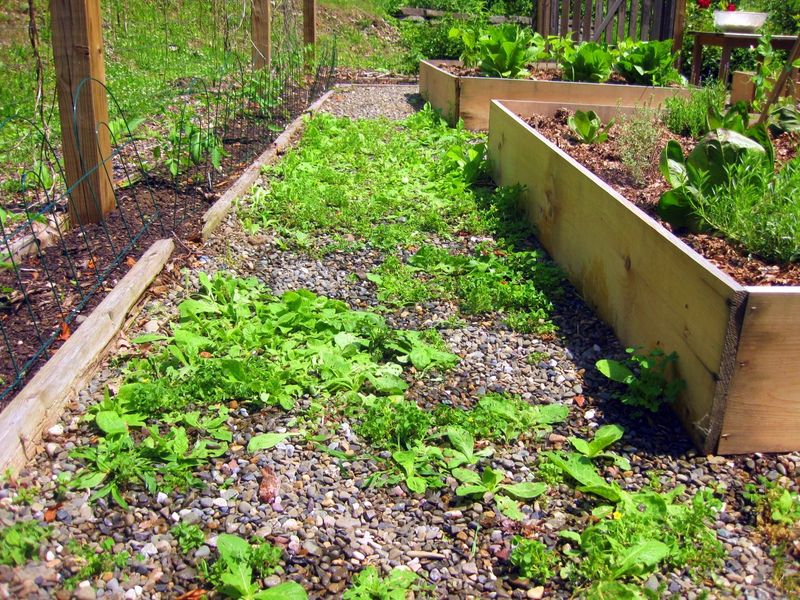
Once you have picked your patch, give the seed a clean start. Pull or hoe out existing weeds and grass, roots included where you can.
Even a few weeks of head start for weeds can leave poppy seedlings shaded out.
Resist the urge to dig deep. Contra Costa County Master Gardeners advise against deep tilling because it can bring buried weed seeds up to the surface, where they sprout along with your wildflowers.
Scraping or lifting weeds at the surface is usually enough.
After clearing, rake the soil lightly so the top is loose and fairly even. Remove clumps, rocks, and leftover debris.
The aim is a bare, crumbly surface where seed can touch soil.
Many gardeners also start weeding after the first rain, since fall showers often bring a flush of weed seedlings. Wait for that flush, pull it, and then sow.
The Napa County guide also treats clear, weed-free ground as part of getting poppies established.
Keep an eye out for new weeds as your poppies grow. Pull them by hand when they are small, and take care not to tug the tiny poppy seedlings.
Sow seed shallowly where you want the flowers
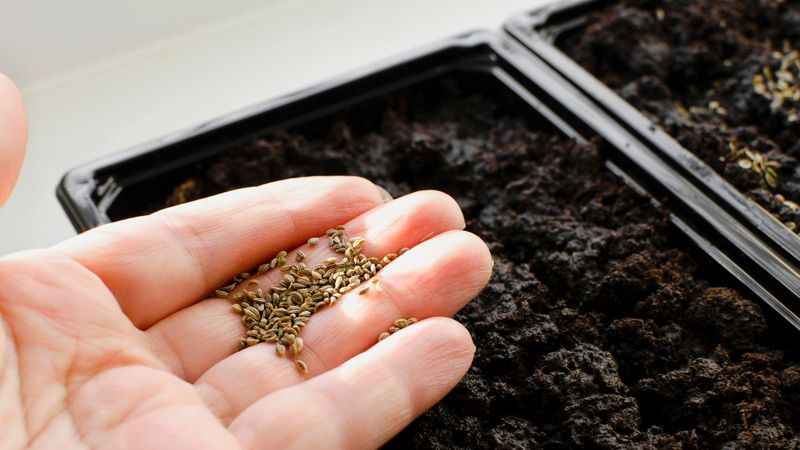
California poppies grow best when seeded right where they will bloom. USDA notes that they establish most easily from seed and do not tolerate transplanting well.
So skip nursery six-packs and scatter seed on your prepared patch.
The seed is tiny, so a pinch of sand mixed in can help you spread it evenly. Sow about 1/8 inch deep, or simply press the seed lightly into the soil so it makes good contact.
Walking over it gently or tamping with a board works. Do not bury it deeply.
Seed type matters a little. Garden varieties generally have reduced dormancy needs, while wild-collected seed may behave differently, so you should not assume every packet acts the same.
There is no need to chill ordinary garden seed in the fridge first.
You may come across advice to cover seed or to sow at a certain time. A California Native Plant Society member’s San Diego-area trials found that covering seed reduced results and that some earlier sowings beat November.
That is one gardener’s account from one area, not a rule for the whole state. Treat it as a reminder to watch your own yard and adjust.
Keep the seedbed moist until germination
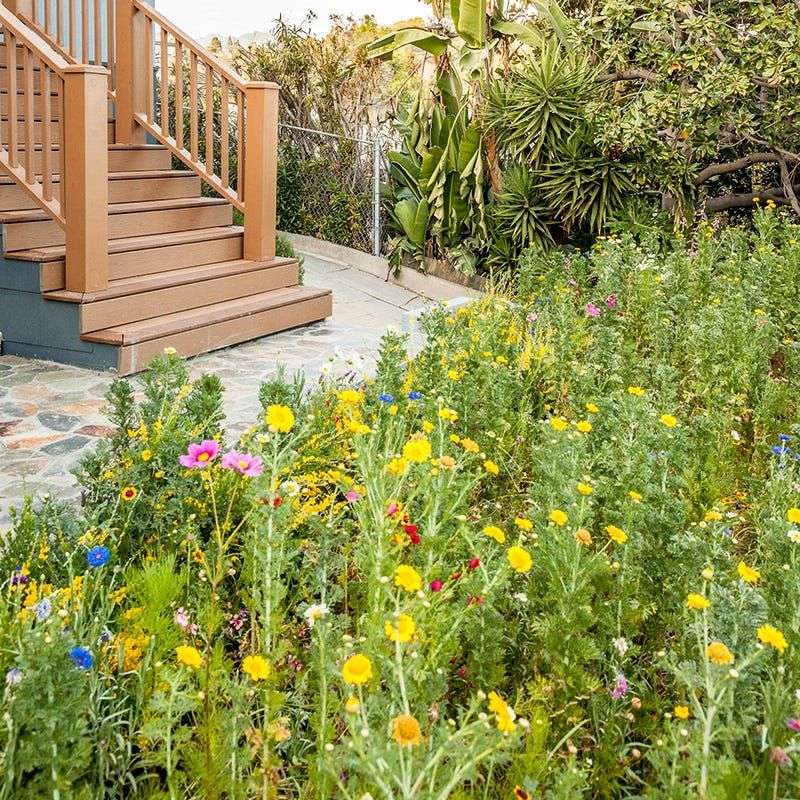
After sowing, treat the patch like a small project for a few weeks. Check the top inch of soil every so often.
If it is dry and no rain is coming, give it a light, gentle watering so seed is not washed around.
In a rainy stretch, nature may handle it. Contra Costa County Master Gardeners note that winter rain can supply enough water for wildflowers, but hand watering during dry spells helps keep the seedbed from drying out.
A fine spray from a watering can or a hose nozzle on a mist setting works well.
Timing changes the picture. Napa County Master Gardeners mention that later sowings may need extra water once the rains stop.
If you sow in late winter or early spring, plan on checking the soil more often.
There is no fixed schedule that fits every yard. Sandy soil dries faster than clay, and a breezy hillside dries faster than a sheltered corner.
Let the soil tell you: damp but not soggy is the goal.
Once seedlings are up and growing, you can usually ease off. Keep an eye on the weather, and give a drink only if a long dry period sets in during the water-wise months.
Leave some plants to set seed if you want poppies to return
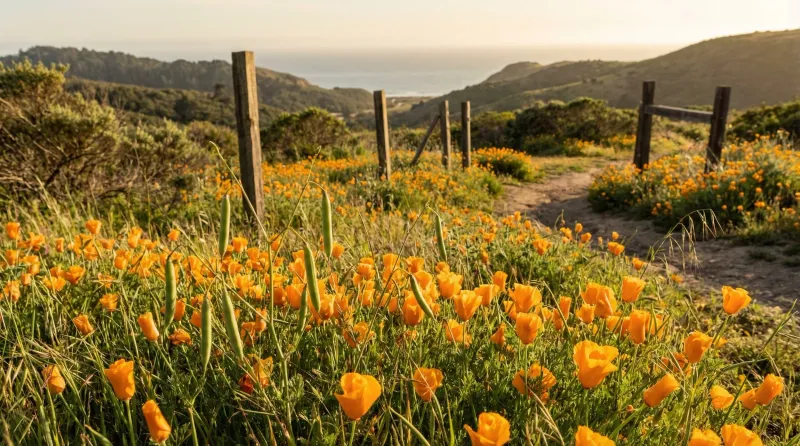
If you would like poppies next year, stop tidying for a little while. When blooms fade, seed pods form, and letting some plants finish gives them the chance to drop seed.
The Napa County guide describes poppies reseeding and spreading readily, so a few mature plants can go a long way.
Reseeding is an option, not a promise. Some years a patch comes back thick, and other years only a few plants appear.
Weeds, drainage, and weather all play a part.
Spreading can also surprise you. Plants may pop up in gravel, paths, or nearby beds, so pull extras you do not want.
If you plan to collect seed, know that Placer County Master Gardeners caution that garden hybrids may not come true from saved seed, so the next generation could look different from the parent.
Poppies are also not a snack or a home remedy. The whole plant is toxic if eaten, so keep an eye on kids and pets nearby.
A good spot and realistic hopes will serve you better than any weather forecast. Poppies reward a gardener who sets the stage and then lets the season work.