
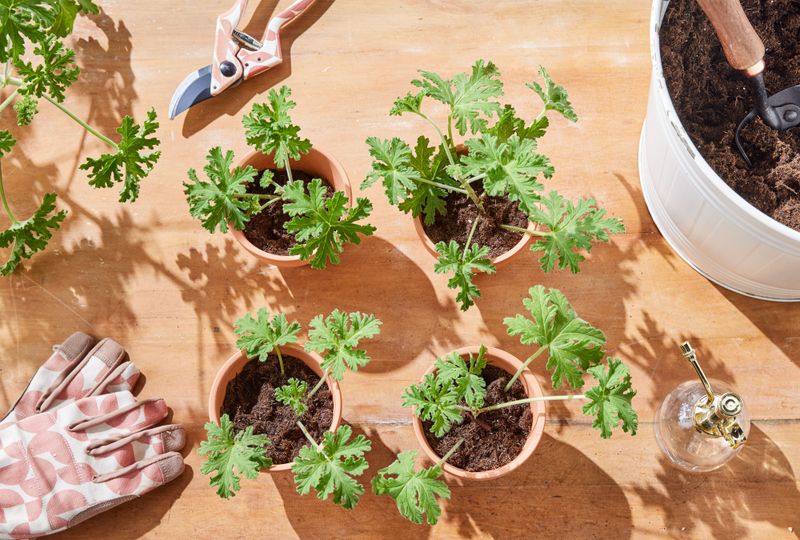
That leggy pot of geraniums on your porch can leave behind more than memories. A few snipped stem tips, rooted indoors over winter, can become brand new plants for next season.
Timing matters, because cold can ruin healthy plants before you ever get a cutting. Here is how Southern gardeners in Florida, Texas, and beyond can save their favorites.
Know which “geranium” you’re saving
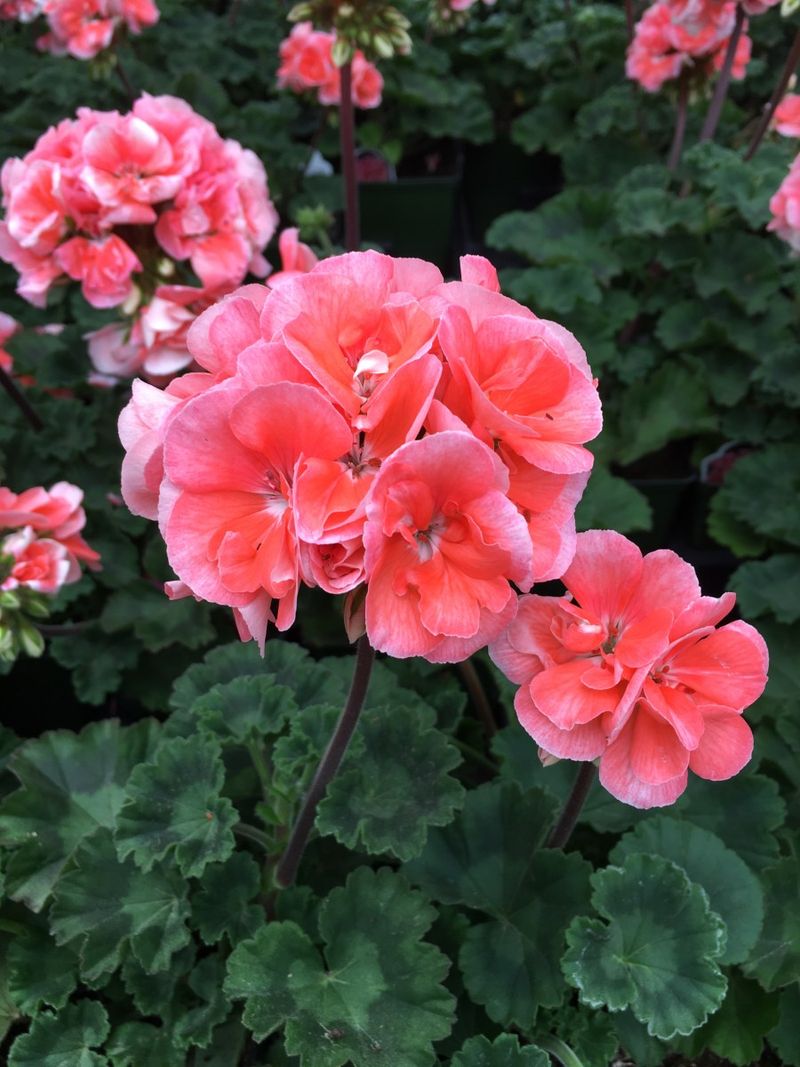
Garden centers sell two very different plants under one name. The bright bedding and container plants most of us grow are generally Pelargonium.
Hardy true geraniums belong to the genus Geranium, and they are a separate group of plants.
That difference matters before you pick up a pair of snips. Everything in this article is aimed at Pelargonium, the kind of plant that University of Illinois Extension describes for overwintering from cuttings.
Advice for one group should not be automatically applied to the other.
A quick check helps. Pelargoniums usually have thick, rounded, often scalloped leaves and big ball-shaped flower clusters, and they are commonly sold as annuals, as Iowa State Extension notes.
If your plant came in a hanging basket or a patio pot, it is very likely one. Once you know what you have, the next question is when to start cutting.
Take cuttings before damaging cold
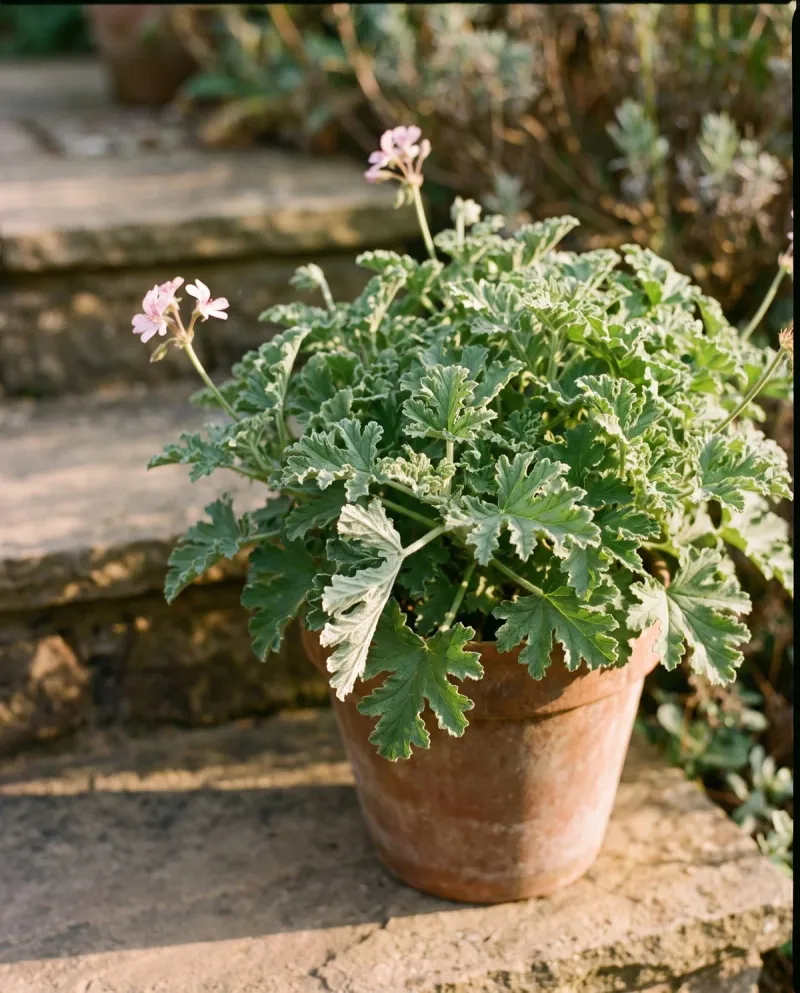
Forget a single calendar date. The best time is while the parent plant is healthy and actively growing, and before frost or a damaging freeze arrives.
Purdue Extension advises taking geranium tip cuttings well ahead of frost, and it warns that infected plants perform poorly the next season.
In Florida, common geraniums cannot tolerate a freeze. UF/IFAS treats them as winter annuals in Central and South Florida, usually planted from October through March, while North Florida timing follows the end of frost danger.
Your own forecast and plant condition matter more than any national rule.
Texas is its own puzzle. Texas A&M AgriLife points out that the weather is erratic and that many warm-season plants can be hurt at, near, or even above 32°F.
Watch the forecast, and snip when a cold snap looks likely rather than waiting for one.
Choose healthy stem tips and prepare them carefully
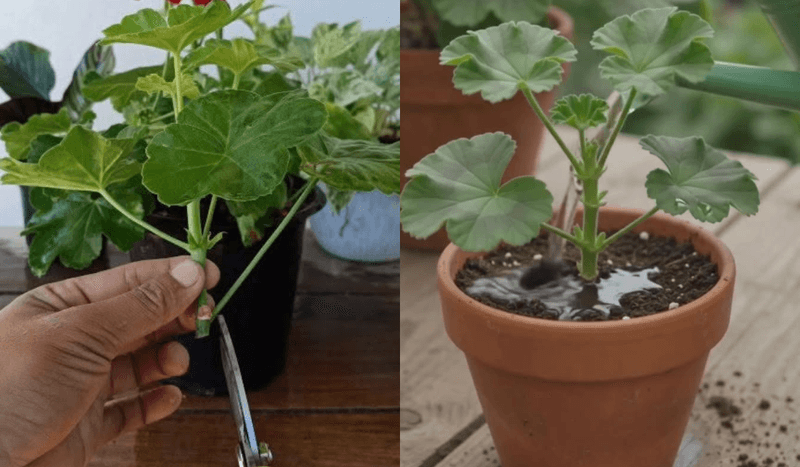
Start with the parent plant. Pick vigorous, disease-free growth, and skip anything that looks sick or stressed.
Geranium diseases can travel through cuttings, tools, and rooting mixes, so University of Georgia advises healthy cuttings and sterile media, and the Texas Plant Disease Handbook recommends disease-free plants for propagation.
Next, wipe a sharp knife or pair of snips clean. Cut shoot tips about 3 to 4 inches long, as Illinois Extension suggests.
Strip off the lower leaves so none end up buried in the medium.
Then wait a bit. For Pelargonium, Illinois Extension says to let the cut surface air-dry and heal before planting.
A dry, callused end is less likely to rot once it meets damp material.
Root cuttings in a moist, well-drained medium
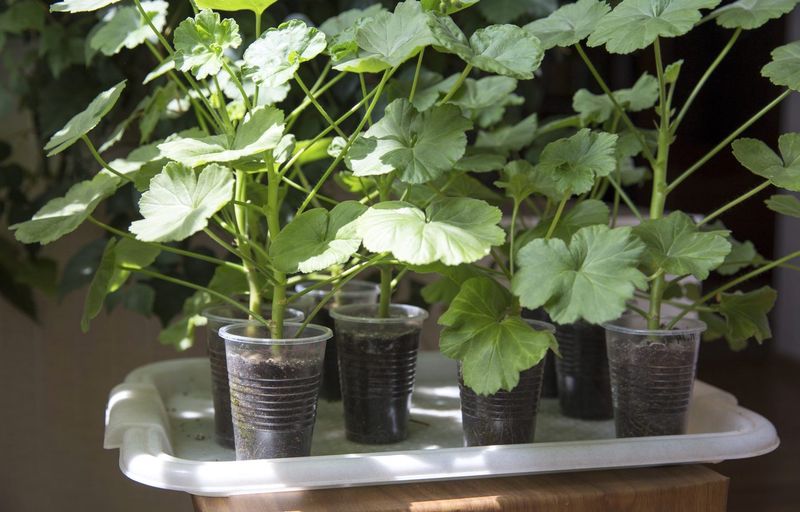
Clean, well-drained material is the goal. Illinois Extension lists perlite, vermiculite, or a sand-and-peat mixture, and any of them works when it is fresh and has not been used for sick plants.
Poke a hole with a pencil, set in each healed cutting, and firm the medium gently around the stem.
Moisture is the tricky part. Keep the medium damp like a wrung-out sponge, never soggy, because waterlogged mix invites rot.
Water lightly when the top feels dry, and make sure each pot drains.
Give the cuttings bright light, but do not let them dry out. A clear cover or loose plastic bag can hold humidity, though it can also grow mold, so lift it often to let air in and remove any fuzzy or blackened bits right away.
Patience pays here. Illinois Extension gives a rooting range of 4 to 8 weeks.
New leaf growth and a gentle resistance when you tug a stem are good hints that roots have formed.
Pot rooted cuttings for winter
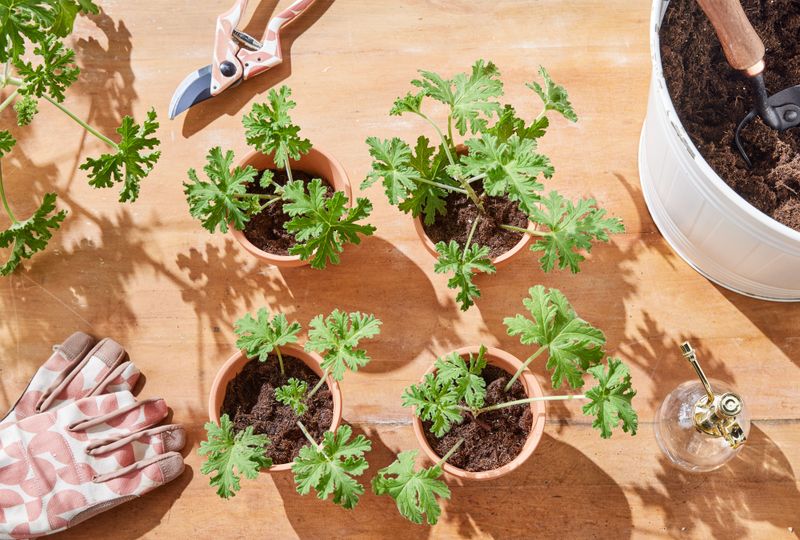
Once roots have formed, the cuttings are ready to move. Pot each one in its own container with fresh, well-drained potting mix.
Individual pots give every plant room to grow and keep any trouble from spreading to its neighbors.
From there, the plan is simple. As Illinois Extension explains, the young plants grow indoors until outdoor conditions are suitable.
A bright spot helps them stay sturdy, and you can keep an eye on them as you would any houseplant.
Your local weather decides when they go outside, so there is no single date to circle. Florida and Texas gardeners may find that mild spells arrive in different weeks, and a late cold snap can still threaten young plants.
Treat these as healthy plants in waiting, not a promise of flowers by a certain month.
More plants can make a fuller display, not guarantee more blooms
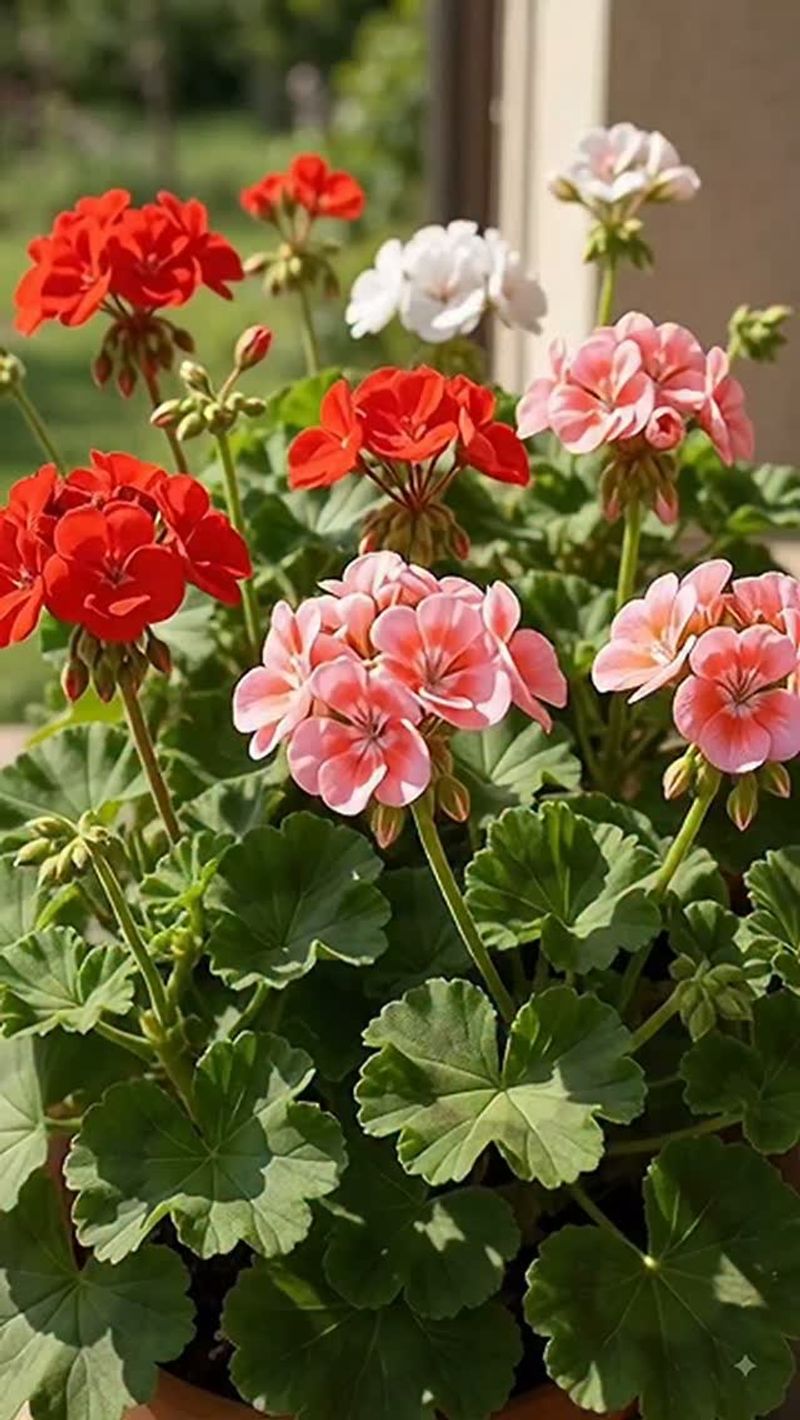
The real payoff is more plants. Successful cuttings let you carry favorites through winter and add pots or bed space next season, which can help a planting look fuller.
They do not promise twice the flowers, or a flowering date.
Light and climate shape what happens next. Texas A&M notes geraniums need at least four hours of direct sun to flower well.
In Florida, UF/IFAS says they do poorly in summer heat and humidity, so do not expect year-round outdoor success.
Two habits can help. Pinching stem tips can encourage compact, bushy, branching growth, and Iowa State Extension says removing spent flowers encourages continued blooming.
Neither one guarantees a particular display.
A healthy plant is the only good source for cuttings, and cold can take it away fast. Snip before it does.