
When a cold front pushes through Texas, hungry flocks of robins and bluebirds start hunting for food. Many homeowners trim their shrubs in fall and accidentally cut off the berries those birds need most.
If you just leave a few native berry shrubs alone until spring, your yard can turn into a busy winter bird cafe. Here are six Texas natives worth keeping your pruning shears away from.
1. Yaupon Holly
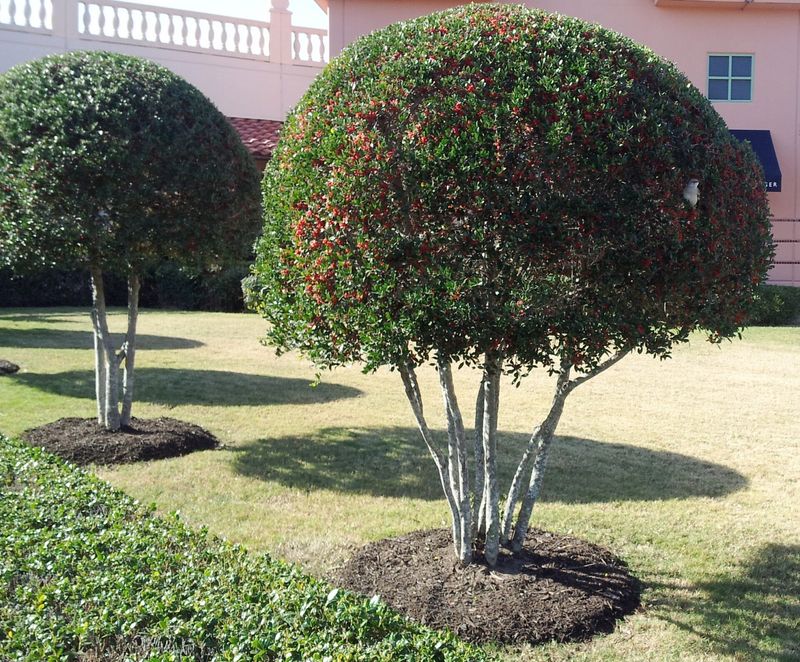
Ask any Texas birder which shrub draws the biggest crowds in January, and yaupon holly usually comes up first. A female yaupon can hold thousands of glossy red berries from fall through late winter.
Robins often show up in noisy groups and strip a bush in an afternoon.
Here is the trick: only female plants make berries. When you shop, look for plants already showing fruit, or ask the nursery for a known female cultivar.
Yaupon handles alkaline clay, drought, and shade, so it fits almost any Texas yard from Houston to the Hill Country.
Hold off on shaping it until late February or March, after the birds have finished feeding. Fun fact: Native Americans brewed the leaves into a caffeinated tea, and yaupon is the only plant native to North America that contains caffeine.
2. American Beautyberry
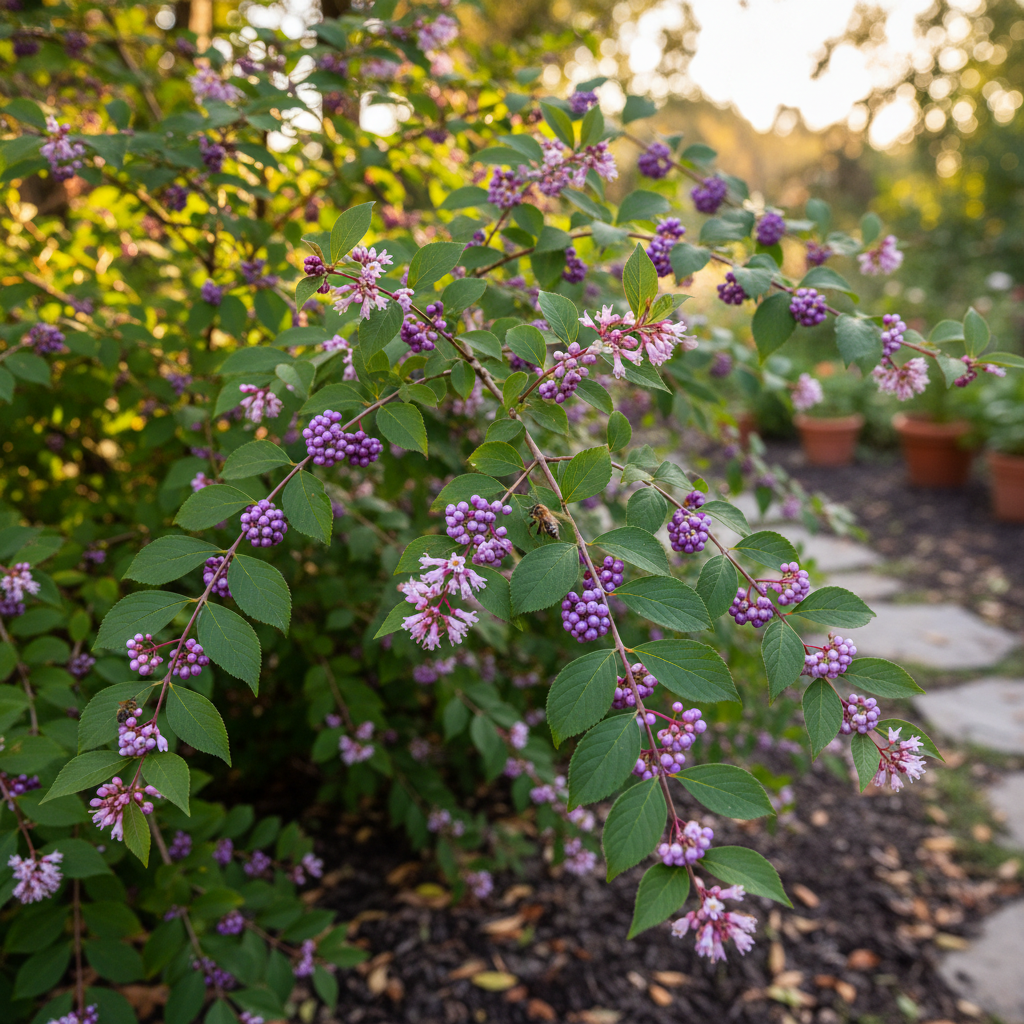
Those neon purple clusters look almost fake, like someone glued candy to the stems. American beautyberry is one of the showiest natives you can grow, and the color lasts well into winter if you leave it be.
Birds tend to eat these berries a little later than others, which makes beautyberry a great backup food source when the holly runs out. Robins, mockingbirds, and brown thrashers all pick through it.
The shrub likes part shade and does best in East Texas and the DFW area, though it also grows in Central Texas with some afternoon protection.
Many gardeners cut it back hard every year. That is fine, but wait until the berries are gone in late winter.
It blooms and fruits on new growth, so a spring trim will not cost you next fall’s crop.
3. Possumhaw Holly
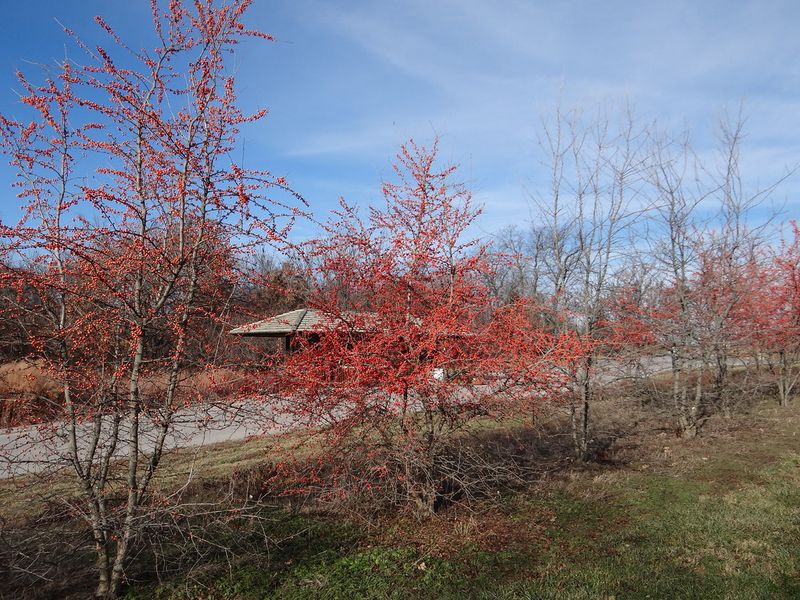
Picture a gray January morning when everything looks brown and tired. Then you spot a bare shrub glowing with red-orange berries, and three bluebirds sitting right in the middle of it.
That is possumhaw holly at its best.
Unlike yaupon, possumhaw drops its leaves in winter. That sounds like a downside, but it actually puts every berry on full display.
It also makes the birds easy to see from your kitchen window.
Possumhaw grows well in heavy clay and tolerates wet spots where other shrubs sulk. Like other hollies, you need a female plant for fruit.
Skip the fall tidy-up, enjoy the show, and give it only a light shape in early spring if it really needs one.
4. Agarita
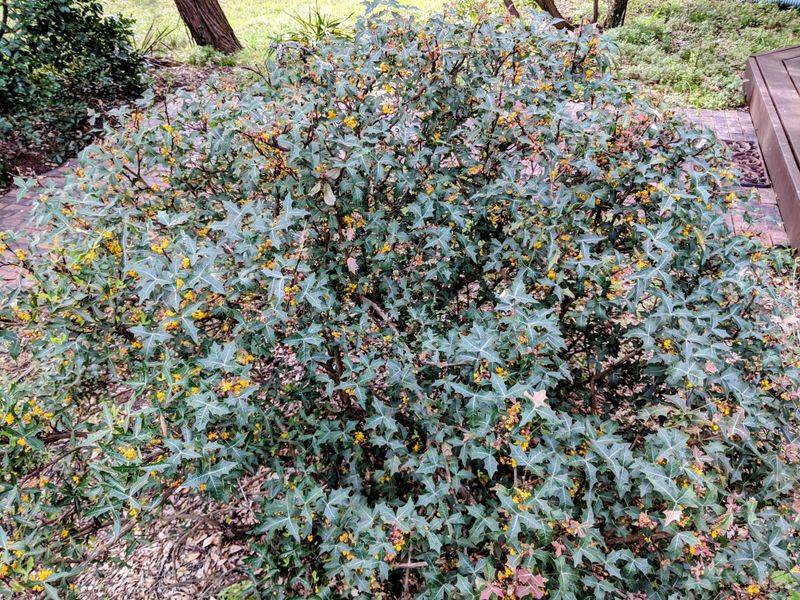
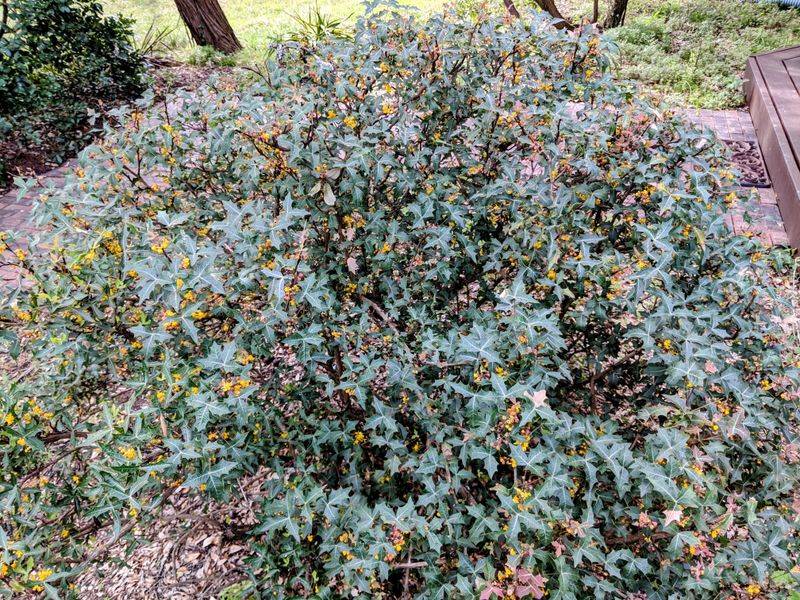
Tough as old boots and twice as prickly, agarita is the Hill Country shrub that laughs at drought. Its holly-like leaves are sharp, so deer leave it alone.
Birds, on the other hand, love what it offers.
Agarita blooms with fragrant yellow flowers in late winter, then sets small red berries. Mockingbirds, robins, and other songbirds eat the fruit, and the thorny branches give small birds a safe place to hide from hawks and cats.
That cover matters in winter just as much as food.
Plant it in full sun in rocky, well-drained soil and then mostly forget about it. Pruning is rarely needed.
Old-timers used the berries to make jelly, though you will need thick gloves and plenty of patience to pick them.
5. Rusty Blackhaw Viburnum
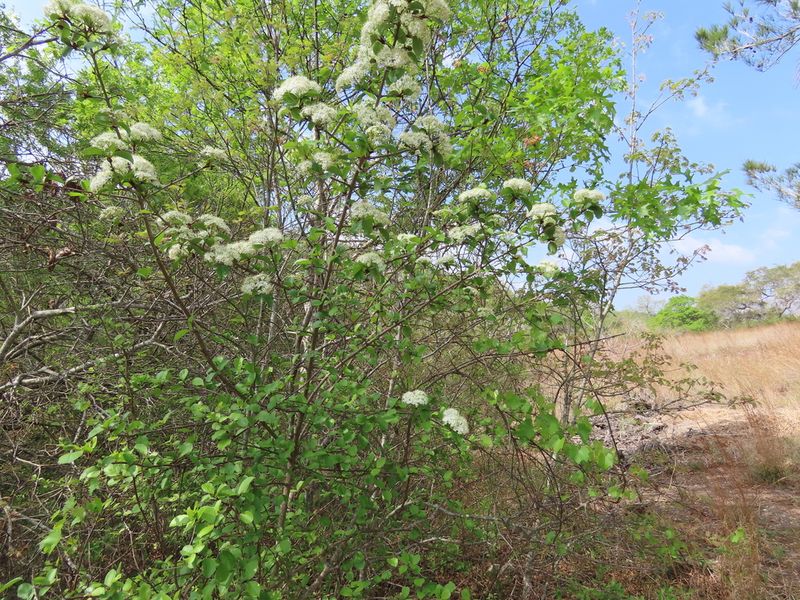
Few Texas homeowners know this shrub by name, which is a shame. Rusty blackhaw viburnum offers white spring flowers, glossy leaves that turn deep red in fall, and clusters of dark blue berries birds gobble up.
It grows naturally across much of the state, including North and Central Texas. It handles clay and limestone soils and takes sun or part shade.
Over time it can become a small tree, so give it room near a fence line or the edge of a bed.
The berries ripen in fall and get eaten fast, so leaving the branches untouched gives every last one a chance to feed a robin. Prune lightly right after spring bloom if needed.
Cutting in fall removes both berries and next year’s flower buds.
6. Texas Persimmon
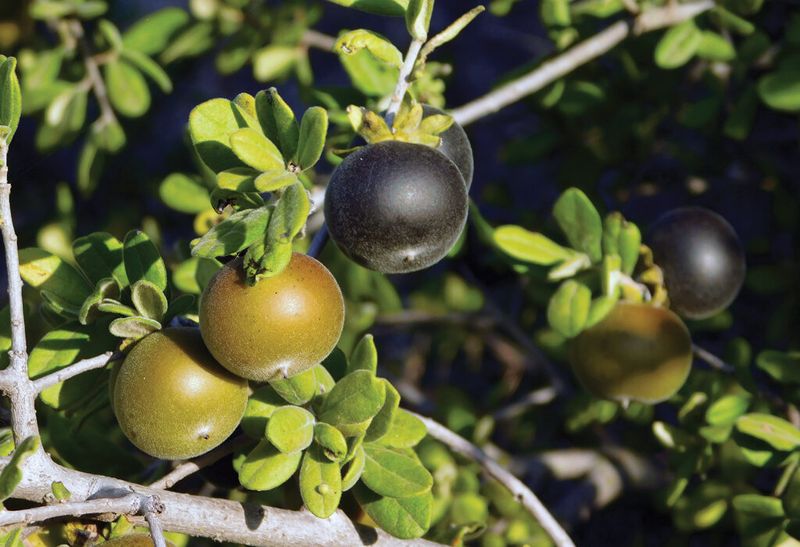
Smooth gray bark that peels like a crape myrtle is the first thing people notice about Texas persimmon. The second thing is the small black fruit, which birds and wildlife go wild over.
Female plants produce sweet, dark fruits in late summer and fall. Some hang on into early winter, giving bluebirds and robins a treat.
Fallen fruit also feeds foxes, raccoons, and even the occasional armadillo.
Texas persimmon is built for heat. It handles triple-digit summers, rocky soil, and long dry spells without fuss.
Leave its twisting branches alone through winter, and you get both bird food and a sculptural shape that looks great all year. Just plant it away from patios, since dropped fruit can stain concrete.