
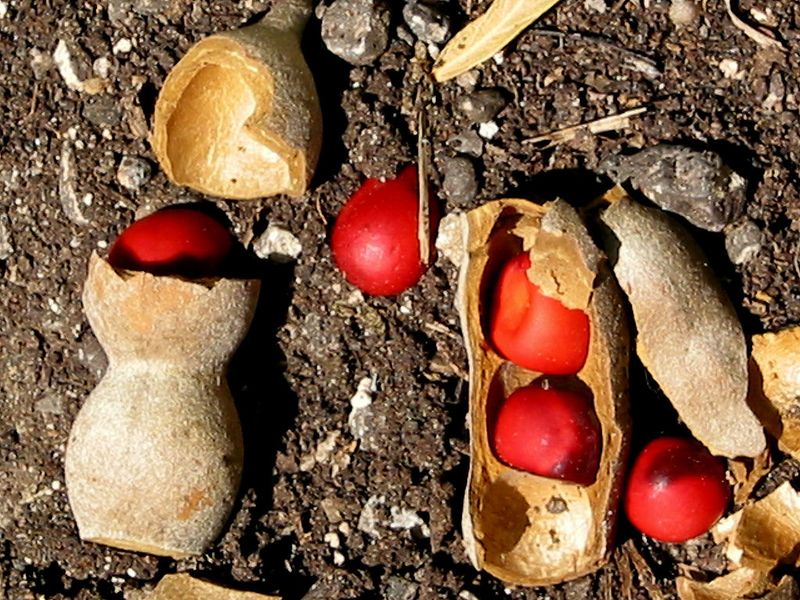
Across Central and South Texas, a native shrub called Texas mountain laurel grows in yards, along roadsides, and in public parks, often admired for its grape-scented purple flowers and vivid red seeds. Those seeds are genuinely dangerous if chewed or swallowed, and they deserve serious attention from any family or pet owner sharing outdoor space with this plant. What the seeds do not contain is a toxin deadlier than rattlesnake venom – that dramatic claim belongs to a different plant entirely, and sorting out the truth matters as much as sounding the alarm.
Meet the Texas mountain laurel
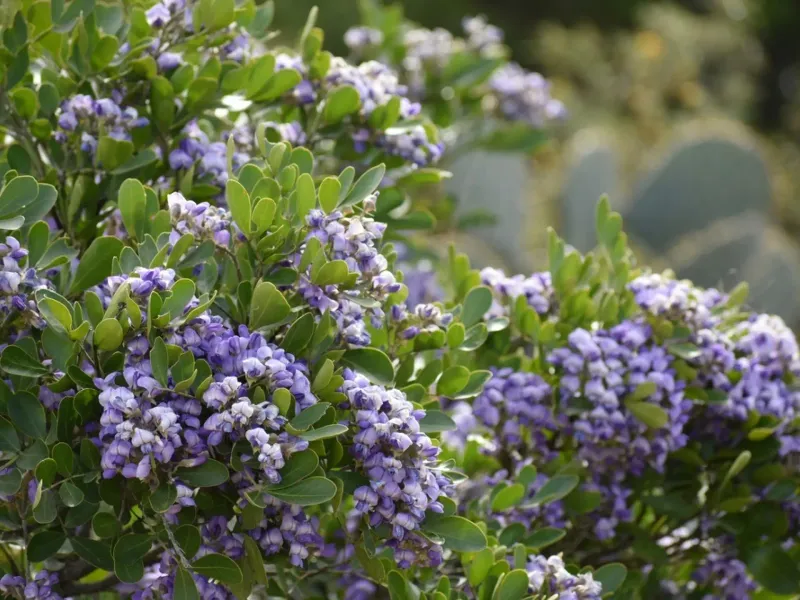
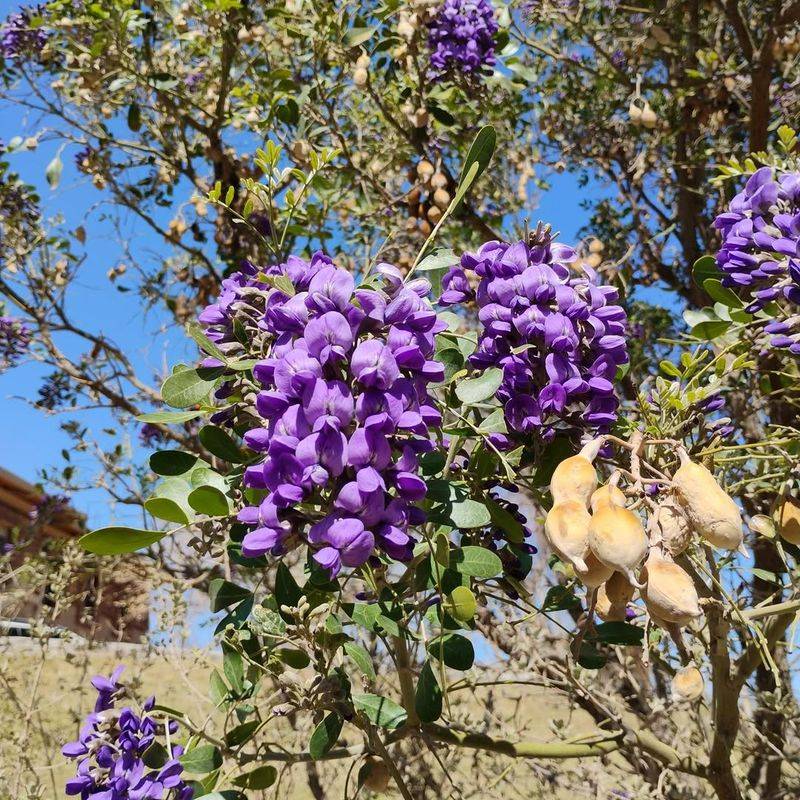
Wander through almost any Hill Country neighborhood or San Antonio park in early spring and you will likely catch a sweet, grape-like fragrance drifting from a compact evergreen. That scent belongs to Texas mountain laurel, known scientifically as Dermatophyllum secundiflorum. Older field guides and some plant databases still list it under the name Sophora secundiflora, so you may encounter both names depending on the source you consult.
According to Texas A&M AgriLife Extension, the plant is native to Central, South, and parts of West Texas and thrives in the rocky limestone soils and punishing summer heat that defeat so many ornamentals. It earns its place in Texas landscapes through exceptional drought tolerance and minimal maintenance demands. Gardeners sometimes train it into a small tree form, but authoritative Texas sources consistently classify it as a large shrub or small tree, and many specimens stay shrub-sized for years.
Visually, the plant offers a full seasonal calendar of features. Purple flower clusters bloom in late winter or early spring before most other natives wake up. The flowers give way to woody, constricted seed pods that dry and split to reveal the plant’s most striking feature: hard, glossy seeds the color of a fire engine. The University of Texas at Austin Plant Resources Center notes that these seeds have historically been used as decorative beads and trade items, which speaks to how visually compelling they are.
The City of Austin plant guide describes it as an excellent choice for low-water landscapes, which explains why it appears so frequently in residential yards, medians, and public green spaces across the region. Not every red-seeded plant in Texas belongs to this species, so look for the combination of evergreen leathery leaves, grape-scented purple flowers, and thick woody pods before assuming an identification.
The red seeds pose the main poisoning risk
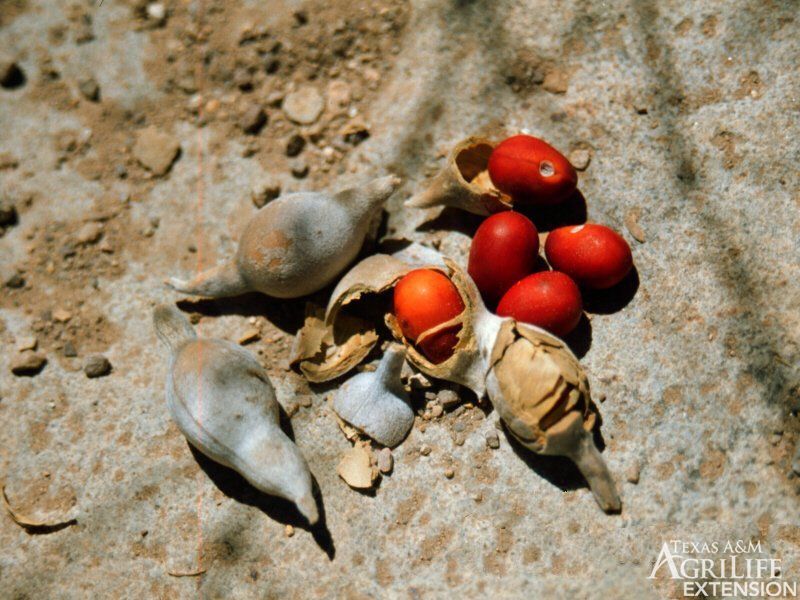
Bright red seeds are nature’s most effective lure for curious hands, and Texas mountain laurel produces them in abundance. The appeal is not lost on children, who may pick them up, roll them around, and eventually put them in their mouths. That sequence is where the real hazard begins.
The seeds contain a class of nitrogen-based compounds called quinolizidine alkaloids. Texas A&M AgriLife Extension identifies these alkaloids as the source of the plant’s toxicity, and chemical research published through PubMed on the alkaloid profile of Sophora secundiflora points to cytisine as the principal compound responsible for neurologic and gastrointestinal effects. Cytisine acts on nicotinic acetylcholine receptors, disrupting normal nerve signaling throughout the body.
The seeds are especially concerning because of how they interact with the digestive system depending on their physical state. Texas A&M notes that intact seeds can pass through a livestock animal’s gut without being fully absorbed, but that observation carries a critical caveat: it should never be treated as a safety guarantee for a child or a pet. Children chew. Pets chew.
Grinding, crushing, or biting into the hard seed coat releases far more of the alkaloid content into the body than swallowing an intact seed whole.
The Arizona Poison and Drug Information Center confirms that the seeds are the plant part of greatest concern for poisoning risk. Other plant parts, including the leaves, flowers, and pods, have not been identified as equally hazardous in the reviewed literature. That distinction matters for risk communication: a child brushing past the shrub or handling a flower is not in the same situation as a child who has chewed a seed. Families with young children or free-roaming pets in yards where this plant grows should treat fallen seeds as a priority cleanup item, especially during the months when pods dry and split open.
What poisoning may look like
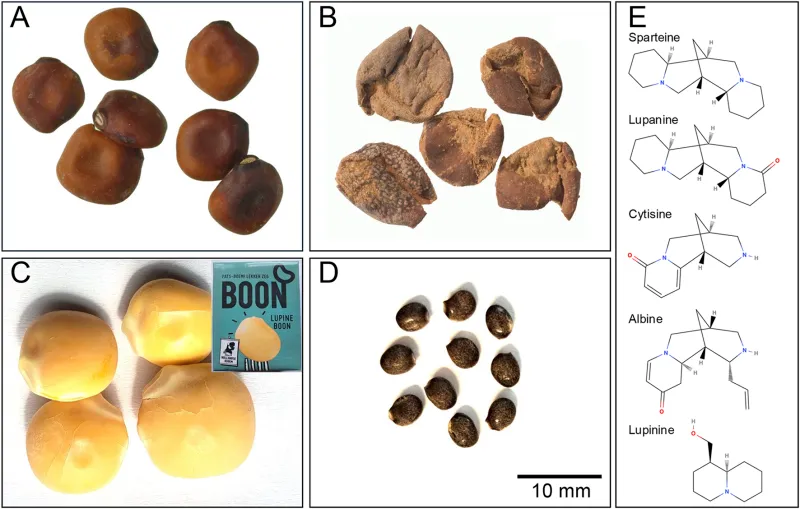
Symptoms of mescal bean ingestion do not always appear immediately, which is exactly why waiting to see how things develop is the wrong response. The quinolizidine alkaloids in the seeds affect both the gastrointestinal system and the nervous system, and the two sets of symptoms can arrive together or in sequence.
Early signs typically include nausea, vomiting, and abdominal discomfort. As alkaloid absorption progresses, neurologic effects can emerge: agitation, dilated pupils, confusion or delirium, and a noticeable loss of muscle tone that may make an affected person appear weak or unsteady. Drowsiness often follows. In more severe cases, the progression can reach seizures or, in the most serious scenarios, paralysis of the respiratory muscles, which represents a life-threatening emergency.
Poison Control’s clinical case report on mescal bean toxicity documents a hospitalized adolescent following intentional ingestion, which illustrates why the exposure deserves urgent professional attention rather than watchful waiting at home. The case also underscores that the effects can be serious enough to require hospital-level care.
Human evidence for mescal bean poisoning is limited compared to other toxic plants with longer clinical records. That limitation means clinicians and poison-control specialists work with incomplete data when estimating outcomes. Practically speaking, it means readers should not assume that every exposure produces dramatic illness, but it equally means no one should assume that a small exposure is automatically harmless. Body size, whether the seed was chewed or swallowed whole, individual sensitivity, and the number of seeds involved all influence what happens next.
No published source establishes a reliable fatal dose for children or adults, and any specific number you may have read elsewhere is not supported by the reviewed medical literature.
Why the rattlesnake comparison is wrong
Headlines claiming that a Texas tree hides a toxin deadlier than rattlesnake venom make for compelling reading, but the comparison does not hold up. Understanding why requires separating two concepts that sound similar but describe completely different biological processes.
Poison and venom are not the same thing. As McGill University’s Office for Science and Society explains, a poisonous substance causes harm when it is ingested, inhaled, or absorbed through the skin. A venomous animal actively injects its toxic compounds through a bite or sting. Texas mountain laurel is poisonous if its seeds are chewed and swallowed.
A Western diamondback rattlesnake delivers venom through a bite. Comparing the two by saying one is deadlier requires specifying the exact toxin, the dose, the route of exposure, and the relevant outcome measure. Without those specifics, a simple potency ranking describes a laboratory experiment, not real-world danger.
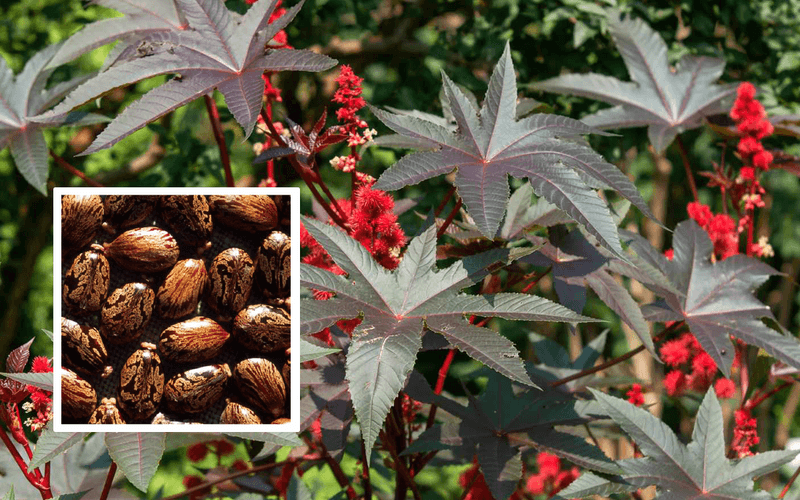
The famous numerical comparison – the one that claims a plant toxin is approximately 12,000 times more poisonous than rattlesnake venom – does not describe Texas mountain laurel at all. According to Guinness World Records, that record belongs to ricin, a protein toxin found in castor bean seeds. Castor beans come from Ricinus communis, a fast-growing annual plant that is native to Africa and naturalized in parts of Texas. It is not the same plant as Texas mountain laurel.
The CDC’s ricin fact sheet describes ricin as a highly potent biological toxin derived from castor beans, and Poison Control’s castor bean article confirms that ricin is released when seeds are chewed or crushed and that castor oil does not contain ricin because the refining process removes it. Attributing ricin’s potency to Texas mountain laurel is like crediting one athlete’s record to a completely different competitor. The seeds of Texas mountain laurel are genuinely dangerous if chewed, and that is reason enough to take them seriously without borrowing a comparison that does not belong to them.
Proximity is different from ingestion

Families who learn that a plant in their yard is toxic sometimes respond by wanting to remove it immediately, or by restricting children from the entire outdoor area. For Texas mountain laurel, that reaction goes further than the evidence supports.
Sitting beneath the shrub, touching its leaves, or walking past it during a backyard game does not represent the documented household danger. Poison Control’s mescal bean guidance focuses consistently on ingestion as the concern, particularly when seeds are chewed. The plant is not described as a contact hazard in the way that, for example, poison ivy produces a skin reaction in most people who brush against it. Ordinary proximity to Texas mountain laurel is not the problem.
The practical prevention message is narrower and more actionable: teach children not to put seeds, pods, berries, or any plant part in their mouths, regardless of how attractive they look. The Texas Poison Center Network’s plant safety guidance emphasizes that supervision of young children around ornamental plants with visually tempting seeds is one of the most effective protective steps a caregiver can take. Bright red seeds are especially compelling to toddlers and preschool-age children, who explore the world partly through taste.
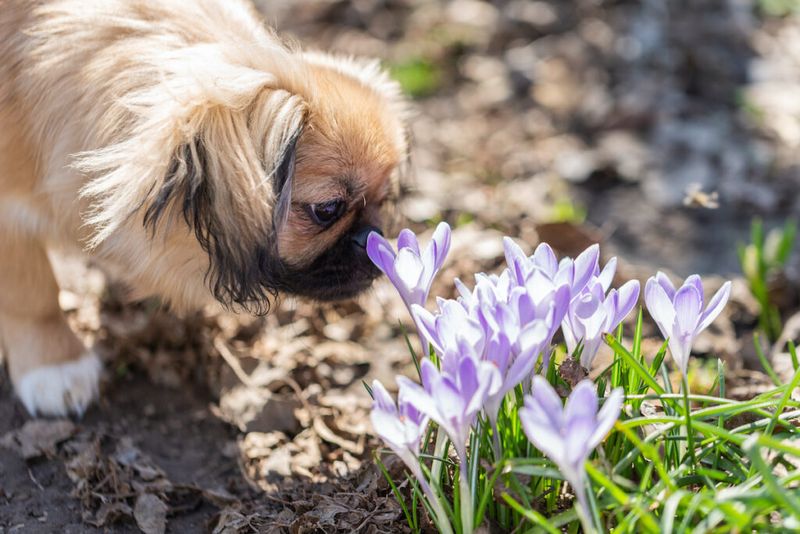
The same prevention logic applies to pets, though the relevant professional to consult for an animal exposure is a veterinarian or a veterinary poison-control service, not the human Poison Help line. Texas A&M’s range plant profile notes toxicity concerns for livestock, and dogs and cats that chew fallen seeds face a comparable ingestion risk. Keeping pets away from fallen seeds and pods, especially during the dry season when pods split and seeds scatter, reduces exposure without requiring removal of the plant from the landscape entirely.
Take separate steps for people and pets
Speed matters more than certainty when someone may have ingested a toxic plant. Waiting to see whether symptoms develop is not a safe strategy with mescal bean seeds, because some effects can be delayed and the window for effective intervention narrows while you wait.
For a person, the first call goes to Poison Help at 1-800-222-1222 in the United States. This line operates around the clock and connects callers to specialists who can assess the exposure, advise on next steps, and determine whether emergency care is needed. Poison Control’s mescal bean case documentation makes clear that ingestion can require hospitalization, which is why professional guidance should come before any home response. Do not induce vomiting.
Unless a poison-control specialist or emergency physician specifically instructs you to do so, inducing vomiting can worsen the situation by increasing alkaloid absorption or causing additional harm.
If you have plant material available, photograph it or set it aside to share with medical personnel, but do not let collecting that evidence delay the call. MedlinePlus poisoning first-aid guidance recommends identifying the substance and reaching out for help promptly, because the type and amount of material ingested shapes the advice specialists give. If you know the plant’s name or can describe the seeds and pods, that information is useful even without a physical sample.
For a pet, the response path is different. The Poison Help number at 1-800-222-1222 is staffed for human exposures. A pet owner should contact a licensed veterinarian or an appropriate veterinary poison-control service. Your regular vet’s office, an emergency animal hospital, or a veterinary-specific hotline can evaluate the exposure and advise on whether the animal needs to be seen immediately.
Do not apply human poisoning guidance to a pet without veterinary direction, and do not offer home remedies while waiting for professional advice. The goal in both cases is the same: get qualified help on the line as quickly as possible and follow their instructions precisely.
Use caution without spreading panic
Texas mountain laurel earns its place in Texas landscapes. It handles triple-digit heat, survives on minimal water, and produces some of the most fragrant flowers of any native plant in the region. Knowing that its red seeds are a genuine ingestion hazard does not require treating the plant as a menace or pulling it from every yard in Central Texas.
What the reviewed evidence actually supports is straightforward: the seeds can poison people and pets if chewed, the risk comes from ingestion rather than proximity, and Texas A&M’s plant profile and Poison Control’s clinical guidance together give families the tools to manage that risk with supervision, education, and prompt professional help when needed. Claiming the toxin is deadlier than rattlesnake venom, as McGill’s science writers explain, collapses meaningful distinctions between poison and venom in a way that generates fear without adding useful information.
Plant recognition, attentive supervision of young children, and a quick call to the right help line when something goes wrong are the tools that actually protect families. A beautiful native plant that you understand is safer than one that has been sensationalized beyond recognition.