

If squirrels and chipmunks keep tearing up your flower beds and stealing your bulbs, you are not alone. These little diggers have strong noses, and that turns out to be their weak spot. Certain scents send them scrambling in the other direction, and most of them come from stuff you already have at home. Below are 20 smells that may help push these busy critters away from the spots where they keep making a mess.
1. Peppermint Oil
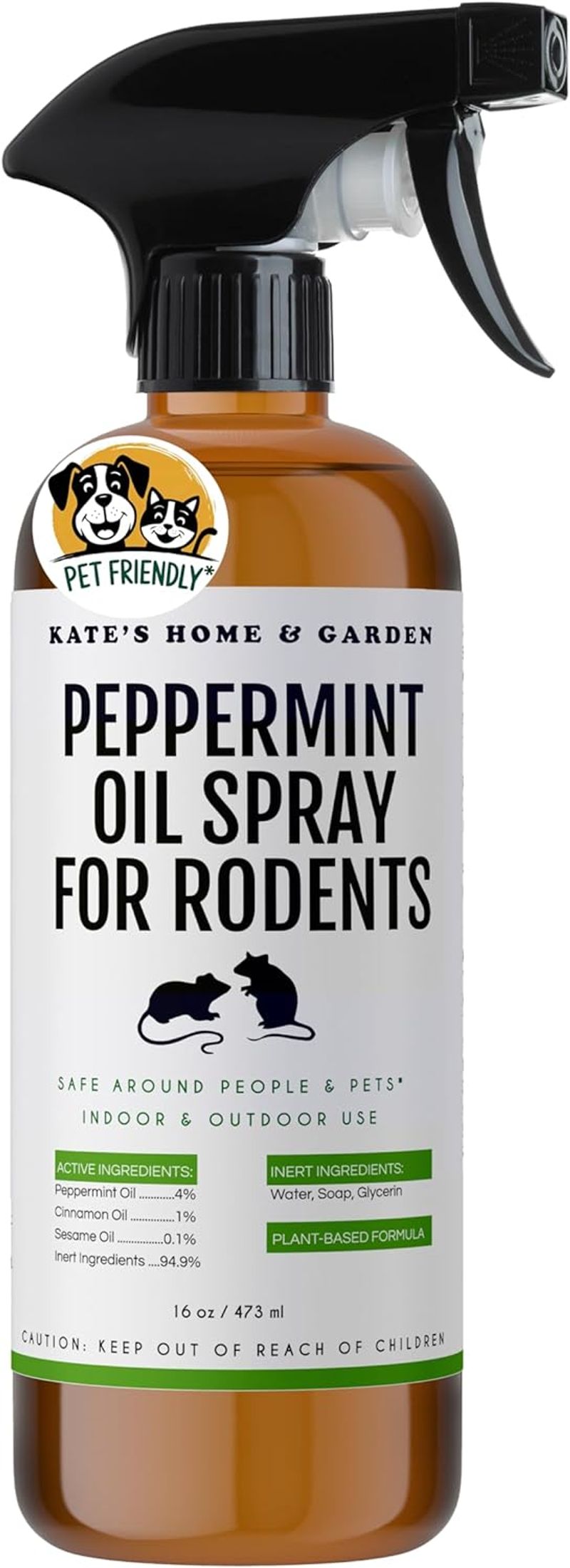
Ask any gardener who has fought back the digging crew, and peppermint often comes up first. The sharp, cooling scent overwhelms a squirrel’s sensitive nose and makes an area feel unwelcoming almost instantly.
A few drops of peppermint essential oil on cotton balls, tucked near bulbs or tucked into flower beds, can create a scent barrier that these animals would rather avoid. Some folks mix ten to fifteen drops with water in a spray bottle and mist the soil, fence posts, and container edges every few days.
Rain washes the smell away, so you will need to reapply after storms or heavy watering. The nice part is that peppermint smells fresh to us while feeling like an assault to a chipmunk.
It works best as one layer in a bigger plan, paired with barriers or motion sprinklers. Keep the oil away from pets who might lick treated cotton, since concentrated essential oils can upset their stomachs. Used carefully, peppermint may help nudge diggers toward calmer corners of the yard, far from your prized plantings.
2. Cayenne Pepper
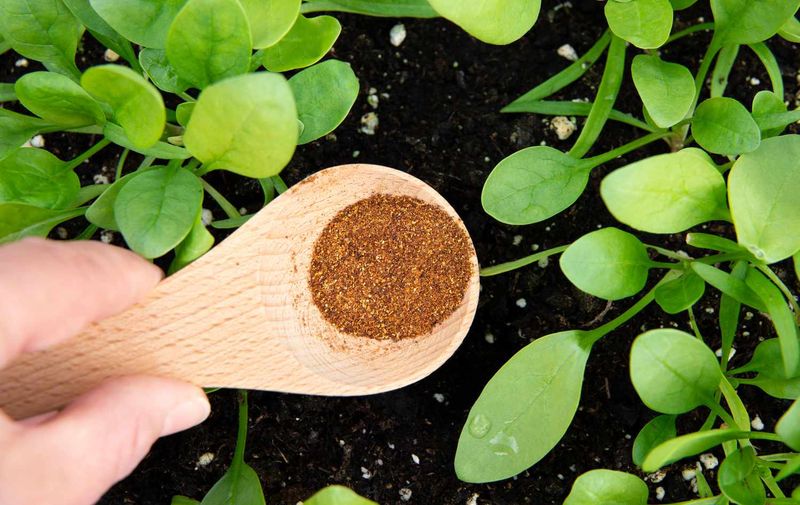
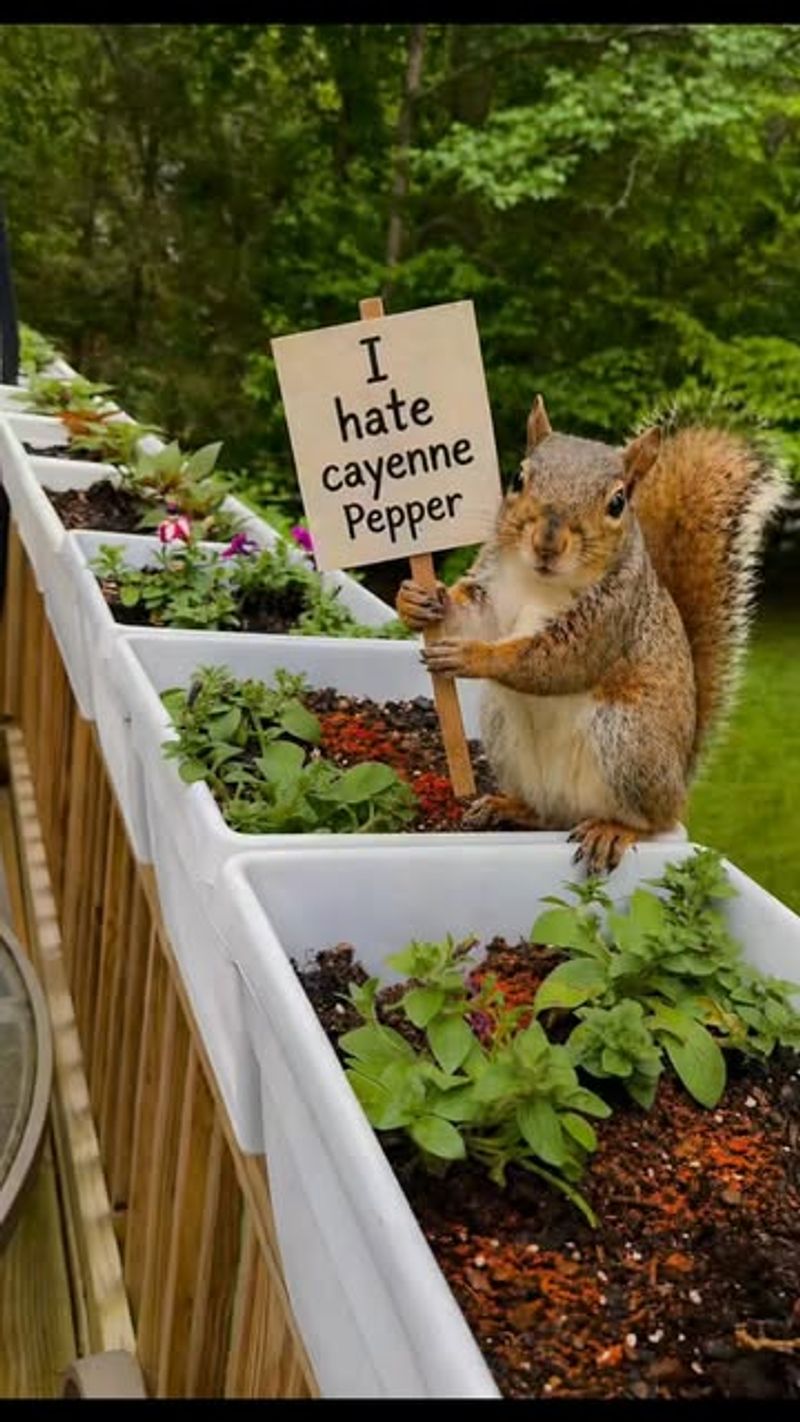
Heat is the whole trick here. Cayenne pepper carries capsaicin, the same fiery compound that makes hot peppers burn, and squirrels absolutely hate the way it stings their nose and paws.
Sprinkling cayenne powder directly over soil, around bulb plantings, or along the edges of raised beds can turn a favorite digging zone into a place they want to leave fast. Because it clings to fur and gets licked off later, the unpleasant memory tends to stick.
Mix a couple tablespoons into a spray bottle with water and a squirt of dish soap so it coats leaves and stems more evenly. Reapply after rain, since moisture dulls the punch.
Birds are not bothered by capsaicin, which is why cayenne is a popular add-in for birdseed meant to stay squirrel free. Keep it away from your own eyes and wash your hands after handling it.
Used along known trails and dig spots, cayenne may help discourage repeat visits without harming the animals, just giving them a spicy reason to wander elsewhere for their snacks.
3. Garlic
Pungent and unmistakable, garlic hits a chipmunk’s nose like a wall it does not want to climb. The strong sulfur smell reads as a warning, and most small rodents steer well clear of anything drenched in it.
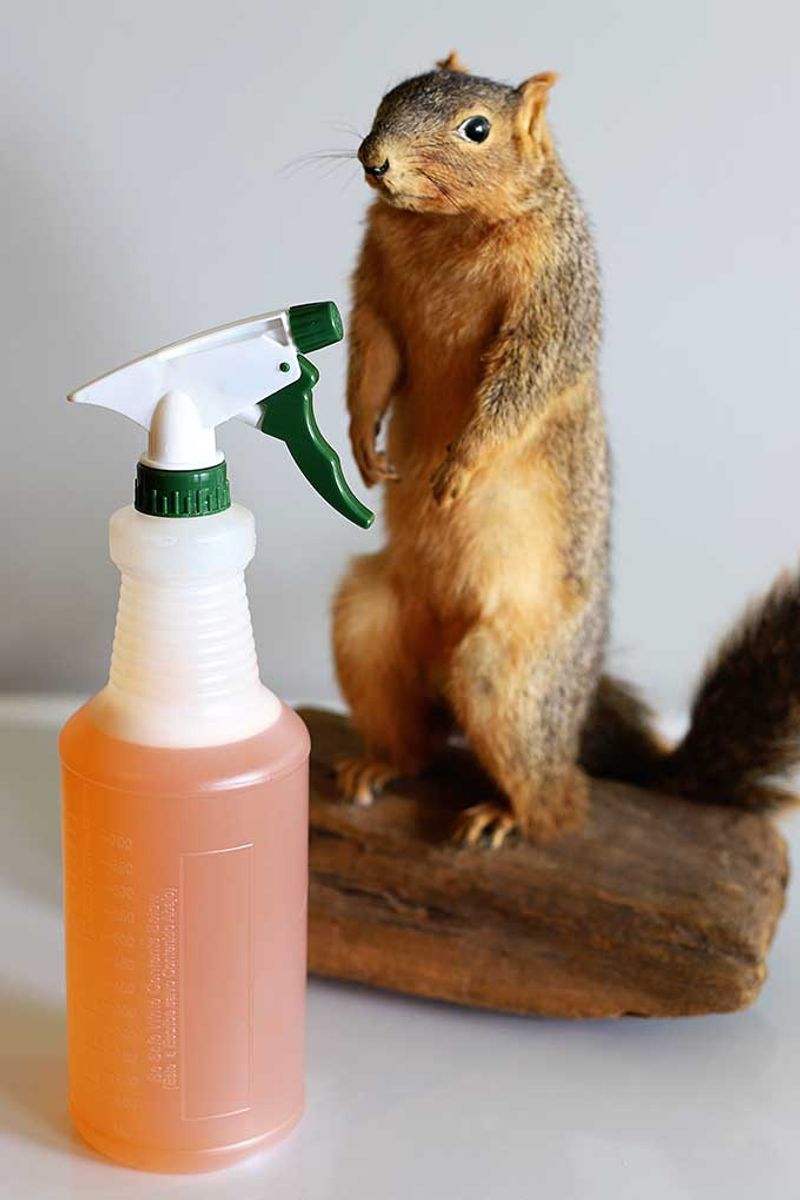
Crush several cloves and steep them in warm water overnight, then strain the liquid into a spray bottle for an easy homemade deterrent. Misting this around the base of plants, along fences, and over trouble spots can make the area smell hostile to sensitive noses.
You can also scatter chopped garlic near burrow entrances or tuck cloves into the soil around bulbs. The scent fades as it dries, so a fresh batch every few days keeps the message loud.
Pairing garlic with hot pepper in the same spray gives you a double punch that many gardeners swear by. It is cheap, easy, and you probably have a bulb in the kitchen right now.
While no smell guarantees a squirrel free yard, garlic often helps tip the odds by making your beds smell far less inviting than the neighbor’s.
4. White Vinegar
Sharp and sour, white vinegar carries a sting that lingers in the air long enough to make squirrels rethink their route. The acidic bite is unpleasant for their delicate sense of smell, and it doubles as a cheap cleaner you already keep under the sink.
Soak rags or cotton balls in undiluted vinegar and place them near dig sites, along deck railings, or by the entrances to burrows. As the smell drifts, it signals that the spot is not the cozy hideout they were hoping for.
Spraying vinegar directly on plants is risky because the acid can burn tender leaves, so aim for soil, gravel, hard surfaces, and containers instead.
The scent evaporates fairly quickly, which means frequent top ups are part of the deal, especially in warm weather. Some gardeners refresh soaked rags every couple of days for steady coverage.
Vinegar will not solve a serious infestation on its own, but as a low cost layer in a wider strategy, it may help keep casual diggers from settling into your favorite beds and planters.
5. Coffee Grounds
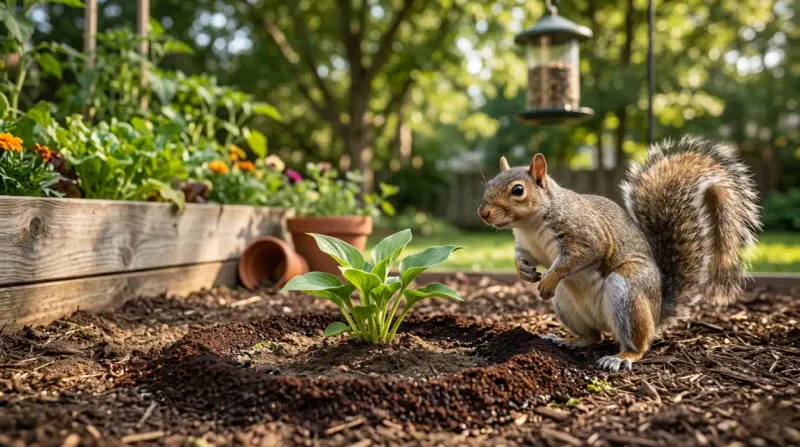
Your morning brew has a second life waiting in the garden. Used coffee grounds give off a bold, bitter smell that many squirrels and chipmunks find off putting, and the gritty texture is not fun for them to dig through either.
Scatter dried grounds over the soil around bulbs, in flower beds, and along the edges of pots where the diggers like to strike. As a bonus, the grounds slowly break down and add a bit of nitrogen to your dirt.
Fresh grounds smell strongest, so sprinkle a new handful every few days to keep the scent alive, especially after rain rinses it away.
Because coffee is free once you have finished your cup, this is one of the easiest deterrents to try without spending a dime. Coffee shops will often hand out used grounds by the bag if you ask.
Do not expect grounds alone to clear out a determined colony, but scattered around problem areas they may help make your beds smell less like a snack bar and more like a place to avoid.
6. Black Pepper
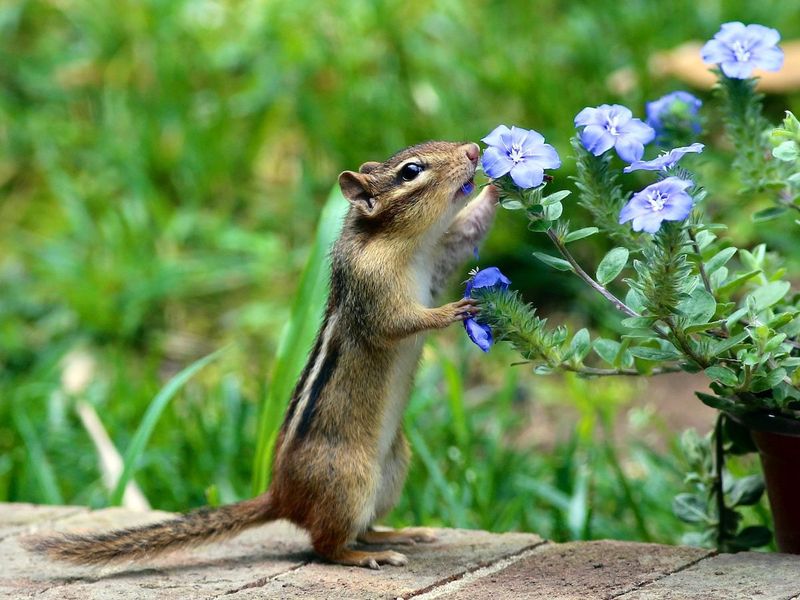
Plain old black pepper from the spice rack packs more punch than you might guess. The fine dust irritates a squirrel’s nose and triggers sneezing, which quickly turns a comfortable digging spot into a place they want to flee.
Dust ground black pepper over the soil around your plantings, along windowsills, and near any holes you have spotted. Because it is so light, a gentle breeze can spread it just where it needs to go.
Mixing black pepper with cayenne creates an even harsher blend that hits sensitive noses from two directions at once. A little goes a long way, so you rarely need more than a light coating.
Rain and wind carry it off, meaning you will refresh it often to keep the effect steady. Keep an eye on windy days so it does not blow back into your own face.
It is inexpensive, always on hand, and completely harmless to your plants. As part of a rotating scent defense, black pepper may help keep curious diggers guessing and out of your best beds.
7. Onion
Slice into an onion and even your own eyes water, so imagine how it feels to a chipmunk with a nose far more sensitive than ours. The sharp, eye stinging aroma makes onions a natural pick for scaring off small diggers.
Cut a few onions into chunks and scatter them around the spots where the critters keep returning, or tuck pieces near burrow openings. You can also boil onion with garlic and hot pepper to brew a triple strength spray for soil and hard surfaces.
The smell fades as the onion dries out, so swap in fresh pieces every couple of days to keep it strong. Old, mushy chunks lose their kick and should be tossed in the compost.
Onions are cheap and probably already in your pantry, which makes this an easy weekend experiment. Pair it with other scents so the animals cannot get used to any single one.
No onion will guarantee a rodent free garden, but a fresh batch tucked into problem zones may help send the digging crew packing toward less pungent territory.
8. Predator Urine (Fox or Coyote)
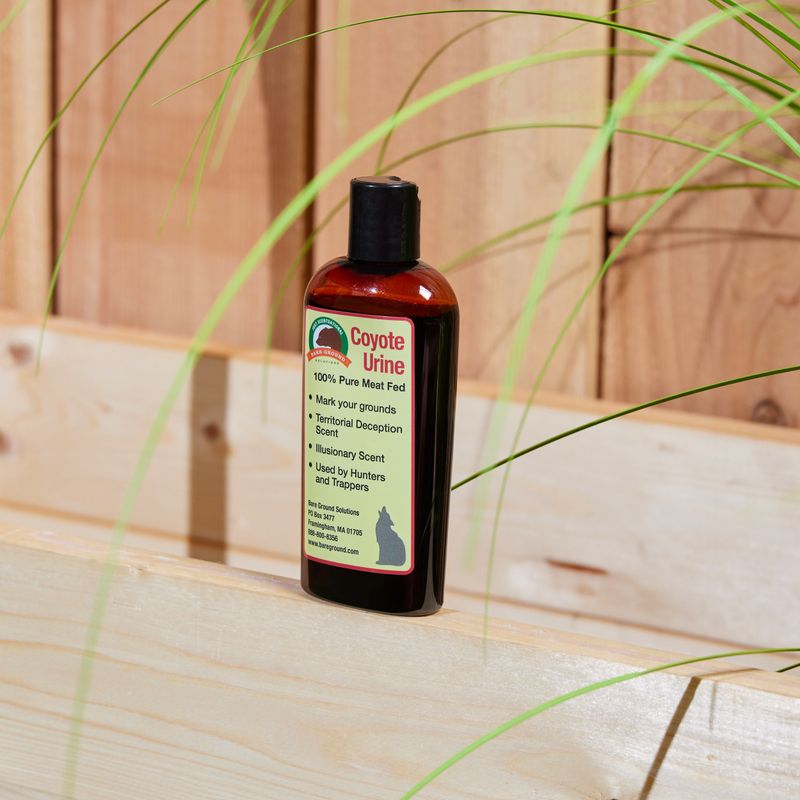
Nothing spooks a squirrel quite like the sense that a hunter is nearby. Predator urine, sold as fox or coyote scent, taps straight into that instinct and tells small animals a dangerous neighbor has moved in.
Sprinkle the granules or spray the liquid around the edges of your garden, near dig spots, and along fence lines to build an invisible fence of fear. The scent triggers a hardwired flight response that no amount of stubbornness easily overrides.
You can find these products at garden centers and hardware stores, usually in shaker bottles or ready to spray form. Reapply after rain, since moisture washes the warning signal away fast.
Because the smell can be strong to humans too, place it near the perimeter rather than right by your patio. Keep it away from areas where pets sniff and dig.
Squirrels may eventually catch on if the phantom predator never appears, so rotate it with other tactics. Even so, predator scent often delivers one of the strongest first impressions in the whole lineup of natural deterrents.
9. Rosemary
Pretty enough to plant on purpose, rosemary hides a secret weapon in its piney, resinous scent that squirrels and chipmunks tend to dislike. The same fragrance that makes it a kitchen favorite reads as a keep out sign to sensitive rodent noses.
Grow rosemary bushes as a living barrier around vegetable beds, or snip sprigs and lay them across the soil where diggers keep striking. Bruising the leaves releases more of the oils and cranks up the smell.
You can also simmer rosemary into a strong tea, let it cool, and spray it over trouble spots for a portable version of the same defense. Refresh sprigs and sprays regularly as the scent mellows over time.
Since it is a hardy herb in many temperate yards, rosemary pulls double duty by flavoring dinner and guarding your plants. Bees and other helpful visitors are not bothered by it.
On its own it is a gentle nudge rather than a hard barrier, yet planted thickly around problem areas rosemary may help keep the digging crowd from settling in for good.
10. Mint Plants
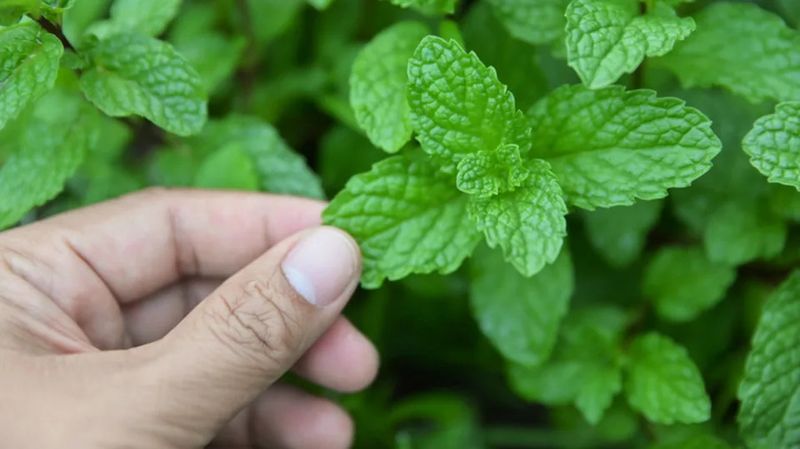
Beyond a bottle of oil, growing living mint gives you a steady, self renewing scent shield right in the beds you want to protect. The plant pumps out that crisp menthol smell all season long, and squirrels would rather not push through it.
Tuck mint into pots or border rows around vulnerable plantings, but keep it contained, because mint spreads fast and can take over a bed if you let it loose.
Every time you brush the leaves or trim them back, a fresh wave of scent fills the air and reminds the local diggers to keep moving. Container planting near doorways and raised beds works especially well.
Unlike sprays that wash off, a healthy mint patch keeps working through rain and heat with almost no effort from you. Snip extra leaves for tea while you are at it.
Mint will not build an impenetrable wall, and hungry critters may still test the edges. Still, a thriving stand of mint around your hot spots may help make the whole area smell too intense for comfortable digging.
11. Marigolds
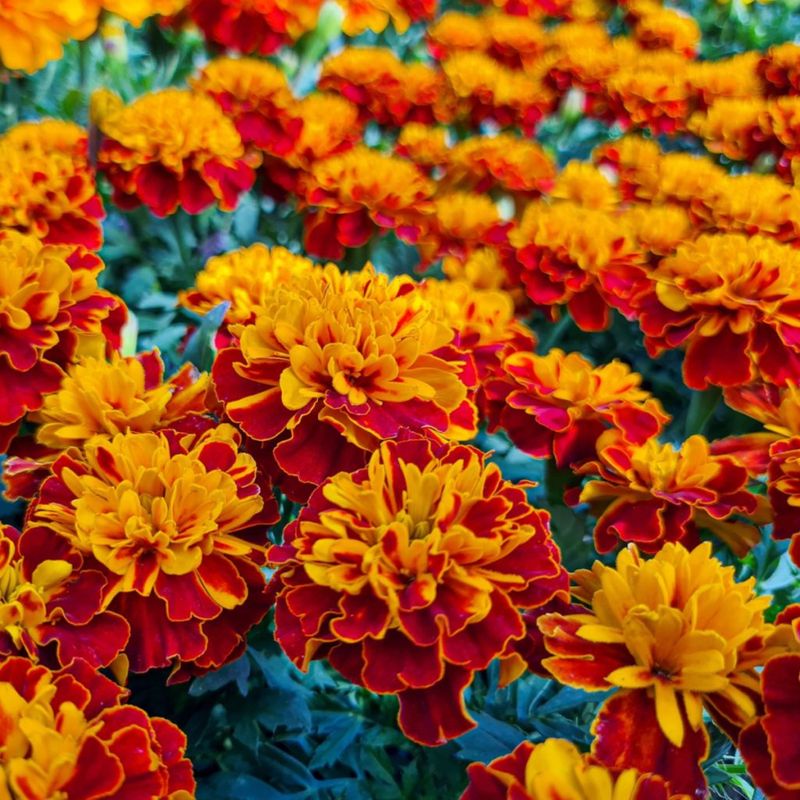
Cheerful orange and gold blooms do more than brighten a border. Marigolds give off a musky, slightly sharp scent from their leaves and flowers that many squirrels and chipmunks find distasteful enough to avoid.
Plant a ring of marigolds around bulbs, vegetables, and containers to build a colorful and fragrant barrier that pests would rather skirt. The bushier the planting, the stronger the wall of scent you create.
Because they bloom for months in warm weather, marigolds keep working through most of the growing season without extra effort. Deadhead spent flowers to keep new blooms and fresh scent coming.
Gardeners have long used them near tomatoes and beans, partly for the smell and partly for the way they discourage certain soil pests too. That makes them a two for one addition.
No flower forms a perfect fence, and a determined squirrel may still slip between plants. Even so, a thick marigold border may help lower the odds of digging while adding a burst of color your neighbors will notice from the street.
12. Cinnamon

Warm and cozy to us, cinnamon comes across as a nose stinging nuisance to small rodents. The spicy powder irritates their sensitive sinuses much like pepper does, making a treated area far less appealing to dig in.
Dust ground cinnamon over the soil around bulbs, along pot rims, and near any freshly dug holes you want them to abandon. A light sprinkle refreshed every few days keeps the scent working.
You can also mix cinnamon into a spray with water for spots where powder blows away too easily. It clings a little better to damp soil after a light misting.
Best of all, cinnamon is completely safe for your plants and even helps discourage certain molds and fungus in the process, so it earns its place twice over.
Rain will rinse it off, so plan to reapply after wet weather to keep the barrier fresh. It is one of the friendlier smelling options for gardeners who dislike harsher sprays.
Used regularly around trouble zones, cinnamon may help steer the digging crew toward someone else’s flower bed.
13. Irish Spring Soap
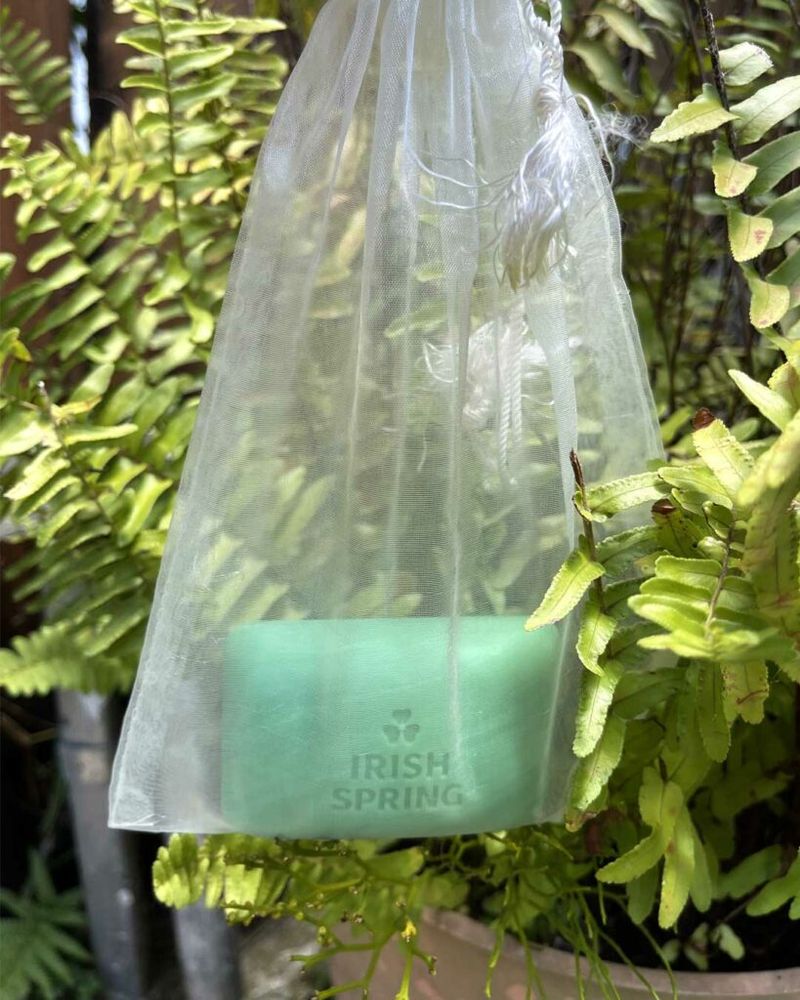
A garden hack that gets passed around backyard fences everywhere involves plain bars of strongly scented soap. Irish Spring, with its bold cologne like fragrance, is a favorite because the powerful smell confuses and repels curious squirrels and chipmunks.
Grate a bar into shavings and scatter them across the soil, or cut chunks and slip them into mesh bags hung near dig spots and along fences. Drilling a hole and hanging whole bars works too.
The scent lingers for weeks, which makes soap one of the lower maintenance options in this whole lineup. You will only need to swap pieces once the smell finally fades.
Rain slowly dissolves the bars, so tucking them under a bit of cover or refreshing them monthly keeps the fragrance strong. Mesh bags let you move the scent around easily as trouble spots shift.
Not every animal reacts the same way, and some bolder squirrels shrug it off. Even so, strongly scented soap scattered through problem areas may help throw off the diggers long enough to protect your bulbs and blooms.
14. Nasturtiums

Edible and eye catching, nasturtiums carry a peppery bite in both their leaves and blooms that does more than season a salad. The mustard oils inside give off a scent squirrels and chipmunks tend to find sharp and unwelcoming.
Plant them as a trailing border around vegetable beds and containers, where their spreading vines double as a fragrant, colorful buffer. The more foliage you grow, the stronger the peppery message.
Because nasturtiums are easy to start from seed and grow quickly, you can fill in trouble zones within a few weeks of planting. They thrive in poor soil, so they will not fuss over conditions.
Some gardeners use them as a trap crop, luring certain bugs away from prized plants while the scent nudges rodents elsewhere. That makes them a clever multitasker in a busy garden.
A single row will not stop a truly determined digger, and hungry critters may nibble a leaf or two. Still, a lush ring of nasturtiums may help make the surrounding beds smell too peppery for comfortable digging while brightening the whole space.
15. Ammonia
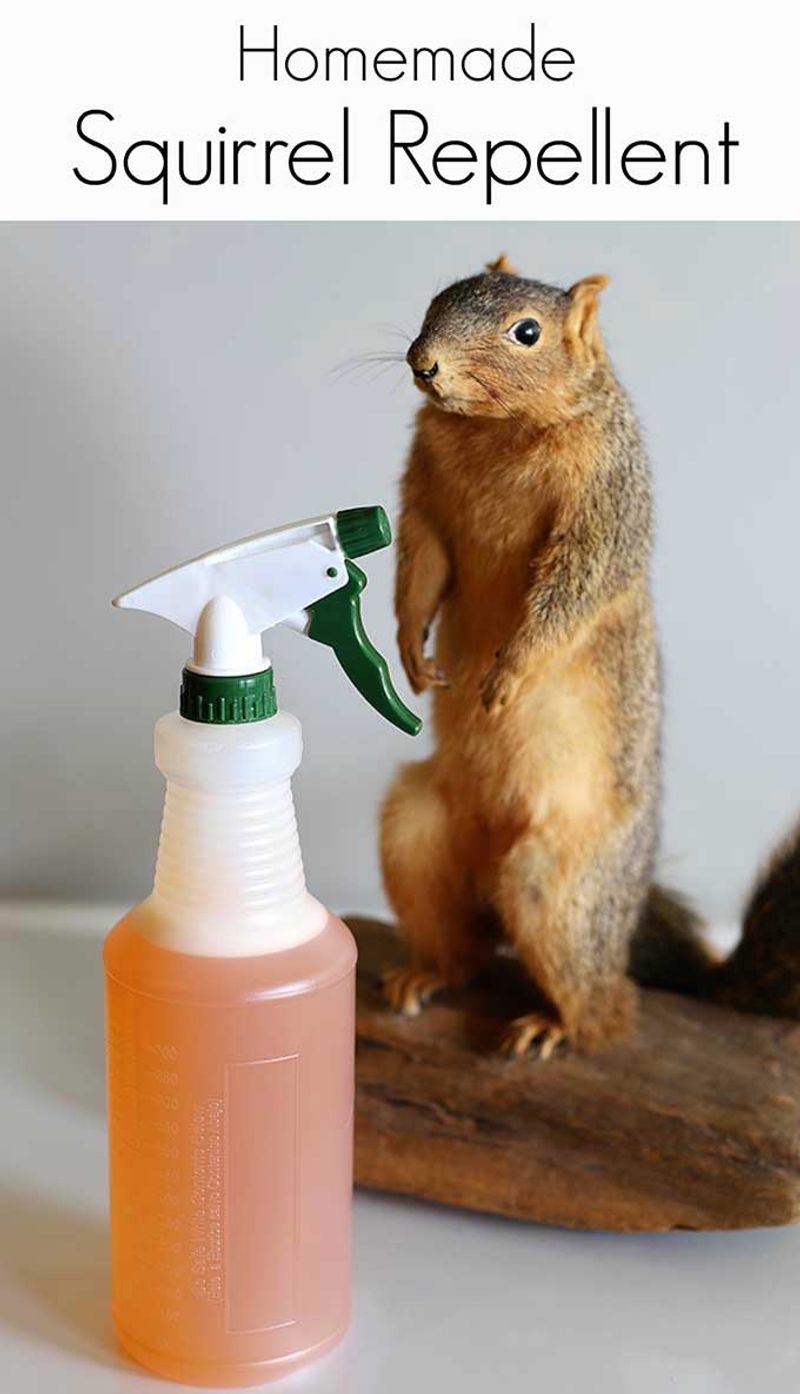
Harsh and instantly recognizable, ammonia mimics the sharp scent of predator waste and screams danger to small animals. That association makes squirrels and chipmunks want to clear out of the area in a hurry.
Soak rags in a diluted ammonia solution and place them inside jars with holes punched in the lids, then set the jars near dig spots and burrow entrances. The holes let the scent escape slowly while keeping the liquid contained.
Never pour ammonia directly on plants or soil you care about, since it can burn roots and foliage and throw off your dirt. Keep it well away from vegetable beds you plan to eat from.
Because the fumes are strong for people too, use gloves and set the jars around the perimeter rather than near seating areas. Keep it out of reach of pets and children entirely.
The scent fades as the rags dry, so refresh them every few days for steady coverage. Handled carefully, ammonia may help convince the digging crew that a hungry predator has claimed the territory as its own.
16. Cloves

Tiny but mighty, whole cloves and clove oil carry an intense, spicy aroma that overwhelms a rodent’s nose far out of proportion to their size. The heavy warmth of the scent reads as harsh and irritating to sensitive sniffers.
Scatter whole cloves across the soil around bulbs and along pot edges, or add several drops of clove oil to a water spray for wider coverage. The oil version spreads the fragrance more evenly across a bed.
Cloves pair beautifully with cinnamon and cayenne for a spice blend that hits diggers from several angles at once. Mixing scents also keeps the animals from getting too comfortable with any single one.
The dry spice loses strength over time, so refresh cloves every week or so, and reapply sprays after rain. A small jar of cloves stretches a surprisingly long way.
Completely plant safe and pleasant to most people, cloves make an easy addition to a natural defense plan. Sprinkled through your problem areas, they may help make the ground smell far too spicy for a squirrel to settle in and dig.
17. Lavender
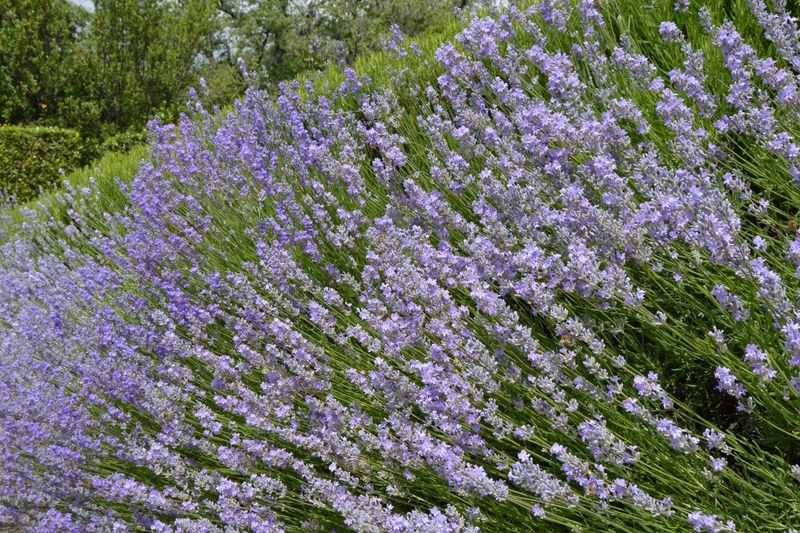
Soothing to humans yet surprisingly off putting to rodents, lavender wraps a garden in a heavy floral perfume that squirrels and chipmunks would rather avoid. The strong essential oils in the plant are simply too much for their delicate noses.
Grow lavender bushes along the borders of beds and pathways where the diggers travel, letting the flowers release scent every time a breeze passes. Dried lavender bundles tucked into containers work too.
You can also mist a lavender oil and water mix over hard surfaces and soil in spots where you keep finding fresh holes. Refresh the spray every few days as the fragrance thins out.
As a hardy perennial in many temperate zones, lavender rewards you year after year while pulling calm, purple beauty into the yard. Pollinators love it even as rodents keep their distance.
It works gently rather than forcefully, so pair it with sharper scents for the toughest trouble spots. Planted thickly around your favorite beds, lavender may help make the surrounding air feel too perfumed for a comfortable digging session.
18. Garlic and Chili Spray
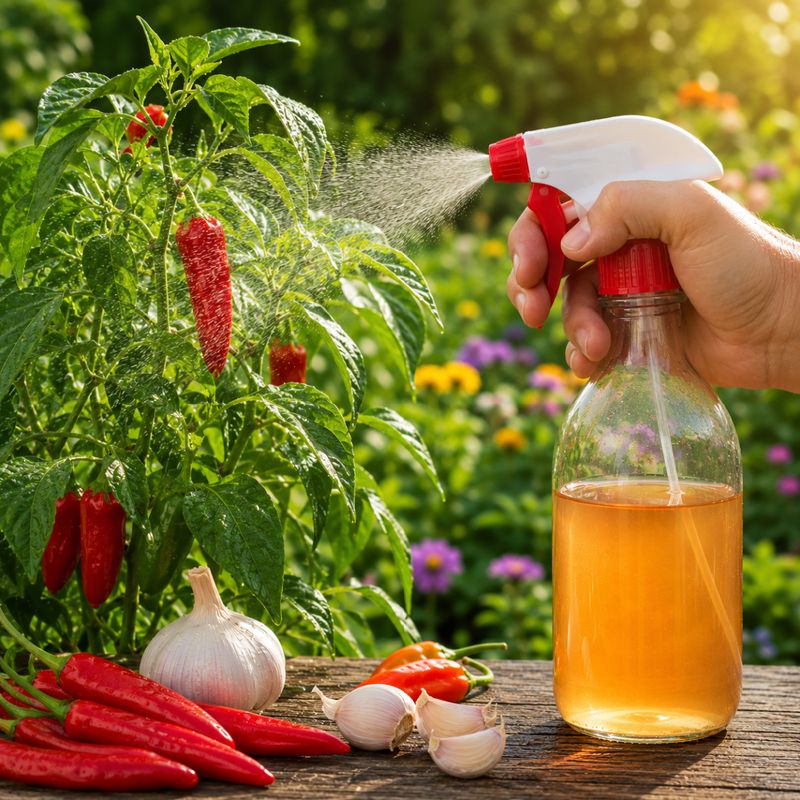
When single scents are not cutting it, gardeners reach for a homemade combo that stacks the odds. Blending garlic with chili peppers creates a spray so pungent and spicy that squirrels and chipmunks want nothing to do with the treated area.
Simmer crushed garlic and chopped hot peppers in water, let it cool, strain out the solids, then add a splash of dish soap to help it cling. Mist the mix over soil, fence lines, and hard surfaces near your trouble spots.
The garlic delivers a sulfur punch while the chili brings the burn, so the diggers get hit by two unpleasant signals at once. That double layer is harder for them to shrug off than either alone.
Wear gloves while mixing and keep the spray away from your eyes, since chili oil stings people too. Store leftovers in a labeled bottle out of reach of kids.
Reapply after rain and every few days for steady results. This spicy brew may help turn a favorite digging patch into a spot the local rodents decide to skip.
19. Dryer Sheets
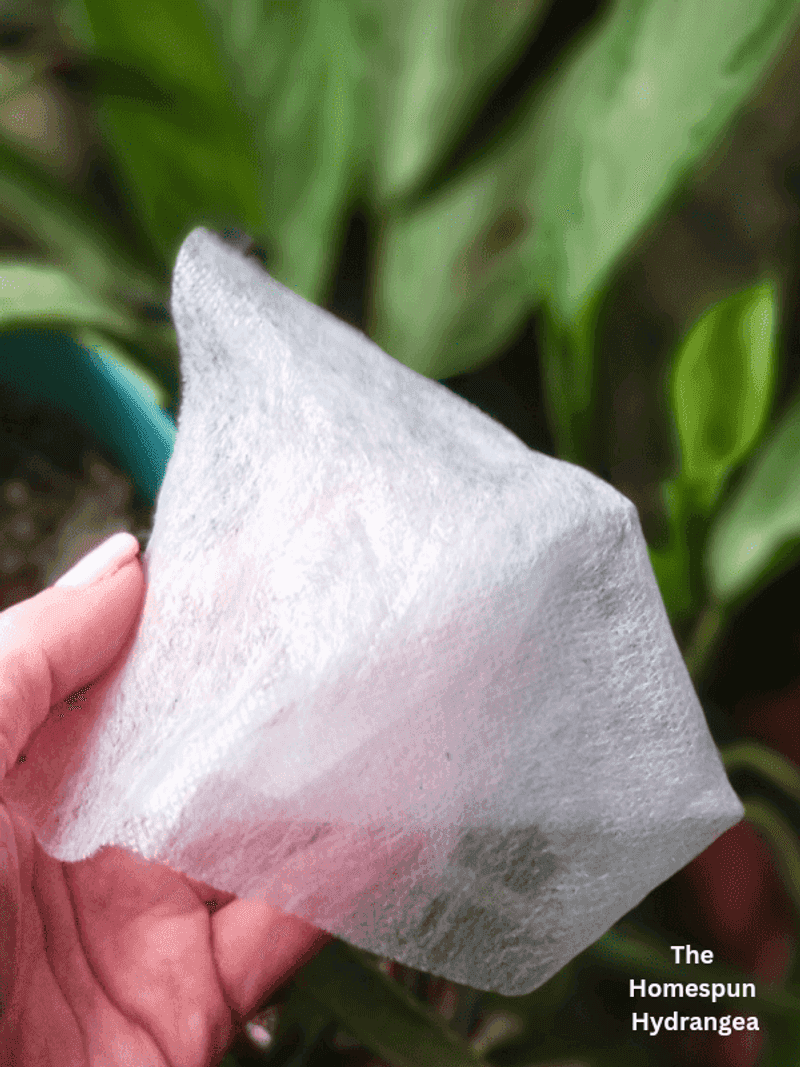
An unexpected tool from the laundry room, scented dryer sheets carry a strong perfume that many small critters cannot stand. The heavy fragrance clings to fabric and lingers, making them a quick fix for spots where squirrels keep digging.
Tuck fresh dryer sheets into planters, weave them along fence rails, or stake them into the soil near bulbs and seedlings. In enclosed spots like sheds or under decks, the smell builds up and pushes rodents back out.
Because they are so easy to place and replace, dryer sheets make a handy stopgap while you set up longer term defenses. Swap them out every few days as the scent fades.
Rain and wind weaken them quickly, so save this trick for covered areas or protected containers where the fragrance can hang around. Weigh them down so they do not blow into the neighbor’s yard.
Results vary, and a bold squirrel may ignore them entirely. Still, as a fast and cheap layer in a bigger plan, strongly scented dryer sheets may help make your problem spots smell too artificial and intense for comfortable digging.
20. Citrus Peels
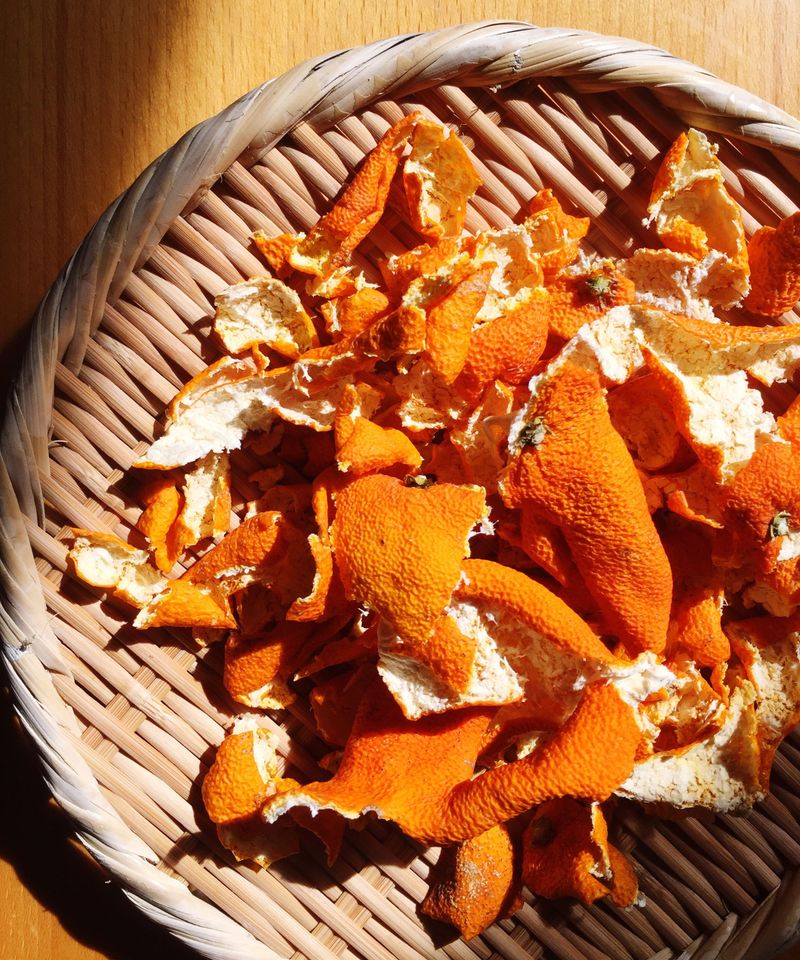
Save those orange and lemon rinds instead of tossing them, because their bright, zesty oils double as a natural rodent turnoff. The sharp citrus scent that smells so fresh to us feels harsh and overpowering to a chipmunk’s nose.
Scatter fresh peels across the soil around bulbs, in pots, and near burrow openings where the diggers keep returning. Scoring or twisting the rinds releases more of the fragrant oils and boosts the effect.
You can also boil peels into a strong citrus water and spray it over hard surfaces and soil for wider, easier coverage. A cooled batch keeps in the fridge for several days between uses.
Since peels are free leftovers from your kitchen, this is one of the most budget friendly deterrents around. It also keeps scraps out of the trash and puts them to work.
Peels dry out and lose their punch within a few days, so swap in fresh ones often to keep the scent alive. Refreshed regularly around trouble zones, citrus peels may help make your beds smell too tangy for the digging crew to enjoy.