
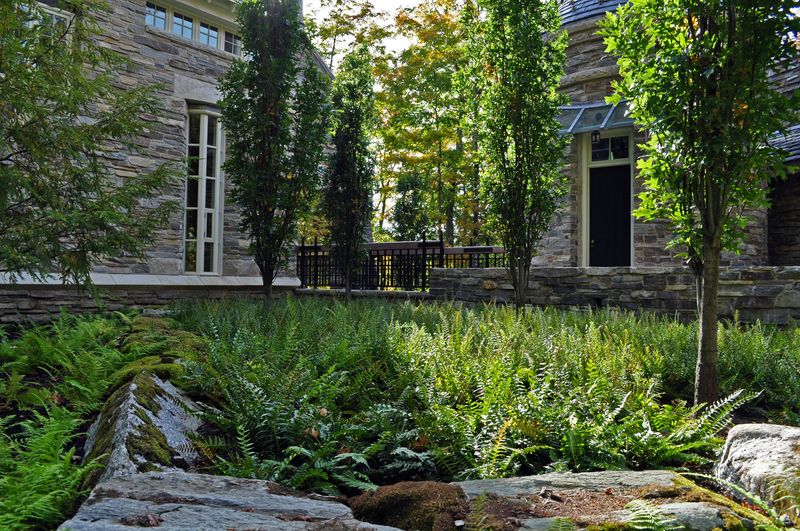
Mulch fades, washes away in summer storms, and needs replacing every single year, which gets old fast when you garden in Florida. Native ground cover plants do the same job better, holding the soil, blocking weeds, and staying green through sandy dirt and blazing heat. The best part is they actually look planned, like a designer laid them out instead of a truck dumping wood chips. Here are eight Florida natives that fill in bare spots, shrug off drought and pests, and give your yard a finished look without the yearly hassle.
1. Sunshine Mimosa (Mimosa strigillosa)
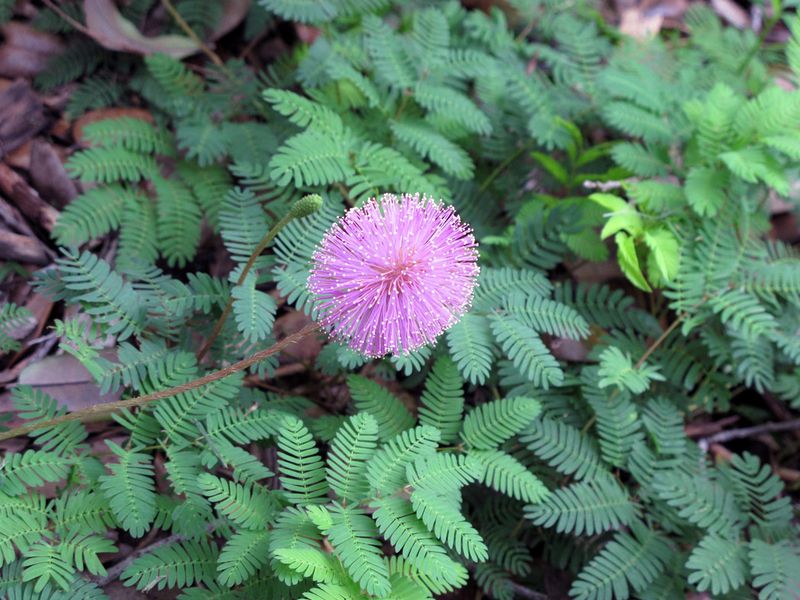
Touch a leaf and watch it fold up on itself within seconds. Sunshine mimosa is the plant that entertains kids and adults alike, and it happens to be one of the toughest ground covers a Florida yard can hold.
Fuzzy pink powder-puff flowers pop up spring through fall, drawing in pollinators without any effort from you. The low mat spreads fast across sandy soil and takes light foot traffic, so some folks use it as a lawn replacement in sunny spots.
Drought barely fazes it once the roots settle in, and it laughs off the July heat that scorches thirstier plants. UF-IFAS lists it as a nitrogen-fixer too, meaning it quietly feeds the soil around it. Give it full sun, water it while it establishes, then mostly leave it alone.
2. Frogfruit (Phyla nodiflora)
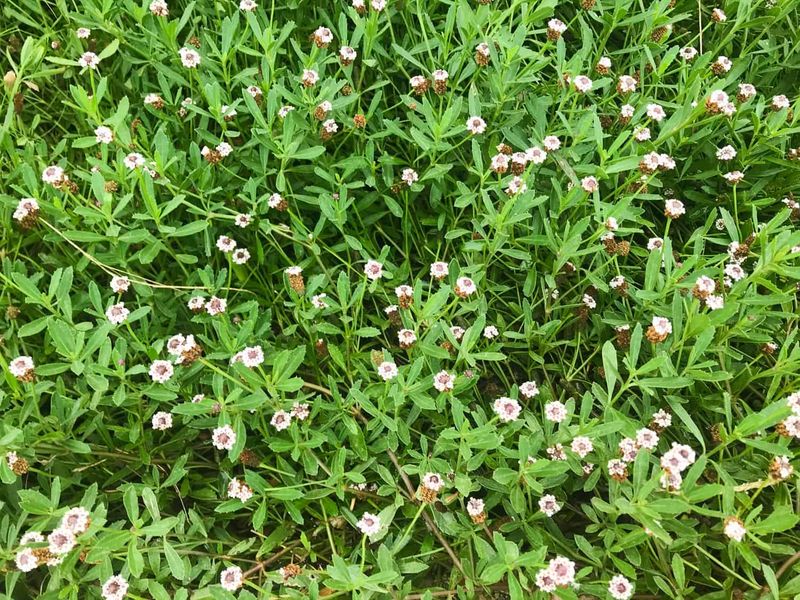
Butterflies treat frogfruit like a roadside diner, and that alone earns it a spot in any Florida yard. Tiny white-and-purple blooms cover this creeping mat almost year-round, feeding several native butterfly species including the white peacock.
What sets frogfruit apart is how it handles wet feet. Areas that flood after summer downpours, or low spots where nothing else survives, are exactly where this plant thrives.
It hugs the ground at just a few inches tall, so it slips between stepping stones and along path edges without looking messy. Mowing is optional, watering is rarely needed after establishment, and pests generally leave it alone. For a yard that swings between soggy and bone-dry, few natives are this forgiving.
3. Beach Sunflower (Helianthus debilis)
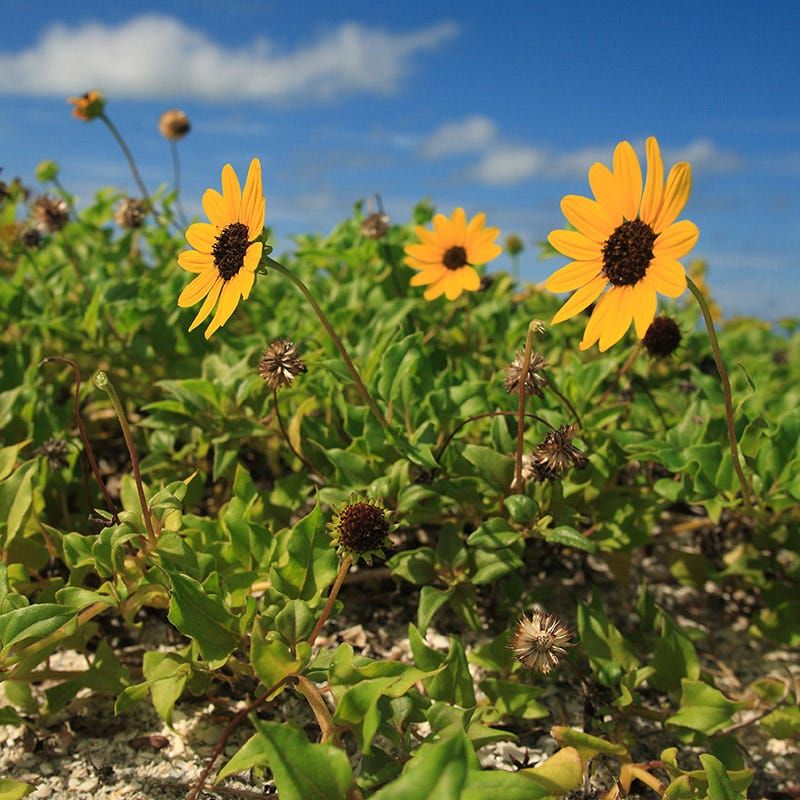
Salt spray, blasting sun, and pure sand are a death sentence for most plants, yet beach sunflower treats those conditions like a vacation. Coastal gardeners lean on it hard because it colonizes the harshest, driest ground and rewards them with cheerful yellow blooms nonstop.
Each flower looks like a miniature sunflower, and the sprawling growth knits together into a bright carpet that suppresses weeds. Bees and butterflies show up in numbers, keeping the whole scene buzzing.
Because it reseeds itself readily, one planting tends to expand and fill gaps on its own. Fair warning though, it can spread with enthusiasm, so give it room to roam. In a sun-baked front yard or a sandy slope that erodes, this native holds ground beautifully and asks for almost nothing in return.
4. Perennial Peanut (Arachis glabrata)
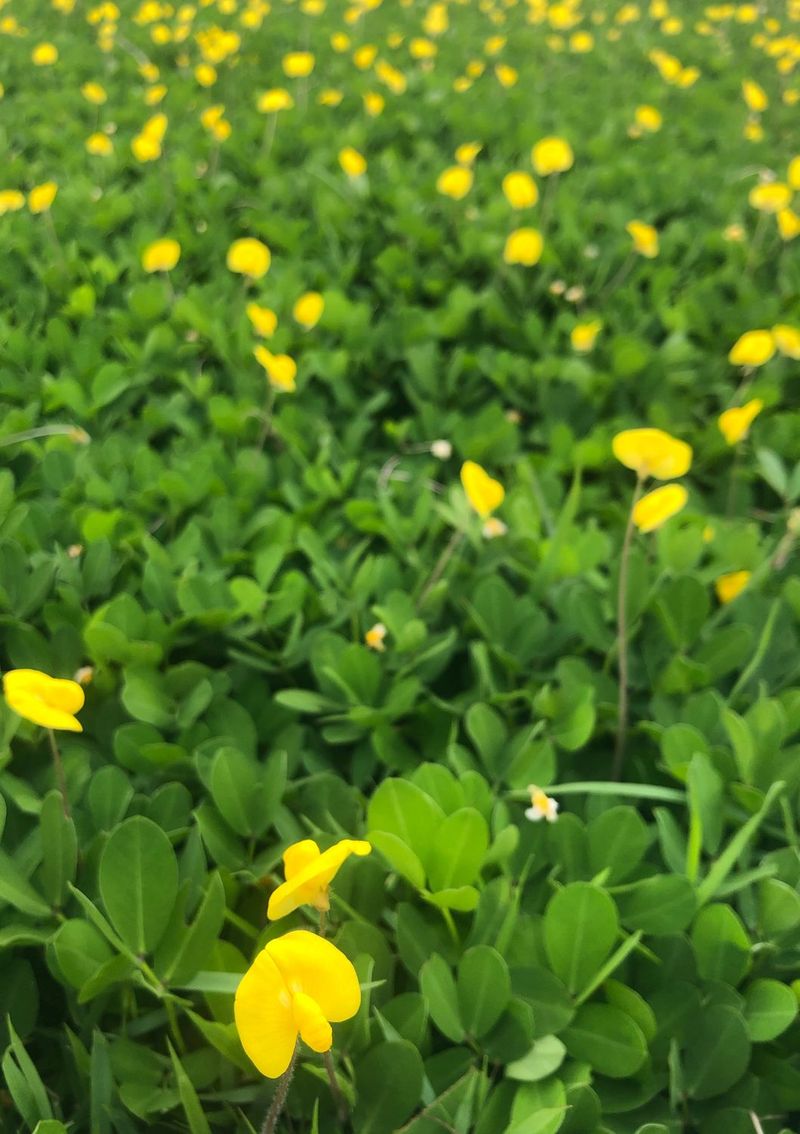
Golfers noticed it first. Perennial peanut earned a following on Florida golf courses and roadsides before homeowners caught on, and now it is one of the most requested lawn alternatives around.
Bright yellow flowers dot a dense, deep-green carpet that stays lush through drought and shrugs off the summer heat that browns out St. Augustine grass. Because it fixes its own nitrogen, you can skip the fertilizer routine entirely.
The mat grows thick enough to choke out weeds and holds up to occasional foot traffic, so it works as a no-mow lawn in full sun. Roots run deep, which helps it survive dry spells and stabilize sandy ground. Once established, it is about as close to set-and-forget as a living ground cover gets in this state.
5. Coontie (Zamia integrifolia)
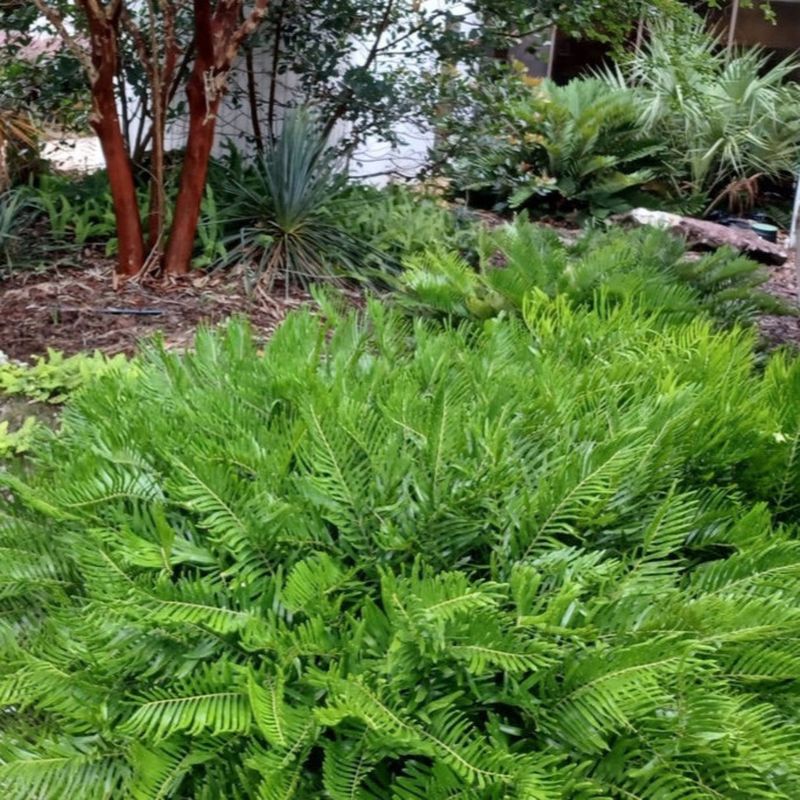
Dinosaurs would recognize this one. Coontie is an ancient cycad, Florida’s only native cycad in fact, and it brings a sculptural, almost prehistoric look to a planting bed.
Stiff, glossy fronds fan out in tidy rosettes that read as intentional and designed rather than wild. Group several together and you get a low, structured mass that never needs mulch to look finished.
Coontie handles sun or shade, sandy soil, drought, and even salt, making it one of the most adaptable natives on this list. It is also the sole host plant for the rare atala butterfly, so growing it does real conservation work.
Slow growth means it stays put and rarely needs pruning. Plant it and it may outlive you, which is exactly why it feels like a permanent piece of landscape architecture.
6. Twinflower (Dyschoriste oblongifolia)
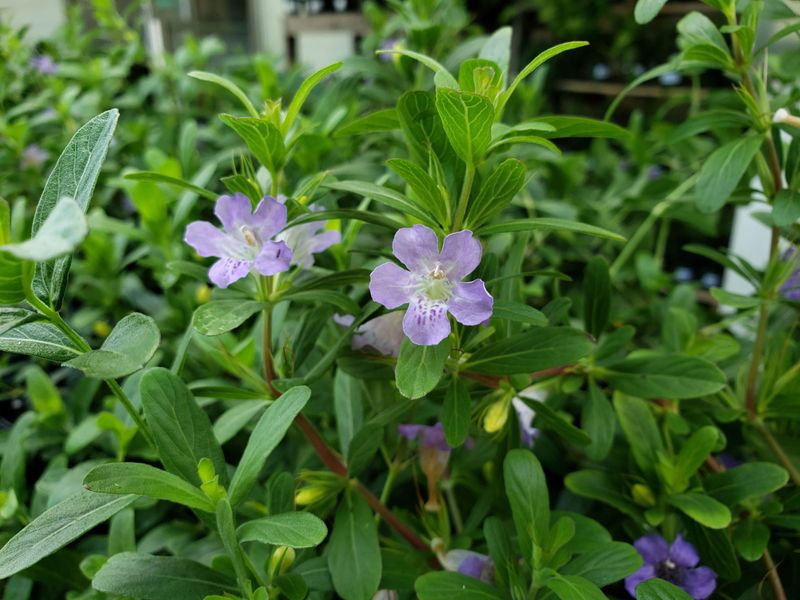
Quiet and underrated, twinflower rarely makes the flashy plant lists, but gardeners who use it end up obsessed. Soft lavender-purple blooms rise above a low, spreading carpet from spring into summer, giving a gentle wash of color where you least expect it.
It handles partial shade far better than most sun-loving ground covers, so those tricky spots under oaks or along the north side of the house finally get a solution. Sandy, dry soil suits it just fine.
Buckeye butterflies use it as a host plant, and pollinators drift through the flowers all season. The growth stays modest and neat, filling in gaps without swallowing neighboring plants. If you want a well-behaved native that layers color into a designed bed, twinflower quietly delivers.
7. Mimosa-Leaved Sunshine and Dune Sunflower Alternative: Railroad Vine (Ipomoea pes-caprae)
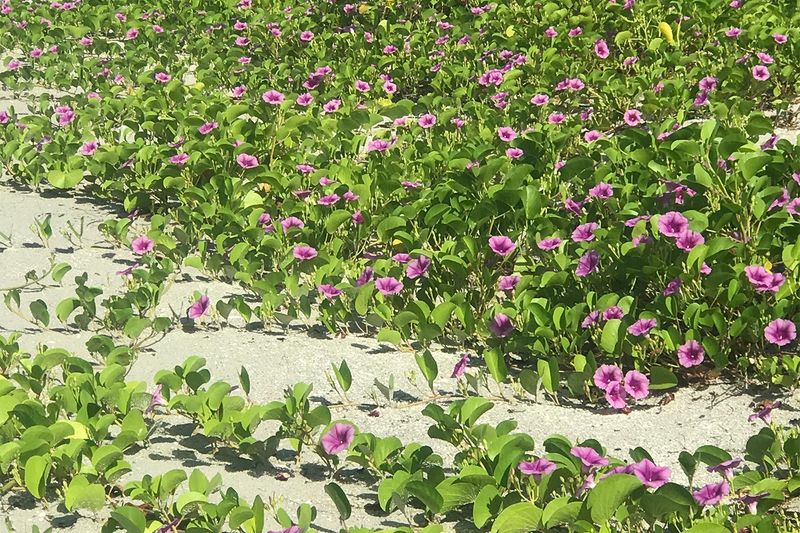
Named for the way it races along the sand like railroad tracks, railroad vine is a coastal powerhouse that eats up bare ground with astonishing speed. Long runners stretch across dunes and sandy yards, anchoring loose soil against wind and erosion.
Morning-glory-style pink and purple flowers open through the warm months, adding a tropical, effortless charm. The thick, kidney-shaped leaves resist salt spray and the harshest coastal sun without flinching.
For beachside properties battling erosion after storms, this native is a frontline defender that recovers quickly once conditions calm. It does spread vigorously, so it shines most in large open areas rather than tight beds. Where you need fast, dependable coverage on sandy, storm-battered ground, few plants move in as confidently.
8. Wild Petunia (Ruellia caroliniensis)
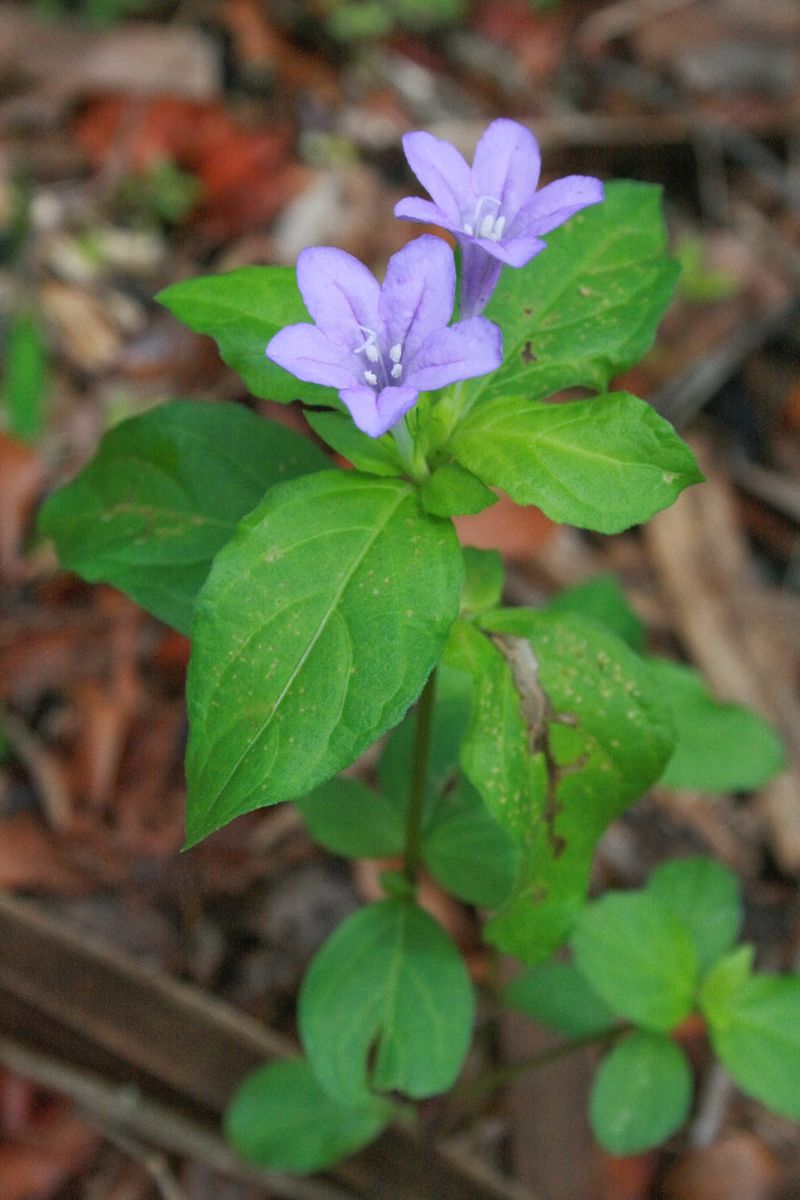
Do not confuse it with the invasive Mexican petunia that troubles so many Florida yards. Wild petunia is the well-mannered native cousin, and it belongs in gardens where the imposter absolutely does not.
Trumpet-shaped lavender flowers open fresh each morning, a small daily gift that repeats through the warm season. The plant stays compact and clumping, weaving through beds and borders without any aggressive takeover.
Drought, sandy soil, and both sun and light shade suit it well, so it slots into spots where fussier flowers give up. Pollinators love the blooms, and it self-sows just enough to fill in naturally over time. For a splash of designed color that behaves itself and thrives on neglect, this native earns its place at the finish of the list.