 Complete Gardening
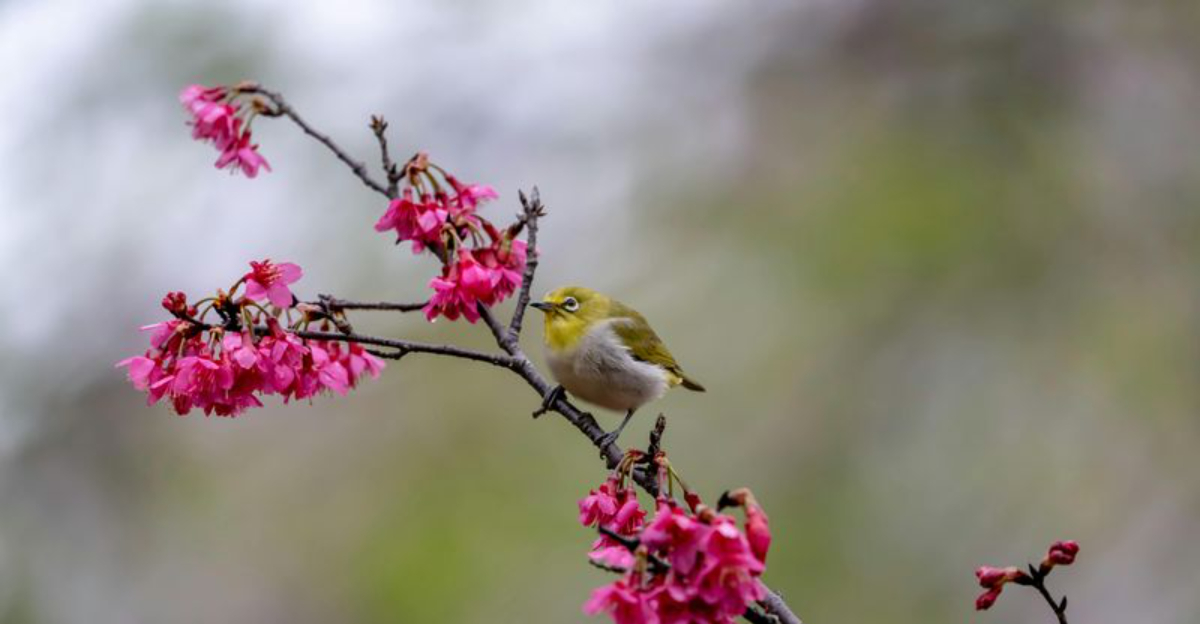
Spring is when gardens come alive again. Flowers begin to bloom, soil warms up, and birds return with their morning songs. But along with all that beauty comes a reality many gardeners don’t expect.
When spring hits, your backyard suddenly becomes prime real estate for wildlife.
From birds and bees to squirrels and insects, your garden can quickly turn into a busy ecosystem. And while that might sound like trouble, the truth is a little more complicated.
Your Garden Is Part of a Bigger Ecosystem
Many gardeners think of their yard as a controlled space. But once plants start growing again, animals see it very differently.
To wildlife, your garden can offer:
- Food sources
- Shelter and nesting spots
- Water from irrigation or rain
- Protection from predators
In other words, your carefully planted space may look like the perfect habitat.
Not All Garden Visitors Are a Problem
The first surprise many people experience in spring is just how many animals show up. But a large portion of them actually help your garden thrive.
Some beneficial visitors include:
- Bees and butterflies, which pollinate flowers and crops
- Birds, which eat many pest insects
- Ladybugs, which feed on aphids
- Earthworms, which improve soil structure
Without these helpers, gardens would struggle much more with pests and poor soil health.
Why Spring Brings the Most Activity
Spring is breeding season for many species. Birds build nests, insects reproduce, and small mammals search for reliable food sources.
Fresh plant growth also attracts herbivores like rabbits, deer, and squirrels. Young shoots and tender leaves are especially appealing.
This sudden burst of life can make your yard feel much busier almost overnight.
The Balance Every Garden Needs
Trying to eliminate all wildlife rarely works and often backfires. A garden that supports balanced biodiversity usually ends up healthier.
Instead of removing wildlife entirely, many gardeners focus on gentle management strategies such as:
- Protecting seedlings with simple barriers
- Growing a variety of plants
- Creating small wildlife-friendly areas away from vegetables
- Avoiding harsh pesticides that harm beneficial insects
These approaches encourage helpful species while limiting the damage from problem ones.
What Experienced Gardeners Already Know
Seasoned gardeners understand that a living garden always attracts life. The goal isn’t perfect control – it’s balance.
When birds hunt insects, bees pollinate flowers, and soil organisms recycle nutrients, your garden becomes stronger and more resilient.
The Real Secret of a Thriving Backyard
Spring reveals the truth that many new gardeners don’t expect: your backyard isn’t just yours.
It’s part of a larger natural network where plants, animals, and soil life interact constantly. Once you learn to work with that system rather than against it, your garden often becomes healthier, more productive, and far more interesting.
Sometimes the busiest gardens are also the most successful ones.