
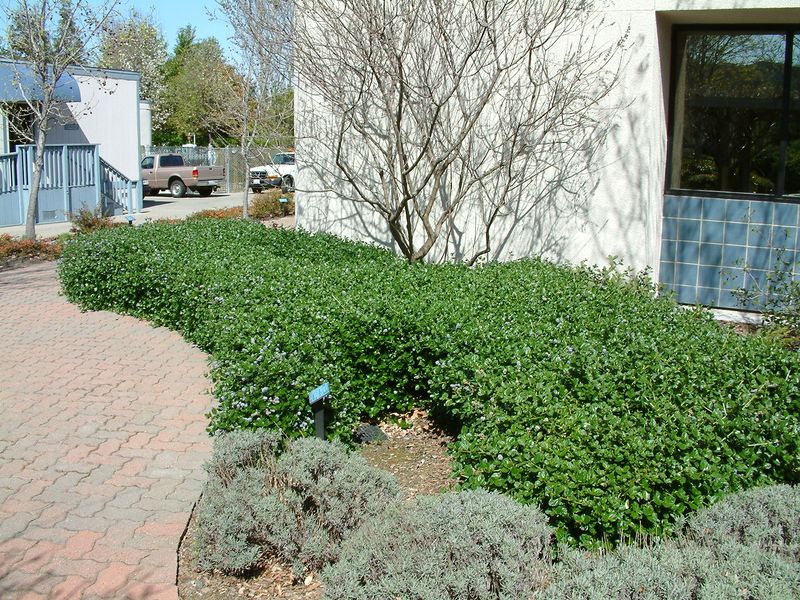
Many California homeowners plant thick ground cover to stop weeds, then wake up to shredded seedlings and silver slime trails. The problem is that some popular covers, like ivy and dense succulents, stay damp and shady underneath, which is exactly where snails and slugs love to sleep.
The good news is that plenty of water-wise ground covers knit together tightly enough to block weeds while staying dry, airy, or tough enough that these pests tend to move on. Here are eight smart picks that can clean up your beds, save water, and still feed bees and other wildlife.
1. Creeping Thyme
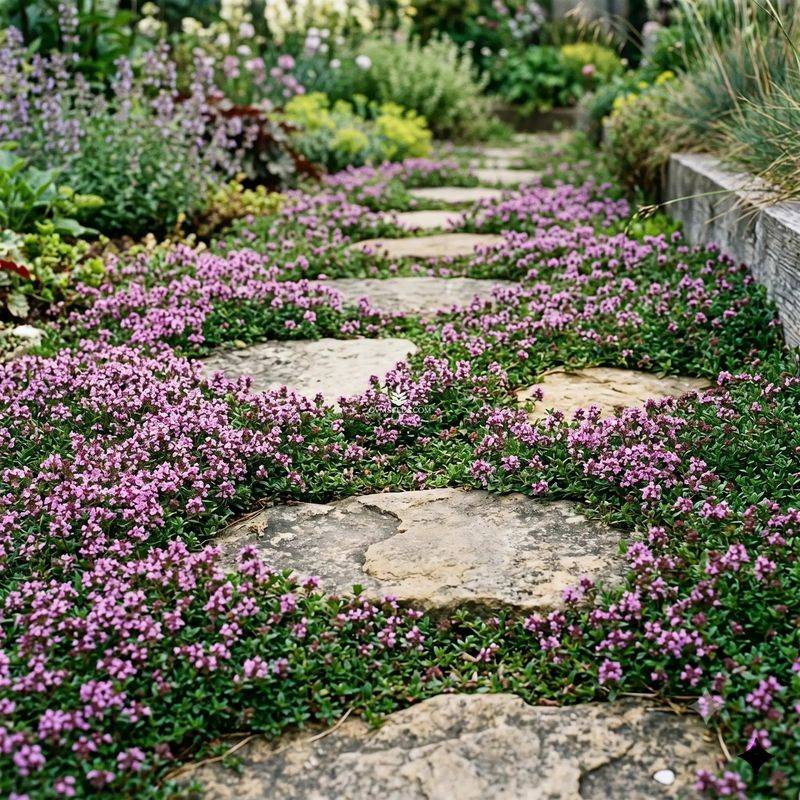
Step on it and you get a whiff of a Mediterranean hillside. Creeping thyme forms a flat, fine-textured mat that sits only an inch or two tall, so there is almost no cool hollow underneath for a slug to tuck into.
The aromatic oils in its leaves may also help discourage soft-bodied pests from munching. Weeds struggle to push through once the mat fills in, usually within one or two seasons in full sun.
Use it between pavers, along dry paths, or in small lawn-free patches. Water deeply but rarely, since soggy soil is the one thing that makes thyme sulk and invites trouble.
2. Dwarf Coyote Brush
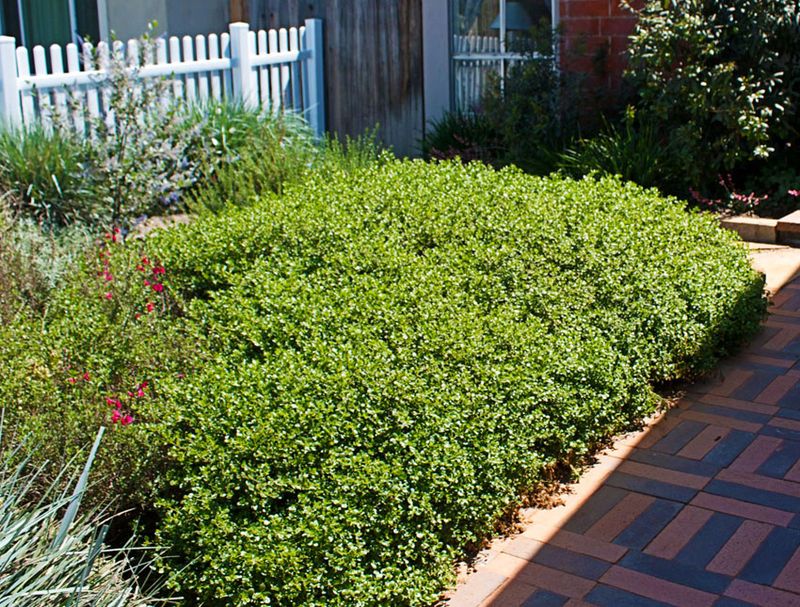
Here is a true California native that laughs at drought. Dwarf coyote brush, especially selections like Pigeon Point and Twin Peaks, spreads into a low, evergreen carpet that can cover several feet of slope per plant.
Its stiff, slightly resinous leaves are not a slug favorite, and the canopy stays fairly open at the base once established. Weeds get shaded out, while native insects and small birds use it for cover.
Once rooted, it often needs only occasional summer water in coastal and inland valley yards. A light trim every few years keeps it tidy and avoids woody buildup near structures in fire-prone areas.
3. Creeping Rosemary
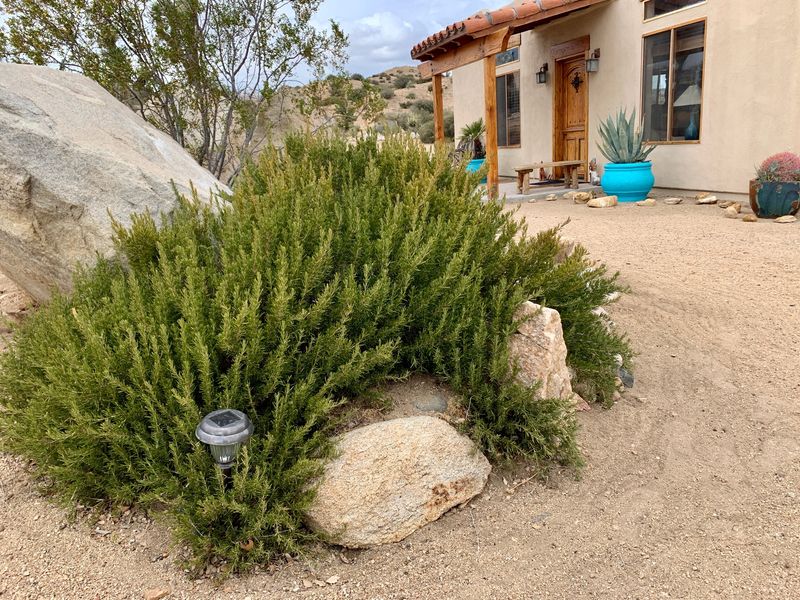
Ever noticed how snails rarely chew on rosemary? The needle-like leaves are tough and packed with strong oils, which many gardeners find keeps slugs and snails from lingering.
Trailing types such as Huntington Carpet spill over walls and banks, forming a woody mat that blocks sunlight from weed seeds. Winter and spring blooms give early bees a welcome meal.
Plant it where drainage is sharp and summer sun is intense. Skip heavy mulch right against the stems, and give it room, because one plant can stretch four to eight feet.
4. Silver Carpet
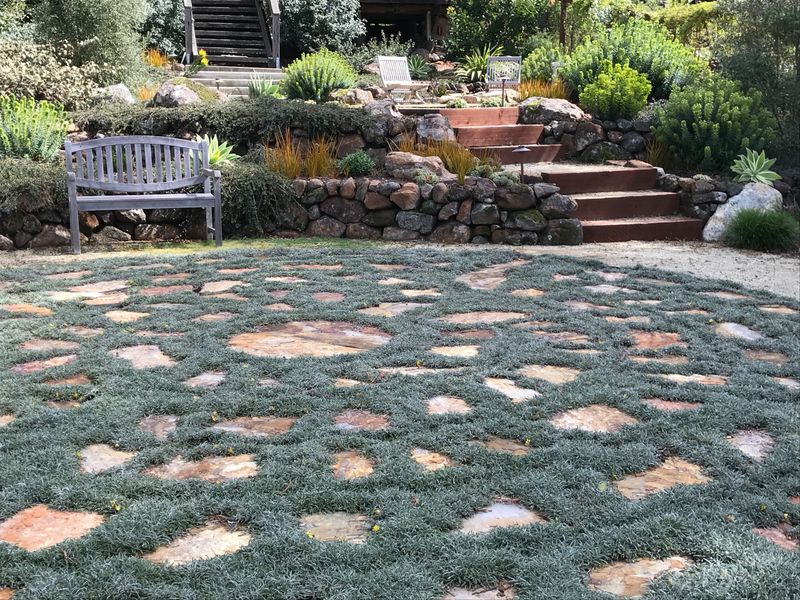
Picture tiny silver-edged leaves pressed flat against the soil like a woven rug. Dymondia, often sold as silver carpet, hugs the ground so tightly that weeds and pests alike find little room to work.
Its leathery leaves are fuzzy underneath, a texture slugs generally avoid. It handles light foot traffic, which makes it a favorite lawn substitute in coastal Southern California.
Growth is slow, so start with closely spaced plugs. Once filled in, it may need water only every week or two in summer.
5. Yarrow

Gardeners who ripped out thirsty turf often land on yarrow, and for good reason. Native Achillea millefolium spreads by runners into a feathery, dense patch that crowds out weeds.
The finely cut, bitter-scented leaves are not high on a snail menu. Mowed a few times a year, it stays low and airy, letting soil surface dry between waterings.
Leave a section unmown and flat white flower clusters will pull in butterflies, native bees, and beneficial wasps. It handles clay, sun, and moderate drought across most California zones.
6. Prostrate Ceanothus
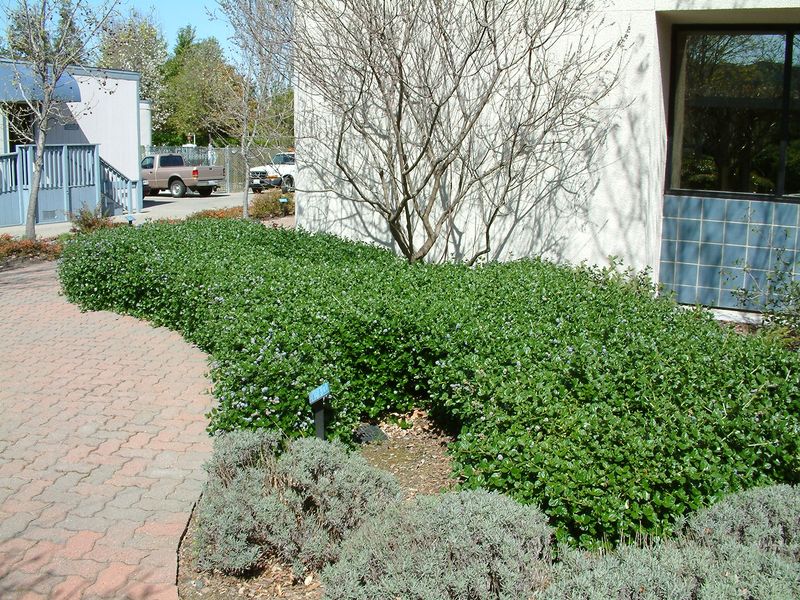
Spring turns this one into a sheet of blue that hums with bees. Low California lilac varieties like Yankee Point and Centennial cover banks with glossy, firm leaves.
Because it prefers dry summers, the ground below stays far from the damp hideout slugs crave. Its spread shades out weeds while supporting dozens of native insects.
The catch is water: too much summer irrigation can shorten its life. Plant in fall, water through the first year, then mostly let winter rains do the work.
7. California Aster
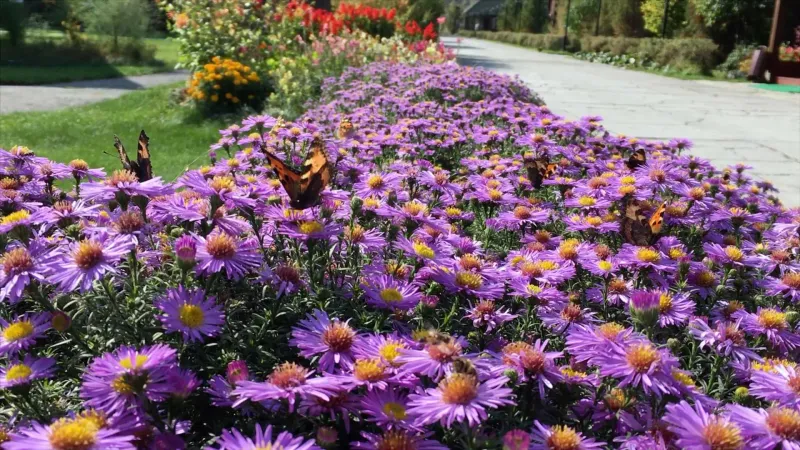
Late summer, when everything else looks tired, California aster bursts into lavender daisies. Native Symphyotrichum chilense spreads underground into a thick colony that weeds have trouble invading.
Its upright stems leave a more open base than sprawling succulents, so slugs find fewer hideouts. Pollinators flock to it when few other nectar sources remain.
Cut it back hard in late fall for a fresh flush. It tolerates occasional summer water but holds up well with less.
8. Woolly Thyme
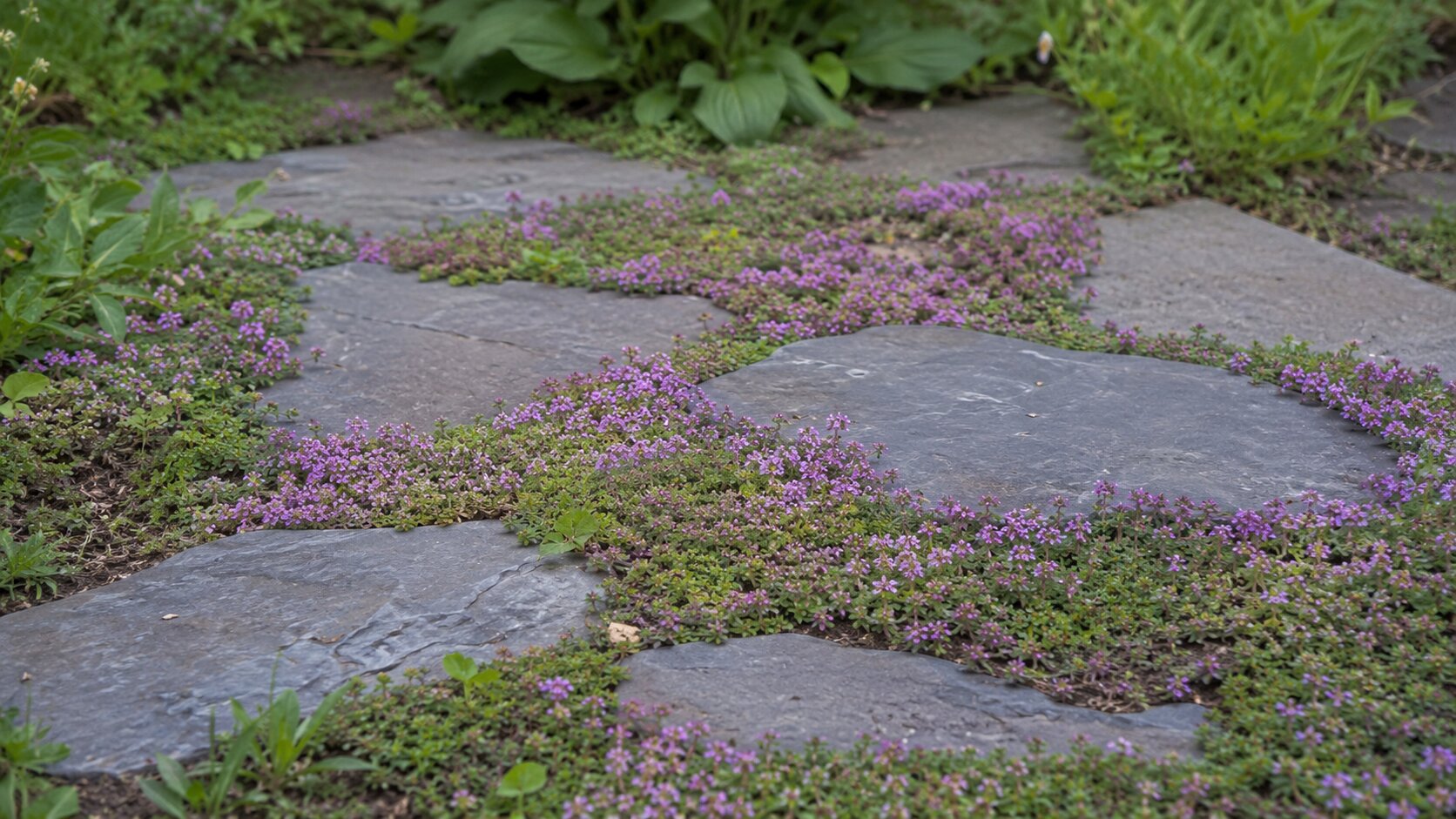
Kids love to pet this one. Woolly thyme grows into a soft, gray, hairy blanket that feels like velvet but is surprisingly tough.
Those fine hairs can be unpleasant for slugs to cross, and the mat stays very low, which may reduce hiding spots. It suppresses weeds in sunny edges, rock gardens, and between steppers.
Give it gritty soil and avoid overhead watering in hot weather to prevent rot. Pair it with decomposed granite paths for a clean, water-wise look that rarely needs weeding.