
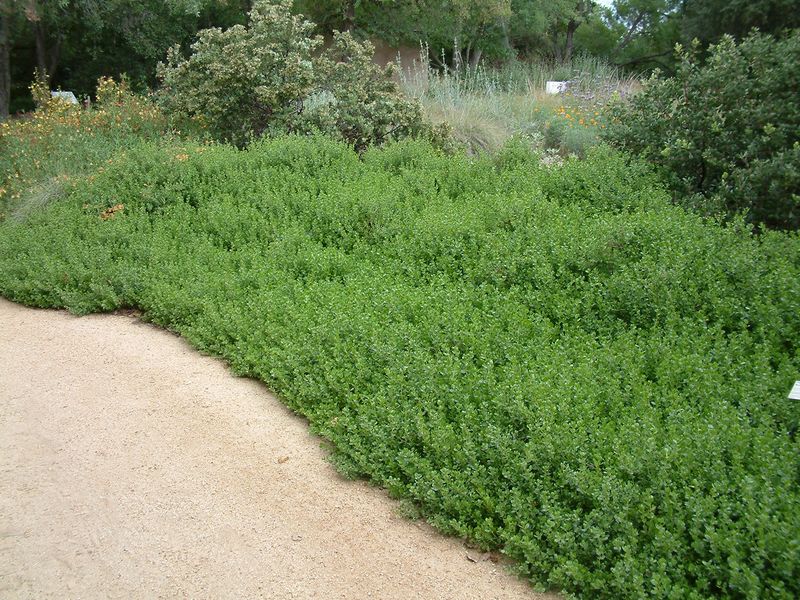
Every fall, millions of weed seeds sit in California soil, just waiting for the first good rain to sprout. If your beds are bare when that rain comes, foxtails, mustard, and cheeseweed move right in and take over by spring.
The good news is that a few tough native groundcovers can fill that space first, shading the soil and leaving weeds little room to grow. Plant the right ones now, and you may spend far less time pulling weeds while giving bees, birds, and butterflies a better home.
1. Carmel Creeper Ceanothus
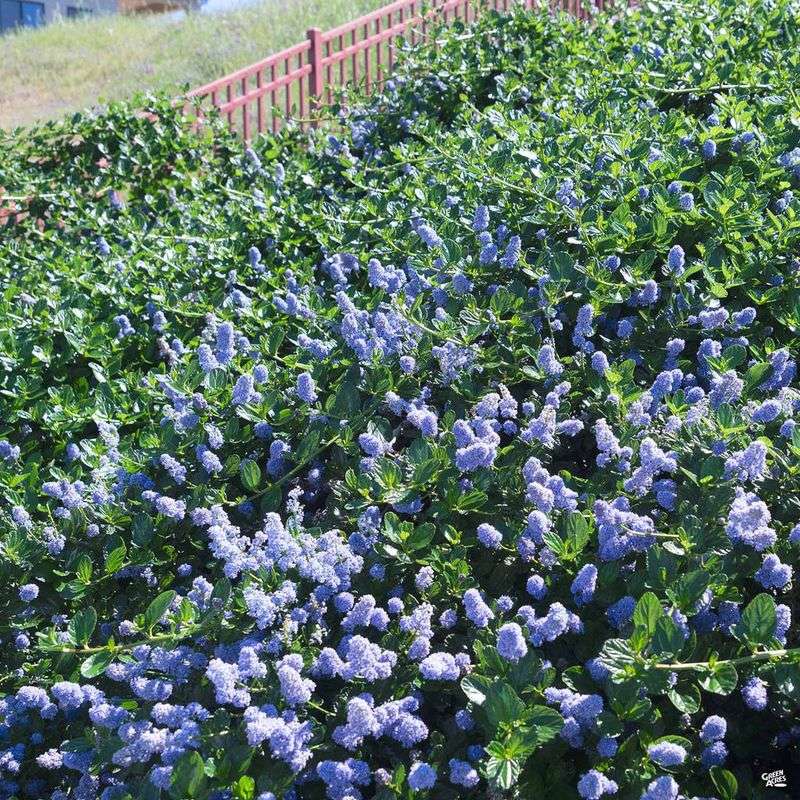
Picture a slope covered in glossy green leaves that turns a soft sky blue every spring, with bees humming over every inch. Carmel creeper (Ceanothus griseus var. horizontalis) delivers exactly that, and it does it while hugging the ground at about two feet tall.
Its real weed-fighting trick is density. A single plant can spread eight feet or more, and the tangle of branches casts deep shade over the soil, which can keep many winter weed seeds from getting the light they need to sprout.
Give it full sun near the coast or afternoon shade inland, and water it only lightly once established. Too much summer water is the fastest way to lose it, so skip the drip line that feeds your roses.
2. Pigeon Point Coyote Brush
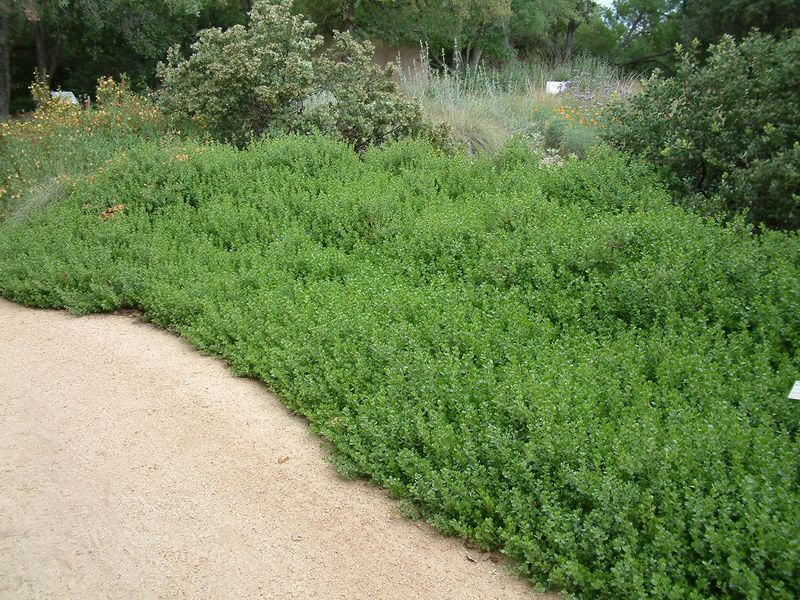
Ask a California landscaper which native groundcover they trust on a tough, weedy slope, and plenty will say coyote brush without blinking. The Pigeon Point variety stays low, around one to two feet, and forms a thick mat that can stretch six to ten feet wide.
That mat stays green through summer with very little water, so it is already holding the ground when October rains arrive. Weeds trying to germinate underneath often find no light and no room.
It also handles clay, wind, and coastal salt. Shear it back every few years if it gets woody, and it bounces right back with fresh growth.
3. Emerald Carpet Manzanita
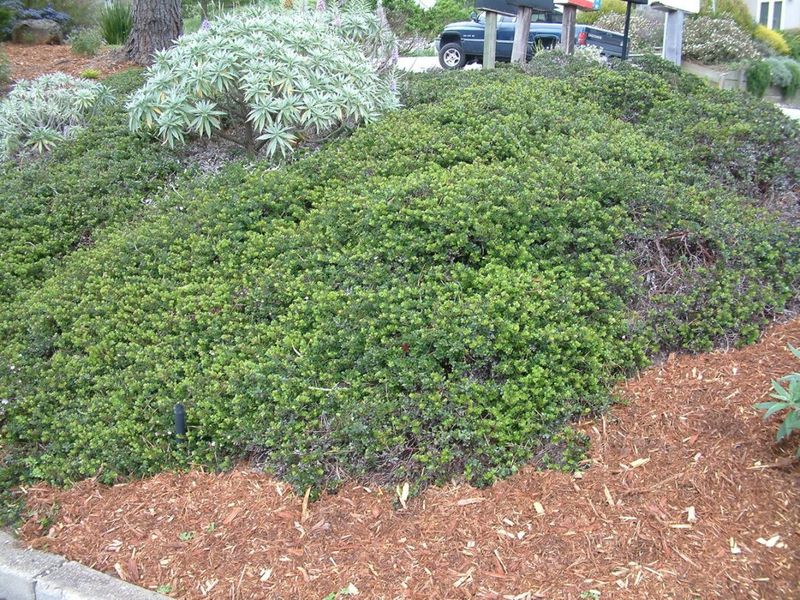
Hummingbirds in late winter have a favorite snack, and it might be growing in your front bed. Emerald Carpet manzanita produces tiny pink bell flowers right when early pollinators need food most.
Beyond the flowers, its small, shiny leaves pack together so tightly that it looks almost like a lawn from a distance. That thick cover can make it hard for winter annual weeds to break through once the plant fills in.
It prefers good drainage and a bit of afternoon shade in hot valleys. Fill-in takes a couple of seasons, so mulch heavily between young plants until they knit together.
4. Creeping Sage
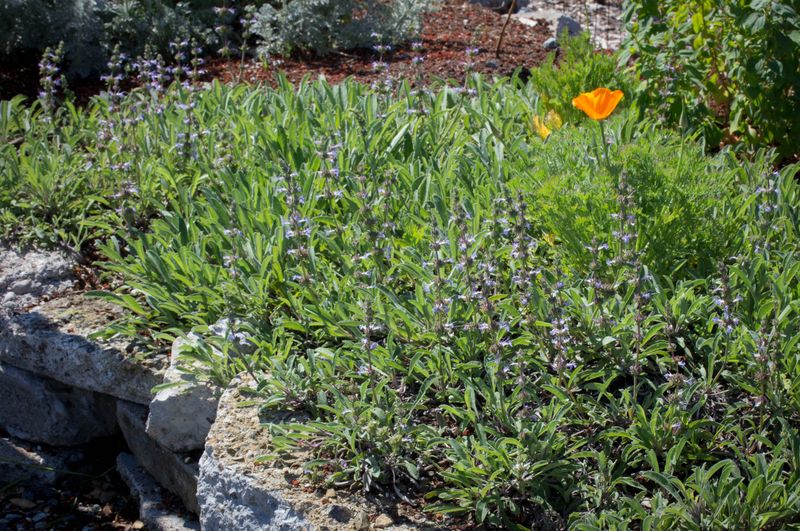
Brush your hand across creeping sage on a warm afternoon and the whole yard smells like a California hillside. Salvia sonomensis grows just a few inches tall but spreads into a gray-green mat several feet across.
In spring it sends up lavender flower spikes that native bees love. Its fragrant foliage tends to discourage deer and rabbits, which helps it stay thick enough to shade out weed seedlings.
Plant it in sun to light shade with fast-draining soil. Once established it needs little to no summer water, making it a strong pick for water-wise front yards.
5. California Aster
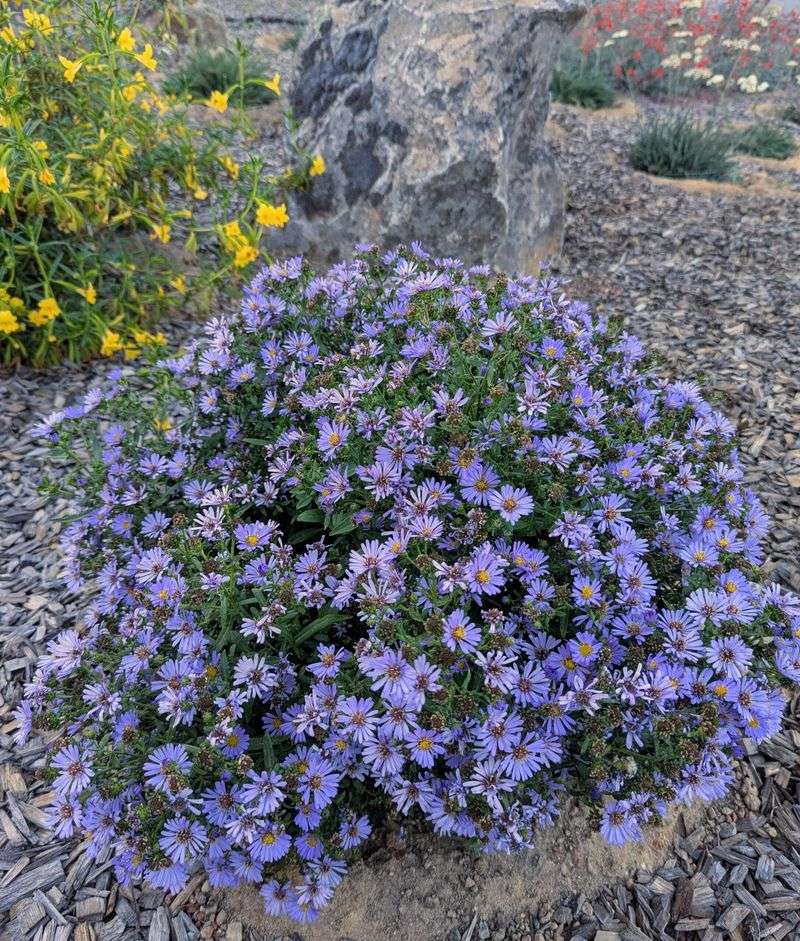
Most native gardens look tired by September. California aster shows up late, covering the ground in lavender daisies just as butterflies are scrambling for nectar.
It spreads by underground runners, which is exactly why it works against weeds. The runners claim open soil quickly, and by the time winter rain starts, the gaps are often already filled.
That eager spreading means it is best kept away from tidy borders. Use it in a meadow-style patch, a parkway strip, or a slope where you want quick, living cover.
6. Yerba Buena
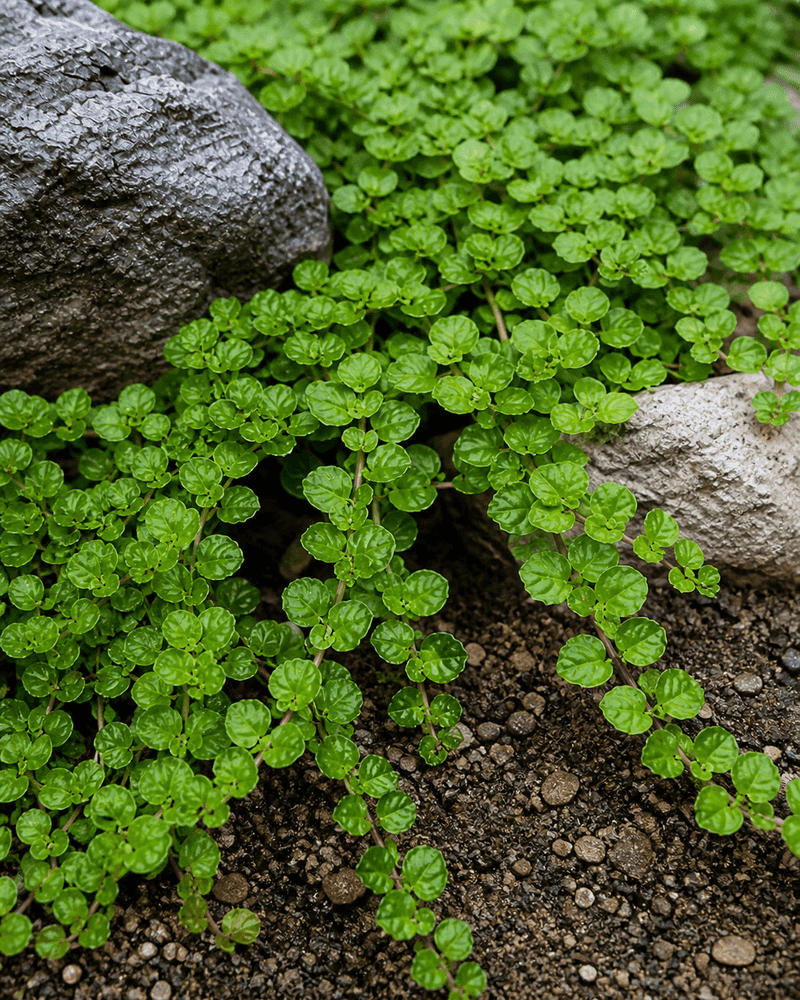
San Francisco was once named Yerba Buena after this little trailing plant, a fun bit of history hiding under your oak tree. Its round leaves smell like sweet mint, and people have brewed it into tea for generations.
Shady spots under trees are classic weed magnets because grass struggles there. Yerba buena trails along the ground and can root as it goes, slowly building a soft carpet that leaves fewer bare patches.
It likes shade and an occasional summer drink. Expect it to slow down or go partly dormant in hot inland heat, then perk back up with fall rain.
7. Beach Strawberry
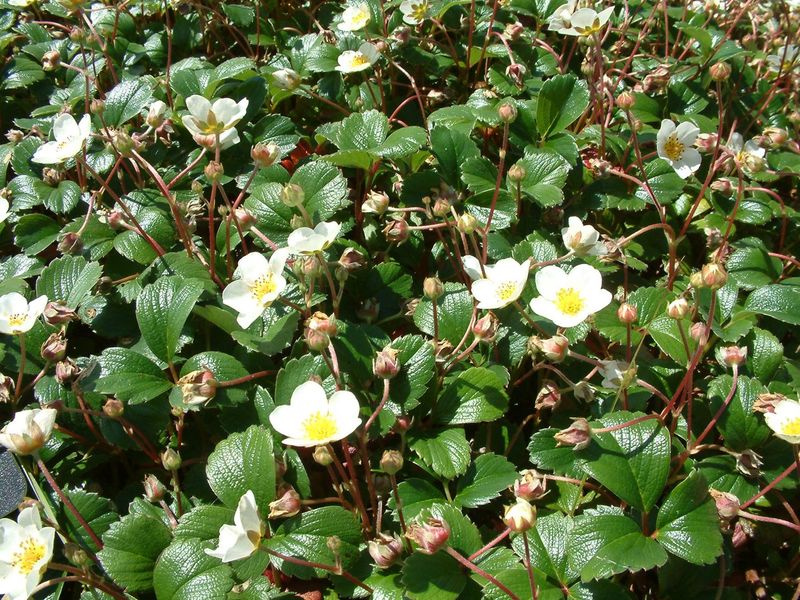
Want a groundcover you can actually walk on now and then? Beach strawberry handles light foot traffic, fills between stepping stones, and spreads fast by runners.
Those runners are its weed-fighting engine. Within a season or two, a few plants can turn into a solid green mat that leaves little bare dirt for winter weeds to grab.
White spring flowers feed small pollinators, and the small berries feed birds more than people. Near the coast it needs very little water, while inland gardens will want some shade and a bit more irrigation.
8. California Fuchsia
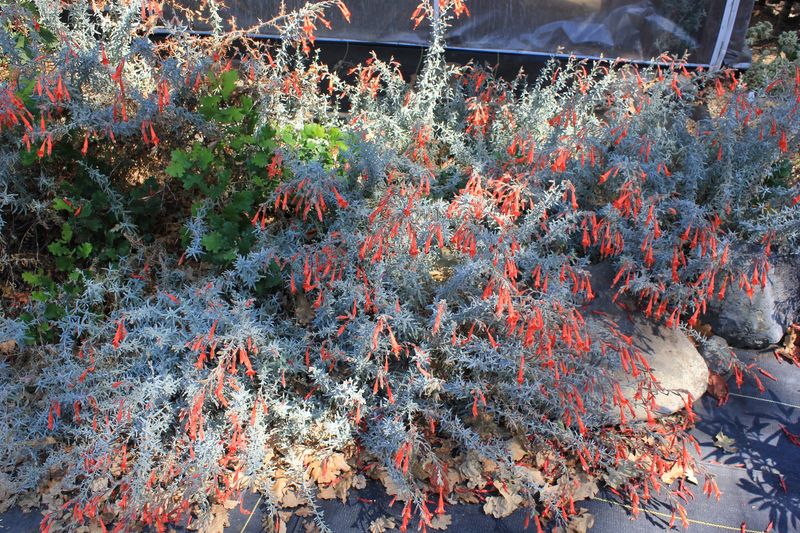
Late summer can feel quiet in a dry garden, until a hummingbird zips in to sip from bright red tubes. California fuchsia blooms from August into fall, right when few other plants offer anything.
Low-growing forms spread by underground stems and can make a dense patch in sunny, dry spots. Those colonies help cover soil before winter, though they may look scruffy after blooming.
Cut it back hard in late fall. Fresh growth pushes up with the rains, keeping ground cover in place as weeds try to sprout.
9. Silver Carpet Dune Sagebrush
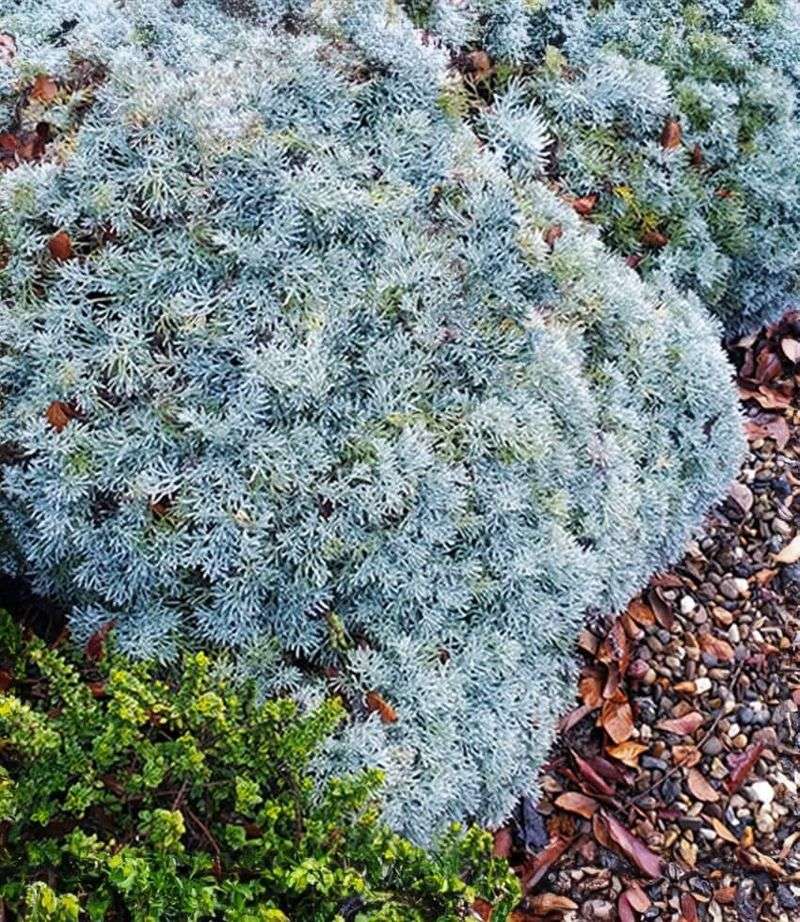
Silver foliage reflects summer sun, and few groundcovers do it as beautifully as dune sagewort. Soft, feathery mounds of Artemisia pycnocephala glow along paths and bed edges.
Planted closely, the mounds can touch and form a low silvery blanket that leaves less room for weeds. It suits coastal and mild inland gardens with sandy or well-drained soil.
For fire-zone yards, keep any groundcover well watered near the house and remove dead material, following your local defensible-space rules. Pair it with gravel mulch for a clean, water-wise look.