
Most side yards in California are a strip of dirt, a trash bin, and a path you squeeze down sideways. That skinny space can actually become a cool, green corridor that feeds bees and birds while using very little water.
The trick is picking native plants that grow up or stay low instead of sprawling across your path. Here are ten that fit the job, along with where each one works best and why it earns its spot.
1. Douglas Iris

Spring in a shady side yard can look like a purple parade when Douglas iris opens up. Native to the coastal hills from Santa Barbara to Oregon, it forms tidy clumps about a foot tall and wide.
The strappy leaves stay put along the edge of a path instead of flopping into it. Plant it on the north or east side of the house, where it gets bright shade and some morning sun.
Once established, it can get by on winter rain plus an occasional summer soak near the coast. Inland gardeners may need to water every couple of weeks in the heat.
Native bees visit the flowers, so skip the pesticide spray nearby.
2. Coffeeberry ‘Mound San Bruno’
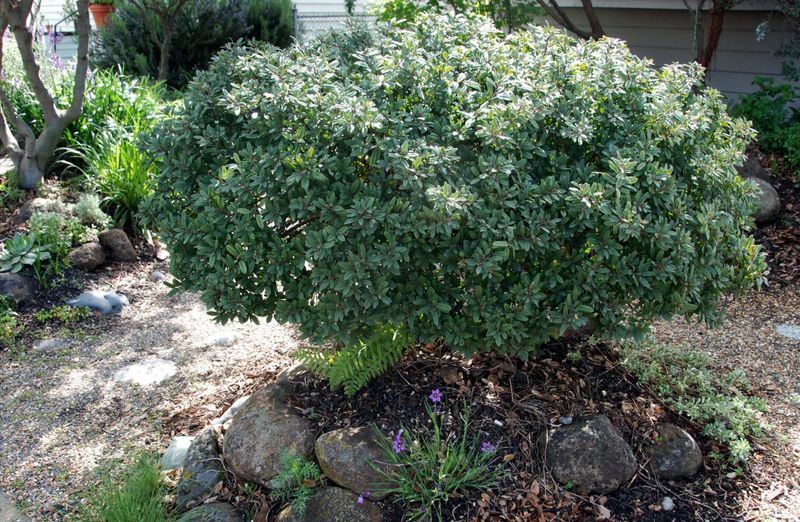
Think of it as the native answer to a boxwood, only with berries the birds fight over. ‘Mound San Bruno’ is a compact selection of California coffeeberry that usually tops out around four to six feet tall.
Its glossy leaves give a side yard a clean, finished look all year. You can lightly shear it to keep it slim against a fence, and it takes sun or part shade without fuss.
Robins, thrashers, and mockingbirds love the fruit in late summer and fall. After the first two summers, it often needs little or no extra water in many parts of the state.
Give it good drainage and it will reward you for years.
3. Pacific Wax Myrtle
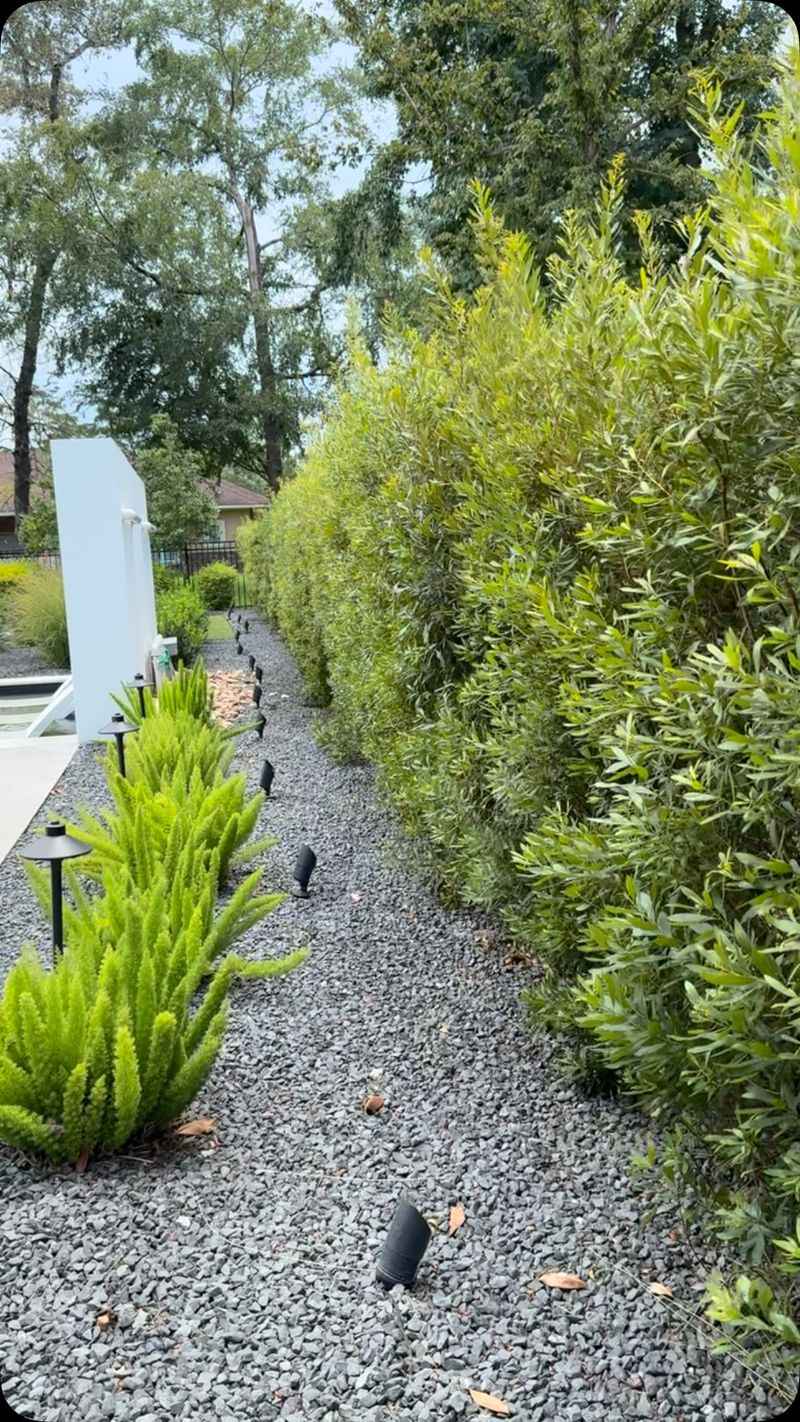
Need privacy from the neighbor’s window that looks straight down your side yard? Pacific wax myrtle grows upright and dense, making a living screen without eating up width.
Left alone it can reach 20 feet, but it handles pruning well. Keep it trimmed to a slender hedge four feet deep or less, and your path stays clear.
It does best near the coast and in milder inland valleys with some summer water. Birds nest in its thick branches and eat the waxy berries.
For a tight space, plant it a couple of feet back from the fence so you can reach both sides for trimming.
4. Creeping Sage
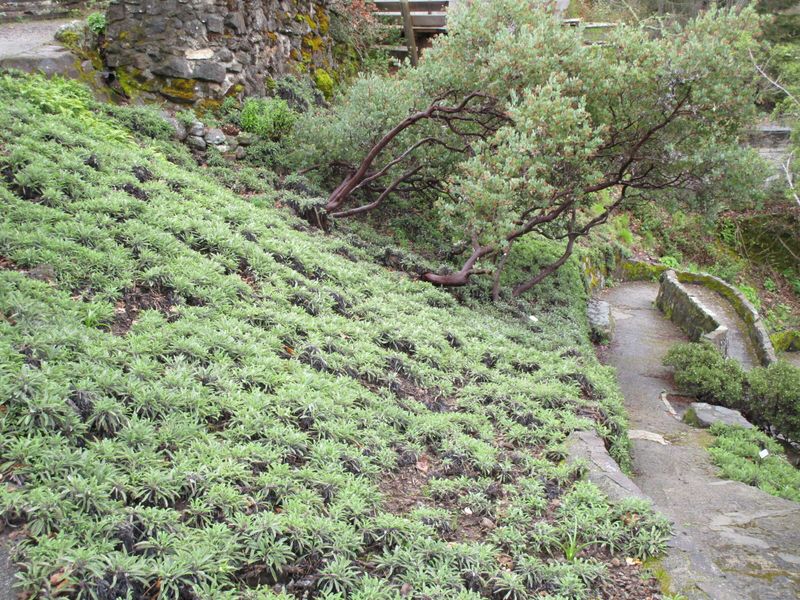
Here is a groundcover that smells amazing every time you brush past it. Creeping sage, Salvia sonomensis, hugs the ground at under a foot tall and spreads slowly.
It loves sunny, well-drained spots, which makes it a smart pick for south or west side yards that bake in summer. Lavender-blue flowers show up in spring and pull in hummingbirds and native bees.
Plant it between stepping stones or along the path edge. It dislikes summer overwatering, so let it dry out between drinks once it settles in.
Heavy clay can be tough on it, so mix in gravel or plant on a slight mound.
5. Heuchera maxima
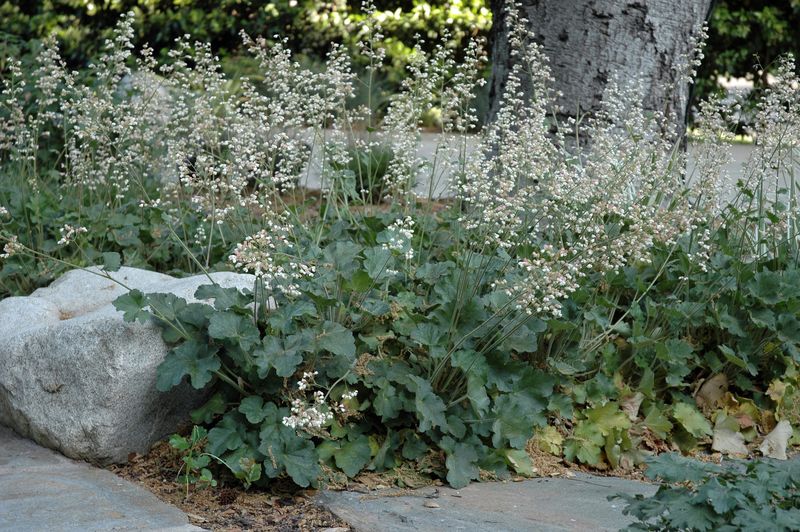
Few natives brighten deep shade like island alum root. Heuchera maxima comes from the Channel Islands off Southern California, and it forms neat mounds of rounded leaves.
In late winter and spring, it sends up airy spikes of pale pink or white flowers. Hummingbirds visit often, and the foliage stays about a foot tall while the bloom stalks rise higher without blocking the walk.
Give it shade and occasional water in summer, especially inland. It pairs nicely with Douglas iris for a soft, woodland look.
If your side yard sits between two houses with little direct sun, this one may become your favorite.
6. Western Sword Fern
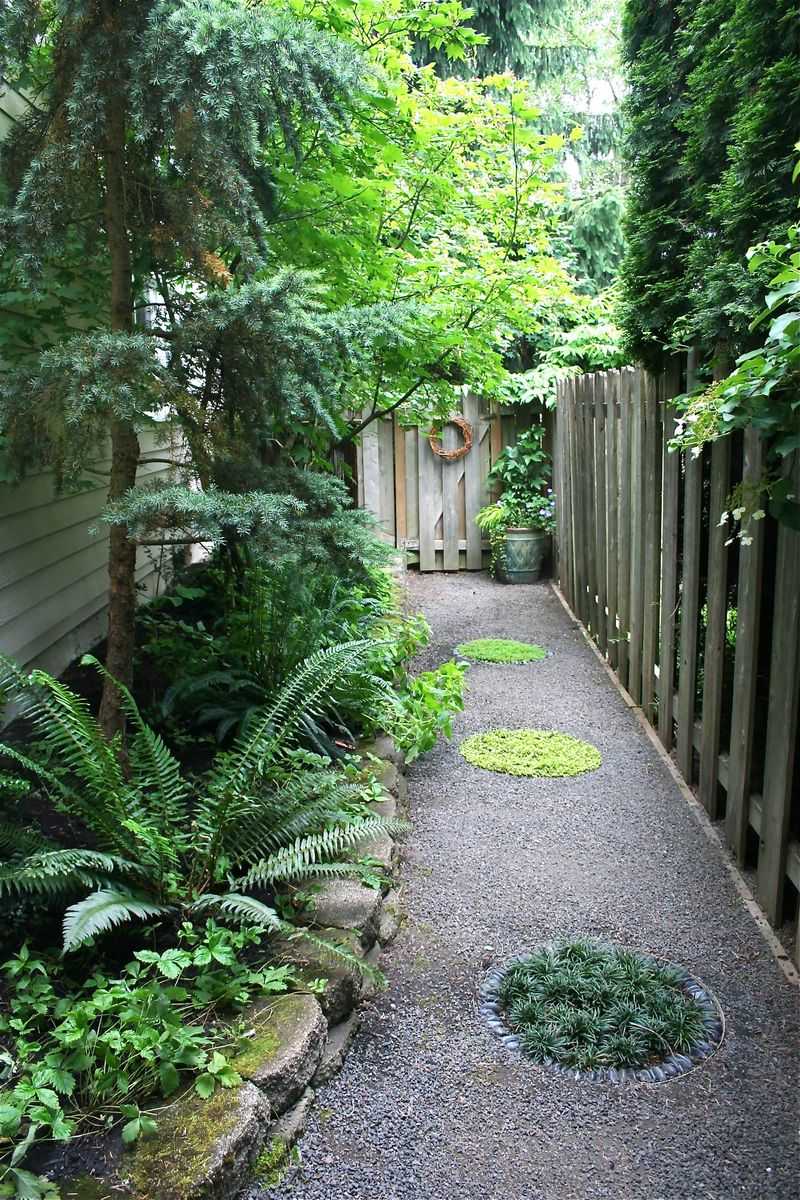
Picture a cool redwood forest floor, then shrink it to fit beside your gas meter. Western sword fern brings that calm green feeling to the darkest side of the house.
Its fronds arch outward a couple of feet, so plant it at least two feet from the path edge. In return, you get year-round green with almost no care.
It holds up in dry shade once rooted, though a deep monthly watering in summer keeps it looking fresh inland. Trim old brown fronds in late winter before new ones uncurl.
Fun fact: those uncurling fiddleheads have been around since well before people planted gardens.
7. California Fuchsia
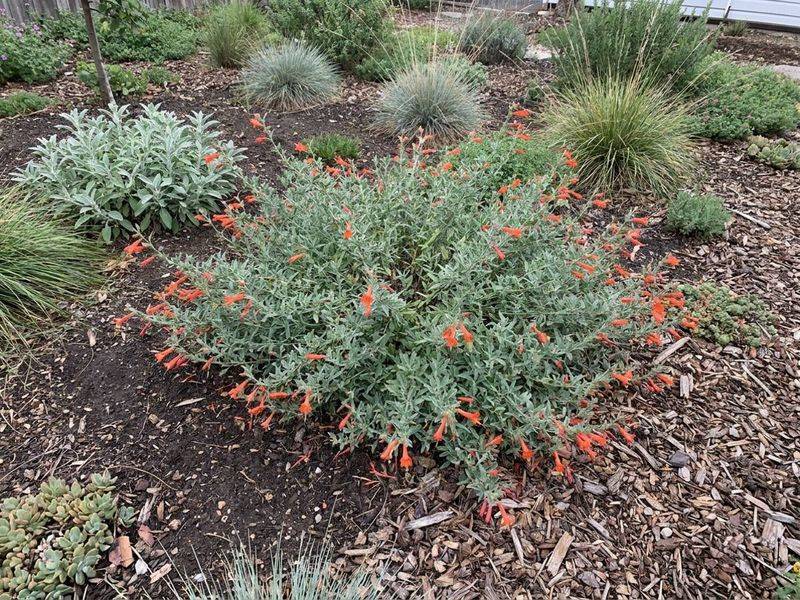
When most gardens look tired in August, California fuchsia turns up the color. Its tubular scarlet flowers are built for hummingbirds and keep blooming into fall.
Choose a compact variety like ‘Everett’s Choice’ or ‘Schieffelin’s Choice’ for tight spaces. These stay low and spread modestly, so they won’t climb over your walkway.
Full sun and lean soil suit it best, and it handles drought well. Cut it back hard in late fall or winter to keep it tidy.
It can spread by roots, so give it a spot where a little wandering is welcome.
8. Wild Grape
Short on ground space? Go vertical.
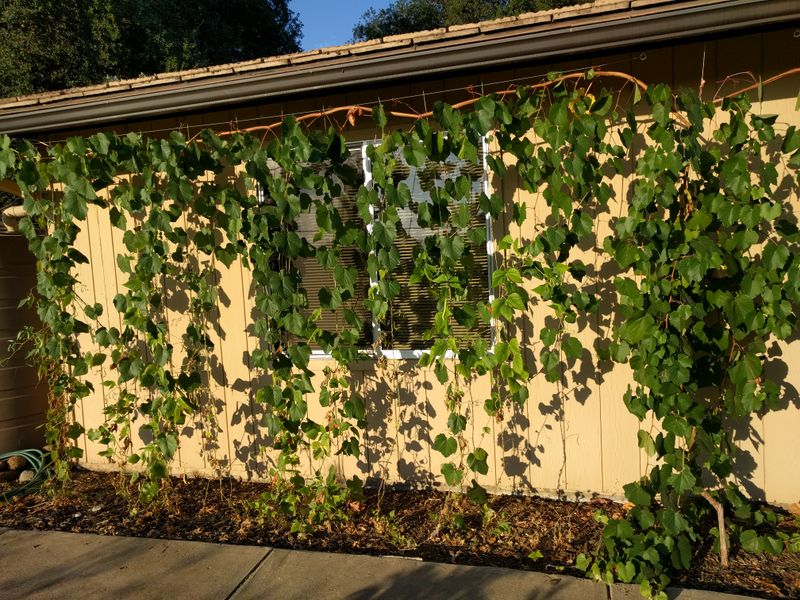
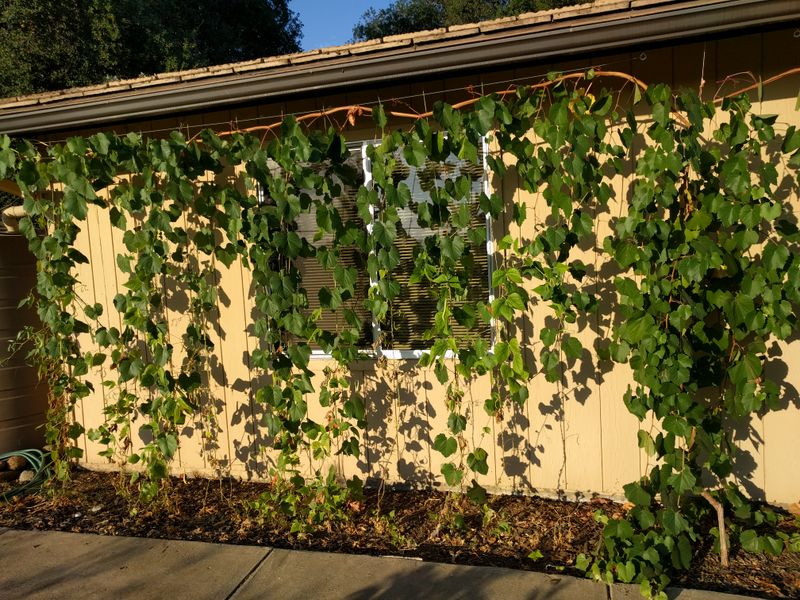
California wild grape climbs a trellis or wire on a fence and turns a blank wall into a leafy green panel.
The leaves glow gold and red in fall, which is rare color for a California garden. Small grapes feed birds, and the vine can host native moths whose caterpillars feed songbird babies.
It grows fast and needs firm pruning each winter to stay flat against the wall. Train it along horizontal wires so it doesn’t reach into the path.
Water deeply while it gets started, then cut back once it settles in.
9. Blue-Eyed Grass
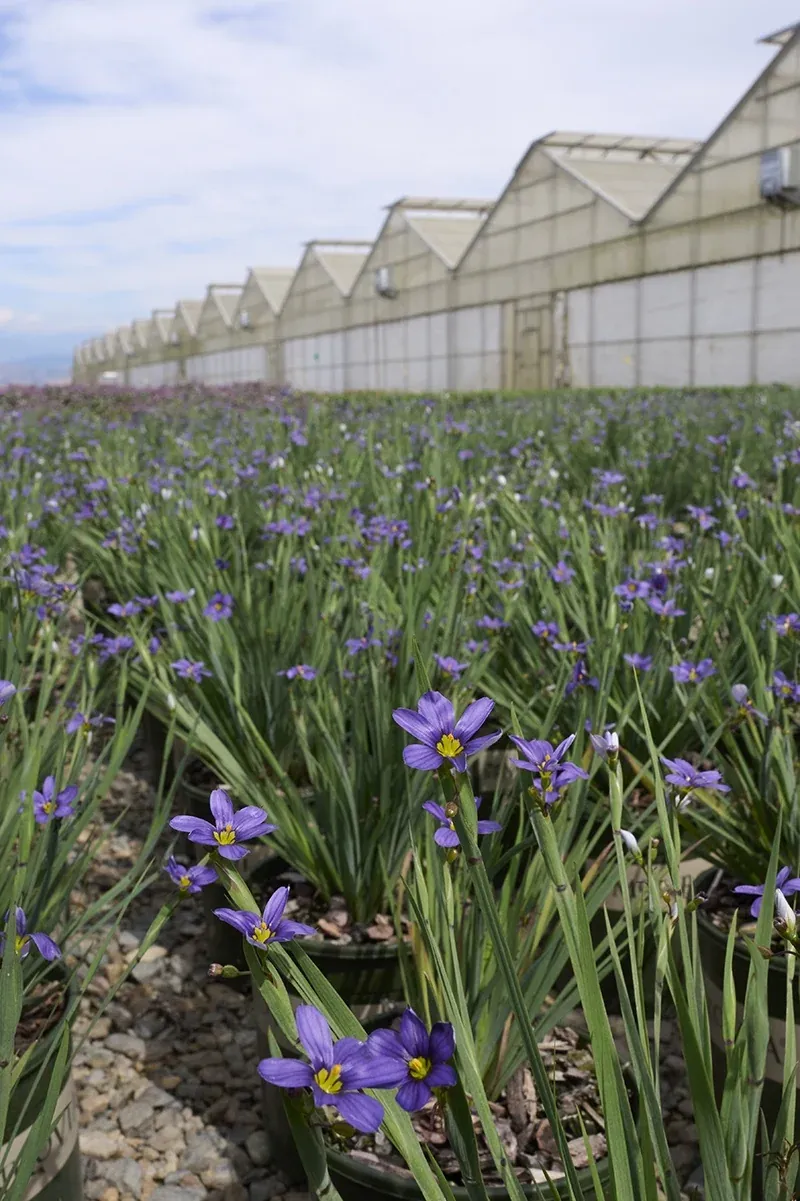
Tiny but cheerful, blue-eyed grass is a member of the iris family that looks like a grass clump sprinkled with blue stars. It rarely gets taller than a foot.
That small size makes it perfect for edging a path where nothing should stick out. Plant several in a row for a soft border that blooms in spring.
It goes partly dormant in hot summers, which is normal, so don’t drown it to keep it green. It often reseeds gently into gaps.
Sun or light shade both work.
10. Deer Grass
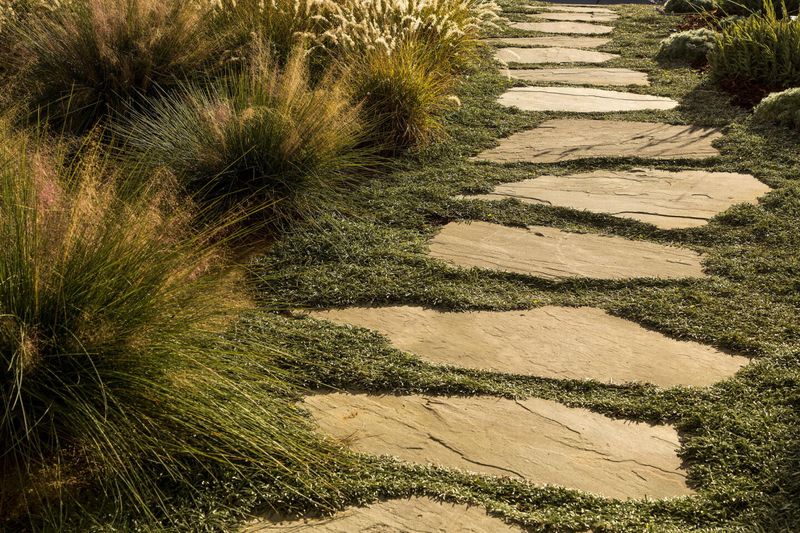
Sometimes one bold plant beats ten little ones. Deer grass makes a fountain-shaped clump with tall flower spikes that catch the evening light.
Full-size plants can reach four feet wide, so use it only where your side yard opens up, like by a gate or corner. One clump at the end of the walk gives the space a strong finish.
Native peoples used its stalks for basket weaving. It handles heat and drought very well, and its dense base can shelter beneficial insects.
Cut it back every few years in late winter if it looks messy, and keep it well away from the house in fire-prone areas.