
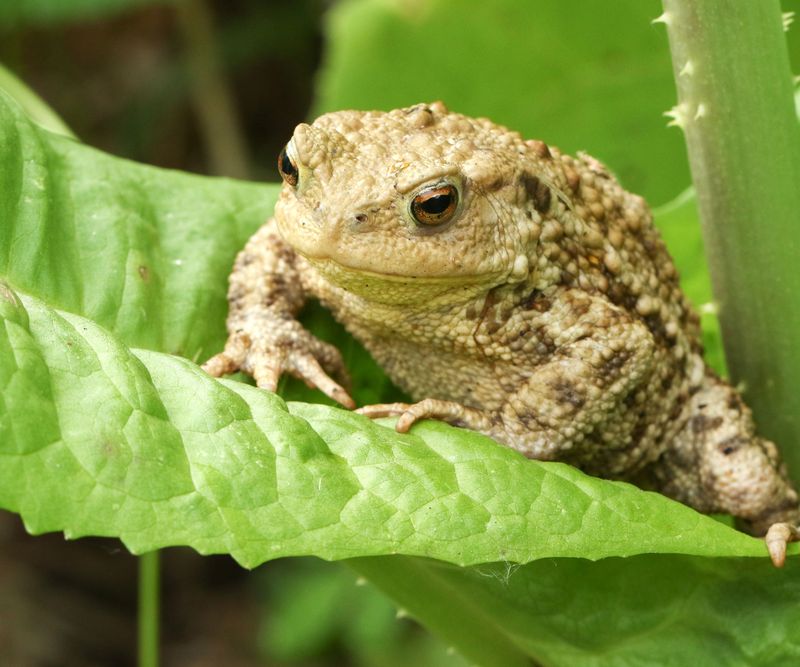
A small, warty toad sitting still in your flower bed at dusk might not look like much, but it could be eating beetles, isopods, and yes, the occasional snail or slug that chews your plants overnight. California toads are native amphibians that show up in suburban yards across much of the state, and they are part of the natural pest-control web most homeowners never see. The problem is that some common slug baits can put these animals at risk, and many gardeners reach for bait before confirming what is actually causing the damage.
The California toad helps, but it is not a slug-eating machine
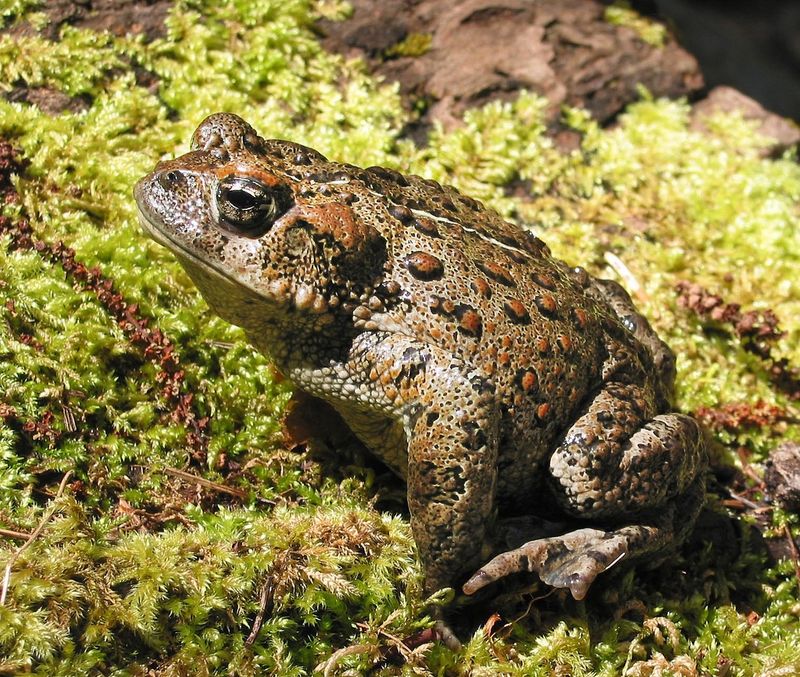
Native to much of California, the California toad (Anaxyrus boreas halophilus) turns up in landscaped yards, garden beds, and irrigated suburban lots wherever conditions are suitable. The USGS species profile for the California toad describes adults as generalist predators that eat a broad range of invertebrates, including insects, arachnids, and other small animals they encounter at ground level. UC Integrated Pest Management lists toads among the natural enemies of garden snails and slugs, which means a resident toad is a genuine, if modest, ally.
What the evidence does not support is the popular image of a single toad methodically clearing a flower bed of hundreds of slugs each night. A residential-lawn diet study summarized by California OEHHA found that fecal samples from western toads were dominated by beetles and isopods, not gastropods. That does not mean a toad never eats a snail or slug, but it does mean you should not count on one animal to solve a serious infestation.
Part of the confusion comes from figures that circulate about American toads (Anaxyrus americanus), a different species found in the eastern United States. Consumption estimates from that species should not be applied to California toads, which live in a different climate and feed on what they find locally. Treating the two as interchangeable overstates what the California-specific record actually shows.
A toad’s real value in your yard is as one thread in a larger web of natural control. Ground beetles, birds, garter snakes, and even some fly larvae also prey on snails and slugs. UC IPM notes that natural enemies alone are rarely effective enough to provide satisfactory garden control on their own, so a toad’s presence supports the ecosystem without replacing other management steps. Recognizing that limitation honestly is more useful than overpromising what one amphibian can do.
Why slug bait can put amphibians at risk
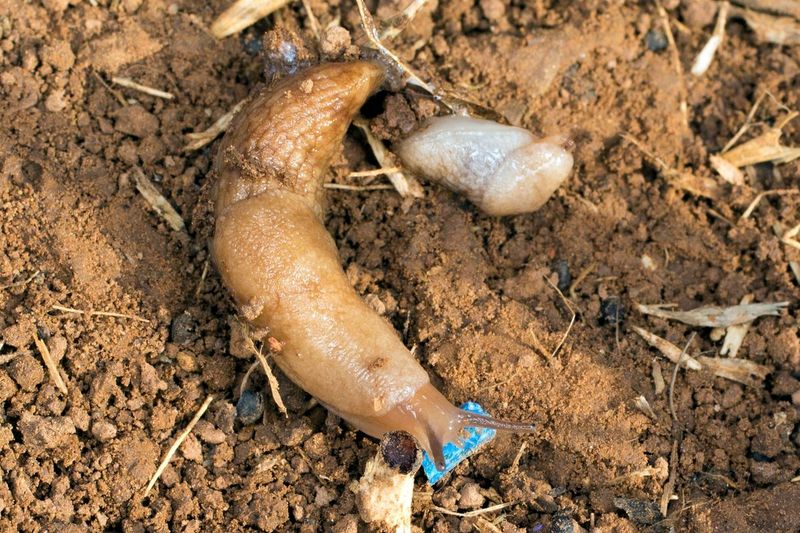
Slug and snail baits are designed to attract and kill mollusks, but the chemicals that make them effective do not discriminate perfectly between target pests and everything else moving through your garden at night. Metaldehyde, one of the most widely used active ingredients in slug bait, is toxic to a broad range of animals. The Merck Veterinary Manual documents metaldehyde poisoning in dogs, cats, birds, and other wildlife, with neurological signs that can appear within an hour of ingestion and become life-threatening without treatment.
Amphibians face an additional vulnerability that most mammals do not share. Their skin is thin and permeable, which means chemical residues can enter the body not only through the mouth but through direct contact with treated soil, wet foliage, or spray drift. The EPA’s T-HERPS risk model for amphibians and reptiles specifically evaluates dietary exposure through contaminated prey and notes that residues may reach animals through treated soil and foliage as well as through direct ingestion.
There is also an indirect exposure pathway worth understanding. A toad that eats a slug or snail that has recently consumed bait pellets may take in some residue along with its meal. Whether that secondary exposure reaches a harmful dose depends on the bait’s active ingredient, how much the mollusk consumed, and how quickly the toad encounters it. That chain of events is a plausible risk, not a proven routine outcome in every California yard that uses bait.
The practical takeaway is that broadcast bait applications, high application rates, and bait placed near areas where toads shelter or forage all raise the probability of non-target exposure. Reducing those factors does not require abandoning pest control entirely; it means applying any pesticide more deliberately and only where the pest problem is confirmed.
The active ingredient matters more than the front label
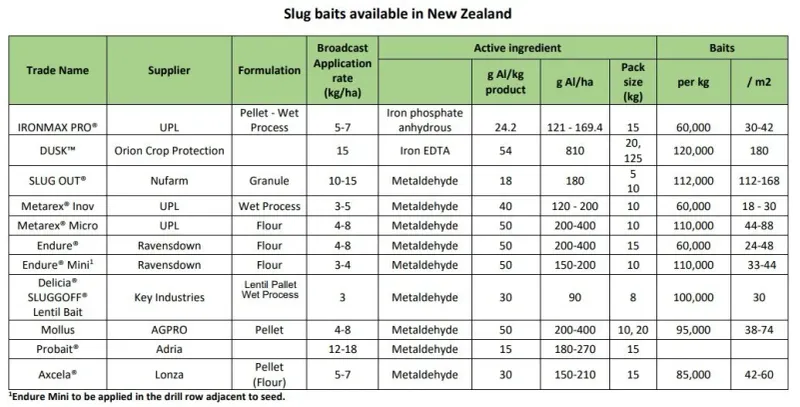
Walk down the garden-center aisle and you will see slug bait marketed as “organic,” “natural,” “pet-safe,” and “wildlife-friendly.” None of those words on the front panel tells you what the product actually does to a toad, a dog, or a foraging bird. The active ingredient listed on the back or side panel is the only place that information lives, and it is the first thing to read before buying or applying any bait product.
Two active ingredients dominate the California market. Metaldehyde is a synthetic compound with well-documented animal toxicity across many species, and veterinary toxicology records confirm serious and sometimes fatal poisoning in dogs, cats, and wildlife that ingest it. Iron phosphate is generally considered a lower-risk option for birds, mammals, and many other non-target organisms when used as directed, but “lower risk” is not the same as harmless. The National Pesticide Information Center’s iron phosphate fact sheet notes that animals consuming enough of the product can develop iron poisoning, and some iron-phosphate formulations include a secondary ingredient called EDTA that may increase mammalian toxicity at higher doses.
Choosing a product with a better safety profile still requires reading and following its current registered label. California’s pesticide rules are specific: the label is the law, and applying a product in ways that contradict the label is illegal. California’s Department of Pesticide Regulation product database can help you confirm that a product is registered for your intended use, but the database entry does not replace the label printed on the container you purchase.
Practical steps when evaluating any bait: check the active ingredient first, avoid broadcast applications that scatter pellets across the entire bed, never exceed the label rate, and keep bait away from ponds, drains, standing water, and spots where wildlife regularly shelters or forages.
First prove that snails or slugs are causing the damage
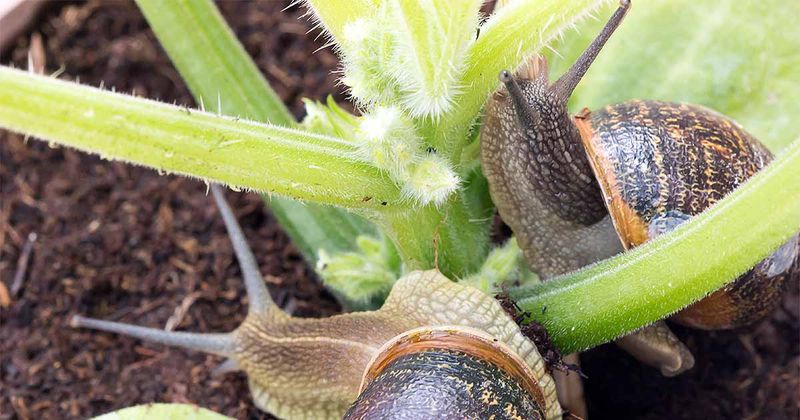
Ragged holes in leaves are unsettling, but they do not identify who made them. Earwigs, caterpillars, beetles, and even mechanical damage from sprinklers can produce irregular leaf damage that looks a lot like slug work. Reaching for bait before confirming the pest means exposing your yard to a pesticide that may not solve the actual problem.
The most reliable way to identify snails or slugs is to go outside after dark or check very early in the morning while the soil is still cool and moist. UC IPM recommends nighttime or early-morning inspection because snails and slugs are most active then and easiest to find on plants, soil surfaces, and the undersides of pots or boards. A flashlight tour of the damaged plants on two or three consecutive nights will tell you whether mollusks are present, how many, and where they concentrate.
The introduced brown garden snail (Cornu aspersum) is the most common snail damaging California gardens, and several introduced slug species also cause landscape plant damage. Both leave a characteristic slime trail that dries to a faint silvery streak on leaves and soil. Seeing that trail near the damaged tissue is strong evidence you have found the right culprit.
Confirming the pest also tells you where to focus any control effort. A handful of snails concentrated under a single shrub calls for a targeted response, not a whole-bed bait treatment. Knowing the severity of the problem before acting helps you choose the least disruptive option and protects the rest of the garden’s residents, including any toads working the same ground.
Target the garden bed before reaching for bait
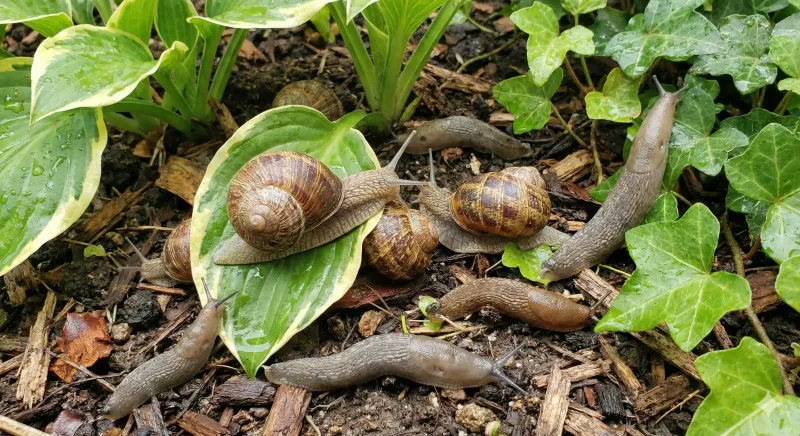
Once you have confirmed snails or slugs are the problem, the sequence matters. Starting with physical and cultural controls costs nothing, removes pests directly, and leaves the rest of the yard’s food web intact. Handpicking is the most straightforward option: go out after dark with a flashlight and a bucket of soapy water, collect what you find, and repeat for several nights. It feels slow, but it can reduce a local population noticeably when done consistently during the active season.
Reducing hiding places takes a little more planning but pays off over time. Snails and slugs shelter during the day under boards, dense low-growing ground covers, leaf piles, thick mulch layers, and the edges of pots and raised beds. Clearing debris that is not serving a soil-health purpose, lifting containers periodically, and pulling mulch a few inches back from plant stems all reduce the daytime refuges that let populations rebuild overnight.
Moisture management matters too. Snails and slugs thrive in wet conditions, so watering in the morning rather than the evening gives the soil surface time to dry before nightfall. That single timing shift can make a garden meaningfully less hospitable without removing a drop of water from the plants that need it. In California’s dry summers, most established plants in a water-wise yard are already on a reduced irrigation schedule, which naturally limits slug-friendly conditions.
Copper tape barriers around raised beds and containers, commercial traps baited with beer or a yeast-water mixture, and boards laid flat as traps that you check and clear each morning are all options described by UC IPM as part of an integrated management approach. None of these methods guarantees zero snails, and UC IPM is direct that natural enemies and cultural controls together are usually not enough for complete control in a heavily infested yard. The goal is to reduce pressure enough that the remaining pest load stays below the threshold where plant damage becomes unacceptable, which is a more realistic and sustainable target than elimination.
A toad-friendly yard does not need a pond
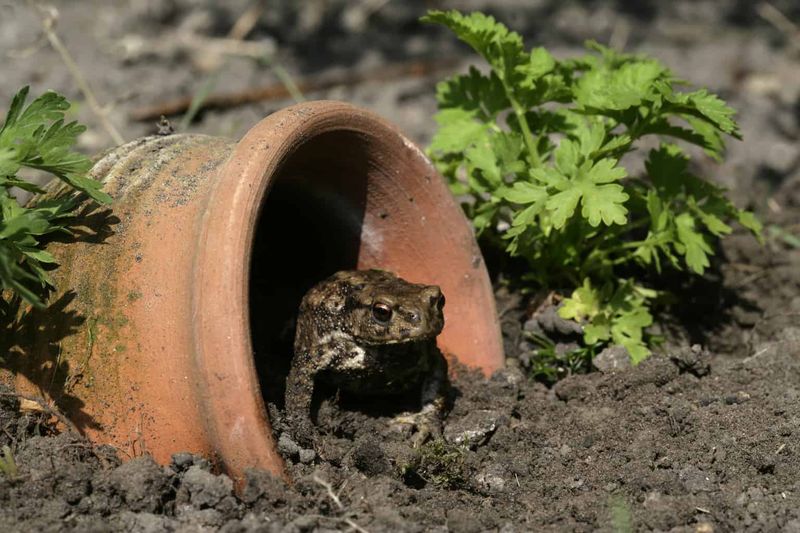
Supporting a naturally occurring California toad does not require building a water feature, running extra irrigation, or redesigning the yard around amphibian needs. The basics are simple: shade, shelter, and minimal disturbance in at least one corner of the garden. A flat rock, a broken clay pot turned on its side, or a dense low shrub in a reliably shaded spot gives a toad somewhere cool and moist to rest during the day. UC guidance on wildlife-friendly gardening recommends providing a cool, shaded retreat and a shallow water source where appropriate, with the emphasis on modest and functional rather than elaborate.
If you choose to add a water source, keep it shallow enough that a small animal can exit without help, clean it regularly to prevent mosquito breeding, and position it in shade to reduce evaporation. A plant saucer or a shallow dish sunk to ground level works well and uses far less water than a recirculating pond. The California State Water Resources Control Board’s conservation guidance is a useful check on whether your local supplier has restrictions that would affect any new water use, even small-scale wildlife features.
Two things to avoid entirely: purchasing toads or tadpoles from a store or online supplier, and releasing any amphibian from another location into your yard. Extension guidance on toads for pest control advises against introducing nonnative or captive-raised amphibians because they can carry disease, displace native wildlife, or fail to survive in unfamiliar habitat. The goal is to make your yard welcoming to animals already in the area, not to stock it.
Handling is another area where good intentions can cause harm. Amphibian skin absorbs chemicals readily, so sunscreen, insect repellent, soap residue, and pesticide traces on bare hands can injure a toad even during brief contact. Extension guidance on toad handling recommends that if you must move a toad out of danger, use clean, moistened hands or clean, damp gloves and keep contact as brief as possible.
Protect the ally you actually have
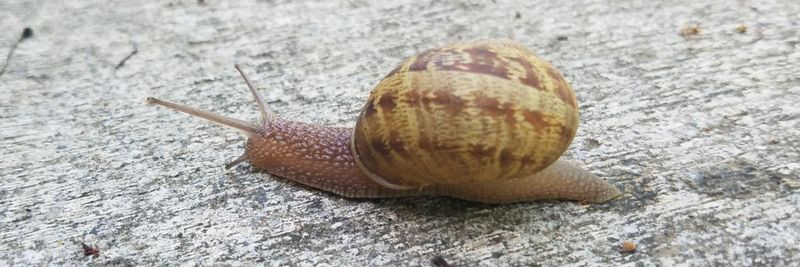
A workable decision process for any California gardener dealing with plant damage looks like this: check the plants at night to confirm snails or slugs are present, start with handpicking and habitat reduction, and reach for a bait product only when those steps are not keeping damage at an acceptable level. When bait becomes necessary, read the active ingredient before the front-panel marketing, choose the product registered for your intended California use, and follow its current label for rate, placement, and safety precautions.
If metaldehyde is the active ingredient, place it only in targeted spots where pests concentrate, keep it away from water, drainage areas, pet feeding zones, and wildlife shelter, and never apply more than the label allows. If you choose an iron-phosphate product for its generally lower risk profile for many non-target organisms, remember that the NPIC iron phosphate fact sheet confirms it can still cause iron poisoning in animals that consume enough of it, and some formulations carry additional active ingredients. California’s DPR product database helps confirm registration status, but the label on the container you buy is always the controlling document.
A California toad in your garden is a genuine, if modest, contributor to natural pest control. UC IPM’s integrated approach to snails and slugs puts natural enemies in context: they help, but they rarely eliminate a pest problem on their own. Reducing unnecessary pesticide exposure protects not just toads but the beetles, birds, and other predators working alongside them. A yard that supports a living food web is more resilient than one that depends on a single control method, and the toad you never noticed may be doing more quiet work than you realized.