
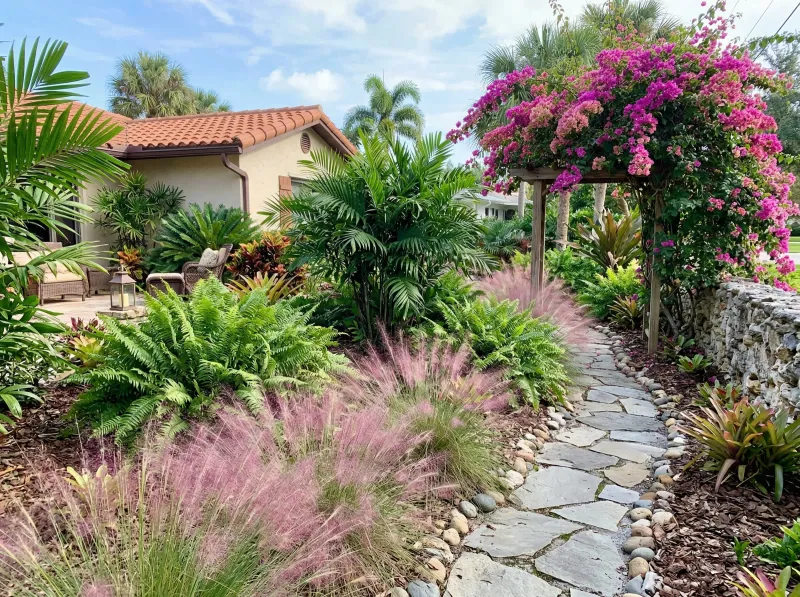
A polished Florida yard does not have to mean weekend after weekend of watering, spraying, and replacing tired plants. Many native plants already know how to handle sandy soil, heavy rain, strong sun, and hungry insects. Once their roots settle in, they can make a landscape look planned and pricey with much less work. Here are ten Florida natives that bring big style without acting fussy.
1. Coontie
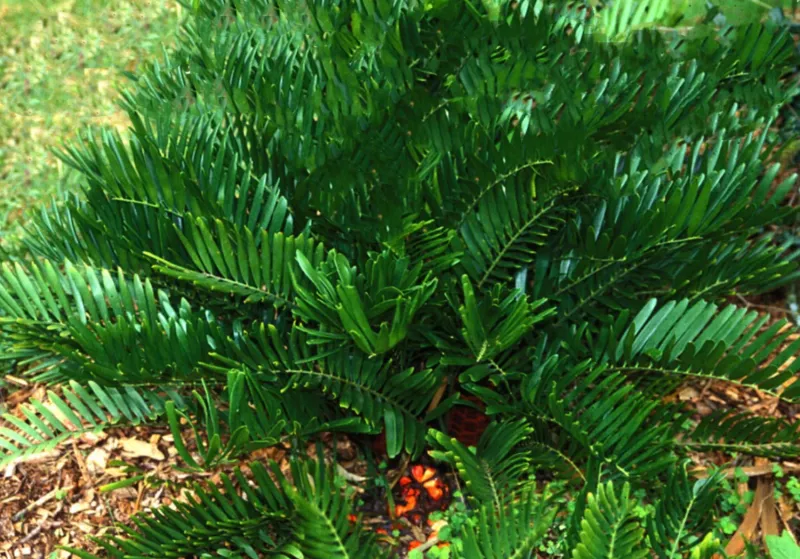
Neat, glossy, and almost sculptural, coontie has the kind of shape people pay landscape designers to create. Its stiff, fern-like leaves form tidy mounds that look good beside walkways, under palms, around mailboxes, or in the tricky dry shade near live oaks.
Florida gardeners like coontie because it handles sandy soil, drought once established, and a fair amount of neglect. It grows slowly, which sounds boring until you realize that slow growth means less trimming, less crowding, and fewer weekend chores.
A bonus makes it even more special: coontie is the larval host plant for the atala butterfly, a small black butterfly with bright blue and red markings. If caterpillars chew the leaves, do not panic. The plant usually pushes back with fresh growth, and the wildlife value is part of the charm.
Use coontie where you want a low, expensive-looking foundation plant that will not beg for constant attention. Give it well-drained soil, avoid overwatering, and let its clean shape do the work.
2. Simpson’s Stopper
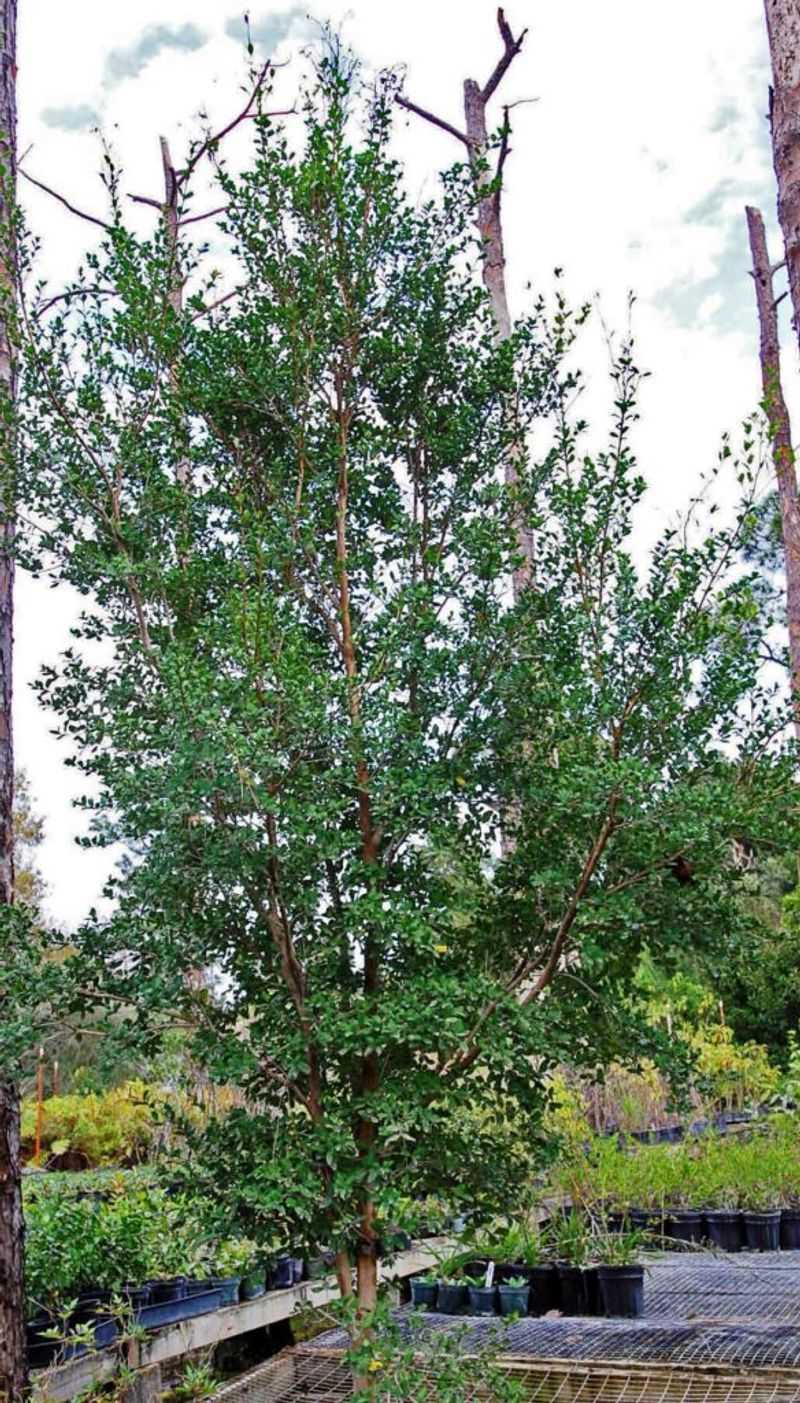
A hedge that feeds birds and still looks dressed up feels like a smart Florida bargain. Simpson’s stopper brings small glossy leaves, fragrant white flowers, and red to orange berries, all on a shrub that can be shaped formally or allowed to grow more naturally.
Unlike many high-maintenance hedge plants, it does not need constant pampering once established in the right spot. It can handle sun to part shade, tolerates dry periods, and fits nicely into coastal and inland landscapes across much of the state.
The real magic is its flexibility. Trim it into a neat screen for a tidy front yard, or let it loosen up into a softer wildlife border where birds can perch and snack. Either way, it gives the garden a finished look without the thirsty, pest-prone drama of some common hedge choices.
For Florida homeowners replacing tired nonnative shrubs, Simpson’s stopper is a strong upgrade. Plant it with room to breathe, water it during establishment, and it will settle into a handsome, useful role.
3. Firebush
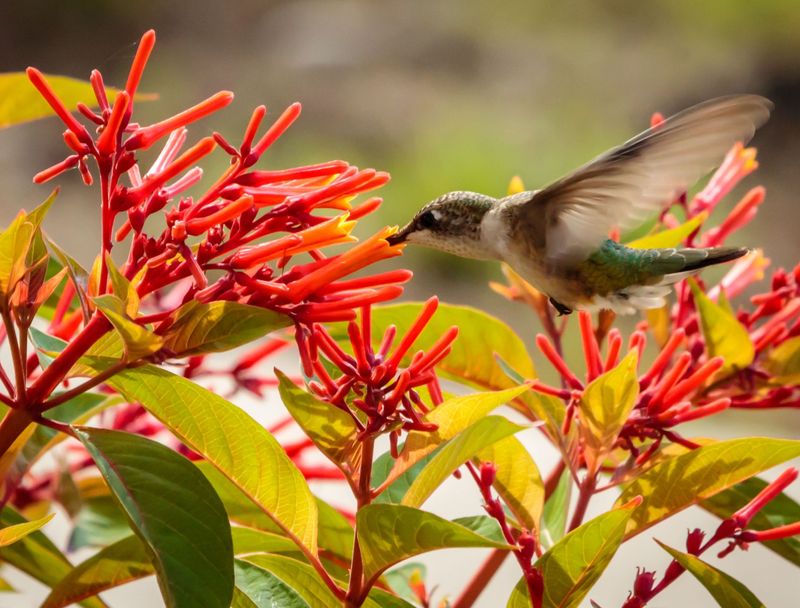
When a plant looks like a hummingbird magnet from across the yard, it earns its space fast. Firebush brings bright orange-red tubular flowers that glow in the sun and keep the garden feeling alive through hot, sticky months.
Florida native firebush is especially useful because it gives a tropical look without needing tropical-level fuss. Once established, it handles heat, sandy soil, and dry spells better than many showier ornamentals. In warmer parts of Florida it may stay shrub-like year-round, while in colder areas it can die back and return from the roots.
Pollinators are the main reason this plant stands apart from the others on this list. Hummingbirds, butterflies, and native bees all visit the flowers, so it does more than decorate the yard. It turns a plain sunny corner into a little wildlife stop.
Place firebush where it has room to grow, because it can become a bold, rounded shrub. If you want a lush, high-impact plant that still plays nicely with Florida conditions, this one feels like a splurge but acts practical.
4. Muhly Grass
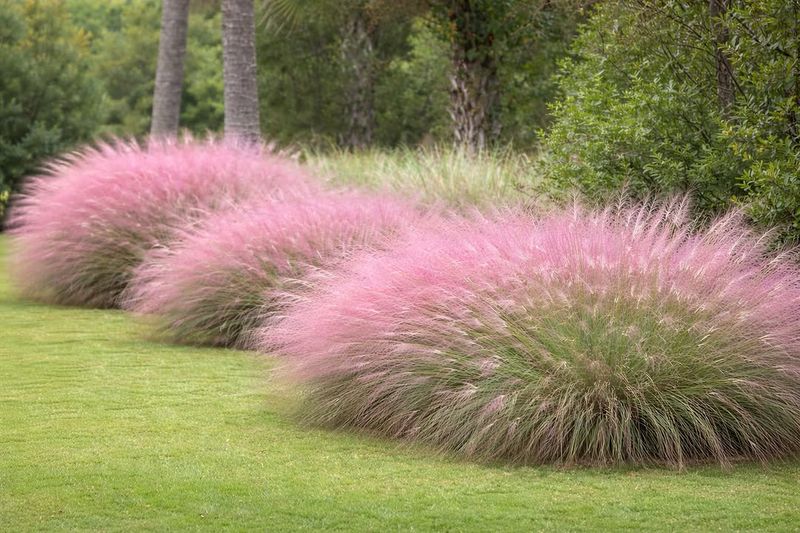
For a few weeks each year, muhly grass looks like pink mist floating above the yard. That airy bloom is what makes it feel expensive, especially when planted in groups along a driveway, pool cage, or wide sunny bed.
Behind the soft look is a tough Florida native grass that asks for very little after establishment. It likes sun, drains well in sandy soil, and does not need rich fertilizer to perform. In fact, too much pampering can make it floppy or less impressive.
Muhly grass is different from a typical flower because its best feature is movement and texture. The fine blades catch wind, the seed heads glow in low light, and the whole plant adds a designer feel without needing constant deadheading.
Give it good drainage and avoid planting it where water sits for long periods. A simple late-winter trim can refresh the clump before new growth begins. For Florida yards that need softness without extra maintenance, muhly grass is one of the easiest ways to look polished.
5. Beautyberry
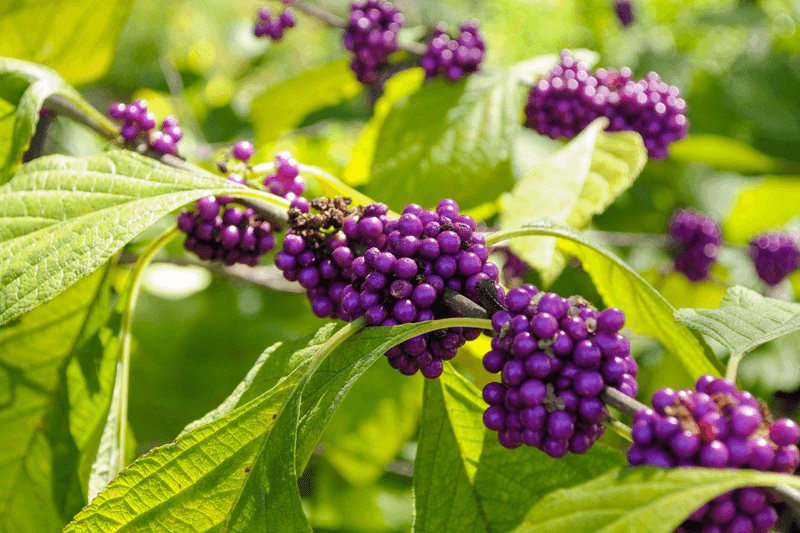
Purple berries clustered like beads along the stems make beautyberry look almost unreal the first time you notice it. In late summer and fall, the fruit can turn a quiet corner into the part of the yard everyone asks about.
Beautyberry works well in Florida because it is more relaxed than formal shrubs. It tolerates part shade, sandy soil, and naturalistic planting areas where a perfectly clipped shape is not the goal. Once its roots are established, it usually needs only occasional pruning to keep it from getting too leggy.
Birds enjoy the berries, and the plant fits beautifully along fences, under tall pines, or at the edge of a mixed native bed. Its spring flowers are small and modest, but they set up the berry show that makes the shrub memorable.
One helpful tip: beautyberry often looks best when planted where it can arch naturally. If you force it into a tight hedge, you lose the graceful shape and much of its charm. Let it be a little wild, and it will reward you with color that feels boutique.
6. Walter’s Viburnum
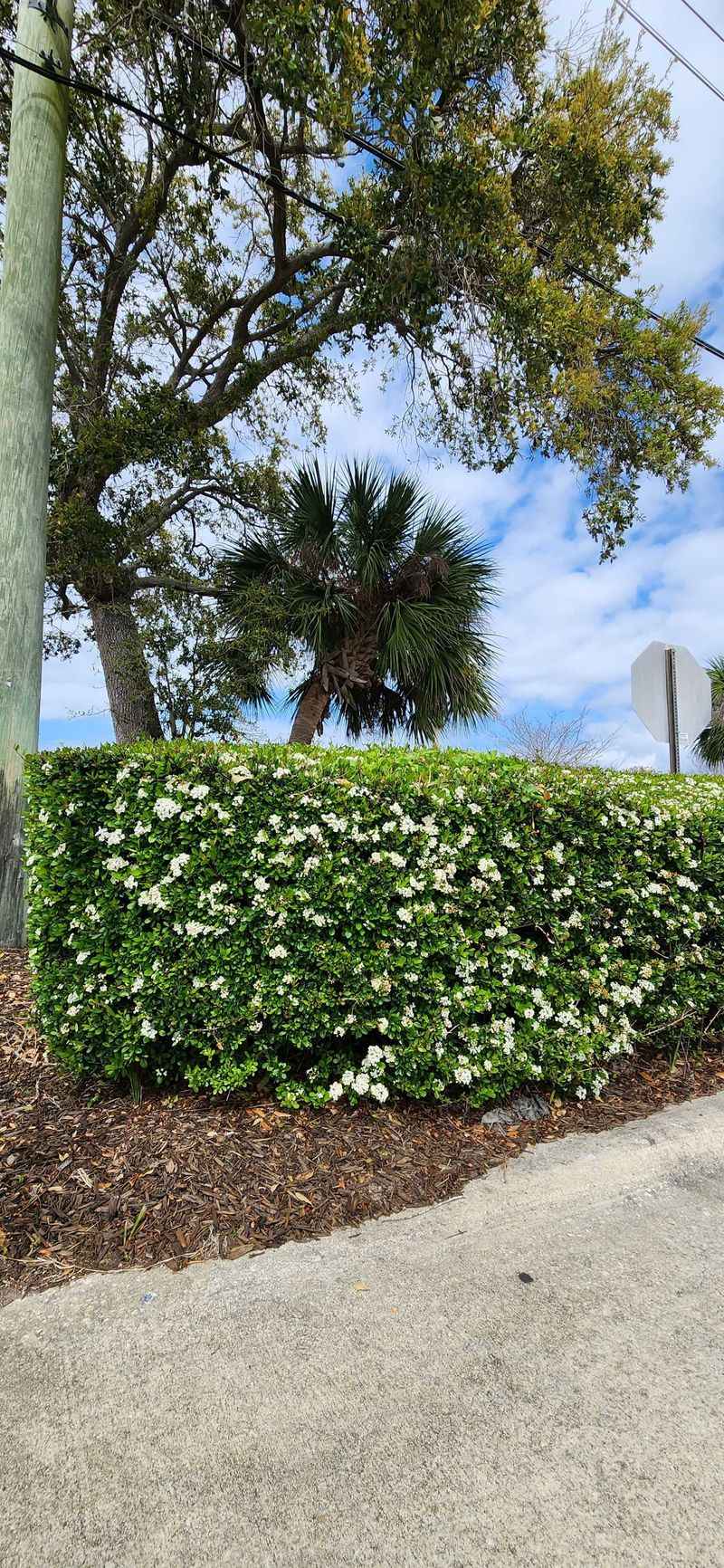
A clean evergreen hedge can make a home look instantly more cared for, and Walter’s viburnum does that with a Florida-native pedigree. It has small leaves, clusters of white spring flowers, and a naturally dense habit that can read formal or casual depending on how you prune it.
Compared with many common hedge plants, Walter’s viburnum feels better matched to Florida’s weather swings. It can handle sun to part shade, supports pollinators, and offers cover and fruit for birds. Once established, it is not a plant that needs daily attention to look respectable.
The standout feature here is structure. Some native plants lean meadow-like or loose, but Walter’s viburnum can create the bones of a landscape. Use it for screening, foundation planting, or a green backdrop behind showier flowers.
Choose the right form for your space, since some selections stay compact while others grow much taller. Water during establishment, mulch lightly, and avoid shearing it into a hard wall too often. With a bit of space and sensible pruning, it gives the yard that quiet, finished look.
7. Dune Sunflower
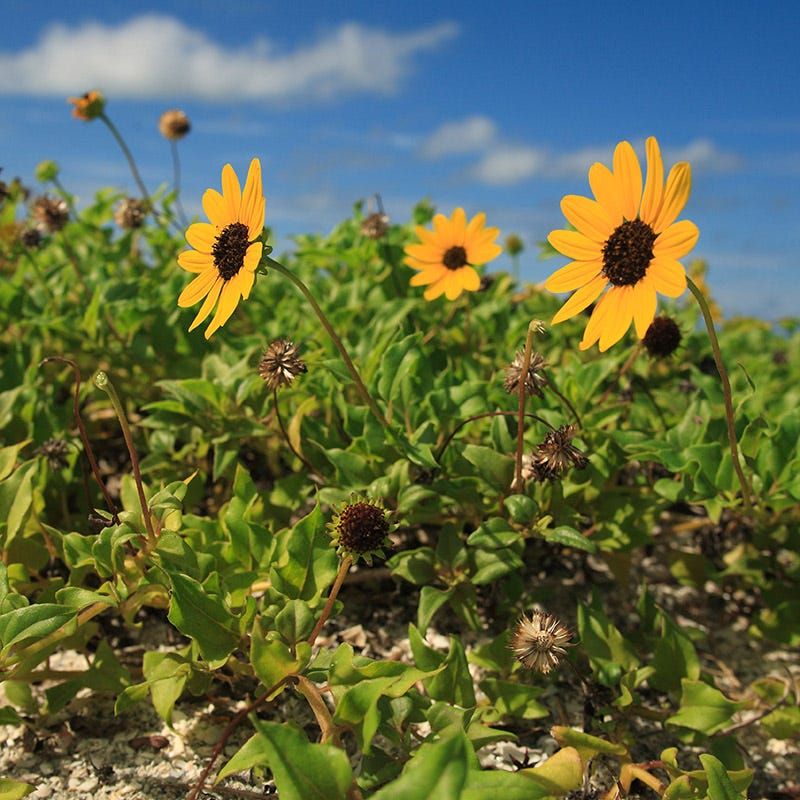
Some bare sandy spots seem to laugh at mulch and annual flowers. Dune sunflower is one of the Florida natives that can turn those tough sunny areas into a cheerful carpet of yellow blooms.
Its low, spreading habit makes it useful where you want groundcover rather than another upright shrub. The daisy-like flowers look casual and bright, and the plant is especially at home in coastal and well-drained sandy settings. Once established, it can handle dry conditions that would flatten thirstier bedding plants.
What makes dune sunflower different is its problem-solving personality. It is not trying to be a formal centerpiece. It is the plant you use when you want to cover ground, reduce bare soil, invite pollinators, and stop fussing with seasonal replacements.
Give it full sun and room to spread. In a neat garden, you may want to trim edges now and then so it stays where you want it. For a Florida-friendly front strip, mailbox bed, or beachy cottage look, it delivers color without acting fragile.
8. Fakahatchee Grass
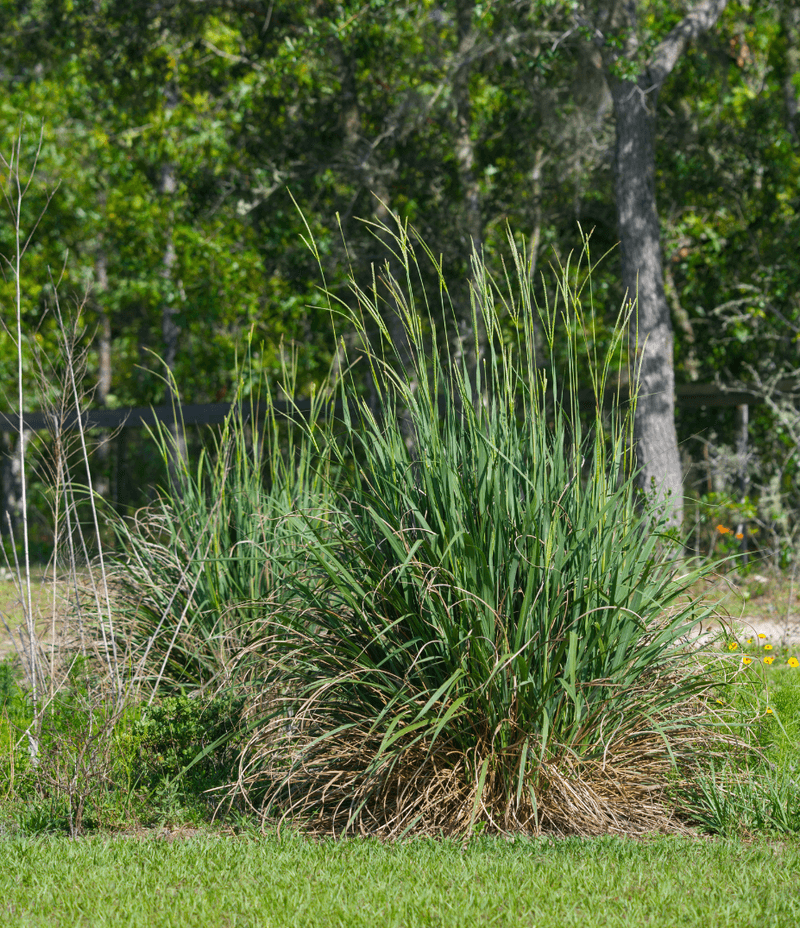
Big, graceful clumps of Fakahatchee grass can make a yard feel like a resort landscape, especially near a pond, swale, or rain garden. The long arching leaves bring height and movement without the stiff look of many foundation shrubs.
Florida yards often have one of two problems: soil that drains too fast or low spots that stay wet after storms. Fakahatchee grass is valuable because it can work in moist areas where other plants sulk, while still tolerating average garden conditions once established.
Its role on this list is storm-smart elegance. In places that collect water during heavy rain, it can help create a planted, intentional look instead of a muddy trouble zone. It also provides cover for small wildlife and texture that lasts through much of the year.
Use it where there is enough room, because mature clumps can become large. Avoid squeezing it into a narrow bed by the front door. Planted in the right scale, Fakahatchee grass looks bold, native, and surprisingly refined with very little routine care.
9. Coral Honeysuckle
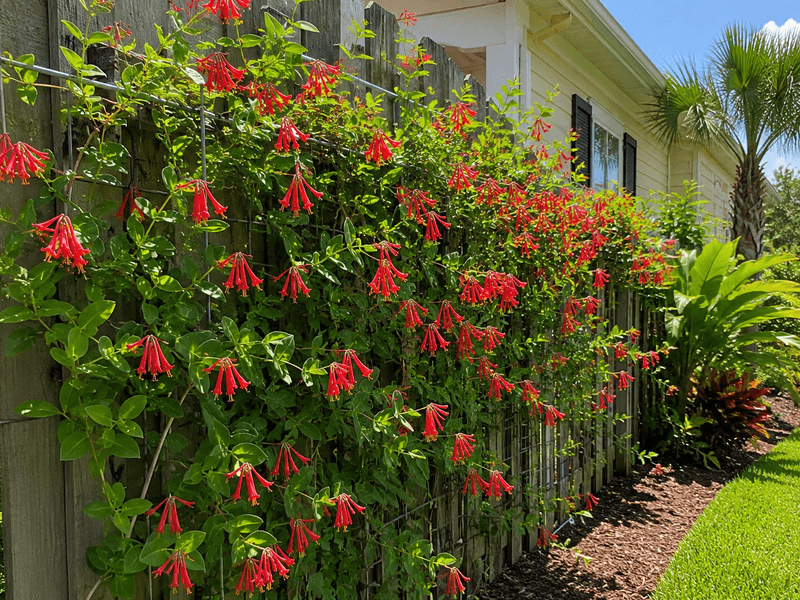
A plain fence or bare trellis can look custom-built once coral honeysuckle starts blooming across it. The coral-red tubular flowers are showy without being gaudy, and hummingbirds often find them quickly.
Unlike invasive honeysuckle species that cause problems in natural areas, coral honeysuckle is native and much better behaved. It climbs by twining, so it appreciates a trellis, arbor, or fence for support. After establishment, it is generally easier to manage than many fast, messy vines.
The reason it belongs here is vertical beauty. Not every low-maintenance plant has to sit in a bed. Coral honeysuckle lets Florida gardeners add height, soften hard lines, and create a living screen without installing a row of thirsty ornamentals.
Plant it in sun to part shade, with more flowers usually coming from brighter light. A light trim after heavy growth can keep it tidy. If your yard needs something elegant but not fussy for a fence, gate, or patio edge, this vine brings the upgrade.
10. Wild Coffee
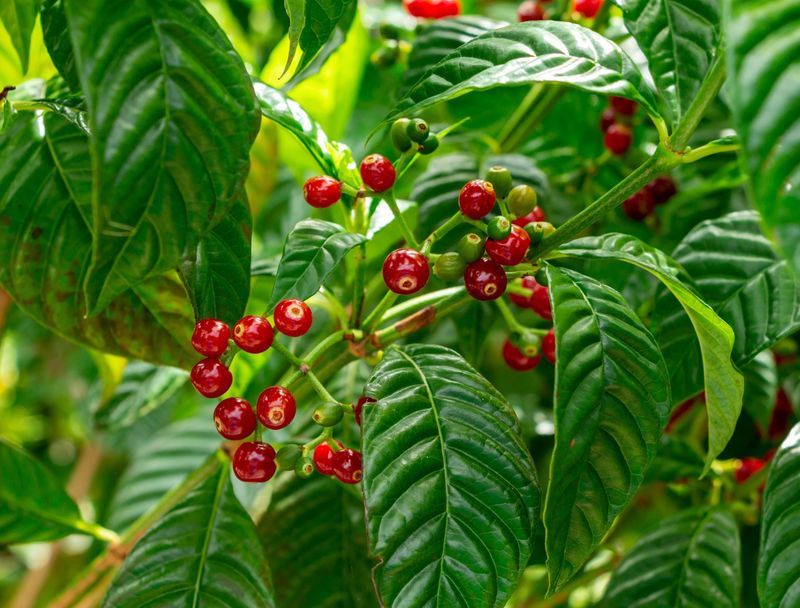
Shade in Florida can be strangely difficult, especially under palms, oaks, and roof overhangs where soil dries quickly. Wild coffee steps into that dimmer space with glossy, textured leaves that look far more refined than its easygoing care suggests.
Despite the name, this plant is not the coffee used for your morning cup. It is a native understory shrub with small flowers and red berries that can attract wildlife. The foliage is the real show, with a quilted look that adds depth to shady beds.
Wild coffee stands apart because it solves the polished-shade problem. Many flashy landscape plants demand strong sun, while many shade plants look thin or tired in Florida’s sandy soil. Once established in the right spot, wild coffee can fill in quietly and make a shaded corner feel intentional.
It performs best in part shade to shade and appreciates some protection from harsh afternoon sun. Water it during the establishment period, then let leaf litter or light mulch help the soil hold moisture. For a calm, tropical-looking layer under taller plants, it is a Florida native worth knowing.