
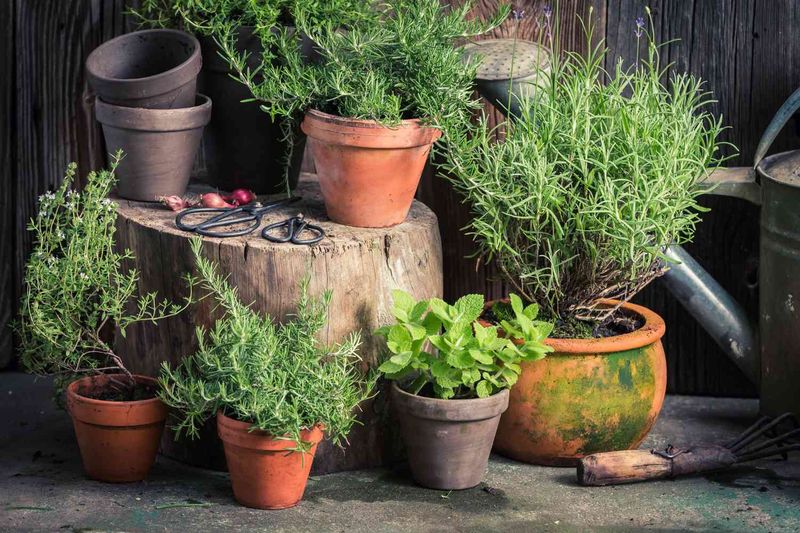
A garage door is one of the easiest places for roaches to sneak into a Florida home. Warm nights, damp corners, pet food, cardboard, and tiny gaps can turn that area into a pest highway.
Native plants cannot replace sealing cracks or cleaning up clutter, but the right ones can make the space drier, brighter, and less inviting. Here are seven Florida natives that look good by the garage and can help support a tougher first line of defense.
1. Beautyberry

Those bright purple berry clusters look almost too cheerful for pest patrol, but beautyberry earns its spot near a garage because it brings structure, color, and a useful scent profile to a problem area. The leaves of American beautyberry have long been associated with insect-repelling compounds, and while it is not a guaranteed roach shield, it can help make the entry zone feel less like a hidden, damp passage.
Plant it where it gets part sun to full sun, leaving enough room for its loose, arching shape. In many Florida yards, beautyberry handles sandy soil better than fussier ornamentals, especially once established.
A light pruning in late winter keeps it from leaning into the driveway or brushing the garage wall.
Its biggest difference from the others on this list is the wildlife bonus. Birds often feed on the berries, so the same shrub that softens a plain garage corner can also bring movement and color to a practical space.
Keep fallen leaves and berries swept away from the threshold, though, because clean edges still matter when you are trying to discourage roaches.
2. Wax Myrtle
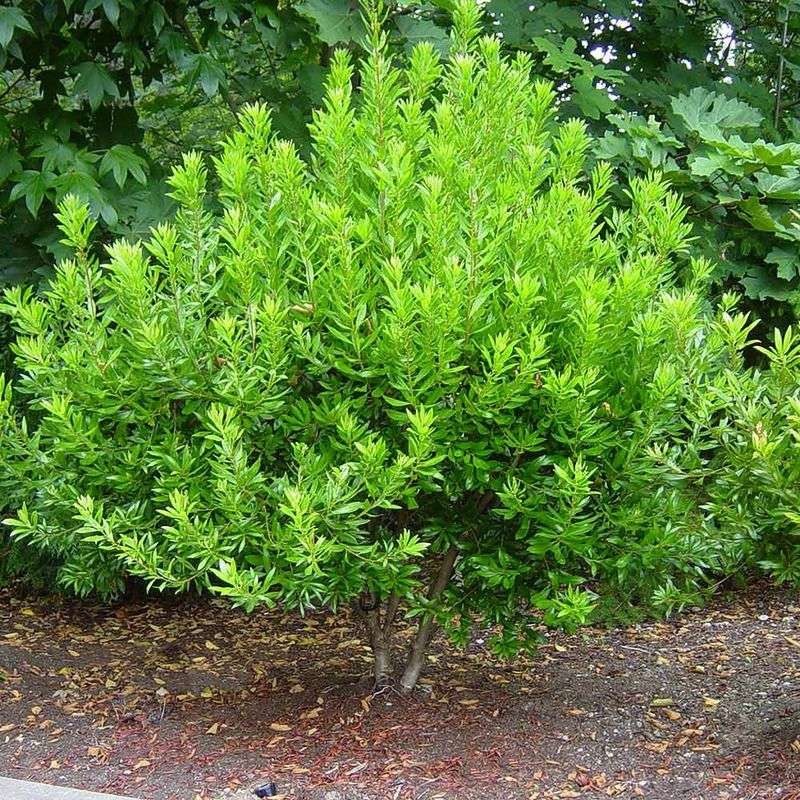
A wax myrtle by the garage has the steady, no-drama look many Florida homeowners want. Its evergreen foliage gives year-round cover without looking stiff, and the aromatic leaves release a resinous scent when brushed or pruned.
That smell is one reason gardeners often use it around outdoor living areas where they want fewer nuisance insects.
Near a garage door, wax myrtle works best as a side planting rather than a tight foundation plant. Give it space for airflow and keep branches trimmed back from siding, weatherstripping, and any wall vents.
Roaches like dark, moist, undisturbed pockets, so the goal is not to create a dense cave right next to the door.
What sets wax myrtle apart is its size and screening power. It can hide trash bins, soften a blank garage wall, or frame a driveway while staying tough through heat and sandy soil once rooted in.
Choose dwarf selections for smaller homes, or prune standard plants into a looser hedge.
For the best pest-minded setup, pair wax myrtle with a clean gravel or mulch strip and good door sealing. The plant improves the outside zone, while your maintenance closes the actual entry points.
3. Dotted Horsemint
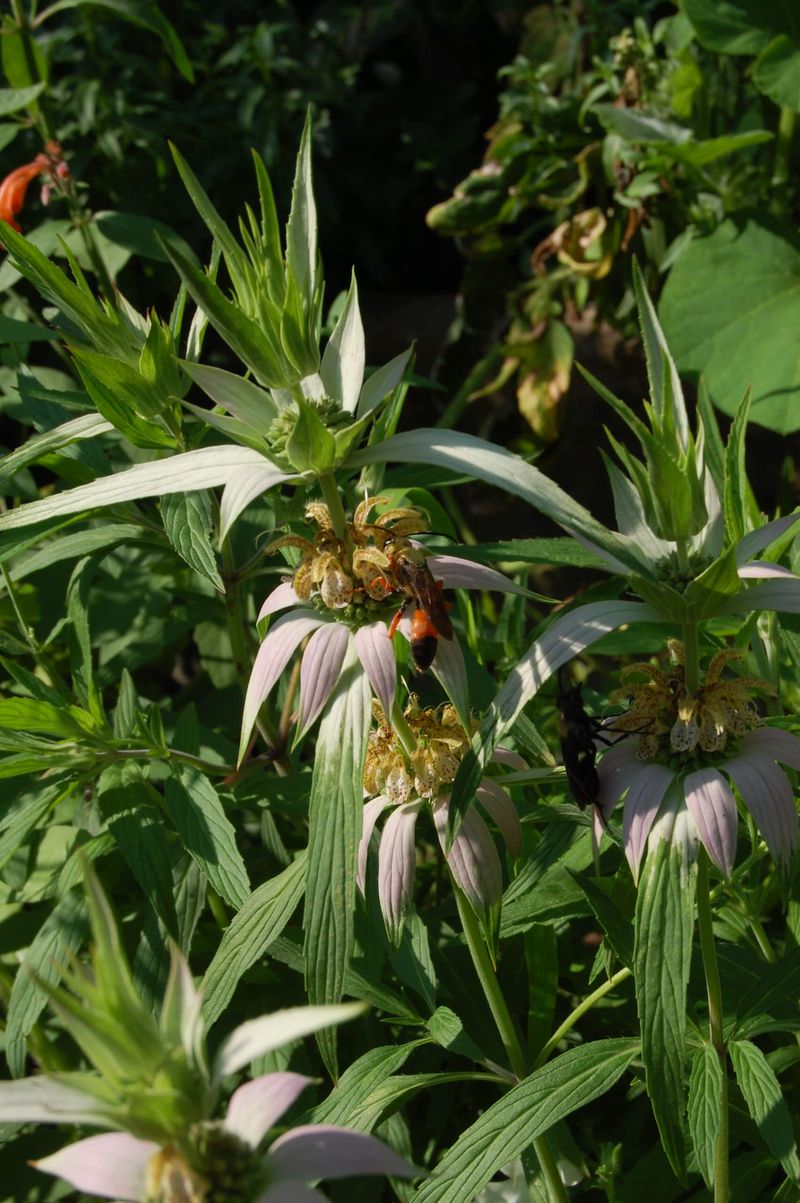
Walk past dotted horsemint on a hot afternoon and you understand why it belongs near an entry. The plant has a spicy, minty fragrance that feels lively rather than perfume-heavy, and that aromatic foliage can help make the garage edge less appealing to some wandering insects.
Roaches are driven mostly by food, moisture, and shelter, but scent-rich plants can be part of a layered approach.
Dotted horsemint is especially useful where a narrow bed beside the driveway bakes in sun. It likes well-drained soil, which fits many Florida lots, and it does not need the constant watering that can turn a garage foundation bed into a damp pest zone.
Its unusual stacked flowers also draw bees, butterflies, and other pollinators.
The personality here is a little wildflower-meets-herb-garden. It is not as formal as wax myrtle or as tidy as coontie, so place it where a casual, native look makes sense.
Cut it back after bloom if it gets leggy or flops over the walkway.
One practical caution: avoid planting any mint-family plant where irrigation sprays the garage door every day. Drier, sunnier conditions help the plant thrive and keep the threshold less roach-friendly.
4. Coontie
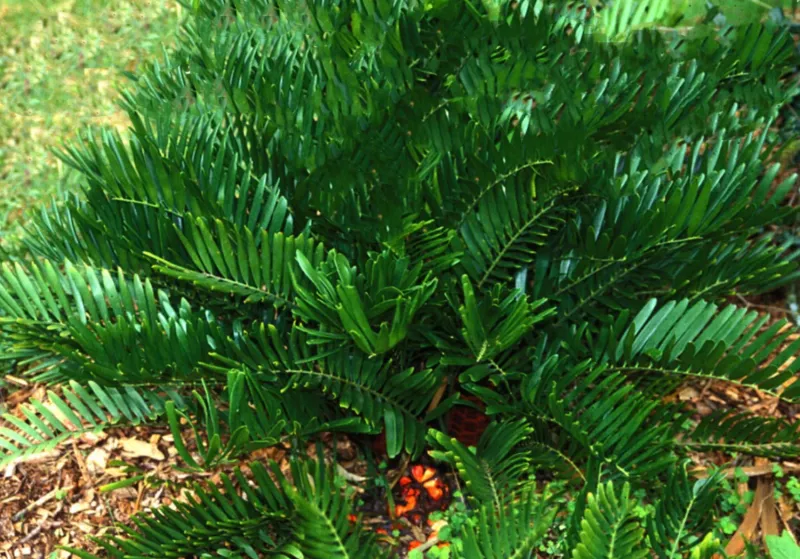
Neat, low, and almost sculptural, coontie is the plant for homeowners who want the garage bed to look polished without constant trimming. Its stiff, fern-like leaves form tidy mounds that do not sprawl across the driveway or press heavily against the door frame.
That matters because overgrown, tangled planting can create the dark hiding places roaches prefer.
Coontie does not repel roaches in a strong, proven way like a spray or bait would. Its value is different: it helps you build a clean, low-water, low-clutter bed that stays airy and manageable.
In Florida’s sandy soils, established coontie is often easier to live with than thirsty tropicals that need frequent irrigation.
A bonus for native gardeners is its connection to the Atala butterfly, whose caterpillars use coontie as a host plant. That gives your garage-side planting a wildlife purpose while still keeping the area orderly.
It also tolerates sun to part shade, making it helpful for garage walls that get harsh morning or afternoon light.
Use coontie in groups of three or five, with space between plants and the wall. Add a firm edge along the driveway so leaves, mulch, and debris do not collect where the concrete meets the garage seal.
5. Frogfruit
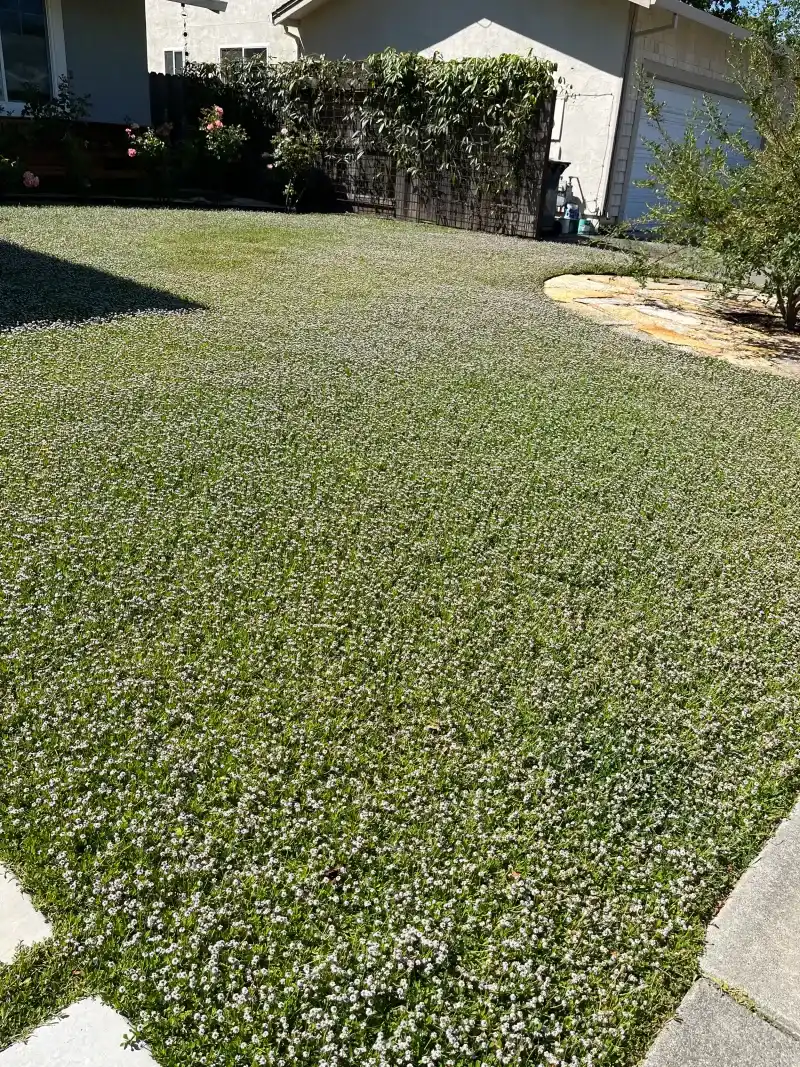
Not every garage planting needs height. Frogfruit hugs the ground, fills bare sandy patches, and can reduce the dusty, weedy strip that often forms along driveways.
That small change matters because messy edges collect leaves, moisture, and hiding spots where insects can travel unnoticed.
Frogfruit stands out as the groundcover option on this list. It spreads into a low mat, handles sun, and offers tiny flowers that pollinators visit.
In the right spot, it can look softer and more alive than a bare strip of mulch, especially beside a garage that feels plain or heat-baked.
For roach prevention, think of frogfruit as a housekeeping helper rather than a repellent. It can stabilize the bed and make gaps easier to see, but it should not be allowed to creep directly under the garage door seal.
Keep a small clear zone at the threshold so you can sweep, inspect, and spot any pest activity quickly.
This plant suits homeowners who dislike high-maintenance borders. It may need occasional edging, especially near concrete, but it generally asks for less fuss than seasonal flowers.
If your driveway bed is sunny, sandy, and tired-looking, frogfruit can turn that forgotten strip into useful native cover.
6. Muhly Grass
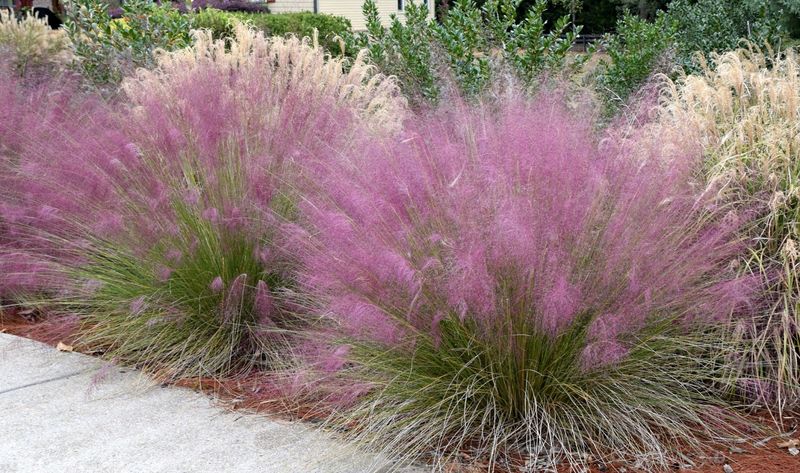
When muhly grass blooms, a plain garage wall suddenly looks planned. The airy pink plumes are the show, but the real reason it belongs here is its open, upright habit.
Unlike dense shrubs that can trap damp leaves against the house, muhly creates movement and texture while still letting light and air pass through.
That airy structure is useful in Florida, where moisture control is part of pest control. Roaches favor damp, protected places, so a planting that dries quickly after rain is a smarter choice near a garage than a thick, soggy mass of foliage.
Muhly also handles sandy soil and full sun once established, which makes it a good fit for hot driveway edges.
Its difference from the rest of the list is seasonal drama with low clutter. In fall, when many Florida homeowners start refreshing visible beds after the hardest heat, muhly gives a big visual payoff.
In late winter, cut it back before new growth starts, and remove the trimmings rather than letting them pile near the door.
Plant clumps far enough from the garage so mature blades do not rub the wall. A gravel border or clean mulch ring helps keep the base dry and easy to inspect.
7. Simpson’s Stopper

A glossy Simpson’s stopper can make the garage corner feel finished, almost like a small landscape upgrade instead of a pest-control chore. Its evergreen leaves, white flowers, and red berries give it curb appeal, while its dense but trimmable form can be shaped into a small hedge or specimen shrub.
The key is managing that density so it helps the space instead of hiding problems.
Among these seven plants, Simpson’s stopper is the best choice when you want a more refined, front-yard look. It is native to Florida, supports birds, and can tolerate a range of conditions once established.
Near a garage, it works well at the outer corner of a bed, where it frames the door without crowding the threshold.
Because any thick shrub can become shelter if ignored, pruning is part of the plan. Lift the lower branches slightly, keep mulch from piling against the wall, and leave enough room behind the plant for airflow.
That makes it easier to see cracks, sweep debris, and notice small pest issues before they grow.
Simpson’s stopper does not magically block roaches, but it helps you build a cleaner, more attractive barrier zone. Combined with sealed gaps, dry storage, and no pet food in the garage, it gives the entry a smarter, Florida-friendly edge.