
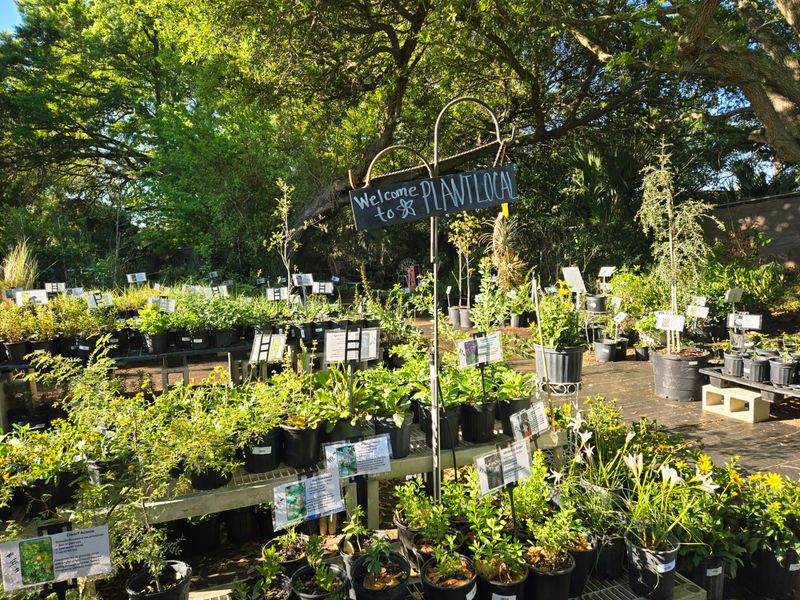
Big-box garden centers in Florida love selling the same thirsty tomatoes and fussy roses that melt in July heat and rot in sandy soil. But scattered across the state are specialty nurseries stocking native edible plants that actually thrive here, feeding you without begging for water, fertilizer, or babysitting. These are the growers who know which berries survive a hurricane and which greens shrug off August humidity. Here are ten Florida nurseries where you can finally buy the tough, tasty native plants your neighborhood store pretends do not exist.
1. Green Sense Farms Native Edibles (Central Florida)
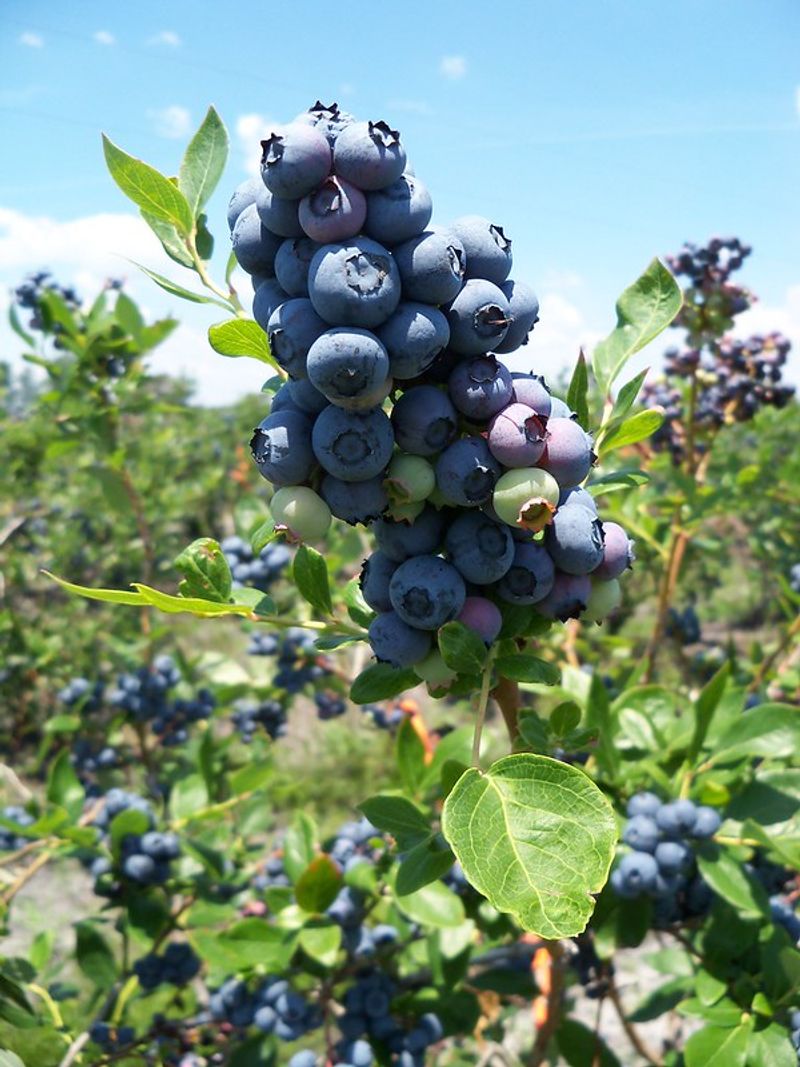
Ask any Orlando food gardener where to find a real native blueberry, and this specialty grower usually comes up first. They focus on rabbiteye and southern highbush blueberries bred specifically for Florida’s low chill hours, so you get fruit even when winter barely shows up.
What sets them apart is their obsession with matching plants to sandy soil. Their staff will tell you straight up which varieties handle the fast-draining ground around Orlando without constant watering. That kind of honesty is rare at a chain store more interested in moving inventory.
They also carry beautyberry and native persimmon, two plants that laugh at summer heat and bounce back after storms. If you want an edible landscape that survives without pampering, this is a smart first stop.
2. Green Isle Gardens (Groveland)
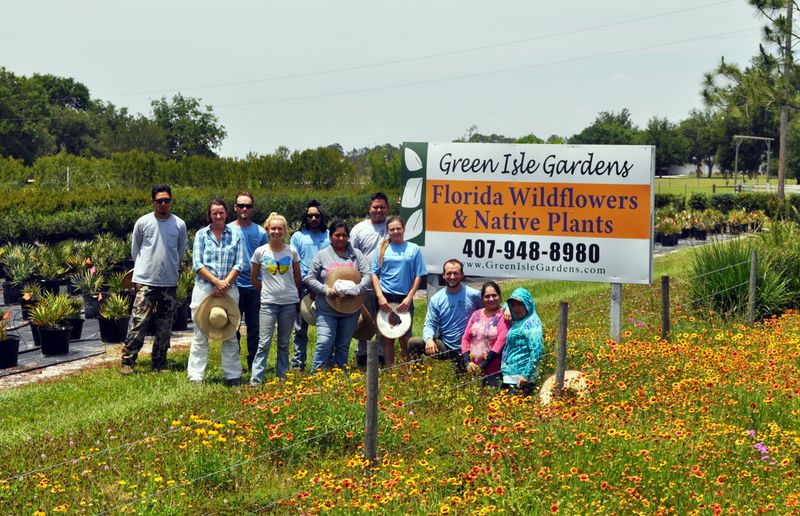
Tucked into the countryside near Groveland, this nursery has built a reputation as one of the largest native-only growers in the state. Nothing exotic sneaks onto their tables, which means every edible you buy is genuinely built for Florida conditions.
Their standout offerings include elderberry and American beautyberry, both of which make excellent jellies and shrug off the flooding that follows a heavy storm. Elderberry in particular loves the damp low spots that drown other fruit plants.
Because they grow at scale, prices stay reasonable and stock stays deep. You can walk out with a dozen plants to build a real edible hedge, not just a lonely specimen in a plastic pot. Their team leans on UF-IFAS guidance, so the advice you get is grounded in university research rather than guesswork.
3. Sweet Bay Nursery (Parrish)
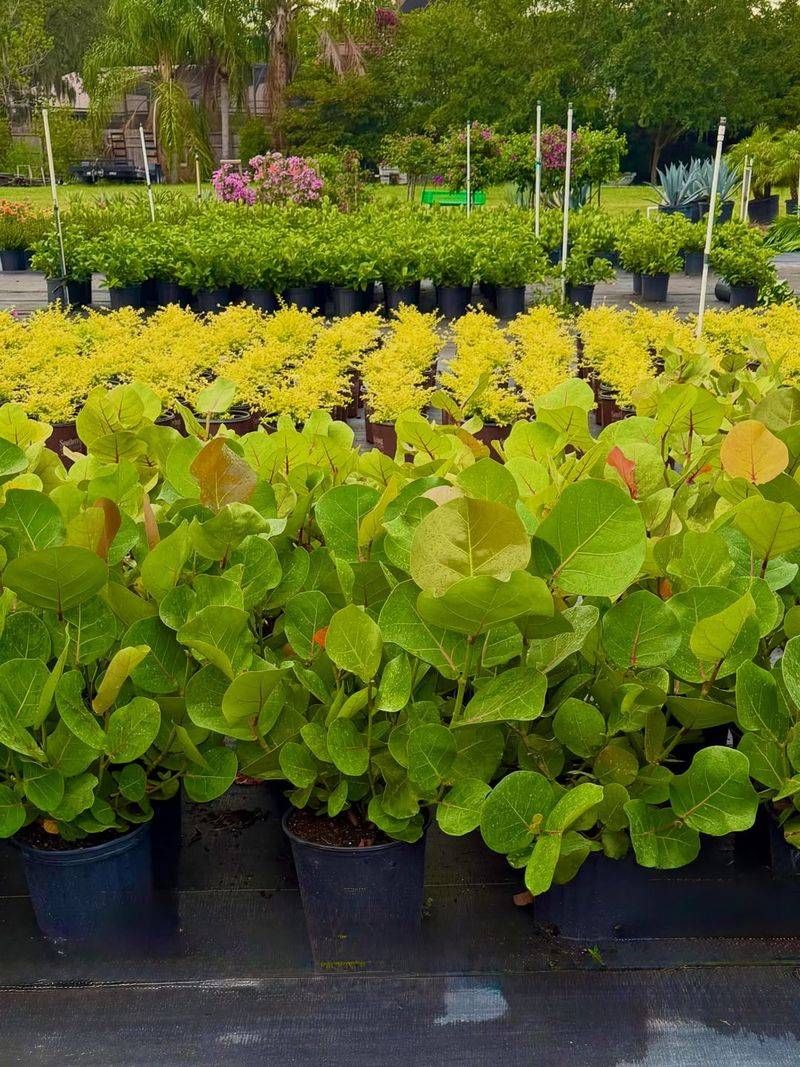
Down in Parrish, a family-run operation quietly grows some of the best coastal native edibles you will find anywhere in the state. Salt spray and sandy dunes do not scare them, which is why their plants suit gardeners living near the Gulf.
Seagrape is their calling card, a plant with tart purple fruit that makes a beautiful jelly and stands up to hurricane-force wind better than almost anything else you can plant. It doubles as a windbreak and a snack.
They round out the selection with cocoplum and simpson stopper, both edible and both nearly indestructible in heat. Staff here talk about plants like old friends, sharing which ones they grow in their own yards. You leave feeling like you got local wisdom, not a sales pitch.
4. Meadow Beauty Nursery (Lake Worth)
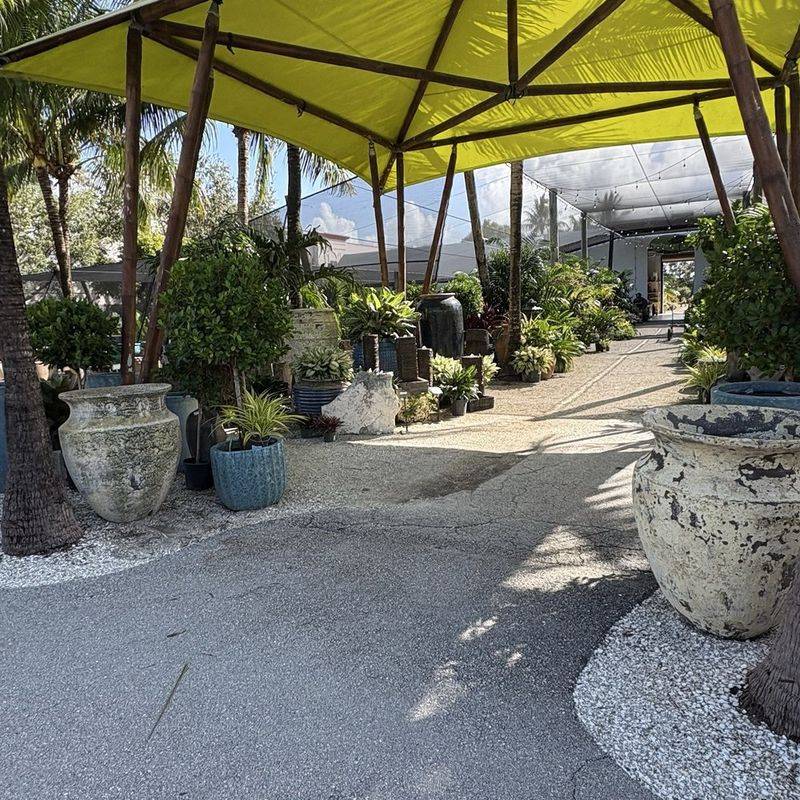
South Florida gardeners hunting for edible natives that handle both flooding and drought tend to end up at this South Florida grower. Their inventory reads like a survival guide for the wetter, wilder parts of the state.
Pond apple is one of their more unusual stars, a tree that actually thrives with wet feet where mangoes and citrus would rot. The fruit is an acquired taste, but the plant solves a flooding problem no chain store can address.
You will also find saw palmetto, whose berries have a long history in traditional remedies, and various native grapes that climb fences and produce with almost no attention. The owner knows the local water table intimately and steers you toward whatever fits your specific soggy or sandy spot.
5. Wilcox Nursery (Largo)
Over on the Gulf Coast in Largo, a nursery run by longtime native-plant advocates has become a pilgrimage site for edible landscapers. The place feels more like a teaching garden than a store, with plants labeled and grouped by how they behave in real yards.
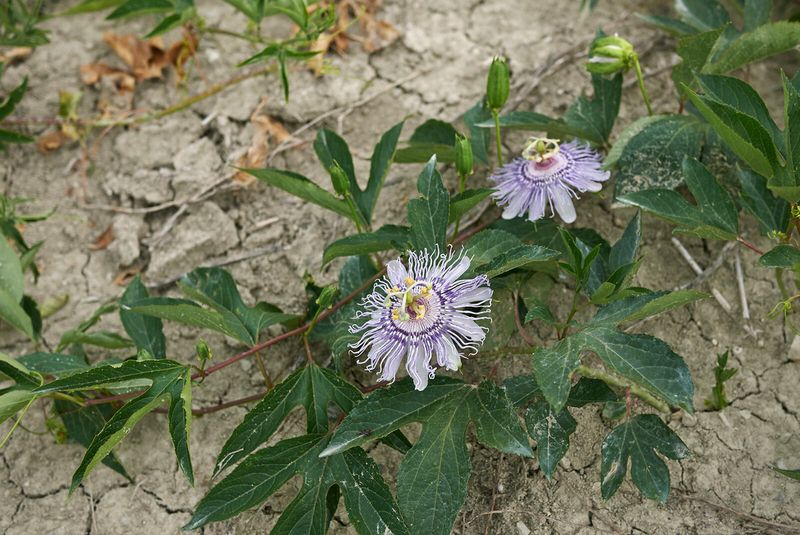
Their walking iris and native passionflower draw a crowd, the latter producing maypop fruit that kids love to pop open on a hot afternoon. Passionflower vines also feed butterflies, so you get pollinators and a snack from one plant.
Regular workshops mean you can learn how to actually use what you buy. Ever wonder how to turn beautyberry into jelly or when to harvest maypop? They walk you through it in person, something no big-box employee has time to do.
6. Florida Native Plants Nursery (Sarasota)
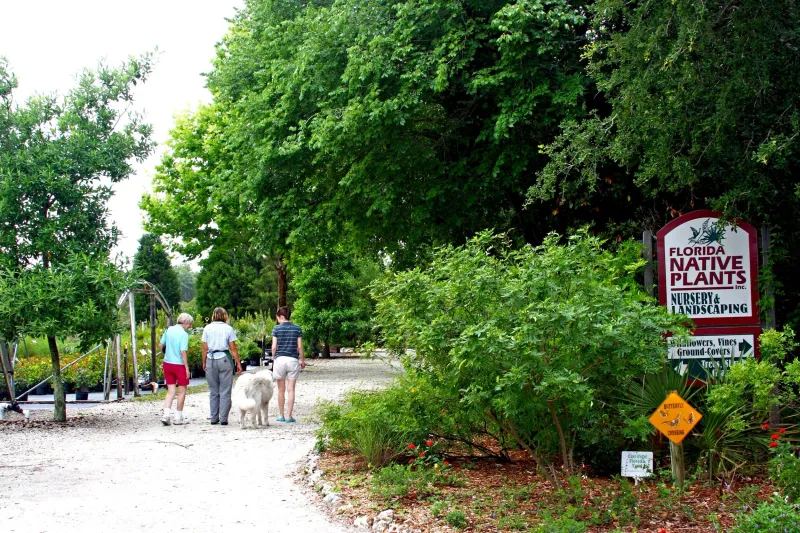
Sarasota’s dedicated native grower earns its spot by treating edibles as part of a whole working ecosystem rather than a novelty shelf. Everything they sell is meant to feed you and the local wildlife at the same time.
Chickasaw plum is a favorite here, a small tree that bursts into fragrant white blooms in late winter and drops sweet-tart fruit by early summer. It handles the sandy Sarasota soil without any coddling and needs almost no irrigation once established.
They also stock native mulberry and gopher apple, plants most people have never heard of despite growing wild across the state. The staff explains how each one fits into a low-maintenance, set-and-forget yard. For gardeners tired of babysitting fragile fruit trees, that philosophy is a relief.
7. Maple Street Natives (Melbourne)
On the Space Coast, this Melbourne nursery has quietly served east-central Florida gardeners for years with a deep bench of edible natives. Storm resilience is baked into their whole approach, which makes sense given how often the Atlantic coast takes a beating.
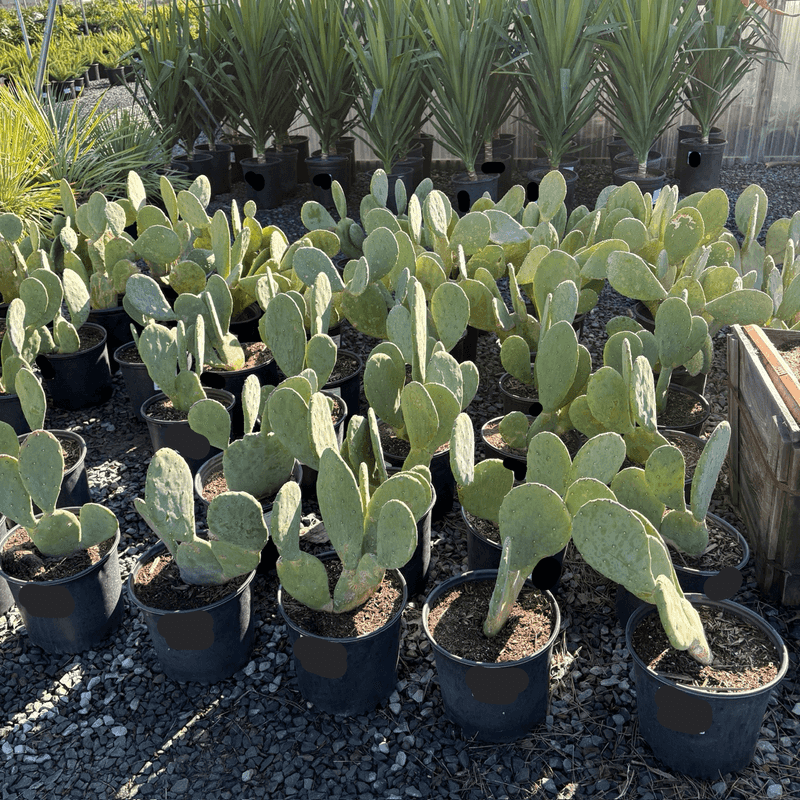
Beach plum and native prickly pear cactus headline their edible section. Prickly pear, or Opuntia, produces both edible pads and sweet red fruit while surviving drought that would kill nearly everything else in your yard.
Because they sit right in hurricane alley, their advice about which plants recover fastest after a storm is worth its weight in gold. They will point you toward deep-rooted natives that stay standing when the wind arrives instead of ending up in your pool. That kind of storm-tested knowledge simply is not available at a national chain.
8. Superbee Botanicals (Gainesville)
Right in the shadow of the University of Florida, this Gainesville grower leans hard into the university-extension research that makes Florida gardening actually work. If a plant does not have UF-IFAS backing, you probably will not find it here.
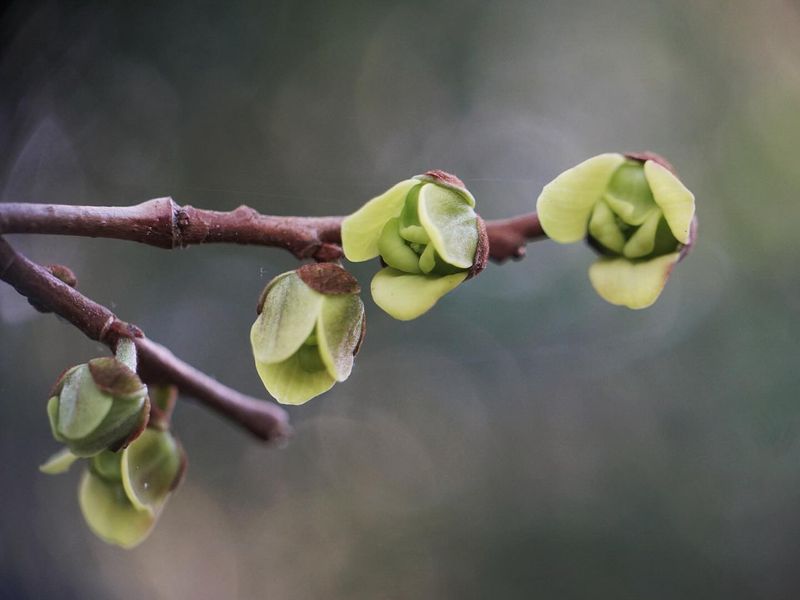
Their pawpaw collection is the real draw, a native fruit that tastes like a cross between banana and mango yet almost never appears in stores. Pawpaws prefer the dappled shade of North Florida woods, so they solve the puzzle of what to grow under existing trees.
Also worth grabbing are their native blackberries, bred to fruit despite short winters and shrug off the region’s clay-and-sand mix. Staff here speak fluent extension-service lingo and will happily geek out over soil pH with you. For the research-minded gardener, it is paradise.
9. Little Red Wagon Native Nursery (Homestead)
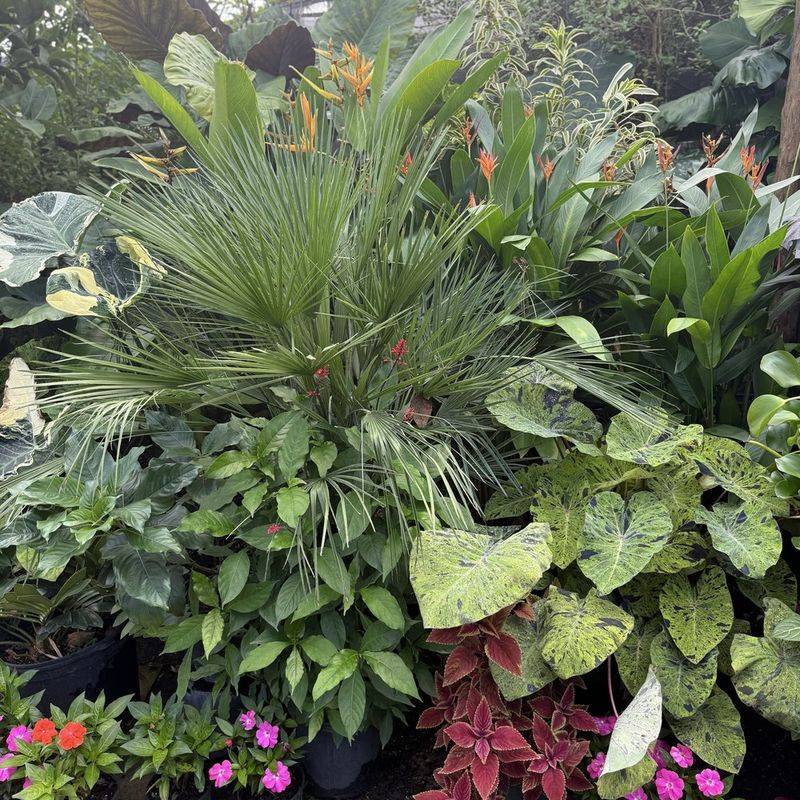
Way down in Homestead, where the climate flirts with the tropics, a small grower specializes in the heat-loving native edibles that struggle anywhere further north. Their catalog is a treasure map for South Florida’s steamiest zones.
Wild coffee and native pigeon plum thrive here, the latter dropping tart fruit that turns into a memorable jelly. Both handle the relentless heat and humidity that would flatten a temperate fruit tree by July.
What makes this spot special is the founder’s roll-up-your-sleeves attitude. She grows everything on-site, tests it in real yards, and will tell you flat out if a plant will hate your particular corner of the county. Buying from her feels like getting a straight answer from a neighbor who actually knows.
10. The Natives (Davenport)
Between Orlando and Tampa in Davenport sits a wholesale-scale native nursery that welcomes home gardeners looking to plant big. If your dream is a whole yard of edible natives rather than a token pot, this is where the math finally works out.
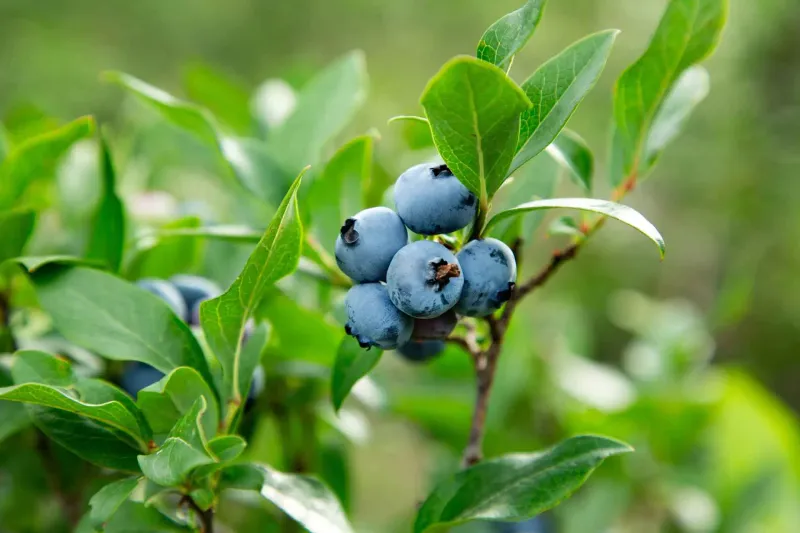
They grow highbush blueberry, elderberry, and native persimmon in serious quantity, so you can build an entire food hedge or forest garden in one trip. Bulk availability keeps costs down without cutting the quality that comes from properly Florida-grown stock.
Beyond the plants themselves, they offer real guidance on spacing, sandy-soil amendments, and how to group edibles so they support each other through heat and storm season. It is the sort of comprehensive help that turns a beginner into a confident food grower. For anyone ready to go all in on native edibles, ending your search here just makes sense.