
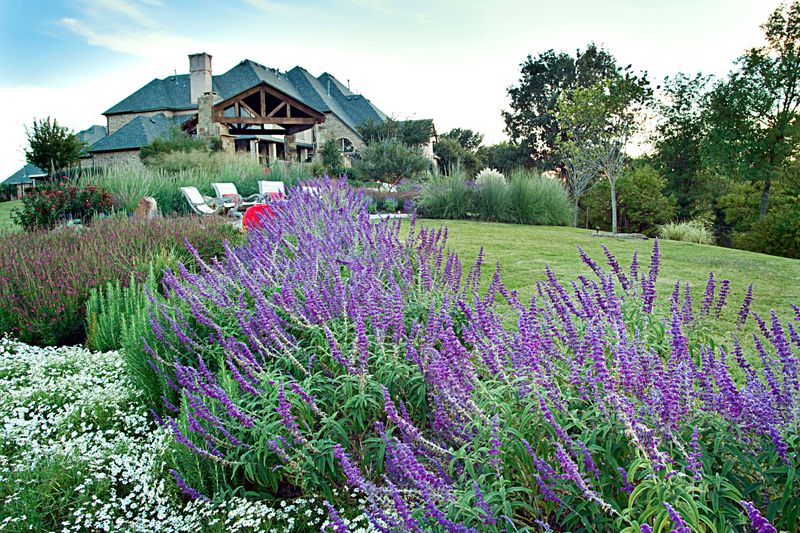
That first cool rain of fall feels like a reset button for Texas yards. The soil softens, the heat finally backs off, and garden centers fill up with flats of bright blooms.
Planting right after that rain gives roots a gentle start, so your beds can stay colorful all the way to Thanksgiving dinner. Here are ten flowers Texans count on for that late-season show, plus tips on where each one works best.
1. Mexican Mint Marigold
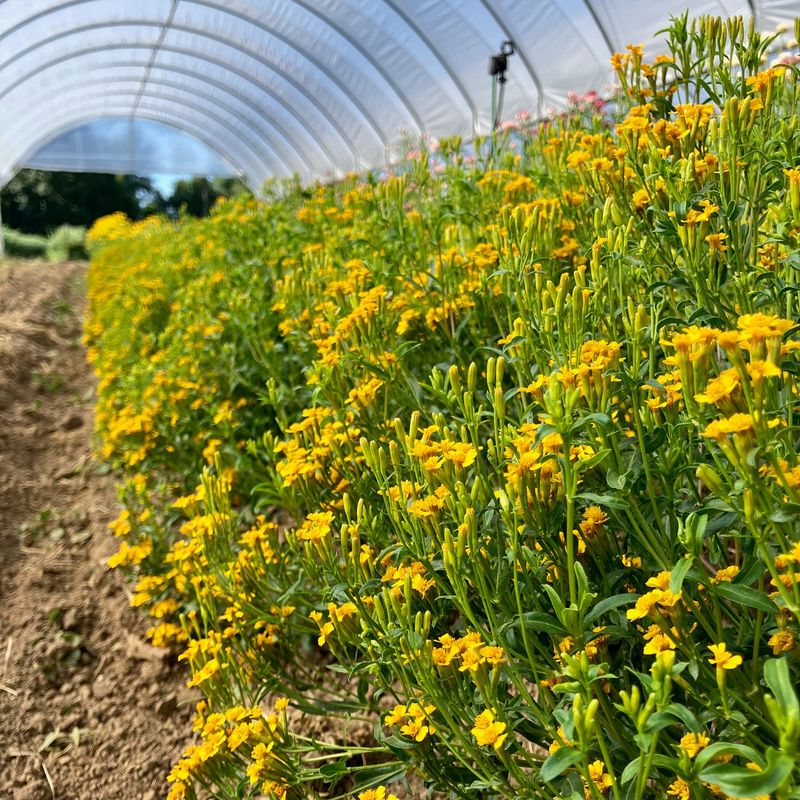
Ask an old-timer in the Hill Country what blooms gold when everything else fades, and you will likely hear about Mexican mint marigold. Its small yellow daisies smell like anise and light up beds right as October arrives.
Set transplants out after that first soaking rain while the soil is still warm. The plants handle alkaline Texas soil and shrug off drought once rooted, which makes them easy for busy homeowners.
Bonus: the leaves often stand in for French tarragon in Southern kitchens, since true tarragon tends to sulk in our heat. Tuck a few near the back door so you can snip some for your holiday stuffing.
2. Pansies
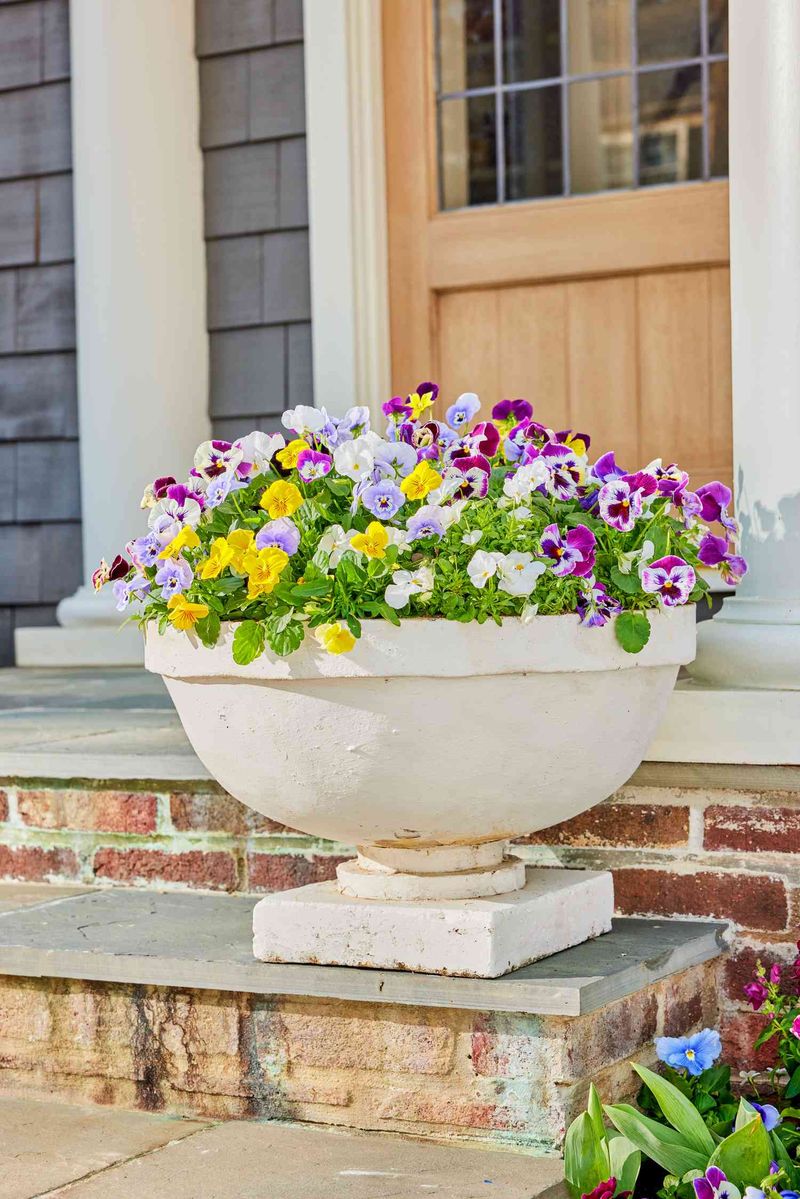
Pansies are the cheerful faces of a Texas fall porch. Once nights dip into the 60s, they settle in and bloom with real enthusiasm.
Plant them in pots or along the front walk where you will see them every day. Give them morning sun and a little afternoon shade in South Texas, since an October warm spell can still stress them.
A light feeding every few weeks keeps flowers coming. In much of the state, they may carry color well past Thanksgiving and into spring.
3. Fall Aster
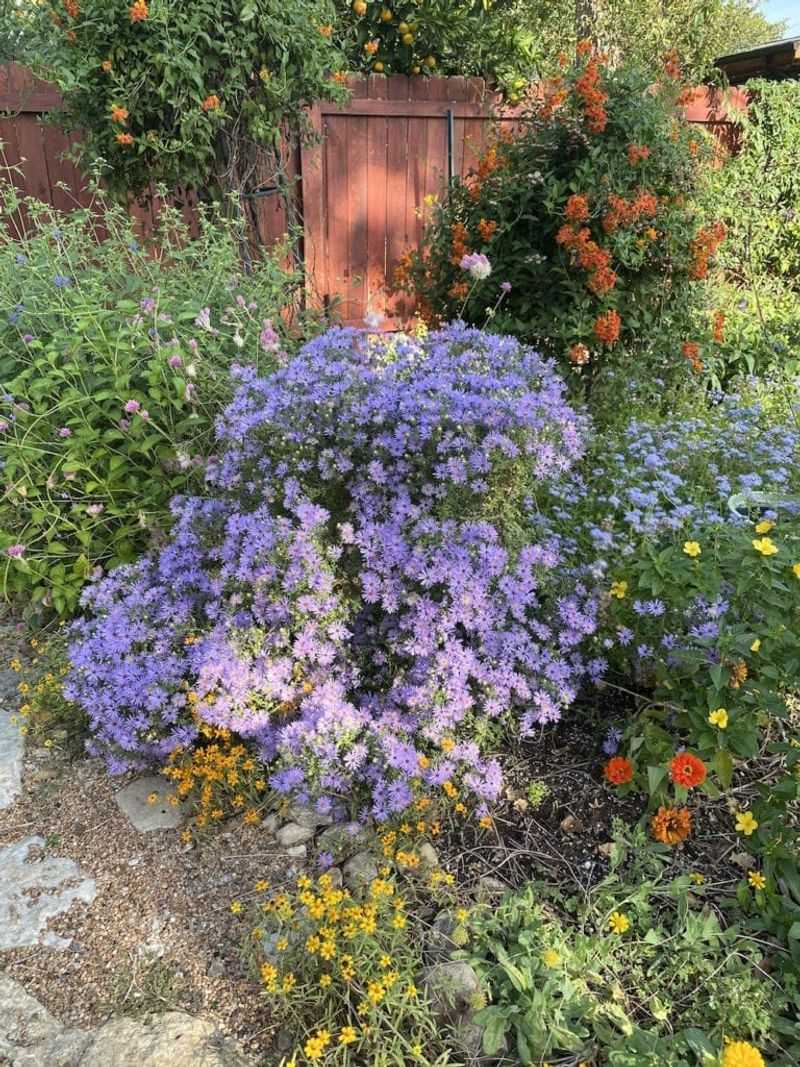
Monarchs passing through Texas in October need fuel, and fall aster serves it up by the mound. This native turns into a cloud of lavender just when migrating butterflies arrive.
Many gardeners already have it in the ground, but a fresh plant set out after the cool rain can still settle in for next year and sometimes bloom this season too. It loves sun, tolerates poor soil, and needs little water once established.
Shear it back by early summer to keep it compact. That one trim helps it form the tidy dome you want for autumn.
4. Snapdragons
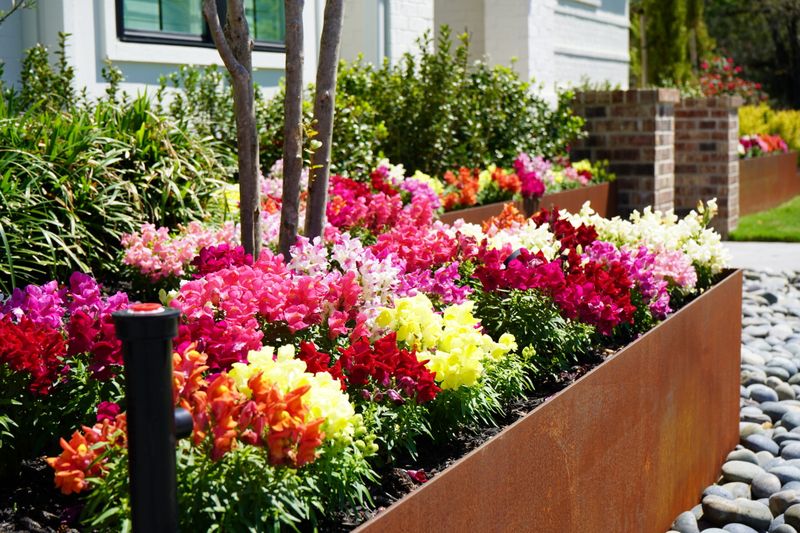
Kids love squeezing the blooms to make the little dragon mouths open, and adults love the height snapdragons add to a bed. They bring vertical spikes of pink, red, yellow, and white that cool-season borders often lack.
Plant them after the first fall rain so roots can grow while temperatures are mild. Full sun and well-drained soil keep them happiest.
Shorter varieties fit containers, while tall types make great cut flowers for a Thanksgiving table centerpiece.
5. Mexican Bush Sage
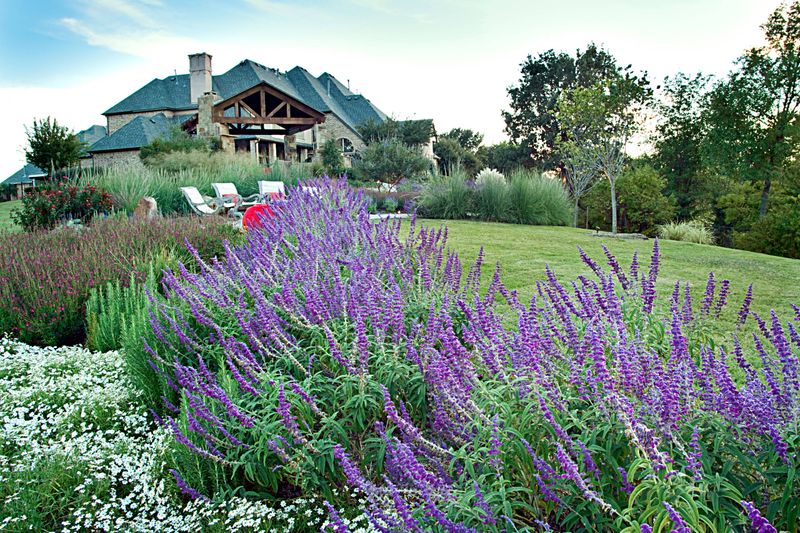
Fuzzy purple wands that sway in the breeze – that is Mexican bush sage at its peak. It saves its biggest show for fall, often blooming hard from September to the first frost.
Hummingbirds heading south stop to feed, so it pulls double duty as wildlife habitat. It handles heat and dry spells well, a solid pick for yards under watering restrictions.
Give it room, since mature plants can reach four feet wide. Cut it back after a freeze, and it should return in spring.
6. Dianthus
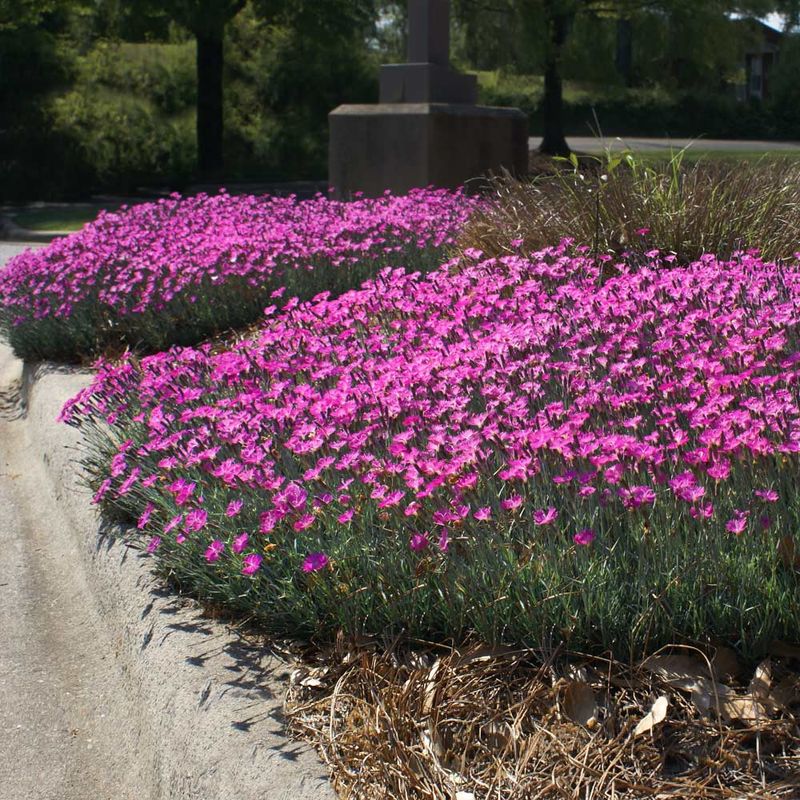
Lean in close and you may catch a sweet, spicy, clove-like scent. Dianthus offers fringed blooms in pink, red, and white on low clumps perfect for bed edges.
It handles cool weather well and often keeps blooming through light frosts. Plant in sunny spots with good drainage, since soggy clay can lead to rot.
Pinch off spent flowers to encourage new buds. A neat row along a walkway gives curb appeal that lasts through the holidays.
7. Cyclamen
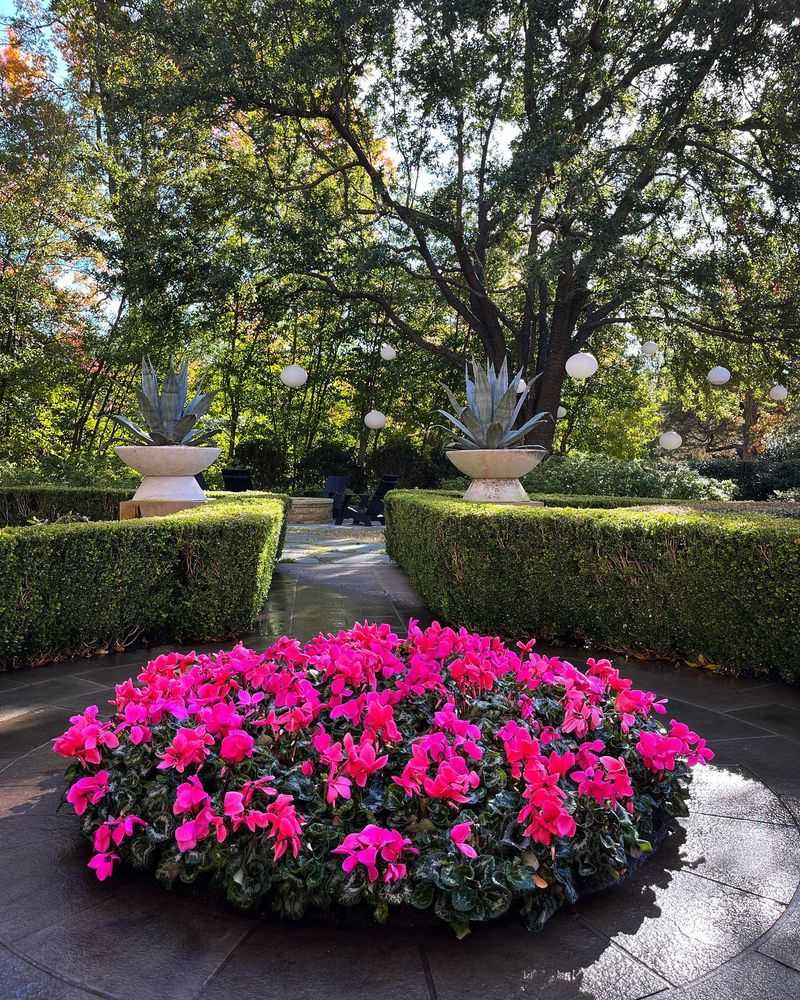
Shady patios get forgotten in fall planning, and cyclamen fixes that. Its swept-back petals look like tiny butterflies hovering above silver-marked leaves.
Along the Gulf Coast and in Central Texas, it does best in pots in bright shade. Water when the top inch of soil is dry, and avoid wetting the crown.
Bring pots inside on freezing nights. With that bit of care, it can bloom well into winter.
8. Ornamental Kale
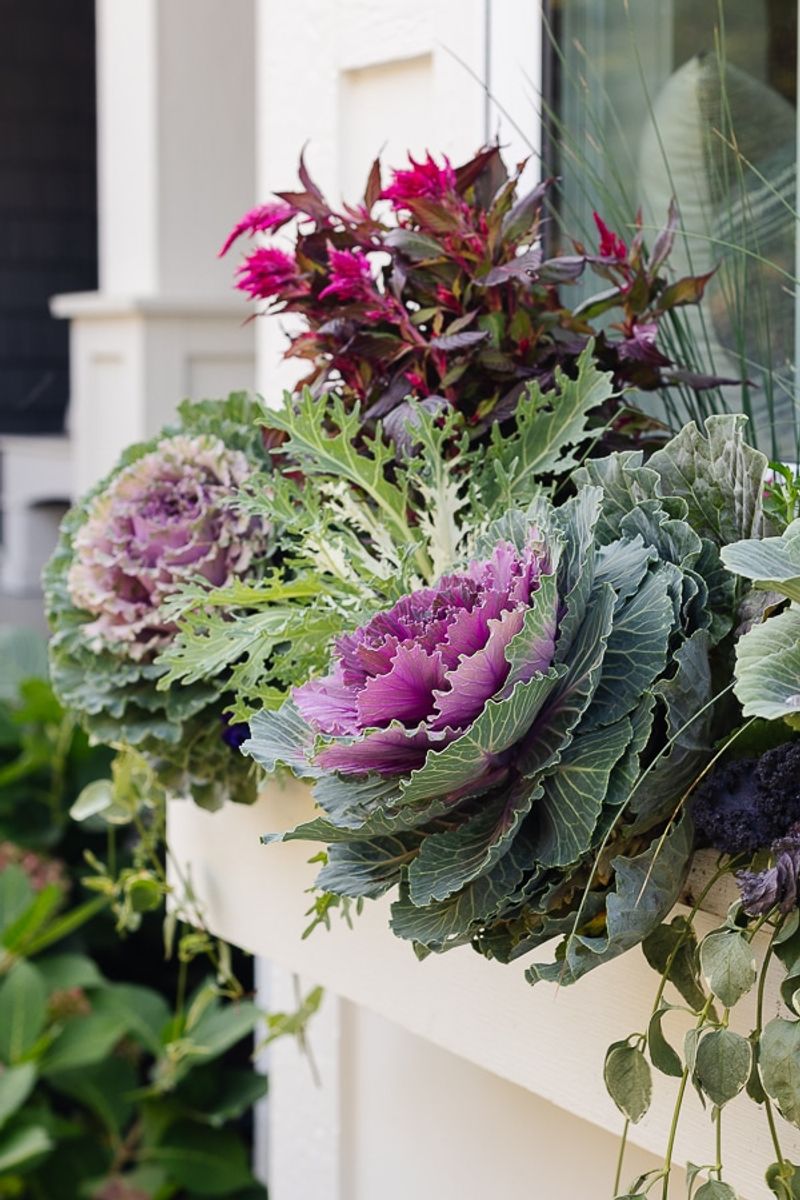
Not every showstopper is a flower. Ornamental kale forms ruffled rosettes of purple, pink, and cream that actually get brighter as nights turn chilly.
Pair it with pumpkins on the porch for an instant Thanksgiving welcome. It needs full sun and steady moisture, and it handles light frost with no fuss.
Choose plants with tight centers at the nursery. Caterpillars may nibble, so check leaves now and then.
9. Gregg’s Mistflower
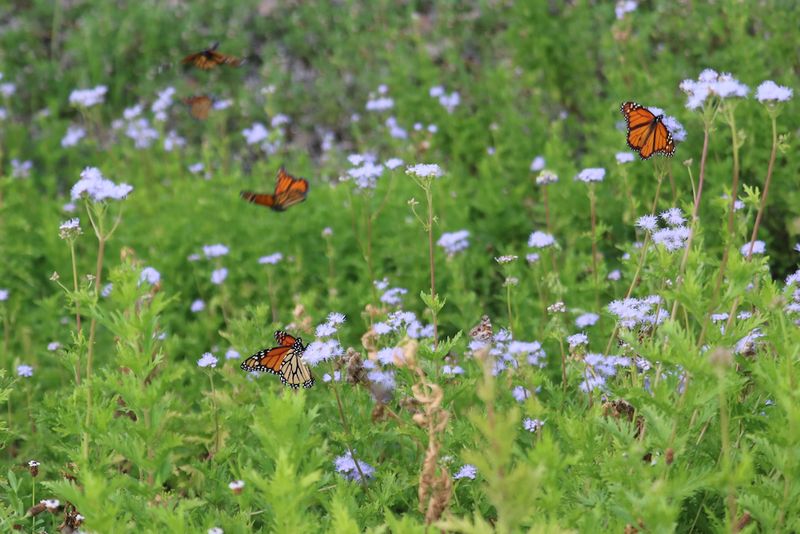
Watch a patch of Gregg’s mistflower on a sunny October afternoon and you might count dozens of queen butterflies. Few Texas natives draw a crowd quite like it.
Fluffy blue-lavender blooms cover low, spreading plants that work well as groundcover. It handles heat, drought, and rocky soil across much of the state.
Planting after the cool rain helps roots settle before winter. Expect it to spread a bit, which most pollinator gardeners welcome.
10. Calendula
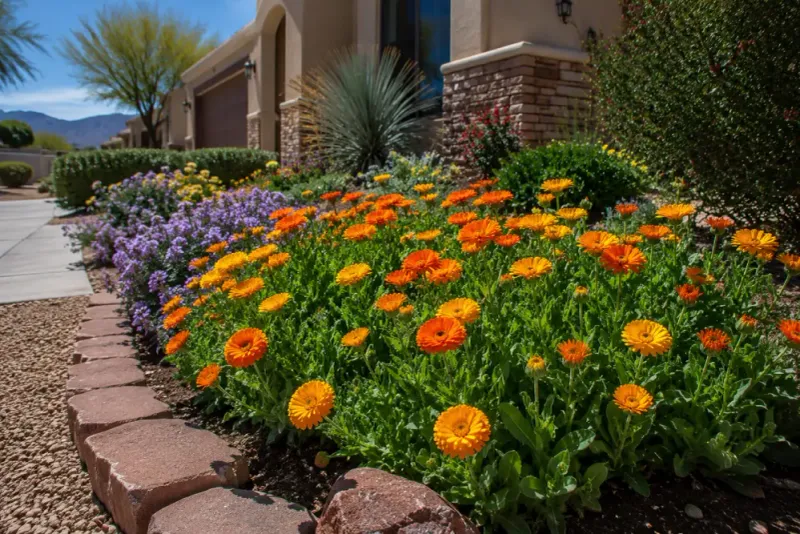
Orange like a sweet potato pie, calendula fits the season perfectly. Its sunny blooms brighten vegetable gardens and flower beds alike.
Sow seeds or set out transplants after the first cool rain. Full sun and average soil work fine, and it may bloom from fall into spring in milder parts of Texas.
Cooks have long tossed the petals into salads for color. Plant a row near your fall greens to pull in helpful insects too.